
Growing out a pixie is absolutely worth it if you have the patience for a 12-to-24-month process and a clear goal in mind. Most people hit a wall around months 3-6 when the hair is too long to style like a pixie but too short to do much else with, and that's the moment most people re-cut. If you can get through that phase with the right plan, the rest of the grow-out is genuinely manageable. Whether you're on the fence or already committed, here's everything you need to know before you make the call.
Should I Grow Out My Pixie Cut? Timeline and Plan

Marcus Vickers
13 Jun 2026

Quick decision: grow it out or cut again?
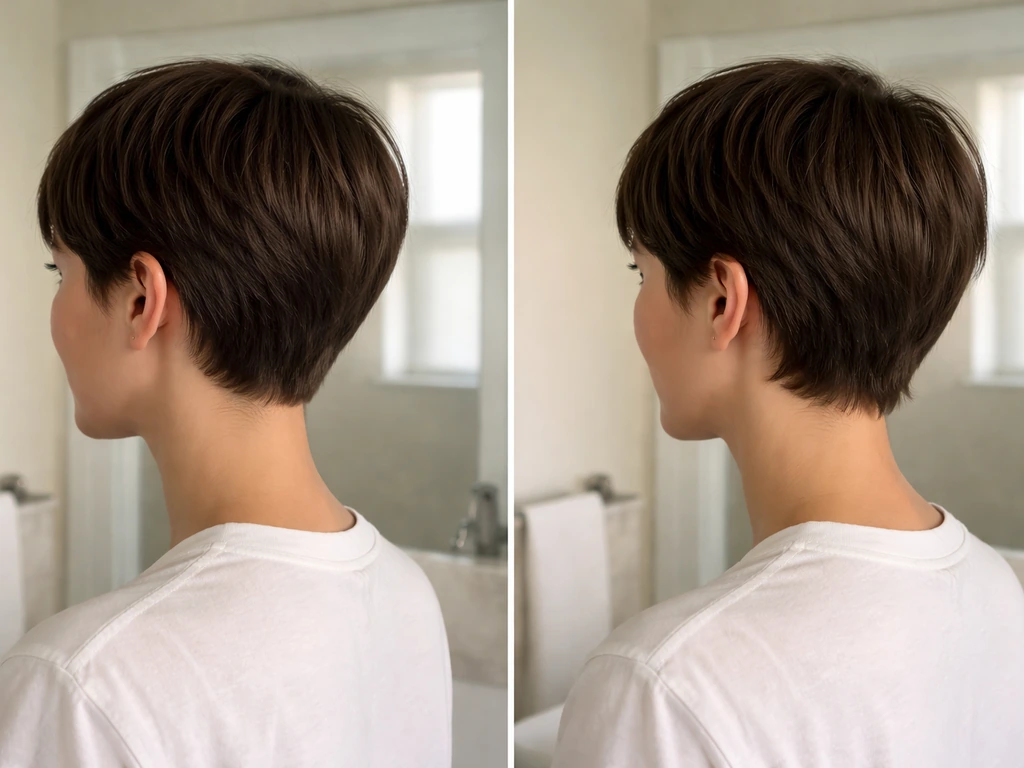
Before committing to a year or more of awkward phases, run through this honest self-check. There's no wrong answer, but knowing your actual situation before you start will save you a lot of frustration halfway through.
| Question | Lean toward growing out if... | Lean toward cutting again if... |
|---|---|---|
| What's your style goal? | You want a bob, lob, or longer style | You love the pixie and nothing else appeals to you right now |
| How's your patience with styling? | You're willing to spend 5-15 min/day for a year or more | You got a pixie specifically to avoid morning styling effort |
| What's your hair texture? | Fine to medium texture (grows out more smoothly) | Very thick, coarse, or naturally curly hair (grow-out is more dramatic but still very doable) |
| How do you handle awkward aesthetics? | You can commit to a plan and style through the weird phases | Feeling unkempt or disheveled affects your confidence significantly |
| What's your lifestyle? | You can book shape-up trims every 6-8 weeks | You rarely see a stylist and want to set-and-forget your cut |
If you're mostly in the 'grow out' column, keep reading. If you're mostly in the 'cut again' column, that's genuinely useful information too. There's no point forcing a grow-out when you love a short cut. But if even one or two answers are pulling you toward growing, give yourself the full picture of what the process looks like before deciding.
How long a pixie realistically takes to grow out
Hair grows roughly 0.5 inches per month on average, though some people clock closer to 0.8-1.4 cm per month depending on health, genetics, and age. For practical planning purposes, assume half an inch per month and you won't be caught off guard. A typical pixie cut sits at about 1-3 inches on top and shorter on the sides and back, so reaching each milestone takes real time.
| Milestone | Approximate timeframe from a standard pixie | What it looks like |
|---|---|---|
| Ear-length / shaggy pixie | 3-5 months | Top has some movement, sides are getting full, fringe hits the eyebrows or beyond |
| Textured crop / short bob territory | 6-9 months | Hair tucks behind ears, neck has noticeable length, layering becomes visible |
| Chin-length bob | 10-14 months | Legitimate bob shape, real styling options open up |
| Collarbone / lob length | 18-24 months | Most styling versatility, the hardest phases are well behind you |
| Mid-back or longer | 3+ years | Long-term goal territory |
These ranges assume you're getting strategic trims along the way (more on that below) rather than doing a complete cold-turkey grow-out. This pixie grow-out timeline is also why keeping up with strategic trims makes such a big difference between awkward and intentional. If you've already been growing for a few months, you're closer to your milestone than you think.
If you’re doing a shaved head, the grow-out timeline often follows a faster early pattern, with the most noticeable awkward phase showing up a few months in shaved head grow out timeline. The grow-out timeline for a buzz cut follows a similar early trajectory, but a pixie usually has more length variation across the head to manage from day one.
If you want a clearer buzz cut grow out timeline, use these early-stage patterns as your baseline and adjust for your pace.
The awkward phases, broken down honestly
The grow-out has a few distinct problem zones, and they each need a different strategy. Understanding what's happening in each area helps you stop feeling like something is 'wrong' with your hair and start working with what you have.
Months 1-3: the overgrown pixie

This is actually the easiest phase. Your cut still looks intentional, just a little longer. The top starts to get some volume and movement. Sides and back are getting fuller. Most people feel fine here. The main issue is that the neckline and sides can start to look unkempt before they look styled. A quick neck cleanup and side tidy (without removing length) every 6-8 weeks keeps this phase looking deliberate.
Months 3-6: the dreaded in-between stage
This is where most people bail. The sides are hitting ear level and puffing out rather than lying down. The back is getting a weird shelf or mullet-like shape if it's not managed. The top may be long enough to flop but not long enough to tuck. If you have an undercut or very tapered sides from your original pixie, this is where the contrast between the grown-out top and the shorter sides becomes most obvious. Stick with it. This phase passes, and the styling tips below will help you get through it looking put-together rather than abandoned.
Months 6-10: uneven layers and texture surprises
Once you're past ear length, the awkwardness shifts from volume problems to layer problems. If your pixie had lots of layers, some sections may be significantly longer than others by now. You might find that the back is fuller than the front, or that one side grows faster or sits differently. This is also when natural hair texture reasserts itself, which can be genuinely surprising if you'd had the pixie for years. Curls come back, waves reappear, and straight hair sometimes develops unexpected movement. For those with thick hair, this phase can feel particularly dramatic.
The front and fringe during grow-out
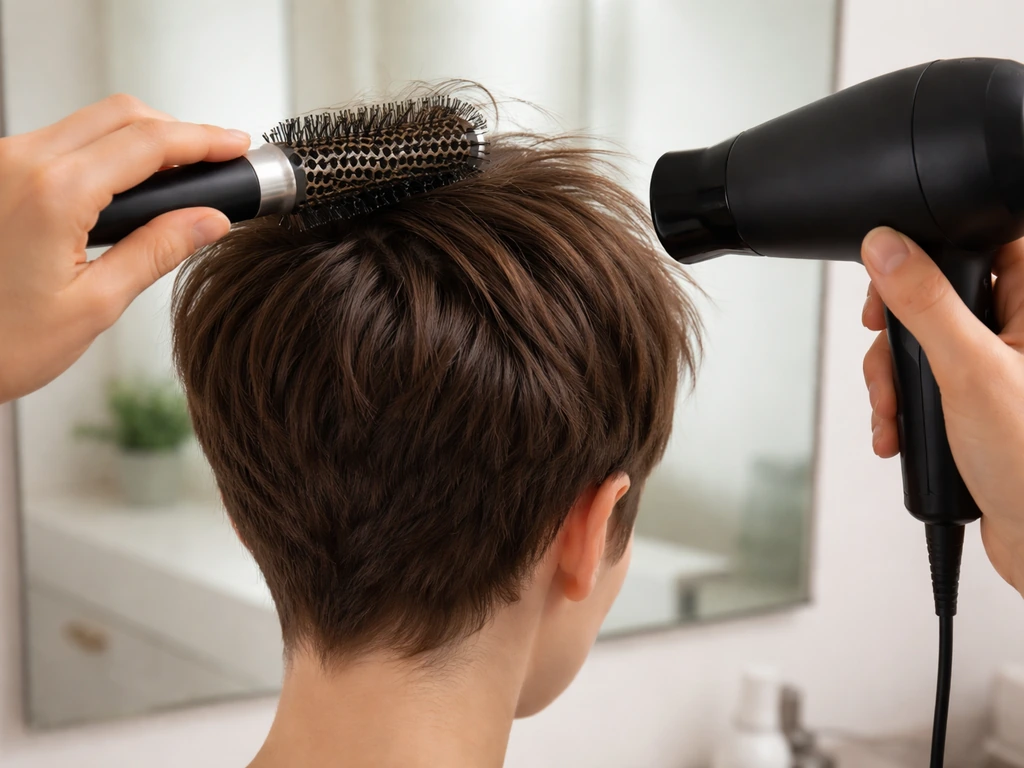
The front section of a pixie causes the most daily styling frustration. If you had a cropped fringe or very short bangs, they'll hit that difficult in-between length around months 2-4 where they're too long to sit flat and too short to sweep to the side. The most effective move is using a small amount of pomade or wax to push them to the side or back, or training them with a headband or clips while they're damp. Once they reach brow length, sweeping or pinning becomes much easier. If you had an asymmetrical pixie, the front asymmetry can look increasingly uneven as it grows, which is worth a stylist conversation early.
Styling game plan at each length
The products and tools you need change as your hair gets longer. Using the same approach from your pixie days throughout the entire grow-out is one of the most common reasons people feel like their hair 'just won't work' during the transition.
Short pixie growing out (months 1-4)
- Lightweight pomade or paste: adds definition without weight, keeps sides lying down
- A boar-bristle brush or soft-bristle paddle brush: smooths the top without lifting root volume
- Blow dryer on low heat with a concentrator nozzle: direct heat lets you push the hair in a deliberate direction as it grows
- Salt spray: adds texture and 'intention' to slightly overgrown shapes so they look styled rather than just long
Ear-length and neck-length stages (months 4-9)
- Mousse or curl cream if your texture is wavy/curly: let the wave work for you rather than fighting it flat
- Small round brush with a blow dryer: starts giving you real shaping control, adds soft volume on top
- Bobby pins, small claw clips, and thin headbands: underrated tools for keeping the awkward front sections pinned while sides catch up
- Light hold spray: keeps the shape you've blow-dried without making hair stiff
- Flat iron or 1-inch curling iron: once you hit ear length, you can start adding bend and movement to make the shape look intentional
Bob territory and beyond (months 10+)
- Switch to a regular shampoo and conditioner routine rather than the lighter products you may have used for short hair
- A detangling brush and light leave-in conditioner: layers and new length need moisture management
- 2-inch barrel curling wand or flat iron: gives you waves, flips, and movement in a real bob shape
- Dry shampoo: helpful when second-day styling is now possible for the first time in years
- Hair ties and clips: you now have options beyond just 'wearing it down'
Trims and maintenance while you're growing
The biggest grow-out myth is that you shouldn't cut your hair at all. Strategic trims are what make the difference between looking like you're growing your hair out intentionally versus looking like you forgot to get a haircut. The goal of each trim is to remove bulk and shape without removing length.
- Every 6-8 weeks: book a neckline and side cleanup with your stylist. Ask them to take nothing off the top, just clean up the perimeter. This makes a huge visual difference without costing you any growth progress.
- At 3-4 months: consider a 'shape-up' trim that takes out any overhanging or disconnected layers on the sides. Tell your stylist explicitly that you're growing it out and show them a goal photo.
- At 6-9 months: this is often when a textured crop, short shag, or 'grown-out pixie bob' cut can be offered. These styles make the current length look intentional while keeping all the length you've grown.
- At 10-14 months: a junior bob or lob shape can be cut to even out the ends and establish a clean line. This is not cutting it short again, it's shaping what you have into a style.
If you had an undercut as part of your pixie, the undercut will need to either be maintained at its original length (which creates a dramatic contrast) or be allowed to grow out with the rest of your hair. Most people growing out an undercut find it easier to let it grow and blend it in with trims every 6-8 weeks rather than keeping it shaved. That said, keeping a subtle undercut while the rest grows out is a legitimate style choice if you like the contrast.
Managing bangs, fringe, and cowlicks as they grow
Bangs and the front hairline are the first thing people notice, so managing this section well makes the entire grow-out feel much more polished even when the rest is still in transition.
Growing out the fringe
If your pixie had a cropped or textured fringe, the most awkward phase is when they're between 1.5 and 2.5 inches, hitting the bridge of the nose or just above. Sweep them to the side using pomade while hair is slightly damp, then blow-dry in the swept direction to train the part. Doing this consistently over 2-3 weeks actually retrains where the hair wants to fall. Once fringe reaches brow length, you have genuine options: side sweep, curtain bangs, or tucking behind the ear once long enough.
Cowlicks during grow-out
Cowlicks that were hidden by the short crop of a pixie often become more visible and annoying in the 2-5 inch range. The most common spots are the crown (which causes lift or whirling) and the front hairline (which causes a section to push forward or refuse to lie flat). The most effective technique is to blow-dry the cowlick section against its natural direction first, then redirect it. For crown cowlicks, blow-drying the surrounding hair flat first, then working the cowlick section into that flat hair, tends to tame it better than targeting the cowlick directly. A small amount of firm-hold pomade applied to damp hair before blow-drying gives you the most control.
When cowlicks and texture are fighting you every day
If one section consistently sticks up, won't lie flat, or creates a visible bump no matter what you do, it's worth showing your stylist rather than fighting it alone. Sometimes a single internal layer or point-cutting in that specific section changes the weight distribution enough to solve the problem. This is a five-minute fix at a trim appointment and can make weeks of styling suddenly click.
When to reconsider, troubleshoot, or ask for help
Not every grow-out goes smoothly, and there are specific situations where you should either pause, troubleshoot, or book a stylist consultation rather than pushing through on your own.
Hair that won't lie flat or looks structurally wrong
If sections are sticking out at angles no product seems to fix, the problem is usually weight distribution from old layers, not a product or technique issue. A corrective trim that removes the disconnected layers but keeps the overall length will fix this. Tell your stylist you want your layers blended, not shortened. Photos of the problem section are worth more than any verbal description.
Significant slowdown or uneven growth
If your hair seems to have stopped growing or is growing noticeably faster or thicker on one side, it's worth checking in with a doctor rather than assuming it's normal. A published review-like summary reports that average hair growth rates can fall roughly in the ~0. Healthy scalp hair commonly grows at an average rate of about 0.
5 inches per month (about 1 cm per month), though it varies by person [average hair growth rates can fall roughly in the ~0. 8, 1. ](https://www. medicalnewstoday.
com/articles/326764). 8, 1. 4 cm per month range, with variability between individuals [TheScientificWorldJOURNAL](https://citeseerx. ist.
psu. edu/document? doi=8990fda7991659808e9089f68679a5a46355011f&repid=rep1&type=pdf). Thyroid changes, nutritional deficiencies (especially iron, biotin, or protein), and hormonal shifts can all affect hair growth rate and texture.
This is especially worth investigating if the slowdown is new or accompanied by other changes. Scalp health also matters more than most people realize: a dry, flaky, or inflamed scalp slows growth, so switching to a gentle scalp-focused shampoo and doing a weekly scalp massage can make a real difference over months.
Going too long between any cuts at all
One of the most common grow-out mistakes is avoiding the salon entirely for 6-12 months. By the time you go back, the shape is so far gone that the stylist has to take real length to fix it, which feels like going backward. Regular 6-8 week perimeter trims keep your options open and your shape controlled without sacrificing any growth toward your goal.
Seriously reconsidering the grow-out
If you're at month 4 or 5 and genuinely miserable every morning, it's okay to reassess. If you are figuring out how to grow it out while keeping black hair healthy and manageable, you can also use the tips in how to grow out a pixie cut black hair as a related guide. Ask yourself honestly: is it the phase (which passes), or is it the goal (which may not be what you actually want)?
If you loved the pixie and only started growing it out because of external pressure or a passing idea, cutting back isn't failure. That said, if you can identify which specific phase is bothering you and see a clear endpoint on the timeline, push through another 4-6 weeks and reassess again. Most people who cut at month 5 wish they'd waited until month 8.
The grow-out process is different depending on your starting point. Growing out thick hair involves more bulk management than fine hair, and growing out a pixie with significant layering requires more strategic trimming than a blunter cut. If you're navigating a specific texture or cut style, drilling into those details will make the process feel much more targeted and less like general advice that doesn't quite apply to your hair.
FAQ
Should I grow out my pixie if I know I will feel awkward at months 3 to 6?
Yes, but only if you plan for the ear-level and “can’t-sweep-yet” stage. If you hate that phase, schedule a 6-8 week trim right after it starts and commit to simple daily shaping (pomade or wax plus blow-drying in the direction you want). Without that maintenance, many people re-cut because the hair looks messy rather than intentional.
How often should I get trims while growing out a pixie?
Plan on perimeter trims every 6-8 weeks. Ask for bulk and shape removal without taking visible length, especially around the neckline and sides. Going longer than 10-12 weeks usually gives the stylist less flexibility, which can force a more drastic correction.
What should I tell my stylist so I do not lose my length?
Use “blend, don’t shorten” language. Tell them you want disconnected layers removed, neckline cleaned up, and the sides tapered only enough to prevent puffing. Bring photos of the specific sections acting up (front bangs, crown cowlick, side shelf) so they can adjust weight distribution precisely.
Can I grow out a pixie without using styling products?
You can for the early part, but you will likely need at least a small amount of firm or flexible hold during the in-between lengths. Products matter most around the front fringe and cowlick zones (2-5 inches), where control is about direction and weight, not just softness.
Will I need to trim even if I truly want a “no-cut” grow-out?
Not necessarily for every person, but skipping trims usually makes the shape harder to fix later. Strategic trims remove bulk and keep the cut looking deliberate, so when you do want length, you are still preserving it by avoiding a bigger correction later.
If my pixie had an undercut, should I keep it shaved or blend it out?
Most people find blending easier by letting it grow and maintaining it with 6-8 week trims. Keeping it shaved can look stylish if you want strong contrast, but it can also create a longer, more noticeable “two lengths” phase, so decide based on whether you prefer contrast or a smoother transition.
What if my bangs keep flipping forward no matter what I do?
Treat it as a cowlick or hair direction issue, not a product issue. Blow-dry against the natural direction first to flatten the base, then redirect and finish with a firm-hold product on slightly damp hair. If one spot keeps forming a bump, ask for a targeted internal layer change at your next trim.
How can I tell whether I should keep growing or cut again?
Reassess based on two checkpoints: whether you can get through mornings with minimal effort, and whether you can see an endpoint on your timeline (like reaching brow length for the front). If the front and cowlick zones are consistently miserable, it may be the wrong phase for you. If only one specific area is the problem, a corrective trim might fix it without restarting.
What if my hair seems to stop growing during the grow-out?
If the slowdown is new or comes with other body or scalp changes (fatigue, shedding, hormonal shifts, a new diet or stress), consider a medical check for thyroid, iron, protein, biotin, or overall nutrition. Also evaluate scalp health, since persistent dryness or inflammation can make growth look slower over months.
Is growing out my pixie harder with thick hair or lots of layers?
Usually. Thick hair often needs more bulk control to prevent poofing, and layered pixies can create uneven sections as lengths diverge. Tell your stylist which areas grow out oddly (back fuller than front, one side sits differently), and ask for blending that stabilizes shape instead of adding more uneven layers.
Should I expect my hair texture to change as it grows?
It can. After a few months, natural waves, curls, or movement patterns may reappear as the shorter style no longer forces the hair into the same shape. If your texture changes, adjust your routine to match (for example, more controlled drying direction and a slightly stronger hold during the messy mid-length stage).