
Growing out a pixie cut with thick hair takes roughly 12 to 15 months to reach bob length, and the hardest stretch is months 3 through 6, when hair is too long to look intentional as a pixie but too short to style like anything else. The good news: thick hair actually has an advantage here. You have enough density to shape and texturize your way through the awkward phase without it looking limp or stringy. The key is not going cold turkey on trims, controlling bulk at the sides and nape without sacrificing top length, and using a few targeted styling moves each week that make the grow-out look deliberate rather than accidental.
How to Grow Out a Pixie Cut with Thick Hair

Marcus Vickers
3 Jun 2026
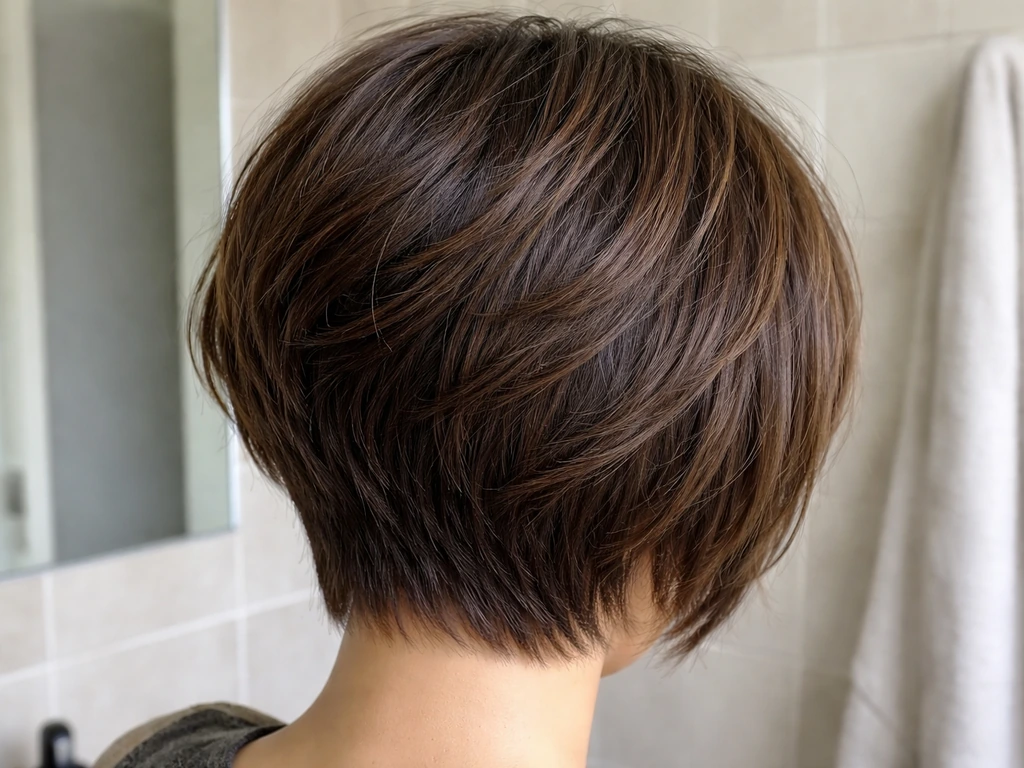
What to expect and when: a realistic timeline
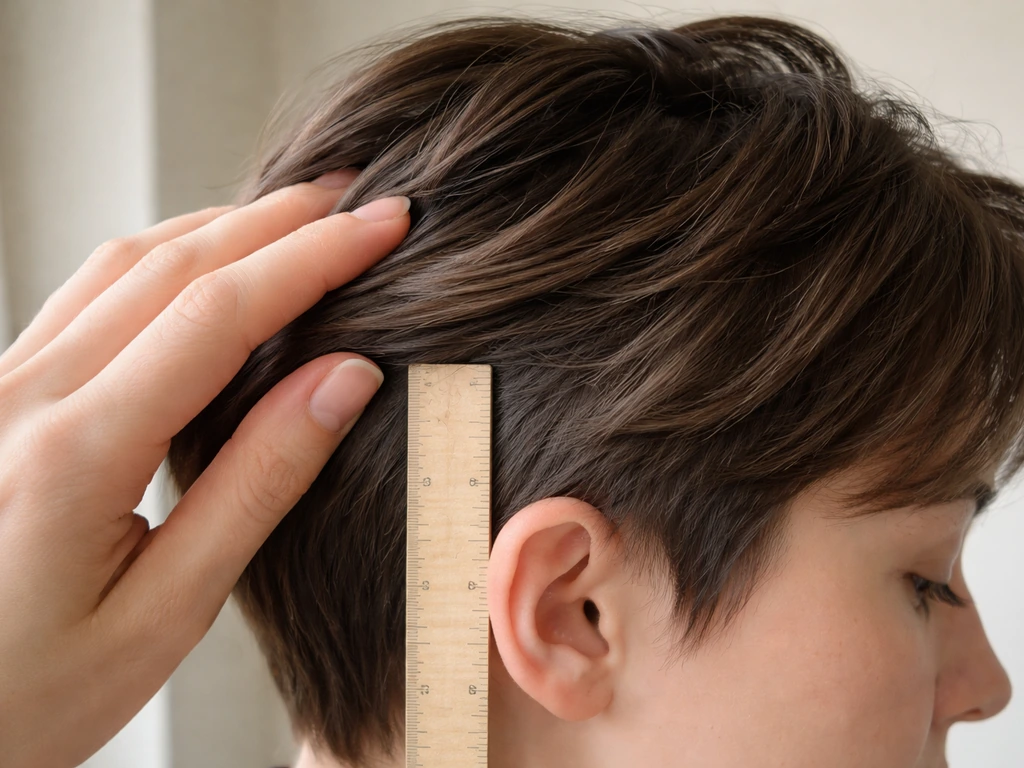
Hair grows about 1.25 cm (half an inch) per month on average, which means you are looking at roughly six inches of new growth per year. That is the baseline for all the stage estimates below, though genetics, health, and hair density can shift things a few weeks in either direction.
| Stage | Timeframe | What's happening | Your main job |
|---|---|---|---|
| Still a pixie | Months 0–2 | Top is gaining length, sides and nape are still tight | Keep nape and sides clean; enjoy the easy styling |
| The awkward phase | Months 3–6 | Hair is too long for pixie, too short for anything else; crown gets fluffy, sides puff out | Manage bulk, find transitional styles, resist the urge to cut it all off |
| The shaggy phase | Months 7–9 | Layers are uneven, growth is patchy, nape starts curling or flipping out | Work with texture, use styling tools, keep shaping the perimeter |
| Approaching bob | Months 10–12 | Length is reaching chin or jaw; sides and top starting to even out | Let the top keep growing; clean up the back line only |
| Bob territory | Months 12–15+ | Actual bob-length hair; styling options open up significantly | Decide on a real bob cut or keep going for more length |
The awkward phase between months 3 and 6 is where most people bail and cut it short again. Understanding that it is temporary and genuinely finite makes it easier to push through. If you want a more detailed breakdown by starting length and hair type, the pixie grow out timeline guide on this site maps it out month by month.
The thick hair grow-out plan: dealing with bulk, shape, and texture
Thick hair is both your biggest asset and your biggest headache during a pixie grow-out. Thick hair is both your biggest asset and your biggest headache during a pixie grow-out how to grow out a pixie cut black hair. You will not struggle with volume or separation, but you will absolutely deal with a mushroom silhouette, puffed-out sides, and a crown that seems to grow upward instead of downward. The goal is to redirect that bulk into shape rather than fight it.
Control bulk without cutting off length
The single most useful thing you can do is ask your stylist to point-cut and texturize the sides and underneath layers during every shape-up, rather than blunt-cutting across the top. Blunt cuts on thick hair create a wall of density that sits wide and heavy. Point-cutting removes weight while keeping the exterior length, so the hair falls rather than stands. At home, a pair of texturizing shears used lightly through the mid-shaft (not the ends) can knock out bulk between appointments.
Styling thick hair through the grow-out
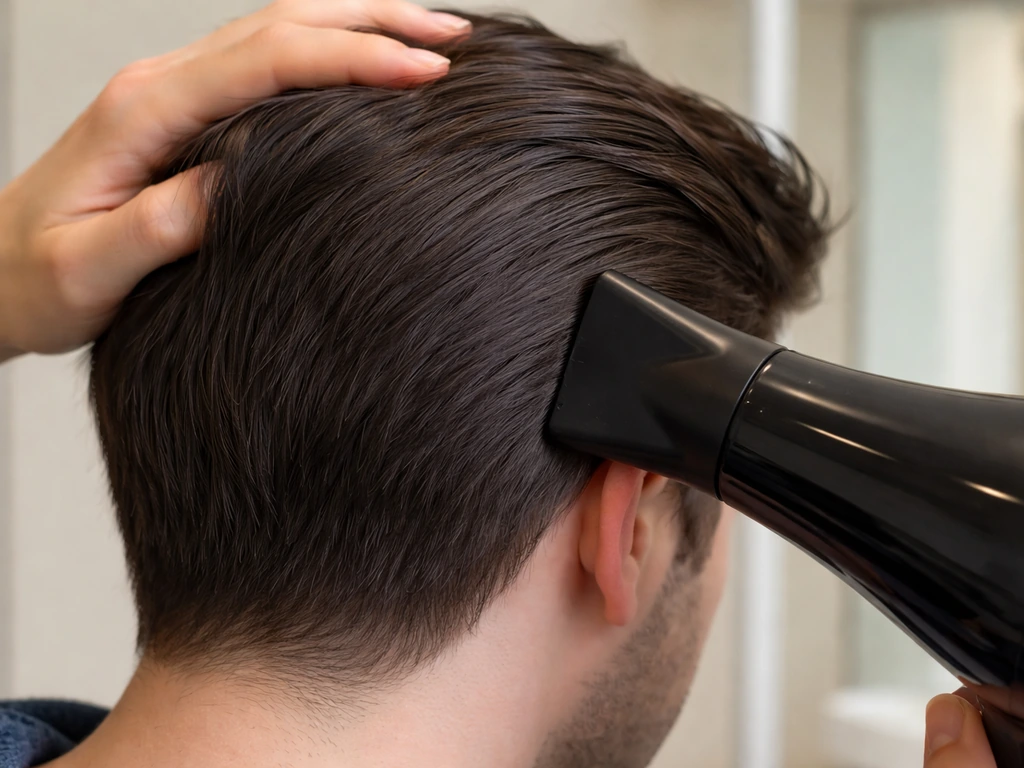
- Use a blow-dryer with a concentrator nozzle to direct hair flat against your head as it dries, especially at the sides. Drying with your hand smoothing downward kills the puff.
- A tiny amount of pomade or smoothing cream worked through damp hair before drying tames frizz and keeps thick strands from separating into a halo.
- Part changes are your best tool. A deep side part immediately gives thick hair more movement and reduces the rounded, helmet-like shape that a center part creates.
- Bobby pins and mini claw clips are underrated. Pinning one side back during the awkward phase looks intentional and solves the 'too long to stay behind my ear' problem instantly.
- Avoid heavy serums at the root. Thick hair can handle them on the mid-shaft and ends, but root-heavy product makes thick hair look greasy and flat at the scalp while staying puffy at the sides.
- For frizz, apply an anti-frizz leave-in or lightweight cream right after towel-drying, then detangle from the ends up with a wide-tooth comb before you style. This is especially important in humid weather when thick hair goes wild.
The thin hair grow-out plan: building volume and avoiding the stringy stage
Growing out a pixie with fine or thin hair is a different challenge. If you are wondering should i grow out my pixie, start by matching your hair type and styling preferences to the grow-out timeline so you know what to expect. Your issue is not bulk, it is keeping the hair from lying completely flat against your head, separating into stringy strands, or looking limp and shapeless as the length catches up with itself. The strategies below work specifically around those problems.
Volume and lift are everything
Blow-drying upside down creates root lift almost immediately and is one of the most effective free tools you have. Flip your head, dry from root to mid-shaft with medium heat, then flip back and smooth the ends. The extra lift at the root makes thin hair read as fuller and more intentional at every stage of the grow-out.
Volumizing mousse applied at the root before drying does the same job. Root-focused thickening powders (applied just at the scalp) can also give lift, though use them sparingly since they build up on the scalp over time. One or two days a week is plenty.
Watch the layering during trims
This is the trap a lot of fine-haired people fall into: asking for lots of layers to add texture and movement, and ending up with hair that looks thinner than before. Over-texturized, overly wispy layers remove the weight that fine hair needs to hold its shape. Keep some weight and length on top during the grow-out, and ask your stylist to keep layers minimal and internal rather than cutting into the outer silhouette. A little texture goes a long way when you do not have a lot of density to work with.
Styling thin hair through the grow-out
- Use a light sea salt spray on damp hair, scrunch gently, and air dry for soft texture and separation without making hair look stringy.
- A soft side part (not too deep) avoids the flat, center-parted look that makes thin hair appear sparse.
- Avoid heavy creams or oils anywhere near the roots. They will weigh thin hair down immediately.
- Small barrettes and headbands used at the sides or crown keep grow-out pieces looking placed rather than random.
- Skip the dry shampoo at this stage if possible. It adds visual texture but can also clump fine hair together, which makes separation worse.
- For the stringy phase, a tiny bit of light-hold gel worked through the ends gives definition without crunch, so strands hang together in sections rather than as individual wispy pieces.
How often to trim (and when to leave it alone)
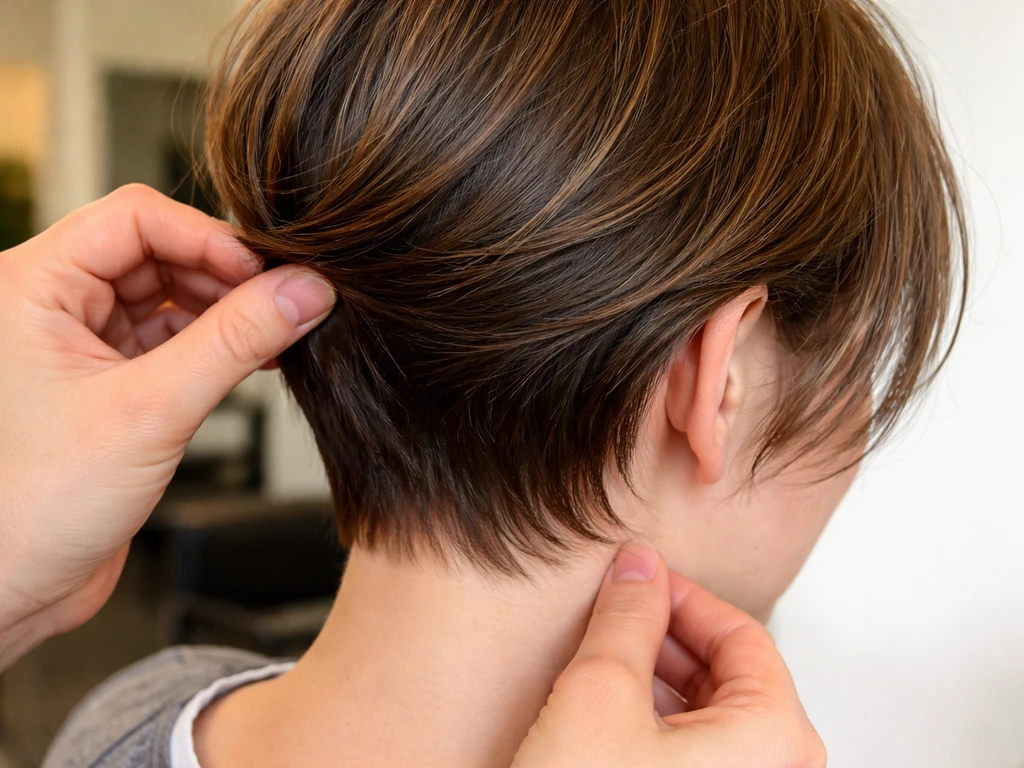
The biggest mistake people make when growing out a pixie is either going too long without any maintenance (so the shape becomes genuinely unwearable) or trimming too much at every appointment and stalling all progress. Neither extreme works. What does work is strategic trimming: cleaning up specific areas on a schedule while protecting the parts you are trying to grow.
| What to trim | How often | What to leave alone |
|---|---|---|
| Nape and neck line | Every 6–8 weeks | Everything on top and at the sides |
| Sideburns and around the ears | Every 4–6 weeks if they grow fast | The crown and top section |
| Fringe/bangs | Every 1–4 weeks depending on length and how fast they grow | Side sections and top if they are behind the ears |
| Full shape-up with texturizing | Every 6–8 weeks | Do not take off more than a quarter inch of top length |
A nape cleanup every 6 to 8 weeks is the most useful appointment you can keep. It stops the back from looking scraggly without touching the top length at all. For the sides and sideburns, 4 to 6 weeks is a reasonable interval, especially if you have thick hair that grows outward before it grows down. The only area where you should be genuinely hands-off is the top. Let it grow. If it bothers you, style it, pin it, part it differently, but do not cut it.
If you had bangs or a fringe as part of your pixie, those will need the most frequent attention because short fringe grows quickly into the eyes. A mini trim every one to two weeks for very short fringe, or every three to four weeks once it clears the brows, is a reasonable cadence. The goal is to keep fringe long enough to push to the side or clip back so it stops being purely functional and becomes part of a transition style.
Making regrowth look intentional: everyday styling through the awkward phase
The awkward phase does not have to look accidental. Most of the styles that work during months 3 through 9 are about creating a focal point that draws attention away from uneven lengths and toward one deliberate element, whether that is a clean side part, a textured top, or a well-placed accessory.
Go-to styles for each stage
- Months 1–3: Keep styling as close to your original pixie as possible. Use pomade or wax to define pieces at the crown and temple. Change your part to get a different silhouette without touching the length.
- Months 3–5: Start pinning one side back with bobby pins or a small clip. This immediately resolves the 'too long to stay put' problem on the sides and looks polished. Headbands also work well here for all genders.
- Months 5–7: Try a tucked look behind the ears on both sides for a vintage, intentional effect. A light texturizing spray through the top gives movement so hair does not look like it is just sitting there.
- Months 7–9: You can start experimenting with a very loose, tousled look using a curl-enhancing cream if your hair has any wave to it. Thick hair especially benefits from scrunching with a microfiber towel to encourage natural bends.
- Months 9–12: You are close enough to bob territory that a structured tuck or a half-up section at the crown starts working. This is also when a headband or wide clip worn further back actually reads as a style choice rather than a crutch.
Heat tools can help, but keep the temperature reasonable. A flat iron used to smooth pieces down at the sides (for thick hair) or to bend the ends under slightly (for thin hair) makes the grow-out look more polished in under three minutes. You do not need to style the whole head, just the pieces that are in the wrong place.
Handling the tricky parts: uneven growth, undercuts, and bangs
Almost no one grows out a pixie evenly. The crown tends to grow faster or differently than the sides. Bangs behave on their own schedule. And if you had an undercut or a closely shaved nape, that section starts the grow-out from a completely different length than the rest of the hair, creating a visible layer gap as things even out.
Dealing with an undercut during grow-out
If you had a shaved or closely clipped undercut, the nape will be noticeably shorter than the rest of your hair for several months. If you are working with a closely shaved nape or fully shaved head, the shaved head grow out timeline will be different, so map the stages from your starting length. You have two options: let the nape grow at its own pace and keep the longer layers styled over it (this works if the top layers are long enough to cover), or maintain the undercut during the early grow-out and gradually soften it at each appointment by taking it progressively shorter rather than all the way off. Most people find the second approach less jarring, since it means the transition happens incrementally rather than in one dramatic reveal.
Crown and side unevenness
If one side grows faster, or the crown comes in thicker than the sides, do not try to even it out by cutting the faster-growing section. Instead, adjust your styling direction. A deep part on the fuller side pushes volume to where it is needed. A texturizing spray on the shorter or thinner section builds visual density. The sections will even out over time, and cutting the faster side just delays everything.
Growing out bangs
Bangs that were cut as part of a pixie are often the most annoying part of the grow-out because they hit the awkward stage (too long to style straight, too short to tuck behind the ear) before the rest of the hair does. Clip them back with a small pin or slide them to the side with a touch of pomade. Once they reach brow length, a side-swept fringe reads as a proper style. Once they pass the nose, you can start training them to one side with a round brush and blow-dryer.
Color and hair care during regrowth
If your pixie was color-treated, the grow-out adds an extra layer of planning. Roots will show within four to six weeks for most colors, and keeping up with root touch-ups every four to six weeks is the standard recommendation for a seamless look. Aveda UK also recommends color-treated root touch-ups about every 4 to 6 weeks to keep roots looking fresh blank" rel="noopener noreferrer">keeping up with root touch-ups every four to six weeks. If you want to blank" rel="noopener noreferrer">stretch that to eight weeks, a good quality color-protecting conditioner and reduced wash frequency will help maintain vibrancy between appointments. Some color treatment systems are formulated to protect color for up to eight weeks, which is worth asking your colorist about if you want to reduce salon visits during the grow-out.
The regrowth period is also a good time to reconsider whether your existing color is helping or complicating the grow-out. A single-process all-over color is easier to manage as hair grows because the root line is more consistent. Highlights and balayage can actually work in your favor during a pixie grow-out because the varying tones disguise a sharp root line, but they do need refreshing every two to three months to avoid looking dull.
Keeping hair healthy enough to actually grow
Short hair does not mean low maintenance. During a grow-out, the ends of your pixie are the oldest, most processed hair on your head. They need consistent moisture to stay healthy enough to keep growing without splitting, especially if they have been colored. A weekly deep conditioning treatment or hair mask, applied mid-shaft to ends and left on for 10 to 20 minutes, makes a real difference in how well the ends hold up.
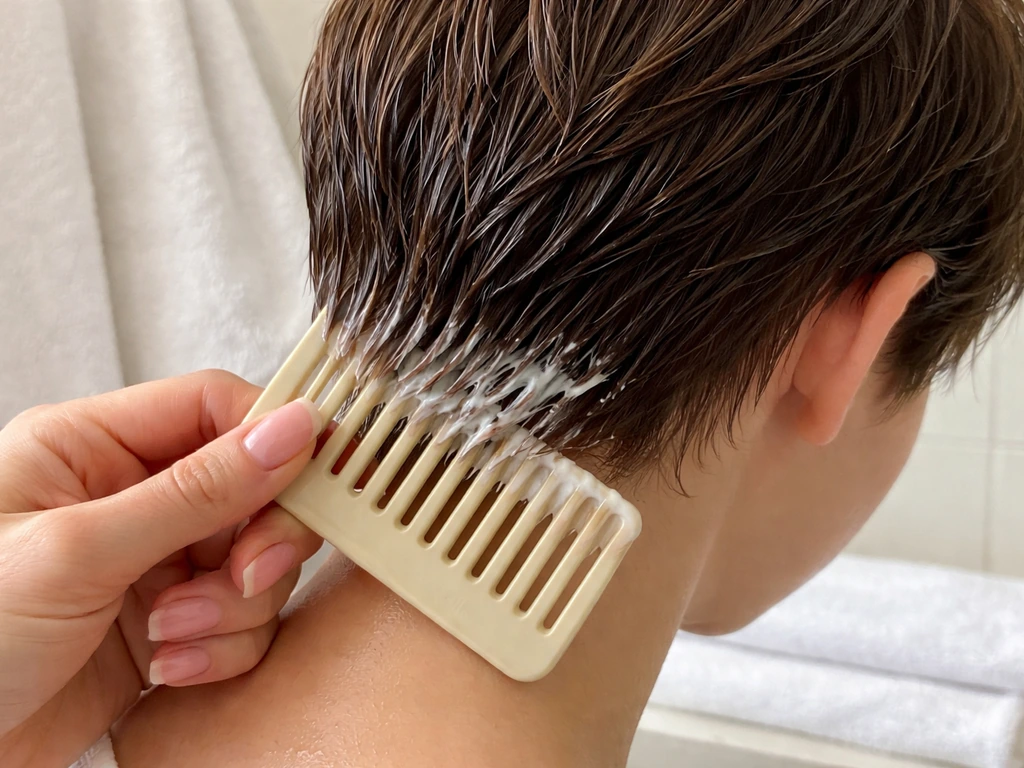
Detangle gently and always start from the ends and work up. Using a wide-tooth comb on damp hair before applying any styling products reduces breakage significantly, which is especially important for thick hair that tends to tangle at the nape as it grows out. Less breakage equals more length retention, which directly speeds up your timeline.
Wash frequency is worth adjusting too. Daily washing strips the scalp and strips protective oils from strands that are already trying to grow. For most people, three to four washes a week is the sweet spot during a grow-out, with dry shampoo or a simple rinse on in-between days. If you have thick hair that is prone to frizz, air drying whenever possible and using a microfiber towel instead of a terry cloth towel will reduce friction-based frizz considerably.
The biggest thing that will keep you on track through all of this is not a specific product or a perfect trim schedule. It is having a realistic picture of what each month looks like and knowing in advance that the awkward phase is coming and it is finite. Growing out a pixie with thick hair has its own specific set of challenges, but with the right shaping strategy and a few reliable styling moves, you can look put-together at every stage rather than like you are just waiting for your hair to do something.
FAQ
What should I do if my pixie grow-out starts looking “blocky” or too wide at the sides, even after point-cutting?
Ask your stylist to focus the next shape-up on the perimeter, not the top (remove weight from the sidewalls and nape transition). At home, use a blow-dry direction technique, aim airflow from root to mid-shaft while holding the hair closer to the head, then finish with a light, cool shot to set the fall.
How often should I trim if I want to grow as fast as possible but still avoid an unwearable shape?
For maximum progress, protect top length and keep trims small and targeted. A good compromise is nape cleanup every 6 to 8 weeks, sides/sideburns every 4 to 6 weeks, and only a micro-touch at the top if tips look uneven (not a reshaping cut).
Can I use thinning shears myself to reduce bulk between appointments?
Avoid thinning shears at home unless you already know how your hair reacts, it is easy to create patchiness that shows when the hair grows. If you want DIY help, stick to very light texturizing on mid-shafts with styling shears or use styling to redirect volume (part changes, blow-dry lift) until you can get a proper shape-up.
My crown grows up, and nothing I do keeps it from standing. What is the fastest styling fix?
Create a deliberate “fall” pattern by switching your part and smoothing only the top layers where it spikes. Use blow-drying root lift for volume control, then immediately switch to a paddle-brush or flat brush to press the crown downward while it cools (cool setting helps thick hair hold direction).
Will growing out a pixie make my hair look thinner even though it is thick right now?
Thick hair usually stays full, but the silhouette can look less dense if you over-texturize the top or cut too much of the exterior line. If you notice the hair losing structure, ask for minimal, internal layering and keep some weight at the crown, then rely on styling (root lift plus controlled smoothing) instead of more layers.
What is the best way to manage a grow-out if I wore an undercut or shaved nape?
Treat the undercut as a separate grow-out timeline. Either keep the undercut slightly maintained early and soften it gradually each appointment, or let it grow out and use longer top layers to cover it while it evens. Plan for a visible “gap” period and don’t try to match lengths by cutting the longer section.
How do I handle fringe when it grows faster than the rest, and it keeps getting into my eyes?
Use micro-management: pin or slide it back as soon as it starts covering your line of sight, then progress to one controlled direction once it clears the brows. If it is very short, clip it with the smallest pin you can and keep it off the forehead, otherwise it will separate and look choppy.
How can I reduce breakage during the grow-out without changing my whole routine?
Be consistent with detangling order: start at the ends, work upward in sections, and detangle only when damp with a wide-tooth comb. Add one friction reducer, a microfiber towel or cotton T-shirt for blotting, and avoid aggressive rubbing at the nape where knots form.
Does wash frequency matter if I have thick hair during the awkward months?
Yes, thick hair can still get dry and tangled if the scalp is stripped too often. A practical target is 3 to 4 washes weekly, use dry shampoo on non-wash days, and if frizz is a problem, air-dry when possible and focus conditioner on mid-shaft to ends.
How do I keep color-treated thick hair looking good as it grows out?
Plan for root visibility and end wear together. Stick to root touch-ups on your colorist’s recommended cadence, and protect the ends with a color-safe conditioning mask because the oldest hair is most prone to dryness and splitting. If you stretch time between appointments, expect slower fading on the lengths but faster visible root growth depending on your shade depth.
If one side grows faster than the other, is it better to cut the faster side or change my styling?
Change styling first. Cutting the faster-growing side usually delays the whole timeline, instead redirect volume using a deeper part on the fuller side and add a light texturizing product to the shorter side so the difference reads intentional. Reassess after 4 to 6 weeks of consistent styling.
What hair accessory or quick style works best when I cannot stand the awkward months 3 to 6?
Use accessories to create structure rather than hiding everything. Try a simple side part with a small clip (near the crown or sideburn line) or a low, loose half-up to anchor the shape. Keep it gentle on thick hair to avoid pulling at the nape and causing extra breakage.