
To pull off a top knot, you need roughly 4 to 6 inches of hair on top of your head, and at average growth of about half an inch per month, that puts most people between 8 and 12 months out from a very short cut. That sounds like a long time, but the good news is you can start styling a partial or mini knot much sooner than that, and with the right approach to shaping, training, and securing during the awkward middle phase, you won't feel the urge to cut it all off before you get there. If you want the full look, focus on consistent growth habits and shaping steps for how to grow skater hair into a top knot.
How to Grow a Top Knot: Timeline, Tips, and Styling

Marcus Vickers
28 May 2026
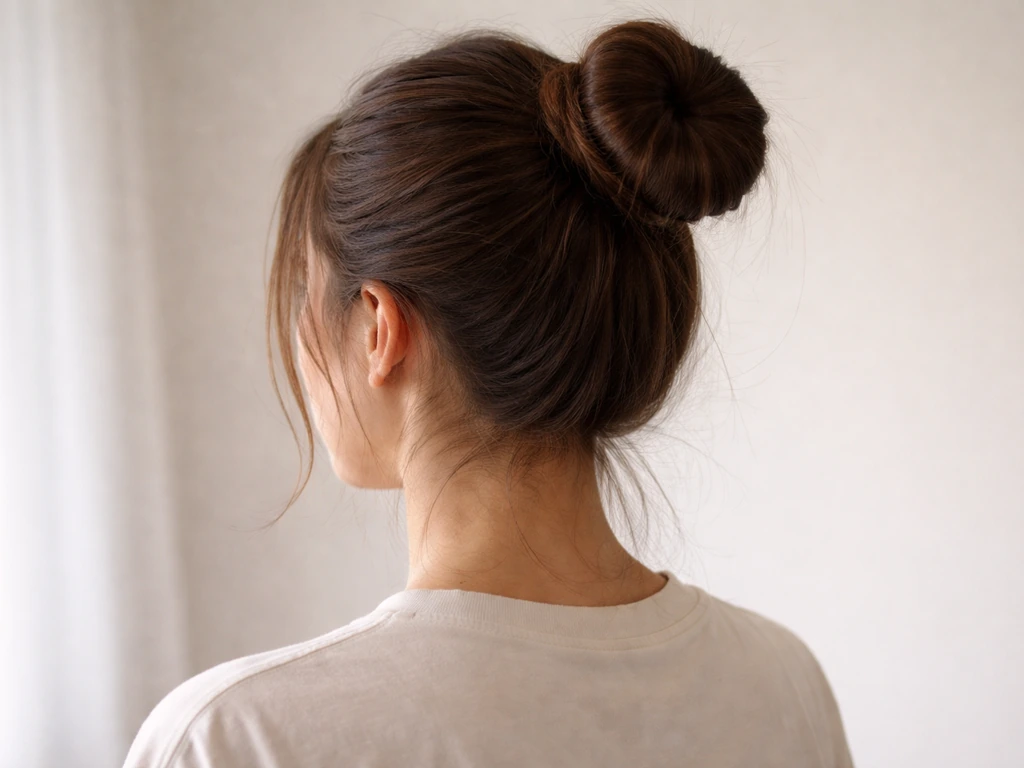
Know your current length and whether a top knot is possible yet
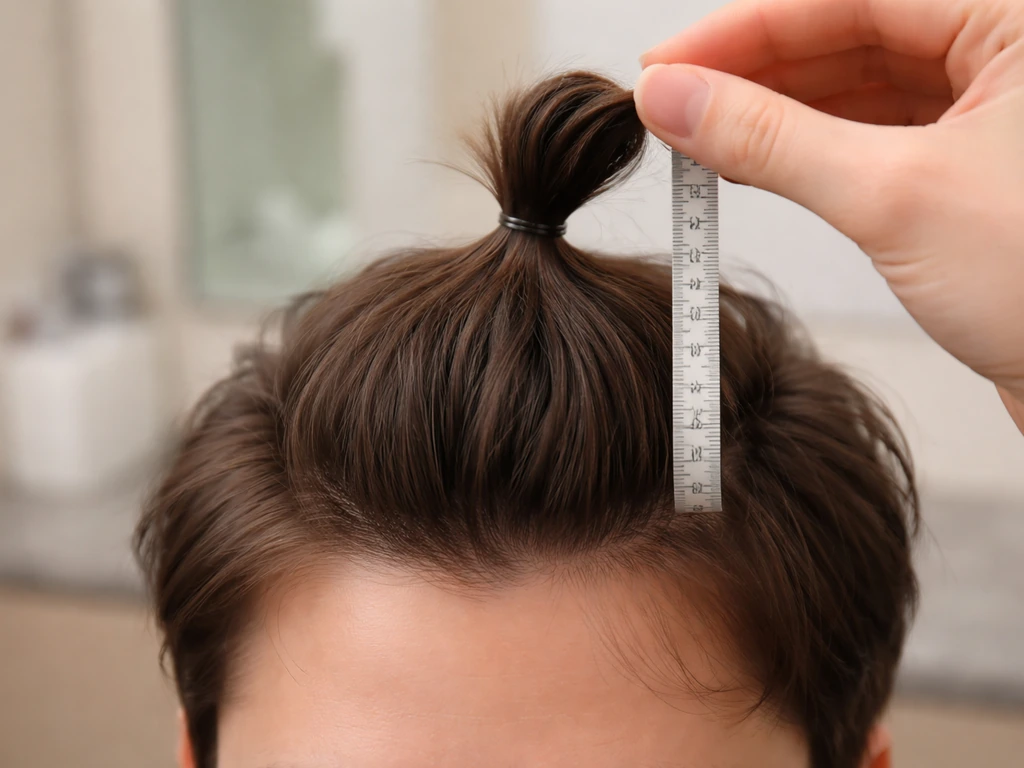
The honest truth is that a true, looped-through top knot needs at least 4 to 6 inches of length on top to gather, twist, and loop back on itself. If you're coming from a buzz cut or tight fade, you're probably looking at 8 to 12 months before you hit that mark. From a pixie cut where the top is already 2 to 3 inches, you might get there in 3 to 5 months. From a longish bob where the top is already at or above the chin, you could attempt a mini knot almost immediately.
The quickest way to assess where you are: gather everything on top of your head (from the crown forward to your hairline) and try to loop it through a hair tie twice. If you can get two loops and the ends tuck under, you're close enough to start working with. If you can only loop once and the ends stick straight out, you're probably at the 3- to 4-inch stage, which is "almost there" territory. And if you can barely gather a ponytail nub, you're in the early growth phase and the priority right now is length over style.
One thing worth checking: are your sides and back shorter than your top? If you're growing out a fade or undercut, the length disparity between the top section and the sides can make gathering feel harder than it is. In that case, the undercut or fade actually works in your favor for a top knot because it keeps bulk off the sides and lets you train all the growth upward. Growing out a fade is its own process, and how you manage those sides while the top catches up matters a lot.
What to do today: shaping, training, and managing awkward growth
If your hair is in the 2- to 4-inch range and you're frustrated, here's what to do right now: stop cutting the top, start directing it. Every time you wash and dry your hair, use your fingers or a soft brush to push everything on top toward the center of your crown. Do this while the hair is still damp. This sounds simple, but it genuinely trains the hair's natural direction over weeks and makes gathering much easier once you have enough length to tie.
At this stage, a light pomade or styling cream applied to damp hair before you dry it is your best friend. Work a pea-sized amount through the top section from roots to ends and then blow-dry on medium heat while guiding the hair upward and inward. This builds in memory and reduces the tendency for shorter hairs to spring outward at weird angles. Avoid heavy gels at this stage; they create crunch and make training harder, not easier.
Resist trimming the top. You can ask your stylist to clean up the sides or nape while leaving the top section completely alone. Every quarter inch matters, and a well-intentioned "just a little off the top" can set you back a full month. On sides and back: trim or maintain as needed to keep the contrast clean and the overall shape intentional, but protect that top section fiercely.
Part your hair the same way every day. Consistency in parting during the growth phase builds a habit into the hair shaft and follicle direction over time. If your goal is a centered top knot, work with a loose center part or no part at all and push everything upward. If you're going for an off-center or pulled-back look, keep that consistent too.
Hair growth timeline to reach a full top knot
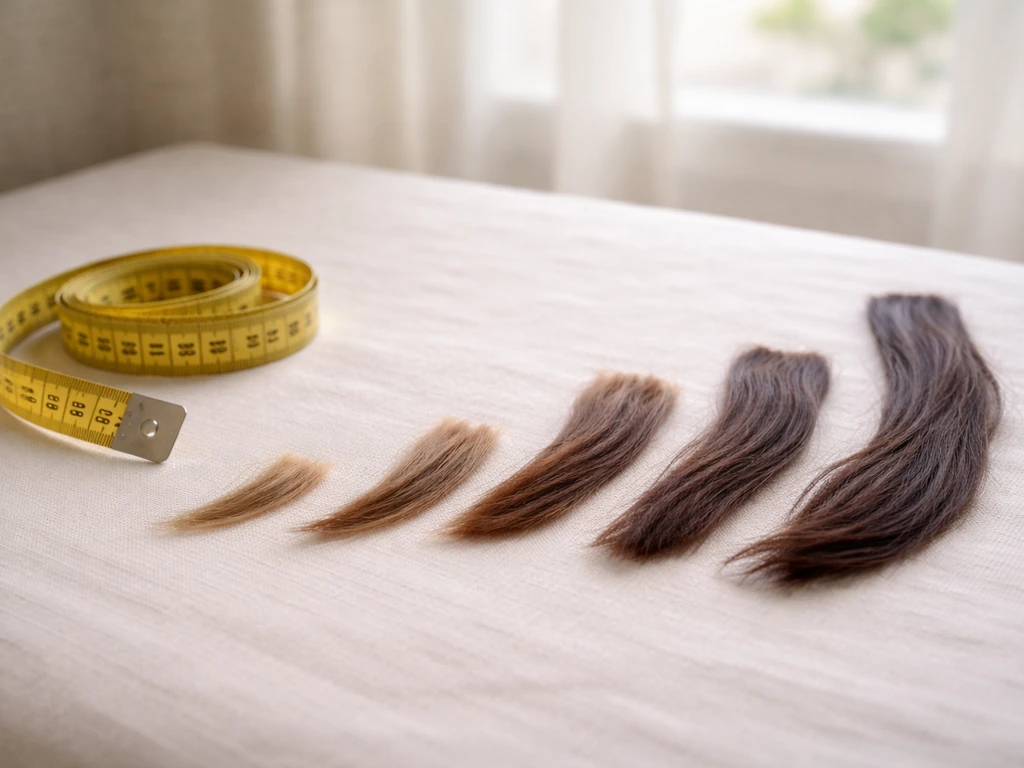
Hair grows at roughly half an inch per month on average, though the range is actually 0.5 to 1.7 centimeters per month depending on your genetics, age, health, and hair type. That variation matters. Someone on the faster end can hit 6 inches in about 4 months from a short cut, while someone on the slower end might take 10 to 12 months for the same distance. There's no shortcut around this, and despite what you may have heard, shaving does not affect the rate of regrowth.
| Starting Point | Approximate Top Length Now | Estimated Time to Full Top Knot (4–6 inches) |
|---|---|---|
| Buzz cut / shaved head | 0–0.5 inches | 9–14 months |
| Tight fade or crop | 0.5–1.5 inches | 6–10 months |
| Pixie cut | 2–3 inches | 3–5 months |
| Short bob or textured crop | 3–4 inches | 1–3 months |
| Chin-length or longer | 4+ inches | Near-ready or ready now |
These are rough estimates based on average growth. Use them as a planning tool, not a guarantee. Track your progress every 4 weeks by measuring the top section with a soft tape measure or simply photographing it against a ruler. Seeing actual numbers reduces the frustration of feeling like nothing is happening.
The anagen phase (your hair's active growth period) is genetically determined, and its length actually dictates how long your hair can grow before it naturally sheds and regrows. Most people's scalp hair stays in anagen for 2 to 6 years, which is why scalp hair can grow very long. This means your top knot goal is absolutely reachable for almost everyone; it's just a matter of staying patient through the timeline.
How to style a top knot at every stage
The almost-there stage (2–4 inches on top)
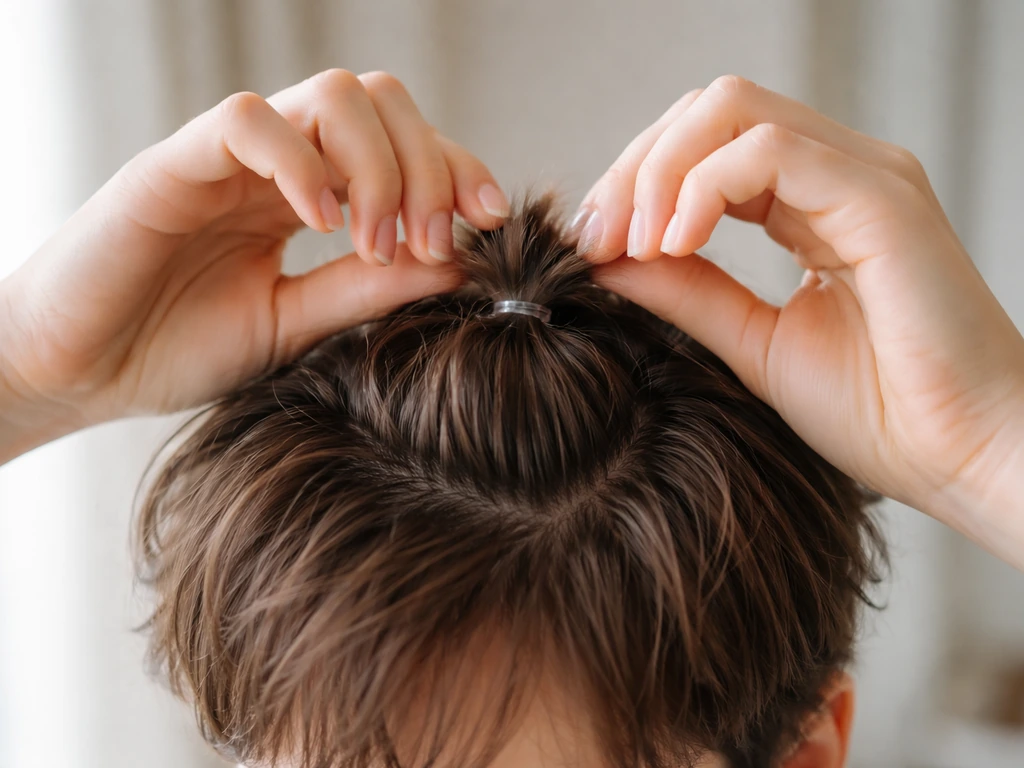
At this length, a full top knot isn't possible yet, but a mini knot or bun nub absolutely is, and it can look intentional rather than desperate. If you are also aiming for a looser, wavier hippie vibe, pairing these mini-knot steps with how to grow hippie hair can help you build length and texture for a more carefree look.
Once you reach top-knot-ready length, the same growth timeline and training steps can help you create the emo look, too how to grow emo hair. Apply a smoothing cream or light pomade to damp hair, then gather everything at the crown and secure with a small snag-free elastic. Twist the tail around itself once or twice and tuck the ends under the elastic loop.
The nub will be small, but pinning it flat with 2 to 3 bobby pins (with the ridged side facing down against the scalp) makes it look deliberate. Finish with a light hairspray to catch flyaways.
The medium stage (4–5 inches on top)
This is where the top knot starts feeling real. Gather hair at the crown, pull a loose ponytail, then instead of letting the tail hang free, loop it back through the elastic only halfway so the ends and the looped-through section form a bun shape. Tuck any loose ends underneath and pin as needed. At this length, a bit of styling cream or pomade through the gathered section before you tie it helps the bun hold its shape and reduces frizz. Some people find that texturizing spray gives the hair more grip at this stage, which helps thinner or straighter hair actually stay put.
The full top knot (5–6+ inches on top)
With 5 or more inches on top, you can do the classic technique: gather all hair at the crown, secure a loose ponytail with a strong elastic, twist the ponytail in one direction, then wrap it around the base of the ponytail in a circle, tucking the end underneath. Pin with 3 to 4 bobby pins spaced evenly around the bun. For a sleek, polished look, use pomade or a slicking cream through the hair before gathering, brush with firm tension using a boar bristle or mixed bristle brush, and finish with a medium-hold hairspray. For a messier, textured look, skip the brush, rough the sections up a bit before gathering, and use a flexible-hold spray.
Security and hold: bands, clips, wraps, and preventing slippage
The right tools make the difference between a top knot that lasts all day and one that droops by noon. For shorter knots, use a small, snag-free elastic or a fabric-covered tie. These create less friction than bare rubber bands and are significantly kinder to your hair over repeated use. Hair tie friction against the cuticle is a real source of breakage, especially when you're in the growing-out phase and want to protect every inch.
Bobby pins work best when the ridged or wavy side faces down against your hair, not up. Open the pin slightly before inserting it, then slide it in at an angle into the bun to anchor it against the base. Use 3 to 4 pins spaced around the bun rather than clustering them all in one spot. For a bun that keeps sliding or loosening, try inserting a pin every inch or so as you wrap the hair around the base, locking each layer down as you go.
Claw clips are a useful alternative at medium and longer lengths. Slide the clip under the gathered bun from below and clamp it shut so the teeth grip the hair at the base. If it shifts, add a bobby pin on each side for backup. For very fine or slippery hair, a texturizing spray applied before gathering is the single most effective fix: it adds grit and grip to hair that otherwise refuses to hold a knot. A small amount of dry shampoo at the roots does the same thing and gives the illusion of more volume at the base.
When removing the hair tie at the end of the day, never yank it straight out. Unwind it carefully in the reverse direction it was wrapped. This prevents the elastic from snapping against the shaft and causing breakage, which is especially important during a growth-out phase when you need every strand intact.
Troubleshooting: uneven growth, cowlicks, layers, undercuts, bangs, and texture
Uneven growth
It's completely normal for hair to grow at slightly different rates across different areas of your scalp. If the front or sides of your top section are lagging behind the crown, focus your styling on pushing those sections back toward the center when they're damp. A small amount of pomade worked through the shorter front pieces lets you smooth them back and hide them in the gathered knot until they catch up.
Cowlicks
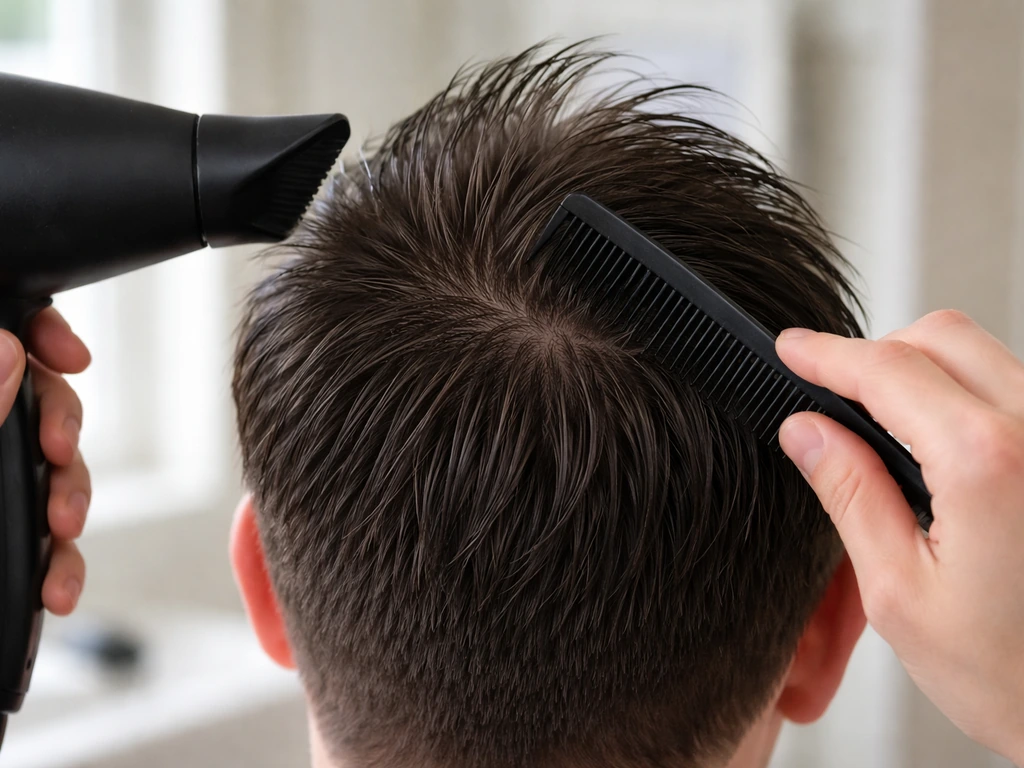
A cowlick at the crown or hairline can make gathering feel impossible because those hairs want to grow in a completely different direction. The fix is to work with damp hair: blow-dry the cowlick section in the opposite direction it naturally grows, using medium heat and a round brush or your fingers to guide it. Hold that position until the section is fully dry before letting go. Over time, consistent training in the right direction reduces how aggressively the cowlick rebels. Once the hair is long enough to be gathered into the knot, the tension of the elastic often overrides the cowlick entirely.
Layers and undercuts
Heavy layers can make the top knot look thin or scraggly because shorter layers poke out below the elastic rather than being gathered into the knot. If you have a lot of interior layering, ask your stylist to gradually blend layers upward so the lengths around the crown are more uniform. An undercut below the top section is actually an advantage for a top knot: it keeps everything clean and lets the top section gather without bulk from the sides dragging it down.
Bangs
Growing out bangs while trying to build a top knot is genuinely one of the more frustrating parts of this process. While bangs are still in the "in your eyes" stage, use a small clip or a soft headband to keep them off your face during the day. As they hit chin level, start training them straight back with the same damp-and-blow-dry method used for cowlicks, pushing them toward the center part so they eventually integrate into the gathered top section. Growing out bangs into a top knot is really a sub-project within the larger growth process, and it takes patience.
Texture and hair type
Coily and curly hair can actually reach "top knot ready" length faster visually because the curl pattern adds volume and density, but the actual inch measurement needed is similar or slightly longer because of shrinkage. Stretching coily hair with a light butter or oil before gathering can help the knot sit higher. For very fine or slippery straight hair, the grip of a texturizing product is essential.
People growing a taper afro or a more voluminous natural style might find that their top knot has its own distinct character, which is worth leaning into rather than fighting. If you're wondering how to grow a pompadour instead, focus on consistent trimming, regular conditioning, and styling your fringe upward as it lengthens.
Care during color or natural regrowth to keep hair healthy and knot-ready
If you're growing out colored hair alongside your length, you're managing two timelines at once: the length and the color line. The most important thing to protect during this phase is your hair's integrity, because dry or brittle hair breaks instead of growing, and breakage is the enemy of a top knot. Keep the ends trimmed on a schedule (every 10 to 12 weeks) to remove splits before they travel up the shaft, but be clear with your stylist that you're protecting length on top.
Protein treatments can strengthen hair that's been compromised by bleach, heat, or chemical processing. They work by attaching hydrolyzed proteins to the cuticle, reducing breakage. However, too much protein without enough moisture makes hair stiff and brittle, which is the opposite of what you want. The right balance is a protein treatment followed by a moisturizing mask or conditioner. For dry or brittle hair especially, pair any protein treatment with a hydrating follow-up within the same wash session.
Heat is the other factor to manage carefully. Blow-drying is part of the training process (and it's genuinely useful for shaping), but always use a heat protectant spray on damp hair before applying any direct heat. Keep your dryer on medium heat rather than high. If you're trying to stretch or smooth natural or coily texture with heat, protect the hair first and limit how often you do it.
For people with natural regrowth (no color processing), the main care focus during the growing-out period is scalp health and moisture. A clean, healthy scalp supports normal hair growth. Wash regularly enough to keep buildup from blocking follicles, but not so often that you strip the natural oils that keep the shaft strong.
Condition every wash, and if your hair is on the drier or coarser side, a leave-in conditioner or light hair oil applied to the lengths will keep the growing hair flexible and less prone to breakage during all the tying and untying that comes with practicing your top knot technique.
If you are aiming for a faux hawk vibe, use the same upward training and secure the shape at the crown so it reads like a faux hawk rather than just a bun top knot technique.
The overall mindset here is straightforward: protect what you have, feed the follicle with a healthy scalp routine, and give the length time to accumulate. Every styling session where you practice gathering and tying is also a rehearsal for the final result. By the time you have a full top knot, you'll already know exactly how to wear it.
FAQ
Can I grow a top knot if my hair grows slower than average or if I am not sure how fast mine grows?
Yes. Instead of relying only on the half-inch-per-month estimate, measure the crown-to-hairline top section every 4 weeks and note the inches you actually gained. If you can loop your hair tie twice by 3 to 4 inches, start training mini knots even if you are still months away from the full looped knot, which keeps the process from feeling stalled.
What should I do if my top grows but the sides and back never catch up enough to gather smoothly?
Aim for a higher gather point and prioritize training the crown area first, then blend outward later. When the sides are shorter, add a small amount of styling cream to damp top hair and dry while guiding hair inward toward the center, the goal is to form one stable “gather zone” before the full knot is possible.
Why does my top knot keep slipping or drooping even when I use bobby pins?
Usually it is either not enough grip at the base or pins inserted in a way that cannot anchor layers. Apply a light texturizing spray or use dry shampoo at the roots before tying, then anchor pins against the base at angles with the ridged side down, spacing them evenly rather than stacking them in one spot.
How tight should I tie the elastic for a top knot during the growing-out phase?
Tight enough to hold without stretching your hairline into a pinch. If you feel headaches, scalp soreness, or see noticeable “traction” on the skin, loosen the tie and use extra pins or a claw clip for stability instead, because breakage risk rises when you repeatedly pull at the same tension.
Is it better to train my hair with blow-drying every day, or can I overdo the heat?
You can train with blow-drying, but you do not need heat every wash day. Use heat protectant, choose medium heat, and focus the airflow on the crown direction you want. If your hair becomes dry or frizzy, switch to damp finger-training and let it air-dry most days.
Can I get a top knot with very fine or straight hair that will not hold a bun shape?
Yes, but you will likely need extra texture at the gathering point. Work in a small amount of styling product on damp hair, then add texturizing spray or dry shampoo at the roots for grip before securing. Also consider a snug elastic plus fewer, better-placed pins rather than many pins trying to compensate for lack of hold.
Should I keep trimming the sides while I am not trimming the top?
Maintain the contrast intentionally, but protect the top section. Ask your stylist to clean up the sides and nape while leaving the top untouched, then only adjust the top if you have uneven growth that is making the gather area lopsided. This prevents a “stuck transition” where sides are too short to blend later.
What is the safest way to remove a hair tie to avoid breakage?
Do not yank the elastic straight out. Unwind it carefully in the reverse direction it was wrapped, then loosen pins one at a time. If you get tangles, apply a little conditioner or leave-in to the length first, otherwise you may pull off baby hairs that are crucial for reaching knot-ready length.
How should I manage cowlicks at the crown so they do not ruin my gather?
Train the cowlick on damp hair by blow-drying the section in the opposite direction it naturally grows, then hold it in place until it is fully dry. Once the hair is long enough for the elastic tension, it often overrides the cowlick, but the initial direction training still helps the knot sit cleaner.
I have bangs. When do they stop being a problem and how do I integrate them into the top knot?
When bangs are long enough to reach chin level, start pushing them straight back using the same damp-and-blow-dry training approach used for cowlicks. Keep the parting consistent so they feed into the center gather, then tuck and pin smaller sections into the bun as they grow, so they do not keep flaring out.
Do protein or moisture treatments help during top-knot growth, and how do I avoid stiffness?
Protein can reduce breakage if your hair is chemically processed, but too much protein can make hair stiff and harder to train. If you do a protein treatment, follow it in the same wash session with a moisturizing conditioner or mask, so the hair stays flexible enough to hold its direction when you tie and untie it.
Can shaving or reducing trims affect how fast my hair grows back?
Shaving does not change the growth rate of hair. In contrast, trims can help you retain length by removing splits before they break higher up the shaft, so it is more about preventing damage than changing regrowth speed.