
Growing out a fade takes roughly 3 to 6 months to reach a genuinely versatile length, depending on how short your sides were cut and how fast your hair grows. The average is about half an inch to an inch per month, so a skin fade that started at zero will need 2 to 3 months just to reach a #2 guard length on the sides. That sounds slow, but the good news is the awkward phase is mostly concentrated in weeks 2 through 6, and there are real strategies to make every stage look intentional rather than neglected.
How to Grow Out a Fade: Timeline, Stages, and Styling Tips

Marcus Vickers
4 May 2026
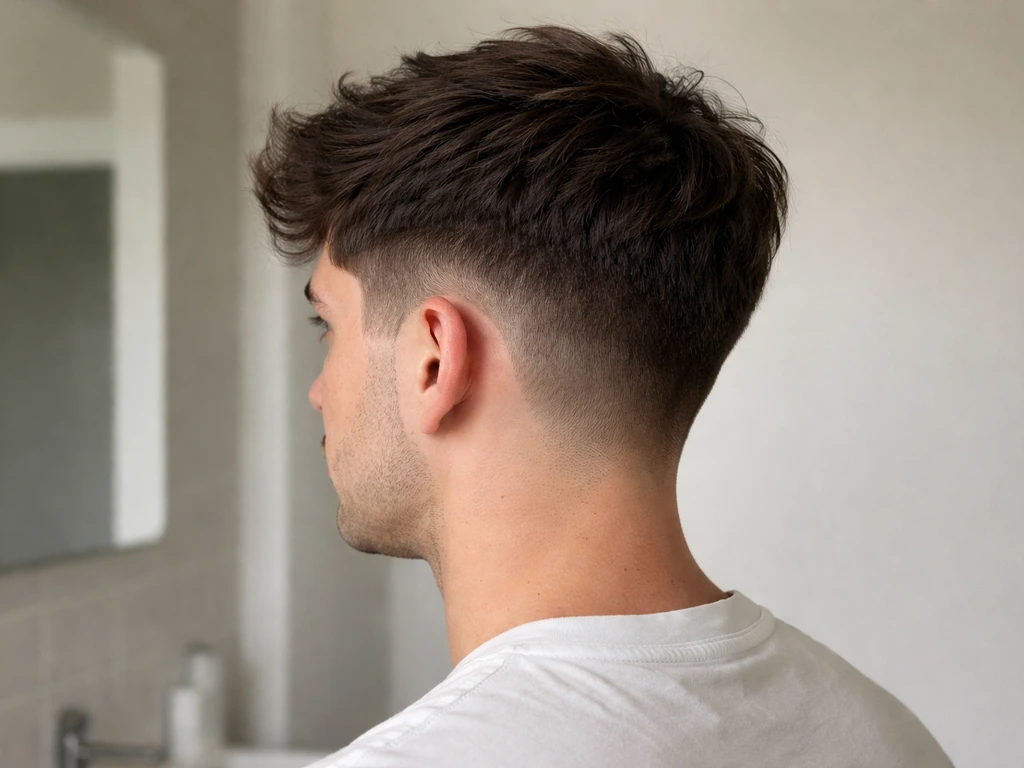
What to expect when a fade grows out
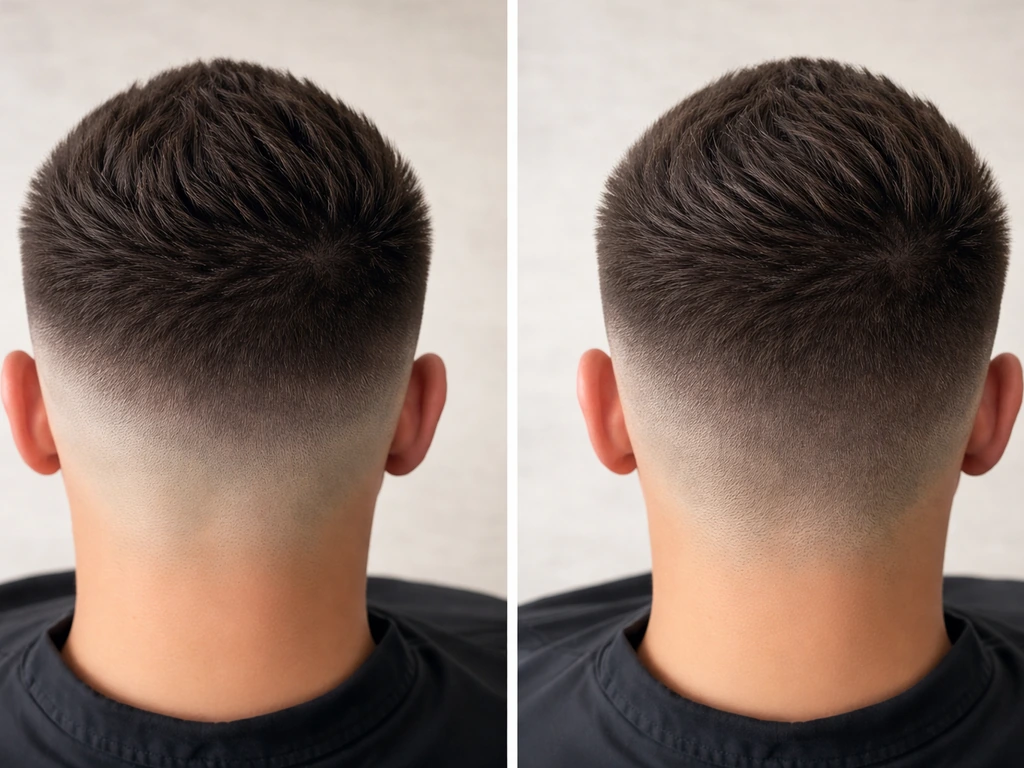
The first thing that happens is the contrast disappears. A fresh fade looks sharp because the skin or very short guard zones blend seamlessly into the longer top. Once growth kicks in, that gradient softens from the bottom up. By day 10 to 14, the skin fade line becomes noticeably less crisp, and by week 3 to 4, the sides start to look like a uniform short length rather than a true fade. That is actually fine, but it catches people off guard because the style looks like it is just falling apart rather than transitioning.
The second thing that happens is uneven perception. The top of your head was already the longest part, so it keeps getting longer while the sides are still catching up. If your top was styled upward or had a lot of volume, that proportion becomes exaggerated during the grow-out. If you had a high fade, you will notice the contrast zone sits high on the head, about two to three inches above the ear, which means there is a wide band of shorter hair that takes longer to blend naturally into the top.
Hair growth speed varies more than most people expect. Research examining human hair segment growth has used an average baseline assumption of [about 1 cm per month](https://pubmed. ncbi. nlm.
nih. gov/21382678/) when interpreting variability around head-hair growth rate. Hair growth speed varies by factors like genetics, health, and hair texture, with commonly reported average ranges of roughly 0. 5 to 1.
7 cm per month Hair growth speed varies more than most people expect. .
Research puts the range anywhere from 0. 6 cm to over 3 cm per month depending on genetics, health, and hair texture. So one person's four-week grow-out looks like another person's eight-week grow-out. Coily and tightly textured hair can also appear to grow more slowly because of shrinkage, even when it is growing at a healthy rate.
Know your own pace before setting expectations.
Step-by-step timeline from day 1 to longer lengths
Here is a realistic week-by-week and month-by-month breakdown. Treat this as a general guide, not a rigid schedule, because your hair will move at its own pace.
| Stage | What's happening | What to do |
|---|---|---|
| Days 1–7 | Fade still looks clean and intentional. Minimal visible regrowth. | Enjoy it. Style the top as usual. No intervention needed. |
| Week 2 | Skin fade starts to soften. Hairline at temples and neck begins to look fuzzy. | Optional light touch-up from your barber if you want to stay sharp. Otherwise, hold steady. |
| Weeks 3–4 | High-contrast fade line fades into a short, uniform side. Top-to-side ratio becomes more obvious. | This is the peak awkward window. Use styling product to add texture or definition to the top. Keep neckline and edges tidy but do not over-trim at home. |
| Month 2 (weeks 5–8) | Sides reach roughly #1 to #2 guard length (~1–1.5 cm). Low fade transitions look more like a taper. | You can style sides down or use a soft-hold product to blend. Consider a shape-up from your barber to redefine edges without cutting length. |
| Month 3 (weeks 9–12) | Sides are approaching #3 to #4 guard territory (~2–3 cm). A medium-length top with shorter sides starts to look like a natural undercut or taper style. | This is where intentional styling pays off. You can slick sides down, brush them back, or let them start to merge with the top. |
| Months 4–6 | Sides have enough length to blend into the top with styling. A full, cohesive medium-length style becomes achievable. | Transition into your target style. Work with a barber to shape the perimeter cleanly without losing the length you have grown. |
One thing worth saying plainly: the awkward phase is real, but it is short. Weeks 3 through 6 are the hardest to navigate visually. After that, most people find the grow-out starts to look more like a deliberate style choice and less like a neglected haircut.
Growing out a high top fade specifically
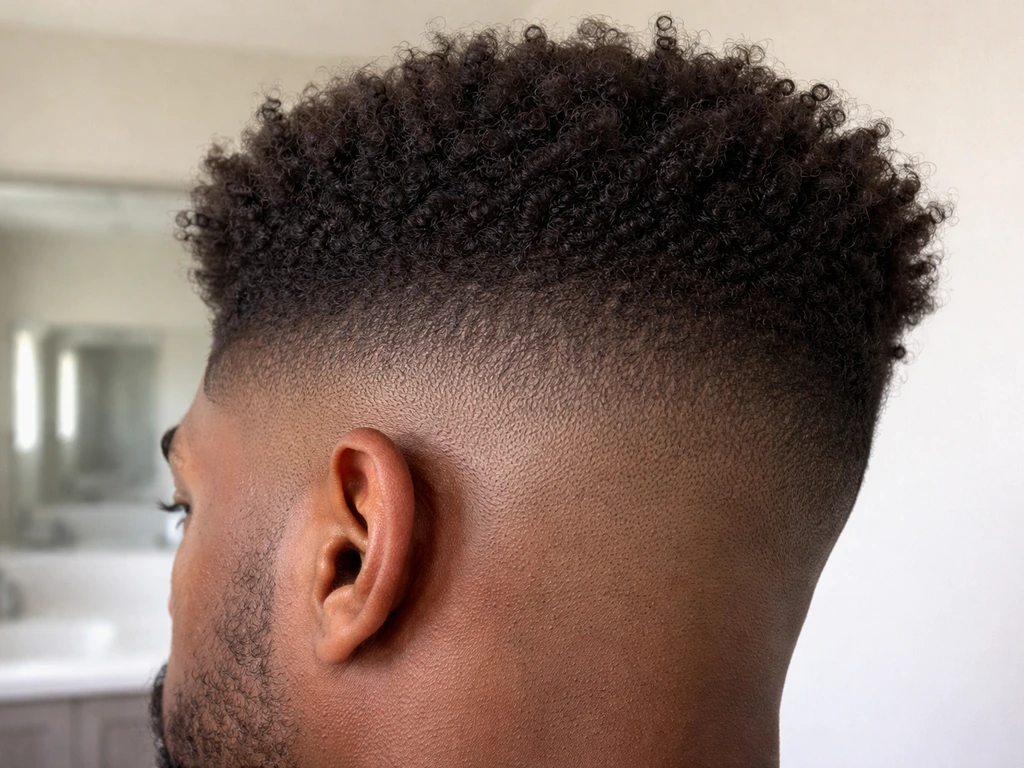
A high top fade has its own set of grow-out challenges because the fade starts so high on the head, typically around two to three inches above the ear. That means there is a large area of very short hair that needs to grow significantly before it starts to blend with anything above it. The top, which was already cut flat or shaped for height, is what you are building on.
The goal with growing out a high top fade is usually one of two things: either you want to keep a similar silhouette with more length, or you want to grow everything out into a fuller style. If you are going for a taper afro or a rounded natural shape, you are essentially growing the sides up to meet the top rather than growing the top down to meet the sides. That framing helps because it means the top length you already have is an asset, not something to cut.
For the first two months, maintain the flat-top or natural-top shape with light trims only on the very top if it gets uneven. Let the sides grow freely. By month three, the sides will have enough length to start shaping the outline of whatever fuller style you are targeting, whether that is a rounded afro shape, a mid-length textured cut, or something like a taper afro. A good barber can clean up the perimeter at that point without sacrificing the side length you have grown.
Proportions matter here. A high top fade grow-out can look intentionally bold during the transition if the top stays defined and the sides are kept clean at the hairline. The silhouette is dramatic and that works in your favor if you lean into it rather than trying to hide it. If your goal is a top knot, keep the top defined and let the sides catch up at their own pace before you commit to tying it higher.
Getting through the awkward stages
The neckline and temple gap
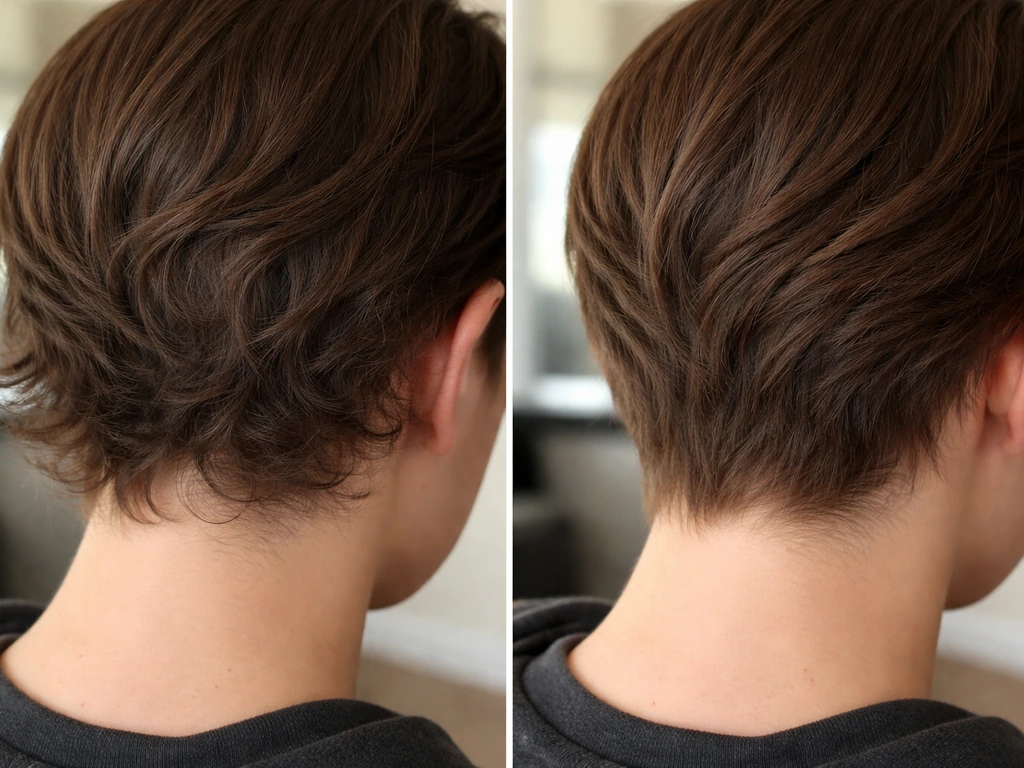
The back neckline and temples are the areas where grow-out looks the messiest the fastest. The neck hair starts to curl or puff out unevenly, and the temple area loses its crisp edge. The temptation is to grab clippers and edge it yourself, but this is one of the most common mistakes people make. Creating a hard, unnatural line at the neckline while the rest of the sides are soft and growing out creates a choppy, disconnected look that is harder to fix than just letting it grow. Leave detailed edging to your barber and stick to appointments every three to four weeks for a minimal cleanup.
Uneven growth patterns
Hair does not grow at exactly the same rate everywhere on your head. You might notice the sides growing faster than the crown, or one temple coming in thicker than the other. This is normal. The best response is patience and a barber who understands grow-out shaping. A light trim on faster-growing sections to keep things visually balanced is fine, as long as you are not cutting the overall length back every time.
Laydown vs poof
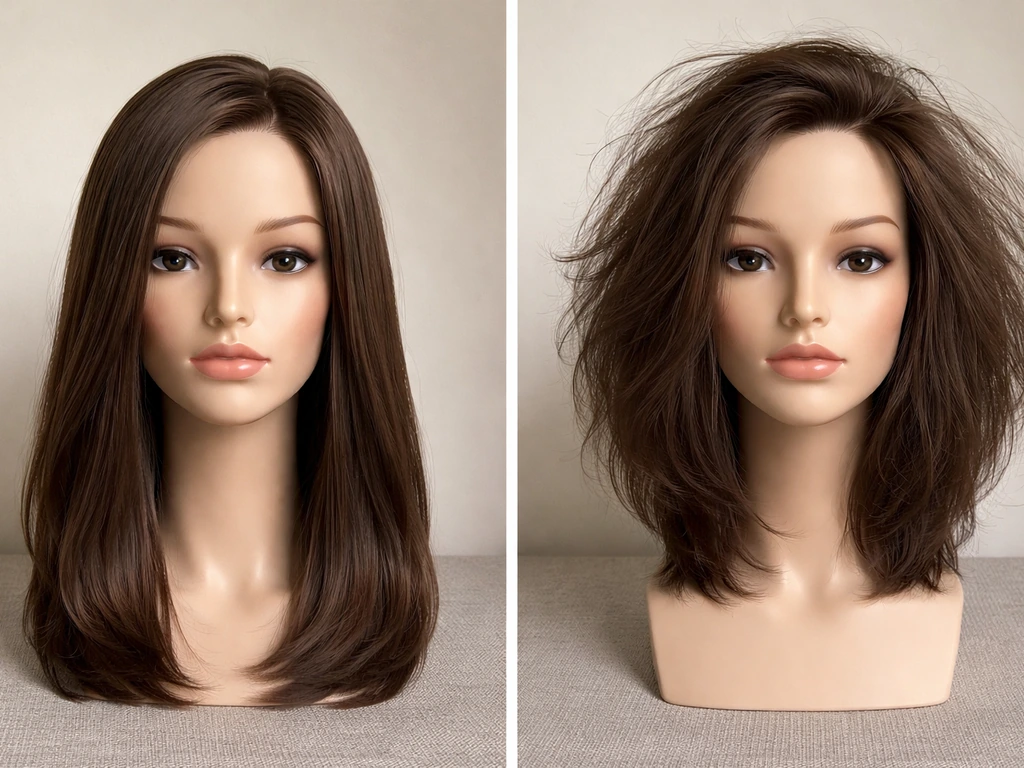
Around weeks 4 through 8, the sides reach a length where they neither lay flat nor hold a styled shape well. This is the laydown vs poof problem. For straight or wavy hair, this often means the sides start to push out awkwardly. For coily and textured hair, the sides may puff out unevenly as shrinkage creates an inconsistent outline. Using a light to medium hold product (a pomade, a curl cream, or a light gel depending on your texture) to smooth or define the sides during this phase goes a long way. You are not fighting the growth, just shaping how it sits each day.
Styling strategies while growing it out
The biggest visual risk during a fade grow-out is ending up with a style that looks accidental: long on top, poofy on the sides, with a ragged neckline. If you are trying to grow a faux hawk through a similar in-between phase, the key is keeping the top defined while shaping the sides to avoid that accidental look how to grow a faux hawk. That is the mullet-adjacent territory that makes people give up and cut everything short again. The solution is to keep the top looking intentional at every stage, because that is what defines the overall style.
- Weeks 1–4: Keep the top styled with some product and texture. A messy or defined texture on top signals that you are doing something on purpose, not just skipping the barber.
- Weeks 4–8: Use the sides to your advantage. Slicking them down or brushing them back with a light hold cream reduces the poof factor and creates a sleeker silhouette while the length catches up.
- Months 2–3: You can start experimenting with styles that use the growing side length, like soft waves, brush-out texture, or a natural part.
- Months 3–6: Styles like a longer undercut, a medium taper, or a full natural shape become achievable. Visit your barber for a light shape-up, not a haircut, to clean the perimeter without losing your progress.
- Always keep the hairline and neckline edges relatively clean. Even the messiest grow-out looks intentional when the outline is neat.
If you are growing toward a pompadour, faux hawk, or skater-style hair, the fade grow-out actually sets you up well because you are starting with shorter sides and a longer top, which is the foundation those styles need. The transition period is shorter than if you were starting from the same length all over.
Haircare routine to support healthy regrowth
Growing out a fade is not just a styling challenge, it is also a scalp and hair health challenge. If you are specifically trying to learn how to grow hippie hair, the same patience and hair-health habits will help your length come in fuller. The areas that were faded short were not doing much work, and as they grow in, keeping the scalp healthy makes a real difference in how the regrowth looks and feels.
Washing and conditioning
For straight and wavy hair, washing two to three times per week with a gentle shampoo and conditioner is a reasonable baseline. For coily and tightly textured hair, washing once every one to two weeks is typically better because overwashing strips the natural oils that textured hair needs to stay moisturized and reduce breakage. If you want to refresh between shampoo sessions, co-washing (using a conditioner-only wash rather than shampoo) is a gentler option that cleans without stripping. Apply conditioner while hair is still wet and, for textured hair especially, follow up with a leave-in moisturizer before the hair dries.
Scalp care
Scalp massages with a natural oil (like jojoba, castor, or coconut oil) a few times per week stimulate circulation and keep the scalp from getting dry or flaky as the short hair grows in. This matters most for the sides and back, where the skin was exposed or nearly exposed from the fade. A dry, irritated scalp slows down healthy growth and can cause itchiness that makes the grow-out phase feel worse than it is.
Deep conditioning and breakage prevention
For textured and coily hair, a deep conditioning treatment once or twice a month is one of the most useful things you can do during a grow-out. Use a wide-tooth comb when detangling and always start from the ends and work up to the roots, not the other way around. Pulling through from the root creates unnecessary breakage, which is especially frustrating when you are trying to keep every inch of length you grow.
Trims during the grow-out
Yes, you should still get occasional trims, but the goal is different. A trim during a grow-out is about maintaining shape and removing split ends or uneven sections, not cutting length. A barber who understands what you are doing can do a shape-up every three to four weeks that keeps the perimeter clean without sacrificing the growth. Reddit users commonly debate trim schedules, with some saying every 3 to 4 months and others trimming more often depending on split ends and damage shape-up every three to four weeks. Be explicit with your barber: tell them you are growing it out and you only want the outline cleaned up, not the length reduced.
When to get a light touch-up vs push through
This is the question most people wrestle with around weeks 3 to 5. The fade is clearly grown out, nothing looks polished, and the urge to just get it cut back hits hard. Here is a simple way to think about it: if the overall shape is still recognizable and just needs edges cleaned up, go get a shape-up. If you are genuinely unhappy with the direction things are going, it is worth a conversation with your barber about a minimal re-shape that preserves length while creating a cleaner silhouette.
A skin fade specifically grows out the fastest and looks the most grown-out the soonest, typically requiring attention every one to two weeks if you want to keep it sharp. If you are committed to growing it out, accept that the skin-to-hair contrast will be gone by week two and shift your mental model from maintaining the fade to building toward the next style. That mindset shift makes the in-between weeks much easier to live with.
The scenarios where you should consider re-shaping rather than just pushing through include: when the growth is coming in very uneven and causing genuine asymmetry, when the neckline has grown into a shape that looks ragged from every angle, or when your target style requires a specific starting point that a light re-shape would set up better. None of those situations mean starting over. They mean making a strategic adjustment that keeps the grow-out on track.
The most important thing is to not panic and cut everything short at week four. That is the moment most grow-outs fail. The awkward phase is temporary. Get through it with the right styling tools, a trusted barber who will do less rather than more, and a clear picture of where you are headed.
If you want emo hair instead of just a fade, focus on keeping the top long and texturized so it can be styled into curtain bangs and layered pieces as it grows how to grow emo hair. By month three, you will have enough length to work with that the path forward becomes obvious. If you want to master the look, plan your grow-out and styling around how to grow skater hair, including shape, product choices, and timing.
FAQ
How often should I see my barber if I am trying to grow out a fade without losing length?
Aim for a maintenance appointment every 3 to 4 weeks, not every week. Early on, ask for perimeter cleanup only (neckline and temple edges), and explicitly say you want no bulk removal and no lowering of the overall length. If you have a skin fade and you want it to look intentional, you may need shorter gaps (every 1 to 2 weeks), but only for softening, not cutting it back.
What should I tell my barber when I want to grow out a fade but keep the look neat?
Use simple instructions: you are in a grow-out, you want a shape-up for the outline, and you want to preserve the current side length. Add details like “no clipper take-down on the sides,” “keep the blend soft,” and “clean only at the neckline and corners.” If you want a specific end goal (top knot, taper afro, faux hawk), mention it so they can set an outline that supports that direction.
Is it better to stop washing and oiling during a grow-out to avoid buildup and dryness?
No, just adjust frequency to your hair texture. Wash 2 to 3 times weekly for straight and wavy hair, but for coily and tightly textured hair, washing about every 1 to 2 weeks is often safer. Use conditioner-focused refreshes between washes (co-wash if you need it), and apply leave-in moisturizer while hair is still wet to reduce frizz and make the in-between weeks look smoother.
How do I handle the “laydown versus poof” problem on the sides during weeks 4 to 8?
Treat it as a styling problem, not a growth failure. Use a light to medium hold product to control shape, for example a pomade for straight hair, curl cream for coils, or a light gel for definition. Apply to damp hair, then either brush smooth (straighter hair) or scrunch and let it set (coily hair). If one side poofs more, check for product distribution and try a slightly lighter application on the poofier side.
Can I use clippers or a trimmer at home during the grow-out?
It is usually better to avoid DIY edging at the neckline and temples, because it is easy to create a hard line that looks disconnected from the softer regrowth. If you absolutely need at-home help, limit it to removing a small amount of visible split ends from the top using scissors, or tidy flyaways with minimal trimming. For anything that changes the perimeter, let a barber handle it.
Why does my fade grow out unevenly even if I get the same haircut every time?
Unevenness is normal because hair growth rate and density vary by area and even by side of the head. You might also be seeing shrinkage (common with curls), which makes the sides look like they are lagging. The practical fix is to keep an eye on proportions rather than exact millimeters, and request light shaping only on faster-growing sections so the silhouette stays balanced.
What is the best way to style my hair during the awkward weeks 2 through 6?
Focus on keeping the top looking intentional, since it is the anchor of the haircut. Choose one consistent top style (upward, textured forward, or natural lift) and use a product that supports that shape. Then use a lighter product on the sides to encourage a controlled transition, rather than trying to “fix” the fade line directly.
Should I get a shape-up during the grow-out, or wait until it is fully grown?
Get a shape-up only when the overall outline is still recognizable. If it is mostly edges and corners getting messy, a barber can clean the perimeter without taking meaningful length. If the direction feels wrong, ask for a minimal re-shape that preserves length and creates a cleaner silhouette, rather than defaulting to a full reset.
How do I grow out a skin fade specifically, and what should I expect?
A skin fade loses the contrast quickly, usually within about two weeks. Plan your expectations around that shift: from “sharp and defined” to “short and blended.” If you want it to keep looking sharp, you may need more frequent attention (roughly every 1 to 2 weeks), but the goal should be soft refinement of edges, not re-establishing the skin line.
Will my hair break if I comb or detangle aggressively while it is regrowing?
Yes, aggressive detangling is one of the fastest ways to lose length you are trying to grow. For textured hair, detangle with a wide-tooth comb starting at the ends and working upward, and avoid pulling from the roots. If your sides are short and tangled as they grow, detangle more gently and use conditioner to add slip.
When is it actually worth considering re-shaping versus just pushing through?
Consider re-shaping if the asymmetry becomes noticeable from multiple angles, if the neckline has turned truly ragged and keeps worsening as it grows, or if your target style needs a better starting outline. In these cases, a barber can adjust shape with minimal trimming so you do not lose the overall length you already gained.