
Growing emo hair is really about growing out your fringe and sides long enough to sweep, layer, and shape into that signature silhouette: side-swept bangs that cut across one eye, longer face-framing pieces at the sides, and a slightly choppy, textured crown. From a short cut like a pixie or a standard men's short back and sides, expect 12 to 18 months to get there fully. From a bob or existing bangs, you could be styling a recognizable emo shape in as little as 4 to 6 months. The awkward phases are real, but they're manageable with the right cuts, products, and daily habits.
How to Grow Emo Hair: Timeline, Stages, and Styling Tips

Marcus Vickers
17 May 2026
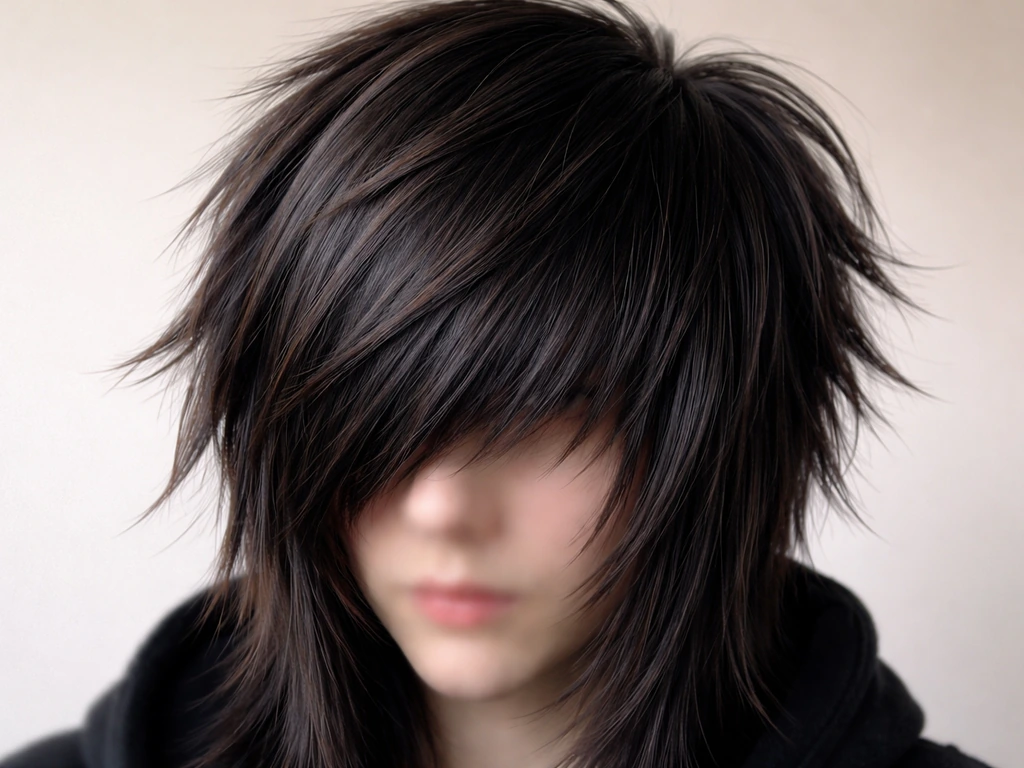
What emo hair actually looks like (so you know what you're aiming for)
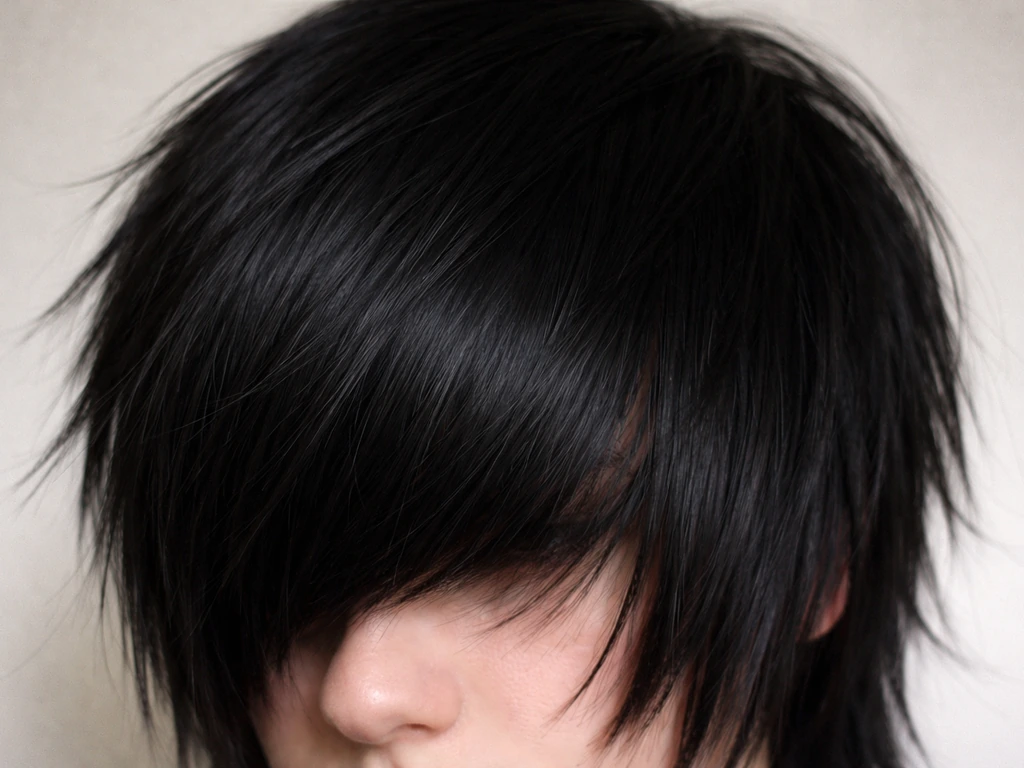
Emo hair has a few non-negotiable elements. In a Who What Wear fall hair-trend quote, a celebrity hairstylist describes curtain-fringe bangs as face-framing and swept to each side, with the center cut shorter and the length growing longer toward the temples for a soft blended look curtain fringe bangs as face-framing and swept to each side, cut shorter in the center and longer toward the temples.
The fringe is the centerpiece: usually a blunt, side-swept bang that falls across one eye or heavy across the forehead, with choppy texture rather than a clean blunt line. The sides are longer than a typical short cut, framing the face and often reaching the jaw or at least cheekbone level. The crown and top have layering and some volume, but it's not fluffy or rounded.
The overall silhouette is slightly angular and asymmetrical, with weight falling forward rather than being pushed back. Color is often dark (black, very dark brown, sometimes with fashion color panels or streaks), but the shape is what makes it emo, not the dye.
The specific lengths you're targeting: bangs that reach at least eyebrow level (ideally eye-corner to nose-tip length for a true sweep), side pieces that reach the cheekbone or below, and enough crown length to layer and point-cut for texture. That's roughly 10 to 15 cm (4 to 6 inches) of fringe from the hairline, and similar length at the sides.
Where you're starting and how long it actually takes
Hair grows about 1 to 1.25 cm per month on average (roughly half an inch), though some people sit toward the slower end at 0.6 cm and others grow closer to 1.5 cm. Use that range to set your personal timeline expectations and check in every couple of months rather than obsessing week to week.
| Starting point | Approximate time to emo-ready shape | What needs the most growing |
|---|---|---|
| Buzz cut / very short all over | 14–20 months | Everything: fringe, sides, and crown all from scratch |
| Short men's cut (faded sides, short top) | 10–15 months | Sides and fringe length; crown usually has a head start |
| Pixie cut | 8–12 months | Fringe length and side coverage; crown grows fastest here |
| Bob (chin-length) | 4–7 months | Mainly shaping, layering, and fringe direction |
| Existing bangs (short/trimmed) | 2–4 months | Bang length and reshaping into a side sweep |
These ranges assume you're trimming strategically to shape without stalling length, which is the key to staying sane through the process. If you go months without any cut at all, the shape gets shaggy and harder to style, which is when most people give up and cut it short again. Don't do that. Keep reading.
Styling through the awkward stages (bangs, sides, crown)
The awkward phase for bangs specifically lasts about four to six weeks at any given length threshold. That's the window where they're too long to sit flat but too short to sweep properly. Every section of your hair hits its own awkward window at a different time, so the whole grow-out can feel like a series of small crises. Here's how to handle each zone.
Bangs and fringe

The single most useful technique during fringe grow-out is blow-drying your bangs in the direction you want them to fall. If you want a right-to-left side sweep, blow-dry them right to left every single time you wash your hair. This trains the hair over weeks and makes the sweep easier to hold. Use a little sea salt spray on damp bangs before blow-drying for grip and a matte, tousled finish that reads as intentionally emo rather than just messy.
When they're at that in-between length where they won't cooperate with either method, pin them. A couple of bobby pins tucked just behind the ear on one side, or a single clip pulling them to one side, keeps them out of your face and looks intentional rather than accidental. Twist-and-pin and small pin curls are also solid options for getting through the worst few weeks. The goal is to never let them just sit there looking like you forgot to cut them.
Sides
Growing out the sides is where most people with a faded or tapered starting cut feel the most frustrated. The sides go through a poofy, wide phase before they get long enough to lie flat and frame the face. The trick is to use a light pomade or paste to press them downward and slightly forward while they're in that awkward puffed-out stage. Once your sides are lying flatter, you can shape the pompadour feel on top by lifting and directing your crown hair back and up as you style. Don't try to push them back. Work with gravity and point them toward your jaw rather than trying to blend them into the top.
Crown and top
The crown is usually the easiest section because it has the most length earliest, but it can get bulky and round without some shaping. As your top catches up, keep shaping it with light point-cutting so the crown and top layer into the emo silhouette instead of getting bulky how to grow out top of hair. Ask your stylist to point-cut or razor the ends occasionally to remove bulk without removing length. This is what creates the choppy, layered quality that makes emo hair look like emo hair rather than just long hair.
How to trim without killing your progress
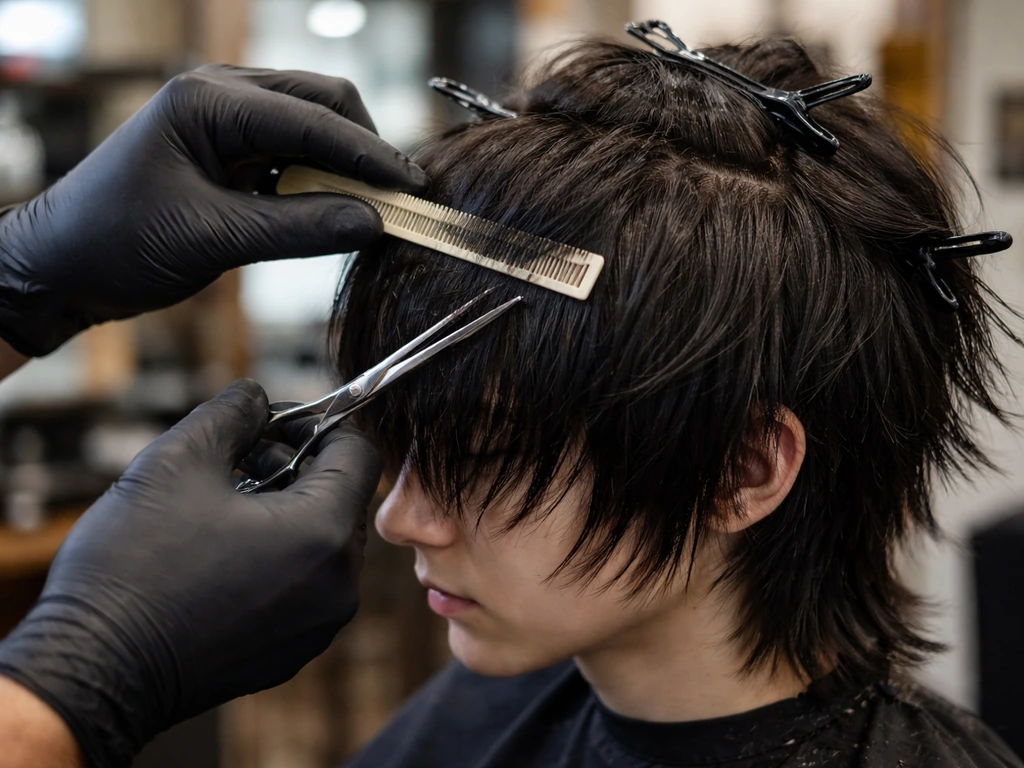
The biggest fear during a grow-out is that any trim sends you backward. It doesn't have to. The key is knowing what to ask for. When you visit the salon or barber, be direct: you want a reshape, not a length reduction. Ask them to point-cut the ends for texture, clean up the outline around your ears and neck if it's getting straggly, and remove any bulk that's making the shape look unintentional. Tell them to leave the fringe and the top length completely alone unless they're just texturizing.
A good grow-out trim schedule for emo hair is every 8 to 10 weeks. That's frequent enough to keep the shape looking deliberate, but not so frequent that you're constantly removing the growth you just earned. If your sides are growing out from a fade, a useful approach is to let them go for 4 to 6 weeks, then get just the outline cleaned up without touching the overall length. This prevents the sides from looking wild while still letting them catch up to the top.
- Ask for reshaping and point-cutting, not a length trim
- Get the outline (ears, neck) cleaned every 8–10 weeks
- Request texturizing only on the ends, not the mid-shaft
- Leave the fringe alone except for a small trim if it's completely unmanageable
- If you have a fade or taper, ask for a slightly longer version rather than the same fade you had before
Products and daily routine during the grow-out
Your product lineup during the grow-out doesn't need to be complicated, but a few things make a real difference. During the growth phase, your hair's condition matters more than its style, because damaged hair breaks off and stalls visible length. Wash with a sulfate-free shampoo two to three times a week rather than daily, and use a moisturizing conditioner every time. If your hair is color-treated (which it probably is if you're going for a dark emo palette), a weekly deep conditioning treatment protects the hair structure.
For daily styling during the grow-out, keep it simple: a heat protectant before any blow-drying, a sea salt spray or texturizing spray on damp hair for grip and natural-looking body, and a small amount of paste or light pomade to define the fringe and press the sides into place. Avoid heavy waxes or thick pomades on the fringe while it's still short because they weigh it down and make the grow-out stage look worse, not better.
| Product type | When to use it | What it does for your grow-out |
|---|---|---|
| Sea salt spray | On damp hair before blow-drying | Adds grip and matte texture; trains fringe direction |
| Moisturizing conditioner | Every wash | Prevents breakage; keeps ends healthy during growth |
| Light paste or pomade | On dry hair to finish | Presses sides down; separates fringe without weight |
| Heat protectant | Before blow-drying | Prevents damage that shortens visible hair length |
| Deep conditioning mask | Weekly (especially if color-treated) | Repairs dye-damaged hair; reduces breakage |
One routine tip that makes a noticeable difference: while your bangs are training into a side sweep, blow-dry them while they're still damp (not soaking wet) using just your fingers to pull them in the sweep direction. Hold them in place for a few seconds with your hand as they cool. This sets the direction far better than just letting them air-dry. Doing this consistently every wash cuts weeks off the awkward fringe phase.
Growing emo hair as a guy: shape, proportions, and styling
The core emo shape is the same regardless of gender, but if you're a guy growing emo hair, you're probably starting from a shorter baseline (often a fade or taper), which means the sides and back need more growing time relative to the top. If you’re specifically aiming for a top knot, keep the crown growing first and then gather it once the top length is long enough to bind securely. The proportions that tend to look most intentionally emo for guys are slightly more dramatic: a heavier, choppier fringe that really cuts across one eye, a bit more volume at the crown, and sides that frame the face without being too wispy.
For face shape: if you have a rounder face, keep the crown volume higher and the sides flatter to elongate. If you have a longer or narrower face, you can let the sides grow a bit wider before taming them. Square jaw? The side-swept fringe and softer layering at the front of emo hair naturally balances that.
Styling product choice matters here too. Guys' emo hair tends to look better with a slightly stronger hold product than what works on finer hair, especially if your hair is thick. A medium-hold paste (not gel, which goes crunchy) works well for holding the fringe sweep without losing that lived-in matte finish. Apply it to slightly damp hair, sweep the fringe into position, then leave it alone. Touching it too much after applying product kills the texture.
The grow-out from a fade is the most common starting point for guys, and it shares a lot with growing out a fade generally, which has its own strategy around managing the transition between clipped sides and longer top. The same principle applies here: let the fade grow longer than usual at your next appointment rather than getting the same fade again, and use that gradual transition to blend toward emo proportions over several months.
Handling undercuts, uneven layers, and color during the grow-out
Growing out an undercut
An undercut is one of the trickier starting points because the shaved or very short section underneath has to grow long enough to blend with the longer top before you can start shaping an emo silhouette. During this phase, the key move is to keep the top section long and let the undercut section grow without touching it. Use the longer top hair to cover the growing-in section by training it downward with product and blow-drying. It looks intentional faster than you think. Expect the undercut blending phase to take 4 to 8 months depending on how dramatic the undercut was.
Managing uneven layers
If you have heavily layered hair, some layers will reach emo-ready length before others. This creates an uneven look that feels messy but is actually workable. Ask your stylist to blend the shortest layers slightly upward toward the longer ones every 8 to 10 weeks rather than cutting the longer layers down. You're slowly evening out the length disparity from below, not from above. Point-cutting and texturizing the ends of the longer sections helps them blend visually with shorter layers until everything catches up.
Color: dark, dyed, and fashion color emo looks
If you want the classic dark or jet-black emo color, you're dealing with permanent dye, and that means managing regrowth lines as your hair grows. A regrowth touchup every 4 to 6 weeks keeps the line invisible, but if you want lower maintenance, ask your colorist about blending the root with a slightly graduated shadow root technique so the regrowth is less stark as it comes in.
If you have fashion color panels or highlights (blue, red, purple streaks are classic emo accents), those fade over time. A toning gloss used weekly helps refresh the tone between appointments. For panel colors, expect a full color refresh every few months depending on how vivid you want to keep them. Semi-permanent toners are great for maintaining tone without the damage of repeated full-color processes on growing hair.
One practical tip: grow your hair out first, then dye it. Bleaching or heavily coloring shorter hair and then trying to grow it out means the most fragile, most processed sections are on the ends where breakage is most likely. If you can hold off on dramatic color until your hair is closer to the target emo length, the grow-out will be faster and healthier. If you're already mid-color, prioritize conditioning treatments over everything else to hold onto the length you've grown.
Your practical next steps from today
Figure out your starting point and set a realistic end-date target using the timeline table above. Book a trim appointment now and go in with a clear brief: reshaping and texturizing, not a length cut. Start blow-drying your fringe in your target sweep direction every wash. To get the full “hippie hair” result, you can use similar grow-out planning and adjust your shaping and products to a longer, more free-flowing style how to grow hippie hair. Get a sea salt spray and a light paste for daily styling.
If you have an undercut or heavy fade, let it grow for 4 to 6 weeks before your next barber visit and ask for a longer fade this time. If you have an undercut or heavy fade, let it grow for 4 to 6 weeks before your next barber visit and ask for a longer fade this time; you can also compare that approach with how to grow a faux hawk so the shape transitions cleanly.
The grow-out from a fade is the most common starting point for guys, and it shares a lot with growing out a fade generally, which has its own strategy around managing the transition between clipped sides and longer top heavy fade. If you're planning to dye your hair darker, wait until your fringe is at least eyebrow length so you're not starting the color process on very short, vulnerable hair.
Then just track your growth monthly and adjust your styling approach as each zone hits its awkward phase. A detailed guide to hippie hair growth can help you plan your length targets, trims, and styling routine around that specific texture and shape how to grow hippie hair. For more specific guidance on styling and timing, see our full guide on how to grow skater hair.
The people who successfully grow emo hair are almost always the ones who stay consistent with their routine and resist cutting it short again when one section looks off. One section always looks off. Keep going.
FAQ
How often should I actually trim emo hair if I’m trying not to stall length?
A schedule of every 8 to 10 weeks is the safest baseline, but if your hair is growing slower than average, extend to the high end (9 to 12 weeks) and ask for “micro point-cutting” only (bulk removal and texture at the ends) rather than any outline trimming that shortens the fringe sweep or side length.
What do I do when my bangs won’t sweep to one eye no matter how I blow-dry?
If the direction never holds after drying, it usually means the bang layer is too heavy at the front. Switch to pinning for a week (clip or bobby pins to the target side) and ask your stylist to point-cut only the fringe ends so the front becomes lighter, then resume blow-drying with fingers while damp.
Should I use hair gel or hair wax during the grow-out?
Avoid gel if you want the lived-in, matte emo texture, and skip heavy wax on short fringe because it weighs the hair down and can make the awkward phase look worse. Use a light paste or medium-hold paste on slightly damp hair, then stop touching it once it’s set to preserve texture.
Can I grow emo hair if my hair is naturally curly or wavy?
Yes, but you’ll need to plan around shrinkage. Use blow-drying to stretch the fringe and sides into the direction you want, and consider asking for shaping on damp hair so layers are cut to account for your curl pattern rather than ending up uneven once dry.
How can I keep the sides from turning into a poofy triangle during the grow-out?
When they’re puffing out, press them downward and slightly forward with a small amount of light pomade or paste, then blow-dry low heat while directing airflow toward your jaw. Don’t try to blend the sides upward too early, wait until they lie flatter naturally.
What if I accidentally skip a trim and my hair gets too shaggy?
Don’t panic and cut it all off. Book a reshape appointment and ask for texture at the ends plus an outline clean-up around ears and neck. The goal is to re-establish the silhouette, then return to the 8 to 10 week schedule so the shape stabilizes.
How do I know when my fringe is long enough to dye or darken it?
A practical rule is to wait until your fringe reaches at least eyebrow level (ideally closer to the full sweep length) because shorter hair processes more aggressively and is easier to damage at the ends. If you dye mid-grow, prioritize conditioning and minimize breakage before adding more color.
Will blow-drying daily damage my hair during the months-long grow-out?
If you do it every wash, use heat protectant every time and keep heat lower, then focus on controlling the direction rather than repeatedly blasting the same section. If your ends feel rough, add one extra deep-conditioning day per week and reduce how often you refresh with product.
How do I manage color regrowth lines without constantly touching up?
For darker emo shades, ask for a blended root or shadow-root approach so new growth doesn’t create a stark line. For fashion panels, use a weekly toning gloss to maintain tone between appointments, and reduce how often you bleach as the hair grows because regrowth is where damage is most visible.
Is it possible to grow emo hair if I started with heavy layering or a mix of lengths?
Yes, but you may need “downward blending from below.” Ask for the shorter layers to be blended upward slightly every 8 to 10 weeks rather than cutting the longer ones down, so you even out the disparity without sacrificing the side and fringe lengths needed for the emo silhouette.
What should I tell my barber or stylist if I want a reshape but not shorter hair?
Use specific language: “point-cut for texture, clean up the outline near ears and neck, remove bulk only, and leave the fringe and top length in place.” Bring reference photos and mention you’re growing out, so they don’t default to removing length when tidying.
My hair grows at the slower end, how should I adjust the timeline?
If you’re closer to 0.6 cm per month, expect the longer end of the awkward phases and add a buffer to your end-date (often 14 to 20 months from short). Instead of obsessing weekly, track monthly and rely on zone-by-zone awkward windows (especially bangs) to plan trims and styling changes.