
Growing hippie hair from wherever you are right now takes roughly 12 to 24 months depending on your starting point, but the good news is that the look is incredibly forgiving at every stage. Hair grows about 1 cm per month, and the boho aesthetic actually suits in-between lengths pretty well as long as you know how to style what you have while you wait. Here is exactly how to do that.
How to Grow Hippie Hair: Timeline, Trims, and Styling

Marcus Vickers
12 May 2026

What hippie hair actually looks like (in real styling terms)
When most people say hippie hair, they mean medium-to-long hair (collarbone to mid-back is the sweet spot), lots of layered movement, relaxed texture that reads wavy or loosely tousled, and often some kind of fringe or curtain bang. The vibe is effortless rather than polished. Think 70s boho: soft waves, volume at the root, ends that move and blend rather than blunt-cut geometry.
Layers are a defining feature because they create shape and volume without weight, which is what keeps the look light rather than heavy and flat. The look works with straight hair that has been given texture, with natural waves, and with looser curl patterns. It is not a specific cut so much as a philosophy: relaxed, lived-in, and intentionally a little undone.
Knowing this matters for your grow-out plan because you are not chasing a single target length. You are building toward a combination of length plus texture plus layers. To support the grow-out, it helps to know the practical steps for how to grow out the top of your hair grow-out plan. That means some decisions you make early (like whether to cut in curtain bangs at month three or whether to ask for long layers at month six) actively shape the final look rather than just being filler steps while you wait.
Where are you starting from? Assessing your cut and hair type
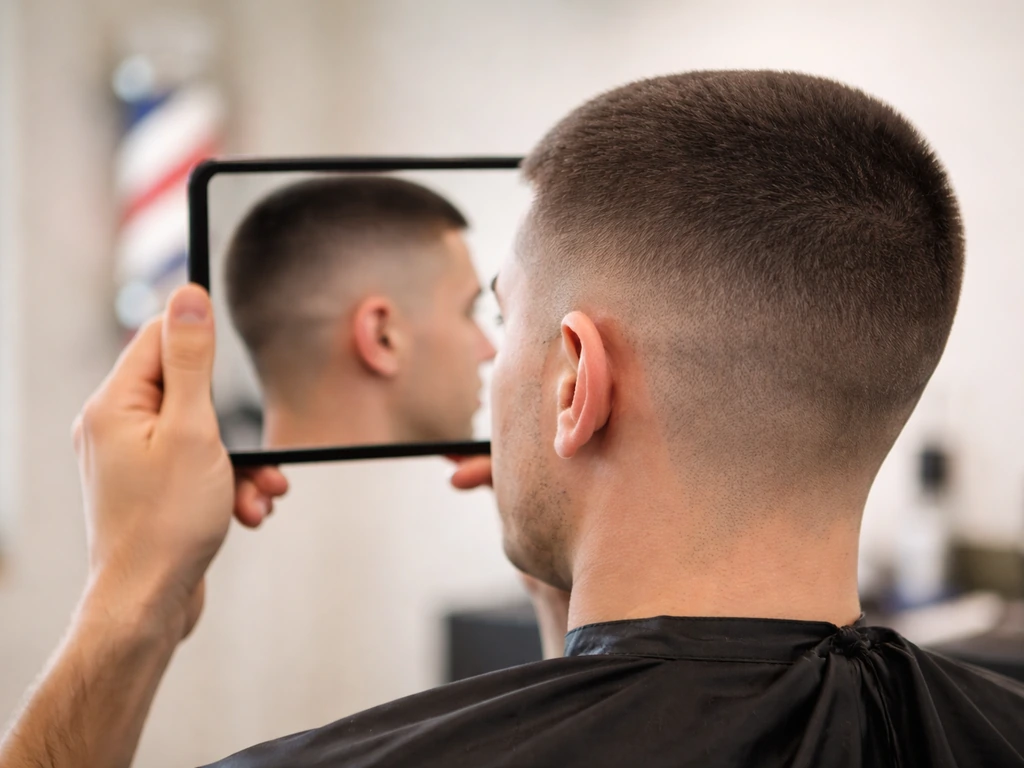
Your starting cut and your hair type together set the whole timeline and strategy. Be honest with yourself about both before you do anything else.
Your current cut
- Buzz cut or crop under 1 inch: You are looking at 18 to 24+ months before you hit a real hippie-hair length. The early stages (months 1 through 6) are the hardest because the hair has no weight to behave.
- Pixie or short cut (1 to 3 inches): You are 12 to 18 months away from collarbone. The pixie grow-out has its own awkward mullet zone around months 4 to 8 that needs active management.
- Bob or lob (jaw to shoulder): You are actually quite close. A lob is only 3 to 6 months from the collarbone length where hippie layering starts to feel real.
- Already at shoulder length: You can start building the look right now with layers and fringe. You are mostly in a shaping and texturing phase, not a pure waiting phase.
- Undercut or fade on the sides: The sides need to catch up to the top, which can take 6 to 12 months depending on how cropped they are. This is similar to growing out a fade. The top can often be styled to look intentional while the sides fill in.
Your hair type
Hair type changes everything about how the grow-out looks and how you style it at each stage. Fine straight hair tends to show uneven lengths and awkward phases more obviously because there is no texture to disguise the transition. Wavy and curly hair is more forgiving because the wave pattern creates visual volume and softness, but it also tangles more and needs more moisture attention. Thick hair can look heavy and flat if layers are not introduced early. Whatever your type, identify it honestly now so your maintenance and styling choices make sense for your actual hair rather than someone else's.
Realistic grow-out timeline: what to expect at each stage
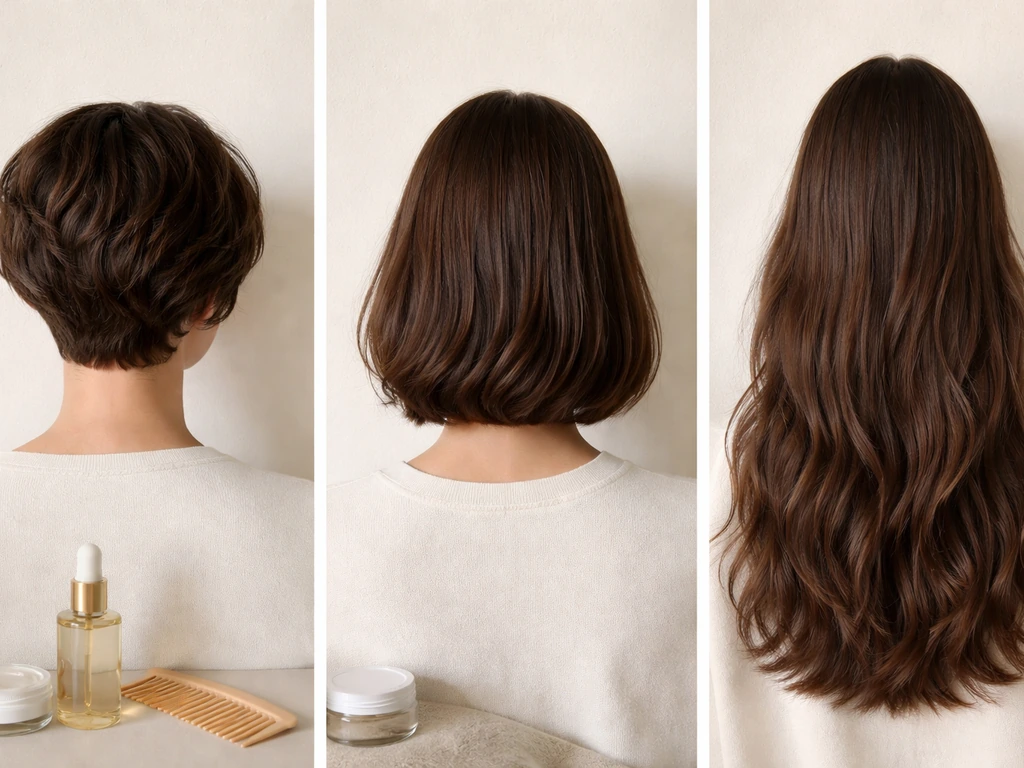
Hair grows at roughly 1 cm per month on average (about 15 cm per year), though there is real variability between people. Use these stages as a map, not a contract. Some people move faster, some slower, and factors like nutrition, sleep, and scalp health all play a role.
| Stage | Approximate Timeframe | What's Happening | Main Strategy |
|---|---|---|---|
| Stage 1: Early growth | Months 1 to 3 | Hair is gaining length but has no weight or movement yet. Buzz/crop starters feel stuck here. | Keep scalp healthy, avoid heat damage, resist the urge to trim. Style with texture products. |
| Stage 2: The awkward zone | Months 4 to 8 | Neck-length or ear-length hair with no shape. Classic mullet/shaggy phase for short starters. | Get a shape-preserving trim. Add curtain bangs or fringe if desired. Use clips and headbands. |
| Stage 3: Shoulder transition | Months 8 to 14 | Hair reaches the shoulder but may be uneven, with old layers at odds with new length. | Introduce long layers. Start building wave texture deliberately. Fringe reaches chin level around month 8. |
| Stage 4: Building the look | Months 14 to 20 | Collarbone to mid-chest length. The hippie silhouette starts to be visible. Layers matter most here. | Ask for a proper shag-style layered cut. Commit to a wave/texture styling routine. |
| Stage 5: Full hippie length | Months 18 to 24+ | Mid-back or longer, layers flowing, texture established. | Maintain with trims every 8 to 10 weeks. Focus on health and shine. |
If you are starting with a fringe or growing out bangs specifically, budget extra time for that transition. Eyebrow-length bangs take the better part of a year to fully grow out and blend. Chin length takes roughly 8 months from a short fringe. The curtain bang style (which suits the hippie look perfectly) is actually a great halfway house: ask your stylist to shape your growing bangs into a soft curtain style rather than letting them grow out completely untouched.
Styling during growth: making each stage look intentional
The biggest mistake people make during a grow-out is treating their current length as a problem to be hidden. The hippie look is actually well-suited to in-between stages because the whole aesthetic is relaxed and textured rather than precise. Here is how to grow emo hair step by step so the transition stays manageable. Here is how to work with each element.
Waves and texture
If your hair is naturally wavy or curly, lean into it immediately. Use a curl-enhancing cream or mousse and either air-dry or diffuse on low heat. If your hair is straight, a sea salt spray or texturizing spray applied to damp hair and then scrunched or braided overnight creates a believable wave. The key is working with the texture you have rather than fighting it into smoothness, which actually makes short-to-medium lengths look sharper and less hippie-like.
Volume
Hippie hair has volume at the root, not flat-to-the-head smoothness. While your hair is shorter, a volumizing mousse at the root before diffusing or air-drying gives lift without crunch. For longer hair, flip your head upside down while diffusing. Avoid heavy oils or butters at the root while you are still building length because they weigh fine or medium hair down quickly.
Fringe and bangs
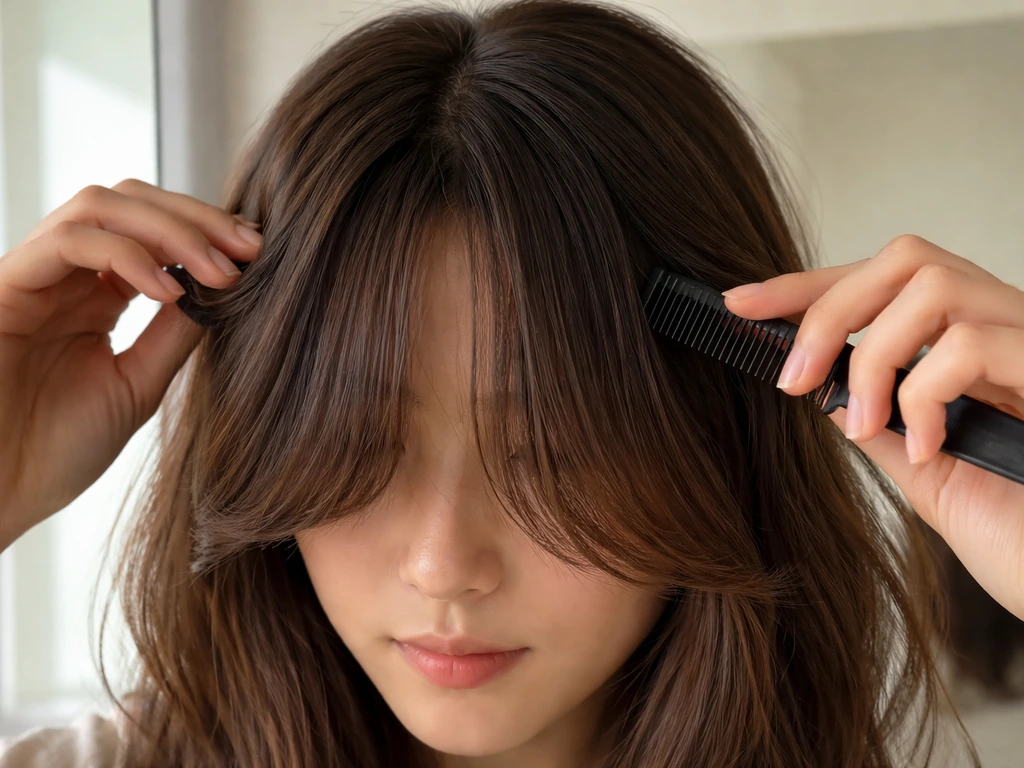
Curtain bangs are arguably the single best grow-out tool for the hippie look because they frame the face at almost every stage of the grow-out. If you have existing blunt bangs, ask your stylist to start blending them into curtain-style pieces as soon as they hit or pass eyebrow length. During the in-between weeks, use clips, bobby pins swept to the side, or a simple center-part to frame the face without forcing the fringe into something it is not ready for yet. Headbands and bandanas (very on-brand for this aesthetic anyway) are genuinely useful tools, not a cop-out.
Layers
Layers are what separate hippie hair from just long hair. If you are specifically working toward a taper afro, ask your stylist to keep the sides clean while letting the top length build so the blend stays intentional how to grow a taper afro. Once you are at shoulder length or beyond, ask specifically for long face-framing layers and some interior layers through the mid-section. A shag-style cut with long layers creates the shape and volume that defines the boho look. Before that length, avoid heavy layering because it can make already-short stages look even shorter. The exception is face-framing layers, which can be introduced earlier because they shape the silhouette without sacrificing overall length.
Fixing the frustrating stuff: cowlicks, uneven lengths, and matting
Cowlicks
Cowlicks are worst in the 2 to 5 inch length range because the hair is not long enough for its own weight to pull it down, but not short enough to lie flat. The most effective fix is directing the hair while it is wet and then holding it with a light-hold product until it dries in position. A small amount of pomade or a flexible wax applied with your fingers can train cowlick sections into a direction you want. As hair gets heavier with length, most cowlicks become less obvious on their own.
Uneven lengths
Uneven lengths happen for two reasons: your original cut was not uniform, or different sections of your hair grow at slightly different rates. Texture and waves disguise uneven lengths extremely well, which is one reason the hippie grow-out is more manageable than, say, growing out a sharp bob. If you notice a real imbalance, ask your stylist for a blending trim rather than an overall length cut. The goal is evening out the outline without losing the overall progress you have made.
Matting and tangling
Matting becomes a real risk once hair reaches the neck and longer, especially with waves or curls. It usually forms at the nape and the areas where hair rubs against clothing. The fix is consistent detangling with the right tools and not letting tangles sit. If you notice a mat forming, add a generous amount of conditioner or detangling spray, let it sit for a minute, then work through it gently with a wide-tooth comb starting at the ends and working up. Never yank from the root. Loose braids or a loose bun at night reduce overnight matting significantly.
Maintenance: trims, washing, drying, and detangling
When to trim (and when not to)
Trims are one of the most contested topics in any grow-out, but here is the honest version: you should trim for shape, not for length. Once your hair is past the very early stages, a tiny trim every 6 to 8 weeks removes split ends before they travel up the shaft and cause more breakage. Split ends cannot be repaired, only cut.
The Office for Science and Society at McGill explains that split ends cannot be permanently repaired and most products only temporarily make them look better Split ends cannot be repaired, only cut. .
However, you do not need to cut enough length to cancel out a month's worth of growth. Ask your stylist for a micro trim (sometimes called a baby trim) of around 0. 5 to 1 cm, or specifically ask them not to remove length and to focus only on the ends.
Washing and drying
Over-washing is one of the most common reasons grow-outs feel dry and frizzy. If you have wavy or curly hair, you likely do not need to shampoo every day. Two to three times a week is enough for most people, and some wave and curl types do better with co-washing (conditioner only) in between. For drying, skip the regular terrycloth towel. A microfiber towel or a soft cotton t-shirt absorbs water gently without roughing up the cuticle, which reduces frizz and breakage. If you use a blow dryer, use a diffuser on low heat to preserve wave pattern and reduce damage. Air-drying is genuinely gentler when you have the time, especially for color-treated hair.
Detangling the right way
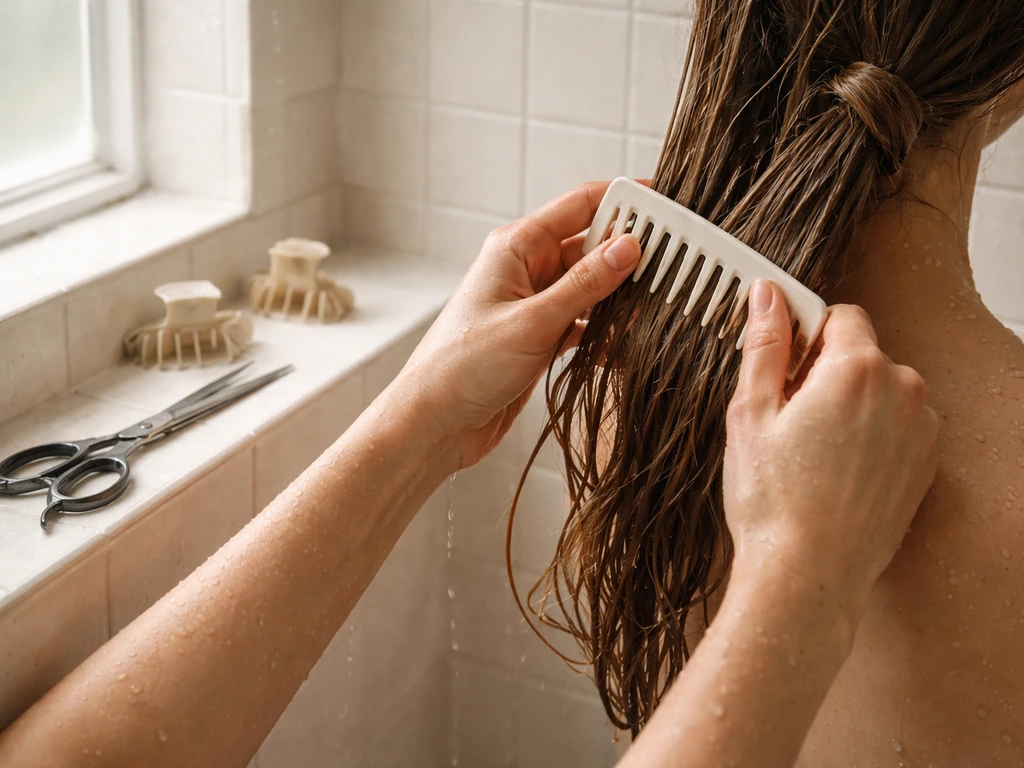
For wavy and curly hair, detangle in the shower with conditioner still in, using a wide-tooth comb and working from ends to roots. For straight or fine hair, wet hair is actually at its most fragile, so try detangling dry with a lightweight detangling spray before washing, or be extremely gentle in the shower. Never brush sopping-wet straight or fine hair aggressively. Work in sections if your hair is thick or prone to knotting.
Hair health during the grow-out
Deep conditioning once or twice a week makes a real difference, especially if your hair is dry, color-treated, or wavy. A hair mask applied from mid-lengths to ends and left on for 10 to 20 minutes replenishes moisture that daily styling and environmental exposure remove. Scalp health matters too: a clean, stimulated scalp is the foundation for consistent growth. Scalp massage during washing (even just two to three minutes) supports circulation without requiring any special product. Diet and overall health also factor in, though there is no magic supplement that dramatically speeds up growth beyond your natural rate.
Color, bleach, and natural regrowth
The hippie look pairs beautifully with natural color, balayage, and lived-in highlights, but it requires some planning if you have color-treated or bleached hair. A few things to know:
- Bleached or heavily highlighted hair is structurally weaker and more prone to breakage during the grow-out. Deep conditioning and protein treatments become non-negotiable, not optional.
- Root regrowth on bleached or highlighted hair can look stark and at odds with the relaxed hippie vibe. A gloss or toner refresh every few months softens the transition between new growth and lightened ends, which actually suits the boho look better than sharp root lines.
- Hot roots (where the new growth at the scalp lifts lighter or brighter than the rest of the hair due to scalp heat during processing) are a common issue when doing root touch-ups at home or with formulas that are not adjusted for your current situation. See a colorist if you are unsure, and be cautious about using the same formula all over.
- Sulfate-free shampoo is worth using throughout the grow-out if you have any color. It extends color life and is gentler on the hair shaft overall.
- If you are going natural (transitioning away from color entirely), consider a gloss or tone-matching treatment to soften the line between old color and new growth until the two lengths blend more naturally.
For hair that has never been colored, the grow-out is simpler in terms of chemistry, but natural texture and shine still benefit from regular conditioning. The goal in both cases is hair that looks healthy and moves freely, which is a core part of what makes the hippie style read as intentional rather than just neglected.
Products and routines that actually support your progress
No product will make your hair grow faster beyond your natural rate, but the right routine absolutely prevents the breakage and damage that makes growth feel stalled. Here is a practical setup:
Your basic weekly routine
- Wash 2 to 3 times per week with a gentle or sulfate-free shampoo. Daily washing strips natural oils and dries out the shaft.
- Condition every wash, focusing on mid-lengths and ends where moisture loss is greatest.
- Deep condition (mask) once or twice a week, especially if your hair is dry, color-treated, or prone to frizz.
- Detangle with a wide-tooth comb after adding conditioner in the shower (wavy/curly) or gently dry before washing (straight/fine).
- Dry with a microfiber towel or soft t-shirt. Squeeze, do not rub.
- Apply a leave-in conditioner or detangling spray to damp hair before styling.
- Style with a texturizing or wave-enhancing product (salt spray, curl cream, or mousse depending on your texture) and air-dry or diffuse on low.
- Protect at night with a loose braid or silk/satin pillowcase to reduce friction and tangles.
Product types worth having
- Sulfate-free shampoo: gentler on hair and scalp, essential if you have color
- Moisturizing conditioner and a weekly deep conditioning mask: the foundation of healthy, breakage-resistant growth
- Leave-in conditioner or detangling spray: makes detangling safer and adds a moisture layer between washes
- Sea salt or texturizing spray: creates the relaxed wave texture central to the hippie look without heat
- Curl cream or wave-enhancing mousse: for wavy or curly hair types to define texture while air-drying
- Microfiber towel: a small investment that genuinely reduces frizz and breakage during drying
- Light oil (argan, jojoba, or similar) for ends only: tames frizz and adds shine without weighing hair down
Habits to drop right now
- Tight elastic bands that snap or pull: switch to scrunchies or spiral hair ties
- High-heat flat ironing or curling every day: heat damage causes the breakage that makes hair look like it is not growing
- Skipping the detangle: leaving tangles to worsen leads to matting, which leads to breakage or forced cutting
- Impulsive trims when you feel frustrated: it is normal to feel like your hair is not growing. Step away from the scissors and add a new styling tool instead.
Growing hippie hair is genuinely one of the more enjoyable grow-out journeys because the aesthetic rewards effort at every single stage. Unlike growing out a precise style like a pompadour or a faux hawk where you really are waiting for a specific length before anything looks right, the hippie look can be styled intentionally at shoulder length, collarbone length, and beyond.
If you are switching from a pompadour to a longer style, the key is planning trims and styling so the shape blends as your hair grows out. Growing out a fade works similarly, but you will typically need to manage the transition between the shorter sides and the longer top with regular blending touch-ups Growing out a precise style.
Give yourself the realistic timeline, work with your texture instead of against it, and trust that the awkward phase is shorter than it feels.
FAQ
Why does my hair not seem to grow, even though it should be 1 cm per month?
If your hair is breaking, your length will not “catch up,” even though growth is normal. In practice, check your ends: if they look see-through, rough, or flyaway on the ends only, you likely have split ends or dryness. Fix it by switching from searching for a faster-growth product to doing a micro trim (shape-only), then deep conditioning on a schedule (once weekly for dry or color-treated hair) and reducing heat or using low-heat diffuser.
How do I start curtain bangs so they look good before they fully grow out?
Treat the first 8 to 12 weeks as a blending phase, not a styling-perfect phase. Use a face-framing option that matches your current length, like soft clips or a side sweep instead of trying to force curtain bangs into place. When bangs reach eyebrow level, ask your stylist to start shaping them into a true curtain pattern (not just longer blunt fringe) so they fall correctly once they get to cheekbone height.
Can I get a trim early (before shoulder length) and still maintain the hippie look?
Yes, but the change needs to be subtle. The fastest way to kill the hippie vibe is adding heavy, uniform bulk. Ask for long, internal layers and a light face-framing layer set that preserves overall length, then request that the stylist avoid thinning shears unless needed for very thick hair. Plan to reassess layering after about 3 to 4 months, since hair shifts as it gains weight.
My waves look flat and frizzy during the grow-out, what should I adjust?
If you do not maintain structure, wavy hair can look stringy rather than tousled. Aim for product that defines without coating, apply on damp hair, and use a technique like scrunching or gentle finger coiling before it dries. For volume at the root while short, pick a lightweight root mousse and avoid applying heavy conditioners near the scalp.
I have straight hair. How can I make it look wavy enough for hippie hair while growing?
Stop assuming your texture will develop on its own. Straight hair can be made to read wavier with styling, but if it is stubborn, switch your method: use overnight braids or a loose twisted bun on damp hair, then let it dry fully before undoing. If your hair is fine, keep the product light so it does not weigh down and blur the new wave pattern.
What is the best way to handle cowlicks at the awkward short stages?
Cowlicks often improve once the hair is long enough to hang, but while you are in the 2 to 5 inch window you need directional training. Apply a small amount of flexible wax or pomade to the damp cowlick area, set the direction with your fingers (or by pinning lightly), and let it dry in that position. If it springs back after washing, repeat immediately after the next wash rather than trying to “set” it on dry hair repeatedly.
How do I prevent tangles and mats at the nape as my hair gets longer?
If you are matting, it is usually a friction and detangling issue, not a “bad hair” issue. Prioritize nighttime protection (loose braid or loose bun, plus a soft fabric scrunchie), and make detangling part of your wash routine. When tangles form at the nape, detangle with conditioner in, use a wide-tooth comb, and never force the comb through a dense knot, instead finger-separate first.
Should I trim to even out lengths, or just wait it out?
If you are targeting a hippie silhouette, trimming too much for “even length” often backfires. Instead, request blending focused on the outline, especially where one side grows faster, and keep the overall length. A micro trim every 6 to 8 weeks is usually enough, and if you truly need uneven correction, do it as a blending trim (not a full length cut) so your progress stays intact.
How should my routine change if I’m growing hippie hair with bleach or balayage?
If you color or bleach, the hippie look can still work, but you should plan around dryness and porosity changes. Use a mask more consistently (for many people, 1 to 2 times weekly), detangle gently with conditioner, and consider spacing trims a bit more carefully because fragile ends split faster. Also watch how bangs and face layers feel, since they are often the driest and get rough first.
How do I know if I’m over-washing for my hair type?
Wash frequency is personal, but the decision rule is how your hair behaves, not the calendar. If your scalp feels oily quickly, you may need more frequent cleansing, but you can still reduce frizz by using a gentle shampoo and conditioner well. If your hair feels dry after washing or the ends feel rough the next day, scale back shampoo days and use conditioner-focused washing (co-wash) in between if that suits your hair type.