
Growing out the crown of your hair takes about 3 to 12 months depending on how short the area currently is, and the biggest factors slowing it down are breakage, friction, scalp neglect, and the crown's natural swirl pattern working against you. The good news: most of what's holding your crown back is fixable with a few targeted habit changes you can start today.
How to Grow Out the Crown of Your Hair: Step-by-Step Plan

Marcus Vickers
1 Jun 2026
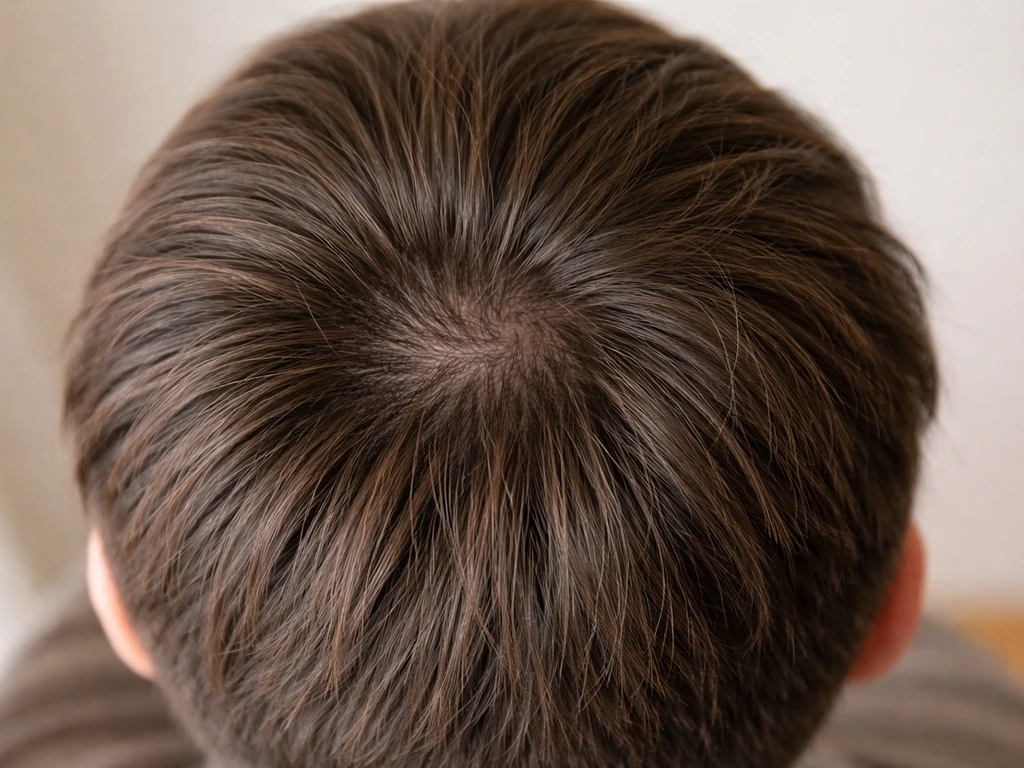
Why your crown looks like it's behind everyone else
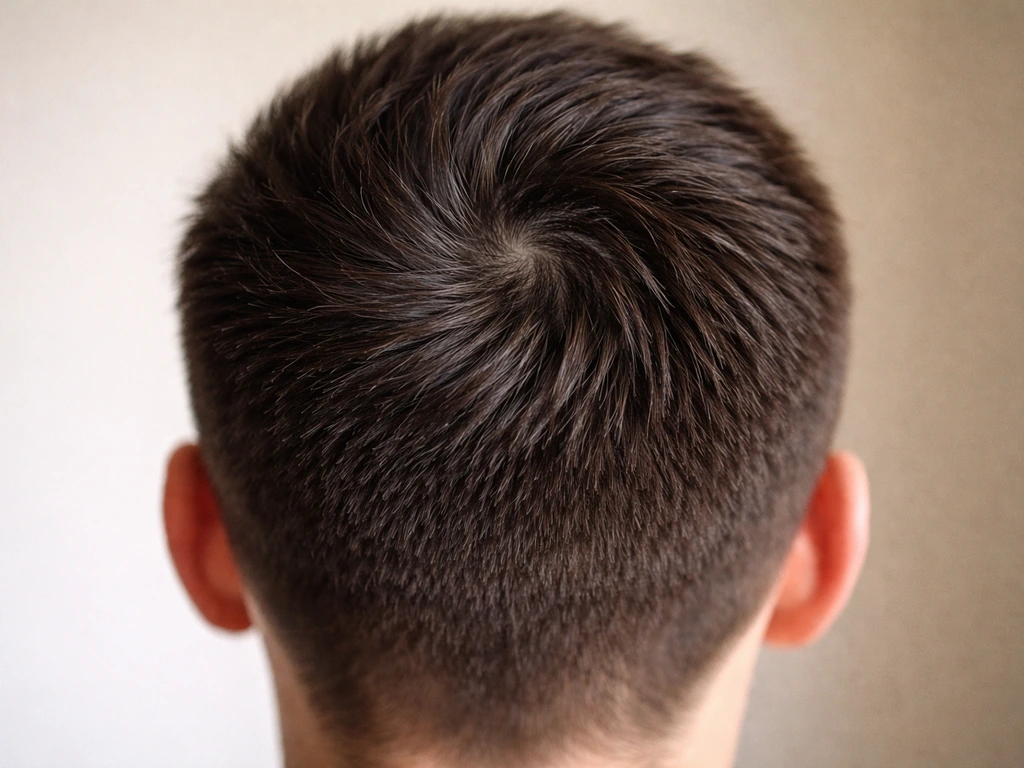
The crown is the area at the top and back of your head, roughly where your hair forms a whorl or spiral pattern. That spiral isn't random, it's called a hair whorl, and it's where your follicles physically grow in a circular direction around a single central point.
A case-control study on scalp hair whorl patterns describes whorls as a spiral disposition of hairs around an axis determined by the direction follicles grow [hair whorl, and it's where your follicles physically grow in a circular direction around a single central point. ](https://cris. unibo. it/retrieve/handle/11585/773776/bcf5d130-33da-4915-ad01-345e383985f6/scalphairwhorlpatternsinpatientsaffected_by.
2. pdf). Because the strands radiate outward from that center, the hair naturally parts and spaces itself differently than the rest of your head. In bright light or overhead lighting, this can make the crown look thin, patchy, or like there's barely anything there, even when your hair is actually growing fine.
This matters a lot when you're growing out a short cut, a buzzed section, or an undercut. The crown is usually the last area to look caught up because the strands there are fighting their own spiral growth direction as they get longer. While the sides and front fall into place, the crown tends to stick up, separate, or create a visible gap. That's not a growth problem, it's a direction problem. But it can absolutely feel like you've hit a wall.
Before assuming your crown is growing slowly, check these first:
- Tight styles like high ponytails, buns, or topknots that put constant tension on the crown area
- A hat or helmet you wear daily that creates friction right at the crown
- Sleeping without any protection (cotton pillowcases cause real breakage at the highest-pressure point on your pillow — usually the crown)
- A cowlick or double whorl that's making the regrowth look uneven even though the length is actually catching up
- Color or chemical treatments that have weakened the crown hair specifically, making it break before it gets long
If you've had a pixie, buzz cut, or any style where the crown was cut significantly shorter than the rest, you're starting from behind. Hair grows at roughly 0.5 inches per month (about 6 inches per year) for most people, and that rate applies equally across your scalp. The crown just looks slower because the whorl pattern makes shorter lengths splay outward and look sparse instead of lying flat. Length is your friend here, once it gets past about 2 to 3 inches, that spiral pattern starts to settle.
Start here: reduce the breakage and friction happening right now
Breakage at the crown is extremely common and extremely underrated as a reason why growth seems stalled. Hair grows about 100 shed hairs per day as part of normal cycling, but if the crown hairs are also breaking midshaft, you're losing length faster than you're gaining it. The solution isn't a magic product, it's removing the damage triggers.
- Switch your pillowcase to satin or silk tonight. Cotton pillowcases create friction at exactly the spot where your crown presses into the pillow. A satin pillowcase reduces that friction significantly and costs almost nothing.
- Stop or loosen any style that pulls the crown. High buns and tight topknots create traction on the follicles right at the whorl. If you wear these daily, rotate to looser styles or wear them lower on the head.
- Ditch your terry cloth towel for drying. Rough towel-drying at the crown is a huge breakage source. Use a microfiber towel or an old T-shirt and blot instead of rubbing.
- Check your elastics. Regular rubber bands and tight fabric elastics snap strands at the crown. Use seamless hair ties or spiral coils if you're tying your hair up during the grow-out.
- Stop over-brushing or combing the crown when it's wet. Wet hair is weakest. Use a wide-tooth comb, work from ends up, and be especially gentle at the whorl where strands tangle against each other.
If you're growing out an undercut specifically, the shortest hairs at the crown are the most vulnerable to breakage because they have no weight to anchor them and are often the most exposed to friction. Treat that area like it's fragile until it reaches at least 2 inches, because structurally, it kind of is.
The crown-growth routine: scalp care, nutrition, and habits that actually move the needle
Hair growth starts at the scalp, and the crown scalp is one of the more neglected spots in most people's routines. It gets product buildup, limited circulation from compression (from hats and helmets), and often misses the massage and moisture that the hairline and sides get more naturally.
Scalp care for the crown
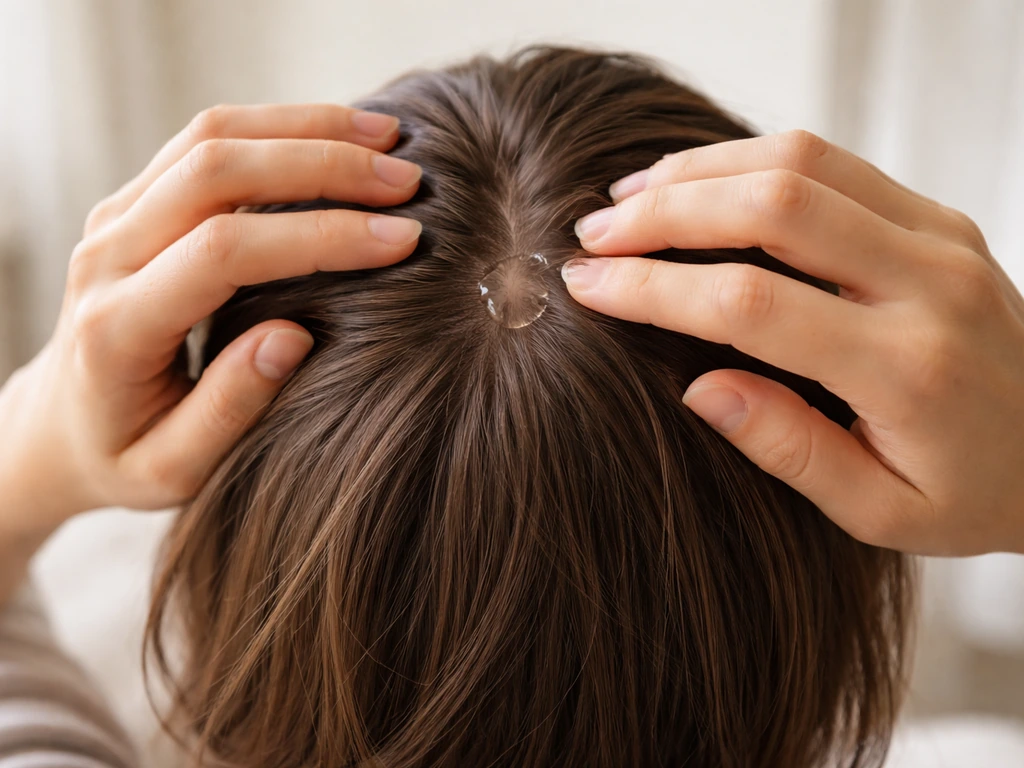
- Massage the crown for 3 to 5 minutes a few times a week. Use your fingertips (not nails) in small circular motions right at the whorl and outward from it. This increases blood flow to the follicles in that area and takes about two minutes while shampooing.
- Keep the scalp clean but not stripped. Overwashing dries out the scalp and triggers excess oil production, both of which create conditions that slow healthy growth. For most people, washing 2 to 4 times per week works well — adjust based on your scalp type.
- Use a clarifying shampoo once or twice a month. Product buildup at the crown (especially from dry shampoos and styling products) can clog follicles and create a hostile environment for new growth.
- If your scalp is flaky, itchy, or visibly irritated at the crown, address it directly. A zinc pyrithione or ketoconazole shampoo used twice a week can make a significant difference for dandruff or seborrheic dermatitis — both of which can slow growth if left untreated.
- Consider a lightweight scalp serum or oil (rosemary oil in particular has some evidence behind it for hair growth support) applied directly to the crown 2 to 3 times per week, massaged in.
Nutrition and internal factors
You can't out-routine a nutritional deficiency. The most common internal reasons for slow or uneven crown growth are low iron (especially in people who menstruate), low protein intake, and low vitamin D. These are worth getting checked with a simple blood panel if your crown seems genuinely behind. Beyond deficiencies, make sure you're eating enough protein (hair is mostly keratin, which is protein), getting enough biotin through eggs, nuts, and seeds, and staying hydrated. Supplements can help fill gaps but aren't magic if your overall diet is solid.
Daily habits that compound over months
- Reduce heat styling at the crown whenever possible. The crown is often the most-styled spot and the most heat-damaged as a result. Let it air dry and use lower heat settings.
- Sleep on your side or stomach if you tend to press the crown into the pillow all night — or use a satin bonnet to protect it regardless.
- Minimize chemical processing at the crown. If you're coloring, bleaching, or relaxing your hair, the crown takes extra damage. Give it recovery time between sessions and deep-condition after every treatment.
- If you wear hats regularly, choose looser fits and take them off when you're not outside. The constant compression and heat buildup under a hat isn't great for crown follicles.
How to style the crown so it doesn't look like a work in progress
The hardest part of growing out the crown is the 2 to 5 inch phase when the hair is long enough to be visible but not long enough to lie flat or blend with the rest of your hair. If you want a smoother overall grow-out plan, you can use the same principles to grow out money piece hair without it looking choppy as it regrows how to grow out money piece hair. This is where most people give up and cut it again. Don't. There are real styling strategies that make this phase look intentional instead of accidental.
When the crown hair is under 2 inches
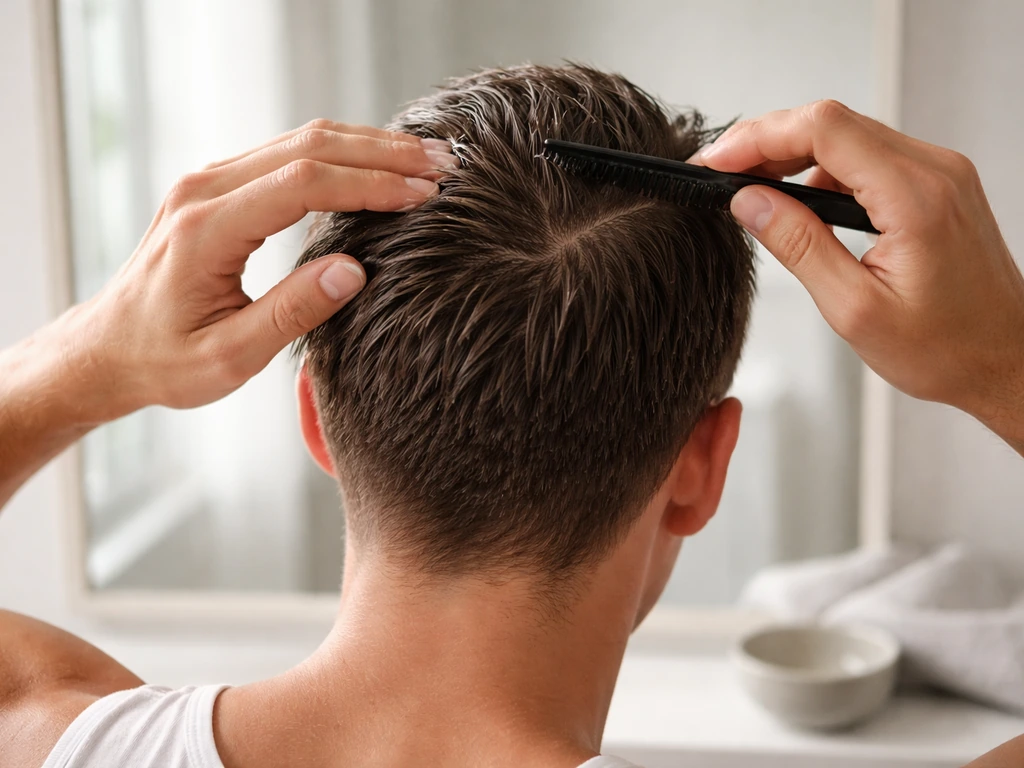
At this length, your best tools are texture and distraction. A matte styling paste or clay applied to the crown creates separation and grip that makes short regrowth look like a deliberate textured style rather than regrowth. If the crown sticks up, lean into it, spike it slightly or push it forward and up rather than trying to flatten it. Trying to press short crown hair flat almost always makes it look worse and highlights the gap between lengths.
When the crown hair is 2 to 4 inches
This is the most awkward phase. The crown is long enough to flop but too short to incorporate into a real style. A light pomade or cream applied while the hair is slightly damp, then directed toward the front or to one side, helps blend the crown into the surrounding length. For longer hair elsewhere on the head, a loose half-up style can disguise the crown transition.
If you're growing out an undercut or a heavily layered cut, this is also the phase where strategic parting helps, parting slightly to the side of your natural whorl can make the crown hair fall in a more flattering direction. If you want that effortless middle part flow, you can build it by letting the crown hair blend smoothly into your natural middle part as it grows longer.
If what you are really dealing with is a side part that keeps getting awkward as the roots and lengths grow, the same patience and styling principles apply, and you can follow a side part specific plan for the best blend how to grow out a side part.
When the crown hair is 4 inches and beyond
At 4 inches and longer, the crown hair has enough weight to start behaving. This is when it begins to blend with the rest of your hair naturally, especially when styled with a blow dryer directed downward from the crown. If you also want a blowout look, the same principles about reducing breakage and friction will help you keep length while you grow it out.
A round brush pulled from the crown outward while blow-drying adds volume and direction that flattens the whorl. From this point forward, the styling gets easier every month. This phase also connects naturally to other grow-out goals, if you're working toward a middle part or a longer flow style, the crown is the last piece to fall into place.
If you're specifically aiming for a middle part, the best time to experiment with spacing and technique is once your crown is long enough to blend into the surrounding lengths.
Realistic timeline: what to expect month by month
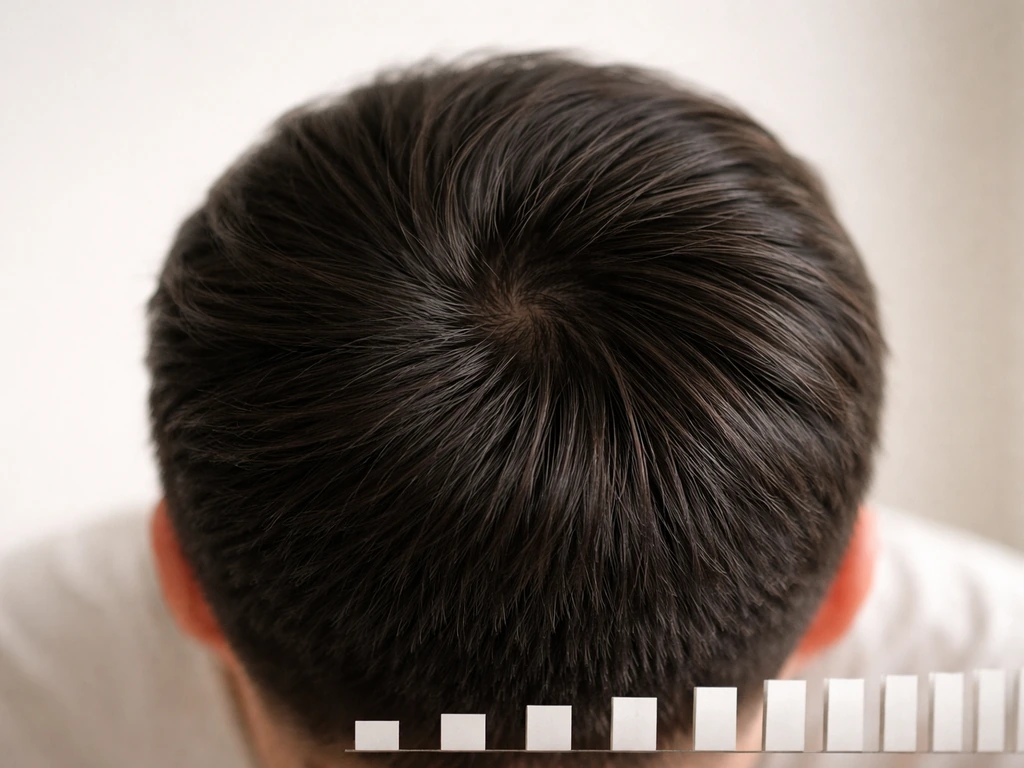
Because hair grows about half an inch per month on average, you can roughly calculate where you'll be, but the crown usually looks further behind than it is because of the whorl. Here's a practical breakdown of what to expect and what to watch for:
| Timeframe | Approximate Crown Length Added | What It Looks Like | What to Focus On |
|---|---|---|---|
| Months 1–2 | 0.5–1 inch | Still very short; whorl is very visible; hair sticks up or spays out | Reduce breakage, start scalp massage, ditch cotton pillowcase |
| Months 3–4 | 1.5–2 inches | Awkward floppy stage; hard to style flat; doesn't blend well | Use matte paste or clay, avoid tight styles, keep scalp clean |
| Months 5–6 | 2.5–3 inches | Starting to have enough length to direct; still needs product | Experiment with parting, use light pomade, consider a shaping trim |
| Months 7–9 | 3.5–4.5 inches | Begins to blend with surrounding hair; whorl less visible | Blow-dry technique, round brush styling, reduce heat damage |
| Months 10–12 | 5–6 inches | Crown integrates fully; growth looks cohesive | Maintain trims, continue scalp routine, assess final goal length |
These are averages. Some people grow closer to 0.4 inches a month, some closer to 0.6. Genetics, health, and how well you retain length (by preventing breakage) all affect where you actually land. The most important thing to track isn't just length, it's whether the crown hair is retaining what it grows, meaning you're not losing the same half-inch to breakage every month.
Trimming strategy: how to keep progress without resetting it
This is where a lot of people go wrong. They either avoid trims entirely (and deal with damage and split ends that travel up the shaft, costing more length later) or they get regular trims that keep cutting the crown back to square one. There's a middle path that actually works.
The rule of thumb: trim the ends of the longer sections to keep them healthy while leaving the crown area alone as much as possible. If your crown is 2 inches shorter than the rest of your hair, you don't need a trim at the crown at all. You need a very light dusting at the ends of the longer hair to remove splits, but the crown should be left to catch up.
Tell your stylist exactly what you're doing. Say: 'I'm growing out my crown and I only want a dusting at the very ends, I do not want the crown touched unless there's visible damage.' Most stylists will respect this and can work around the crown entirely. If you're going to a new stylist, show them a photo of what you want the end result to look like so there's no misinterpretation.
How often to trim: every 10 to 14 weeks is usually enough if you're managing breakage well. Every 6 to 8 weeks is fine if your ends are prone to damage or you're using a lot of heat. Anything more frequent than every 6 weeks while actively growing out the crown is likely working against you unless you have a specific split-end problem.
One exception: if you had a specific layered cut, undercut, or a length imbalance where the crown was cut very short compared to the sides, you may benefit from a shaping trim around month 5 or 6 that helps blend the transition lengths without shortening the crown. A good stylist can do this with point-cutting or subtle layering around the crown without removing the length you've built.
When the crown isn't growing and it's not about styling
Most of the time, slow crown growth is about retention, breakage, and patience. But sometimes what looks like a growing-out problem is actually something else, and it's worth knowing the difference.
See a dermatologist if you notice any of the following:
- The crown is visibly thinning (not just looking thin in bright light because of the whorl, but actual density reduction that's gotten worse over months)
- You're shedding more than the normal 50 to 100 hairs per day — handfuls in the shower, big clumps on your pillow, or clearly thinning patches
- There's scalp redness, itching, flaking, or scaling that isn't responding to dandruff shampoo after 4 to 6 weeks
- You notice the crown hairline is receding or that the whorl center is growing noticeably larger
- You've had a major illness, surgery, significant weight loss, or extreme stress in the past 3 to 6 months — telogen effluvium (stress-related shedding) often shows most visibly at the crown and top of the scalp
- You're on medications that list hair loss as a side effect and the timing lines up with your crown changes
The distinction that matters: regrowth that looks uneven or sparse because of the whorl pattern and short length is normal and resolves with time. Actual thinning that progresses, doesn't stop, or is accompanied by scalp symptoms needs professional attention. A dermatologist can run a blood panel, assess the scalp, and rule out androgenic alopecia, alopecia areata, or a nutritional deficiency that's been missed. Catching these early makes a real difference in outcomes.
Growing out the crown is genuinely one of the slower and more frustrating parts of any hair grow-out, whether you're coming from a pixie, an undercut, a buzz cut, or just an uneven cut. But it's almost always solvable with consistent scalp care, breakage prevention, and the patience to let the whorl pattern work itself out as length builds.
If you’re growing straight hair, focusing on breakage prevention and consistent scalp care can help the crown look fuller as it grows. Give it 6 months of real effort before reassessing, most people see a genuine shift right around that mark. If you want to speed up the parts that sit toward the front, use the same retention-first approach and tweak your routine for that hairline area how to grow your hair in the front.
FAQ
Can I use heat or a blow-dryer on my crown while growing it out? If so, how do I avoid making it worse?
Yes, but focus on styling that reduces friction and visual separation. Use a light, non-greasy product, avoid heavy upward rubbing, and consider a satin bonnet or pillowcase especially during sleep, since the crown is where short regrowth most easily breaks when it’s repeatedly tugged and compressed.
Will hair oil, growth serums, or scalp massages speed up crown growth?
Don’t rely on hair oil alone to “grow” the crown. Oils can help reduce dryness and tangling, which lowers breakage, but the biggest gains come from reducing midshaft damage triggers (gentle detangling, minimizing friction, and protecting ends) rather than stimulating new follicles.
Should I change my part to make the crown blend sooner?
If you’re still in the 2 to 5 inch awkward phase, sharp part changes usually backfire. Stick to one part direction (ideally close to your natural whorl fall) for at least 6 to 8 weeks, then reassess, because constantly switching sides increases breakage and makes blending look choppier.
How often should I wash the crown area while growing it out?
Wash frequency depends on your scalp and product use, but if your crown gets buildup or gets oily faster than the rest, you may need more frequent cleansing there. A common mistake is using the same amount of shampoo without giving the crown scalp extra attention (using fingertips only, not nails) because buildup increases irritation and can worsen shedding.
What’s the best way to handle the crown when it keeps sticking up no matter what I do?
Yes. For short crown hair that won’t lie flat, use a heat-free approach first, like matte paste or clay to create controlled separation, and then protect it from friction. If you do blow-dry, always direct airflow downward from the crown and keep heat moderate to prevent dryness-related breakage.
How can I tell if my crown looks thin because of the whorl versus actual thinning?
If your crown looks sparse mostly in overhead or bright lighting, it’s often a visibility issue from the whorl spacing, not true shedding. To check, compare crown density in the same lighting over time (and gently wet the hair to see whether it “fills in” as lengths clump and lay down). If the appearance keeps worsening across months, then get evaluated.
What are realistic milestones for the crown, and how do I avoid judging too early?
At around 2 to 3 inches, the whorl often starts to settle, but don’t judge progress purely by how it looks in a single week. Track breakage and retention by noticing whether your crown keeps losing the same short length repeatedly. If you’re losing length faster month to month, you likely have a breakage problem even if growth rate seems normal.
Can scalp treatments like exfoliants or anti-dandruff shampoos help, and what mistakes should I avoid?
Be careful with aggressive exfoliation or heavy scrubs on the crown. If you have dandruff or itch, choose an appropriate medicated treatment and follow the label timing, then focus on gentle washing and conditioning to prevent dryness-related snapping.
Will dyeing or bleaching affect how fast my crown grows out?
If you color or bleach, crown fragility can increase because short hairs at the top are exposed and tangle easily. If you’re actively growing out, minimize additional processing, use color-safe conditioning, and be extra cautious with detangling because damaged strands break sooner at the crown.
When should I consider a trim, and how do I tell my stylist not to cut my crown too short?
If you had a significant imbalance, a shaping trim can help around month 5 or 6, but only if it blends the transition without cutting the crown back to its starting length. Ask for point-cutting or subtle layering around the crown, and bring photos showing you want a light dusting at the longer ends only.