
Growing out a side part comes down to one thing: gradually shifting where your hair's roots are trained to fall, while managing the awkward in-between stage where the old part line is still visible and the new direction hasn't fully taken hold. That process takes anywhere from a few weeks to a few months depending on your current length, but the good news is you can start making it look intentional from day one.
How to Grow Out a Side Part: Step-by-Step Guide

Marcus Vickers
23 May 2026
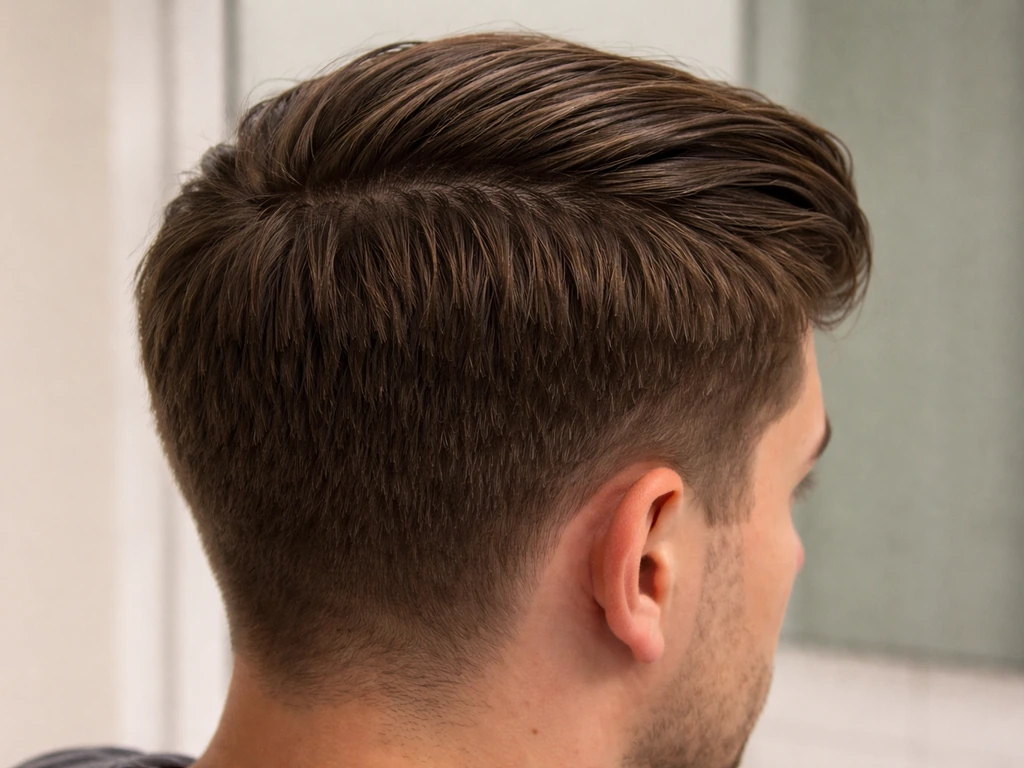
What your current length and cut actually require
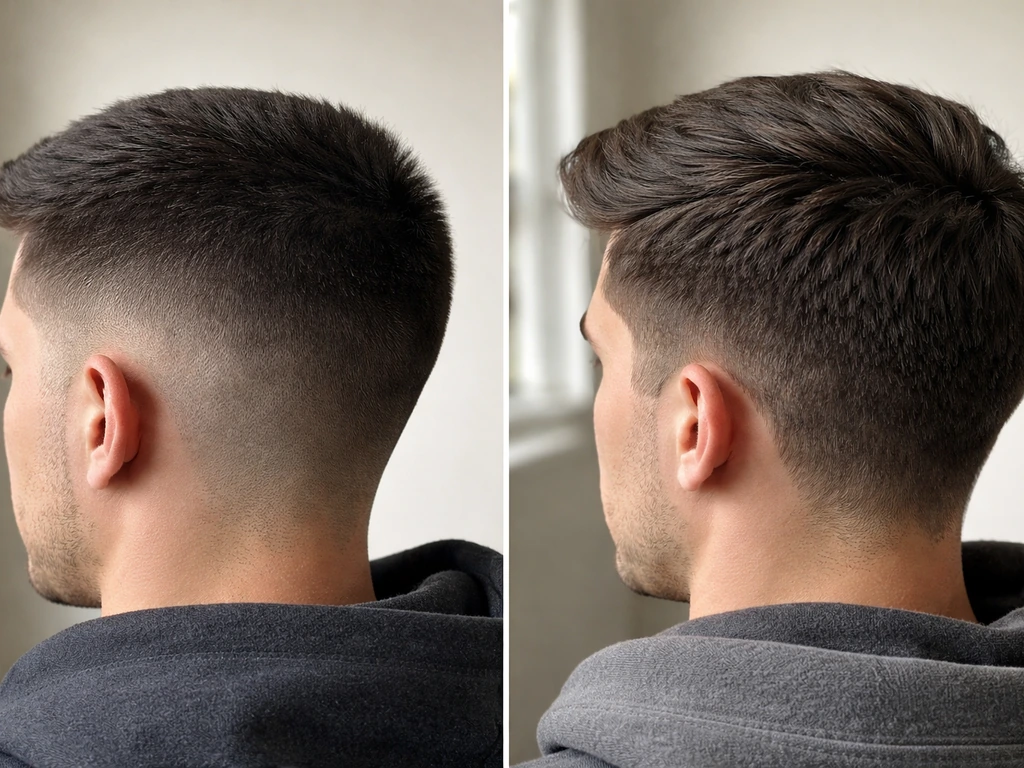
Before you change anything, it helps to understand what you're actually dealing with. A clearly defined side part doesn't just come from where you comb your hair. It comes from how your roots have been trained over time, the shape of your cut, and whether an undercut or disconnected layers are physically forcing the hair to fall in one direction. The fix for each of those is slightly different.
If your hair is short (think cropped sides, close-cut fades, or a short textured cut), your main challenge is that there isn't enough length yet to weigh the hair down into a new direction. Short hair is essentially sticking up and falling where it wants. You're not really retraining the part here so much as waiting for enough length to cooperate, while keeping the styling consistent in the meantime.
If you're working with a bob, a cut with longer layers, or grown-out bangs, the part itself may have been cut into the hairline. That means the hair around the part is shorter on one side, creating a visible line. Growing that out requires not just changing where you comb but also waiting for the shorter sections to catch up. This is usually the most awkward phase people hit.
If you have an undercut or heavily tapered sides, the disconnect between the short sides and longer top makes any part look very defined. Until the sides grow in more, any part direction will look sharp by default. Here, the goal is blending as the sides grow, not just shifting the part line itself.
How to shift from a set side part to a softer or different part
You don't have to commit hard to a new part from day one. In fact, jumping straight to a center part or the opposite side when your hair is used to one direction usually just looks wrong for weeks. The smarter approach is a gradual shift: move the part slightly toward center every few days, rather than flipping it all at once.
Start by moving your part about half an inch toward where you want it to end up. Do that for three or four days, then move it another half inch. This lets the roots start falling in a new direction without that jarring contrast where one side is flat and trained and the other is puffing up in protest. Hair really does get used to the direction it's styled in every day, but it takes consistency before that sticks.
If you're trying to soften a part rather than flip it entirely (which is common when going from a hard side part to something more natural-looking), the goal is reducing contrast. The sharp defined line goes away when the roots on both sides start falling with similar weight. You do this by parting further from the original line each day and directing both sides downward rather than hard to one side.
It also helps to alternate part placement on some days. Wear a slightly different part location on the weekend, or whenever you're not locked into a specific style. This keeps any single part direction from becoming deeply re-ingrained while the hair is still in transition.
Managing the awkward phase: cowlicks, flippy ends, and uneven growth

The awkward phase hits hard with side parts because you often get a visible ghost line where the old part used to be, plus sections that flip or stick out because they've lost their original direction but haven't found the new one yet. This is completely normal and doesn't mean your hair is broken.
Cowlicks near the part line
If you have a cowlick near your natural part, changing direction can make it suddenly more visible because you're no longer styling hair over it to hide it. The most effective technique is to blow-dry the area while it's still damp: use a comb to press the hair flat against your scalp and dry in the direction you want it to go, starting on the lowest heat/speed setting and working slowly. If you want the sleekest result, follow a simple blowout routine with a brush and the right heat settings to lock the new direction in blow-dry the area while it's still damp. Holding the comb's spine tight to the head while drying helps flatten the growth pattern. You won't eliminate the cowlick, but you'll make it cooperate with the new direction.
Ends that flip or curl outward
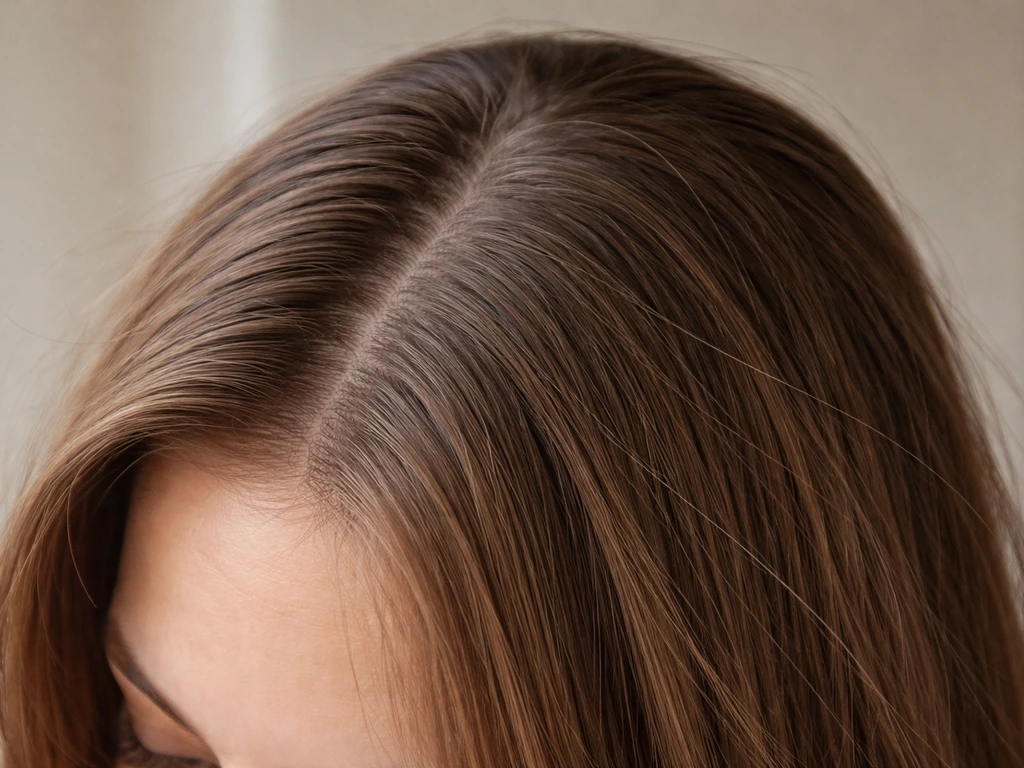
Flippy ends are almost always a length issue. When hair hits a certain point during growth, it's too long to lie flat but too short to have enough weight to fall straight. If you want to keep straight hair from flipping and keep the part looking smooth as it grows, use the same heat-and-weight consistency on damp hair. This typically happens around the 2–3 inch mark for shorter styles. Finishing with a round brush aimed downward during blow-drying helps temporarily, as does applying a small amount of smoothing product to damp ends before air-drying. This phase is temporary. Once hair gains another inch or so, the flip usually resolves on its own.
The visible part line from your old part
That ghost line where the old part used to be is caused by roots that are still falling in the trained direction. It fades as you consistently direct roots the new way during styling. In the meantime, you can camouflage it by slightly backcombing the hair at the root near the old part line, which creates a bit of volume and breaks up the visible crease. A texturizing product worked into the roots also helps disguise it.
Tools and techniques for training the new part direction
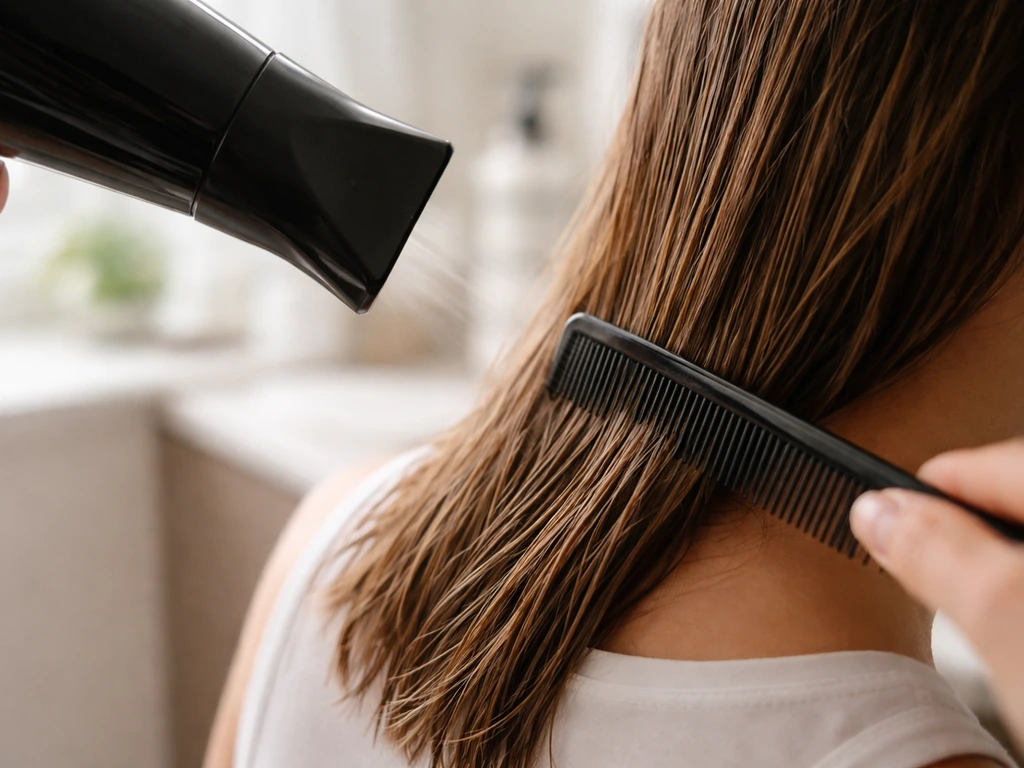
The single most effective way to retrain a part is heat styling on damp hair, directed where you want it to go. Heat allows the hair to mold and settle into a new direction as it dries. The key is doing this consistently every time you style, not just occasionally. One day of styling the new way won't undo a month of the old direction, but two to three weeks of daily consistency will start to show real results.
- Blow dryer with a concentrator nozzle: the most practical tool for redirecting roots. Aim the airflow in the direction you want the hair to fall, working from root to tip.
- Round brush: use while blow-drying to smooth ends downward and reduce flippy sections.
- Wide-tooth comb or paddle brush: comb through damp hair in the new part direction before applying any heat. This pre-shapes the hair before it dries.
- Scarf or headband wrap: after styling, wrapping a soft scarf firmly over the part area for a few minutes helps press the style into place. Works especially well for stubborn natural parts.
- Hair clips: clip sections flat to the scalp in the desired direction right after blow-drying while the hair cools. Releasing once cooled helps the direction hold.
For heat tools, keep the blow dryer at a safe distance from your scalp (roughly 6 inches) and use a heat protectant on damp hair before drying. If your hair is fine, processed, or color-treated, keep heat in the 250–300°F range to reduce damage risk. Overheating the roots repeatedly causes breakage at the scalp, which makes the whole growing-out process longer and messier.
If you prefer heat-free methods, parting and combing damp hair in the new direction and then allowing it to air-dry completely is slower but still works. The catch is that fine or straight hair tends to fall back toward its trained direction if it's not held while drying. You can help this along by pinning or clipping sections in place until fully dry.
For textured, curly, or coily hair, retraining a part works slightly differently because curl pattern plays a strong role in how hair falls. Applying a hold product or curl cream to the roots in the desired direction while scrunching or finger-coiling can help establish a new fall direction. Diffusing in the new direction is more effective than blow-drying straight.
The right kind of trims while you're growing it out
Trims don't speed up hair growth, but they do make growing out a side part look intentional rather than neglected. The key is knowing what kind of trim to ask for and when to get one.
If you have short hair with a hard part cut into the sides, a micro-trim every 4–6 weeks can soften the contrast between the defined part side and the rest of the hair without resetting your progress. Ask your stylist specifically to blend rather than reshape. The goal is reducing the sharpness of the part line as it grows, not cutting the top shorter.
For medium-length hair (bob length or a few inches past the ears), trimming every 6–8 weeks keeps the ends from looking ragged as they grow through the awkward flip stage. A dusting of just the ends prevents split ends from traveling up the shaft and creating the kind of frizzy, uneven look that makes the grow-out phase much harder to style.
One thing to avoid: telling your stylist to clean up the part area by shortening it. This just resets the clock and re-sharpens the definition you're trying to soften. Instead, ask them to blend the length around the part line and remove weight from sections that are creating a hard line.
If you're managing layers that are contributing to the visible part (like a shorter layer on one side that's forcing the hair to fall in the part direction), ask your stylist about growing those layers through to a more even length. This is a longer process but it significantly reduces the part's visual definition over time.
Week-by-week timeline: what to actually expect
Hair grows about half an inch per month on average (roughly 1.25 cm), with real variation from person to person and even location to location on the scalp. Live Science reports average scalp hair growth of about 0.35 mm per day, which is roughly 13 mm per month (about 6 inches per year), citing StatPearls half an inch per month on average. That means growing out a clearly defined part is measured in months, not weeks. Here's an honest breakdown of what happens when.
| Timeframe | What's happening | What to focus on |
|---|---|---|
| Week 1–2 | Roots still fully trained in old direction. Old part line very visible. No meaningful length gain yet. | Start shifting part placement gradually. Begin consistent daily styling in new direction. |
| Week 3–4 | About 0.5 cm of new growth at roots. Roots beginning to respond to daily styling direction. Old part line may look slightly less sharp. | Keep styling consistently. Use comb and blow dryer technique to redirect roots every day. |
| Month 2 | Roughly 1 cm new growth. Hair may start to feel less 'stuck' in old direction during styling. Flippy ends may appear if you're in a medium-length range. | Adjust styling to manage any flip or volume imbalance. Consider a blending trim if ends look ragged. |
| Month 3 | About 1.5 cm cumulative growth. Noticeable softening of the old part line. New direction is starting to hold without as much effort. | You may be able to reduce daily heat styling as the new direction begins to feel more natural. |
| Month 4–6 | 2–3 cm new growth. For most starting lengths, this is when the transition starts to look genuinely natural rather than in-progress. | Fine-tune the part placement. The hardest phase is usually behind you. Maintain regular trims to keep growth looking clean. |
| 6+ months | Enough new growth to have fully trained root direction for most hair types. Part should hold naturally with minimal daily effort. | Focus on final styling refinements and length goals. Texture and weight distribution should feel balanced. |
Keep in mind that thicker hair, tighter curl patterns, and very short starting lengths can shift these timelines. Someone starting with a buzz cut or a very cropped undercut may need the full 6-plus months before the part area looks genuinely natural. Someone with a longer bob may see results closer to the 2–3 month mark because there's already enough length to work with.
What to do today, this week, and if it still won't cooperate
Today: move your part a half inch toward where you want it, and dry it in that direction on damp hair using a comb and concentrator nozzle. If your goal is to grow out the crown, the same principle applies: retrain the direction your roots fall with consistent styling as the length comes in grow out the crown of your hair. As your hair in the front grows out, you can use the same gradual part-shifting approach to help it lay in a way that looks balanced how to grow your hair in the front. That's it. Don't flip everything at once.
This week: style consistently in the new direction every day. The first week is the most important for breaking the old pattern. Use a clip or scarf to hold the part in place after styling while the hair cools. If you have a cowlick in the area, spend an extra minute pressing it flat with the comb while blow-drying on low heat.
If it still won't cooperate after 4–6 weeks of consistent effort, there are usually two culprits. First: you may have a strong natural growth pattern (a pronounced cowlick or natural whirl) that is fighting the new direction. This doesn't mean you can't change it, just that it takes longer and more daily effort. Second: you might be reverting to the old part on some days, which resets the training. Consistency here is genuinely non-negotiable.
The other thing worth knowing is that some part directions simply work better with your natural growth patterns than others. If you're transitioning to something like a middle part or a flow style that requires the hair to split evenly from center, and your hair has always grown strongly to one side, you may end up with a softer version of the side part rather than a perfectly centered one. For a smoother middle part flow, keep training in the same even split direction while you style consistently middle part or a flow style. If you want a middle part, the same gradual retraining approach applies, just with extra focus on getting both sides to split evenly from center. That's not failure. That's your hair finding its most natural version of what you're asking for, and it usually looks better anyway. If you're specifically aiming for a flow hairstyle, the same gradual part training and consistent direction will help the hair split and lay evenly as it grows.
FAQ
How do I avoid the ghost line when I accidentally comb my hair back to the old part sometimes?
If you switch back and forth, you are giving your roots two different “instructions,” so the ghost line and sticking tend to last longer. Pick one new direction for the week, style it consistently for 5 to 7 days, then only vary placement on days you are not actively training (such as when you are wearing your hair up).
Can I speed up grow-out by changing directly to a middle part, or should I soften first?
Yes. If you want the old side part gone faster, aim for a softer version first (less separation, more downward fall) rather than immediately chasing a crisp center. Reduce the contrast by moving the part slightly farther from the original line each day while directing both sides down during styling.
Will trimming make my side part grow out faster?
Generally no. A trim does not make hair grow faster, but it can prevent the awkward phase from looking worse by removing uneven bulk and keeping ends from splitting. Tell your stylist to blend around the part line and avoid shortening the area that is currently training in a new direction.
What kind of product should I use during the retraining phase so my part doesn’t revert?
If you are using product, choose lightweight hold on the roots and damp ends rather than heavy oil or smoothing creams that weigh hair down unevenly. For retraining, you want enough grip to keep the hair in the new direction while it dries, then a minimal amount afterward so it can settle naturally.
Do I need to style the whole length or just the roots to grow out a side part?
Try a “root-only” approach: part the hair in the new position, then focus heat and combing on the first 1 to 2 inches from the scalp. The goal is retraining where the direction starts, not forcing every strand. If you overwork the mid-lengths, you can create flips that look worse while the roots are still transitioning.
What should I do if moving the part half an inch still looks wrong after a few weeks?
If the hair feels stuck in the old pattern, your starting point may be too far from the finish. Go smaller than half an inch, for example 1/4 inch increments, and keep daily styling for at least 2 weeks before you reassess. This reduces jarring contrast that makes the old fall direction look “louder.”
My cowlick makes the part pop back. How can I retrain around it?
For cowlicks or natural whorls, retraining can be successful, but you usually need more consistent flat-drying at the scalp. Comb the hair tightly to the head while drying on low heat, then let it cool before releasing the section. If you re-brush immediately after drying, the pattern can snap back.
Why does my side part look extra harsh during growth, especially with a taper or undercut?
When the sides are too short or disconnected, any part will look sharp because the top and sides have different weights. In that situation, prioritize blending and reducing the length difference, and consider asking for gradual blending rather than trying to “force” the part to look centered while the sides lag behind.
My ends flip outward when I move the part. Is that retraining or a different problem?
If your hair flips near the ends, it’s usually a length and weight balance issue rather than a parting issue. Use the same directional blow-dry while hair is damp, consider a small amount of smoothing product on damp ends, and keep your brush strokes aimed downward to prevent temporary flipping.
How should retraining change for wavy, curly, or coily hair?
If your hair is textured or curly, you may need different techniques because curls set in patterns as they dry. Apply hold at the roots in the new direction, then diffuse or set with care so the hair dries while it is positioned that way. Also expect the part to look less “crisp” even when it’s correctly retrained.
I followed the steps, but nothing changes after a month. What are the most common reasons?
If you are not seeing improvement after 4 to 6 weeks, check two things first: whether you are accidentally reverting on some days, and whether your natural growth pattern (whorl, strong cowlick) is fighting the direction you chose. Then adjust by making smaller shifts and increasing daily consistency for another 2 to 4 weeks.