
The flow hairstyle is absolutely achievable from almost any starting length, but it does take patience, a clear plan, and some honest expectations about the awkward middle stages. Whether you're coming from a buzz cut, a short taper, or something in between, this guide walks you through every step: what you're actually growing toward, what to do each month, how to keep things looking intentional while your hair catches up, and how to lock in the finished look once you get there.
How to Grow the Flow Hairstyle: Month-by-Month Guide

Marcus Vickers
19 Apr 2026

What the flow hairstyle actually is (and whether it works for your hair)
The "flow" is a medium-to-long layered hairstyle built around natural movement and an effortless shape. Think of it as hair that falls with a soft, sweeping quality rather than sitting flat or stiffly in place. The most recognizable version sits at neck length or longer on top, often parts naturally in the middle, and "flows" outward and backward from the face. It's closely related to what's also called the wings haircut, the mop top, or curtain hair, and in its fuller form can reach shoulder length or beyond with hair that flips or curves outward at the ends.
The defining features are layered texture (so it doesn't sit heavy and blocky), a natural part that often settles in the center or wherever your hair falls most easily, and a shape that looks good air-dried or with minimal styling. It's the hairstyle athletes, musicians, and surfers are often associated with, partly because it looks effortless, but also because it genuinely requires less daily effort once you get there.
As for whether it suits your hair type: the honest answer is that almost any hair type can pull off some version of the flow, but what it looks like varies. Wavy and slightly thick hair is almost ideal because the natural movement does the work for you. Straight hair can absolutely flow, and there's plenty of nuance to growing flow with straight hair specifically (including how to use product to encourage bend at the ends).
Curly hair creates a fuller, more voluminous flow that some people love and others find hard to manage at the in-between stages. Very fine hair can look wispy rather than flowing unless layers are cut strategically to add the illusion of weight and body. None of these are dealbreakers, they just mean your path and your product choices may differ slightly.
Starting points: transitioning from a short cut to a flow
Where you're starting from matters a lot, because different short cuts create different challenges during the grow-out. Here's how to think about the most common starting points.
Coming from a buzz cut or very short crop
This is the longest road but also the cleanest slate. You don't have any existing shape to work around, which means you get to build the flow from scratch without fighting previous layers or a taper. The first few months are the hardest because there's genuinely nothing to style. Your main job is to resist the urge to clean it up into a cut that isn't the flow (like fading the sides when the top starts looking uneven), and to keep the hair healthy so it grows in strong.
Coming from a taper fade or undercut
This is probably the most common starting point for men growing a flow. The top has some length but the sides are short, which creates a significant length imbalance that becomes more obvious around months two through four. The key decision here is whether to let the sides and back grow in completely or to maintain a soft taper on the sides while the top catches up.
Many people prefer the latter because it keeps things looking intentional longer, but you do need to stop fading aggressively. Ask for a "blend" rather than a hard fade, and start bringing the fade higher up on the sides so the transition gets softer over time. If you had a hard undercut, be aware that the line of demarcation (where the undercut ends and longer hair begins) will become visible and look a bit disconnected for a while.
The only way through it is through it.
Coming from a short textured crop or side part
If you have a textured crop or a short side part, you're actually in a good position because you likely already have some layering and length on top to build from. The main adjustment is to stop trimming the top (even when the fringe starts falling onto your forehead and feels annoying), start training your part to shift toward the center if you want the classic middle-part flow, and let the sides grow out to start matching the top.
If you want a middle part specifically, start training your part to drift toward the center as your top length grows. If you're aiming specifically for a middle part, train that section early and keep styling consistent through the awkward middle stages classic middle-part flow. Growing out a side part into something more centered takes intentional styling every day for a few weeks before the hair really commits to a new direction.
Growing out a side part takes extra attention to styling so the hair gradually settles into a centered direction grow out a side part.
A note for all genders
The flow hairstyle is genuinely not a men-only look. People of all genders grow it out and wear it, and the growth process is the same regardless of gender. The main difference is usually starting length and existing cut shape, not any fundamental difference in how hair behaves. If you're coming from a pixie or a short textured cut with more crop to it, the timeline below still applies to you, and the styling tips at each stage work across hair types and genders.
Month-by-month timeline: what to actually expect
Hair grows roughly half an inch per month on average, though some people run a bit faster or slower than that. That means going from a buzz cut to a proper flow (typically around four to six inches of length on top) takes somewhere between eight and fourteen months for most people. If you're starting with a few inches already, you can shave several months off that estimate. Here's what each phase typically looks like.
| Month(s) | What's happening | What to focus on |
|---|---|---|
| 1–2 | Hair is growing but too short to style meaningfully. Buzzed or cropped areas just look like growth, not a hairstyle. | Scalp health, staying off the clippers, resisting the urge to 'fix' it. |
| 2–3 | Top starts to have some length, sides may look uneven or poofy. The dreaded 'helmet head' phase for many. | Ask for a soft blend at sides if needed. No hard fades. Start using a light product to flatten any fluffiness. |
| 3–4 | Front pieces start to reach eyebrow level. Hair starts to show natural movement patterns. Part begins to emerge. | Begin training the part. Start air-drying toward the shape you want. This is when cowlicks become obvious. |
| 4–6 | Hair is long enough to tuck behind ears or push back. The flow starts to become recognizable on good hair days. | Add layering to remove bulk if needed. Begin using a curl cream or light pomade to encourage bend at ends. |
| 6–9 | Neck-length or approaching it. The shape is coming in but ends may be scraggly or uneven. | First real shaping trim. Ask for point-cutting to blend layers and remove bulk without losing length. |
| 9–12+ | Full flow territory for most people. Hair falls with natural movement and the part is established. | Maintain shape every 8–12 weeks. Focus on finishing the ends and dialing in your daily styling routine. |
These are ranges, not exact dates. Some people hit that recognizable flow shape at blank" rel="noopener noreferrer">five months; others are still working through the awkward phase at eight. Genetics, hair density, and how often you've cut or colored your hair all play a role. The timeline above assumes you're not trimming the top at all, just managing the shape at the sides.
Trimming and maintenance while you grow
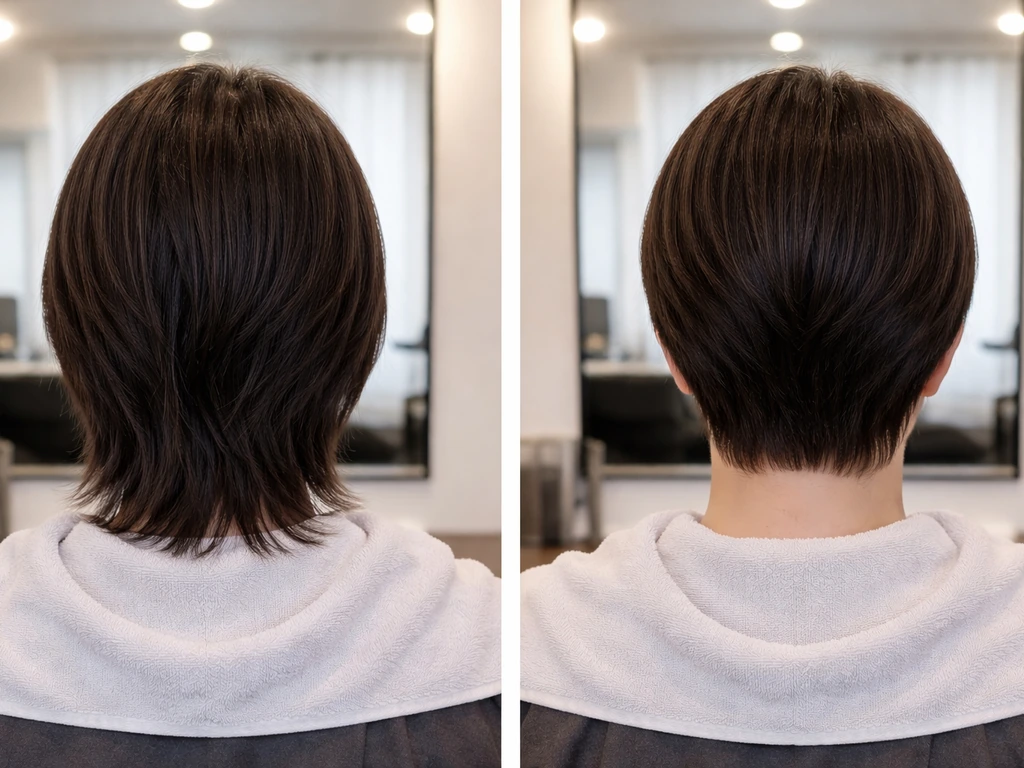
This is the question everyone asks and the one most people get wrong. The fear is: if I trim anything, I'm setting myself back. The reality is that strategic trimming helps you reach the flow faster because it keeps the shape from becoming a chaotic mess that makes you want to cut it all off.
What to trim and when
The sides and back can and should be maintained softly, especially if you're coming from a faded cut. The key is to soften the taper gradually over each visit rather than maintaining the original fade line. Every six to eight weeks, ask your barber or stylist to blend the sides slightly higher and with less contrast than the last visit. This grows the sides out in a controlled way without looking completely unkempt.
The top should not be trimmed for length during the first six months or so. The exception is if your ends are getting genuinely damaged (split, breaking, or extremely ragged). In that case, a light dusting of a quarter inch can actually help you retain length by stopping breakage. Do not ask for a trim that takes off more than that on the top.
Around months four through six, you may want to ask a stylist for layering on the top section to remove bulk and help the hair move more naturally. This doesn't mean taking off length; it means point-cutting or texturizing through the mid-lengths so the hair sits less heavy. This is especially useful if your hair is thick or if you had previous layers that are growing out unevenly.
Dealing with an undercut grow-out
If you had a hard undercut, the disconnection line is going to be visible for a few months. There's no styling trick that completely hides it, but you can minimize it by keeping the sides trimmed to a medium guard (something like a number four or five) rather than going back to a two or three, which would just re-sharpen the contrast. Let that undercut line gradually blend upward over several visits. It takes longer than most people expect, usually four to six months just to get the line looking intentionally blended rather than growing out.
Managing bangs and the front fringe
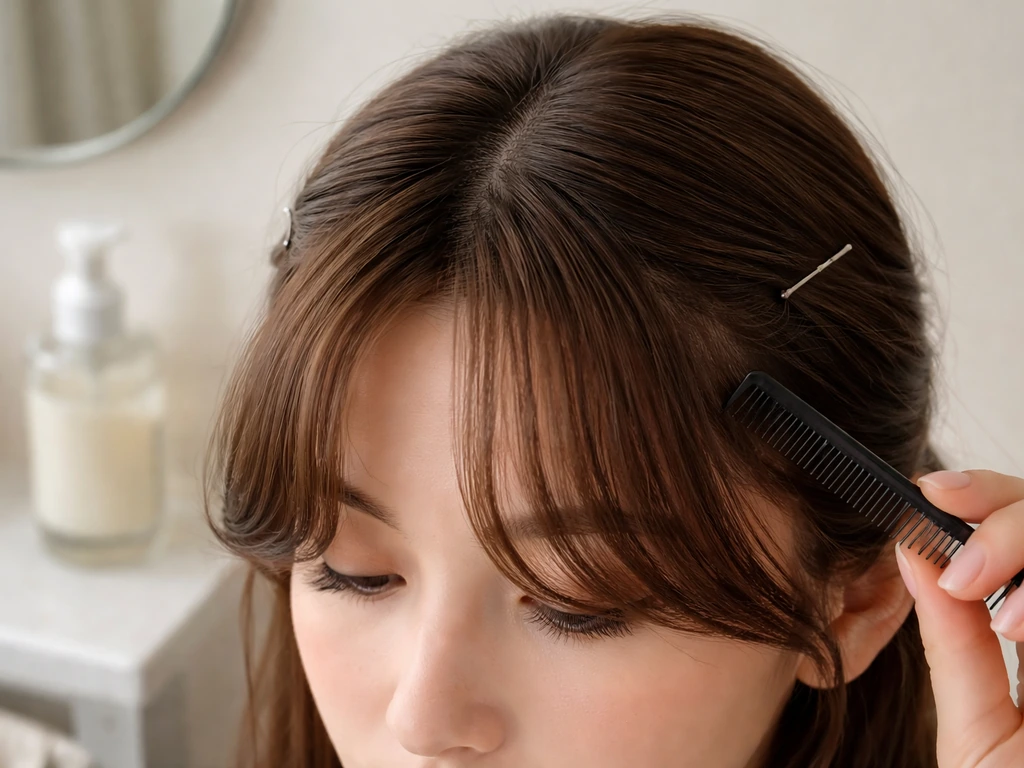
If you have bangs growing out as part of your flow, the goal is to let them grow long enough to sweep to the sides as curtain bangs rather than trimming them back. If the front is lagging behind, focus on training the front fringe to sweep to the sides while keeping the rest of the flow on schedule how to grow your hair in the front.
If you want more detail on keeping that highlighted section from getting awkward, follow the steps in our guide on how to grow out money piece hair how to grow your hair in the front. A stylist can trim curtain bangs to maintain the shape on roughly a six to eight week schedule while still allowing overall length to accumulate.
The real magic is when the bang pieces grow long enough to blend into cascading layers on either side of the face, so they stop looking like a separate fringe and start melting into the rest of the cut. That transition is one of the more satisfying moments in growing a flow, but it takes longer than most people expect, often around the four to six month mark from a short bang length.
Styling at each awkward stage
Looking intentional during the grow-out is mostly about using the right products and working with your hair's natural movement rather than against it. Here's what actually helps at each stage.
Months 1–3: Just surviving
At this stage, your main tools are a light matte paste or a texture spray. The goal is to give the short growth some grip and definition so it doesn't just look like neglected growth. A small amount of matte paste worked through damp hair, then dried naturally or with a diffuser, adds texture that reads as intentional rather than unkempt. Avoid heavy pomades or glossy products here because they tend to make short growth look greasy and flat rather than styled.
Months 3–5: The awkward middle
This is when the frustration peaks for most people. The hair is long enough to be annoying but not long enough to do what you want it to do. If you still feel unsure about what to do with the awkward front while it catches up, use this guide on how to grow a blowout. The best strategy here is to lean into slicking it back or sweeping it to the side with a medium-hold product while it grows.
A sea salt spray applied to damp hair before air-drying can encourage natural texture and wave patterns that make the in-between length look intentional. If you have straight hair, this is the phase where a round brush blow-dry or even a flat iron with a slight curve at the ends can help simulate the flow shape you're working toward.
Months 5–8: Starting to look like something

This is when the flow actually starts to show up on good days. The front pieces are long enough to sweep back or part naturally, and the sides are catching up. Switch to a lightweight curl cream or a flexible hold cream if your hair has any natural wave, because these products enhance movement without making hair look stiff or crunchy. Apply to damp hair and scrunch or finger-comb rather than brushing, which tends to kill the texture. Let it air dry whenever possible. If you need to speed up drying, use a diffuser rather than a concentrator nozzle.
Months 8 and beyond: Refining the flow
At this stage, you're likely working on refining rather than just surviving. Your product choices can get more specific to your texture and the exact finish you want. A light hair oil or finishing serum through the ends controls frizz and adds the slight shine that makes a flow look healthy rather than straggly. A medium-hold flexible paste works well for people who want a slightly more defined shape. The most common mistake at this stage is using too much product, which weighs the hair down and kills the movement that makes a flow look like a flow.
Common problems and how to fix them
Cowlicks and stubborn growth directions
Cowlicks are the number one complaint during a flow grow-out, especially at the crown and along the part line. The only real fix is training your hair consistently. Blow-dry your hair against the cowlick's natural direction while it's still damp, using a medium brush, for a few weeks in a row. Over time, hair does learn new patterns, but it takes consistent effort, not just one or two attempts.
If you have a particularly stubborn crown cowlick, growing out the crown hair longer actually helps because the weight of the hair eventually overrides the growth direction. For longer hair, one practical approach is to part on the opposite side of the cowlick to add lift and help reduce flatness part on the opposite side of the cowlick to give lift and reduce flatness.
If the crown is giving you trouble, you can use targeted techniques for growing out the crown of your hair to get past the stubborn phase. Growing out the crown of your hair is its own process with some specific quirks worth understanding if this is an issue for you.
Uneven growth and patchy lengths
Hair doesn't grow evenly across the head for most people. The front tends to grow faster than the sides for many, and the nape area can lag behind. If your growth is visibly uneven, a shaping trim from a good stylist can even things out without setting you back significantly. The key is communicating clearly: you want the lengths brought closer together, not the longest sections cut down to match the shortest. A skilled stylist point-cuts the longer sections to blend the transition rather than blunting everything to one length.
Frizz and flyaways
Frizz during a flow grow-out usually comes from two things: dryness and disruption. Make sure you're not shampooing every day (every two to three days is enough for most hair types), and use a conditioner every wash. A leave-in conditioner or a light hair oil through the mid-lengths and ends before styling adds moisture that significantly reduces frizz. Also stop touching your hair while it dries. Constantly running your hands through wet hair introduces friction that causes frizz, even in otherwise well-hydrated hair.
Feeling "stuck" or like the hair isn't growing
This is mostly a psychological phase rather than a physical one, but it's real and it derails a lot of grow-outs. Hair growth plateaus aren't usually about the hair stopping; they're about entering a length range where the hair sits awkwardly and doesn't seem to change from week to week. The best thing you can do is take a photo every four weeks rather than checking the mirror daily.
A month of progress is visible in photos even when it's invisible day to day. If your hair genuinely seems to be growing very slowly, focus on scalp health: a weekly gentle scalp massage and making sure you're not deficient in protein, iron, or biotin can make a real difference over several months.
Bulk and heaviness
Thick hair in particular tends to get bulky and heavy during the grow-out rather than flowing. If your hair is sitting like a helmet rather than moving, ask a stylist to point-cut or razor-cut through the bulk of the mid-lengths without taking length off the ends. This technique removes weight from inside the hair so it moves more freely. Thinning shears can also be used sparingly, but ask for point-cutting first because thinning shears can create fluffy, undefined texture that's hard to work with at shorter lengths.
Getting to the finished flow: the final cut and ongoing routine
The moment when you've genuinely reached the flow hairstyle is when your hair has enough length to move, fall naturally around the face, and hold a shape without fighting you. For most people, that's somewhere between four and seven inches of length on top, though what "finished" looks like varies with your hair type and the specific version of the flow you're after. The middle-part flow, for example, reads as finished at a slightly different length than a longer surfer-style flow or a curtain-bang variant. Once you’re close, follow the final styling and cut details in our guide on how to grow a middle part flow so your middle-part settles cleanly instead of flipping awkwardly.
When you reach this stage, it's time for what I'd call the first real flow cut. This is not a major trim; it's a shaping appointment where a stylist removes bulk, defines the layers, and cleans up the ends so the whole cut looks intentional rather than grown-out. Bring a reference photo of the specific version of the flow you want, because "flow" covers a wide range of lengths and shapes. Be specific about whether you want something that sits at the jaw, the neck, or the shoulders, and whether you want more texture or a smoother finish.
After that first real shaping, maintenance is pretty straightforward. Most people with a flow find that a trim every eight to twelve weeks is enough to keep it looking good. If you want to keep growing it longer, push that to every twelve weeks and just ask for a shape-up on the ends rather than a full trim. The goal of each visit at this stage is to maintain the movement and prevent the ends from splitting and looking ragged, not to take off length.
For your daily routine, keep it simple. Wash every two to three days, condition every time you wash, and apply a light leave-in or styling cream to damp hair before air-drying. On days when you need it to look particularly good, a small amount of flexible-hold product worked through dry hair and a few minutes of finger-styling is usually enough. The whole point of a flow is that it looks natural and effortless, so if your routine is getting complicated, you're probably using too many products or fighting your hair's natural texture rather than working with it.
Your immediate next steps: stop trimming the top if you haven't already, identify your starting point from the section above, pick up a sea salt spray and a light cream product if you don't have them, and commit to the timeline. The grow-out is genuinely the hardest part. Once you're on the other side of it, the flow is one of the lower-maintenance longer hairstyles you can have.
FAQ
What should I do if my hair is growing, but the “flow” never shows up at the ends?
Make sure your ends are getting moisture and encouragement to bend. Use a leave-in or light oil on the mid-lengths and ends before styling, then add movement with a diffuser on low heat (or air-dry without touching). If your hair still looks straight and lifeless, ask for point-cut texturizing through the mid-lengths rather than adding more length, since the issue is often weight and stiffness at the ends.
How often should I shampoo during the awkward mid-stage to reduce frizz without slowing growth?
Shampoo every two to three days for most hair types, and focus on scalp cleansing rather than scrubbing the ends. Always condition every wash, and keep products off the roots if your scalp gets oily quickly. Growth speed is not determined by shampoo frequency, frizz control and breakage prevention are what matter during the in-between weeks.
Can I dye or bleach my hair while growing a flow, or will it ruin the timeline?
You can, but it often increases damage and makes the ends look ragged, which can force extra trimming. If you color, plan for gentler detangling, a leave-in on every wash, and a targeted quarter-inch dusting only if you see real split or breakage. If your hair is already fine or easily dry, consider waiting until you reach the “flow cut” phase so you can protect the ends during styling.
What if my hair is growing uneven, like one side sits longer and causes the part to look lopsided?
Don’t try to “fix” it by cutting the longer side down. Instead, use styling to guide the part (especially for middle-part goals), and ask for a shaping trim that blends the transition by point-cutting longer areas into shorter ones. If the unevenness keeps worsening after a few months, it can also be a cowlick pattern, so training the part-line direction may help more than frequent trims.
Is it a mistake to trim the sides and back, or will that set me back?
Soft maintenance is part of the process, it does not automatically delay the flow. The key is gradual blending, use a higher guard and less contrast each visit (when starting from a fade), and avoid re-fading aggressively. This keeps the overall silhouette intentional while the top keeps length for the actual flow shape.
How do I handle a stubborn cowlick at the crown if blow-drying against it makes my hair look dry?
Train with the least damaging approach, use medium heat and avoid blasting the same spot repeatedly. Blow-dry with tension from a medium brush while hair is damp, then finish with a small amount of flexible hold product to lock the pattern. If your hair gets dry easily, add a leave-in and consider diffuser drying after you set direction with the brush.
What’s the difference between asking for “layers” and asking for “texture” during the grow-out?
Layers are about removing bulk and shaping the fall, they help the hair move without sitting heavy. Texture is about creating definition at the mid-lengths and ends so the hair doesn’t look blunt. During months four to six, request point-cutting or texturizing through the mid-lengths to keep length while improving movement, rather than cutting into a short stacked layer that can change the final look.
How much product should I use so my flow doesn’t get weighed down?
Start tiny, use a pea-sized amount for paste or cream for damp hair (more only if your hair is very thick). Apply mid-lengths to ends, avoid saturating the root area, and scrunch or finger-comb instead of brushing. If your hair looks shiny, flat, or crunchy, you used too much or the product is too heavy for the stage.
Should I wear a middle part the whole time, or can I switch from side part later?
You can switch, but it takes consistency. If you want a classic middle-part flow, train the hair early by styling the front into the center direction for at least a few weeks. If you’re currently on a strong side part, don’t wait until the last moment, the hair needs time to settle into the new growth and lay direction.
What should I say to my barber or stylist to avoid ruining the grow-out with a “correction” trim?
Ask for a blend or soft taper, not another fade, and specify that you are not trimming length on top except for damage control (only a light dusting if needed). Mention your goal length location for the first real flow cut (neck, jaw, or shoulder), and bring a reference photo that matches the exact version you want, since “flow” can mean different lengths and finishes.
My ends split easily, do I need to cut them even if I want maximum length?
Yes, but only strategically. When you see true split or breaking ends, a quarter-inch dusting can prevent the damage from traveling up the hair shaft. Pair that with a leave-in and gentle detangling to reduce future breakage, then return to shaping trims on schedule instead of frequent length cuts.
How can I tell I’m close to the finished flow hairstyle, and what should the “first real flow cut” include?
You’re close when hair around the face can be air-dried or lightly styled and it holds a natural sweep without looking like separate sections. For the first real flow cut, ask for end clean-up, layer definition, and bulk removal (point-cutting through mid-lengths) while keeping the overall length. After that, schedule maintenance every eight to twelve weeks to keep movement and prevent ragged ends.