
Growing your hair in the front is not one single goal. It depends entirely on what part of the front you are dealing with: your hairline, your bangs or front part, or the front sides of your head. Once you know which one you are working with, the whole process becomes a lot more manageable. This guide breaks all three down, then gives you a practical routine, a realistic timeline, and tips to style through the awkward stages without giving up and cutting it all off again.
How to Grow Your Hair in the Front: Step by Step Guide

Marcus Vickers
17 Apr 2026
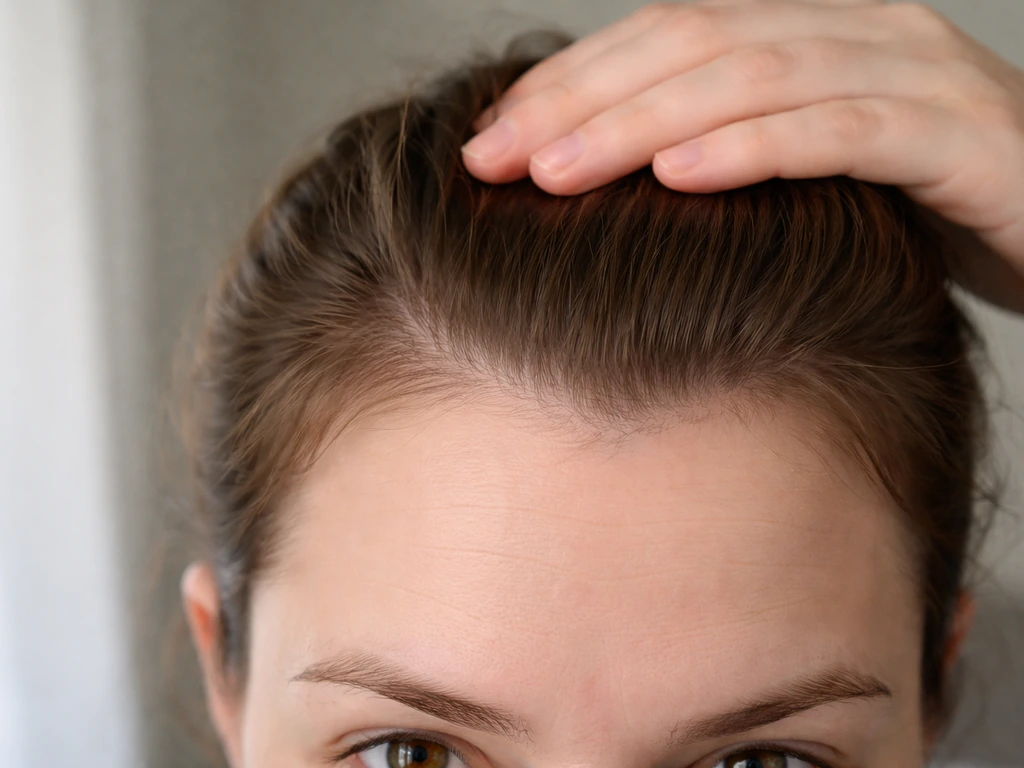
First, figure out exactly what you are trying to grow
"Front hair" can mean very different things, and the approach changes depending on which one you are targeting. Here are the three most common situations people are actually in when they search this topic.
Your hairline
This is the very edge of your hair at the forehead, temples, and sometimes around the ears. Hairline thinning or recession is a different problem from growing out a style, because the hair follicles themselves may need attention. If your hairline looks sparse, patchy, or has been receding gradually, this is a growth and health issue first, a styling issue second.
Your bangs or front part
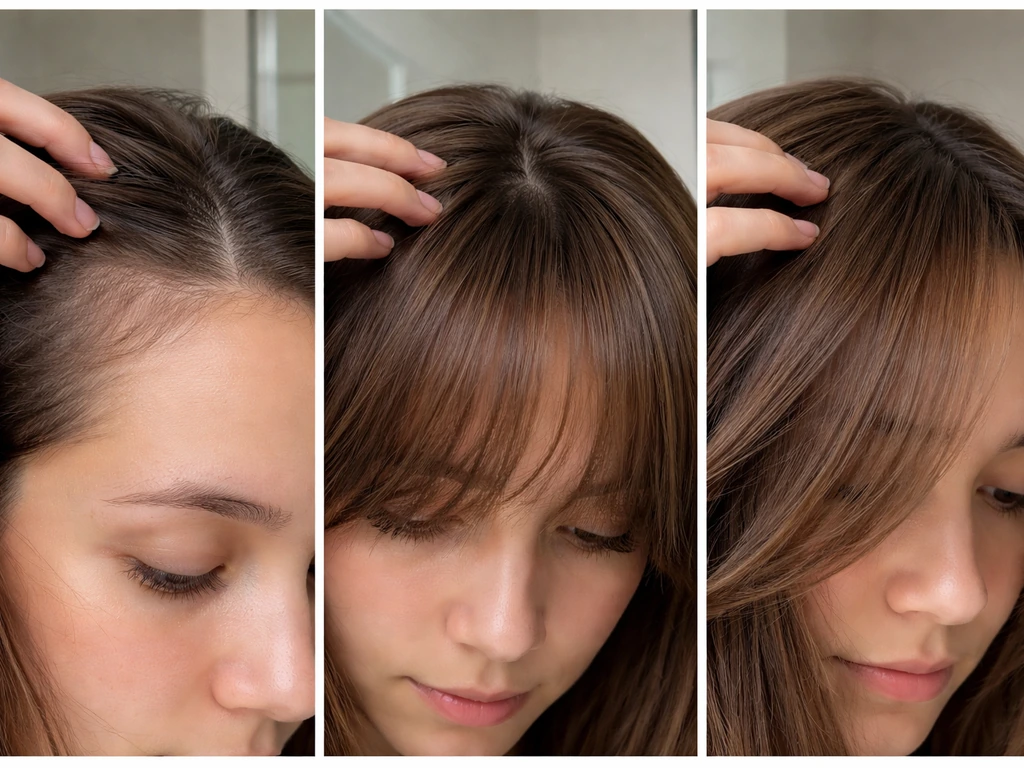
If you had bangs cut and now want them gone, or if you are growing out a short pixie or bob and the front section is catching up to the rest, this is a length and transition problem. The hair is there and healthy, it just needs time and some smart styling to get through the awkward stages. If you are aiming for a specific parted look, like how to grow a middle part, the front section is the first and most visible part of that journey.
The front sides of your head
This includes the hair framing your face and the sections above your ears. If you had an undercut, a fade, or a heavily layered cut and the sides were taken short, the front-side hair is often the section you notice growing out most awkwardly. It tends to stick out, curl oddly, or grow unevenly before it reaches a manageable length. People going for longer styles like the flow hairstyle often find the front sides are the last section to look intentional during the grow-out.
How fast will front hair actually grow
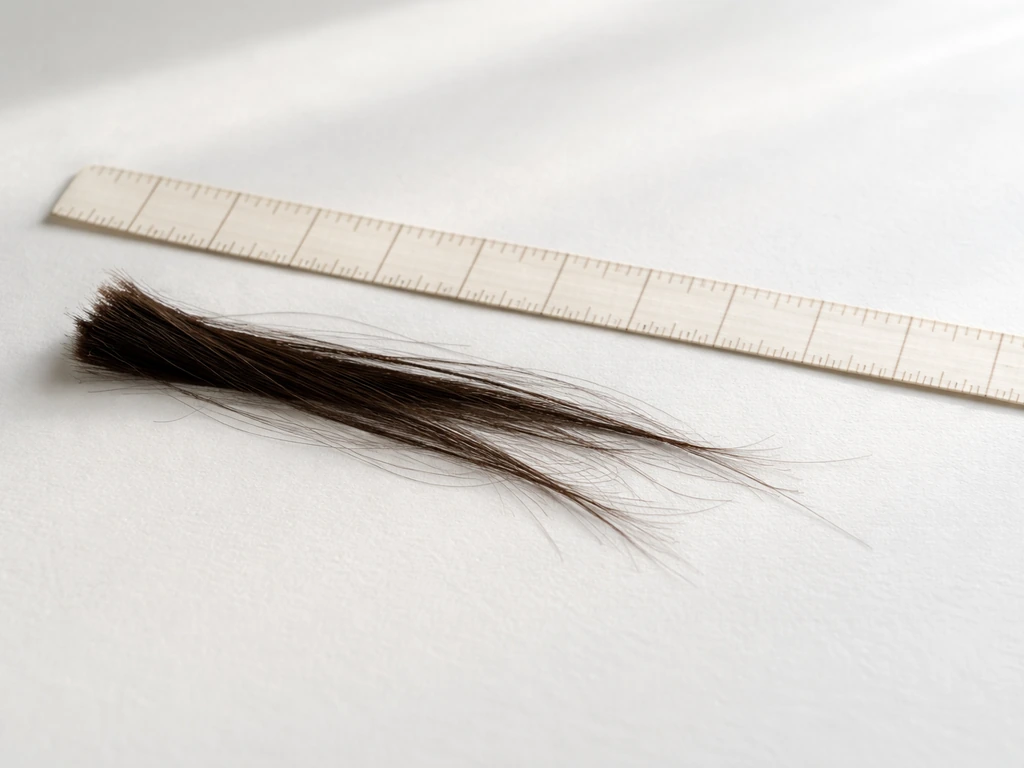
Scalp hair grows roughly 0.5 inches (about 1.25 cm) per month on average, which works out to around 6 inches per year. Some sources put it slightly lower at about 1 cm per month. Either way, the practical takeaway is the same: you are looking at half an inch of new length every four weeks. That is not fast, but it is consistent, and it means a quarter inch of awkward bang is a full inch of front hair in two months. Front hair often feels like it is growing slower than the rest because you are staring at it every single day. It is not. It is just very visible.
Speed up growth with scalp care, nutrition, and daily habits
You cannot force your follicles to work faster, but you can absolutely remove the things that slow them down and give your body what it needs to support healthy growth. This is where most people either get it right or quietly sabotage themselves.
Scalp care

A clean, well-circulated scalp is a productive scalp. Buildup from dry shampoo, product residue, or excess sebum can clog follicles and slow things down. Wash your scalp regularly with a gentle, sulfate-free shampoo, and massage it with your fingertips (not nails) for one to two minutes every time you wash. Scalp massages increase blood circulation to the follicles and are one of the few low-effort habits with actual evidence behind them. You do not need expensive tools, just your hands and consistency. If your scalp tends to be dry or flaky, a light scalp oil applied a few times a week can help, but keep it to the scalp only and wash it out properly.
Nutrition and hydration
Hair growth is protein-dependent. If you are not eating enough protein, your body deprioritizes hair growth in favor of more critical functions. Aim for adequate protein daily (eggs, meat, fish, legumes, dairy) and pair that with foods rich in iron, zinc, biotin, and vitamins D and B12. These are the nutrients most consistently linked to hair health.
Drink enough water. Dehydration affects the scalp just like it affects skin. If you have recently gone through a restrictive diet, illness, surgery, or high stress, be aware that hair loss often shows up two to four months after the triggering event (this is called telogen effluvium), meaning your front hair may thin noticeably well after the stressor has already passed. The good news is that once the root cause resolves, the hair does come back.
Sleep and stress

Chronic stress pushes a significant number of hairs out of the active growth phase and into the resting (telogen) phase, where growth stops for anywhere from one to six months. That is not a small effect. Managing stress is not a fluffy suggestion here, it is directly relevant to whether your front hair grows or stays stuck. Aim for seven to nine hours of sleep per night. Your body does its best cellular repair work overnight, and hair growth is part of that.
Reduce mechanical damage
Friction from pillowcases, tight elastic bands, and daily heat styling causes breakage that makes your front hair look like it is not growing even when it is. Switch to a satin or silk pillowcase, use seamless hair ties, and limit heat tools to a few times per week with a heat protectant. Front hair, especially baby hairs along the hairline, is among the most fragile hair on your head.
Natural ways to grow front hair: what actually helps vs what is a myth
There are real approaches that support growth and a lot of well-marketed nonsense. Here is the honest breakdown.
| Approach | Does It Help? | Notes |
|---|---|---|
| Scalp massage (fingertips, 1-2 min daily) | Yes | Improves circulation; free and evidence-supported |
| Rosemary oil applied to scalp | Probably yes | Some studies show results comparable to minoxidil for mild thinning; needs consistent use over months |
| Castor oil on hair strands | No (for growth) | Coats the strand, reduces breakage appearance, but does not stimulate follicles |
| Trimming hair frequently to 'make it grow faster' | No | Trimming removes split ends and reduces breakage but does not affect root growth rate |
| Inversion method (hanging head upside down) | No solid evidence | Short-term circulation boost at best; not a reliable growth strategy |
| Eating a balanced, protein-rich diet | Yes | One of the highest-impact changes you can make |
| Minoxidil (topical) | Yes, for hairline/thinning | Clinically proven for hairline regrowth; requires consistent use and dermatologist guidance |
| Biotin supplements (when no deficiency exists) | Minimal to none | Useful if genuinely deficient; oversold for people who already get enough |
The pattern here is clear: the things that genuinely work are mostly free, slow, and boring (scalp massage, diet, stress management, gentle handling). The products that get the most marketing attention tend to do the least. The exception is rosemary oil, which has some actual evidence behind it for mild thinning, and prescription-grade treatments for more serious hairline concerns.
Styling and training your front hair while it grows out
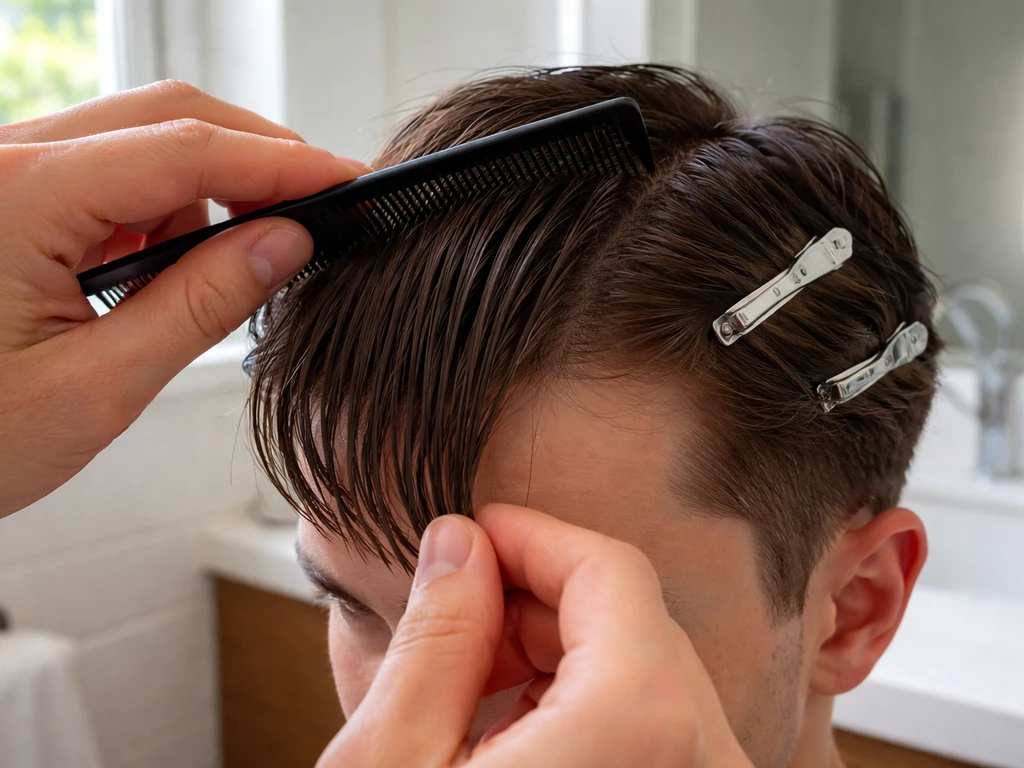
This is where the grow-out gets practical. Your front hair will go through several phases where it is too short to style normally but too long to ignore. Here is how to handle each one without constantly reaching for the scissors.
Training your part early
If you want your front hair to lie in a specific direction, start training it from the moment it is long enough to move. After washing, direct the hair the way you want it to fall while it is damp and let it dry in that position. Repeat this consistently and the hair will start to cooperate within a few weeks. This matters a lot if you are aiming for a particular style. For example, if you want to grow out a side-swept look, the approach to <a data-article-id="41D55ED0-C931-4DEC-94CD-2555C207492">grow out a side part starts with training the front section while it is still short, not after it is already long.
The bang grow-out phase
Bangs growing out go through a predictable awkward window, usually between two and five months in, when they hit the bridge of the nose or the corner of the eye. At this stage they are too long to sit flat as bangs and too short to tuck back. Your best tools here are: a side sweep using a light pomade or wax, bobby pins placed strategically to hold them off the face, or a thin headband worn farther back on the head. Avoid heavy dry shampoo at the roots during this phase because it adds stiffness that makes them harder to direct.
Growing out the front sides and crown together
If you are growing out an undercut or a short cut where the sides and crown are at different lengths, the front sides typically look the most disproportionate in the first two to three months. Light texturizing products help blend the front into the rest of the hair. If the crown is the lagging section, there is specific guidance on how to grow out the crown of your hair that pairs well with what you are doing at the front.
Styling the front for longer grow-out goals
If your end goal is longer front hair with volume and shape, like a blowout look, you can start building toward that shape earlier than you think. The techniques for growing a blowout involve directing the front hair up and back with a round brush while blow drying, which both trains the hair and adds the visual fullness you lose during the awkward stage. For straight hair in particular, front sections can lie flat and look thin, so this kind of volume training helps a lot. If you are aiming specifically for the curtain or flow look, check out guidance on how to grow flow with straight hair since straight front hair has its own quirks around how it parts and falls during the grow-out.
Dealing with setbacks: thinning, breakage, and uneven growth
Growing out the front rarely goes in a straight line. Here are the most common setbacks and how to deal with each one honestly.
Thinning along the hairline
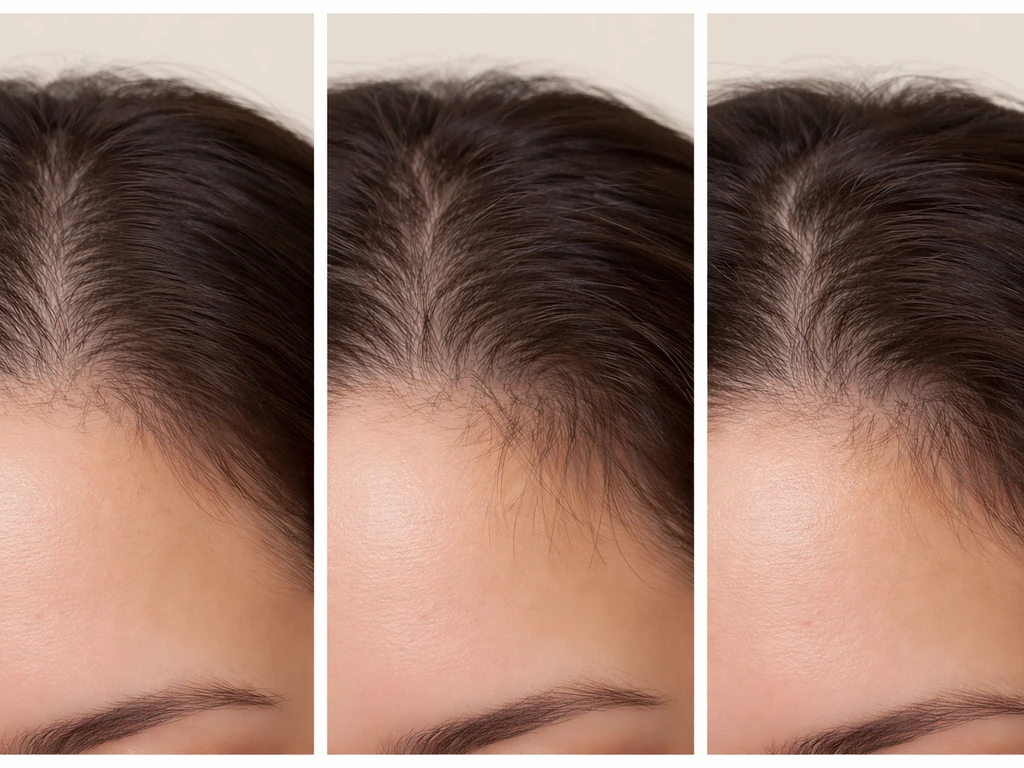
If the front hairline looks sparse, the first step is figuring out why. Traction alopecia (from tight styles, edges laid down with harsh gels, or repeated pulling) is one of the most common and reversible causes. Stop the source of tension immediately and switch to gentler styles. If the thinning is hormonal or pattern-related, a dermatologist visit is worth it before you invest months into a grow-out routine that is working against an underlying issue. Topical treatments like minoxidil can genuinely help hairline regrowth but require at least four to six months of consistent use before you see meaningful results.
Breakage that looks like slow growth
This is the most common reason someone thinks their front hair "just does not grow." Front hair, especially around the hairline and temples, is fine and fragile. If you are losing length to breakage at the same rate you are gaining it from the root, the hair appears to stay the same length for months. Check for split ends, look at how you sleep, and audit your heat and product usage. A protein treatment once a month and a deep moisture treatment every two weeks can significantly reduce breakage in fine or chemically processed front hair.
Uneven growth
It is normal for the front sections to grow at slightly different rates or to behave differently depending on hair type, damage history, and how they were last cut. If one side is noticeably shorter, resist the urge to trim the longer side to match. Instead, use styling to blend the difference while you wait for the shorter side to catch up. A light wax or pomade can smooth and direct unevenness so it is not obvious while both sides grow in.
The regrowth gap after shedding
If you experienced a shedding event (illness, crash diet, major stress, postpartum changes), you may notice short, whispy regrowth at the front hairline several months later. This is actually a sign that the hair is coming back. Those short hairs can be worked into your look with a light hold spray or directed into the part you are training. The money piece regrowth approach can also help here, using the front frame sections as a styling feature while the shorter underlayers catch up.
What to expect at each stage of front hair growth
Here is a realistic, month-by-month picture of how the front of your hair typically progresses. These timelines assume healthy growth of roughly half an inch per month from a short starting point.
| Stage | Approximate Length | What It Looks Like | Best Approach |
|---|---|---|---|
| Months 1-2 | 0.5 to 1 inch | Barely there; front hair sits flat or sticks up depending on texture | Focus on scalp health and nutrition; no styling products needed |
| Months 2-4 | 1 to 2 inches | Awkward phase begins; bangs hit the brow or nose, sides may stick out | Use bobby pins, headbands, light wax; train your part direction now |
| Months 4-6 | 2 to 3 inches | Front starts to have enough weight to lie flat; side sections frame the face | Side sweeps, clips, and light pomades work well; this is the hardest phase mentally |
| Months 6-9 | 3 to 4.5 inches | Front can be tucked back or worn loose; most people feel relief here | Start building your target style; add volume training with blow dryer |
| Months 9-12+ | 4.5 to 6 inches | Front hair at chin or below depending on starting length; looks intentional | Full styling options available; maintenance trims to shape without losing length |
The hardest window for most people is months three through five. The front hair is not short enough to look deliberate and not long enough to cooperate. This is exactly when most people give up and cut it. If you can get through this window with a few styling tools and a clear goal in mind, the rest of the grow-out tends to feel much easier.
What kind of front style are you actually going for
Your end goal matters because it shapes every styling and training decision along the way. If you want longer, flowing front hair with a center part, the process of growing a middle part flow has specific guidance on how to handle the front section through each stage. If you want a longer, laid-back wave situation, the broader middle part flow grow-out framework applies. And if the front is growing back in after an undercut or fade as part of a longer overall look, it helps to know what a full flow grow-out looks like from start to finish so you know you are on track.
Whatever your goal, the fundamentals do not change: keep your scalp healthy, eat well, handle your front hair gently, train the direction early, and be honest with yourself about the timeline. Half an inch a month is not exciting, but it is reliable. Stay consistent for three to six months and your front hair will look completely different.
Your next steps right now
- Identify which "front hair" you are growing: hairline, bangs/front part, or front sides. Your approach and timeline differ for each.
- Start a daily two-minute scalp massage while you shampoo. It is free and it actually works.
- Check your diet for protein, iron, and zinc. If you have been through a stressful or physically demanding few months, expect a delay before growth picks back up.
- Switch to a satin pillowcase and stop using tight hair ties around the front sections.
- Pick a part direction and start training it from today, while the hair is damp after washing.
- Take a photo of your front hair right now so you have a baseline. When you feel like it is not growing, that photo will prove it is.
FAQ
How can I tell if my front hair is not growing or if it is just breaking?
If your front hair is shedding rather than just growing slowly, focus on breakage and traction first (sleep friction, tight styles, heat) because those can make length appear unchanged even when roots are growing. If you see widening at the hairline, patchiness, or new bald spots, skip the guesswork and get a dermatologist review, since pattern thinning and inflammatory causes can require medical treatment alongside your grow-out routine.
Should I trim my front hair while I am growing it out, or will it stop progress?
Use appointment based trimming only if you are seeing split ends or uneven snagging. A small “dusting” every 8 to 12 weeks can reduce breakage without resetting your timeline, but avoid trimming the front hair too aggressively to “even it out,” since the shorter side needs time to catch up.
What is the safest way to style front hair with heat during the awkward stage?
If you use heat, switch from daily to a maximum of a few times per week and always add a heat protectant before styling. Also pay attention to drying order, when the front is still damp, direct it in the direction you want while drying, then minimize reworking later with hot tools because the extra passes are what break baby hairs along the hairline.
How do I train front hair to part or sweep without making it look oily or crunchy?
For training, pin or brush it into place after washing while it is damp, then avoid touching it repeatedly once it sets. If your hair is very straight and falls flat, increasing hold slightly with a light wax or pomade works better than stacking multiple products, because heavy buildup can also irritate the scalp.
What should I do if my bangs keep flipping up or won’t stay tucked during months 2 to 5?
Instead of loading dry shampoo right at the hairline during the 2 to 5 month awkward window, apply it a bit farther back on the roots and focus on keeping the front strands light. When bangs are trying to tuck but do not yet cooperate, use a side sweep plus bobby pins or a thinner headband rather than extra root product, since stiffness makes them harder to direct.
I wear tight styles and my front hair looks thinner, how fast should I expect improvement after changing my hairstyle?
If you suspect traction, remove the pulling source immediately and replace it with low tension styles (loose clips, gentle holds). Then reassess in about 3 months, since that is long enough to notice whether shedding and hairline density improve; if it worsens or spreads, get professional input sooner.
Can rosemary oil replace the other growth habits, or when should I not rely on it alone?
Yes, rosemary oil can be a helpful add-on, but it is not a substitute for fixing scalp buildup, protein intake, and traction or stress issues. Patch test first, use diluted amounts, and keep application consistent for at least 4 to 6 months before judging results, since hair changes take time.
What are the warning signs that my front hair loss needs medical attention?
A common sign you are dealing with a health-related hair loss issue is diffuse shedding after a trigger, like illness or major stress, often showing up 2 to 4 months later. If you also have scalp pain, itching, burning, or visible inflammation, do not just continue the grow-out routine, consider medical evaluation to identify underlying causes.
My front hair looks uneven with short pieces, is that regrowth or breakage, and what should I do?
Aim for hairline-friendly detangling by using water or leave-in conditioner to reduce friction, then comb from ends upward before you try to direct the front. If you are seeing new short pieces near the hairline, that can be regrowth, so the goal is to style them into your part or sweep rather than cutting them off immediately.