
Growing out a mod haircut takes roughly 6 to 18 months depending on how short it is and how fast your hair grows, but the process is very manageable if you know what each stage looks like and what to do with it. The average person grows about half an inch of hair per month, so the main job is keeping the silhouette intentional at every length rather than letting it go formless and frustrating.
How to Grow a Mod Haircut Without Losing the Shape

Marcus Vickers
11 Jun 2026

Which mod haircut are you actually growing out?

"Mod haircut" covers a lot of ground from the 1960s revival world. Before you can plan a grow-out, it helps to identify which version you have, because each one has different problem areas.
- The Mod Bob: a jaw-length bob with a precise, often bevelled perimeter. Very geometric, sometimes with a short fringe. The grow-out challenge is keeping the clean shape as length increases.
- The Classic Short Mod Cut: think Twiggy or a very cropped, rounded bowl-adjacent shape, sometimes with an undercut at the nape. Grow-out takes longer and has a more obvious awkward middle phase.
- The 60s Shag: a layered, textured shape with fringe and movement. Easier to grow out because the layers blend naturally, but bangs and shortest layers still need active management.
- The Wings Cut: a mod-subculture style with a swept, winged silhouette and fringe. Behaves similarly to a layered bob grow-out.
- Bardot-style bangs with a mod bob base: the bangs are often the most complicated part to grow because they're highly structured and sit at a very specific length.
If you have a mod bob with bangs, you're essentially managing two simultaneous grow-outs: the overall length and the fringe. If you have a short mod cut with an undercut, you have three: overall length, layers, and the undercut blending in. Knowing which combination you're working with changes your trim schedule and your styling priorities considerably.
What to expect: timeline, shrinkage, and the phases ahead
Hair grows roughly half an inch per month on average, though some people see closer to 0.5 to 1.7 centimeters depending on genetics, health, and season. That's the honest baseline. It means getting from a jaw-length mod bob to a collarbone-length style takes somewhere in the region of 6 to 9 months. Getting from a very short mod crop to a shoulder-length style can take 18 months or more. Plan accordingly and don't be surprised if your head seems to stall around certain lengths.
There's also the shrinkage issue. If you have any natural wave or curl, your hair will appear shorter than it is when dry. A half-inch of growth on wavy hair might not look like anything for the first couple of months because it's curling back on itself. Factor this in before you get discouraged.
The grow-out generally moves through three phases. First is the stiff phase, roughly months one through three, where the original cut is still recognizable but starting to lose its crispness. Second is the awkward phase, roughly months three through six, where the original shape is gone but the new shape hasn't arrived yet. This is the phase most people want to cut back short. Don't. Third is the intention phase, roughly months six onward, where you have enough length to restyle and the grow-out starts looking deliberate.
How to style it at each stage of the grow-out
Months 1 to 3: still looks like a mod cut, but softer
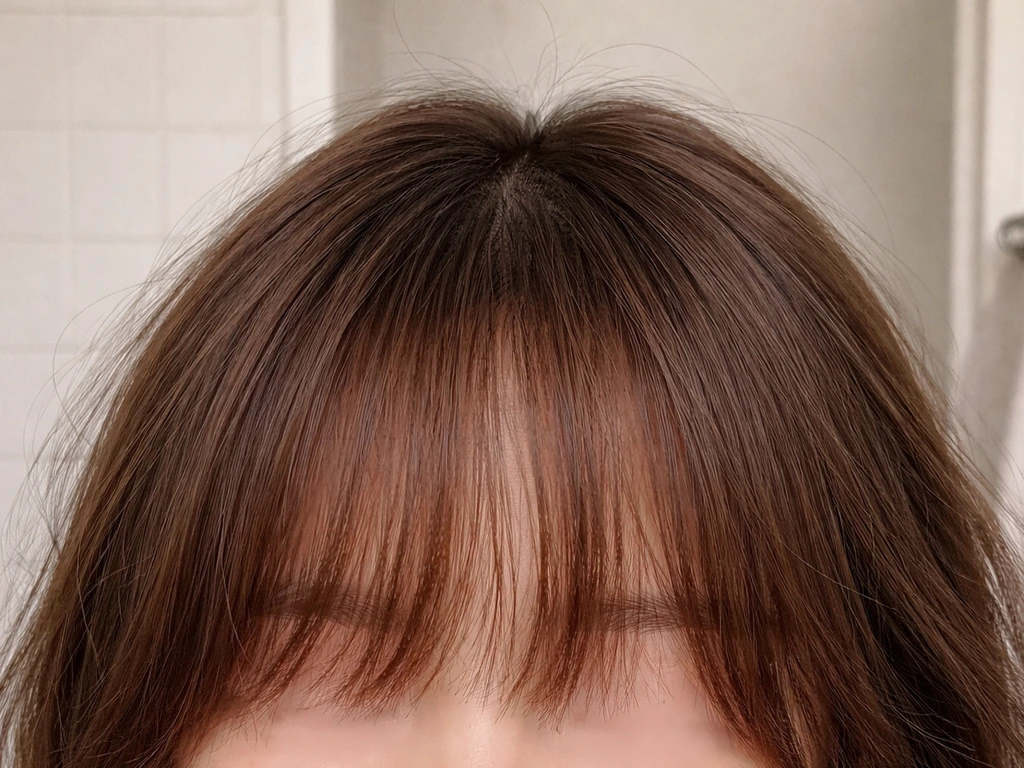
At this stage your best friend is working with the cut's original intention. The shape is still mostly there, so keep styling it the way you were. If you want a version of this plan for an Edgar haircut, the same grow-out principles apply, so you can focus on timing, trims, and styling at each length how to grow edgar haircut. If you had a blunt mod bob, blow-dry it smooth and let the perimeter do the work.
A blunt cut grow-out follows the same general phases, but the line you started with makes blending and styling choices even more important. If you had a shag, scrunch or diffuse to maintain that lived-in texture. If you are specifically growing out a wolf cut, the same idea applies: lean on texture and volume so the shape looks intentional as it gets longer. The goal is to look intentional, not like you forgot to get a haircut.
Bangs at this stage are often still cooperating. Enjoy that window. If you have a short fringe that's now tickling your eyebrows or eyelashes, you have two choices: trim them lightly to buy comfort while you decide whether to fully grow them out, or start sweeping them to the side now so they learn the new direction early. Pinning bangs to one side with a small clip while the hair is damp and then blow-drying can train them quickly.
Months 3 to 6: the awkward phase
This is the stage where the mod cut loses its structure but the hair isn't long enough to do much else. If you had a mod bob, the perimeter is now uneven or the bevelled ends have grown into something formless. If you had a short crop, the back and sides may be growing faster than the top, creating an unintentional shaggy or fluffy silhouette.
The moves that actually help here are volume and texture. A light volumizing mousse or texturizing spray can give limp growing-out lengths something to hold onto. Round brush blow-drying is genuinely useful at this point because it adds directed shape and lift, making the hair look styled rather than abandoned. If you had a blunt bob, try adding a slight wave with a large barrel iron to soften the fact that the line is no longer perfectly clean.
Headbands, half-up styles, and low clips are not just stopgaps at this stage, they're real styling tools. A small claw clip or a wide headband can pull the awkward length away from the face and make the whole thing look considered. If you're growing out bangs simultaneously, this is the phase where bobby pins and barrettes become essential.
Months 6 and beyond: reclaiming intention
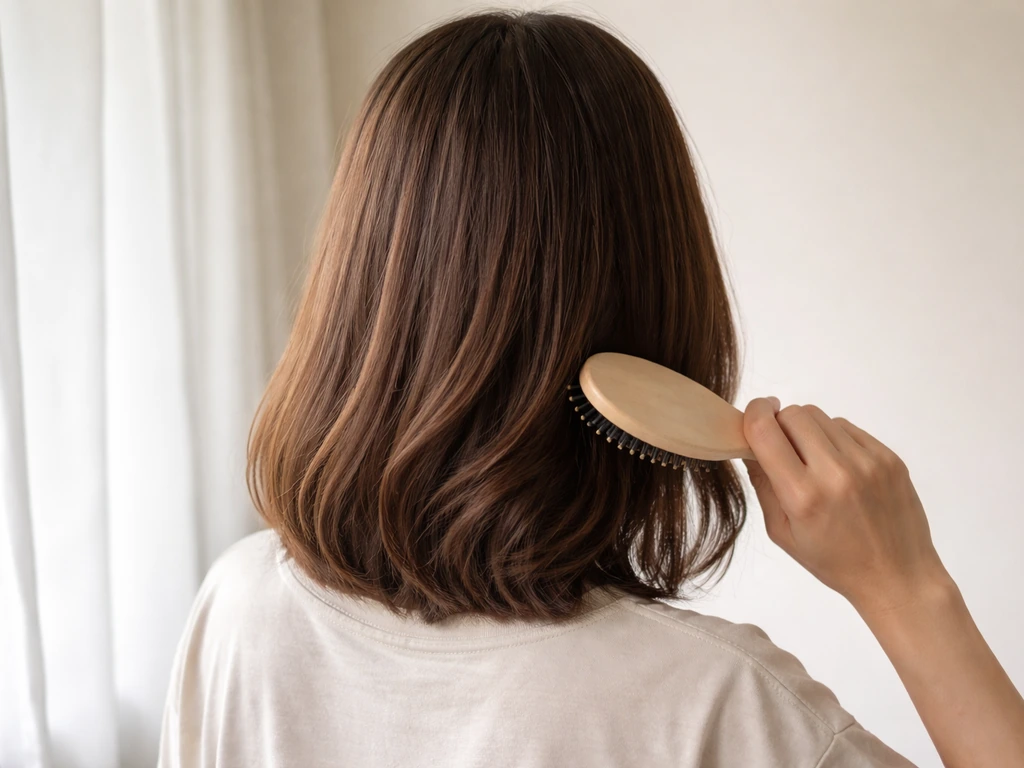
Once you're past the six-month mark, most people are working with enough length to genuinely restyle. A former mod bob might be approaching collarbone length, which opens up loose waves, tucks, and half-up options that looked impossible three months ago. Former short mod crops are approaching chin or jaw length, which is the classic sweet spot for a soft lob or an intentional long bob transition. This is when a single good haircut appointment can make a dramatic difference in how purposeful the grow-out looks.
Managing the mod haircut's specific features
Growing out mod bangs
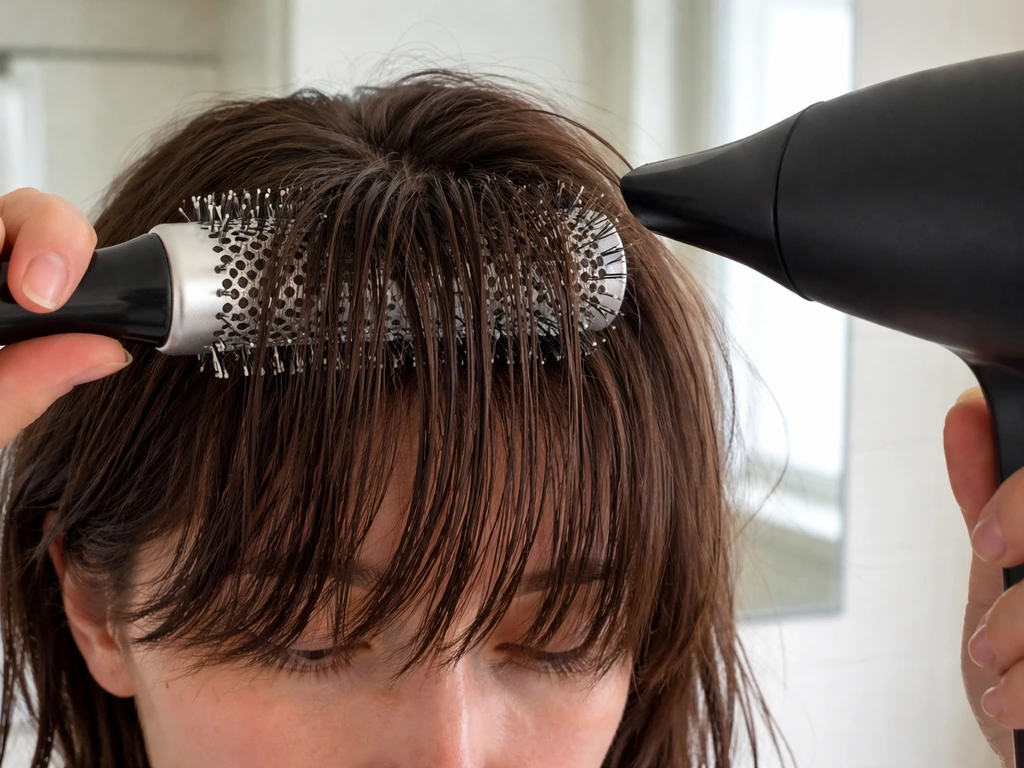
Bangs are their own grow-out project. After about two months of growth, most fringes have enough length to start being styled differently, but they often won't sit comfortably until they reach the cheekbone, which is the general point where a stylist can start blending them properly into the rest of the cut. Until then, you're in management mode.
The most effective daily tactic is to re-wet just the fringe and blast it with a blow-dryer for one to two minutes to reset the shape. You don't need to redo your whole head, just target the bangs and point the dryer in the direction you want them to go while using your fingers or a small round brush to guide them. This works surprisingly well for training bangs that want to go rogue.
For cowlicks in the bang area specifically, use a round brush with firm tension and position the brush underneath the bang section at the cowlick. Blow-drying with the brush pulling gently against the cowlick's natural direction while applying heat trains it over time. It won't hold forever, but it gives you clean results for the day. Don't try to force the cowlick forward or backward if it's strong. Work with a slight angle instead.
If the bangs start to feel heavy and unmanageable before they reach blending length, a light trim is the right call. A Bangs Only bang-trim appointment is typically scheduled for a quick refresh about every 3 to 4 weeks, and it also lists common visit spacing of 4 to 6 weeks for shorter structured cuts or 6 to 12 weeks for longer grown-out shapes light trim is the right call. Forcing a half-grown fringe into curtain-bang territory before it's ready often ends in frustration. A five-minute bang trim every three to four weeks can make the whole phase feel less chaotic.
Managing layers and volume during the grow-out
Mod cuts often have layers built in for shape or volume. As these grow out, the shorter layers start to stick out at odd angles or create a puffiness that doesn't match the longer underlayers. The fix is not to cut them back short but to blend them. A stylist can add soft internal layers or point-cut the ends to help the different lengths talk to each other rather than compete.
For round-brush blow-drying at home, working section by section from underneath helps control where shorter layers land. Rolling a section inward or outward at the ends for a few seconds under heat then releasing can tuck stray shorter pieces into the overall silhouette rather than letting them spring upward.
Growing out an undercut
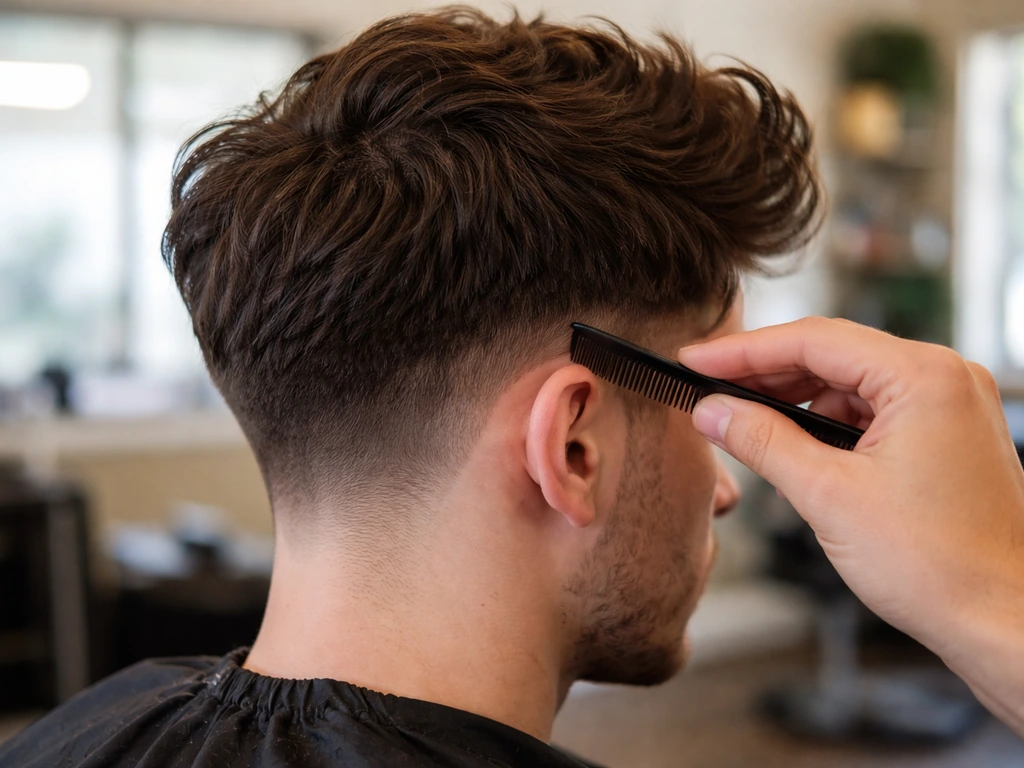
Some mod cuts, especially shorter crops and certain mod bob variations, include an undercut at the nape or sides. This is the most time-consuming part of the whole grow-out. The undercut section typically takes 6 to 12 months to visually blend with the longer hair on top. During that time, frequent maintenance visits help prevent the contrast from looking too stark. Some people go in every two weeks for blending work, which sounds like a lot but genuinely makes the difference between a deliberate grow-out and an unfinished-looking one.
As the undercut grows in, a stylist can use layering and texturizing techniques to blend the shorter and longer sections progressively. If you're growing out a bowl-cut-style mod or a two-block style, the principles are very similar since those cuts also rely on contrast between top and sides. If your cut includes two distinct lengths, use these same grow-out principles to guide how to grow a two block haircut from both the top and the sides.
If you’re specifically wondering how to grow out a bowl cut, the biggest priorities are blending the sides as they catch up and keeping the silhouette intentional through the awkward months. The strategy is the same: blend gradually rather than letting the contrast become a hard line.
Your trim plan: how often, and what to ask for
Trimming during a grow-out feels counterintuitive but it's genuinely important. Small, infrequent trims remove split ends before they travel up the shaft and cause breakage, which means you actually retain more length over time than if you skip every appointment.
| Stage | Trim Frequency | What to Ask For |
|---|---|---|
| Months 1 to 3 (shape mostly intact) | Every 6 to 8 weeks | Light dusting to maintain shape; no shortening |
| Months 3 to 6 (awkward phase) | Every 6 to 8 weeks | Blending and point-cutting to soften the perimeter; bang trims every 3 to 4 weeks if needed |
| Months 6 to 12 (transitional phase) | Every 8 to 10 weeks | Internal layering, blending shortest layers into length, shaping toward goal style |
| Months 12+ (goal length approaching) | Every 8 to 12 weeks | Shape and weight removal to match target style; undercut blending if applicable |
| Bangs throughout the grow-out | Every 3 to 5 weeks | Light bang-only trim or blending trim toward cheekbone length |
The key instruction to give your stylist is: retain as much length as possible while keeping the silhouette intentional. If you're vague, many stylists default to a conservative cleanup that takes more off than you wanted. Be specific about your goal length and ask for blending and texturizing rather than a cut across the bottom.
Your daily routine for the grow-out
There's no magic supplement that makes hair grow faster, but a solid daily routine reduces breakage significantly, which means more of the hair you grow actually stays on your head.
Washing and conditioning
Wash frequency depends on your hair type, but overwashing strips moisture and increases mechanical damage every time you brush and blow-dry. For most grow-out hair, two to three washes per week is manageable. Use a moisturizing conditioner after every wash, concentrating it on the mid-lengths and ends rather than the roots. This preserves volume at the scalp while feeding the older, more vulnerable ends. For color-treated hair, keep this routine consistent and add a deep conditioning mask once a week to keep the hair pliable and less prone to snapping.
Detangling without breakage
Always detangle from the ends upward, working in small sections. Brushing through soaking wet hair increases breakage risk considerably because the hair shaft is more elastic and vulnerable when fully saturated. Either detangle with a wide-tooth comb in the shower while conditioner is still in, or wait until the hair is towel-dried and has had a detangling product applied. Either approach is fine; the key is not dragging a brush through soaking, unsupported strands.
Heat tools
Heat isn't the enemy during a grow-out, but heat damage is permanent. There's no genuine fix for heat-damaged hair except cutting it off, which is obviously counterproductive if you're trying to grow it out. Use heat protectant every single time before a blow-dryer or iron touches your hair, no exceptions. Keep blow-dry temperature moderate rather than maximum. A round brush blow-dry on a medium heat setting gives excellent shape and is far less damaging than cranking the temperature to high.
Color-treated hair care
If your mod cut was color-treated, product buildup on color-treated hair is a real issue that can make the hair look dull and feel heavy. Use a clarifying shampoo occasionally to remove buildup, but always follow it immediately with a moisturizing conditioner or mask. A color-safe clarifying shampoo used every two to four weeks, followed by a deep conditioner, keeps the hair clean and hydrated without stripping color faster than necessary.
Common problems and how to handle them
Uneven growth
Hair doesn't always grow at the same rate across your whole head. The nape and temples often lag behind the crown and top sections. If one side is noticeably longer, a stylist can do a light corrective trim to even things out without sacrificing overall length. Don't try to do this yourself; it's very easy to overcorrect.
Cowlicks
Cowlicks are growth patterns, not styling failures. They become more visible during a grow-out because the weight that was suppressing them in the original cut is gone. The blow-drying technique described in the bangs section works for cowlicks throughout the hairline. The other option is to embrace them by working with the direction rather than against it, choosing a part or a styling direction that lets the cowlick contribute rather than fight.
Texture changes
It's genuinely common for hair to behave differently as it gets longer. Hair that was straight at short lengths can develop wave or frizz as it grows and gains weight. Conversely, tight curl patterns can loosen slightly with length. If your texture is shifting, update your product routine to match what the hair is actually doing now rather than styling it the way you did at the shorter length.
Bangs that won't cooperate
The phase where bangs are too long to sit flat but too short to sweep aside comfortably is genuinely difficult. It usually lasts about four to six weeks for most people. The most practical options are: a light trim to buy yourself more time, a temporary pin-back with a clip or barrette, or a headband. If you have curly or wavy bangs, be aware that bangs cut wet will spring up shorter when dry, which can extend this frustrating phase. Ask your stylist to cut bangs dry if you have curl or wave, or at least account for the shrinkage factor when deciding how much to trim.
Color-treated hair specific issues
Growing out a color-treated mod cut often means managing a visible root line or a color contrast between older and newer growth. The cleanest approach is to either maintain the color service every six to eight weeks to minimize the contrast line, or lean into a gradient or balayage technique that makes the grow-out look intentional rather than neglected. Talk to your colorist about a transitional color strategy at the same time you're planning your trim schedule with your stylist. The two plans should work together.
The grow-out from a mod haircut is one of the more structured transitions you can take on, but that structure is actually an advantage. Because the original cut was precise and intentional, every inch of growth gives you a clear new silhouette to work toward. Stay consistent with your trim schedule, protect the hair you're growing, and trust that the awkward phase is temporary. The hair you have in six months will feel completely different from what you're managing today.
FAQ
What should I do if my hair growth looks like it has stalled during the awkward phase?
If your mod cut feels “stuck” at an awkward length, it usually means breakage or uneven growth, not slow growth. Check your ends for split or rough texture first, then add a trim window (about every 8 to 12 weeks) specifically to remove damage, not to shorten. Also confirm your routine includes detangling with conditioner and heat protectant, since that combination reduces shedding that masquerades as stalled growth.
Is it better to stop trimming completely, or trim in a way that preserves the mod shape?
A good rule is to avoid cutting the overall silhouette until you can clearly see where the next shape is forming. Instead, ask for targeted “cleanup” that blends internal layers or refines the perimeter by a small amount, keeping most length. Tell your stylist the exact length you want to maintain (for example, “retain the collarbone target”), and request point-cutting or internal blending rather than a straight across line.
Can I use protective styling or hair accessories while growing it out, or will it ruin the shape?
Yes, but only if your goal is to manage the shape temporarily. Use clips, a headband, or a half-up style on days you need the silhouette tighter, and remove it gently to avoid pulling at the roots. For very short stages, prioritize a “loose control” approach (light clamping, not tight tension) to prevent traction hair breakage, especially around the temples and bang area.
How do I manage color-treated hair during the grow-out without making it look uneven or heavy?
If your hair is colored, the easiest way to prevent dullness and heaviness is to separate “clarifying” from “conditioning.” Use a clarifying shampoo occasionally, but do not overdo it, and always follow with a deep conditioner that you leave on long enough to soften the ends. If your roots start looking dramatically different, it’s often better to coordinate a root service or gradual technique with your regular trim schedule rather than trying to fix it with at-home toner alone.
What’s the best way to handle uneven growth on one side of a mod bob or crop?
If one side grows faster, resist the urge to correct it by cutting that side shorter. Instead, schedule a “light corrective” blend when you can compare length consistently in the mirror under the same lighting. Your stylist can adjust shape using thinning, internal blending, or subtle texturizing so the difference reads as intentional, not neglected.
How can I style cowlicks and flyaways without causing heat damage during the grow-out?
Use heat in a controlled way: medium heat, heat protectant every time, and section-by-section drying so shorter pieces don’t spring up. If you’re fighting a cowlick, position the brush so it supports the hair from underneath and dry until it cools in place. For stubborn areas, do not increase temperature, switch to a slightly different direction and add a light styling product for hold.
Why do my bangs keep getting shorter than I expected, and how do I stop that?
The most common mistake is trimming bangs too early in small, frequent cuts that create a shorter, choppier fringe pattern. Instead, wait until bangs can be styled in the direction you want, then do a small refresh only when they feel heavy or irritate your eyes. Plan bang management around the shrinkage factor (especially with wave or curl), and consider cutting dry if your bangs are naturally curly or springy.
What should I ask for during undercut grow-out to avoid a harsh line at the nape or sides?
For an undercut blend, timing matters more than aggressive trimming. If the contrast is too sharp, you can request gradual blending visits, but keep the focus on connecting the undercut into the longer hair rather than removing length from the top. As the undercut catches up, ask for progressive layering that lets the shorter section move with the top, so the line disappears without looking blunt.
My texture is changing as it grows. Should I keep the same styling routine, or adjust it?
If your texture changes as the hair lengthens, update products based on what the hair is doing now. For example, if straight hair starts to frizz, switch to a smoothing leave-in or lighter humidity protection, and if you see new wave, use a curl-friendly or wave-enhancing product and scrunch lightly after drying. Do not force the new texture to behave exactly like it did when the hair was short.
How do I know whether I’m losing length from slow growth versus breakage or splits?
If you have breakage concerns, use a “retention checklist” rather than guessing. Look for flyaway fuzz plus visible splits, assess how much hair you lose while detangling, and compare the length of your ends to the rest of the hair. Then fix the process first (detangle from ends upward, detangle when conditioned or towel-dried, add conditioner after every wash, and use protective heat practices). Only after that should you adjust trim frequency or ask for targeted end cleanup.