
Growing out a two-block haircut is absolutely doable without cutting it all off and starting over. Once you have that two-block foundation, the same principles apply to how to grow out a bowl cut without cutting it all off.
How to Grow a Two Block Haircut: Week by Week Guide

Marcus Vickers
14 Jun 2026
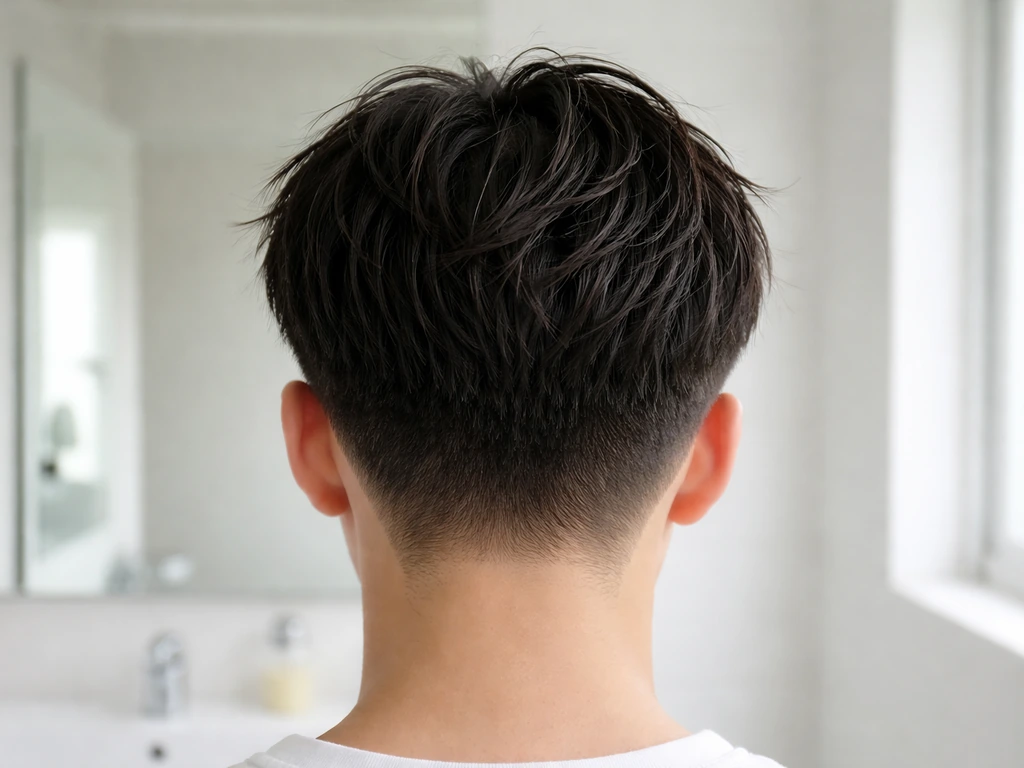
The process takes roughly 6 to 12 months depending on how short your sides were and how long you want the top, but the key is understanding that the top and sides grow on completely different schedules and need to be managed separately. If you’re wondering how to grow out a mod cut, the same idea applies: let the top and sides grow on separate schedules and manage the sides with small, regular maintenance.
If you treat them that way, with targeted micro-trims on the sides every 2 to 6 weeks and patience on the top, you can move through every awkward stage looking intentional rather than unkempt.
First: understand what you're actually working with
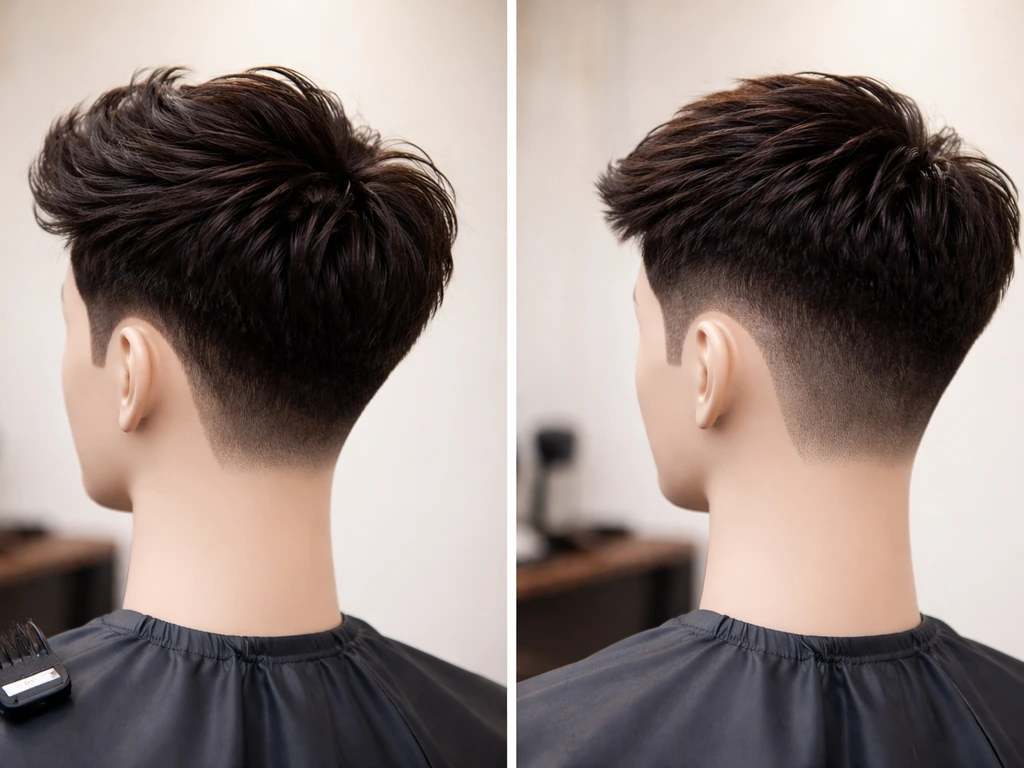
The Korean two-block cut has two distinct zones: a longer, voluminous top (typically 3.5 to 6 inches) and cropped sides and back, often cut with a #1 to #2 guard or even a skin fade. Unlike some Western undercuts where all the top hair is pushed backward, the two-block usually features a fringe that sweeps forward or to the side, which is an important detail because that fringe line is the first thing to get messy as you grow.
"Success" in growing this out looks different for everyone. Before you start, decide what you're growing toward: a longer shag, a curtain-bang look, a wolf cut, something more blunt? That destination changes how you manage the sides and whether you keep any texture in the top. If you don't have a target yet, a good default goal is getting the sides to match the back of your neck length and the top past your ears, which gives you enough material to reshape into almost anything. The grow-out is not one process, it's two parallel processes happening at different speeds, and you need a plan for both.
What actually happens week by week
Hair grows about half an inch per month on average, though some people see anywhere from 0.6 cm to over 3 cm per month depending on genetics, health, and hair type. Here's how that plays out specifically for a two-block:
| Stage | What the Top Does | What the Sides Do | Main Challenge |
|---|---|---|---|
| Weeks 1–3 | Still looks like the original cut, top stays styled easily | Neckline and sideburns start showing regrowth, fade softens | Neckline looks scruffy before anything else |
| Weeks 4–6 | Top may start to lose shape, crown can flatten or go puffy | Sides lose clean definition, hair starts filling in above the blend line | The contrast that made the cut look sharp starts to blur |
| Weeks 7–10 | Top is getting bulkier, may flip at the ends or lift at the crown | Sides are noticeably fuller, the 'two zones' look fades | Classic awkward phase: sides look grown-out, top looks shapeless |
| Months 3–4 | Top has enough length to start training into a new shape | Sides are approaching a medium length, can be blended rather than faded | Managing thickness and bulk, especially around the ears |
| Months 5–6 | Top is genuinely long, can tuck behind ears or part cleanly | Sides are close enough in length to blend into the top naturally | Keeping weight distributed so hair doesn't look top-heavy |
| Months 7–12 | Approaching full transition to the target style | Sides are fully grown unless you maintain a subtle taper | Fine-tuning the final shape and deciding on a new cut direction |
The critical heads-up: the awkward phase lands hardest around weeks 6 to 8. That's when the sides have lost their clean fade but haven't grown enough to blend, and the top is starting to puff or flip. Almost everyone wants to quit here and get it cut back down. Don't. This is the stage that feels the worst but passes the fastest with the right styling approach.
Styling the top through each phase
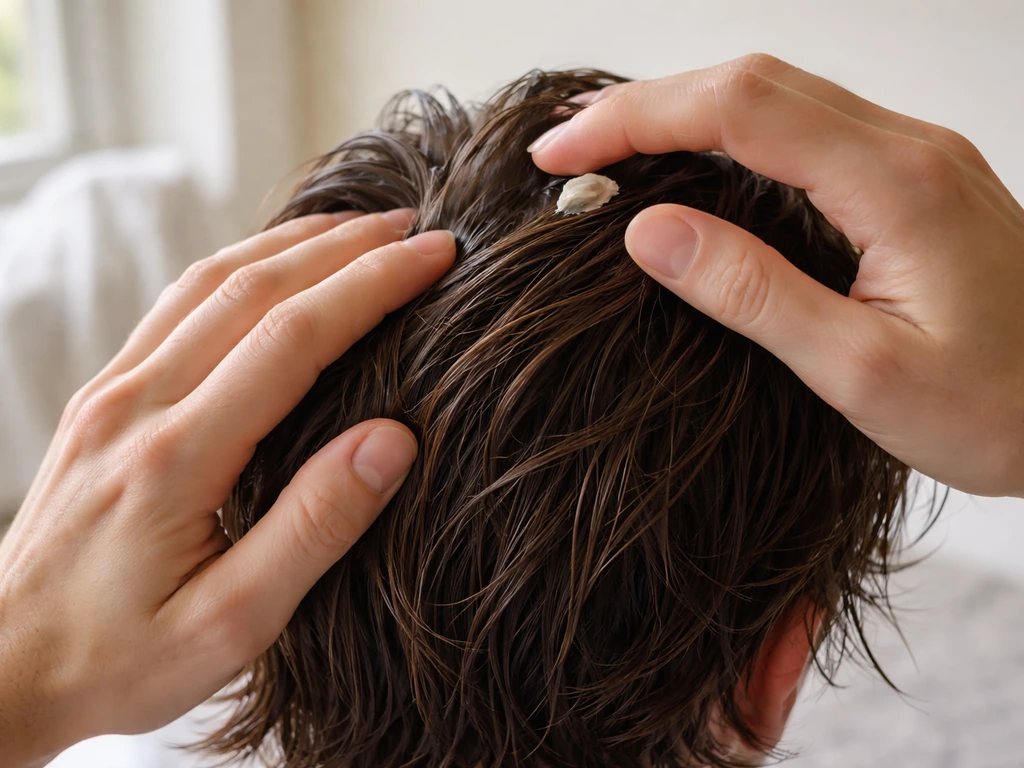
How you dry and product your hair matters more during the grow-out than at any other time. When the top is at that mid-length limbo (roughly 2 to 4 inches), it's heavy enough to fall flat but not long enough to have natural movement. The fix is a deliberate blow-dry routine. Start with hair about 90% dry, then use a concentrator nozzle aimed against the direction your hair naturally falls, lifting at the crown and directing the dryer the way you want the hair to go. This builds volume and trains the hair not to fall flat or flip at the ends.
Apply your product while the hair is still slightly damp. A matte cream or light clay worked through the crown (not the sides) gives you hold with movement. The sides don't need product right now because adding weight there encourages the hair to puff outward rather than fall. A stylist tip is to apply volumizing product at the crown and avoid applying product on the sides for structured contrast, then power-dry to build lift apply product while the hair is still slightly damp, and avoid adding weight on the sides. Once you've blow-dried with volume, do not comb out the shape until the hair is fully cool and set, or the volume collapses.
Fixing the crown puff problem
If you have thick or very straight hair, the crown is going to want to stand up or mushroom outward as it grows. This is one of the most-complained-about issues during the two-block grow-out. The solution isn't cutting it shorter, it's adding directional styling. After blow-drying for volume, use the palms of your hands (not a brush) to press the top section flat and to the side, then hit it with cool air from the dryer for 20 to 30 seconds to set the shape. A light-hold pomade or wax applied at the end keeps flyaways down without making the hair look stiff.
When the top is long enough to part
Once the top hits about 4 to 5 inches (roughly month 4 to 5), you have options. A clean side part works well here and transitions naturally toward the longer styles most people are aiming for. Blow-dry in the direction of the part, set with a medium-hold cream or pomade, and you'll get a polished look even while the sides are still mid-growth. This is also when a curtain-bang shape becomes viable if that's your direction: pinch the front section at the hairline, sweep each side into a C-curve, and use a small clip to hold the shape while you dry. A texturizing spray on fine hair keeps the curtain from going flat.
Managing the sides: the part most people get wrong
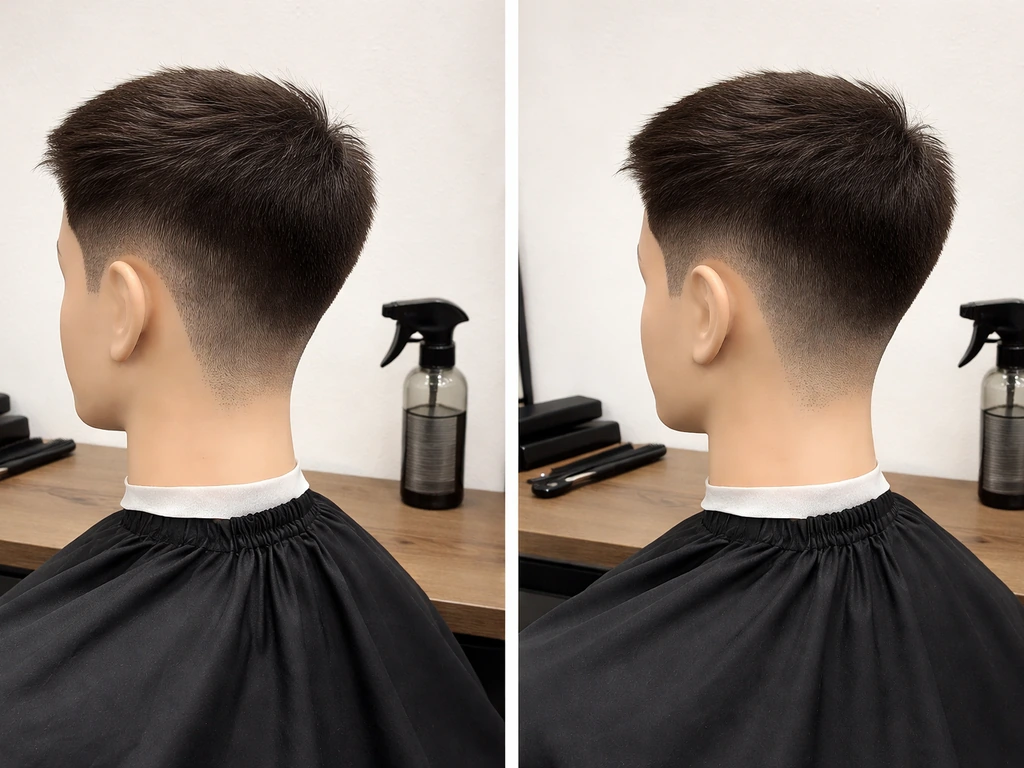
The sides of a two-block grow back fast, and they grow visibly because the contrast between the short zone and the longer top was so sharp to begin with. The neckline and sideburn area show regrowth first, usually within 2 to 3 weeks. If you ignore the sides entirely while waiting for the top to grow, you end up with that disconnected, grown-out-fade look that makes people assume you just forgot to get a haircut.
The right move is to keep cleaning up the edges without rebuilding the fade. Clean up the neckline and sideburns every 2 to 3 weeks, either at a barbershop or carefully at home. But here's the key: avoid creating hard lines as you do it. Hard-edged necklines grow out more awkwardly than soft, tapered ones. Ask your barber to use a more natural, blended finish rather than a sharp ledge, especially if you're planning to grow the sides out.
Preventing the mushroom and the flip
Two specific problems show up on the sides as they grow. The mushroom effect happens when the sides bulk out horizontally around the ears because there's no taper holding them in. The flip happens when the side hair is long enough to curl outward at the tips, especially around the ears and neckline. Both are solved by keeping a very light taper (not a fade, just a gradual blending) on the sides at every maintenance appointment. You're not resetting the cut, you're just preventing the bulk from getting out of control. If you're in a period between appointments, a small amount of pomade smoothed downward on the sides can tame the flip temporarily.
How often to maintain the sides
If your original two-block had a skin-level fade or a very close #1 cut on the sides, you'll need side cleanup every 2 weeks. If it was a more moderate taper or #2 to #3 guard, every 3 to 4 weeks is usually enough. The shorter and cleaner the original cut, the faster the grow-out becomes visible and the more frequent the maintenance needs to be. This is not about resetting the haircut, it's just managing the edges.
When to trim vs. when to leave it alone
The golden rule: never touch the top length for the first 4 months unless you're removing a split end or correcting a specific problem. The top needs to build length before it can be shaped into anything new. Cutting it resets the clock. Micro-trims on the top, meaning removing just a quarter inch to address damage or weight, are fine every 10 to 12 weeks, but only if the ends are genuinely splitting or the hair is so heavy it won't hold any shape.
For the overall shape, shaping trims every 6 to 8 weeks help you avoid the worst of the awkward stages. These are not haircuts, they're shape maintenance. You're asking the barber to remove bulk from the crown, blend the sides a little more as they grow, and clean up the neckline. Nothing comes off the top length. If your stylist automatically reaches for scissors on the top, stop them and be very clear: top length stays, everything else is a blend and a clean-up.
Special situations that make the grow-out trickier
If you had bangs with your two-block
Bangs grow at the same rate as the rest of your top, but they become problematic sooner because they're in your face. If you had blunt bangs, they'll hit an awkward in-between length around the nose bridge where they're too long to style up and too short to pin back. In general, how does a blunt cut grow out depends on how soon you start blending the edges and how carefully you avoid cutting the top too early.
The easiest fix during this phase is to start training them to the side with a side-sweep blow-dry while they're still damp. If you're aiming for curtain bangs, this is actually the stage where you let them grow through the center and start training the split at the middle part. Resist the urge to trim them aggressively, a single quarter-inch trim to remove bulk is fine, but keep them growing.
Natural texture and thicker hair
Very straight, thick hair has the hardest time transitioning because it resists the natural fall of longer styles. It tends to stand up at the crown instead of draping, and the sides mushroom faster. The blow-dry routine is non-negotiable here, and you may also want to use a medium-hold cream to encourage the hair to lie flatter as it grows. Wavy or curly hair actually has an advantage in the grow-out because the natural texture hides a lot of the awkward in-between length, though you'll want to add a curl-defining cream rather than a pomade once the top passes 3 inches.
If your two-block had bleaching or color
Color complicates the grow-out because you'll start to see a visible line of demarcation where your natural root meets the lightened or colored section. If you bleached the top or had a full-color look, you'll need to decide whether to grow the color out (which means visible roots for several months), refresh the color periodically to keep the line invisible, or do a gradual color correction to blend the line as the hair grows.
The worst thing to do is ignore it. A visible two-toned line at the crown makes the grow-out look more chaotic than it needs to be. If you're growing the color out intentionally, a single toning treatment every couple of months can soften the contrast line without fully redoing the color.
Uneven regrowth on the sides
It's extremely common for one side to grow faster or thicker than the other. If this is happening, don't try to even them out at home by trimming the faster side shorter. Instead, use styling product to smooth the fuller side downward and create the illusion of symmetry while both sides catch up. At your next barber appointment, point out the unevenness specifically and ask for a blending trim on the fuller side only. This preserves maximum length on the slower-growing side.
Milestones to look for and what to tell your barber
Tracking progress by milestone rather than by calendar keeps you sane during the grow-out. Here are the specific moments to watch for:
- Month 1 to 2: Neckline and sideburns are fuzzy, fade is gone. Milestone: neckline cleaned up, taper softened. Not cutting the top at all.
- Month 2 to 3: Crown may look puffy or flat, sides are visibly fuller. Milestone: shaping trim to remove bulk from the crown, sides blended (not faded). Top length untouched.
- Month 3 to 4: Top starts to have real movement and length. Milestone: you can achieve a consistent side part or forward sweep. Sides are blending toward the top length.
- Month 4 to 6: Top is long enough to tuck behind ears or hold a curtain shape. Milestone: sides and top are within an inch or two of each other in length. You can now start thinking about the final target style.
- Month 6 to 12: Hair is in full grow-out transition. Milestone: the two-block zones are no longer obviously separate. You can begin reshaping into the destination cut.
When you sit down with your barber at any appointment during the grow-out, be specific and direct. Say something like: "I'm growing this out and I want to keep the top length, please don't touch the top except to remove bulk. On the sides, I need a light taper blended into the top length, not a fade. Clean up the neckline with a soft edge, not a hard line. And let's check in at every appointment about how the shape is progressing toward a longer style." You can also mention that you want to avoid layers cut too short in the crown, since that makes the top collapse instead of holding volume.
If you're working toward a specific look like a wolf cut, a longer shag, or something with more texture, bring a reference photo. If you want the wolf cut vibe while you grow, focus on keeping the top length intact and shaping around the fringe as it grows out. Telling your barber "I'm going for something like this" gives them a target to work backward from, so every trim moves in the right direction instead of just maintaining the status quo.
The whole process comes down to this: protect the top length at all costs, manage the sides every 2 to 4 weeks with soft blending (not fading), use a deliberate blow-dry routine to handle the awkward middle phases, and trust that the 6 to 8 week awkward stage is temporary. To learn more about the timeline and maintenance steps, focus on how to grow a 2 block haircut from the first awkward phase onward.
If you want a more specific plan for your edgar haircut version of this grow-out, focus on keeping the top length and shaping the fringe as it gets long enough to frame your face. If you want the same disciplined grow-out for a mod haircut, the priorities are the same: protect the longer top, manage the sides with soft blending, and use styling to survive the awkward middle weeks how to grow a mod haircut.
Most people quit right before the grow-out gets genuinely easy. You don't have to be one of them.
FAQ
How do I stop the sides from looking disconnected while the top is still short?
Give the sides a “soft anchor” with styling, not scissors. Use a light taper at each maintenance visit, then when styling, press the side hair slightly inward toward the crown and secure with a small amount of matte cream on the sides (just enough to redirect, not weigh down). This keeps the silhouette connected until the top reaches ear-length.
Should I use a blow-dryer every day, or can I get away with air-drying?
If your hair is straight and thick, blow-drying is usually the difference between looking intentional and puffing or flipping. You can cut back to every other day once the top passes about 4 to 5 inches, but during the 2 to 4 inch “heavy and awkward” window, air-drying often collapses volume or exaggerates cowlicks.
What’s the safest way to handle split ends or damaged ends without resetting the grow-out?
Only remove damaged ends in tiny amounts on the top, quarter-inch at most, and only when ends are visibly split or feel rough. Avoid “layering” cuts up high in the crown early on, because that can collapse the top and make the side-to-top transition look uneven.
Can I shampoo less to make the top stay in shape longer?
Yes, but adjust to your hair type. If you have oily roots, skipping too many days can make the top fall flat, even with blow-drying. A good approach is to keep a consistent wash schedule, then use a matte product on damp hair and fully cool-set the style before touching it.
What if my fringe keeps flipping the wrong way as it grows?
Train direction while it is still damp, then set it with cool air. If it’s stubborn, use a light-hold pomade or wax only on the fringe after drying, and avoid brushing it straight down until it’s fully cooled, since that collapses the direction you trained.
How do I know whether I should ask for a taper or a fade on the sides during grow-out?
If you want the sides to blend more easily over time, ask for a light taper (gradual blending) instead of a hard fade line. Fade clients usually require faster cleanup and more frequent maintenance, because the contrast line regrows quickly and becomes visually obvious.
I’m growing out color on the top. How do I keep the contrast line from ruining the look?
Decide early between fully growing it out with roots, refreshing color to reduce the line, or doing gradual correction. If you choose to grow it out, plan a toning or gloss every couple of months to soften the demarcation, and be extra consistent with the fringe direction so the crown line does not look like a random stripe.
What if one side is growing faster and my part keeps looking crooked?
Do not try to “fix” it by trimming the longer side shorter at home. Use product to smooth the fuller side downward for symmetry while both sides catch up, then request a blending trim on the faster side only at your next appointment.
How often should I clean up the neckline and sideburns if my sides were very close to skin originally?
For skin-level or very close cuts, expect regrowth to show quickly, so plan cleanup roughly every 2 weeks. For slightly longer original guards (like a moderate taper or #2 to #3), every 3 to 4 weeks is usually enough, but stop earlier if the edge starts looking blunt.
Can I reshape the top into a curtain bang or wolf cut sooner than month 4 to 5?
Wait until the top is long enough to hold its shape, typically around 4 to 5 inches for curtain-style transitions. Earlier than that, changes usually require cutting into the top, which resets progress and makes the awkward phase last longer. If you want curtain bangs, focus first on training the split with a side-sweep and clips while it grows through the center.
What should I say to my barber so they do not cut the top by mistake?
Be explicit at the start: you want to keep the top length, remove only bulk if necessary, and do soft blending on the sides with a soft-edged neckline (no hard ledge). Ask them to confirm before cutting that they are not taking scissors to the top length, and schedule a check-in for how the crown volume is holding up.
Why does my crown look too puffy or mushroom, even after blow-drying?
Mushrooming often happens when the crown hair lacks directional control. After blow-drying for volume, press the top flat with your palms (not a brush) and set with cool air briefly (20 to 30 seconds). If you still get lift, use a light-hold product only at the end to tame flyaways, and avoid adding weight directly to the sides.