
Growing out a wolf cut is absolutely doable, and you don't have to look like a mess while you wait. The honest answer is that it takes anywhere from 4 months to a full year depending on how short your layers started, but the process is manageable at every stage if you know what to expect and how to handle each phase. Here's everything you need to know, from the first awkward weeks through the point where your hair finally settles into something longer and more uniform.
How to Grow Out a Wolf Cut: Timelines and Steps for Men and Women

Marcus Vickers
12 Apr 2026
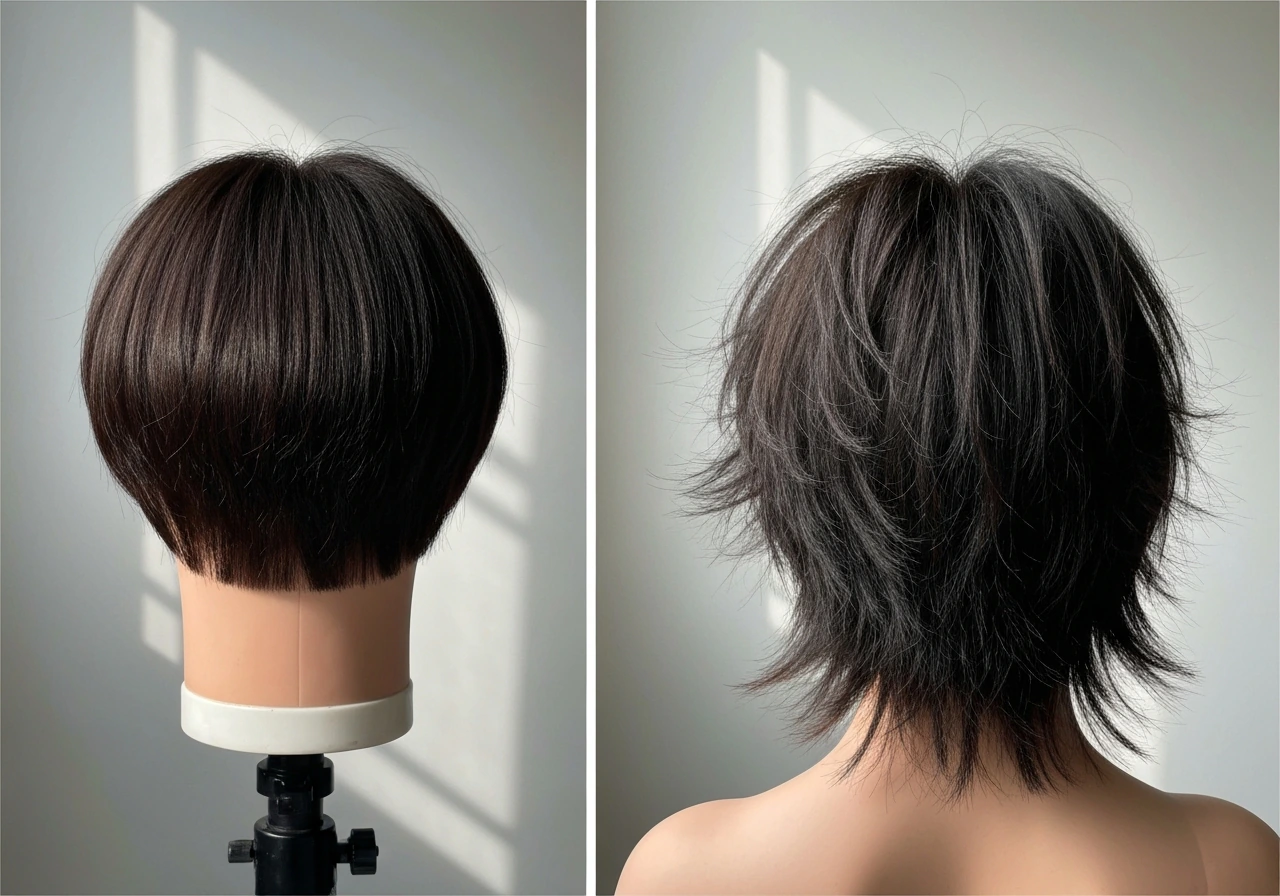
What a wolf cut actually turns into as it grows out
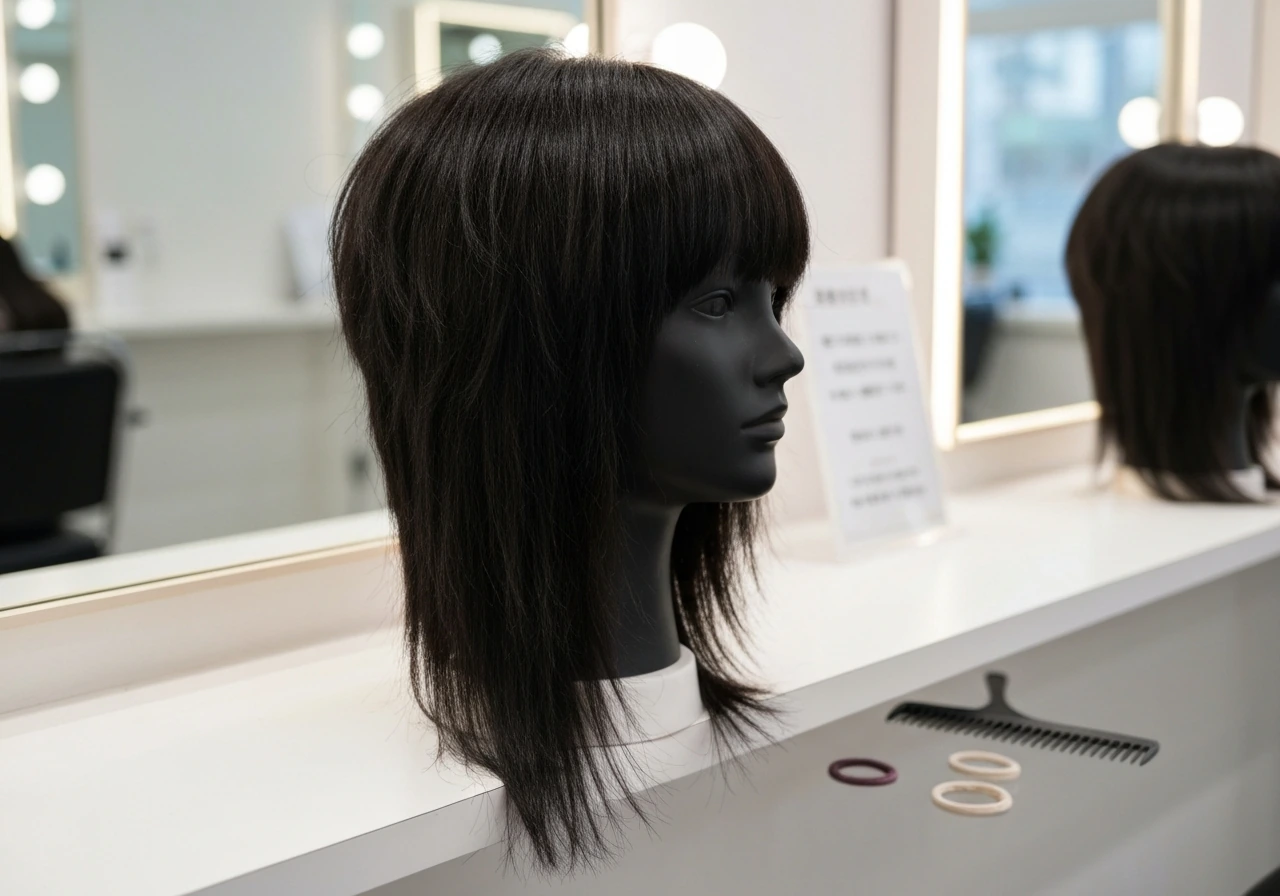
A wolf cut is built on heavy layering and a disconnected shape: short, choppy layers on top, longer curtain-style face-framing pieces around the front, and often a mullet-ish weight distribution where the back is longer than the sides. As it grows, each of those elements changes at the same rate (roughly 0.5 inches per month) but they feel different because they started at different lengths. The short top layers grow toward the crown and start blending with the longer sections. The fringe, if you have one, starts pushing into your eyes and then past them. The face-framing layers gradually stop hugging your cheekbones and drift toward your collarbone.
What most people don't expect is that the silhouette actually gets messier before it gets better. Around the 6–10 week mark, the shortest layers have grown just enough to stick out awkwardly but not enough to blend. The back and sides may start looking boxy or poofy depending on your texture. Wavy and curly hair shrinks up as layers lose their length, which can make the shape feel unpredictable. Straight hair can go limp and flat as the layering loses its definition. Neither of these is a sign something is wrong. It's just what grows out look like in the middle stage.
The good news is that a wolf cut grows into a fairly natural long shag or layered cut if you let it go. It doesn't leave behind a hard, blunt line the way something like a blunt cut grows out, where the weight line becomes stark and obvious. The wolf cut's existing texture and layering actually make the grow-out softer and easier to style through. That's one of its hidden advantages.
How long it realistically takes, by starting length
Hair grows at about 0.5 inches (1.25 cm) per month on average, or roughly 6 inches per year. That's your baseline. From there, the timeline depends entirely on where your layers are starting and where you want to end up.
| Starting point | Shortest layers start at | Time to reach shoulder length | Time to reach collarbone+ |
|---|---|---|---|
| Short wolf cut (pixie-adjacent) | 1–2 inches at crown | 12–18 months | 18–24 months |
| Medium wolf cut (ear to chin length) | 3–4 inches at crown | 6–10 months | 10–15 months |
| Long wolf cut (shoulder-adjacent) | 5–6 inches at crown | 3–5 months | 6–10 months |
| Extra-long wolf cut (layers already past chin) | 6+ inches at crown | 2–4 months | 4–8 months |
These ranges assume you're trimming periodically to manage shape, not letting it grow completely untouched. If you stop all trims entirely, you might gain a little time but you'll likely end up with uneven, scraggly ends that set you back anyway. If you're also growing out something like a short edgar haircut at the same time (think: very short sides with longer top), add another 3–6 months to those estimates because the undercut sections need significantly more time.
Stage-by-stage plan: what to do (and expect) at each phase
Weeks 0–8: resist the urge to fix everything
This is the phase where nothing feels right and everything feels like it needs to be cut. Don't. In the first 8 weeks, your hair is still recognizably a wolf cut. The layers haven't grown enough to look strange yet, just a little softer and less defined. Your main job here is to stop trimming the length, let the face-framing pieces start to extend, and keep the fringe (if you have one) from going fully into your eyes without cutting it back dramatically. A few options: sweep it to the side with a tiny bit of wax, use a curtain-bang technique to pin it back at the center, or get a very light dusting of the fringe only (not the layers).
Focus your energy on conditioning and scalp health during this window. Healthy hair grows faster and breaks less, so now is a good time to add a weekly deep conditioning treatment or a scalp massage routine. Don't obsess over every centimeter.
Months 2–4: the real awkward phase
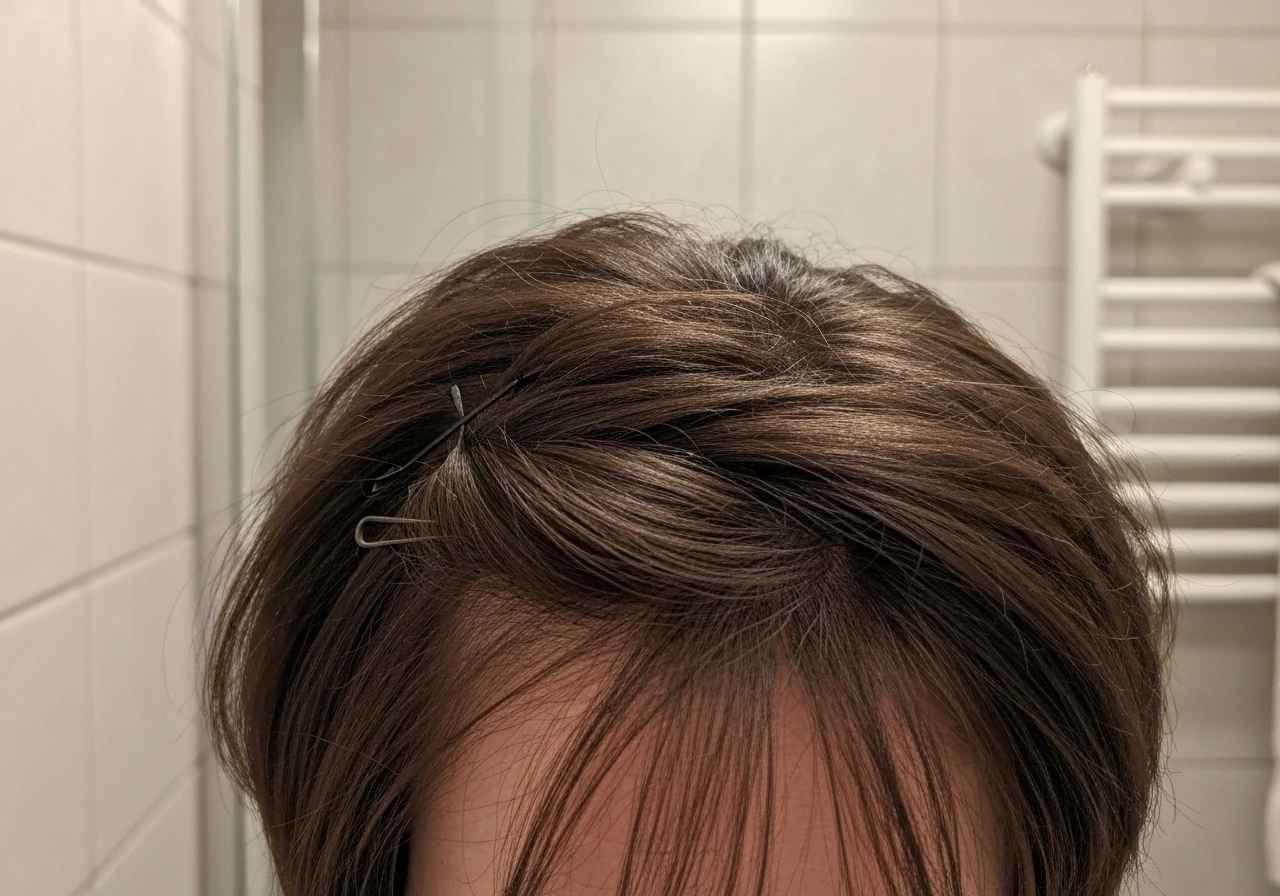
This is the hardest stretch. The shortest crown layers have grown out enough to lose their choppy shape but not enough to blend into the longer sections below. The result often looks puffy on the sides, flat on top, or just shapeless. This is normal. The way through it is strategic styling rather than cutting. A diffuser on low heat can help wavy and curly hair clump the layers together so they look intentional. Straight hair benefits from a round brush blow-dry to get the layers to fold under or flip back, rather than sticking out at odd angles.
If bulkiness is a major issue in this phase, you can ask your stylist to remove some weight from the interior of the layers (point-cutting or texturizing) without taking off length. This is different from trimming. You're not losing growth, you're just reducing the puffiness that comes from dense, blunt-ended layers growing past their original shape.
Months 4–12: blending and settling
By month 4, most people with a medium to long wolf cut will notice their layers starting to feel cohesive again. The length difference between the shortest and longest sections narrows, the face-framing pieces are probably at or past the chin, and the whole shape starts looking less like a grow-out and more like a long layered haircut. This is the maintenance phase: you're not fighting the shape anymore, you're guiding it.
For people growing from a short wolf cut, this phase extends well past 12 months and overlaps with strategies you'd use growing out any short layered cut. It's worth reading up on how to handle that longer runway, similar to what someone dealing with growing out a mod cut might navigate: patience, intentional shaping trims, and leaning on styling to bridge the gaps.
How often to trim (and what kind of trim to get)
The instinct to avoid all trims during a grow-out is understandable, but it usually backfires. Split ends travel up the hair shaft, causing breakage that costs you length over time. The layers also become increasingly uneven the longer you go without any shaping, which makes the awkward phase feel even harder to style.
For a short wolf cut (crown layers under 3 inches), plan on a shaping trim every 6–8 weeks. This isn't a full cut, it's just cleaning up the ends and managing the perimeter so the grow-out looks deliberate. For a medium or long wolf cut, stretch that to every 8–10 weeks. Tell your stylist explicitly: "I'm growing this out. I want to keep as much length as possible. Trim the ends only and remove some bulk if it needs it." If you don't communicate that clearly, you risk getting a refresh cut instead of a growth-supporting trim.
If you have a significant undercut or disconnected sections in your wolf cut, similar to what you'd deal with when figuring out how to grow a 2 block haircut, you'll need more frequent check-ins (every 5–6 weeks) to manage the disconnect line as it grows out.
Styling during the grow-out: products and techniques that actually help
Products worth using
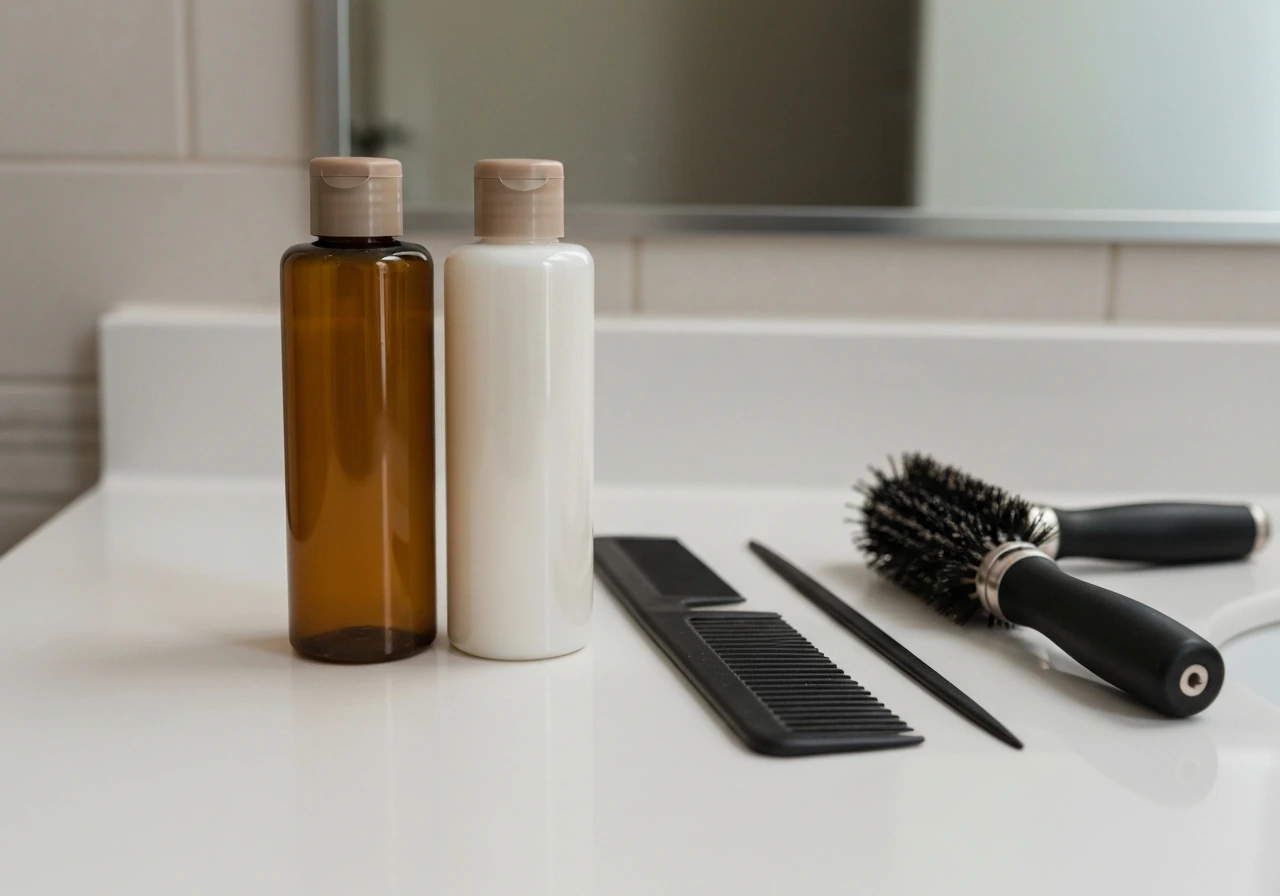
- Lightweight leave-in conditioner: helps with flyaways and frizz without weighing down the layers. Apply to damp hair before styling.
- Styling cream or curl cream: works on all textures to define layers and reduce frizz without crunch. A small amount goes a long way.
- Texturizing spray or sea salt spray: adds grit and separation to layers that are going limp as they grow, especially useful in months 2–4.
- Light-hold wax or pomade: ideal for taming the fringe and flyaways around the face without creating a stiff or greasy look.
- Smoothing serum: if your layers are producing static or the ends look rough, a drop of serum on the mid-lengths and ends calms them down.
Blow-dry and heat styling techniques
A round brush blow-dry is the single most effective tool for managing a wolf cut grow-out on straight to slightly wavy hair. Use it to roll the layers under (for a smoother, more uniform look) or back and away from the face (to fake the wolf cut framing even as it grows). Work in sections from the nape up, and use the cool shot button at the end of each section to lock the shape.
For wavy and curly hair, a diffuser on medium heat is better than any brush technique. Scrunch the hair upward into the diffuser and let it sit for 30–45 seconds per section before moving on. This method keeps curls and waves clumped so the layers don't separate into a frizzy halo. If you're at the stage where the layers are uneven enough to be frustrating, try plopping your hair in a microfiber towel for 20 minutes before diffusing. It reduces frizz significantly and makes the layers lie more evenly.
A flat iron or wand can help on difficult days. Use a 1-inch flat iron to smooth the crown layers down if they're poking up, or wrap sections loosely around a wand to blend the different layer lengths into a unified wave pattern. Always use a heat protectant, especially during a grow-out, because damaged ends break before they reach your target length.
Easy styling options for bad hair days
- Half-up bun or claw clip: pulls the top layers back and away from the face while letting the longer lengths show. Works well in months 2–5 when the top is an awkward length.
- Headband: a thin elastic or ribbon headband holds flyaways down and makes the grow-out look intentional rather than unfinished.
- Braided fringe: if the face-framing pieces are long enough, a small braid at the front keeps them controlled and adds visual interest.
- Slick-back with pomade: works especially well for men in the 3–6 month range when the top is too long to style normally but too short to tie back comfortably.
Men vs women: different goals, different timelines
The biology is the same (everyone's hair grows at about 0.5 inches per month), but the styling goals, fringe handling, and acceptable length milestones tend to differ, and it's worth being honest about that.
Growing out a wolf cut as a man
Men growing out a wolf cut are often aiming for a shaggy medium-length look, something around the ear to jaw range, or going all the way to shoulder-length. The main challenges are the crown layers getting bulky before they blend, and the nape of the neck looking scraggly before it reaches a clean length. Trimming the neckline every 4–5 weeks (without touching the layers themselves) keeps the whole thing looking maintained without sacrificing growth. The fringe for men typically starts as a curtain-bang shape; as it grows, keeping it swept to the side with a small amount of wax is the easiest approach. Avoid cutting it straight across, which creates a blunt line that's harder to grow through. The experience has a lot in common with growing out a mod haircut, where the top-heavy layering creates a similar management challenge as length increases.
Growing out a wolf cut as a woman
Women growing out a wolf cut are usually aiming for a long layered look or a uniform length at collarbone or beyond. The face-framing layers are often the most loved part of the wolf cut, and the good news is they grow out beautifully into long curtain bangs or face-framing layers that flatter almost any face shape. The priority in early months is protecting those layers from over-trimming. The crown layers becoming fluffy or frizzy as they grow is the most common complaint; this is where a leave-in conditioner and styling cream earn their keep. For women with color in their wolf cut (highlights or balayage often added to enhance the texture), the grow-out may require toner touch-ups as the contrast shifts. More on that below.
It's also worth noting that anyone with a heavily disconnected undercut as part of their wolf cut, common in edgier versions of the style, is essentially dealing with two grow-outs at once: the layers on top and the shaved or clippered sections underneath. That's a longer process, much like growing out a two block haircut, and requires patience with the sides specifically.
Managing color, texture changes, and keeping your hair healthy
If your wolf cut has color
Wolf cuts and color go hand in hand. A lot of people have chunky highlights, bleached sections, or money-piece coloring around the face. As those grow out, the contrast between the colored and natural sections can look stark. You have two choices: let it grow into a natural balayage effect (which can actually look great if your natural color is close to the highlighted tone) or get periodic toner or gloss treatments to soften the line every 8–12 weeks. Avoid heavy bleach re-applications on already-processed hair during the grow-out period because breakage will cost you more length than the color situation is worth.
Texture shifts as layers grow
This is something nobody warns you about: your hair's texture can feel like it changes as the wolf cut grows. Short layers on wavy or curly hair coil tighter and look curlier than long layers of the same hair. So as your crown layers grow, your waves may appear to loosen or change pattern. This isn't damage. It's just the physics of longer hair having more weight to pull the curl down. Adjust your product amounts accordingly: as layers lengthen, you may need slightly more curl cream to maintain definition, or slightly less if the waves were only showing up because the hair was short.
Preventing damage during the grow-out
The grow-out period is when hair is most vulnerable to breakage because the ends are older and the hair may have been through significant styling stress during the wolf cut phase. A few non-negotiables: use heat protectant every time you use heat tools, sleep on a silk or satin pillowcase to reduce friction on the ends, and protein-treat your hair once a month if it feels limp or stretchy when wet (those are signs of protein loss). Insider Beauty also recommends applying heat protectant to damp hair before blow-drying, with extra focus on the mid-lengths and ends where damage starts apply heat protectant to damp hair for blow-drying. Don't over-wash. Washing every 2–3 days rather than daily keeps your scalp's natural oils on the hair shaft, which acts as a built-in conditioner and reduces breakage.
Managing a grow-out is genuinely more of a styling challenge than a hair health one for most people. The grow-out experience shares a lot of DNA with other layered style transitions, like those navigating the process of growing out a bowl cut, where the goal is the same: keep the shape looking intentional while waiting for the length to catch up. Trust the process, trim only what needs trimming, and style your way through the awkward parts.
FAQ
Should I keep the wolf cut exactly as it is for the first month, or start styling immediately to prevent the awkward phase?
Start styling right away, but avoid aggressive cutting. In the first few weeks, the goal is not to “fix” the shape, it’s to keep fringe and top layers from separating (use a light wax or leave-in, and pin or sweep the fringe away from your eyes). This makes the 6 to 10 week messy stage look more intentional without removing length.
How do I tell the difference between normal wolf cut grow-out messiness and a problem like uneven cutting or poor blending?
Normal messiness usually looks inconsistent in silhouette but still grows from the same starting points (puffiness or odd angles that gradually soften). A true issue is when one side grows much shorter or the perimeter has clear steps that do not improve after a couple months, or when the crown feels “blocky” right from the jump. If that happens, schedule a quick consult and ask for blend-focused perimeter cleaning, not more thinning on the interior.
Can I speed up the grow-out of a wolf cut or change the timeline by changing my routine?
You can sometimes reduce breakage so more of the length you gain stays on your head, but you cannot materially change the average growth rate. Focus on split-end prevention (trim schedule, heat protection, satin pillowcase), gentle detangling, and consistent conditioning. If you notice a lot of snapping at the ends, your “timeline” is mostly being lost to breakage, not slow growth.
What should I ask for at a trimming appointment if I want to keep maximum length?
Use specific language: “I’m growing this out, trim the ends only, keep the shortest layers long, and reduce bulk using internal texturizing if needed.” Also ask them to avoid creating new short layers or re-shaping the disconnected line. If you have an undercut or strong disconnect, request a check-in schedule for that line specifically.
Is it better to avoid all fringe trimming, or is a tiny cut sometimes necessary while growing out?
In most cases, avoid cutting the fringe back dramatically. Instead, manage it with styling (side sweep or light center pinning) and only request a small dusting when the fringe is consistently causing breakage at the same contact points (like the eyes). If your fringe keeps catching and snapping, a micro-trim every few weeks can prevent longer-term length loss.
How should I style a growing wolf cut at work or school when I cannot use tools every day?
Use low-effort structure: apply a leave-in or curl cream on damp hair, blow-dry only the crown direction (even 2 to 3 minutes helps), then set with a small amount of wax or styling paste for fringe control. For curly or wavy hair, diffuse only when you need definition, otherwise do a quick scrunch and air-dry with a light product so the layers don’t separate into a halo.
What if my hair is thinning or my layers look flat and wispy as they grow out?
Avoid over-thinning at trims and do not add heavy oils that weigh fine hair down. Ask your stylist for bulk reduction that targets internal weight without removing from the crown length. Use volumizing products at the roots and keep a lightweight conditioner only mid-length to ends.
Does color placement change how I should manage a wolf cut grow-out?
Yes. If you have a money piece or heavy highlights, the contrast can look sharper as colored sections shift into the growing fringe and crown. Plan for gloss or toner touch-ups on a longer interval (often every 8 to 12 weeks) and avoid frequent bleach reapplication during the grow-out window because the ends may break before they reach your target length.
My hair texture seems to change during the grow-out. How much product should I adjust?
When short layers lengthen, waves and curls can loosen because of added weight. If your hair starts looking stringier or frizzier, slightly increase curl cream or gel and scrunch upward, but if it looks limp, reduce product and prioritize a small amount of leave-in at mid-length only. The key is adjusting gradually over a week, not switching products each day.
What routine prevents damage during a wolf cut grow-out without washing too often?
Stick to washing every 2 to 3 days, detangle gently after conditioning, and always use heat protectant when you use tools. Add a deep conditioning or targeted protein treatment only based on how your hair feels (limp or stretchy after wetting can signal protein loss). Sleep on satin or silk to reduce end friction, especially during the months when the shortest ends are most vulnerable.
At what point does the grow-out stop feeling like two haircuts (sides and top), especially with a disconnected or undercut wolf cut?
The disconnect often stays noticeable until the shaved or clippered sections reach a consistent length that matches how the top layers are falling (commonly around the 5 to 12 month range, depending on how short the undercut started). During this time, plan more frequent perimeter check-ins and use styling to create intentional blend at the disconnect, not to “hide it” completely. If the line still looks harsh after a couple months, ask for targeted blending at the grow-out line.