
Most flyaways do grow out on their own, but only if they're actually new growth. The catch is that not all flyaways are baby hairs finding their way to the surface. Some are broken pieces that snapped mid-shaft from heat, chemicals, or friction, and those won't magically lengthen no matter how long you wait. Figuring out which type you're dealing with is the most important step, because the fix is completely different depending on the answer.
Do Flyaways Grow Out? How to Tell Growth vs Damage

Marcus Vickers
29 May 2026
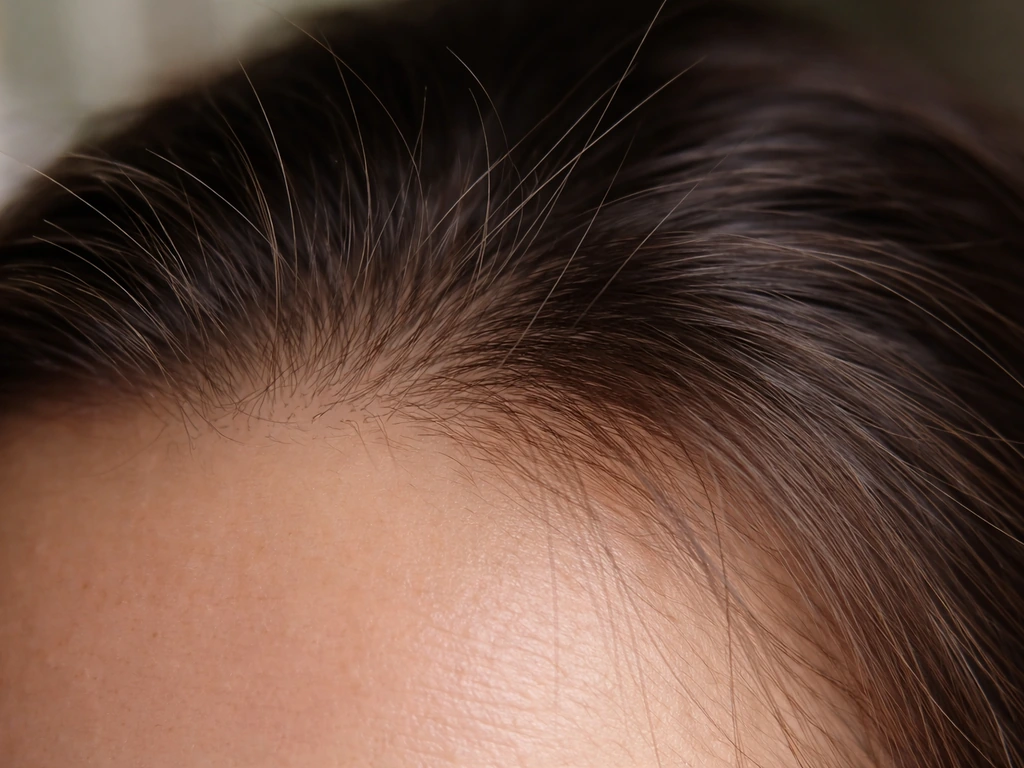
What flyaways actually are (it's not always one thing)
The word 'flyaways' gets used to describe a few very different things, and lumping them together is what causes so much confusion. Here are the main culprits:
- New growth / baby hairs: Short hairs actively growing from the follicle. These appear along the hairline, part, or crown and have a tapered, healthy tip. They're doing exactly what they're supposed to do.
- Breakage: Hairs that snapped somewhere in the middle of the shaft. They're shorter than they should be, often have a blunt or frayed end (no taper), feel rough or dry, and tend to cluster in areas that take the most mechanical stress, like around ponytail elastics or where you always clip.
- Static: Hair that's electrically charged, usually from dry air, synthetic fabrics, or over-brushing with certain tools. These hairs aren't short or broken, they just float away from the rest because of static electricity. They settle down with humidity or the right product.
- Weather and humidity frizz: The outer cuticle layer lifts in humid conditions, making individual strands puff outward. These aren't broken or short, they're just reacting to moisture in the air.
- Heat and chemical damage: Repeated flat-iron use, bleach, perms, or relaxers can weaken the shaft so much that short, frizzy hairs appear throughout the length, not just at the roots. These look like breakage because they are.
Knowing which category you're in changes everything about what comes next. New growth flyaways are a waiting game. Breakage and damage flyaways need a different approach entirely.
Do flyaways grow out on their own, and how long does it take?
If your flyaways are genuinely new growth, yes, they absolutely grow out. Hair grows roughly half an inch per month on average, so a one-inch baby hair sitting at your hairline will take about two months to reach two inches, and around a year to hit six inches. That math sounds simple, but it can feel brutal when you're in the thick of a pixie grow-out or dealing with post-buzz-cut regrowth, because every new hair goes through that awkward short phase at a slightly different time.
For specific grow-out scenarios, the timelines look roughly like this:
| Grow-out scenario | When flyaways peak | When they settle down |
|---|---|---|
| Pixie cut grow-out | Months 2 to 5, especially at the crown and sides | Around months 8 to 12 as layers start to blend |
| Bob to longer | Months 3 to 6 around the nape and sides | Once length passes the jaw and weight builds |
| Bangs growing out | Weeks 4 to 10 as they lose their shape | When they reach past the brow and can be swept or pinned |
| Buzz cut regrowth | Weeks 3 to 8 during the uneven, spiky phase | Around the 3- to 4-month mark as length evens out |
| Undercut growing in | Months 2 to 6 as shorter sides try to catch up | Once the contrast section blends into the top length |
The honest reality is that baby-hair flyaways at different points along your hairline are all starting from different lengths, so you're never dealing with just one batch catching up. They stagger out over time, which is why it can feel like they never go away during a long grow-out. They do improve, just not all at once.
How to tell if your flyaways will grow out or need damage help
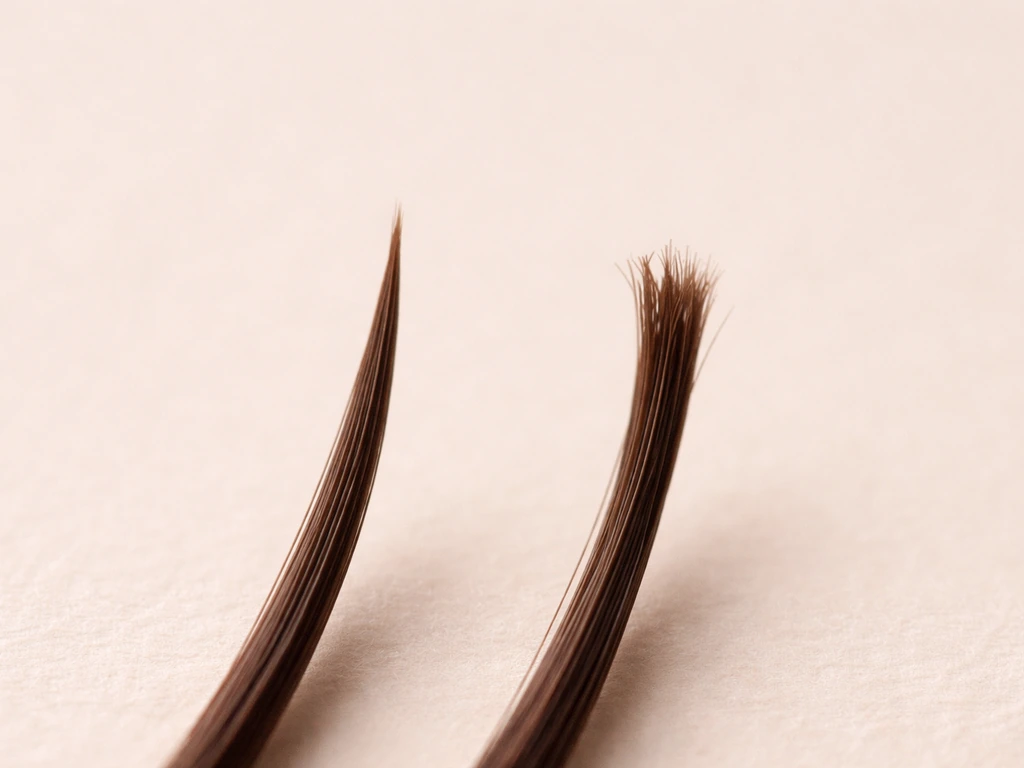
This is the diagnostic step most people skip, and it's the most important one. Look at a few of the offending hairs up close, ideally in good natural light.
- Check the tip: New growth hairs have a fine, tapered point at the end because they've never been cut. Breakage hairs have a blunt, frayed, or split end because they snapped. That difference alone tells you a lot.
- Check the texture: Baby hairs usually feel smooth and soft even at short lengths. Broken hairs tend to feel rough, dry, or brittle compared to the rest of your hair.
- Check the location: New growth clusters along the hairline, part line, and crown, because those are where follicles push up new hairs. Breakage tends to concentrate in high-friction zones, around where you tie your hair, where you always clip, or in sections that get the most heat styling.
- Check for a bulb: A hair that fell out from the root will have a small white or clear bulb at the end. A broken hair won't. If you're finding lots of short hairs without bulbs, that's breakage, not shedding.
- Consider your recent history: Have you bleached, relaxed, or permed in the past year? Do you flat-iron regularly? Are you recovering from a tight braid or cornrow style? Chemical and mechanical stress are the most common causes of the kind of mid-shaft breakage that creates stubborn flyaways.
If you're seeing blunt-ended, rough-feeling, mid-shaft hairs concentrated in high-stress zones, that's breakage, and waiting won't fix it. You'll need to address what caused it. If the hairs are fine, tapered, and appearing along your hairline or scalp surface, that's new growth doing its thing.
Instant ways to tame flyaways right now
Whatever the root cause, you still have to live with your hair today. Here are the approaches that actually work without requiring a salon visit or a six-month wait.
Products that smooth things down
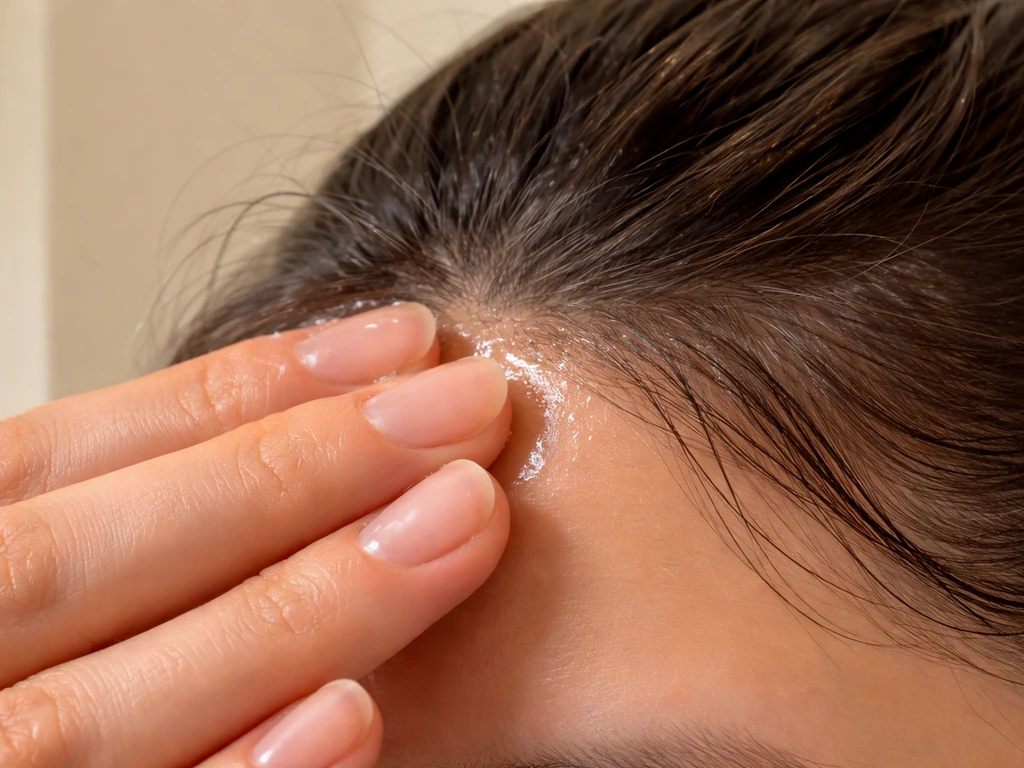
- Light hold gel: Apply a tiny amount with your fingertips and smooth it over flyaway sections while hair is slightly damp. A pea-sized amount is usually enough for the hairline. Too much creates crunch.
- Smoothing serum or hair oil: One or two drops of argan, marula, or a silicone-based serum rubbed between your palms and then lightly pressed over the surface of your hair tames frizz and static at the same time. Use it on dry hair for a finishing touch.
- Leave-in conditioner: Adds moisture to the cuticle, which helps it lie flat. Best for dry or chemically treated hair where the cuticle is already compromised.
- Setting spray or flexible-hold hairspray: Mist lightly from about 10 to 12 inches away and use a soft brush or your hand to press flyaways down before the spray dries. Spraying directly onto a flyaway section usually just moves it around.
- Tinted brow gel or clear edge control: For very fine baby hairs along the hairline specifically, these give precision that a brush and a drop of serum can't always match.
Techniques that make a real difference
- The toothbrush trick: Spritz a clean, soft-bristle toothbrush with a bit of hairspray or water, then lightly brush flyaways in the direction you want them to go. Works especially well along the hairline and part.
- Microfiber towel drying: Switching from a regular terry cloth towel to a microfiber one significantly reduces the friction that roughens the cuticle and causes flyaways after washing.
- Satin or silk pillowcase: Cotton pillowcases create friction overnight that worsens both breakage and frizz. A satin or silk pillowcase (or a silk bonnet) keeps things smoother while you sleep.
- Cold rinse at the end of your shower: Finishing with cool water closes the hair cuticle, which reduces frizz and makes hair less prone to flyaways throughout the day.
- Humidity fix: In high humidity, an anti-humidity spray or serum before you style creates a barrier. In low humidity (or dry indoor air), static is the enemy, and adding moisture back, through a leave-in or even just light hand lotion run lightly over the surface, grounds the static charge.
Managing flyaways during specific grow-out stages
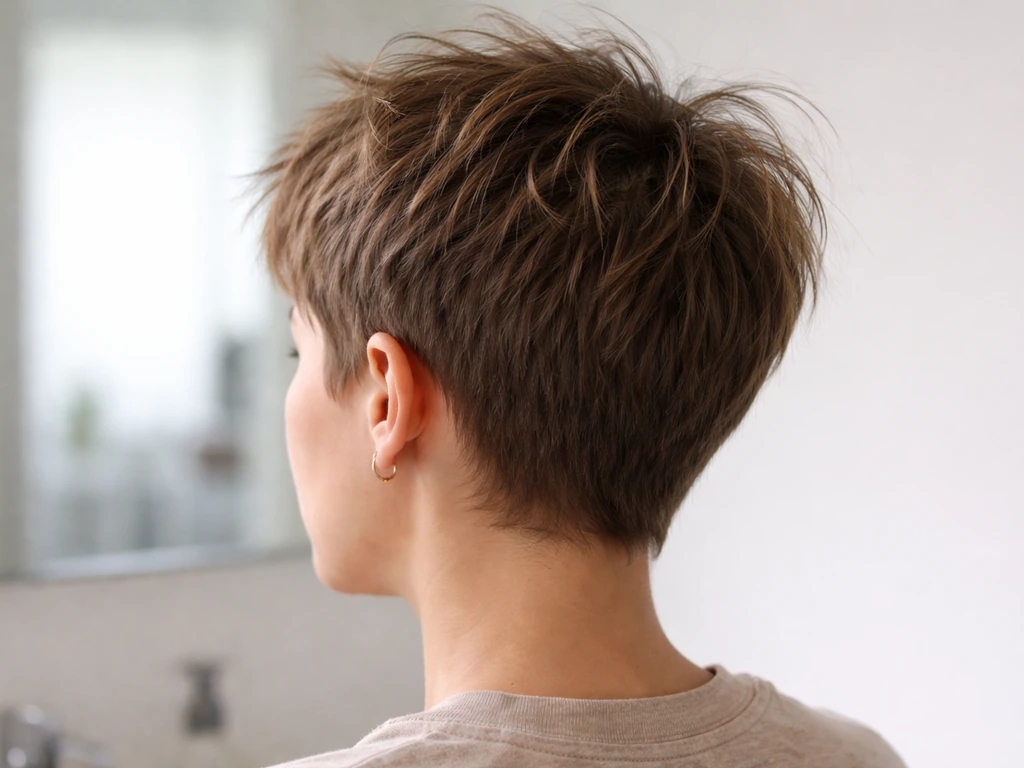
Different grow-out transitions create different flyaway problems, and the same product won't solve all of them. Here's what tends to work at each stage:
Pixie or buzz cut growing out
This is the flyaway peak zone. Every part of your head has hair at a different awkward length, and very short hairs don't have enough weight to stay down. Light pomade or a low-hold styling cream applied with your fingers is your best friend here. Work with the direction of growth rather than fighting it, and use a headband or clips strategically to hold sections back without creating creases. At this stage, trying to slick everything flat usually just draws more attention to the unevenness.
Bob or lob growing out
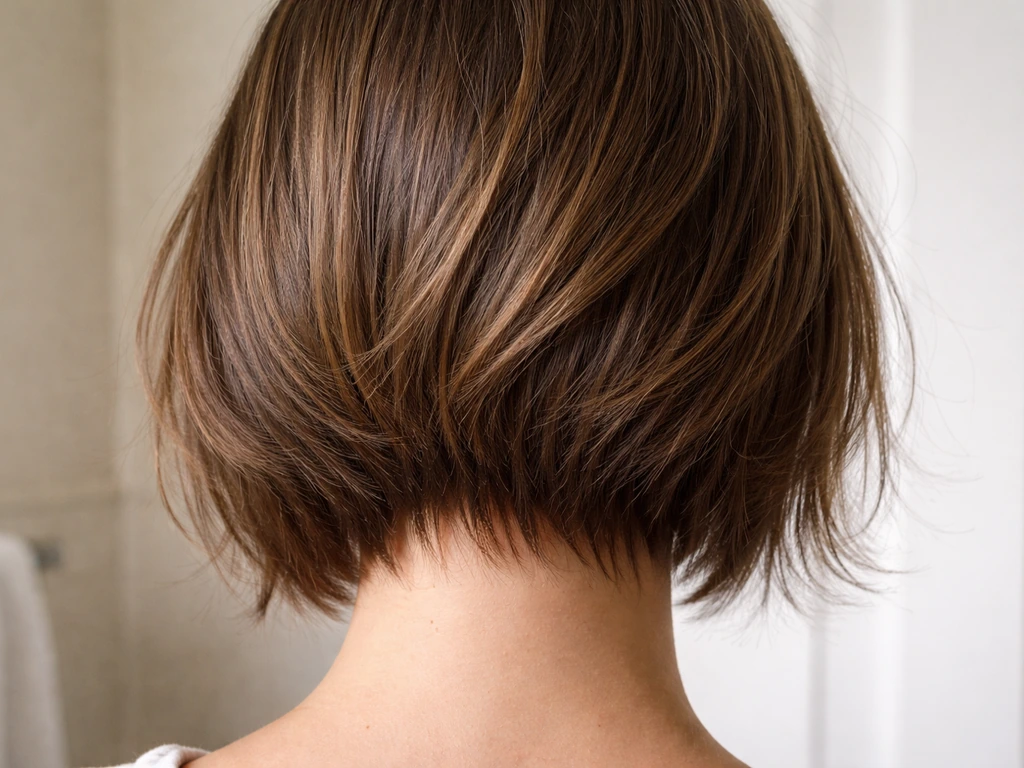
The main flyaway issue here tends to be around the nape and sides, where shorter hairs underneath pop out from below the longer surface layer. If you have layered hair, do layers grow out evenly or will some pieces lag behind and pop out first? A smoothing serum applied from mid-lengths downward and then a light finishing spray keeps those sections behaving. If you're layered, you may also get shorter face-framing pieces standing out from the rest. If you want to grow out layers in curly hair, focus on controlling shrinkage and reducing breakage so the shorter pieces can blend into the longer ones how to grow out layers in curly hair. Growing out layers into one length is a whole process in itself, and the flyaways that come with that are really just the shortest layers doing their own thing until they catch up. If you're trying to figure out how to grow out layers fast, focus on reducing breakage and using lightweight styling to help the shortest pieces blend sooner Growing out layers into one length. Understanding whether you are dealing with layers that are growing out versus shorter hairs from breakage helps you choose the right approach do layers grow out. If you are figuring out how to grow out layers, start by focusing on whether your flyaways are truly new growth or breakage Growing out layers into one length.
Bangs growing out
Growing-out bangs are almost entirely a flyaway problem for the first two to three months. Once they're past your brow, you can sweep them to the side and pin or clip them, and a light-hold gel or serum keeps them from springing forward. Before they reach that length, embracing them as a curtain bang look or a soft fringe rather than fighting them makes the grow-out much less stressful.
Undercut growing in
The shorter undercut sections trying to catch up to the top length are textbook flyaway territory. The hairs are too short to blend and too long to sit flat. Flexible hold products applied directly to the growing-in section help, and styling the longer top hair over it intentionally (rather than hoping it won't show) makes the transition look more deliberate. Patience is really the main tool here since the undercut grow-out is one of the longer, more awkward transitions.
How to stop new flyaways from forming
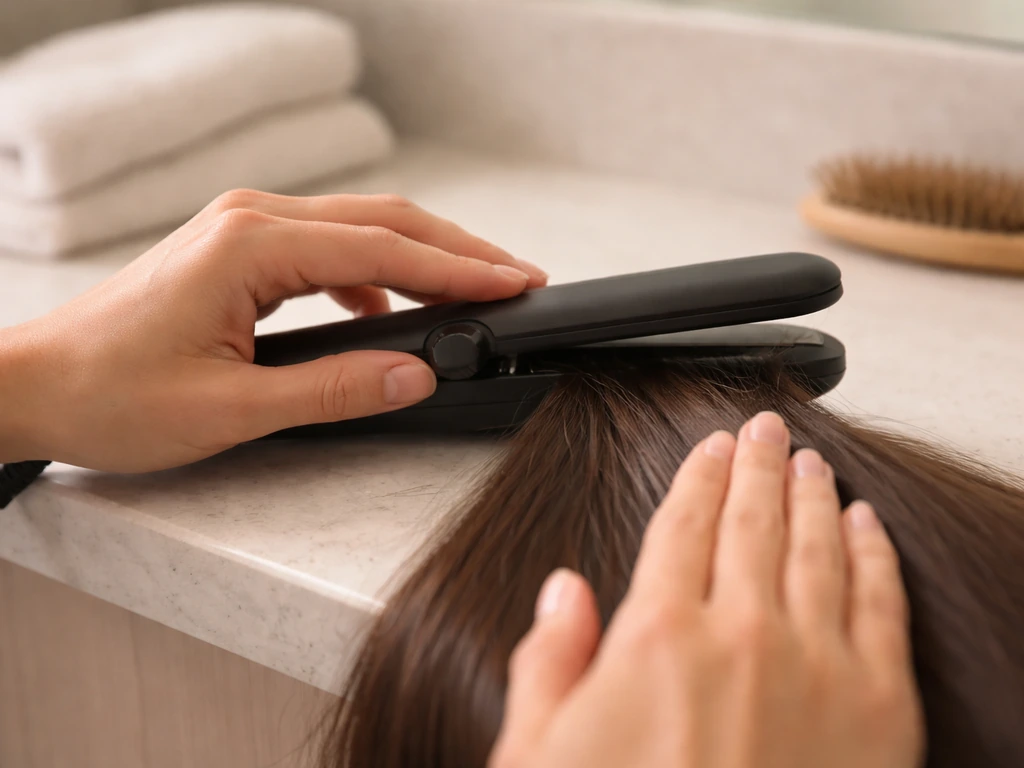
You can't control new growth timing, but you can significantly reduce breakage-related flyaways going forward. Most flyaway breakage comes from a handful of very fixable habits.
- Turn down the heat: Flat irons and curling wands above 350°F (175°C) cause cumulative damage that eventually shows up as mid-shaft breakage and flyaways. Use the lowest effective temperature for your hair type, and always use a heat protectant first.
- Extend time between chemical treatments: Bleach, color, relaxers, and perms all compromise the hair shaft. Overlapping chemical processes or doing them too frequently is one of the top causes of widespread breakage flyaways. Stretching your processing schedule by even a few weeks reduces cumulative damage.
- Loosen up your styling: Tight ponytails, buns, and braids put constant tension on the same sections of hair. Over time this causes both shaft breakage and, in more serious cases, follicle damage. Rotating where you tie your hair and using fabric-covered elastics instead of rubber bands makes a real difference.
- Deep condition regularly: Dry, brittle hair breaks easily. Adding a weekly deep conditioning mask or a moisturizing treatment restores flexibility to the shaft and reduces the kind of snapping that creates flyaways.
- Handle wet hair gently: Hair is at its most vulnerable when wet. Detangling with a wide-tooth comb starting from the ends, not the roots, and avoiding rough towel rubbing are simple habits that prevent a lot of unnecessary breakage.
- Protect hair while sleeping: A silk or satin pillowcase, a loose protective style, or a silk bonnet prevents friction overnight that quietly creates breakage over weeks and months.
When to stop waiting and reassess
Most flyaways from new growth or minor breakage do improve with time and better habits. But there are situations where something more is going on, and it's worth paying attention to the signs.
- The flyaways aren't improving after six or more months of better habits: If you've dialed back heat, avoided chemical overlap, moisturized consistently, and protected your hair at night, but the short broken pieces are still multiplying, something else may be driving the damage worth discussing with a dermatologist.
- You're noticing bald patches or thinning lines where flyaways used to be: This can signal traction alopecia, particularly along the temples or hairline where tight styles repeatedly pull. Research shows traction alopecia tends to develop in areas under the most tension, and in advanced cases, shiny bald skin appears where hair used to grow. Catching this early and changing your styling habits gives the follicles the best chance to recover.
- Hair loss appears suddenly or in large amounts: Sudden, diffuse shedding across the whole scalp is different from breakage flyaways. This can be related to hormonal changes, nutrient deficiencies, illness, or stress, and it needs a medical evaluation rather than a styling solution.
- The texture or density of your hair has changed noticeably: If your hair has become significantly thinner or changed in texture in a way that feels like more than a grow-out transition, a dermatologist or trichologist can assess whether the follicle itself is involved.
The good news is that for the overwhelming majority of people asking whether flyaways grow out, the answer is yes. New growth flyaways are a completely normal part of every hair-growing transition, from a pixie to a bob to shoulder length and beyond. Understanding the difference between those healthy baby hairs and actual breakage gives you a realistic plan: wait and manage the ones that will grow out, and treat the ones that won't. Hair breakage often shows up as uneven, shorter pieces on the scalp, and WebMD notes it can be different from hair loss because breakage can happen in areas where hair was previously processed and then new hair grew out blank" rel="noopener noreferrer">Understanding the difference between those healthy baby hairs and actual breakage. Both problems are fixable. You just have to know which one you're dealing with first.
FAQ
How can I tell if my flyaways are new growth or breakage when I can’t clearly see the hair ends?
Use a simple tug test on a few hairs: new growth flyaways will usually feel like full-length strands that match the softness of nearby hair, while breakage often shows shorter, rougher pieces that snap easily and look different from the surrounding strands. Also check whether the hairs are concentrated in high-friction zones (hairline edges, nape, sides), which is more typical of breakage patterns.
Do flyaways grow out if I keep brushing or heat-styling them the same way every day?
New growth flyaways will keep pushing out, but heat and friction can create ongoing breakage that keeps adding new short pieces, so it can look like they never improve. If you want flyaways to actually diminish, reduce heat frequency, detangle gently, and avoid rubbing flyaways against fabric (pillowcases, hats) during the first few weeks of a grow-out.
What’s the fastest way to get a visible improvement while waiting for flyaways to grow out?
Aim for “behavior control,” not length. Focus on lightweight, low-hold styling for very short new hairs, and apply product with your fingers in the direction of growth. For stubborn areas, use temporary section clips or a headband for a few hours rather than trying to slick everything flat all day.
Can protein treatments or hair masks help flyaways that are actually new growth?
They won’t make baby hairs grow faster, and heavy or frequent protein can sometimes make hair feel stiffer and more prone to snapping when styling. Protein can help if you confirmed breakage, but for true new growth flyaways, the main levers are detangling, friction control, and styling hold suited to short hair.
Will flyaways at the hairline mean I’m losing density or experiencing hair loss?
Not necessarily. Hairline “baby hairs” and new regrowth commonly increase flyaways during transitions. The red flag is patchy thinning, shedding with visible widening of part lines, or a change that persists beyond typical grow-out timelines. If you notice pattern baldness signs, consider getting a professional assessment rather than assuming it is normal flyaway growth.
How long should I wait before assuming my flyaways are breakage instead of new growth?
As a practical guideline, if the flyaways are truly new hairs, you should see noticeable blending in roughly a couple months, since hair grows about half an inch per month on average. If hairs remain blunt, rough, and concentrated in the same stress areas without improving, breakage is more likely than slow growth.
Do flyaways grow out differently for curly or coily hair than for straight hair?
Yes, because shrinkage can make the shortest hairs look more obvious even when they are growing normally. For curl types, managing frizz and reducing tangling is key, use detangling techniques that protect ends, and choose light hold products that define without roughing the surface, so new hairs can settle and blend as they lengthen.
Can sleeping habits make flyaways worse or help them look better sooner?
Definitely. Friction at night can increase breakage, and rubbing can lift short hairs back up each morning. Use a satin or silk pillowcase, avoid sleeping with wet hair, and consider loosely clipping or tying hair so flyaways are not constantly pressed and tugged by hair movement.