
You can reduce flyaways immediately by smoothing them down with a light serum or pomade, a soft bristle brush, and a cool shot of air from your dryer. But the real fix depends on what's actually causing them: broken hairs from heat or chemical damage sit differently than frizzy hairs from dryness or static, and both are different from the wispy regrowth halo that appears when short layers or an undercut start growing in. Identify which one you're dealing with, and the solution becomes a lot clearer.
How to Grow Out Flyaways Fast: Step-by-Step Plan

Marcus Vickers
6 May 2026
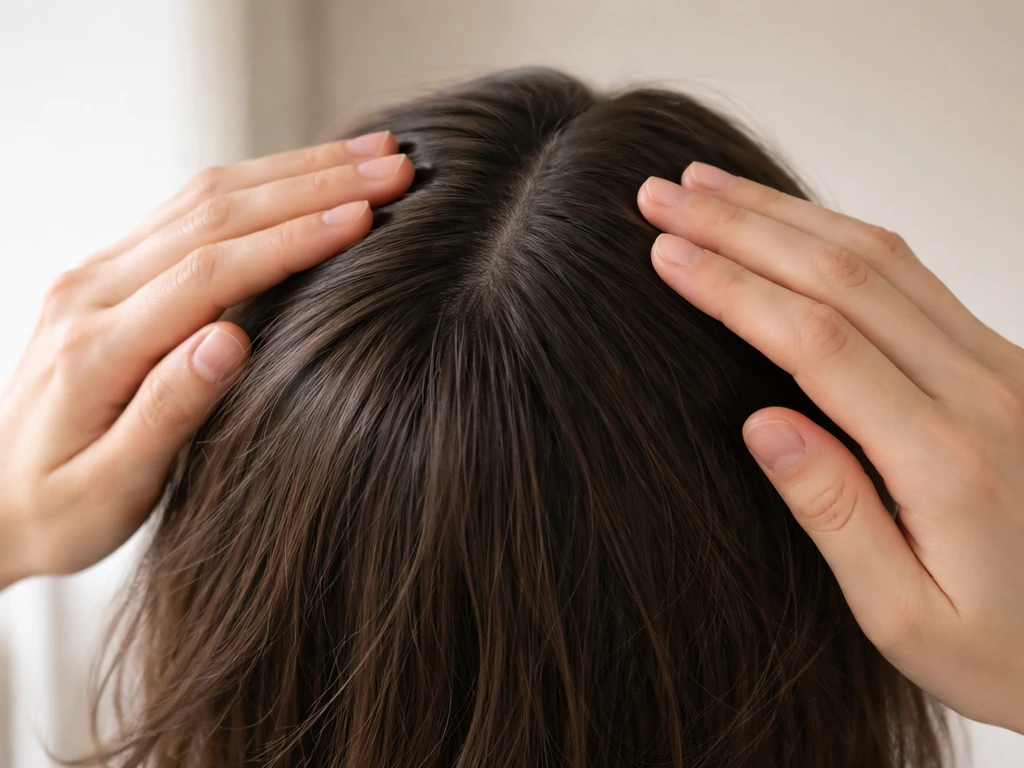
Why flyaways happen during a grow-out
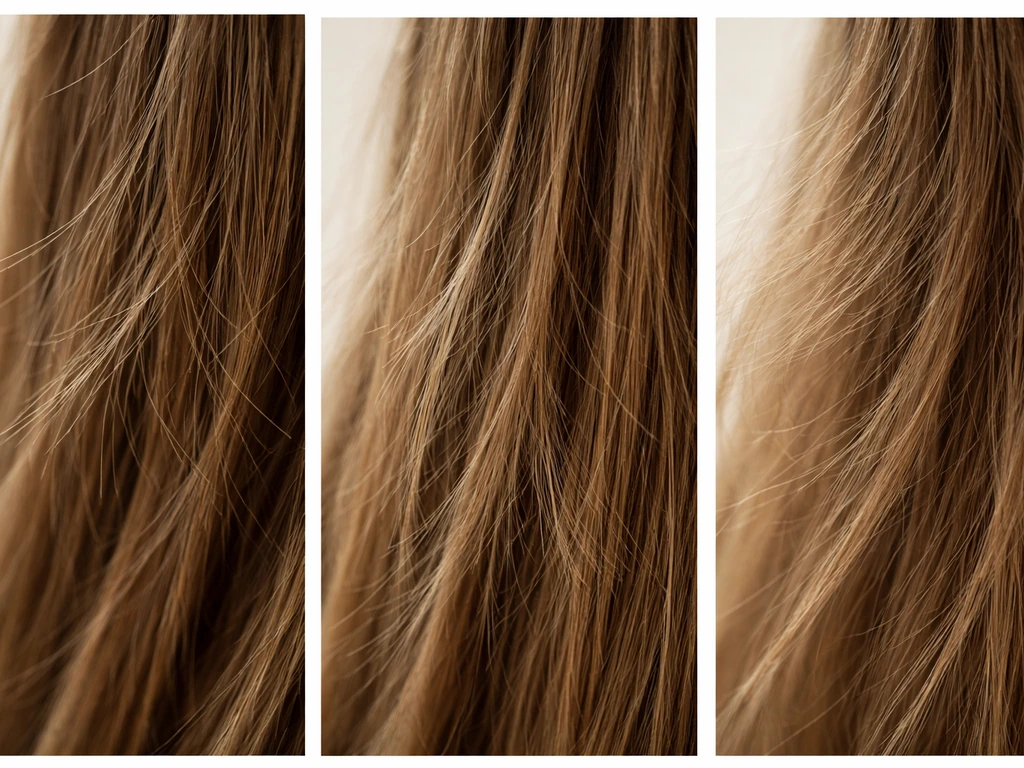
Flyaways during a grow-out usually come from one of three places, and it matters which one you're dealing with because the fix is different for each.
The first is breakage. Heat tools, bleach, tight ponytails, and aggressive brushing all create weak points along the hair shaft. These weak spots can cause hair to snap off mid-length, leaving short, blunt-ended pieces standing up across the surface of your hair. Dermatologists call one version of this trichorrhexis nodosa, where the shaft develops nodes that break off easily. The result looks like flyaways, but these hairs aren't going anywhere fast because they're broken, not baby hairs. They'll need time to grow back from the scalp.
The second is frizz and static. In cold weather, heated indoor air, or low-humidity environments, hair dries out and becomes electrically charged. Strands pick up a negative or positive charge through contact with fabric, brushes, or other hair, and then repel each other, lifting away from the head. A dryer sheet can help reduce static, and static in hair is often linked to dryness and friction, which create the “dryness + friction” cycle behind flyaways. That's the classic frizzy halo that gets worse in winter or when you pull on a wool hat. Dehydrated hair is the root of both frizz and static, so moisture is the fix.
The third is uneven regrowth. When you're growing out a pixie, buzz cut, undercut, bangs, or a heavily layered cut, the different sections of hair are at very different lengths. The short sections stick up because they're too short to be weighed down by the rest of your hair. This is the most common complaint during a grow-out, and it's genuinely just a timing issue, though there are ways to manage the look while you wait.
Fast fixes you can do today
If you need your hair to look smoother right now, these are the moves that actually work. None of them require a salon visit.
For frizz and static
- Rub a small amount of lightweight serum or hair oil between your palms and smooth it over the surface of dry hair. A pea-sized amount is usually enough. Too much and it looks greasy.
- Mist a little water onto your hands (not your whole head) and press down flyaways. This works especially well for static because it reintroduces the moisture that's causing the charge in the first place.
- Use a dryer sheet on your hairbrush or lightly over the surface of your hair. It neutralizes static charge fast. A clean dryer sheet works; a used one works almost as well.
- Blast hair with the cool shot on your dryer after styling. Cool air closes the cuticle and keeps hairs lying flat for longer.
- Switch to a boar bristle brush for the final pass. It distributes natural oils from root to tip, which smooths the cuticle and reduces static without adding product.
For broken hairs and regrowth standing up
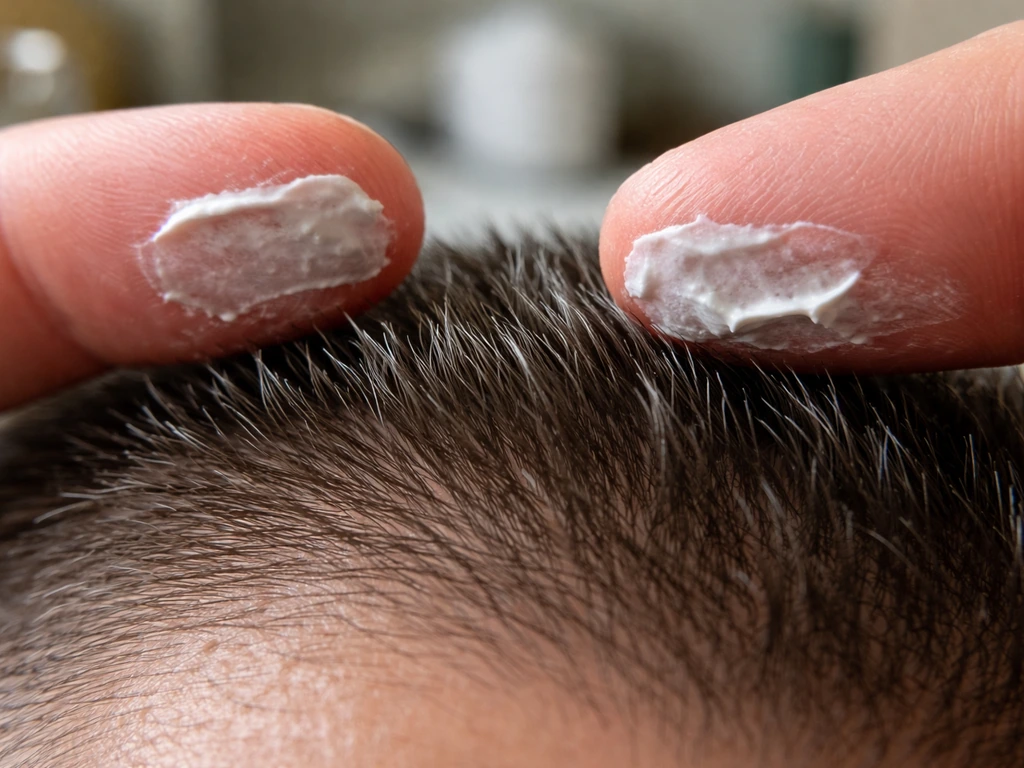
- A tiny dab of pomade or wax pressed between your fingertips and smoothed over the problem area will hold those short hairs down without stiffness. Matte pomades work better than glossy ones for a natural finish.
- Hairspray misted onto a soft toothbrush (or a dedicated spoolie) and brushed over flyaways gives you precision without stiffening the surrounding hair.
- A light-hold flexible gel applied to damp hair before drying can train shorter hairs to follow the direction of longer ones as they dry.
A longer-term routine to train hair down and reduce static
Quick fixes are great for today, but a consistent routine is what actually changes things over a few weeks. The core goal is keeping hair hydrated, reducing friction, and being gentler during the times when hair is most vulnerable, which is when it's wet.
Washing frequency and conditioning
Washing too often strips natural oils and leaves hair dry enough to frizz or static out easily. For most hair types, washing every 2 to 3 days is a good middle ground. If your scalp gets oily faster than that, a dry shampoo applied at the roots (not the ends) buys you an extra day without drying out the lengths. Always condition every time you shampoo, and focus the conditioner on your mid-lengths and ends, not your scalp. If flyaways are a persistent problem, adding a weekly deep conditioning mask is usually the most impactful single change you can make.
Leave-ins and serums as daily tools
A leave-in conditioner or lightweight serum applied to damp hair before drying acts as a barrier against moisture loss and heat damage, and it keeps the cuticle smoother over time. This is especially important if you're growing out bleached or color-treated hair, where the cuticle is already compromised. Think of leave-ins as maintenance, not styling. Apply them consistently even when your hair looks fine.
Gentle drying and detangling habits
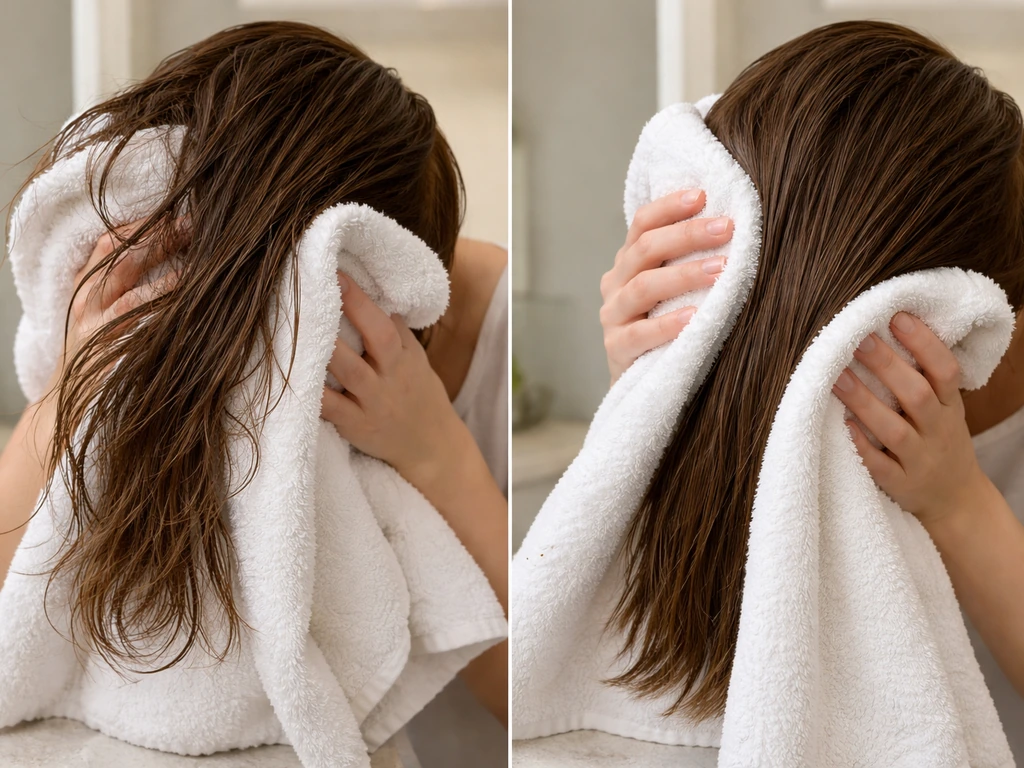
Wet hair stretches and breaks more easily than dry hair, so how you handle it right after washing matters a lot. Skip the terry cloth towel scrubbing and either squeeze hair dry with a microfiber towel or an old cotton t-shirt, or air dry when you can. When detangling, start at the ends and work upward, using a wide-tooth comb or a wet brush. For tightly coiled or textured hair, the AAD actually recommends detangling while hair is still wet and conditioned, because dry detangling increases breakage risk on those textures. For straight or wavy hair, letting it dry slightly before brushing tends to cause less damage.
Anti-static habits for everyday life
- Use a humidifier in your bedroom or workspace during winter months. Low indoor humidity is one of the biggest drivers of static flyaways, and this addresses it at the source.
- Switch to silk or satin pillowcases. Cotton and polyester create friction while you sleep, which charges hair and roughens the cuticle overnight.
- Avoid nylon or synthetic fabric hat linings if you can. A silk-lined hat eliminates most of the static problem that happens when you take a hat off.
- When you need to brush, do it in downward strokes and stop before you've over-brushed. Excessive brushing strokes contribute to split ends and can increase frizz rather than reduce it.
Haircuts and trims that keep the grow-out looking intentional
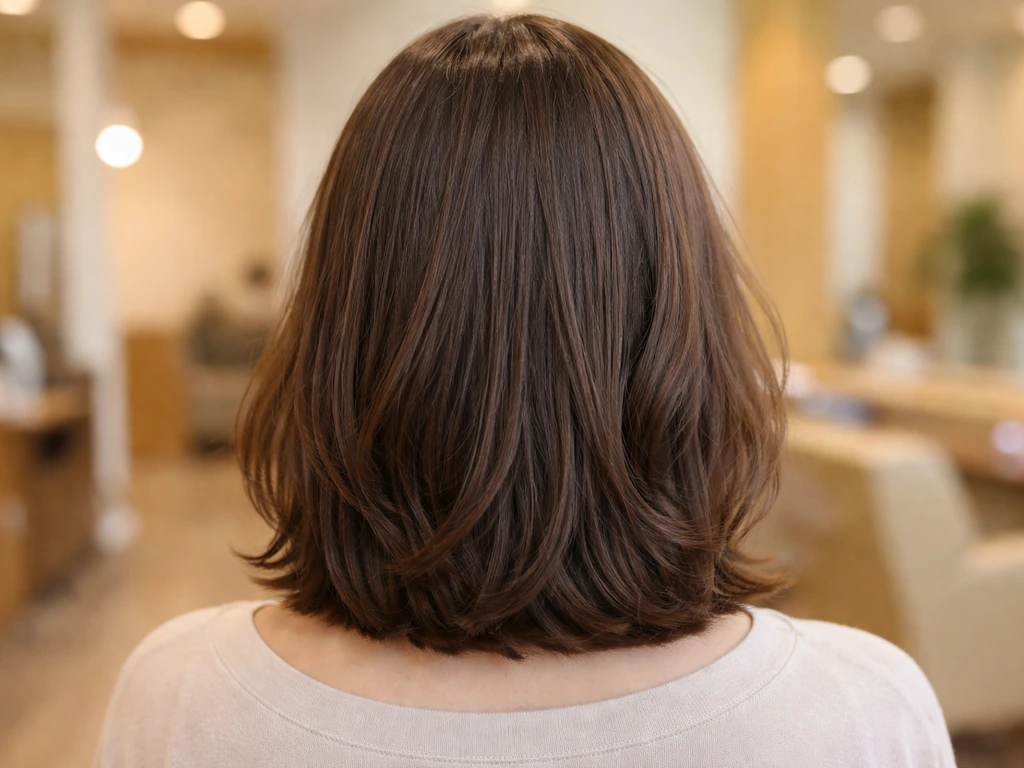
A lot of people growing out flyaways avoid the salon entirely because they're afraid of losing length. That's understandable, but the right kind of trim can actually reduce flyaways rather than cause more of them. The key is being specific about what you ask for.
If your flyaways are caused by split ends or breakage, getting those ends trimmed removes the weakest, most frayed parts of the hair shaft. Frayed ends absorb moisture unevenly and stick up more than healthy ends do. A small dusting trim every 8 to 10 weeks keeps the ends clean without sacrificing meaningful length.
If your flyaways are caused by uneven layers or a growing-out undercut, the goal is to blend the shorter sections into the longer ones gradually, rather than cutting the longer sections down to match. If you’re trying to grow out curly hair layers, focus on keeping your curl shape intact while using targeted trims and consistent moisture so the layers blend instead of sticking out. If your goal is to grow out layers into one length without cutting, focus on blending the uneven regrowth with consistent smoothing and gentle, targeted trims only when truly necessary. Ask your stylist for a blending cut or point-cut layers that soften the transition zone between short and long without removing bulk from the top. This approach works especially well when the undercut or nape sections have grown to about an inch and are starting to have enough length to direct.
Growing out bangs creates a very specific flyaway problem because those front hairs are shorter than everything else and often stick straight up at the forehead before they're long enough to tuck behind the ear or pin back. During this phase, a small amount of a flexible hold product applied to the bang area every morning makes a real difference, and a strategically placed clip or bobby pin on the side can direct them while they grow through the awkward 2 to 4 inch length. This is closely related to the layer grow-out process, where different sections of hair reaching different lengths at different times is really the core challenge.
Products and tools for different hair types
The right product for someone with fine, straight hair is very different from what works on thick, coily hair. Here's a straightforward breakdown so you're not guessing.
| Hair Type | Best Product Type | Tools to Prioritize | Avoid |
|---|---|---|---|
| Fine / Straight | Lightweight serum, anti-frizz mist, volumizing leave-in | Boar bristle brush, microfiber towel, ionic dryer | Heavy oils, thick creams, over-brushing |
| Wavy | Light curl cream, frizz-control serum, foam | Diffuser attachment, wide-tooth comb, microfiber towel | Terry cloth towel, fine-tooth comb on wet hair |
| Curly | Rich leave-in conditioner, defining cream, anti-frizz gel | Diffuser, wide-tooth comb or fingers only, satin pillowcase | Brush on dry hair, silicone-heavy products that build up |
| Coily / 4C | Heavy leave-in, butter or oil cream, sealing oil | Wide-tooth comb on wet conditioned hair, hooded dryer | Heat without protectant, fine-tooth comb, skipping moisture |
| Bleached / Color-treated | Protein-moisture balance treatment, bond-building serum, UV-protecting leave-in | Low-heat dryer setting, soft brush, silk pillowcase | Clarifying shampoos too often, high heat, skipping conditioner |
One note on tools: ionic dryers are worth the investment for almost every hair type. They emit negatively charged ions that neutralize the positive charge that causes static, which means the air itself is helping smooth your hair as you dry it. You don't need an expensive model, but it's a meaningful upgrade from a basic dryer if static flyaways are a chronic problem.
Styling through the awkward lengths
The grow-out phase has a few specific length checkpoints where flyaways are worst, and each one has its own styling solution. Here's what actually works at each stage.
Very short (under 2 inches)
At this length, especially post-pixie or buzz cut, most flyaways are just the natural texture of the hair doing whatever it wants without enough weight to be directed. A light pomade or a small amount of styling cream applied to the entire head and combed through gives some control. Styling against the direction you want the hair to go first (using a brush or your hands), then directing it back, helps the hair hold its position. This is also the stage where scalp health matters most, because healthy follicles produce stronger strands right from the start.
Mid-length grow-out (2 to 5 inches)
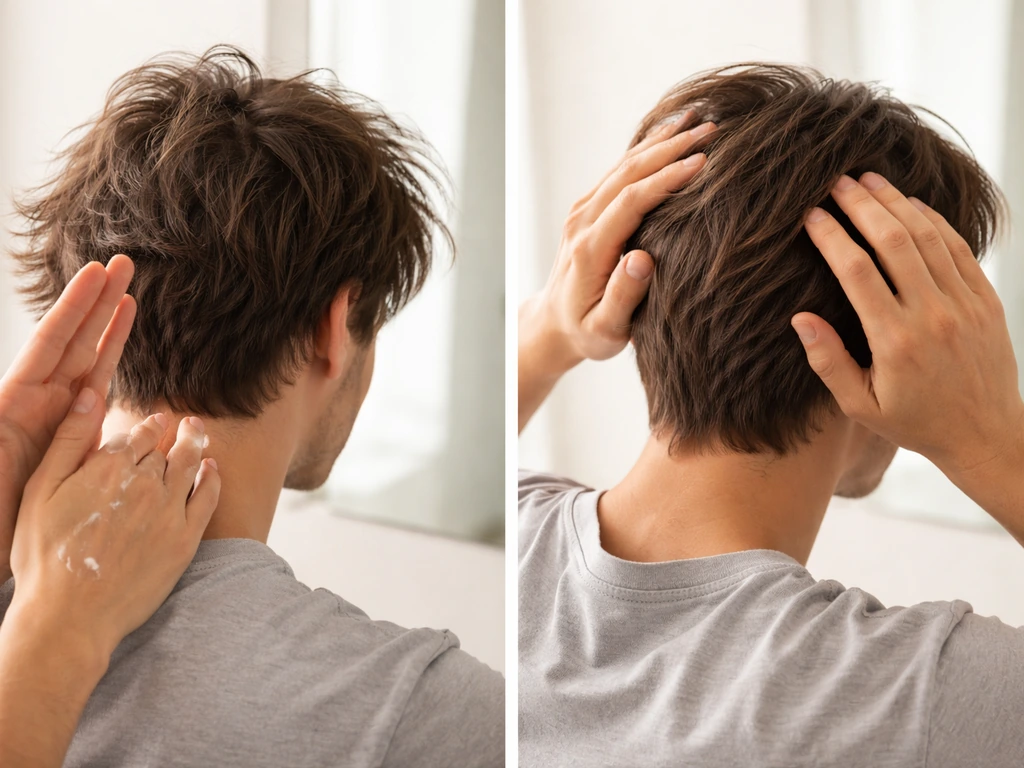
This is the hardest length for most people. Hair is long enough to look messy but not long enough to style easily. If you're growing out layers, this is when the shortest layers are at their most visible and annoying. Braiding slightly damp hair overnight and releasing in the morning creates a wave pattern that disguises length differences and blends flyaways into a textured style. Headbands, clips, and half-up styles are your best friends here, and they're not a cop-out. They're a legitimate styling strategy that keeps the grow-out looking intentional rather than chaotic. For undercuts growing in, the nape and sides at this length can be slicked down with a light gel or pomade and combed flat, which actually looks very polished.
Bang and front-section flyaways
Growing out bangs creates a band of shorter hair across the forehead that stands up or falls awkwardly to one side. A soft-hold styling cream applied while hair is slightly damp and then blow-dried in the direction you want them to go (side-swept is usually easiest) trains them gradually. Bobby pins tucked behind a natural part line, or a headband worn back an inch from the hairline, handles them on days when they just won't cooperate. Longer bangs that have reached the cheekbone can often be incorporated into a half-up style, which eliminates the flyaway problem entirely.
Longer lengths with layer transitions
Once hair is past the collarbone, flyaways are usually limited to the very top layer or the hairline. At this point, a single drop of a smoothing serum applied over the top surface of dry styled hair is usually enough. French braids or low ponytails worn occasionally help train the hair's direction over time. Whether layers grow out evenly at this stage depends a lot on the original cut, so if you're noticing persistent volume or flyaway issues in one zone, it may be worth a blending trim rather than just more product.
Track your progress and know when to adjust
Hair grows roughly half an inch per month on average, though this varies by person, health, and genetics. That means a realistic timeline for growing past the worst flyaway phase of a pixie or short cut is about 6 to 12 months to reach a length where most of the hair can be styled together. If you do flyaways grow out, the timeline is usually tied to how long the affected hairs have to reach a length you can weigh down and style together. For bangs growing out, 4 to 6 months typically gets you to a length you can tuck behind the ear. For undercut regrowth, it depends on how short the undercut section was, but 3 to 6 months usually gets the sides and nape to a workable length.
Take a photo every 4 weeks, always on a wash day with the same styling approach. This sounds basic, but it's the most reliable way to actually see progress rather than just feeling stuck. Month-to-month changes are small enough to be invisible day to day, and people routinely give up at month 3 or 4 when they're actually close to a turning point.
When to adjust your approach
- If flyaways are getting worse despite consistent moisture and gentle handling, breakage is probably still happening. Audit your heat tool use, chemical treatments, and tension styles, and cut at least one damaging habit before adding more products.
- If flyaways are concentrated in one spot (like a line across the middle of the head or at the nape), that's almost always a structural cut issue, not a product issue. A blending trim in that specific area usually resolves it.
- If you're 6 or more months into a grow-out and the texture of new growth looks significantly different from the rest of your hair, it may be worth a consultation with a dermatologist or trichologist. Hormonal changes, nutritional deficiencies, and thyroid issues can all affect hair texture and density, and these won't be fixed by styling products alone.
- If color-treated or bleached sections are the main source of flyaways, a professional bond-building treatment (like an in-salon Olaplex or similar service) can significantly improve strand integrity between appointments and is often worth doing once every 3 to 4 months during an active grow-out.
The grow-out process is genuinely one of the more patience-testing things in hair care, but flyaways specifically are very manageable once you know what's driving them. Breakage responds to gentler habits and moisture. Sleep Foundation notes that silk or satin pillowcases are often promoted to reduce friction and help with frizz and tangles, though direct clinical evidence is limited Breakage responds to gentler habits and moisture.. Static responds to hydration and ionic tools. Uneven growth responds to smart styling and strategic trims. Usually it's some combination of all three, and once you stop treating it as one blanket problem, the solutions start to feel a lot more within reach.
FAQ
How can I tell if my “flyaways” are actually baby hairs growing in or broken hairs from damage?
Check the ends. Broken hairs often look shorter with blunt or frayed tips and they seem to spring up in the same spots across washes, especially after heat, bleach, or tight styling. Baby hairs or regrowth tend to have softer, more tapered ends and you’ll usually see them gradually lengthen over weeks in multiple directions rather than a consistent “standing up” fringe.
What’s the fastest way to reduce flyaways without making my hair look greasy?
Use a tiny amount, and apply only where you need it. Rub a pea-sized drop of serum or pomade between palms, then touch the surface of hairline and top layer just after drying, instead of working it through all strands. If you want extra hold, use a flexible-hold product only on dry flyaway hairs, then lightly smooth with your hands or a soft brush.
Can I use hairspray to tame flyaways during the grow-out?
Yes, but keep it targeted. Instead of spraying all over (which can make hair feel crunchy and attract more dryness), mist a light layer onto a brush first or onto the flyaway zone only, then smooth once. For humidity-prone areas, choose a humidity-resistant finish, and avoid overspraying on dry, brittle hair.
How do I stop flyaways caused by static if I don’t have an ionic dryer?
You can mimic the effect by managing friction and charge. Try an anti-static leave-in on damp hair, switch to a microfiber towel, and use a brush with softer bristles. Also consider silk or satin pillowcases (they reduce hair-to-fabric friction), and avoid wool directly touching your hair when possible.
Is deep conditioning enough if my flyaways are from heat or bleaching?
Deep conditioning helps, but if you have true breakage you also need breakage control. Pair weekly conditioning with gentler wet handling (no scrubbing towel technique, detangle carefully) and a leave-in heat protectant if you use hot tools. If flyaways remain in the exact same spots after a few weeks of improved handling, trims may be necessary to remove the most compromised ends.
How often should I trim during a grow-out to reduce flyaways without losing too much length?
A dusting trim every 8 to 10 weeks is usually enough when you’re targeting split ends. If your flyaways are mainly from uneven regrowth or undercut blending, ask for a targeted blending or point-cut technique rather than a full reduction at the top, since that preserves overall length.
What’s the best detangling method to prevent flyaways from getting worse?
Detangle in sections and protect the ends. Start from the bottom with a wide-tooth comb or wet brush while hair is conditioned, then gradually move upward. Avoid re-combing repeatedly, because every extra pass can create more micro-breakage that later shows up as additional flyaways.
How can I manage flyaways at awkward lengths (like just past a pixie), when my hair looks “too short to style”?
Use weight and direction rather than trying to fully “set” the look. A light pomade or cream combed through, then styling against the way you want it to sit before flipping it back, can help train direction temporarily. For days you can’t get control, half-up styles, headbands, or gentle waves can visually blend shorter sections into the rest.
Do I need to change my routine if my flyaways only happen after I wash?
Often yes. If flyaways appear right after drying, it points to moisture loss or friction during towel-drying. Switch to squeezing with microfiber or an old cotton T-shirt, apply a leave-in on damp hair before drying, and keep heat moderate. If flyaways increase the next day, consider washing interval, dryness level, and whether a dry shampoo at the roots is helping without drying the lengths.
Are there any ingredients I should avoid if I’m dealing with static and dryness?
Be cautious with very drying formulas on the lengths, especially products that contain strong alcohols if your hair gets brittle. Also avoid over-cleansing or skipping conditioning. If you notice your hair feels squeaky after shampoo or gets extra frizzy within hours, adjust your wash frequency and make conditioning consistent.
When should I see a dermatologist or hairstylist for flyaway-like issues?
If you have scalp symptoms (itching, scaling, pain) along with shedding or patchy regrowth, get medical advice. If the “flyaways” are severe and not improving despite better moisture, reduced heat, and occasional trims after several months, a stylist can assess whether there’s underlying breakage, traction issues, or an uneven cut pattern driving the problem.
How long does it usually take to notice real improvement once I change my routine?
Month-to-month changes can be subtle, but you should see fewer stubborn flyaway areas within about 4 to 6 weeks if you’re targeting the right cause. If you’re growing past a very short phase like bangs or an undercut, timelines often look like 4 to 6 months for tucking and about 3 to 6 months for the sides and nape to become workable. Taking photos on the same day of week and wash routine helps confirm progress.