
You cannot make your hair grow faster than it wants to. The average scalp produces blank" rel="noopener noreferrer">about 1 cm of new hair per month, and no supplement, mask, or scalp massage is going to dramatically change that number. But here is the honest truth: when most people ask how to grow layers out fast, the real problem is not slow growth. Growing out layers evenly is also easier to manage when you understand how the different layers actually transition into one length over time do layers grow out evenly. It is breakage eating up the length you are already producing, layers that look jagged and uneven because of poor maintenance, and no plan for styling through the awkward phases. Fix those three things and your hair will look noticeably longer and more blended in a fraction of the time people usually expect.
How to Grow Out Layers Fast: Step-by-Step Plan

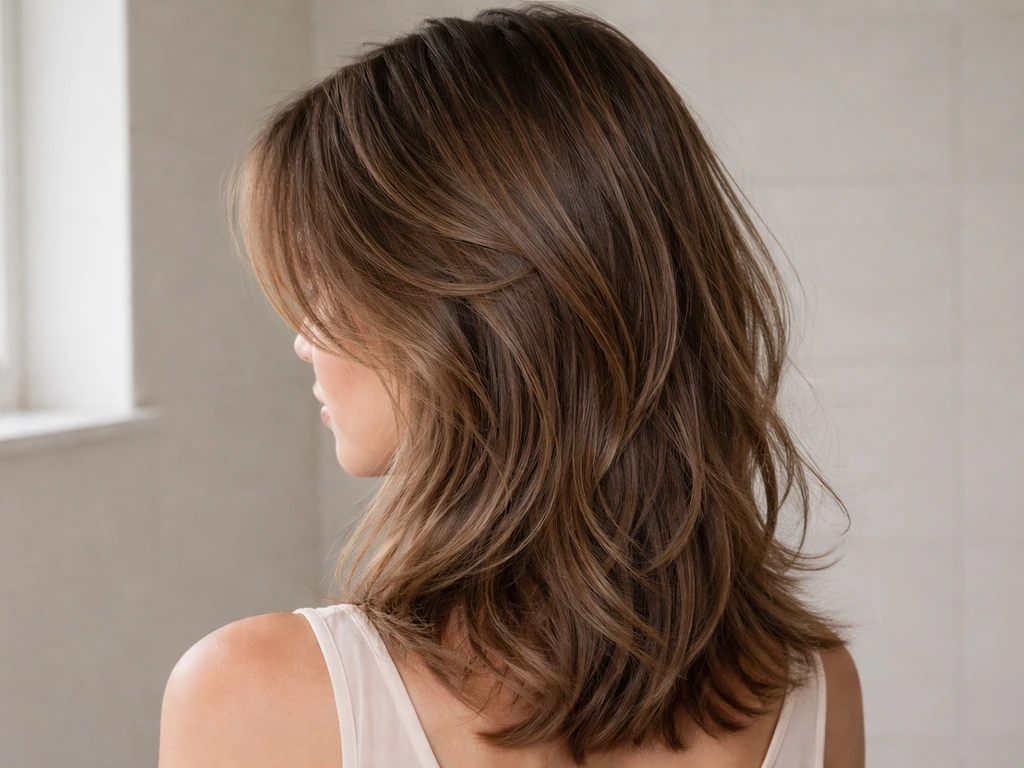
Reality check: how layers grow (and what "fast" can actually mean)
Scalp hair grows at roughly 0.6 to 1.5 cm per month, with 1 cm per month being the most commonly cited average. That means in three months you are looking at about 3 cm of new growth, and in six months roughly 5 to 6 cm. For someone with short layers near the crown, that is a meaningful amount of catch-up length. For someone with long layers that are only a few centimetres shorter than the rest, three months might be all they need to see real blending.
Where people go wrong is expecting growth to automatically mean uniformity. Layers do not simply grow out into one length on their own, especially if the ends are damaged or if the shortest layers are far removed from the longest ones. Growing layers out evenly is a separate question from growing hair longer, and it is worth keeping both in mind as you build your plan. Growing layers out evenly is a separate question from growing hair longer, and it is worth keeping both in mind as you build your plan grow out layers into one length. If you want to make sure your plan works, focus on how to help layers grow out evenly and keep the blended look.
So what does "fast" realistically mean? If you commit to the routine below, reduce breakage, and use smart trimming, most people see a noticeably more blended look within three to four months and a largely unified length within six to twelve months, depending on how dramatic the original layering was. That is the honest range. The goal of this guide is to get you to the faster end of it.
When layers look uneven: should you trim or leave them alone?
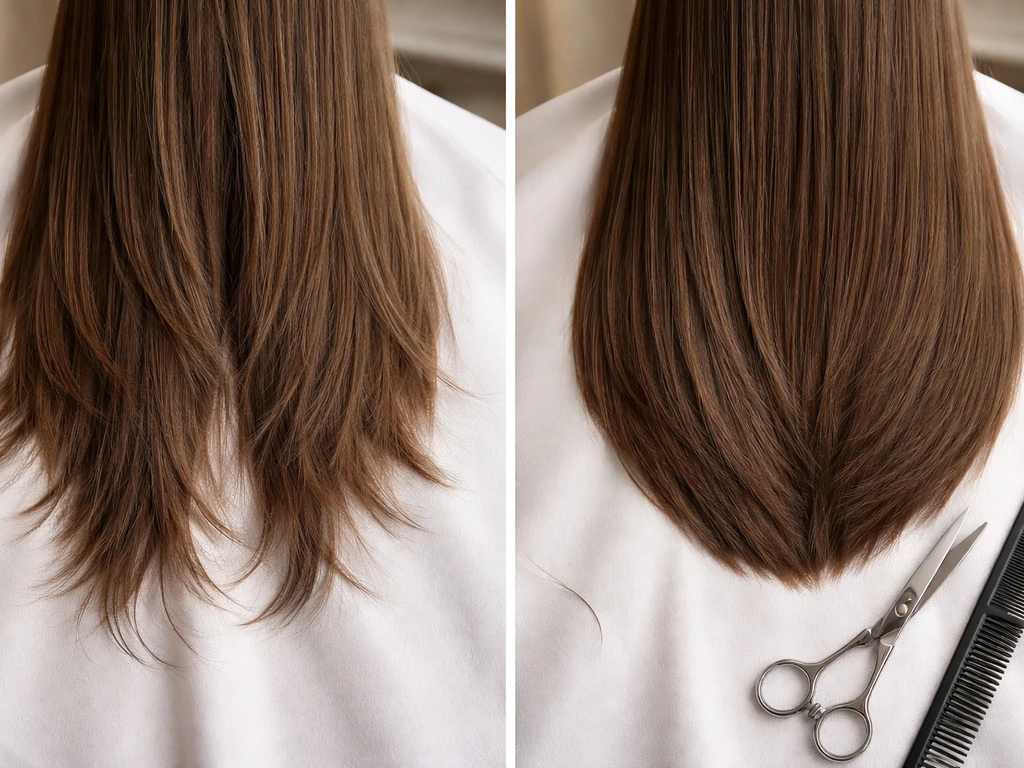
This is the decision that trips people up most. The instinct is to avoid scissors entirely while growing out, but a blanket no-trim rule often backfires. Damaged, split ends travel up the hair shaft and cause more breakage, which means your longest layers actually get shorter while you are waiting for the shortest ones to catch up. The result is a longer grow-out, not a shorter one.
The smarter approach is a maintenance trim every ten to twelve weeks that removes only split ends and rough texture from the longest layers, without shortening them in any meaningful way. A good stylist should be able to take off 0.5 cm or less and leave you with healthier ends that hold onto length better. If your layers are dramatically different lengths (think a pixie grow-out or a very short crown with long sides), a blending trim can also soften the visual contrast so the awkward phase is less obvious month to month.
When should you leave layers completely alone? If your layers are healthy, damage-free, and within about 5 to 7 cm of the longest length, skipping trims for four to six months is a reasonable strategy. Watch the ends closely. The moment you see splitting or fraying, that is your signal to book a small dusting trim before the damage spreads.
| Situation | Recommended strategy | Frequency |
|---|---|---|
| Healthy ends, layers close in length (within 5 cm) | Skip trims, focus on retention | Reassess every 8 weeks |
| Split or rough ends on longest layers | Dusting trim (0.5 cm or less) | Every 10–12 weeks |
| Very dramatic layers (pixie crown, undercut grow-out) | Blending trim to reduce visual gap | Every 8–10 weeks |
| Bangs growing out alongside layers | Shape bangs separately, blend into layers gradually | Every 6–8 weeks for bangs |
A growth plan based on where your hair is right now
Not everyone starts from the same place, and the approach that works for someone growing out a pixie is different from someone managing long layers that are just a bit too short around the face. Here is how to think about it by stage.
Short layers (chin length and above)
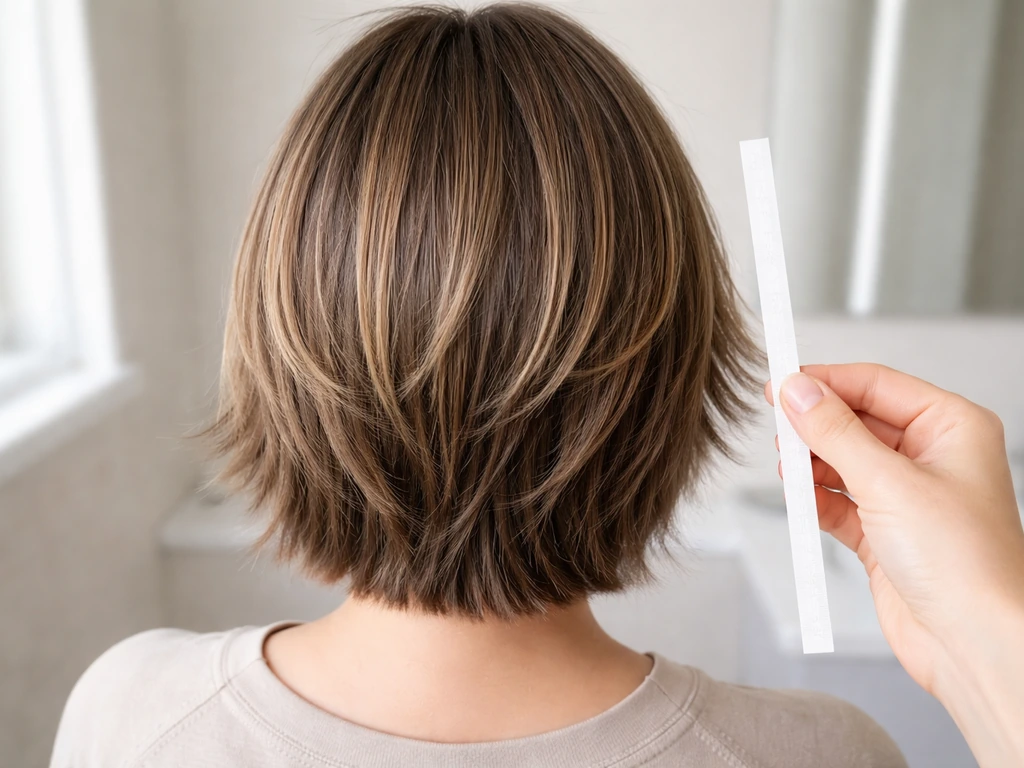
This is the most patience-intensive stage because the length difference between your shortest and longest hair is most visible. At 1 cm per month, you need roughly six to twelve months before most of those shorter layers reach the shoulder area. Focus on blending trims every eight to ten weeks to reduce the harsh visual step between lengths, and lean heavily on styling tricks (see below) to create the illusion of uniformity. Avoid heavy layers of product on the shortest sections, which makes them look even stubbier.
Mid-length layers (collarbone to shoulder)
This is the sweet spot for momentum. Layers in this zone tend to blend more naturally as they grow because there is more overall mass of hair to disguise the steps. A dusting trim every ten to twelve weeks is usually enough. Braids, half-up styles, and textured waves all work well here to minimize the visible layer difference while you wait.
Long layers (below shoulder)
At longer lengths, layers often become almost invisible once the hair has enough weight and density to blend naturally. The main risk here is damage at the ends of the longest layers, which are older and more exposed. Prioritize moisture and heat protection, and consider a single-length trim at the six-month mark if the bottom edge looks scraggly.
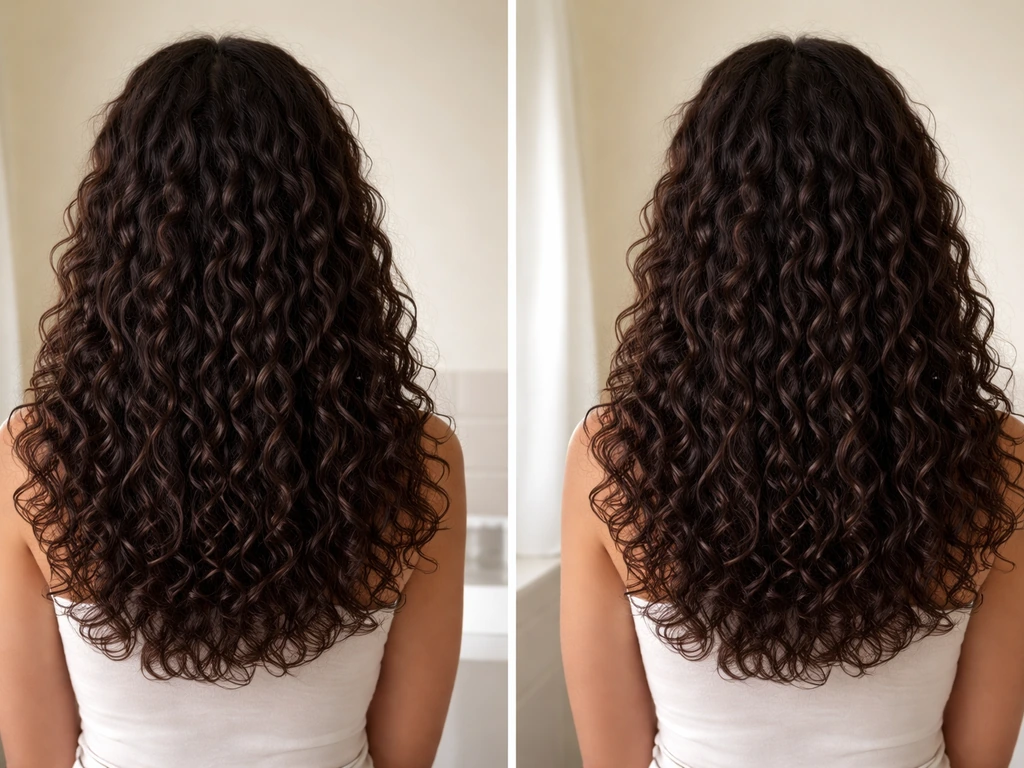
Curly and coily hair
Curly and coily hair has unique shrinkage, which can make layers appear more dramatic than they are in reality. The good news is that curl texture naturally camouflages layer steps better than straight hair does. The challenge is that curly hair is also more prone to dryness and breakage, which makes retention harder. Deep conditioning weekly and avoiding any dry-cutting that disturbs your curl pattern are especially important here. Growing out layers in curly hair deserves its own approach, because managing curl-specific shrinkage and moisture needs changes both the timeline and the styling strategy significantly. For an in-depth routine, see our guide on how to grow out layers in curly hair.
The at-home routine that actually speeds things up
You cannot control the growth rate, but you can control how much of that growth you keep. The biggest silent killer of progress is breakage, which is entirely preventable with a consistent routine. Here is what the routine needs to include.
Washing
Wash frequency should match your scalp, not a generic recommendation. If your scalp is oily, washing every one to two days with a gentle sulfate-free shampoo is fine. If it is dry or color-treated, stretching to every two to three days reduces the stripping of natural oils that protect the hair shaft. Always apply shampoo to the scalp only and let it rinse through the lengths rather than scrubbing from root to tip.
Conditioning
A rinse-out conditioner every wash is non-negotiable for growing out layers. Apply mid-lengths to ends, where the oldest and most vulnerable hair lives. Add a deep conditioning mask once a week, leaving it on for a minimum of five minutes under a shower cap (or twenty minutes if your ends are dry or color-treated). For curly or coily hair, a leave-in conditioner on top of the rinse-out is also worth adding.
Detangling
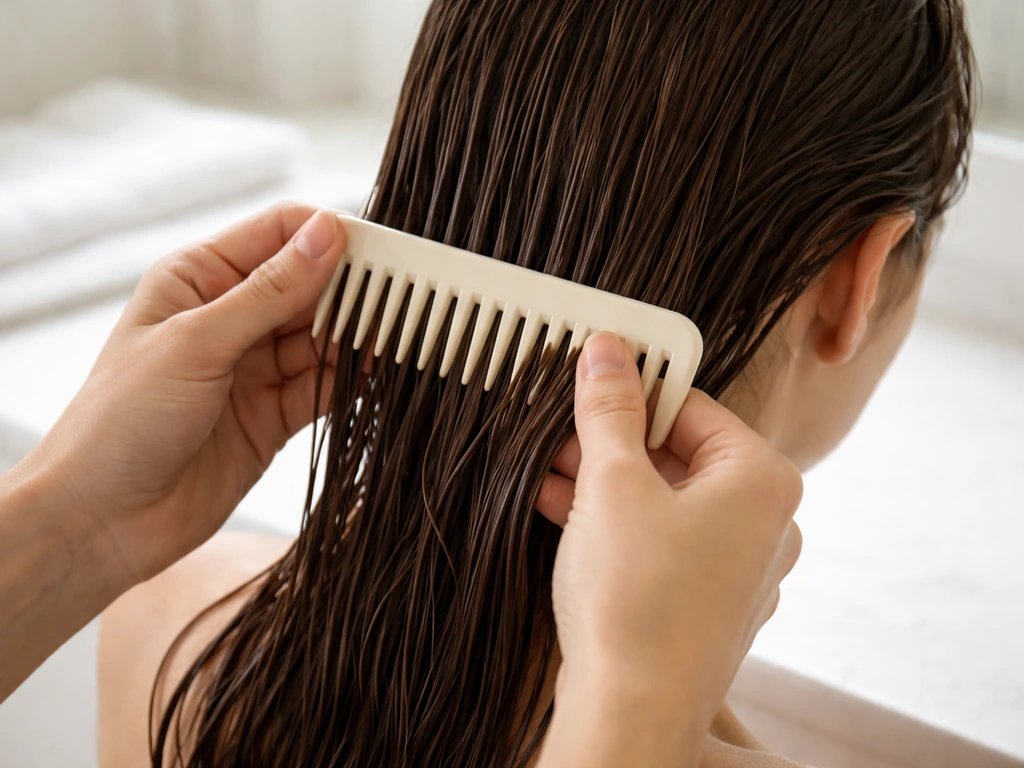
Always detangle on damp (not dripping wet or bone dry) hair. Start at the ends and work upward in sections. A wide-tooth comb or a flexible detangling brush causes far less breakage than a fine-tooth comb dragged from root to tip. Normal shedding runs between 50 and 100 hairs per day, so some hair in the comb is expected. What you want to avoid is the snapping breakage that comes from rushing through knots.
Heat
This is the area most people are honest about but still do not act on. Daily heat styling is one of the fastest ways to create the kind of end damage that undermines your grow-out. If you style with heat, apply a heat protectant spray or cream every single time, cap tools at 180C (350F) for most hair types and 160C (320F) for fine or color-treated hair, and aim for no more than three heat-styling sessions per week. On the other days, use braids, twists, or protective styles that also happen to help blend layers visually.
Styling through the awkward grow-out phase
The awkward phase is real, but it does not have to look awkward every single day. The right styling approach does two things at once: it makes layers blend better visually and it protects hair from additional damage while you wait.
Blending layers with texture and waves
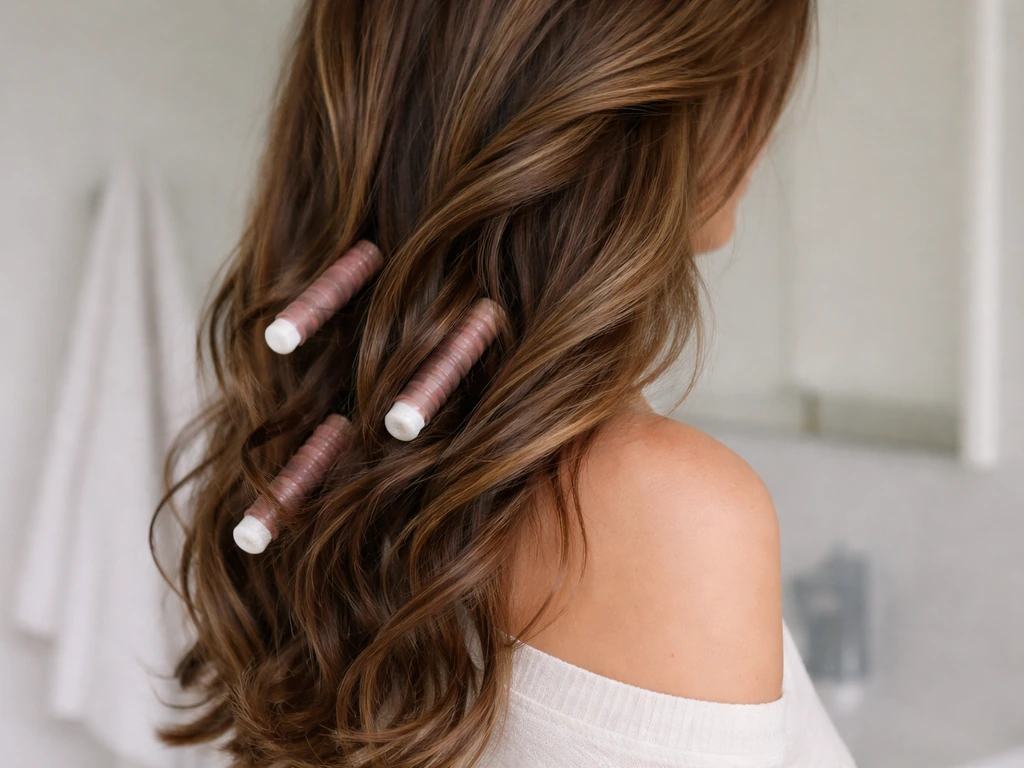
Soft waves and loose curls are the single most effective tool for making layers look intentional rather than uneven. When hair is textured, the eye does not follow a single line looking for where one length ends and another begins. A diffuser or braiding damp hair overnight achieves this without heat. Avoid blow-drying straight while layers are in different growth stages, because that is exactly when the steps between lengths show up most clearly.
Blending bangs into growing layers
If you are also growing out bangs alongside your layers, the two grow-out processes interact in ways that need specific management. Bangs that hit mid-forehead grow into a side-sweep or curtain bang within about three to four months at 1 cm per month. Once they reach the cheekbone, they start to blend with face-framing layers naturally. During the in-between stage, use a small amount of styling cream to push them to one side, or incorporate them into a half-up style. Avoid pinning them straight back, which creates a bulge at the front hairline and emphasizes the grow-out.
Volume tricks for flat or fine hair
Growing-out layers often look flat on fine hair because the shortest layers have not yet added the volume they once provided. A volumizing mousse applied at the root before diffusing or air-drying helps replace that lift. Dry shampoo at the crown adds texture and lift without washing. Velcro rollers set on damp hair for twenty minutes give reliable volume without heat. For men and shorter styles, a light pomade worked through with fingers creates definition that makes layers look purposeful rather than unkempt.
Protective and transitional styles
Low manipulation styles protect ends and buy time between style days. Loose braids, buns, low ponytails, and half-up styles all work well. Avoid tight elastics directly on the ends of your shortest layers, which causes breakage at exactly the section you are trying to grow. Scrunchies or fabric-covered elastics reduce snapping. blank" rel="noopener noreferrer">Satin or silk pillowcases and bonnets also make a measurable difference for people with textured or fragile hair by reducing overnight friction. To help with the look of how to grow out flyaways, keep the ends protected and smooth flyaway-prone areas with a light leave-in or anti-frizz serum after styling. If you are also dealing with flyaways during your grow-out, focus on keeping the ends smooth and using an anti-frizz product after styling flyaways grow out.
Color-treated hair and natural regrowth: special considerations
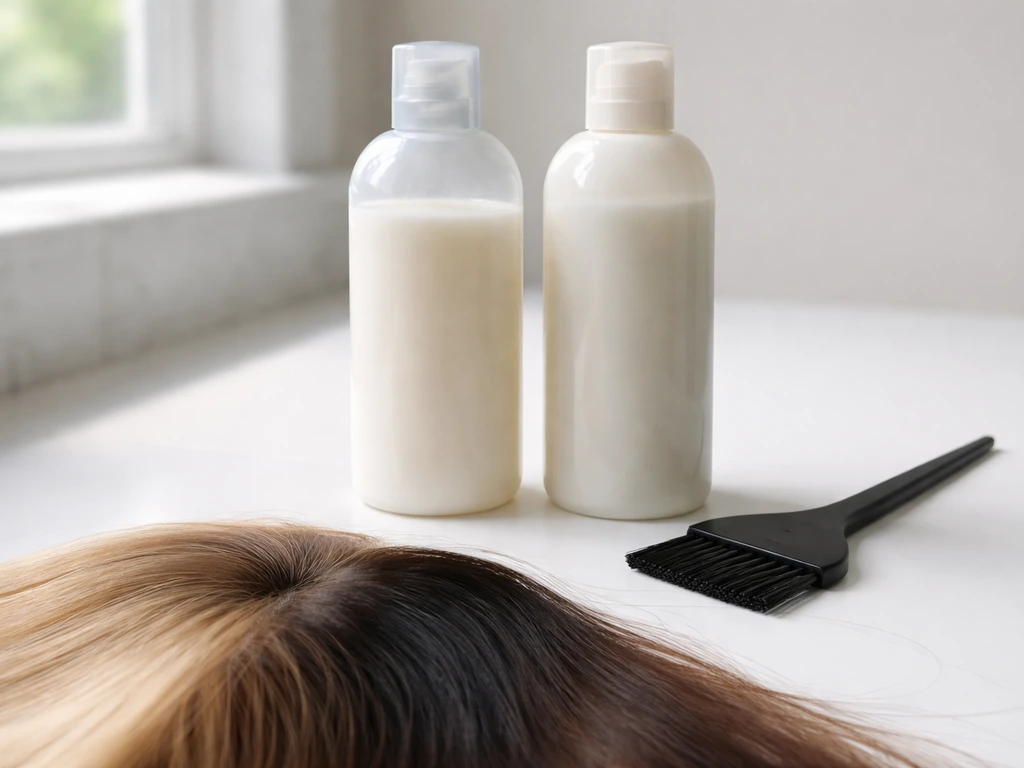
Color-treated hair is more porous and more prone to breakage than untreated hair, which means everything in the routine above matters even more. The bleach or dye process weakens the cuticle layer, so moisture retention becomes harder and heat damage happens at lower temperatures. If you are growing out layers while also managing color, the two processes create a compounding challenge: your ends are both older and chemically processed, making them the most vulnerable section of the hair.
For color-treated layers, use a shampoo and conditioner formulated for color-treated or chemically processed hair. These products are typically lower in sulfates and higher in conditioning agents that help rebuild the cuticle. Protein treatments once a month (not more, since over-proteinizing causes brittleness) help reinforce the hair shaft where bleach has thinned it.
Natural regrowth (the band of uncolored new growth at the root) creates a visible contrast that can be managed in a few ways while layers grow out. Toners and gloss treatments blend regrowth without the damage of full color. Root smudging with a semipermanent shade close to your natural color softens the line while the layers catch up in length. Ask your colorist specifically about low-damage options during the grow-out period rather than defaulting to full retouching, which adds more processing to already-stressed ends.
One important note: if you are growing out layers and transitioning from colored to natural hair at the same time, the line of demarcation (where colored and natural hair meet) can be a significant breakage point. Keeping this area well-moisturized and avoiding tension styles that put stress on the line of demarcation will protect you from snapping off exactly the section of growth you are trying to keep.
How to measure progress and know when to get professional help
Tracking progress keeps you from losing perspective during a grow-out, because day-to-day changes are invisible. Take a photo in the same lighting, from the same angle, once a month. At three months you should see roughly 3 cm of new growth and noticeably less contrast between your shortest and longest layers if you have been consistent with your routine. At six months, most mid-length grow-outs should show real uniformity, and long grow-outs should be close to blending completely.
Signs you are on track: ends look healthy (no obvious fraying or splitting), the shortest layers are visibly closing the gap toward the longest ones, and your styling is getting easier, not harder, as the month progresses.
Signs something is going wrong: your hair looks the same length as it did two months ago despite consistent growth (breakage is outpacing growth), or the ends of your longest layers look thin, see-through, or frayed even though you are conditioning regularly. Both of these are signals to see a stylist, not to wait it out at home.
A professional is also worth seeing if your shortest layers are dramatically different from your longest (more than 10 to 12 cm apart) and you are struggling to style through the transition. A skilled stylist can do a blending cut that reduces the visual gap without sacrificing any meaningful length, which can make the next three to four months much easier to manage. Frame it as a growth-support appointment rather than a cut, and be specific: ask for a blend, not a reshape.
Finally, if you are dealing with layers that simply will not grow out evenly despite doing everything right, it may be worth considering whether you are actually dealing with a structural hair issue (such as uneven growth cycles, scalp conditions, or mechanical damage from the same repeated tension style) rather than a length issue. A dermatologist or trichologist can assess this in a single appointment and give you a much clearer road map than any at-home experiment.
FAQ
If I trim every 10 to 12 weeks, won’t I lose length faster than my layers can catch up?
A maintenance trim is meant to remove only split ends and rough edges, not take off clean length. Ask for a trim sized to your goal, usually around 0.5 cm or less, and confirm you are not getting a full shape reset. If the stylist can’t remove just the damaged tips, you are likely to lose more length than you gain.
How can I tell whether my “not growing” is actually breakage instead of slow growth?
Look for frayed, see-through ends, shorter ends that feel thinner, and lots of short broken pieces rather than a normal, uniform taper. Another clue is that the root-to-mid length feels the same while only the ends look degraded. If that pattern matches, prioritize breakage control and consider a stylist check for a hidden split-end migration.
Should I wash less often if I’m trying to grow layers out fast, or will breakage still happen?
Wash less can help some people retain moisture, but it can also increase friction and tangling if buildup makes hair harder to detangle. The practical rule is to wash to keep the scalp comfortable and rinse away product buildup, then focus on daily handling limits, a good conditioner at every wash, and detangling on damp hair in sections.
What detangling method is least likely to disrupt my layers while they’re in the awkward stage?
Detangle with hair damp and coated in conditioner or slip from a detangler, start at the ends, and work upward in small sections. Avoid brushing through from roots to ends, especially on the shortest layers near the face, because that can snap those pieces and worsen unevenness.
Can I use leave-in conditioner or anti-frizz serum, and where should I apply it during a grow-out?
Yes, but keep the application targeted. Apply leave-in and serum from mid-length to ends, where dryness and friction are most damaging. Avoid heavy product at the root for the shortest layers, since it can weigh them down and make the layering difference look bigger.
Is blow-drying okay if I want to make layers look blended immediately?
It can be, but it’s higher risk if you do it straight while lengths are at different growth stages. If you blow-dry, use heat protectant, keep sessions limited, and consider drying with a diffuser or using a technique that adds softness (waves or bend) rather than pulling everything straight and revealing the steps.
What styling choices are best for protecting the shortest layers near the crown or face?
Choose low-tension styles that avoid pulling on those shortest pieces, like loose braids, loose buns, or half-up styles. If you use elastics, place them above the shortest layer line, use fabric-covered elastics or scrunchies, and avoid tight styles that create stress on the exact section you are trying to keep.
How do I manage bangs growing out at the same time without losing too much time or causing breakage?
Treat bangs as a separate transition. During the in-between stage, use a small amount of styling cream to guide them into a side-sweep or merge them into a half-up style, rather than pinning straight back (which can create a front hairline bulge). When they reach the cheekbone, they should naturally blend into face-framing layers with less styling effort.
I have fine hair, how do I avoid the “short layers make me look thinner” problem while growing out?
Use lift that doesn’t weigh down the shortest layers. A volumizing mousse at the root before diffusing or air-drying can replace the volume your layers lost during the grow-out. Dry shampoo at the crown can add texture, but keep it controlled so you do not coat the lengths and make them look flat or gummy.
If my hair is curly or coily, should I measure growth by length or by what I see in the mirror?
Measure by what you actually have in real time, but track consistency with photos. Curly hair shrinkage can make new growth look slower, even when it is arriving. Use month-to-month photos in the same method and lighting to judge change, and keep weekly deep conditioning as breakage control becomes the bigger limiting factor.
How do I handle color grow-out so the ends don’t break right when the shortest layers are catching up?
Prioritize end integrity. Use color-safe shampoo and conditioner, keep heat lower and protected, and consider protein carefully (not more than about monthly) since processed hair can become brittle if you overdo it. Also avoid tension styles that stress the line where colored and natural hair meet, because that junction is where snaps often start.
When should I consider a blending cut instead of waiting for my shortest layers to catch up?
If the shortest and longest lengths are more than about 10 to 12 cm apart, or styling has become frustrating to the point that you are increasing manipulation or heat, a blending cut can reduce the visual gap without resetting the whole shape. Ask for a blend that supports the next phase of growth, not a reshape that sacrifices length.
What should I do if progress stalls even though I’m following the routine?
If photos show little visible change after about two months, don’t assume growth is the issue. Recheck breakage risk points first: heat frequency, detangling technique, elastic tension, and whether ends are fraying sooner than expected. Then book a stylist or dermatologist/trichologist if you suspect a scalp or structural issue behind the unevenness.