
When your roots grow out, you have three real options: cover them temporarily with a spray or powder, blend them at home with a root touch-up product, or book a salon appointment for toning or color correction. Which one makes sense depends entirely on what type of regrowth you're looking at, natural color coming back after a dye job, bleached roots showing against darker lengths, highlights growing away from the scalp, or a haircut-related contrast like an undercut or layers. Once you know which situation you're in, the fix is pretty straightforward.
What to Do When Your Roots Grow Out: Quick Fixes

Marcus Vickers
31 May 2026
Why roots grow out in the first place
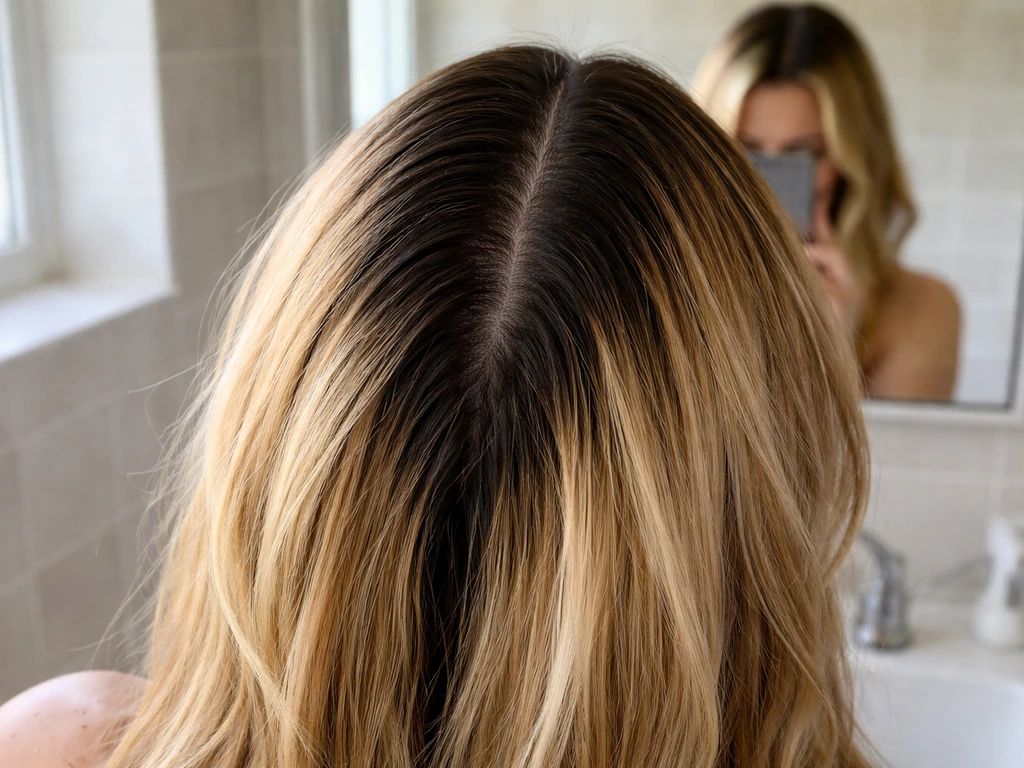
Hair grows about half an inch per month from the scalp, so any color or cut applied to the lengths slowly moves further from where new hair is coming in. But "roots growing out" doesn't mean the same thing for everyone, and the cause shapes the solution.
- Dyed or bleached hair: The most common version. Your natural color grows in at the root while the lengths stay dyed or lightened. The contrast is visible as a line, usually within four to six weeks.
- Highlighted or balayaged hair: Slightly different because highlights are applied away from the root intentionally. Regrowth shows as a band of unprocessed hair between the scalp and where the lightness starts. Balayage tends to grow out more gracefully than foil highlights because the transition was blended to begin with.
- Undercuts and shaved sections: These grow out as texture and length contrast rather than color contrast. A shaved nape or undercut starts to look patchy as the short hair reaches an in-between length.
- Hairline changes after a short cut: Growing out a pixie or buzz means the hairline itself is visibly regressing — framing your face differently each month. This is less about color and more about proportion.
Knowing which category you're in matters because the fixes are genuinely different. Toning a bleached root won't help an undercut that's growing out, and changing your part won't fix a full dye regrowth line that's half an inch wide.
Figure out what's actually growing out
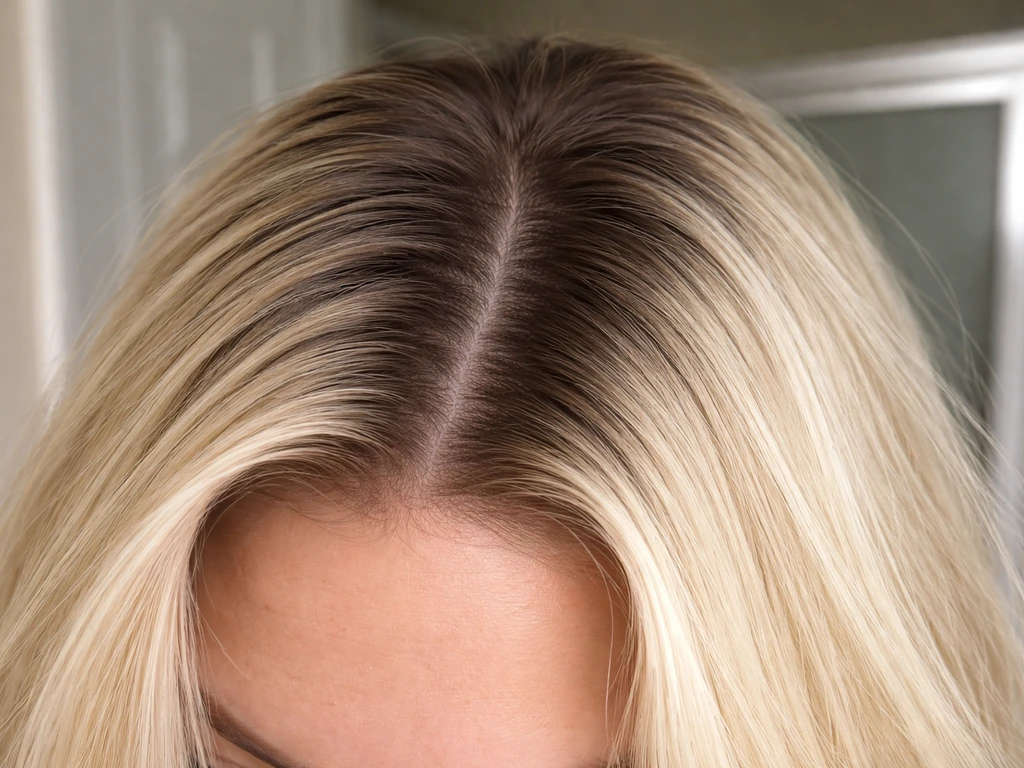
Before you reach for anything, take a real look in good lighting. Here's how to assess your situation quickly.
Natural regrowth after full dye
You'll see a clear horizontal line where your natural shade meets the dyed color. If your natural hair is darker than the dyed color, the root band looks like a dark stripe. If you dyed darker and your natural hair is lighter, it's a softer contrast, often more manageable. The width of the band tells you how long since your last color: roughly half an inch per month, so a one-inch band means about two months of growth.
Bleached roots
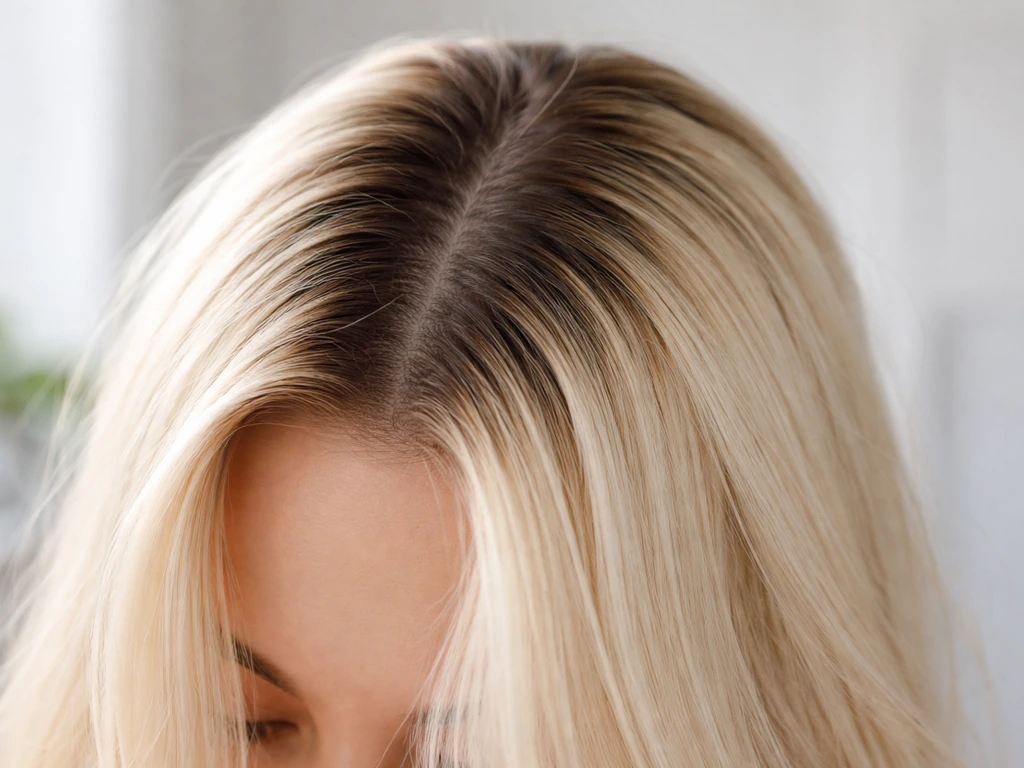
If you're blonde or platinum and your natural hair is medium brown or darker, this contrast is probably the starkest you'll face. The new growth comes in noticeably darker than the lightened lengths, and it tends to look harsh very quickly, sometimes within three weeks. If you've been bleaching repeatedly, the lengths may also be porous or fragile, which limits what you can do safely at home.
Highlights and balayage
Foil highlights that start at or very close to the scalp show a defined root line similar to full dye. Balayage, which was applied mid-shaft or lower intentionally, tends to grow out with much less visible contrast, the root shadow is often part of the look. If you're not sure which you have, look at your roots in direct light: tight, even bands of lightness right at the scalp mean foil highlights; softer, uneven lightness that starts lower means balayage.
Undercut or textured cut regrowth
If the contrast is about length rather than color, a shaved or very short section growing into longer hair, you're dealing with a cut regrowth rather than a color one. This is common when growing out a pixie, buzz cut, or disconnected undercut. There's no color product that fixes this; it's about managing the length through the awkward phase with styling.
Make it look intentional today
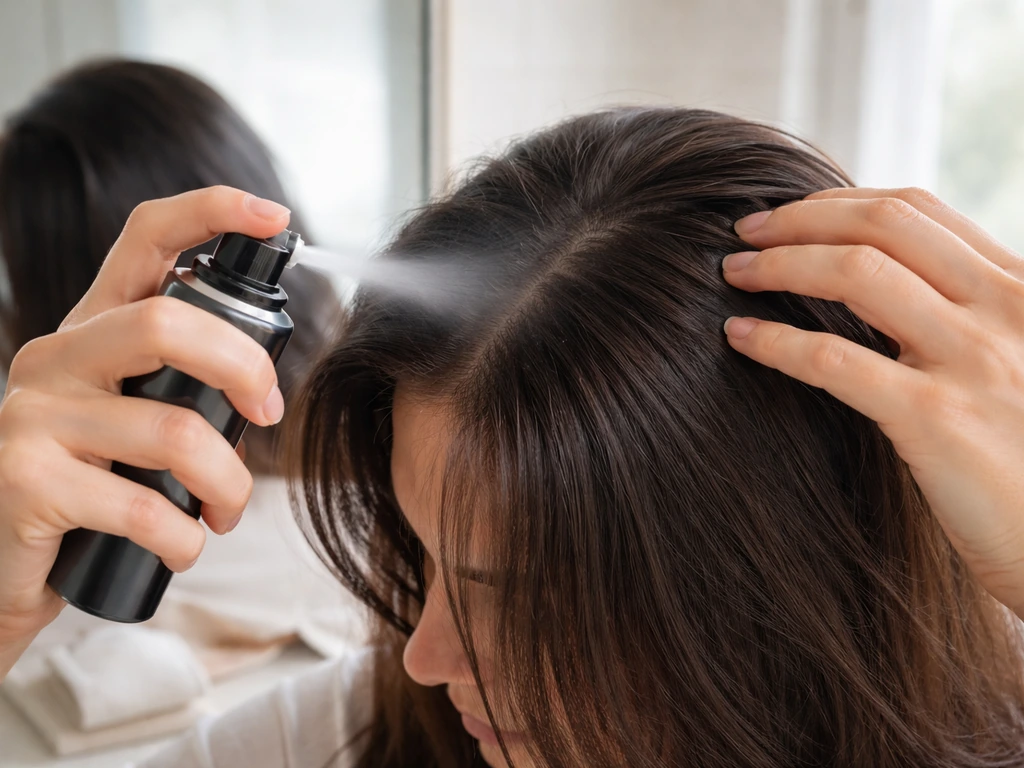
If you need to look put-together right now, whether it's for a meeting, a photo, or just your own sanity, there are a few quick fixes that actually work.
Temporary root cover products
Root cover sprays and powders are genuinely useful for buying yourself a week or two without booking a salon. Products like Clairol's Temporary Root Touch-up Concealing Powder are blank" rel="noopener noreferrer">designed not to stain the skin, which matters when you're applying anything near the hairline. blank" rel="noopener noreferrer">Color Wow's Root Cover Up is a pressed powder you apply with a small end brush, you hold the hair flat to the head and press the product in rather than sweeping across the surface, which keeps it looking natural rather than painted on. Match the shade to your lengths (not your natural root, since you're covering the root), and apply in natural light so you can see what you're doing.
Change your part
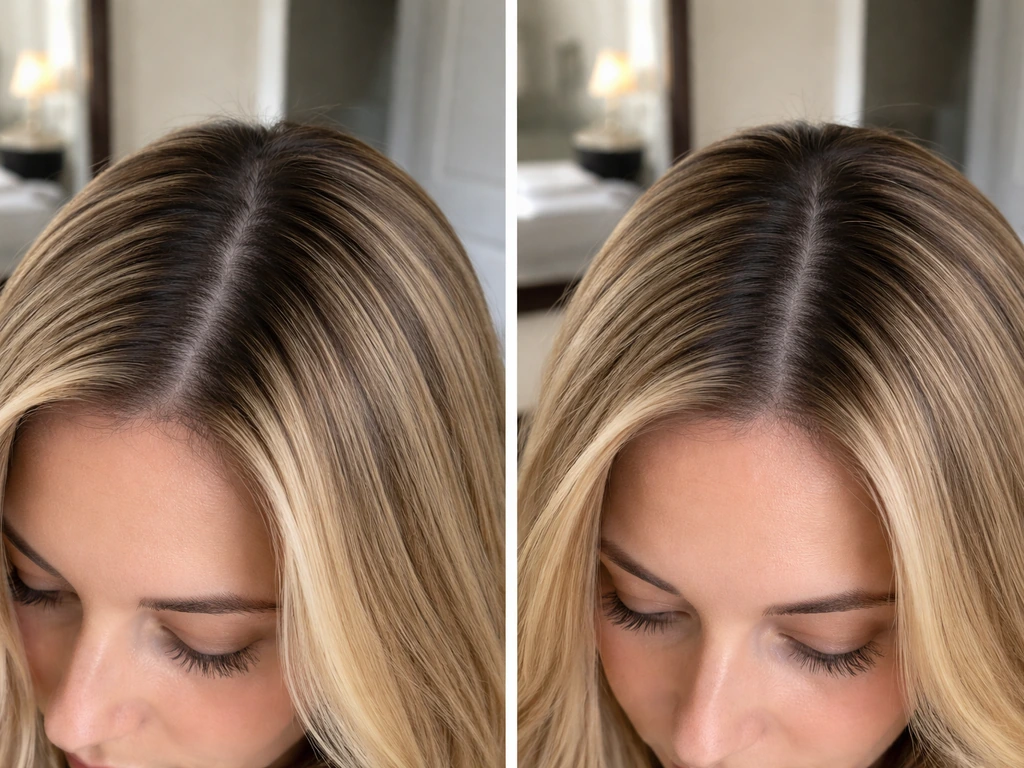
This is the most underrated free fix. Moving your part even half an inch redistributes where the root line falls, and switching from a side part to a center part (or vice versa) can cut visible regrowth in half because the hair folds over itself differently. A deep side part can hide a significant band of regrowth on one side entirely. It's not permanent, but for a day or a week, it works.
Use texture and volume to your advantage
Root regrowth is most visible on flat, sleek hair. Adding waves, curls, or texture breaks up the line visually. A loose wave or braid also blends where the colors transition. If you're growing out a short cut at the same time, texture gives the in-between length something to do while it grows.
Bangs and fringe
If your most noticeable root contrast is at the front hairline, which is common with full dye and foil highlights, bangs or fringe can cover it entirely. This isn't a forever commitment if you already have some length at the front; a curtain fringe or side-swept bang can be styled back out on days you don't want it. For people growing out a pixie, the front section often grows fastest anyway, so working it into a fringe rather than fighting the length is a practical move.
At-home root touch-up: what actually works
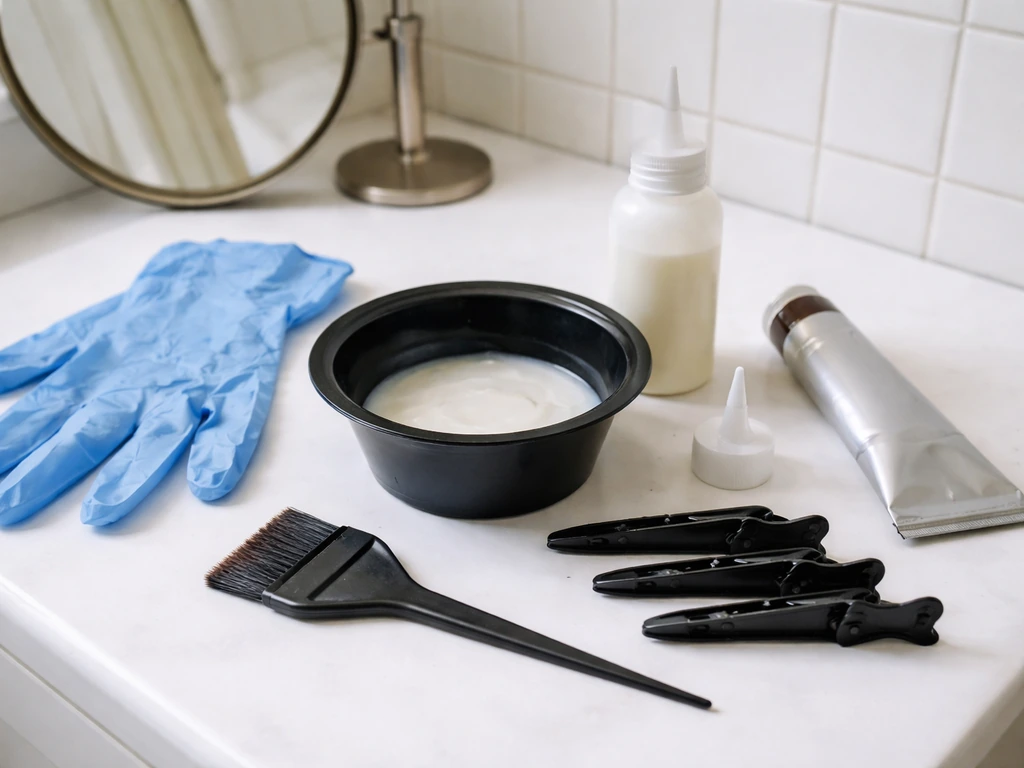
At-home root touch-ups are a reasonable option if your situation isn't complicated, meaning you're not dealing with bleached or heavily color-corrected hair, the contrast isn't extreme, and you're comfortable with basic application. If your regrowth is dark roots under a lighter dye, or a natural shade coming back under a semi-permanent color, this is usually manageable at home.
Choosing the right shade
Match to your lengths, not your natural root color, unless your goal is to go back to natural. Hair dye levels go from 1 (black) to 10 (lightest blonde). If your dyed color is a level 6 medium brown, look for a level 6 root touch-up product. Going one level lighter than your lengths gives a softer root blend, which can work well if your natural hair is darker, it avoids the hard line that a perfect shade match sometimes creates at the regrowth edge. Avoid going lighter than your lengths unless you're comfortable with unpredictable lift on your natural hair.
How to apply safely
- Do a strand test on a small section 48 hours before. This is especially important if you have a history of scalp sensitivity or if the root product is a different brand than what you used before.
- Apply to dry hair in sections. Part the hair where the regrowth is most visible and apply the color only to the new growth — not the full length. Over-processing already-dyed lengths makes them porous and harder to color evenly later.
- Use the smallest applicator possible. A thin brush or the tip applicator included in most root kits gives you precision. Flooding the scalp with product is how you get uneven coverage.
- Time it carefully. Most permanent root touch-up products process in 20 to 30 minutes. Don't go longer hoping for better coverage — it won't help the color and it does stress the scalp.
- Rinse thoroughly and condition. The lengths don't need the color, but they do need moisture. Use a color-safe conditioner after rinsing and skip shampooing for at least 24 hours post-application.
One thing worth being honest about: if your roots are more than about an inch of growth, or if you've been alternating between products and the color is inconsistent across the lengths, an at-home touch-up is going to get messy fast. That's a salon conversation.
When to go to a salon instead
Some root situations genuinely require a professional, and trying to fix them at home usually makes the job harder and more expensive later. Book a salon appointment if any of these apply to you.
- You're working with bleached or platinum hair. Growing out bleached hair requires careful toning and sometimes color correction. The margin for error at home is small, and an over-processed scalp can mean breakage.
- Your color has gone significantly off. If there's brassiness, green tones, or the regrowth is a different texture or porosity than the lengths, a colorist can assess what's happening and fix it in one visit rather than multiple correction rounds.
- You want to go permanently lighter at the root. Lightening natural root growth requires bleach, and applying bleach to the scalp area at home — especially close to existing dye — is high-risk.
- You're transitioning color entirely. Going from a full dye to natural regrowth, or switching from one color family to another, often involves a plan across multiple appointments. A single at-home box won't bridge a large color gap cleanly.
What to ask for and what to expect
For moderate regrowth on dyed hair, ask for a root touch-up or root retouch. If there's brassiness or warmth in the lengths, ask for a gloss or toner on top, this typically adds 15 to 30 minutes and around $30 to $60 depending on the salon. For bleached or platinum regrowth, you're looking at a root lightening service plus toner, which runs $100 to $200 or more at most salons and takes two to three hours. Color correction (fixing a color that's gone wrong) is priced by time and usually requires a consultation first. Budget $150 to $300 and multiple visits for anything involving significant color change. Timing-wise, book a root touch-up every six to eight weeks if you're maintaining a dyed look. If you're letting your natural color grow back, a single toning or blending appointment every three to four months can make the transition look deliberate rather than neglected.
A maintenance plan so it doesn't get out of hand
Preventing the regrowth from looking harsh is mostly about slowing down how visible it gets, which means extending the life of your color as long as possible.
Wash less, color lasts longer
Frequent washing fades color faster than almost anything else. If you're currently washing every day, dropping to every two or three days buys you meaningful extra time before the regrowth line becomes obvious. Use a dry shampoo or co-wash between rinses. When you do wash, use cool or lukewarm water, hot water opens the hair cuticle and speeds up color fade.
Color-depositing conditioners and glosses
A color-depositing conditioner used once or twice a week refreshes the tone in the lengths and makes the transition from root to length look softer. These are particularly useful for brunettes who want to keep their brown or chestnut color vibrant, and for blondes managing brassiness between toning appointments. At-home glosses (like Kristin Ess or Garnier Nutrisse Colour Gloss) add shine and deposit a small amount of semi-permanent tone, they don't cover regrowth, but they do reduce the contrast between root and length by refreshing the mid-shaft and ends.
Schedule and frequency
| Situation | Recommended touch-up frequency | Best approach |
|---|---|---|
| Full permanent dye (dark to medium) | Every 6 to 8 weeks | At-home root touch-up or salon retouch |
| Full permanent dye (light or bright) | Every 4 to 6 weeks | Salon retouch + gloss |
| Foil highlights | Every 8 to 12 weeks | Salon — partial or full highlight |
| Balayage | Every 12 to 16 weeks | Salon gloss or toner; full refresh every 6 months |
| Bleached/platinum | Every 6 to 8 weeks | Salon root lightening + tone |
| Letting natural regrowth come in | As needed | Blending gloss or toner every 10 to 12 weeks |
If you're growing out a short cut at the same time
Growing out a pixie, buzz cut, or bob while managing root regrowth is genuinely one of the more frustrating combinations, because you're dealing with length awkwardness and color contrast at the same time. The good news is that short cuts grow out in stages where certain lengths are more manageable than others, and having some color strategy during that time actually helps with the styling.
In the first one to three months of growing out a very short cut, the hair at the crown and top grows fastest. If that hair is dyed or lightened, this is where you'll see regrowth first. A temporary root powder at the crown buys time without committing to a touch-up that might look odd as lengths continue to change. If you're growing out a pixie with colored hair, a soft root shadow or lowlight added by a stylist can bridge the color gap as you grow, making the natural root look like part of the style rather than a mistake.
By the three to six month mark, the sides and back start catching up, and this is often when an undercut or shaved section becomes really visible. If that section is also a different color from the longer top hair, the contrast doubles. At this stage, a light all-over gloss or demi-permanent color can unify the hair as a whole without locking you into a hard maintenance commitment. For people growing out dark roots under blonde lengths during this phase, embracing a root shadow, where the colorist intentionally softens and blends the root rather than eliminating it, is one of the most low-maintenance and stylish approaches available. Topics like growing out bleached hair or managing dark roots through a long transition deserve their own deep dive, but the short version is: lean into the blend rather than fighting it. Topics like growing out bleached hair or managing dark roots through a long transition deserve their own deep dive, but the short version is: lean into the blend rather than fighting it.
When the root problem might be something more serious
Most root regrowth is straightforward, but occasionally what looks like a color issue is actually a sign of something worth paying attention to.
Signs of hair damage
If the hair near your roots (specifically in the first inch or two of growth) is breaking, snapping, or feeling gummy when wet, that's not regrowth, that's damage. Repeated bleaching or over-processing at the root zone weakens the hair shaft just as it emerges, and putting more color on top will make it worse. Stop any chemical processing and use a protein and moisture treatment for several weeks before doing anything else. If breakage is significant, see a professional rather than trying to manage it alone.
Uneven regrowth patterns
If your roots are growing in unevenly, some sections fast, some almost not at all, or patches that look thinner than the surrounding hair, that can indicate scalp health issues rather than a color problem. Stress, hormonal shifts, nutritional deficiency, and conditions like alopecia can all affect regrowth patterns. A dermatologist or trichologist (a specialist in scalp and hair health) is the right person to see, not a colorist.
Scalp sensitivity and reactions
If your scalp is itchy, red, flaking, or burning at the root area, especially after a color service, stop using any color product immediately. Contact dermatitis from PPD (a common dye ingredient) or other chemical sensitivities can escalate from mild irritation to a serious reaction. Even if you've used the same product before without issues, sensitivity can develop over time. Patch test every time, and if you've had any reaction in the past, tell your colorist before your next appointment.
Your action plan, depending on where you are right now
To wrap this up practically: if you need a fix today, grab a temporary root powder or spray in a shade close to your lengths, change your part, and add some texture. If you're comfortable doing a touch-up at home and your situation is a straightforward dye regrowth without bleach involved, pick a shade that matches or goes one level lighter than your current color, apply only to the new growth, and time it carefully. If you want a quick way to grow out dark roots between salon visits, a careful at-home root touch-up can help blend the new growth touch-up at home. For more on how to let your roots grow out comfortably while keeping the blend looking intentional, follow the steps for assessing your regrowth and choosing the right temporary fixes. If you're dealing with bleached roots, significant color correction, major length transitions, or any scalp concerns, book a salon appointment and describe exactly what you're seeing. If you're trying to grow out bleached hair, it helps to plan your toning and blending schedule so the regrowth stays as seamless as possible bleached roots. You don't have to wait until it gets bad, a toning appointment at six weeks is much simpler and cheaper than a correction appointment at twelve. If your goal is figuring out how to grow out white hair, starting with a salon consult for what you are seeing can help you choose the safest transition plan.
FAQ
Can I just dye over the roots to avoid the harsh regrowth line?
You can, but it depends on the cause of the line. If the contrast is from undyed regrowth (natural hair coming in under dyed lengths), overlaying new color can sometimes look blotchy if the root zone has different porosity. If you already have bleached or previously lightened hair near the scalp, repeated color on top can worsen dryness and breakage, so it’s safer to do a professional retouch or at least use a demi-permanent root retouch that deposits rather than aggressively lifts.
What shade should I choose if my roots are a mix of dark and lighter strands?
Match to your dyed lengths, but adjust the approach for mixed roots. If you see both darker and lighter regrowth bands, using a single “perfect” level can make one of them look off. A better compromise is a root cover shade that blends closest to the majority of your lengths, then plan a salon toner for the remaining mismatch once the pattern stabilizes (often after one wash cycle and a couple weeks of growth).
How long does a temporary root powder or spray actually last?
Most temporary covers hold until you wash, but they can fade faster if you have oily roots, heavy sweating, or if you use styling products that slip or build up. Expect better wear on day-two hair with less oil, and use dry shampoo at the scalp carefully, since heavy residue can cause the powder to clump. If you notice patchiness, lightly brush the area and reapply only where the line shows.
Is changing my part enough if the regrowth is already more than an inch?
Sometimes it buys time, but it won’t fix a fully established band when the growth is long enough to show across multiple sections. If your root line is wide, switching parts can still help in photos and for daily wear, but plan a touch-up sooner, especially if your roots are much darker than the lengths (contrast travels farther as the band widens).
Can I use color-depositing conditioner near the scalp to “fill in” regrowth?
Generally, you should avoid using it at the hairline if you are trying to match very specific root coverage, because it deposits tone unevenly and can stain or look patchy on the first inch. If you want to use it, apply mainly to the mid-shaft and ends to soften the transition rather than trying to fully disguise new growth. For true root blending, a gloss or toner service (or a root touch-up product designed for new growth) usually works more reliably.
How do I tell if my “roots” are regrowth or actual scalp damage?
Look beyond color. If the first one to two inches feel gummy when wet, snap easily, or you see short broken hairs instead of smooth length growth, that points to damage rather than regrowth. In that case, adding more dye is a mistake. Pause chemical processing, focus on repair (protein and moisture), and get a professional opinion if breakage is obvious.
What should I do if my at-home root touch-up looks too orange or too dark?
First, don’t keep adding more product immediately. Orange usually indicates warmth in the formula or that your natural base is pulling warmer as it grows out. Try a clarifying wash to remove excess deposit, then use a toner or color-depositing conditioner targeted to the opposite direction (cooler or ash-leaning) only on the lengths or the area that looks off. If it’s significantly off across multiple sections, a salon correction will cost less than repeated trial-and-error.
Do I need a patch test every time even if I used the same dye before?
Yes. Sensitivities can develop over time, and the same “brand” does not guarantee identical reactions across formulas and shades. Do a patch test each time you use a new dye or root product, and if you have any prior reaction history, tell your stylist before your next appointment. If your scalp is already irritated, do not apply more color until it’s fully resolved.
Can I get away with at-home touch-ups if my hair has highlights but not full color at the roots?
Often yes, but only if the regrowth line is subtle and you’re not trying to create a sharp match at the scalp. For foil highlights, the root band can be more defined, so powder or a targeted root product can work better for quick blending. If you’re unsure whether your highlight pattern is foil or balayage, check in direct light first, because the correct “blend strategy” differs.
When should I stop DIY and book a salon?
If your root band is around an inch or more, if your roots and lengths have become inconsistent after multiple attempts, or if your regrowth is bleached and your hair feels porous or fragile, it’s time to stop experimenting. Also book a consult sooner if you have any signs of scalp issues (burning, intense itching, redness, flaking) after color. A stylist can also map out a toner schedule so you don’t over-process trying to fix tone and contrast at the same time.