
Letting your roots grow out is genuinely doable, but how you handle it depends on what your roots actually are. Natural regrowth showing through dye is a completely different challenge from a pixie or undercut growing into a bob, or bleached hair developing a dark root line. Once you know what you're dealing with, you can stop fighting it and start managing it smartly: protect the hair you have, style through the awkward weeks, and decide how much (if any) color work you want to do along the way.
How to Let Your Roots Grow Out: Timelines and Tips

Marcus Vickers
15 Jun 2026

What 'letting roots grow out' actually means for your situation
The phrase covers a few different things, so let's be specific. You might be dealing with one (or more) of these at once:
- Natural color regrowth through a dyed base (dark roots under blonde, grey roots under brunette, etc.)
- A grown-out cut where the shape itself — a pixie, undercut, bob, or heavily layered style — is what's transitioning
- Bleached or highlighted hair where the new growth creates a visible demarcation line
- Bangs that are growing long enough to cause daily styling headaches
- Textured or natural hair that was chemically straightened and is showing new curl pattern at the root
Each of these needs a slightly different strategy. Someone growing out a pixie into a lob is mostly dealing with shape and length transitions. Someone growing out platinum blonde is managing a sharp color contrast. And someone with tightly textured hair growing out a relaxer is navigating two different hair textures on the same head. Identifying which category (or combination) fits you is the first step, everything else flows from there.
Protect the roots so the growth is actually healthy

Hair grows about half an inch per month on average, roughly 4 to 6 inches per year. That's slow enough that any damage you're causing now will show up for months. So before you think about styling or color, get the basics right.
Scalp care
A clean, healthy scalp is where growth starts. Gently massage shampoo into your scalp rather than scrubbing, aggressive scrubbing stresses the follicles and creates tangles. Let your hair partially air-dry before detangling, then use a wide-tooth comb, working from the ends upward rather than dragging from root to tip. If you have tightly coiled or textured hair, detangling while hair is wet (with a wide-tooth comb or detangling brush) actually reduces breakage compared to detangling dry.
Heat and chemical limits
Heat styling every day and overlapping chemical services are the two fastest ways to snap off the new growth you're trying to keep. During a grow-out, aim to reduce heat styling to a few times a week at most, use a heat protectant every single time, and try to stretch the time between any chemical services (color, relaxer, keratin) as long as possible. If you're growing out bleached hair specifically, the new growth is structurally stronger than your bleached lengths, protect both by reducing unnecessary processing.
Tight styles and traction
Styles that pull hard on the hairline, tight ponytails, braids pulled too close to the scalp, or slick-back styles done daily, can cause traction alopecia over time, which shows up as thinning or short broken hairs around the edges. During a grow-out, your edges and hairline are already doing extra work. Rotate your styles, keep tension loose, and if something hurts, loosen it. If you notice unusual thinning, see a dermatologist, it's worth catching early.
What to expect week by week (realistic timelines)
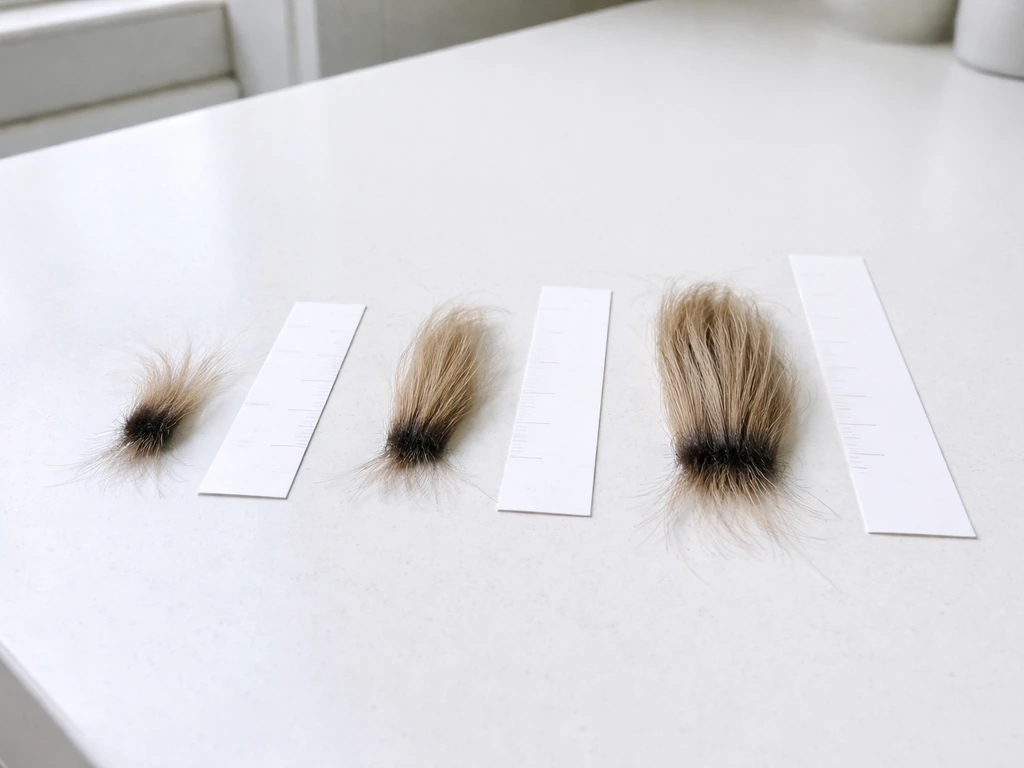
The awkward phase is real, and pretending it isn't doesn't help anyone. Here's an honest breakdown of what to expect at different stages, so you can plan your styling strategy rather than be surprised.
| Timeframe | What's happening | The main challenge |
|---|---|---|
| Weeks 1–4 (0–0.5 inch of new growth) | Root line becomes noticeable, especially with high-contrast color | Color demarcation or shape starts looking 'grown out' |
| Weeks 4–8 (0.5–1 inch) | Pixie and undercut sides start losing their clean shape; root color clearly visible | In-between length on short cuts; contrast peaks |
| Months 2–4 (1–2 inches) | Most awkward phase for cut transitions; bangs hit eyebrow/eye level | Hard to style as either short or long; bangs in the eyes |
| Months 4–6 (2–3 inches) | Bangs can be pinned back reliably; pixie approaches a short bob shape | Uneven layers, volume in wrong places |
| Months 6–9 (3–4.5 inches) | Short bob territory; bangs reaching chin-frame length on most people | Managing layers that hit at unflattering lengths |
| Months 9–12+ (4.5–6 inches) | Bob growing toward lob; most grow-outs feel more intentional at this stage | Patience — the end is closer than it feels |
These timelines shift based on your individual growth rate, age, and health. Some people grow closer to 0.35 inches a month; others hit close to 0.6 inches. Curly and wavy hair also appears shorter than it is due to shrinkage, so the timeline can feel longer even when growth is on track. Don't compare your progress to someone with a different hair type.
Styling tricks to work with (not against) visible roots
The goal here is to stop trying to hide what's happening and start styling in ways that make the transition look deliberate. Most people look better during a grow-out when they lean into it rather than fight it.
Change your part
A new part location redistributes where regrowth is most visible and changes the shape of your style without touching scissors or dye. If you've always worn a center part, try a deep side part, it breaks up the symmetrical root line and creates volume on the crown. This alone can buy you several extra weeks before the roots become the first thing you notice.
Waves, curls, and texture
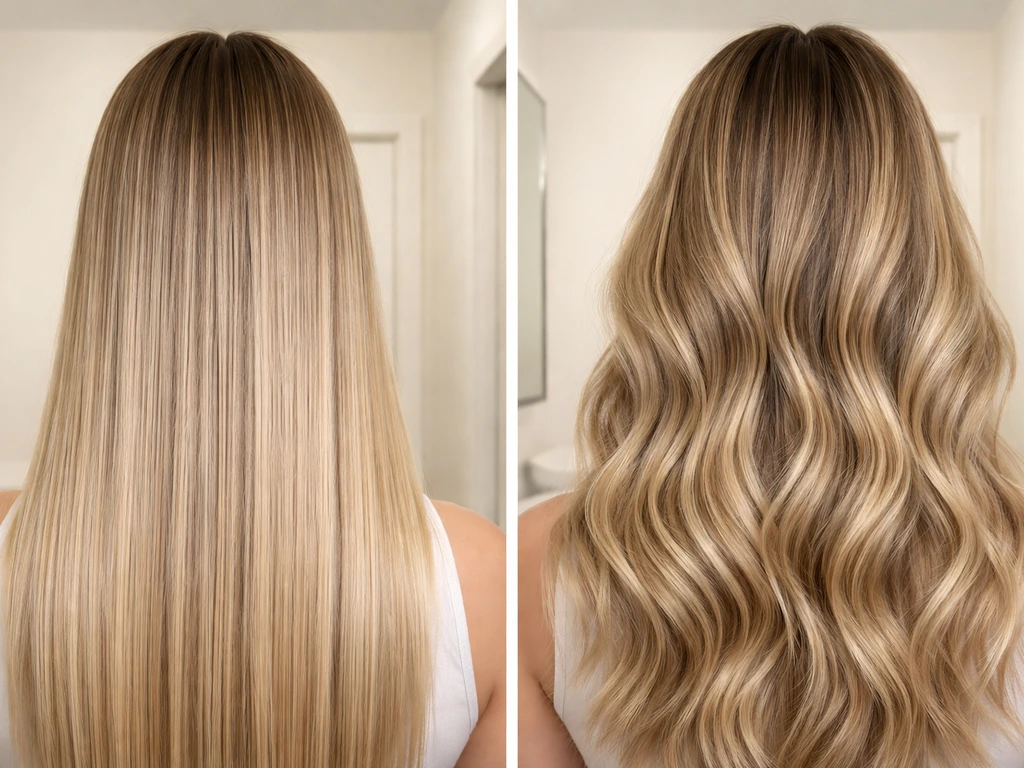
Texture is your best friend during a grow-out. Waves and curls scatter light and break up hard lines, making the root-to-length contrast much less obvious than straight, sleek hair where every millimeter of regrowth is on full display. If you naturally have texture, work with it. If you're heat styling anyway, loose waves with a large-barrel curling iron do more to disguise roots than anything flat-ironed.
Accessories and protective styles
Headbands, claw clips, scarves, and wide barrettes aren't a cop-out, they're legitimate styling tools that also protect your hair. A headband covers the most visible part of your root line while keeping hair off your face. Protective styles like braids, twists, buns, and loose updos reduce daily manipulation, which means less breakage and faster-looking progress. Just keep the tension loose (see the traction section above).
Slick-backs and strategic updos
A sleek low bun or slicked-back look actually works well during a root grow-out because it frames regrowth as an intentional aesthetic rather than an accident, think 'grown-in roots' instead of 'outgrown color.' Use a light pomade or edge control to smooth things down without going too tight.
Color management while you wait
You don't have to choose between fully maintaining your color or going fully cold turkey. There's a practical middle ground that keeps things looking intentional while you grow.
Targeted root touch-ups
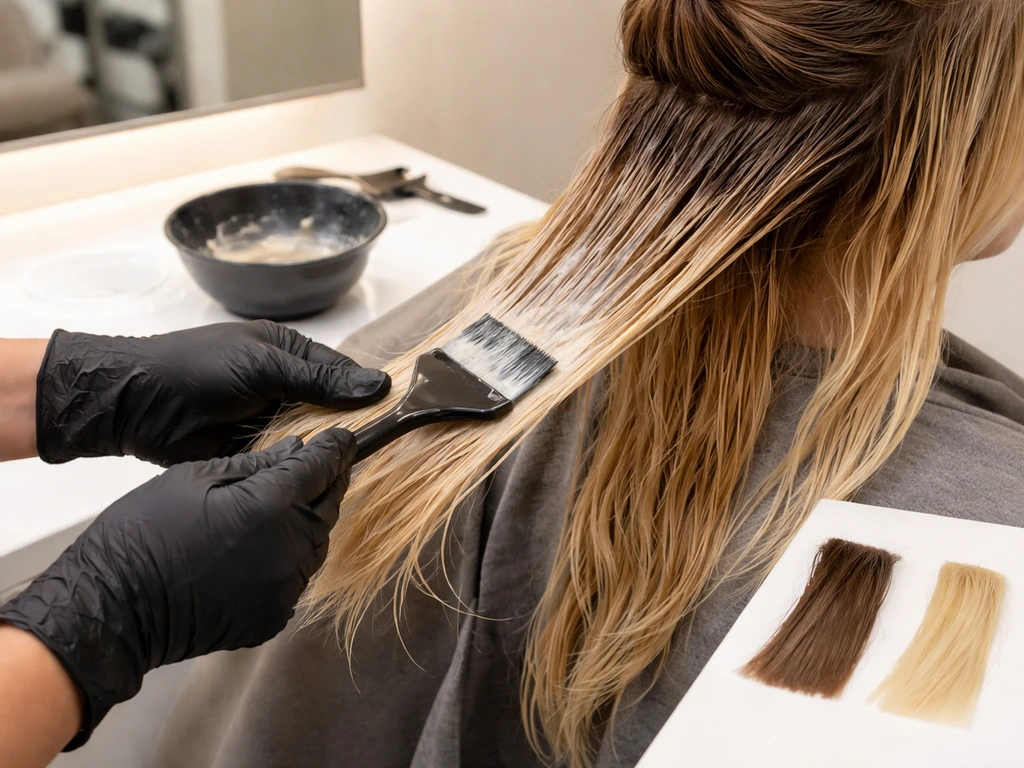
If you're maintaining a dyed base but just trying to reduce salon frequency, many people touch up roots every 4 to 6 weeks depending on how fast their hair grows and how much contrast exists. Root powders and sprays are a fast in-between fix, they wash out but genuinely buy you a week or two of coverage in high-contrast situations like events or job interviews. Semi-permanent and demi-permanent formulas are less damaging than permanent color for quick touch-ups when the new growth is still short. Semi-permanent, demi-permanent, and permanent product categories affect how long touch-ups last, according to Consumer Reports Semi-permanent and demi-permanent formulas.
Toners and glosses to reduce contrast
If you're growing out highlights or blonde over darker roots, a toner or gloss applied over your lengths can tone them down slightly, bringing the overall shade closer to your natural color and reducing the harsh contrast at the root line. This is a lower-commitment option than re-dyeing and won't cause the damage that repeated bleaching would. When the dye fades, the process of how to grow out dark roots can be managed with the right color strategy and protective styling. A professional gloss at the salon every couple of months is enough to keep things looking blended without committing to a full color service.
Root smudging
If your natural root color is close to your dyed color, a root smudge, where a colorist blends your natural root into your colored lengths with a diffused, soft edge, can make the grow-out look intentional and almost seamless. This works especially well for balayage and lived-in blonde looks. Growing out blonde hair with dark roots or growing out dark roots specifically have their own nuances worth reading about separately, since the strategy changes based on the direction of contrast.
When to see a colorist
Go to a professional if: your roots and lengths are very different in tone (think platinum blonde on jet black), if you're seeing banding or uneven color from previous at-home application, or if you want to shift strategy entirely (for example, going from full-color to balayage as a more grow-out-friendly maintenance approach). Trying to fix major color issues at home often creates more work.
A colorist can also advise on how to grow out platinum bleached hair or white hair in a way that minimizes the transition shock, both situations where DIY can go sideways quickly. If you want to grow it out as smoothly as possible, getting a colorist's plan for platinum bleached hair can make the transition a lot easier to manage how to grow out platinum bleached hair in a way that minimizes the transition shock.
A colorist can also help you develop a plan for how to grow out white hair while minimizing the transition look.
Bangs, undercuts, layers, and tricky regrowth patterns
Growing out bangs
Bangs are often the most frustrating part of any grow-out, they're right in your face (literally) and they hit a truly annoying length around weeks 6 to 10 when they're too long to sit flat but too short to sweep back. The good news: growing out bangs is one of the more manageable grow-outs once you have a plan. Use bobby pins, small clips, or a headband to push them back and off your face. After about 4 to 6 months, most bangs can be blended into a face frame. Full chin-length integration typically takes 6 to 9 months, and curly or wavy hair may take longer due to shrinkage.
Growing out an undercut
Undercuts present a specific challenge: the disconnected shorter section grows in at a different rate than the top, and there's a point (usually around month 2 to 4) where the undercut length is just long enough to poke out from under the top layer in weird ways. The strategy here is to use the top length to cover the growing-in section as long as possible, loose waves, textured styles, and slight volume at the crown all help. Avoid going too sleek, which makes the undercut section visible.
Layers and regrowth patterns
Heavy layers create an especially choppy, uneven look as they grow out. The temptation is to cut them again, but every trim resets your timeline. Instead, ask your stylist for a 'dusting', removing only the very ends to reduce splits without taking off meaningful length, and use styling techniques to blend layers. Waves and curls disguise layer lines better than anything. If you have very short layers sticking up around a crown or top section, light styling cream or pomade will help them lie down.
Natural texture regrowth (relaxed or chemically treated hair)
Growing out a relaxer or keratin treatment means managing two different textures on the same head, natural curl or coil at the root, and straighter/looser texture further down. This is a real structural stress point where breakage is most likely to happen, right at the line of demarcation. Keep that zone moisturized, be very gentle when detangling, and avoid any chemical overlap on the same section. Protective styles help a lot here.
Building a routine so the grow-out doesn't get worse
The best prevention strategy is a consistent routine that's realistic enough to actually stick to. Here's what that looks like broken down by what you need to do and how often:
| Frequency | What to do |
|---|---|
| Every wash day | Wide-tooth comb from ends to roots; gentle scalp massage with shampoo; condition mid-lengths to ends; air-dry when possible |
| Every styling session | Heat protectant before any tool; keep heat under 375°F for fine/damaged hair; avoid daily flat-ironing |
| Weekly | Deep conditioning mask or oil treatment on lengths; check edges for signs of traction stress |
| Every 4–6 weeks | Assess root contrast and decide if a targeted touch-up or root powder will get you through another month; trim only if splits are visible |
| Every 8–12 weeks | Professional gloss or toner if managing color transition; possible 'dusting' trim if ends are rough |
| As needed | Rotate styles to avoid repeated tension in the same spots; update your part location every few weeks |
Product-wise, keep it simple: a sulfate-free shampoo preserves color and reduces dryness, a leave-in conditioner helps with detangling and protection on wash days, and a lightweight oil (argan, jojoba, or grapeseed) applied to lengths reduces frizz and adds shine without weighing hair down. If you're managing color, use color-safe products, hot water and harsh detergents fade color faster, which can worsen the contrast between your roots and lengths.
One last honest note: normal daily shedding is 50 to 100 hairs, and that number can go up temporarily after stress, illness, or a hormonal shift (this is called telogen effluvium and it's common). If you're seeing what looks like excessive shedding during your grow-out, that's worth mentioning to a dermatologist, it's usually temporary, but it's worth ruling out other causes so you're not worried unnecessarily.
Growing your roots out is a commitment to patience, not perfection. If you're wondering how to grow blonde hair out specifically, the biggest variables are your starting shade and how quickly your regrowth darkens. The people who get through it best are the ones who set realistic expectations, protect their hair consistently, and lean into styling rather than trying to hide what's happening. Your roots are growing, that's actually the goal.
FAQ
Should I cut my hair while I’m letting my roots grow out, or will that slow everything down?
If your only goal is more root length, trimming stops split ends from traveling upward, it does not meaningfully “set you back” the root growth you are waiting on. Ask for a small dusting (removing only the thinnest ends) instead of a full shape change, because frequent trims can repeatedly reset the look you are trying to blend.
How do I know whether my “roots” problem is actually breakage, not new growth?
Breakage shows as shorter, frizzy, uneven pieces that often look like they are coming from the same spots, especially around the hairline or at the line of chemical overlap. New growth is smoother at the base and grows outward from the scalp. If you see shedding that stays high for more than a few weeks, consider a dermatologist evaluation rather than assuming it is normal grow-out.
What can I do if my roots are becoming very noticeable at work or events between salon visits?
Use temporary coverage targeted to the exact contrast line, root powder or spray works best when applied in thin layers and then set with a light mist of water or dry shampoo so it stays put. Focus only on the visible band, not your whole head, and avoid oiling right after because it can smear the product.
Does washing less help my roots blend better, or will it make things worse?
It can go either way. Less frequent washing may reduce dryness, but heavy buildup at the scalp can make contrast look stronger because roots and lengths reflect light differently. Aim for consistent washes that keep your scalp clean, then adjust frequency based on your oiliness and product buildup (especially if you use root powders or edge controls).
Is it better to detangle from the roots downward or from the ends upward during grow-out?
Ends upward is usually safer. Starting at the ends and working gradually toward the scalp prevents tension at the root area, which is especially important if you have a relaxer or chemical demarcation line. If your hair tangles easily, detangle while hair is partially damp and use a wide-tooth comb to reduce snapping.
Can I straighten or blow-dry occasionally without ruining my root transition?
Yes, but limit both frequency and how tightly you smooth. Straightening can make regrowth lines look sharper, especially if your hair has natural texture. Use a heat protectant every time, keep heat moderate, and prefer loose styling (like blow-drying with gentle tension) rather than daily high-heat flat ironing.
How should I handle a grow-out if I have a sensitive scalp or tendency to irritation?
Be gentler with mechanical scrubbing and watch for product buildup that can trigger sensitivity. Use lukewarm water, massage with fingertips (not nails), and consider switching to fragrance-light or scalp-friendly products if you feel burning or persistent itch at the root area. If irritation keeps recurring, a dermatologist can help rule out contact dermatitis.
What’s a safe way to transition between part styles during the grow-out?
Do small changes gradually. Switching from center to deep side part earlier in the process helps break up the root line, but repeated hard part changes can stress the hairline if you pull it back tightly. Use clips and a light hold product to retrain the direction while keeping tension low.
How long should I wait before doing more color work to blend roots, and when is it too soon?
A good rule is to wait until the new growth is long enough to show a consistent pattern, otherwise you risk patchiness from over-treating too short an area. If you do color between touch-ups, choose lower-impact options like glosses or demi-permanent formulas for the blend, and avoid layering harsh chemistry directly on the same section more frequently than necessary.
When should I worry about traction or thinning during a grow-out?
If you notice thinning that clusters at the same area (often edges or temples), increased short broken hairs, or a persistent “tight” feeling with certain styles, take it seriously. Switch to low-tension styles immediately and stop pulling so hard that it hurts. If thinning continues, see a dermatologist because early treatment matters.