
Growing out bleached hair is absolutely doable, but it takes a real plan, not just patience. The honest answer to "how do I grow out bleached hair" is this: you manage two completely different types of hair at the same time. Your new growth is virgin hair coming in healthy and intact. Your bleached lengths are structurally compromised, porous, and prone to breakage. The whole grow-out game is about keeping those lengths alive long enough for your natural hair to catch up, while reducing the visual contrast between the two so the process looks intentional instead of neglected.
How to Grow Out Bleached Hair: Steps, Timelines, Care

Marcus Vickers
8 Apr 2026
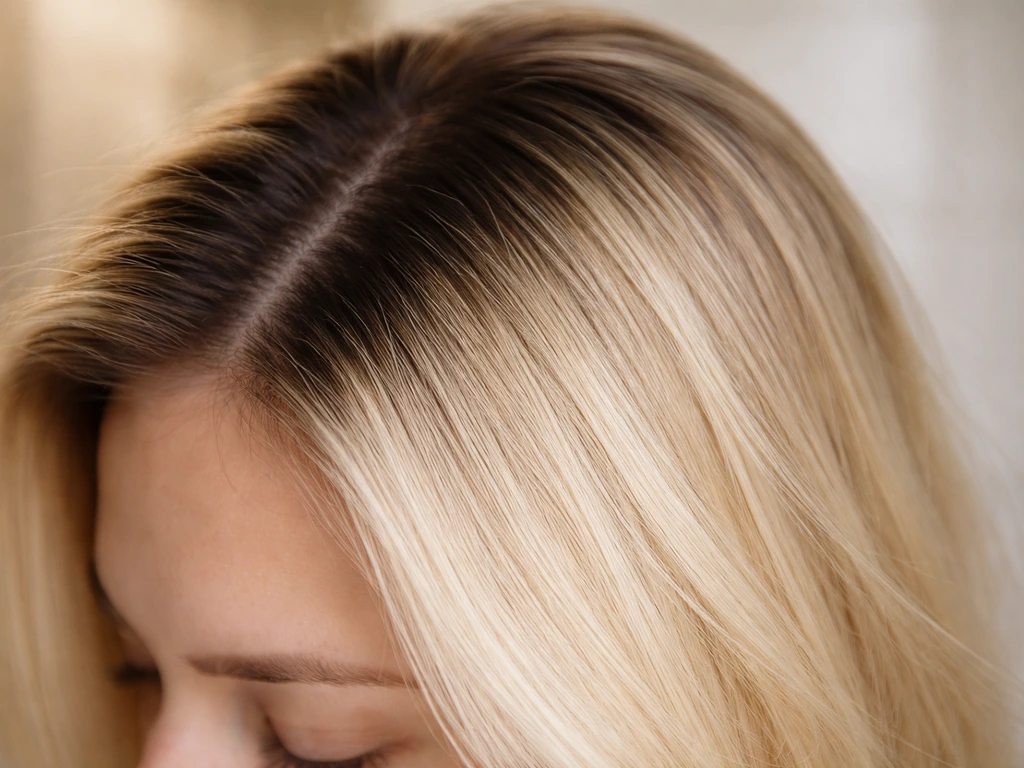
What you're actually dealing with: bleached hair vs. natural regrowth
Bleaching doesn't just change the color, it changes the physical structure of your hair. Under a scanning electron microscope, bleached hair shows brittle, torn cuticle scales where healthy hair has a clean, intact surface. That cuticle damage means the hair shaft is porous, meaning it loses moisture fast, absorbs water unevenly, and is far more fragile than it looks. Research has shown that chemical oxidative bleaching can nearly triple the hair's surface area within the first minute due to rapid pore formation, and once those cuticle scales are lifted and cracked, they don't just close back down on their own.
The practical effect? Bleached hair can absorb more than twice as much water as untreated hair, and while that sounds harmless, it means the strand swells and contracts more aggressively with every wash, which accelerates breakage over time. It's also why bleached hair feels mushy when wet and rough when dry. Your new growth coming in at the root doesn't have any of these problems. That contrast in texture, porosity, and behavior is exactly what makes growing out bleached hair feel challenging.
If you're working through a very light shade, how to grow out platinum bleached hair has some specific guidance for that end of the spectrum, since platinum involves the most aggressive bleaching and the most porous result. But the fundamentals below apply to any level of lightening.
Realistic timelines and how to plan your grow-out
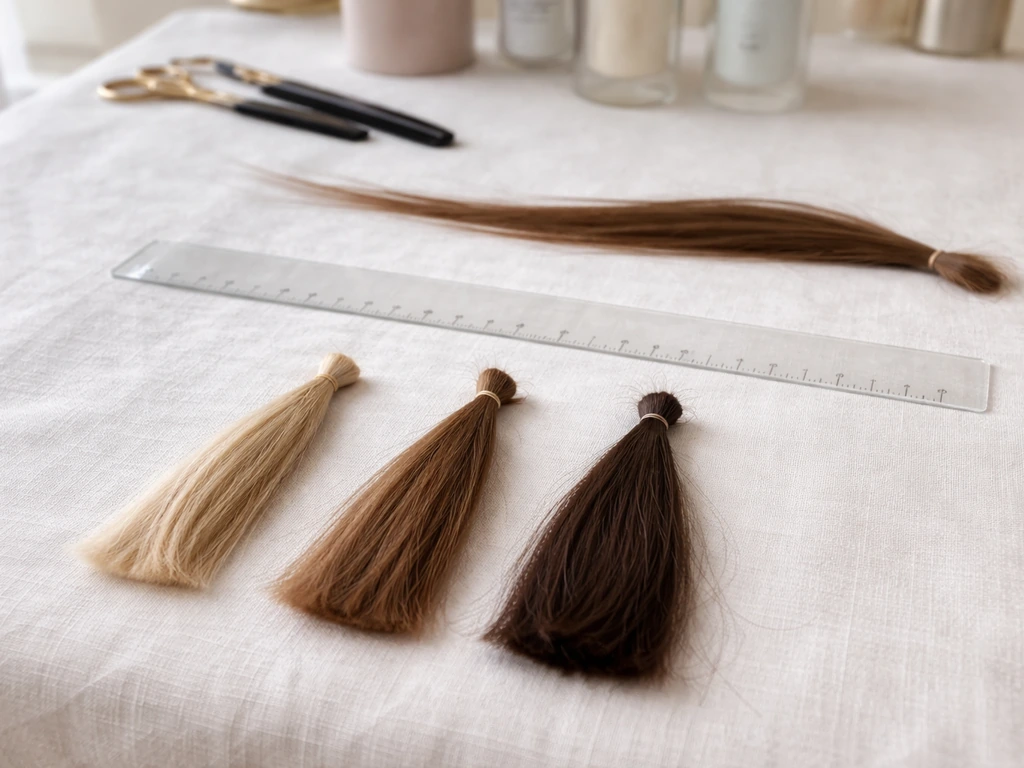
Scalp hair grows at an average of about 1 centimeter per month, with a realistic range of roughly 0.6 to 3.36 cm per month depending on genetics, health, age, and other factors. There's no shortcut around that biology. What that means practically: if your bleached hair currently starts at the root and you want 6 inches of natural regrowth, you're looking at roughly 12 to 18 months minimum, and that's without trimming. If you factor in regular trims, you extend that timeline but usually end up with healthier results.
Here's a rough milestone map most people go through:
- Months 1-3: Visible root line appears. This is the hardest aesthetic stretch because the contrast is sharp and you don't have enough length to do much with it yet.
- Months 3-6: Enough new growth to start blending with toner, gloss, or root-matching dye. Styling options open up significantly.
- Months 6-12: You're managing two distinctly different textures. This is when protective styles, updos, and braids become your best friends.
- Months 12-18+: Depending on your starting length, you may be able to trim off a significant portion of the bleached ends and be left with mostly natural growth.
Trim vs. micro-trim: you don't have to choose between health and length
The trim vs. micro-trim debate comes up a lot during a grow-out. A traditional trim (half an inch or more) removes visible damage and keeps the hair looking neat but slows your length progress. A micro-trim, typically 1 to 3 millimeters every 8 to 12 weeks, is barely noticeable in terms of length but keeps split ends from traveling up the shaft and causing more serious breakage. For most people growing out bleached hair, micro-trims are the smarter choice, especially in the first 6 months when the ends are at their most fragile. The goal is to preserve as much length as you can while not letting split ends destroy more of the hair above them.
Your day-to-day maintenance routine for bleached lengths
This is where most people either save their grow-out or sabotage it. Bleached hair needs a fundamentally different routine than healthy hair, and the sooner you adjust, the more of your length you'll be able to keep.
Washing and conditioning
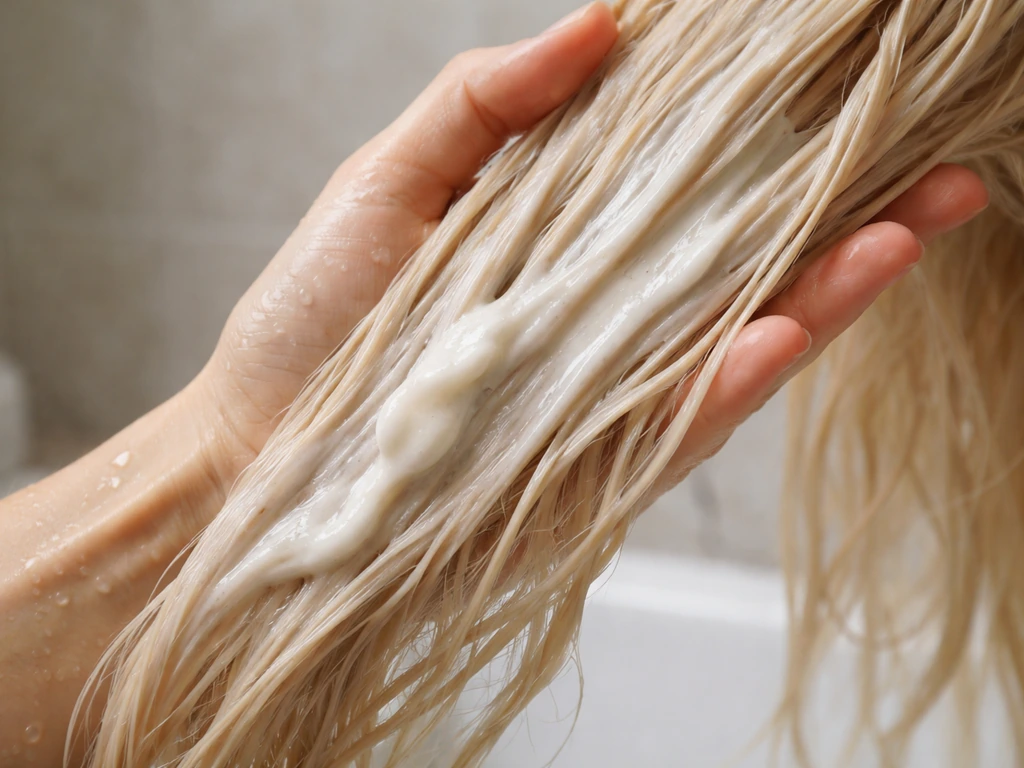
Wash less frequently than you might be used to, ideally 2 to 3 times a week maximum. Every wash cycle swells and dries the porous shaft, and bleached hair simply can't handle that level of mechanical stress daily. Use a sulfate-free shampoo on the scalp only and let the rinse water clean the lengths. Always follow with a moisturizing conditioner focused from mid-length to ends. Co-washing (using conditioner only as a cleanser) on off days is a genuinely useful option for very dry, porous ends.
Deep condition every 1 to 2 weeks with a mask designed for chemically damaged hair. Leave it on for at least 10 to 20 minutes, or longer if you use heat. A simple plastic cap and warm air from a hair dryer for 10 minutes dramatically boosts absorption. Think of this less as a luxury and more as basic structural maintenance.
Leave-ins and heat protection
A leave-in conditioner on damp hair should be non-negotiable. It fills in some of the surface damage from raised cuticles and provides a small amount of protection against friction. Oils, particularly coconut oil and other fatty-acid-rich oils, have been shown to penetrate bleached hair and support structural recovery after chemical damage, making them a solid addition either as a pre-wash treatment or a lightweight finisher.
For heat protection, the reasoning is simple: bleached hair's cuticle is already compromised, and applying heat without a barrier accelerates the damage further. Heat protection creates a barrier between the styling tool and the hair shaft, and lowering your styling temperature to around 300-350°F (instead of the max setting) meaningfully reduces additional damage. Limiting heat styling to 2 to 3 times a week is a realistic target that preserves what you're working hard to grow out.
UV protection matters more than most people realize. Sun exposure oxidizes already-bleached hair, contributing to cuticle fusion, pore formation, and further porosity, especially through summer months. A UV-protecting hair mist or wearing a hat on long sun-exposure days is a small effort with a real payoff over a multi-month grow-out.
Color and blending strategies to reduce the contrast
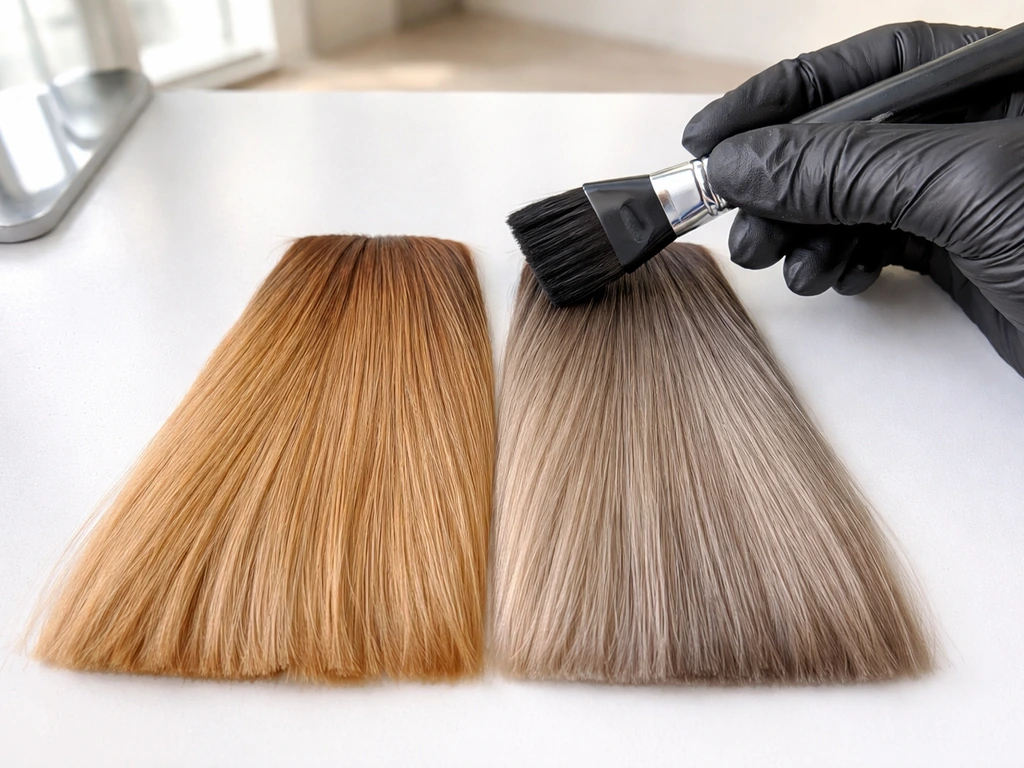
The visible root line is the part of growing out bleached hair that most people find hardest to live with. The good news is you have real options that don't require bleaching again or committing to a full color.
Toning and glosses
Toners work on the bleached portion to adjust tone, reduce brassiness, and blend the visual transition between natural growth and lightened lengths. They're designed to fade gradually, which actually works in your favor during a grow-out because the color softens over weeks rather than creating a new hard line. The caveat is that toner buildup is real, and repeated applications can complicate future chemical services, so use them thoughtfully. A professional gloss treatment every 4 to 6 weeks is a practical maintenance cadence that keeps the color looking fresh without overdoing it.
Root-matching and dye options
If you want to eliminate the contrast rather than just soften it, root-matching brings your natural color down into the bleached lengths to create a gradual blend. This doesn't mean dyeing everything dark in one step. A skilled colorist can use a low-lift or demi-permanent color to shade the upper third of the bleached hair closer to your root color, creating a shadow root effect that grows out gracefully. If you're managing a specific version of this challenge, how to grow out blonde hair with dark roots covers the blending mechanics in detail.
What to avoid: re-bleaching. If you're in a grow-out, any additional bleach applied to already-processed lengths stacks damage on a structure that's already compromised. Even a "quick touch-up" on porous bleached hair can snap it at the line of demarcation. The smarter path is always to blend down rather than lighten up.
For those letting natural pigment fully return, how to let your roots grow out walks through the mindset and practical steps for embracing the natural regrowth process rather than fighting it, which is genuinely the path of least resistance for your hair's health.
What to do when the roots become the dominant look
Once you have 2 to 3 inches of natural regrowth, the visual dynamic shifts and the bleached lengths start to look like highlights or balayage rather than a harsh line. This is a genuinely good phase to lean into. Glosses, toning shampoos, and root blurring techniques can make this look completely intentional. What to do when your roots grow out gives you concrete options for working with that stage rather than against it.
Styling through the awkward phases
There's no version of growing out bleached hair that skips the awkward months entirely. What you can do is have a styling toolkit ready for each stage so nothing catches you off guard.
Managing visible roots
In the first 2 to 3 months, the sharpest contrast happens at the root line. Parting strategies help a lot here. A deep side part or a zigzag part breaks up the line and distributes the visible contrast. Headbands, scarves, and clips aren't just fashion, they're genuinely useful grow-out tools that redirect the eye away from the demarcation line. Root-blurring products (powder and spray formats) can also soften the contrast on days when you need a quick fix. How to grow out dark roots has specific product and styling recommendations if your natural color is notably darker than your bleached color.
Layers, bangs, and length transitions
If you have layers from a previous cut, they can work for or against you during a grow-out. Short layers near the crown or face can show more of the root contrast, while longer layers blend more easily. Avoid getting dramatic new layers cut during a grow-out because they create more demarcation points. If you're growing out a bob or a cut with blunt ends, a single micro-trim to remove the blunt line and soften the shape can make the whole thing look more purposeful.
Bangs are their own category. Bleached bangs grow fast enough to need trimming more frequently than the rest of the hair, and if left to grow out, they create a noticeable strip of bleached hair across the forehead. If you're growing bangs out simultaneously, pinning them to the side or using a brow-grazing bobby pin style buys you a few months while they blend into the rest of the hair.
Undercuts and buzz cut grow-outs
If you have a faded undercut or a buzz cut in the mix alongside bleached lengths, the grow-out is more complex because the short-to-long transition adds another layer of contrast. In this case, keeping the sides blended with a taper or fade every 4 to 6 weeks makes the overall look much more polished while the top grows. The goal is to control what you can at the sides while protecting the length on top.
Texture and styling options by stage
| Growth Stage | Hair Length Approx. | Best Styling Options | What to Avoid |
|---|---|---|---|
| 0-3 months | Up to ~1 inch of new growth | Deep side parts, headbands, root-blurring powder, updos | Tight elastics on bleached hair, daily heat |
| 3-6 months | 1-2 inches of new growth | Toning/gloss treatments, loose braids, half-up styles, textured waves | Re-bleaching, heavy dry shampoo buildup |
| 6-12 months | 2-4+ inches of new growth | Shadow root coloring, ponytails, wash-and-go texture, buns | New layers, drastic color changes |
| 12-18+ months | 4-6+ inches of new growth | Strategic trim to remove bleached ends, natural texture styles | Skipping conditioning, heat without protection |
Fixing the damage: bond repair, protein, and moisture balance
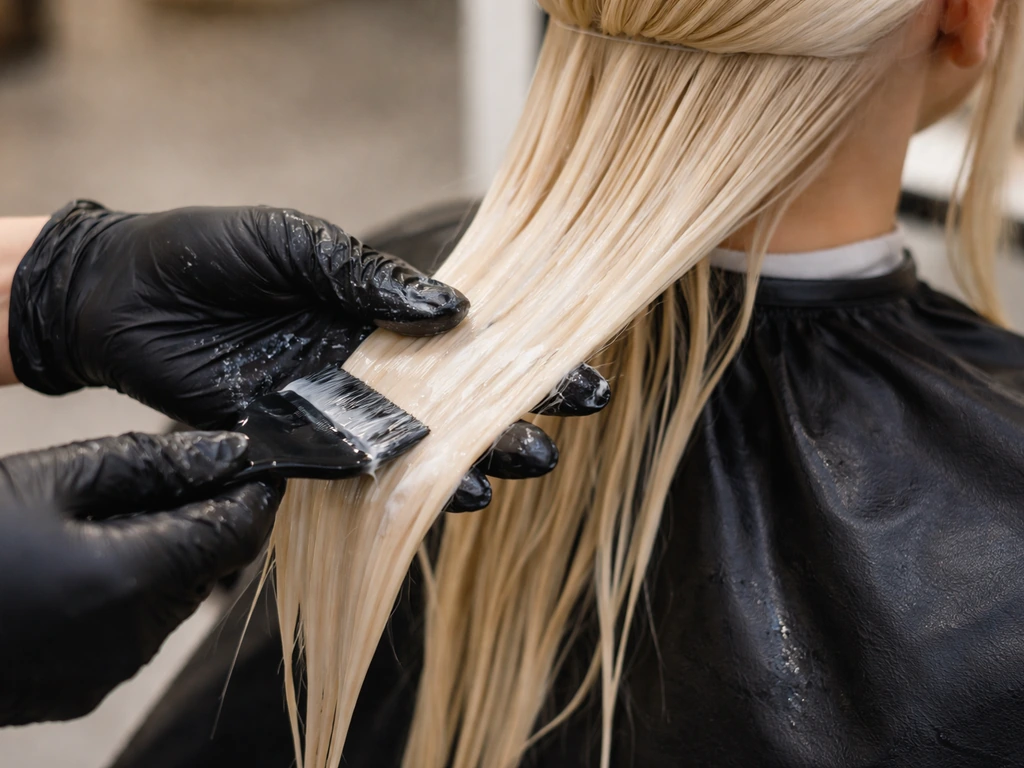
Bleaching breaks disulfide bonds, which are the chemical links that give hair its strength and elasticity. Bond-building treatments work by using active ingredients (the most well-known being bis-aminopropyl diglycol dimaleate) to reform connections between broken disulfide bond ends, patching the structural damage at a molecular level. This isn't just marketing: the chemistry is well-documented, and the practical result is hair that snaps less, feels stronger under tension, and responds better to styling. Bond treatments can be done in-salon or at home, and using them consistently during a bleached-hair grow-out makes a measurable difference in how much length you retain.
Getting protein and moisture right
Protein and moisture are both essential for bleached hair, but using too much of either causes problems. Too much protein makes the hair stiff and brittle, and it will snap under tension. Too much moisture without protein makes it limp, overly elastic, and prone to stretching and breaking when wet. The goal is balance, and the way to find it is to pay attention to how your hair behaves after each treatment.
- Signs you need more protein: hair feels stretchy and gummy when wet, breaks easily, has no bounce or snap-back
- Signs you need more moisture: hair feels rough, straw-like, or brittle; breaks with minimal tension; has no elasticity
- Signs you have a good balance: hair feels smooth, has some elasticity, and dries without excessive frizz or stiffness
A reasonable starting point for most bleached hair: one protein treatment every 2 to 4 weeks and a deep moisture mask every 1 to 2 weeks. Adjust based on how your hair responds. If you've been doing back-to-back protein treatments and your hair feels even more brittle, that's the protein overload signal, and you need to pivot to moisture-only for a few weeks.
Common mistakes that set the grow-out back
- Using high heat daily on already-porous, compromised hair
- Skipping heat protection because the hair "doesn't look damaged yet"
- Washing daily with a sulfate shampoo that strips what little moisture is left
- Using box dye on bleached hair without knowing its porosity level, which leads to uneven uptake
- Pulling hair into tight hairstyles at the line of demarcation, which is the most structurally vulnerable point
When to trim, seek help, or reconsider the grow-out
There are moments during a bleached-hair grow-out where the right call is to cut. Knowing the difference between normal grow-out friction and a situation that needs professional intervention saves you from losing more length than necessary.
Signs it's time to see a professional colorist or stylist
- You're seeing breakage at a consistent point along the shaft (usually the line of demarcation where new growth meets bleached hair), which suggests structural weakness that a stylist can evaluate and address
- Uneven regrowth or patchy areas that aren't resolving with standard care may indicate underlying scalp or health issues worth checking out
- You want to add color to blend the grow-out but aren't confident about porosity or how the hair will respond to dye, a professional can assess and do a strand test properly
- The bleached ends have become so porous and damaged that they're tangling, knotting, or matting regularly despite good care
When cutting back is genuinely the healthier choice
There's no shame in deciding that a more significant trim or even a fresh cut is the right move. If breakage is happening faster than the hair is growing, you're running in place and causing ongoing stress to the scalp area in the process. Cutting to the point where the hair is mostly natural regrowth and starting fresh with a solid care routine often yields better long-term length than fighting through severely broken ends for another year. This is a personal call, not a failure.
If you're not yet sure whether you want to fully transition to your natural color or continue with some form of blonde, how to grow blonde hair out covers the full range of transition strategies from maintaining a softer blonde to stepping back from lightening altogether.
A note for those growing out toward natural gray or white
If your natural regrowth includes gray or white, the grow-out involves a unique set of blending considerations because gray hair has its own texture and porosity profile. How to grow out white hair addresses this specific transition in full, including how to manage the contrast and texture difference as the natural pigment fades.
The honest bottom line
Growing out bleached hair is a slow process with some genuinely awkward stages, and anyone who tells you otherwise is glossing over the reality. But it's completely manageable if you go in with a clear plan. Micro-trim regularly to preserve length without sacrificing health. Keep the bleached lengths conditioned, protected from heat and UV, and strengthened with bond-repair treatments. Use toning, glosses, or shadow root techniques to make the regrowth look deliberate. And give yourself permission to adjust the plan, cut more, wait longer, or change your color strategy as you go. This is your hair and your timeline.
FAQ
Will toners or glosses actually help my bleached hair grow out better, or just change the color?
Not automatically. Toner, gloss, and color-depositing masks mainly change the surface tone of the bleached section, they do not repair cuticle damage or porosity. You can use them to blend the look, but keep bond treatments and deep conditioning in your routine for structure and breakage control.
How do I know when it’s time for a micro-trim during a bleached hair grow-out?
A good rule is to micro-trim when split ends start traveling upward or when you feel tangling and roughness at the ends, even if you have not reached a specific length. If you see splits closer to the mid-shaft, or the ends feel rough within a few weeks, move to a shorter micro-trim interval.
Can I still blow-dry or straighten my hair while growing out bleach?
Yes, but the risk is using the wrong heat settings and rushing after washes. If you heat style, prioritize damp-to-dry methods, use a leave-in plus heat protectant, keep tools around 300 to 350°F, and avoid high-heat touch-ups on the same section. Also, if your hair feels mushy when wet, skip extra passes and let air dry when possible.
What if my scalp gets oily quickly, but my bleached ends hate frequent washing?
Try to wash on a schedule that matches your scalp oil and your hair’s fragility, not a rigid day-count. If your ends look more tangled or drier after washes, extend time between washes slightly, focus on scalp-only shampoo, and rely on conditioner rinsing or targeted co-wash on off days.
Is there a way to reduce the root line without applying more bleach?
If you want the softest transition without extra bleaching, start with root blurring rather than lightening the lengths. Demi-permanent or low-lift shading near the root (often only the upper portion) can reduce the line as it grows, and you can reassess every 4 to 6 weeks based on how the toner and fade behave.
Why do my toners keep coming out uneven or too dark near the bleached line?
Bleach can make hair swell and contract aggressively, so chemical services can become unpredictable when the line is very grown out. Before any additional coloring, confirm your hair’s current porosity and breakage level, do a strand test, and avoid multiple overlapping toners on the same days. Spacing services helps prevent dullness, uneven fading, and extra buildup.
How do I adjust bond treatments and protein versus moisture when my hair feels worse after treatment?
Bond treatments can be a net positive during the grow-out, but they still need the right match. If your hair is stiff, coarse, or snaps more easily, reduce protein/bond frequency and emphasize moisture. If hair feels overly stretchy when wet, increase moisture masks and minimize protein-based steps for a few cycles.
What’s the biggest mistake that causes breakage during grow-out (besides heat and washing)?
Most people see the best results from a gentler pattern: use a wide-tooth comb on damp hair with conditioner or a detangling leave-in, finger-detangle first, then blot rather than rub. For friction control, protect hair at night with a satin bonnet or pillowcase and avoid tight hairstyles that pull at the demarcation.
Should I cut immediately to remove damage, or keep growing with micro-trims first?
If you cut right at the start of the grow-out, you remove some of the most compromised ends, which can reduce ongoing breakage and speed up progress toward more usable length. If your hair is only lightly damaged and you’re already micro-trimming, keep going with micro-trims. The decision point is breakage rate, not time.
How do I manage growing out bleached bangs without them looking like a separate bleached strip?
Bangs often require a separate plan because they show the line fastest. Pinning or styling off your face can mask it, but you may still need more frequent micro-trims than the rest of your hair. If they’re visibly bleached and fragile, treat them like the bleached lengths and keep the ends protected from heat and UV.
If I have a buzzed or undercut area, what changes in the grow-out plan?
If you have a faded undercut or short sides, blend maintenance becomes part of the grow-out timeline. Ask for consistent taper or fade touch-ups every 4 to 6 weeks so the short-to-long contrast stays intentional, while you keep the top protected with the same conditioning, leave-in, and heat/UV rules.
When should I begin toning or glossing to help the grow-out look intentional?
Start toning or glossing for blending once your root regrowth begins to show enough for color contrast to be obvious, often around the time the line is reaching the lower roots. If you wait too long, you may need multiple sessions to correct uneven fading across a longer bleached band. Use a light hand and reassess after each 4 to 6 weeks.