
Growing out white hair takes patience, a simple trimming routine, and a clear plan for whatever color situation you're starting from. Whether your white strands are coming in naturally and you want to stop fighting them, or you've been dyeing your hair and want to transition to your natural white or silver, the process is mostly the same: protect what you have, trim strategically, and lean into the contrast rather than hiding it. Hair grows roughly half an inch per month, so a full transition from a short colored cut to all-natural white can take anywhere from one to three years depending on your starting length. That sounds like a long time, but with the right approach each stage looks intentional rather than neglected.
How to Grow Out White Hair: A Step-by-Step Plan

Marcus Vickers
25 Apr 2026
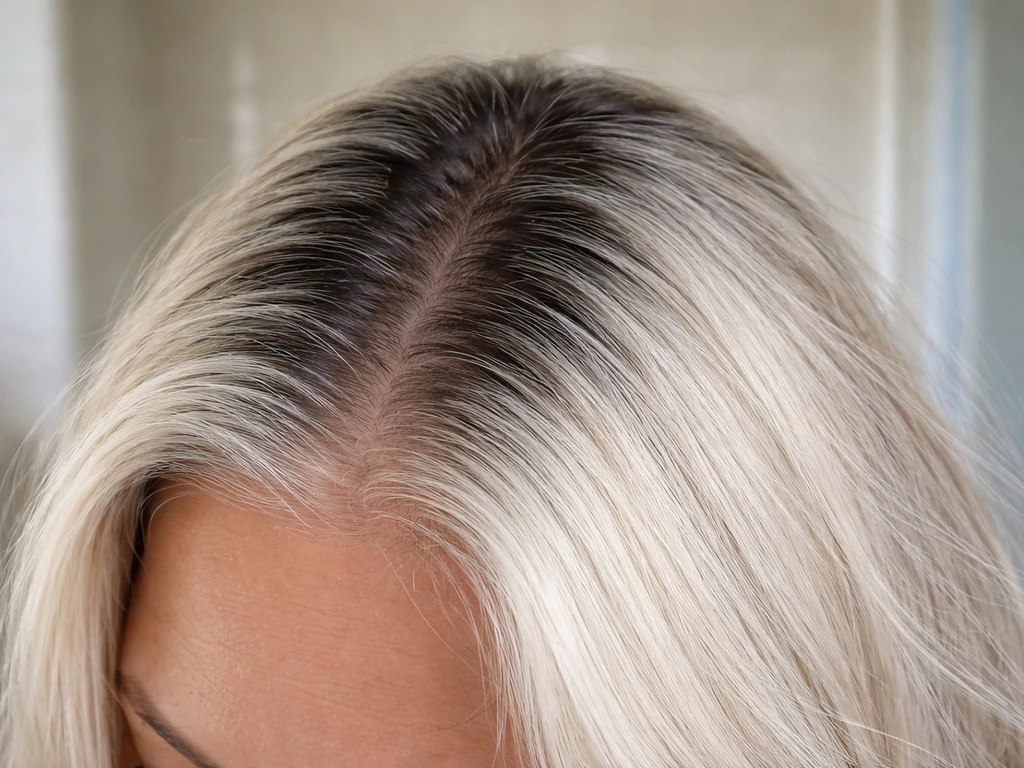
Why your hair turns white in the first place
White hair happens when the melanocyte stem cells living inside your hair follicles lose their ability to produce pigment. These stem cells are responsible for feeding color into each strand as it grows. Over time, largely driven by genetics and age, they stop functioning properly and the hair that grows out has little to no melanin, so it appears white or silver instead of your original color.
Oxidative stress inside the follicle plays a role too: research shows that accumulated oxidative damage can impair melanocyte function, meaning the pigment-producing machinery gradually breaks down. Stress can contribute indirectly by triggering telogen effluvium (a phase of accelerated shedding), which may cause a larger proportion of follicles to cycle back in with less pigment than before. But to be clear: stress doesn't change strands that are already growing. The timing of when you start going white is heavily genetic.
If your parents went white in their forties, you probably will too.
White and gray hair also tends to feel different because the hair shaft itself changes. Without melanin, the strand is often coarser, a little more wiry, and more porous, which means it can absorb and lose moisture faster than pigmented hair. That's worth knowing as you plan your grow-out, because it affects how you condition, style, and protect it.
Natural ways to support healthier regrowth
You cannot reverse white hair through diet or supplements, and anyone who tells you otherwise is selling something. What you can do is make sure your white hair grows in as strong and healthy as possible, because weak regrowth means more breakage, more frizz, and a grow-out that looks ragged instead of intentional. Here's what actually makes a difference:
- Protein and moisture balance: White hair is more porous and tends to dry out faster. Use a moisturizing shampoo and a protein-enriched conditioner alternately. Deep condition every one to two weeks to prevent brittleness.
- Gentle handling: The American Academy of Dermatology is consistent on this point: mechanical damage (rough towel drying, tight elastics, aggressive brushing when wet) is one of the biggest causes of breakage. Detangle from ends to roots with a wide-tooth comb on damp, conditioned hair.
- Avoid harsh chemical processes: If you're committed to growing out your natural white, stop lightening, bleaching, or relaxing. These weaken the hair shaft significantly, and white hair has less structural buffer than pigmented hair. The Cleveland Clinic notes that bleaching especially worsens damage on already-compromised strands.
- Protect from heat: Flat irons and curling wands above 350°F cause cumulative damage. Use a heat protectant and keep tools at the lowest effective temperature.
- Scalp health: A healthy scalp creates a healthy environment for follicles. If you have seborrheic dermatitis (flaking, itching, redness), get it treated, because chronic scalp inflammation makes the whole grow-out period more uncomfortable and can affect how hair emerges.
- Nutrition: Iron deficiency and low ferritin are among the most common correctable causes of poor hair regrowth. If your hair seems to be growing unusually slowly or thinning while you're trying to grow it out, a simple blood test is worth requesting from your doctor.
Your grow-out plan: trimming and realistic timelines
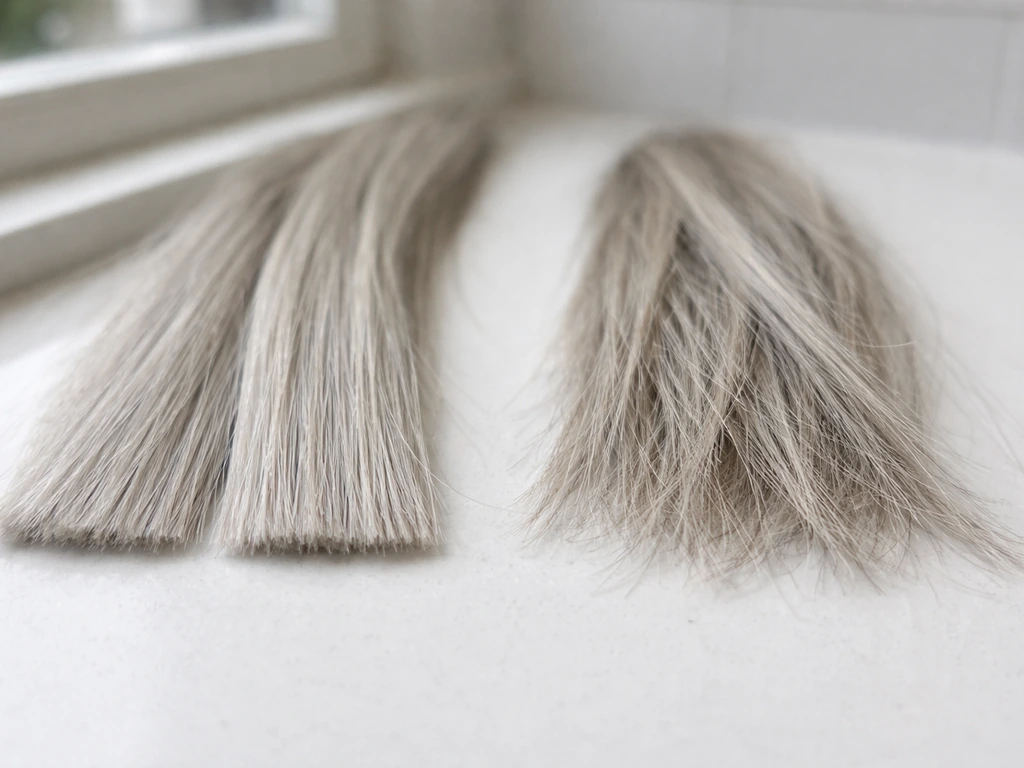
The most common mistake people make when growing out hair is skipping trims entirely. Split ends travel up the hair shaft and cause breakage that actually shortens your hair over time. Hair experts consistently recommend 'baby trims' every six to eight weeks, meaning you're only removing a quarter inch or less. You're not losing length, you're protecting it. Tell your stylist exactly what you want: a dusting to remove split ends only.
Hair grows about half an inch per month on average, or roughly six inches per year. That rate is pretty consistent for most people, though it can slow slightly with age or nutritional deficiencies. Here's what that looks like in practice at each stage:
| Stage | Approx. timeframe | What it looks like | Main challenge |
|---|---|---|---|
| Short (pixie/buzz level) | Starting point | White roots visible immediately against colored ends | Harsh contrast line; very noticeable demarcation |
| 2–3 inches | 4–6 months | White growth beginning to show length; still mixed with color or older texture | Awkward in-between shape; styling options limited |
| 4–6 inches | 8–12 months | Chin to collarbone length; transition zone clearly visible if colored | Banding line most obvious at this stage |
| 8–10 inches | 16–20 months | Shoulder length; significant white growth showing | Patience; urge to cut is highest here |
| 12+ inches | 24–30 months | Fully grown-out white hair possible if starting from short cut | Maintaining health throughout the long grow-out |
The awkward phase peaks somewhere around months four through twelve for most people. That's when there's enough contrast to be noticeable but not enough length to do much with it. This is the phase where most people give up and dye again or cut back short. If you can hold on through this stage with the styling strategies below, the rest of the grow-out gets progressively easier.
Growing out white hair that's currently colored
This is where most of the practical complexity lives. If you've been dyeing your hair (dark brown, black, red, or any other shade) and want to transition to your natural white or silver, you have a few different routes. A simple way to help your roots grow out comfortably is to keep trimming strategically and protect the new growth. The choice mostly depends on your starting length, how much contrast there is between your dye shade and your natural white, and how much time you're willing to spend in a salon.
Option 1: Cold turkey (stop dyeing entirely)
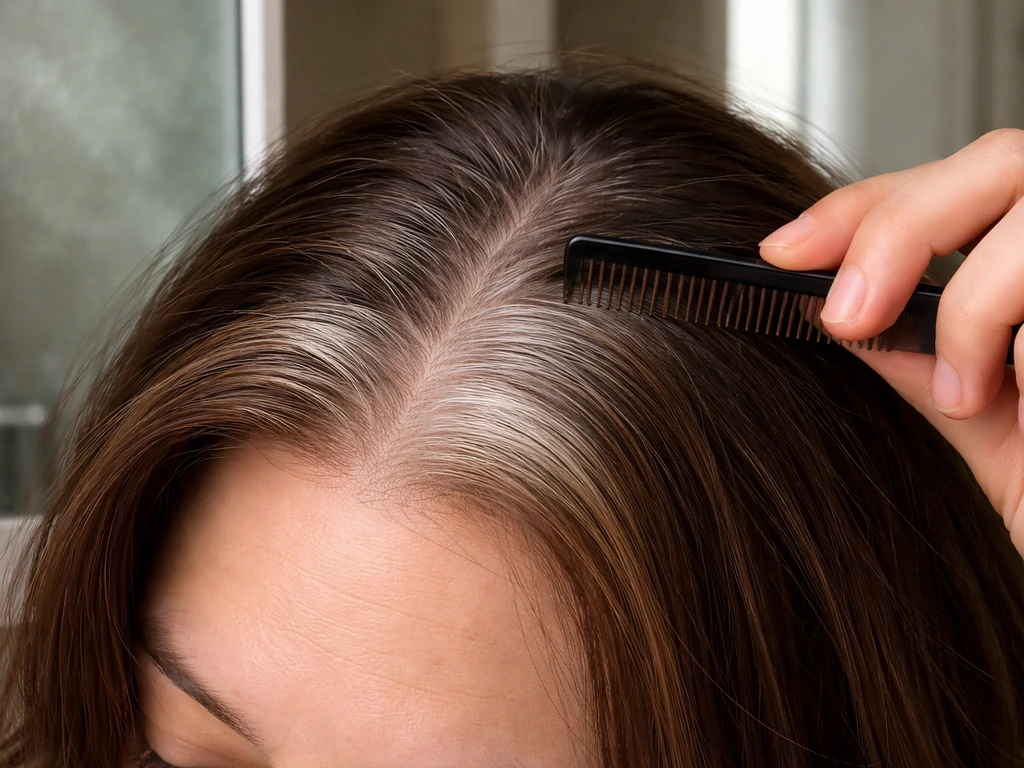
This is the most straightforward approach and costs nothing after you stop. You let the natural white root grow in and gradually trim away the colored ends. Allure, citing a board-certified dermatologist, recommends reducing heat from styling tools and using heat-protectant strategies to help prevent dryness and breakage [less damaging route](https://www. allure.
com/story/types-of-hair-damage). If your goal is to let your roots grow out naturally, start by protecting the hair you already have and trimming split ends early. If you want to know what to do when your roots start growing out, focus on protecting the new growth and trimming away the colored ends at the right pace let your roots grow out. The downside is the contrast line, especially if your dye shade is dark.
If your goal is figuring out how to grow out dark roots, start by addressing the stark contrast line with the right cutting and styling techniques. A hard line of dark color against white regrowth can look very stark for the first six to twelve months.
The two things that help most are: getting a cut that removes bulk from the ends (reducing how much colored hair is visible), and using styling techniques that draw attention away from the demarcation line. If you're starting from a medium-length or longer cut, the line of demarcation will be more visible for longer. If you're starting from a short cut, this strategy is actually the fastest because you have less colored hair to grow out.
Option 2: Blending and balayage at the line of demarcation
This is the most popular salon-assisted route right now and for good reason: it works. A colorist can soften the harsh boundary between your white roots and colored ends using highlights or balayage placed right at the line of demarcation. The goal isn't to re-dye your roots, it's to break up the hard line so the transition looks gradual and dimensional rather than blunt. Some colorists call this 'greyblending.
' You're not fighting the white anymore, you're making it look intentional by matching the surrounding tones to it. This approach typically requires a salon visit every two to three months rather than every four to six weeks as traditional root touch-ups demand, which is both cheaper and better for your hair's health long-term.
Option 3: Gradually lightening your color toward white
If you've been dyeing dark and want to shift toward white or silver, you can progressively lighten your existing color toward a shade closer to your natural white over several salon appointments. This is a slower, less damaging route than bleaching everything at once. The same basic grow-out principles also apply to how to grow out platinum bleached hair, especially when you have a stark line of demarcation to manage. The goal is to close the gap between your regrowth and your ends so the eventual grow-out is less dramatic. This route works best when you have at least six months before you want to stop all color entirely.
What about root touch-ups while you decide?
If you're not ready to commit to the transition yet, spacing your root touch-ups further apart (from four weeks to seven or eight weeks) is a low-pressure way to start getting used to your natural color showing. It also reduces the chemical load on your scalp and saves money. When you do decide to stop, you'll have a head start because your roots will already be longer.
Growing out blonde hair to white is an easier transition than dark-to-white because the contrast is lower. If you are working with blonde length plus dark roots, focus on trimming strategically and using gentle tone-balancing so the regrowth blends as it grows out. If you want a smooth transition, follow a plan that focuses on trimming, conditioning, and protecting fragile bleached strands as they grow out how to grow out bleached hair.
To make bleached strands easier to manage, focus on gentle conditioning, careful trimming, and protecting them from heat and damage as they grow how to grow out bleached hair. If you've been bleaching your hair and want to grow out naturally, the health of your existing hair is the main consideration, since bleached strands are already porous and fragile before you factor in the grow-out period.
Getting through the awkward stages
Every single person who grows out their white hair goes through an awkward phase. There's no way around it, only through it. But there are real, practical tools that make this period much more manageable.
Cuts and layers
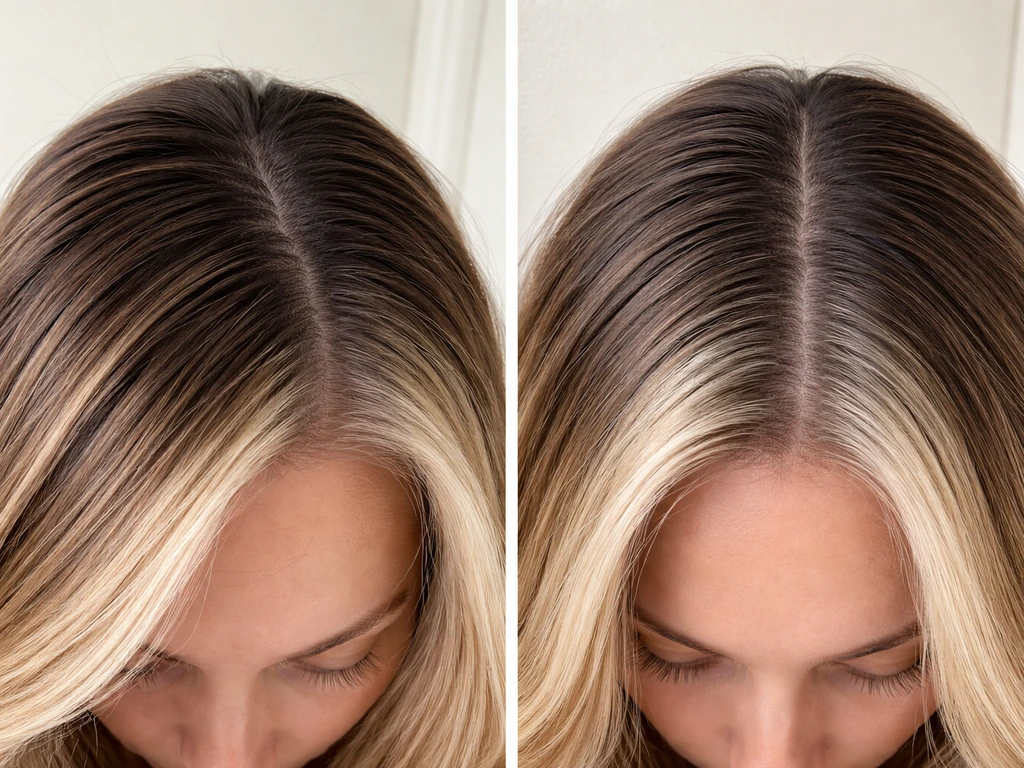
If your hair is long enough to work with, adding soft layers can help break up the visible contrast line between colored ends and white roots. A blunt line of demarcation is much harder to disguise than one that's layered and textured. Ask for a 'lived-in' layered cut rather than blunt ends. For shorter grows-outs (under three inches), a textured crop or tapered sides can make the mixed color look like a style choice rather than a grow-out accident.
Parting and styling choices
- Switch your part: A side part or a zigzag part breaks up the visible band of regrowth along the scalp more than a straight center part.
- Slick it back: Slicking hair back with a light pomade or gel pulls focus away from the top of the head where the contrast is most visible and creates a polished, intentional look.
- Braids and twists: Protective styles like braids, twists, and buns are genuinely excellent during the grow-out period. They tuck away the transition zone, reduce daily manipulation (less breakage), and look great at almost any length.
- Hats and headbands: Not a cop-out, just practical. A wide headband or a hat gives you a break from the contrast on days when you don't feel like styling.
- Toning products: Purple or blue shampoos and toners are designed to neutralize yellow tones in white and silver hair. They don't add pigment, but they keep white hair looking bright and clean rather than brassy or dingy.
Managing texture differences
White and previously pigmented hair often have different textures, and when you're in the middle of a grow-out you might literally have two different hair types on the same head. White sections may be coarser, drier, and more resistant to styling. Deep conditioning treatments and leave-in conditioners help bring both sections closer to the same baseline. Using a curl-enhancing cream or a light styling mousse on the white sections can help manage any new wave or kink that appears in the white strands, since changes in hair texture sometimes accompany the loss of pigment.
When it's worth seeing a professional
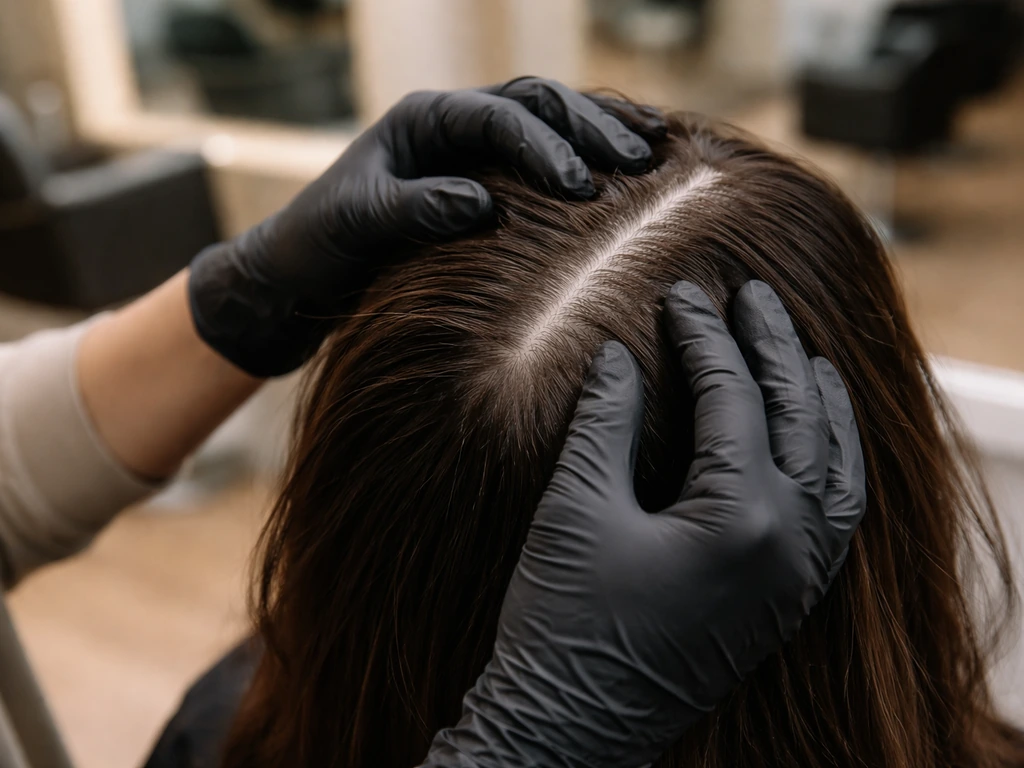
Most of what happens during a white hair grow-out is completely normal, but there are a few things that are worth getting checked out rather than just styling through.
- Sudden or patchy whitening: If you notice a localized patch of white hair appearing suddenly rather than the gradual overall shift, that can sometimes be associated with conditions like poliosis, vitiligo-related leukoderma, or alopecia areata. Alopecia areata is an autoimmune condition that causes patchy hair loss and is worth evaluating with a dermatologist, especially if hair loss accompanies the color change.
- Rapid shedding: Some shedding is normal (50–100 hairs a day is typical). But if you're losing noticeably more than that, seeing clumps in the shower, or your ponytail is thinning significantly, you may have telogen effluvium triggered by metabolic stress, hormonal changes, or a nutritional deficiency. A doctor can identify and treat the underlying cause. Telogen effluvium on its own should not come with scalp rash, itching, burning, or pain; if you have any of those symptoms alongside shedding, that points more toward an inflammatory scalp condition.
- Scalp conditions: Seborrheic dermatitis (flaking, oiliness, itching) is very treatable but tends to recur. An untreated, inflamed scalp is not an ideal environment for a healthy grow-out. See a dermatologist to get it properly under control.
- Hair that breaks before it grows: If your hair seems to stay at the same length no matter how long you go without cutting, the problem is breakage, not growth rate. A dermatologist or trichologist can help identify whether the cause is a health issue, product buildup, or styling damage, and point you toward solutions.
- Expectations about reversal: No topical product, supplement, or lifestyle change has been proven to reverse white hair caused by normal aging and genetics. If a stylist or product claims otherwise, be skeptical. Managing expectations up front saves a lot of frustration during the grow-out.
Growing out white hair is a real commitment, and it will test your patience at some point. But it's also one of the most freeing hair decisions you can make once you're through the awkward phase. You stop chasing your roots, you stop scheduling dye appointments, and you end up with hair that is genuinely yours. The key is just having a plan, knowing what to expect at each stage, and giving your hair the care it needs to arrive at the other end healthy and strong.
FAQ
Can I grow out white hair without seeing a stylist? What trims should I actually do?
Yes, but do it with timing and restraint. Plan trims based on split-end prevention (every 6 to 8 weeks with a dusting) and only adjust the amount if you notice new roughness or snagging. If you cut too aggressively during the awkward months, you may erase the length you’re trying to keep and make the transition take longer.
Why does my white hair look yellow or brassy during the grow-out?
In most cases, your roots will only look “yellow” if bleach or dye residue is still present below the surface, or if your new white strands are catching warm tones from product buildup or hard water. Use a clarifying wash occasionally and a toner-free color-safe routine first, then consult a professional if the yellow persists after buildup is removed.
What’s the safest way to hide my roots temporarily while growing them out?
Avoid “testing” with more permanent dye right at the demarcation line. If you want temporary coverage, choose semi-permanent, root-covering products and keep them off the scalp line to reduce buildup, which can make the line look worse later. The goal is to bridge the awkward phase without adding long-term pigment that you then have to remove.
Is increased shedding during my transition normal, or should I get it checked?
If your shedding increases suddenly, especially with visible thinning at the crown, treat it like a red flag rather than normal transition. Ask a clinician or dermatologist to check for telogen effluvium causes (stress, illness, iron or thyroid issues). While you cannot reverse white hair, you can address problems that affect regrowth density.
Will white hair change how I should condition and style it?
Yes, because white hair often behaves differently from your colored hair. If your white sections feel wiry or resist styling, start with moisture-focused conditioning (more frequent deep conditioning) and reduce high-heat styling. For frizz control, use lighter leave-ins on white strands and stronger hold only where needed to avoid a stiff look.
How do I decide whether to do blend/highlights at the demarcation versus just trimming and waiting?
Don’t rely on “one size fits all” because coverage varies by how much of your head is actually regrowing naturally. A practical way to decide is: if the visible line is increasing every month, plan for a trim and either blend or progressive lightening. If it is stable, you may be able to extend salon spacing and focus on cut and conditioning until the line moves.
My colored ends feel healthier than my white regrowth (or vice versa). Is that normal, and what should I do?
It can, particularly if your colored ends were previously bleached or heavily processed. Porosity differences mean white hair may feel dry quickly, while colored ends can break at different points. The fix is not just “more conditioner,” it is matching your routine to porosity, using heat protection, and keeping trims frequent enough to remove damage before it travels upward.
What common habits make my white hair grow-out look uneven even when my roots are growing?
Be cautious. If you style aggressively (tight styles, harsh brushing on dry hair, frequent heat) you can worsen breakage and create the appearance that the grow-out is “stuck.” Choose protective styles, detangle gently when damp with conditioner, and keep heat at lower temperatures on white sections that may be more porous.
Why does the contrast line seem to last longer in my case?
If you are switching from dark dye to natural white, the demarcation can look harsher for longer with longer starting hair and with very dark shades. To manage it, prioritize reducing bulk at the ends (so less colored hair shows) and use a cut that creates movement at the line rather than a flat blunt edge.
How long until I can tell this is working, not just an awkward stage?
Some people reach a point where it feels like nothing is changing, usually because the early contrast is gone and you are noticing texture differences more than color. Re-check your timeline against typical growth (about half an inch per month). If length is increasing but the look is not improving, that is when blending or a toner strategy may help.