
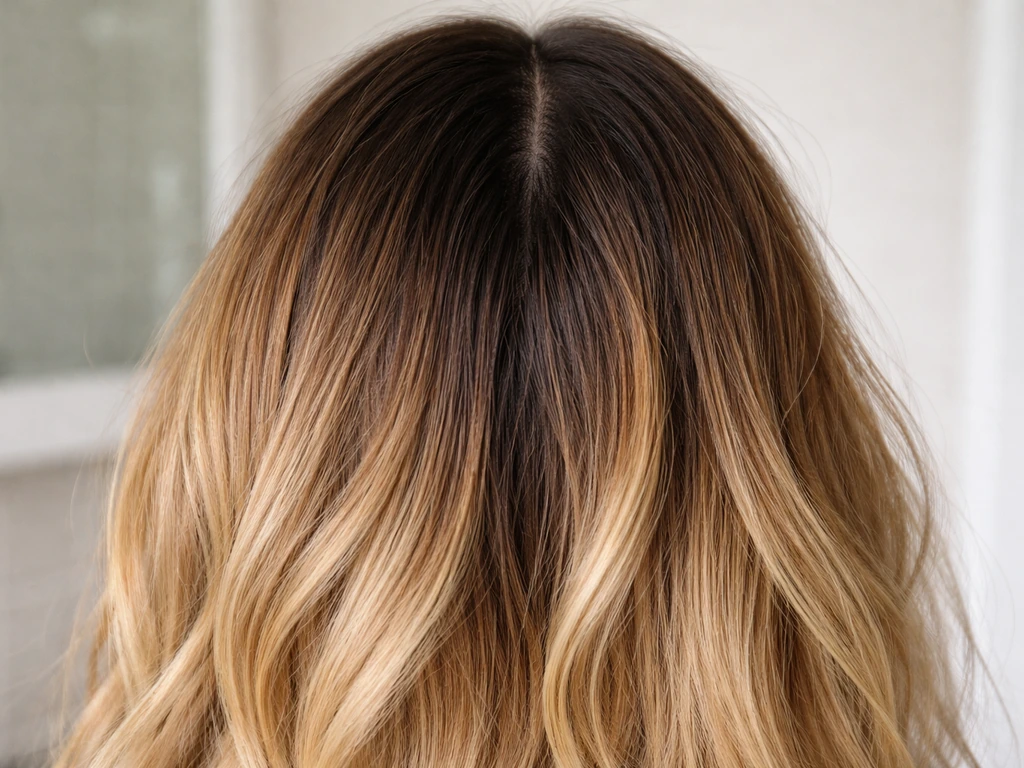
Growing out a texturizer means managing two different textures on the same head at the same time: your natural curl pattern coming in at the roots, and the chemically loosened pattern still sitting on your ends. The process takes roughly 6 to 18 months depending on your hair length, and the main job is keeping the line where those two textures meet (called the line of demarcation) from snapping off. You do that through consistent moisture, careful detangling, strategic trims, and styling choices that work with both textures instead of fighting them.
How to Grow Out a Texturizer: Timeline, Care, and Blending Tips

Marcus Vickers
12 Jun 2026
What a texturizer actually does to your hair
A texturizer uses the same chemistry as a perm or a thio-based relaxer. The active ingredient, usually ammonium thioglycolate, breaks into your hair shaft, swells the cuticle open, and cuts the disulfide bonds in your cortex. Those bonds are what give hair its natural curl shape. Once broken, the hair is reshaped (or just loosened a little) and then an oxidizing neutralizer, typically hydrogen peroxide, reforms the bonds in the new position. The result is a softer, looser curl pattern in the treated hair.
Here is why that matters for your grow-out: the chemical change is permanent in the treated strands. Every inch of hair that was processed stays altered until you physically cut it off. Your roots grow in with their original, untreated blank" rel="noopener noreferrer">disulfide bonds fully intact. So you end up with two distinctly different hair structures on one head, and the boundary between them is fragile. The treated portion is already more porous and potentially weaker than your natural hair, and the spot where the two meet is the most vulnerable point on every strand.
Figure out where you're starting from
Before you do anything else, take stock of what you're actually working with. Your starting point changes every part of the plan.
How much hair do you have right now?
If you're starting from a pixie, buzz cut, or very short style, the good news is the grow-out will be faster because there's less treated length to manage. The harder news is that the contrast between your natural roots and texturized ends can become visible as early as four to six weeks, and on very short hair there's less length to blend or style around it. If you're starting from a bob or longer, you have more flexibility for transitional styles but a longer road to fully natural ends.
What else has touched your hair?
Chemical history matters a lot here. If you have had a relaxer on top of a texturizer, or bleach or color on your ends, those sections are carrying more damage than texturizer alone would cause. This makes the line of demarcation even more fragile and means you need to be more conservative with heat, manipulation, and protein loading. Be honest with yourself about what your ends have been through. If you're not sure, a simple wet strand test helps: gently stretch a strand when wet. If it stretches and doesn't return, it's over-moisturized. If it snaps immediately with no stretch at all, it's over-proteinated or seriously damaged. If it stretches a little and returns, you're in a decent place.
How long ago was your last texturizer?
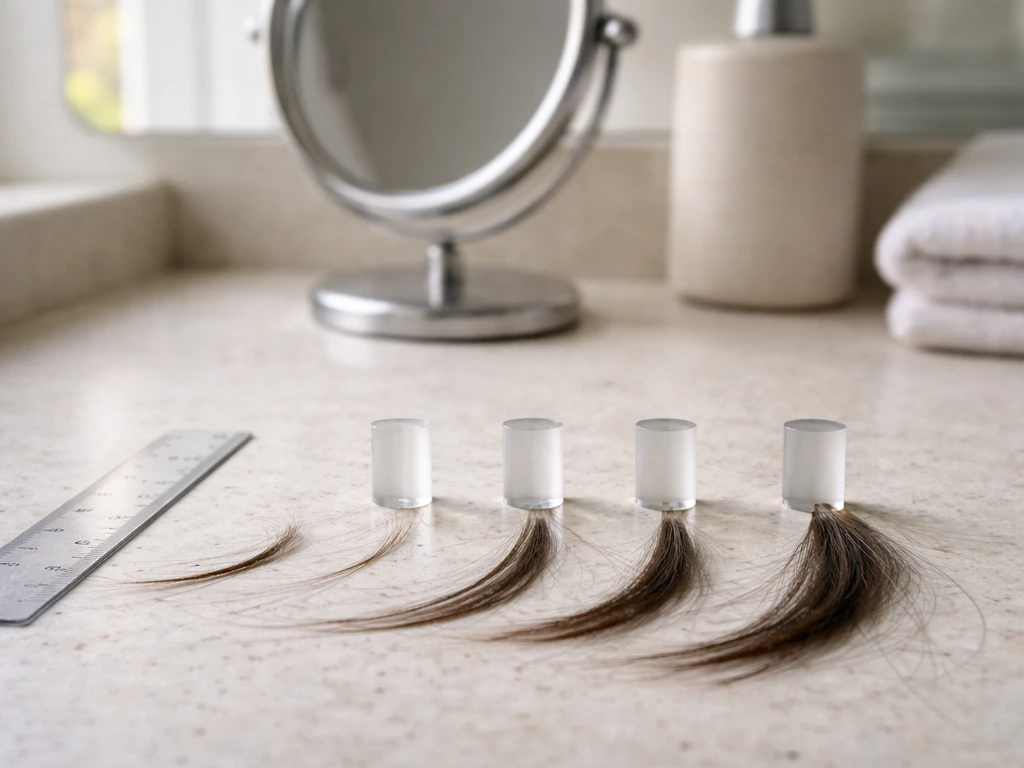
Hair grows roughly half an inch per month. If your last application was two months ago, you have about an inch of natural regrowth. At four months, around two inches. The line of demarcation typically becomes clearly visible around the eight to twelve week mark, so if you're already past that point, you're already in the active transition phase. That's actually fine. You just need a plan for it.
The first few weeks after your last texturizer
The immediate window after your last chemical service is when your hair is most vulnerable to disruption. The standard advice is to wait at least 48 hours before shampooing, giving the chemical process time to fully stabilize. If your stylist used a bond-building system during the service, they may give you different timing, so follow their specific instructions over a general rule.
During this window: do not scratch your scalp, do not put your hair in tight styles that pull on the root, and avoid sweat-inducing workouts if you can. Your scalp is sensitized and your strand structure is still settling. Once you're past that first wash, you can start rebuilding your routine.
What to do and what to skip
- Do: Use a gentle, sulfate-free shampoo for your first few washes to avoid stripping an already porous strand
- Do: Deep condition after every wash from day one, focusing on moisture rather than protein in these early weeks
- Do: Detangle with your fingers or a wide-tooth comb starting from the ends, working slowly upward
- Do: Keep your scalp clean but not over-washed, aiming for every seven to ten days if your hair allows
- Don't: Apply another texturizer or any other chemical service, including box color, onto the already-treated ends
- Don't: Use fine-tooth combs, paddle brushes with no give, or rough towel-drying while the hair is wet and fragile
- Don't: Skip detangling before washing. Going into a wash with dry, tangled hair creates knots that snap off at the line of demarcation
A phase-by-phase growth plan
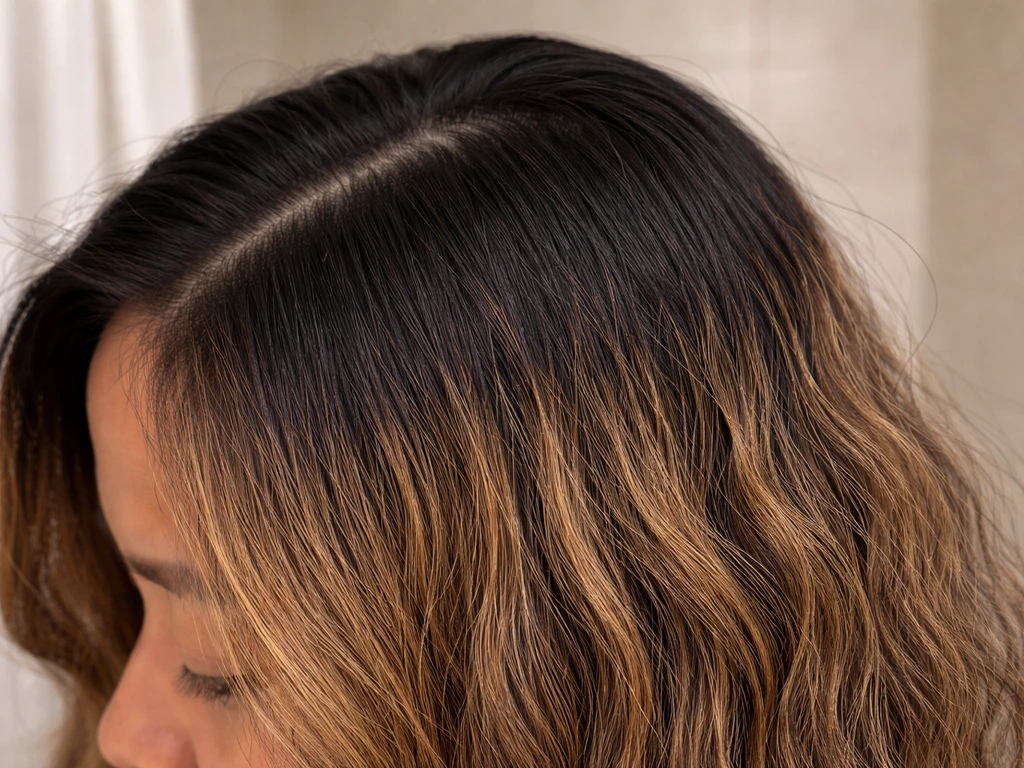
Phase 1: Months 1 to 3 (root regrowth begins)
This phase is mostly about protecting your ends and building a solid care routine. Your natural roots are coming in, but there's not enough length yet to do much blending. Focus on keeping moisture in, keeping manipulation low, and getting used to the dual texture. This is also the phase where people most often panic and reach for the relaxer again, so having a plan keeps you grounded. Start scheduling trims every six to eight weeks if you're growing out from a longer length. On short hair, one light trim at the end of month two or three can clean up unevenness without sacrificing meaningful length.
Phase 2: Months 3 to 6 (the awkward middle)
This is the hardest stretch. You now have enough natural regrowth that the two textures are clearly different, but not enough to hide the transition easily. The line of demarcation is visible and if your curl pattern is tight, the contrast can feel dramatic. This is when styling strategy matters most (more on that below). Keep trimming on schedule. If you're growing from a bob, you may be able to start using the length to your advantage with twist-outs, wash-and-gos, or braid-outs that blend the two textures visually. If you're on a pixie or very short cut, you're still in a phase of managing mostly with product and parting choices.
Phase 3: Months 6 to 12 (blending becomes real)
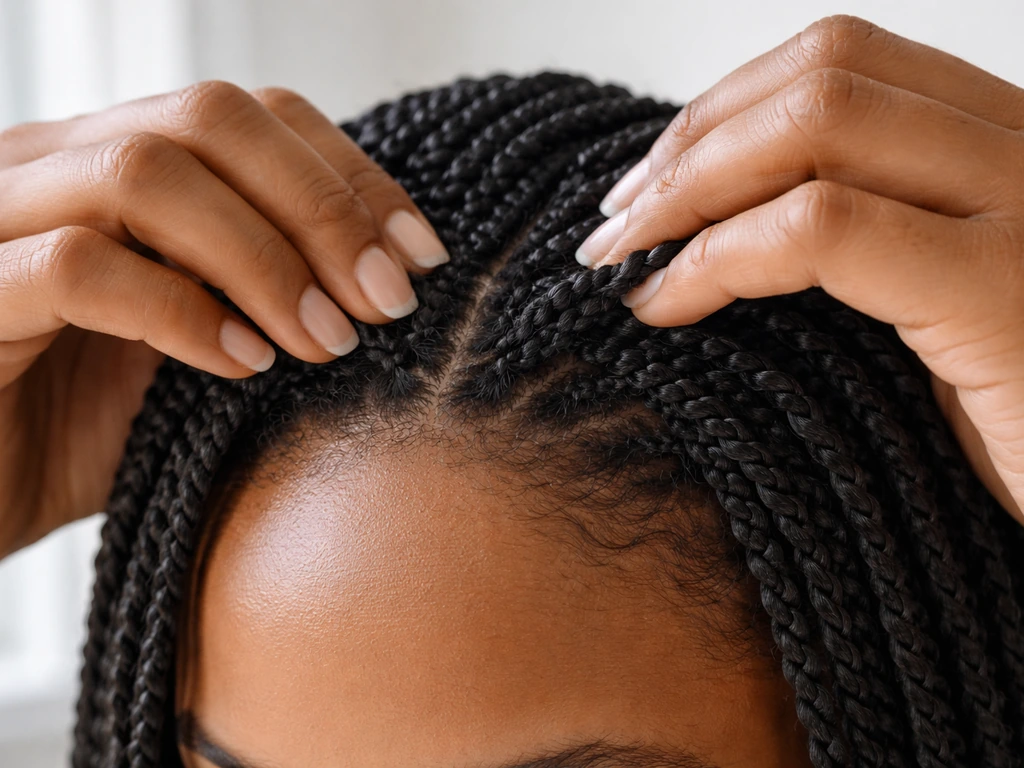
By now you have three to six inches of natural regrowth depending on your growth rate. This is when protective styles become genuinely useful for blending and for protecting the ends while the last treated inches remain. If you've been trimming consistently, a lot of the most fragile transition-zone hair has already been removed. The end of this phase is often when people choose whether to do a final big cut to remove remaining treated ends or to continue gradually trimming into natural hair. Both are valid options.
Phase 4: Month 12 and beyond (finishing the transition)
If you've kept your trims on schedule, by month 12 most people with short to medium length hair are close to or fully natural. Those starting from longer lengths may need another few months. The key in this phase is not to rush and hack off length you've grown. Targeted trims on the most damaged sections, rather than an across-the-board cut, let you keep as much length as possible while finishing the transition.
Styling through the awkward phase
The awkward stage is real, but it's manageable. The trick is choosing styles that work with two textures instead of trying to force them into one uniform look.
Heatless options that actually work
- Twist-outs and braid-outs: when done on damp hair with a curl cream or butter, these define both the natural roots and the looser ends enough that the difference becomes less obvious
- Banding: stretching sections of hair with hair ties placed at intervals while drying reduces shrinkage and makes roots and ends appear more uniform in length and texture
- Wash-and-go with a gel cast: a defined gel cast can unify the curl appearance of roots and ends temporarily, especially on looser curl types
- Roller sets: foam or flexi rods used on damp hair create a cohesive wave pattern across both textures with minimal heat
Protective styles for the transition
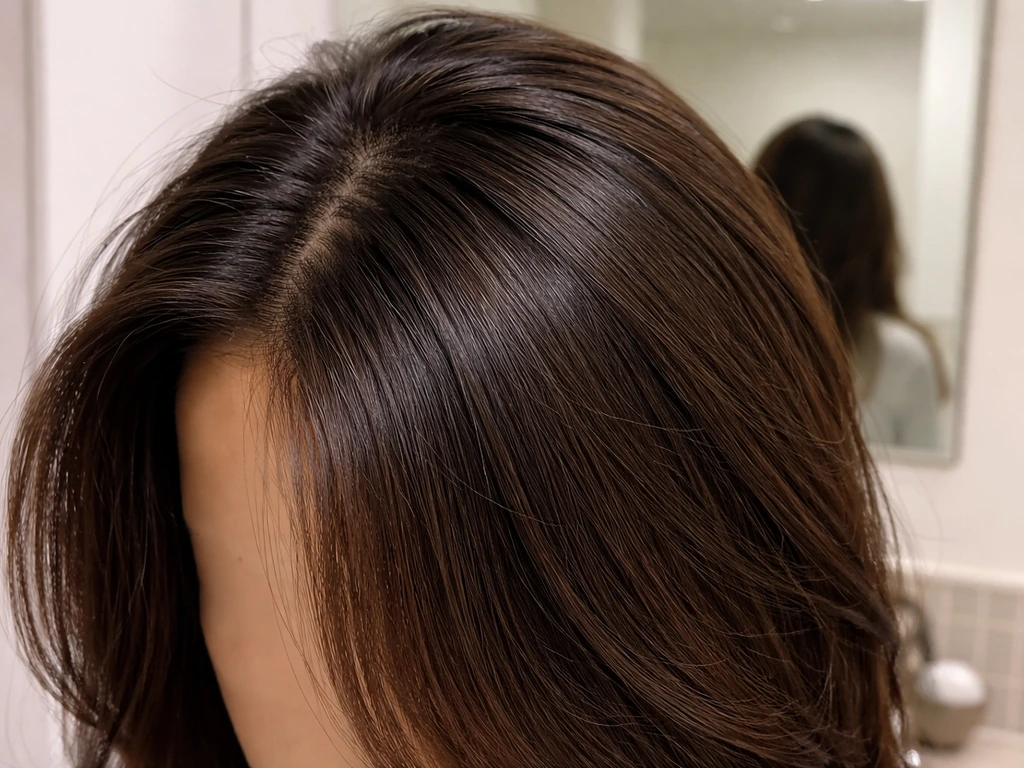
Braids, twists, and updos are your best friends during this process. They tuck the fragile line of demarcation away from daily friction and manipulation, and they give your hair a break from constant styling decisions. Loose protective styles work better here than super-tight ones, because tension at the root when you already have a weak demarcation zone can cause breakage or traction. Keep braids and twists in for no longer than two to three weeks at a time so you can check in on your scalp and re-moisturize your hair properly.
Using parts and layers to disguise the line of demarcation
A deep side part or a shifted center part can visually redirect attention from where the texture contrast lives. If your natural roots are at the crown and the texturized ends are farther down, parting in a way that puts volume at the crown plays into your natural texture rather than fighting it. Similarly, if you have bangs, letting them grow out into face-framing pieces rather than keeping them bluntly cut helps blend the transition at the front where it's most visible.
How to blend regrowth with texturized ends
Blending the two textures is about buying visual time while you grow, not making them identical. The goal is reducing the jarring contrast so the hair looks intentional at every stage.
Layers and strategic cuts
If you're growing out from a pixie or bob, asking your stylist for soft layering rather than blunt cuts can smooth out the appearance of the two-texture line. Layers break up where the contrast sits rather than leaving a stark horizontal line across the entire head. If you have an undercut that's growing in, the shorter under-layer will grow out at a different pace than the top, so patience and targeted trims on the perimeter rather than the whole head are what keep it looking clean.
The bob and pixie transition specifically
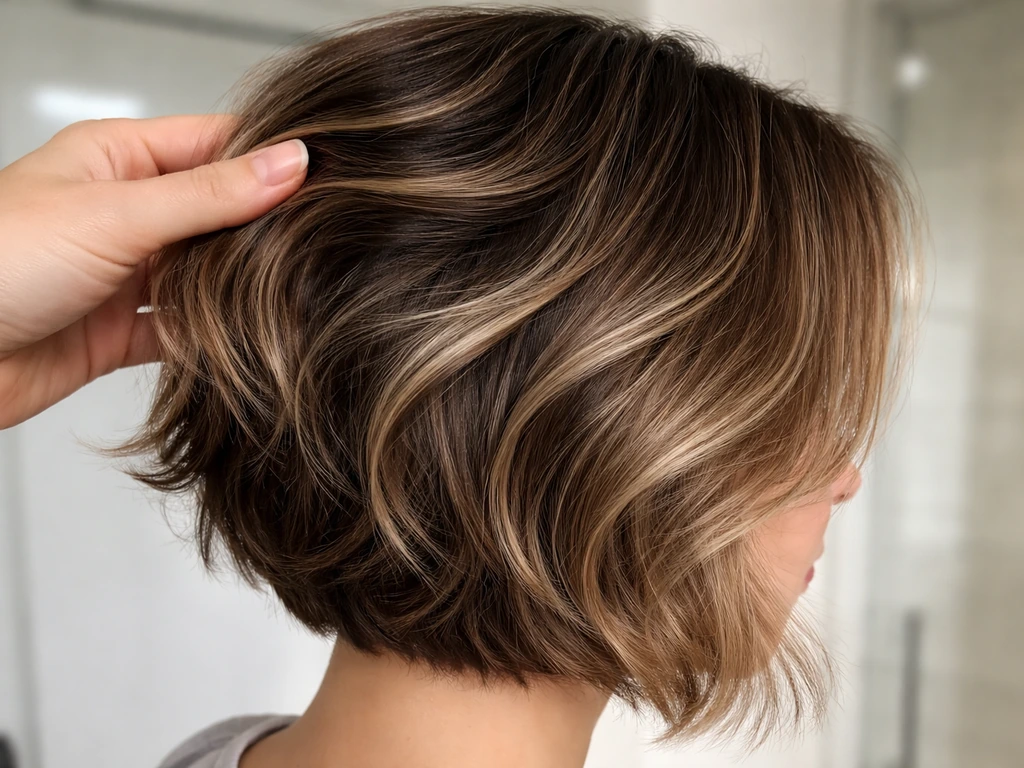
On a bob, the transition zone often sits mid-shaft and is the hardest to hide. The most practical approach is styling with products that add definition to both textures at once, so the focus is on the overall shape rather than the line. On a pixie, the contrast shows up sooner because there's less length to absorb it. Monthly trims of just the ends (not the roots) keep the shape clean while protecting length. If you have bangs growing out alongside a texturizer grow-out, it's a lot to manage at once, but sweeping them to the side or pinning them back during the clumsy in-between phase is usually the path of least resistance.
Keeping your hair healthy while it grows
The moisture-protein balance
Chemically processed hair needs moisture more than it needs protein, most of the time. Dryness at the ends is your main enemy. A weekly deep conditioning treatment focused on moisture is a good baseline. Protein treatments are useful, but they can make hair brittle if overused. Reach for protein when your hair feels mushy, stretches excessively when wet, or won't hold a style. If after a protein treatment your hair feels stiff, crunchy, or snaps more easily, pull back on protein and add more moisture. That seesaw is the core of transitioning hair care.
Washing routine
How often you wash depends on your scalp and lifestyle, but for most people in a texturizer grow-out, shampooing every seven to ten days with a gentle or sulfate-free formula and following up with a rinse-out conditioner plus a weekly deep condition is sustainable. If you work out frequently or have a naturally oily scalp, co-washing (conditioner only washing) between shampoo days can keep the scalp clean without stripping your ends.
Products worth using
- Leave-in conditioner: apply to damp hair after every wash to maintain moisture between wash days
- Sealing oil or butter: applied over the leave-in to lock moisture in, especially on the ends where dryness hits first
- Deep conditioner with slip: look for products with ingredients like shea butter, aloe vera, or panthenol that soften and detangle without overloading protein
- Lightweight curl cream or gel: for styling without heat, these help unify the look of both textures when applied on wet hair
- Protein treatment (occasional): once a month or less, only when the hair shows signs of weakness or excessive stretch
If you also have color or bleach on your ends
Color and bleach on top of texturizer-treated ends means those sections are carrying a significant chemical load. Treat them with extra gentleness: more moisture, less heat, slower detangling, and no additional chemical services until those ends are trimmed off. If you want to color your natural roots during the grow-out, use the most gentle option available and keep it away from the already-processed ends. Semi-permanent color is less damaging than permanent in this scenario. This situation is honestly one of the clearest cases for getting a professional opinion before doing anything yourself.
When DIY is not enough: signs to see a professional
Most of the grow-out process is manageable at home with the right routine, but there are real situations where pushing forward alone can make things significantly worse. Knowing the difference is important.
Scalp reactions that need attention
Some scalp sensitivity after a chemical service is normal: mild tingling, slight tenderness, or temporary dryness. What is not normal is burning that persists for more than a day or two after the service, blistering, open sores, spreading redness, or any sign of infection. Chemical burns from texture services can range from mild to severe, and the longer the chemical sat on an already-sensitized scalp, the more serious the injury.
If you have symptoms that suggest chemical burns to your skin or scalp from a hair relaxer or related service, Poison Control recommends urgent evaluation chemical burns from texture services can range from mild to severe. If you're experiencing anything beyond very mild irritation, stop all styling, stop any chemical applications, and see a doctor or dermatologist rather than waiting it out.
Persistent or unexplained scalp inflammation and hair loss also warrant a professional evaluation because some injuries, including those linked to certain relaxer formulations, have caused alopecia requiring medical treatment.
Breakage and uneven processing
A little shedding during the grow-out is normal, around 50 to 100 strands per day is typical. But if you're seeing clumps of breakage, noticing short snapped pieces all over your styling tools and clothes, or finding that certain sections of your hair are breaking off significantly faster than others, something is wrong with the structural integrity of your hair.
This is usually the result of overprocessing, uneven chemical application, or a neglected line of demarcation that's been snapping for months. A professional stylist who specializes in chemical texture transitions can assess the damage, do a proper strand and elasticity test, and recommend a corrective strategy. Trying to fix severe breakage at home by adding more product layers often makes it worse.
Complicated chemical history
If you've had a relaxer followed by a texturizer (or the reverse), or if you're working with hair that also has bleach or multiple color services on it, the chemistry is layered enough that self-diagnosing and self-treating carries real risk. If you are also transitioning from a relaxer, the same line-of-demarcation and breakage precautions apply as you grow it out to natural relaxer followed by a texturizer.
If you are trying to reverse relaxer or remove it from your hair without cutting, the safest approach is to grow it out while strengthening and protecting the most fragile transition area. This is the same territory covered in growing out a relaxer or a perm, where overlapping chemical services can cause unpredictable responses.
If you are also figuring out how to grow out relaxer results, the same line of demarcation and breakage risks apply growing out a relaxer or a perm. A professional can map out which sections have what on them and build a plan that doesn't accidentally create more damage during the transition.
If your goal is to go fully natural without a big chop, having a professional in your corner for at least an initial assessment is worth the appointment, especially when multiple chemical services are involved.
Growing out a texturizer is genuinely doable on your own timeline. If you are looking for help with the basics, learning how to grow out a perm in black hair starts with protecting your treated ends and managing the line of demarcation carefully. The awkward phase ends, the two textures eventually become one again, and the hair you grow in is yours without any chemical compromise. Take it one phase at a time, keep the ends moisturized and protected, trim on schedule, and give yourself permission to style imperfectly while the process plays out.
FAQ
Do I have to do a big chop to get rid of the texturized ends?
In most cases, the most processed hair is the length that was treated, not your new growth, so “leaving it alone” usually means trimming only the bottom of the treated section on schedule rather than trying to cut out the entire line of demarcation at once. If you trim regularly (often every 6 to 8 weeks depending on your starting length), you remove the most fragile ends while keeping as much overall length as possible.
How long can I safely wait before the treated line becomes noticeable or starts snapping?
Yes, you can get away with blending longer than you think if you choose styles that hide the horizontal contrast at the same time you reduce manipulation. A practical approach is to keep protective styles in short cycles (about 2 to 3 weeks), then check the line of demarcation at wash time, detangle gently, and only do extra trimming where shedding and snappy ends are actually concentrated.
How do I know whether to use protein or moisture during a texturizer grow-out?
It depends on what you mean by “protein.” If your hair feels mushy, stretches far when wet, or will not hold any shape, that is usually a protein time. If your hair feels stiff, crunchy, or starts snapping more easily after protein, back off and switch back to moisture-focused conditioning. Also, prioritize moisture first because transitional hair usually breaks from dryness, not from a lack of protein.
What’s the safest way to detangle when I have two textures on my head?
A common mistake is using the same detangling routine everywhere on the head. Treat the transition zone like it is compromised, detangle in sections with lots of conditioner, detangle from ends upward, and avoid aggressive brushing when hair is dry. If you feel the hair “ripping” at the same point every time, that is often the demarcation zone, and it is time to be more conservative and consider a targeted trim there.
Can I flat iron or use a blow-dryer while growing out a texturizer, and how should I reduce damage?
Heat is not automatically forbidden, but transitional hair needs limits. Use lower heat, minimize passes, and always prep with a leave-in or heat protectant. If you’re seeing new breakage at the demarcation after heat use, reduce frequency rather than doubling up on additional oils or products, because buildup can increase tangling and friction.
What should I do if my hair feels soft but still breaks during the transition?
Over-moisturizing can make hair feel soft and swollen but weaker, while over-proteinating can make it feel hard and brittle. Your best decision aid is the wet-strand behavior test, plus your styling results: if hair is stretching excessively, tangling quickly, and breaking at the boundary, prioritize moisture and cut back on heavy treatments for a few weeks.
How can I tell whether my breakage is coming from the demarcation zone versus general dryness or damage?
If you can’t tell whether the treated hair is the problem or the new growth is, look for pattern clues. Breakage that concentrates around a consistent band on the hair is usually demarcation related, while breakage that’s spread throughout can point to dryness, too much manipulation, or uneven chemical history. In both cases, a stylist elasticity check is useful if you’re seeing increasing snapped pieces rather than normal shedding.
Can I color my natural roots while I’m growing out a texturizer, and how do I avoid re-damaging the ends?
Yes, semi-permanent root color is often the gentler route during a grow-out, but the key caveat is placement. Keep dye off the already-processed ends, use the most gentle developer option available, and avoid repeated root touch-ups too frequently. If you’ve had multiple services (especially bleach) on the ends, a professional mapping of “what gets colored” can prevent accidental overlap with fragile treated sections.
How do I know whether my scalp irritation is normal or a chemical burn that needs a doctor?
If your scalp feels very tender or shows symptoms beyond mild, temporary sensitivity, do not assume it is “just irritation” and keep moving with styling. Persistent burning, blistering, open sores, spreading redness, or signs of infection need medical attention. Also stop any additional chemical applications immediately if symptoms worsen after the service rather than improving day by day.
How should I decide when to trim, if I’m seeing uneven texture or breakage?
Most people should revisit a trim only after you can see what is actually breaking. Do not trim blindly every week during the early transition, instead keep your planned trim window (often 6 to 8 weeks) and adjust based on results at wash day. If you see snapped ends and uneven texture caused by the boundary, a small targeted end trim helps more than cutting off more than necessary.
What protective styles are safest, and how tight is too tight during a texturizer grow-out?
You can, but you should avoid any style that pulls at the root where the demarcation is forming and weakening. Loose braids or twists are usually safer than tight installs, and keeping them in for 2 to 3 weeks helps you re-moisturize and check for scalp tenderness or new shedding. If you notice extra shedding right after installing, loosen the style and consider spacing your installs.