
Growing out a perm means riding out the gap between your chemically curled ends and the straight (or naturally textured) new growth coming in at the roots. That transition takes roughly 6 to 12 months depending on how long your hair is and how fast it grows, and yes, there will be a stretch where the two textures look nothing alike. The good news is you can manage that gap confidently with the right washing routine, a few targeted products, and a clear styling plan for each stage, no big chop required.
How to Grow a Perm for Guys: Stages, Tips, Timeline

Marcus Vickers
30 May 2026
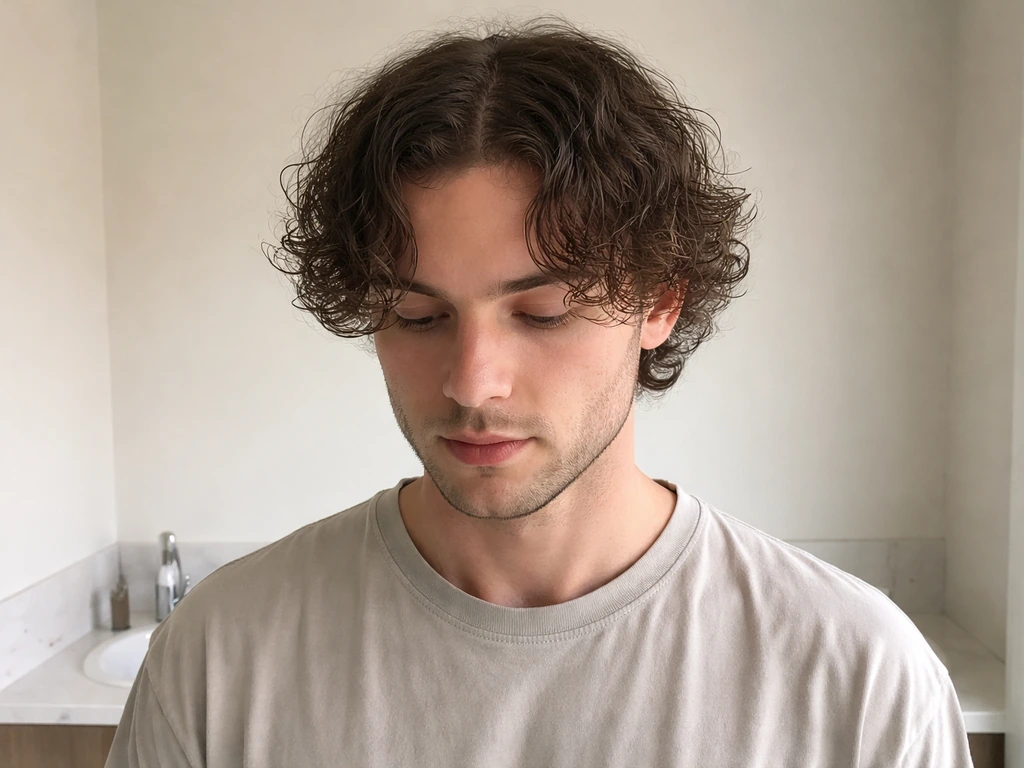
What a perm actually does to your hair (and why the grow-out feels weird)
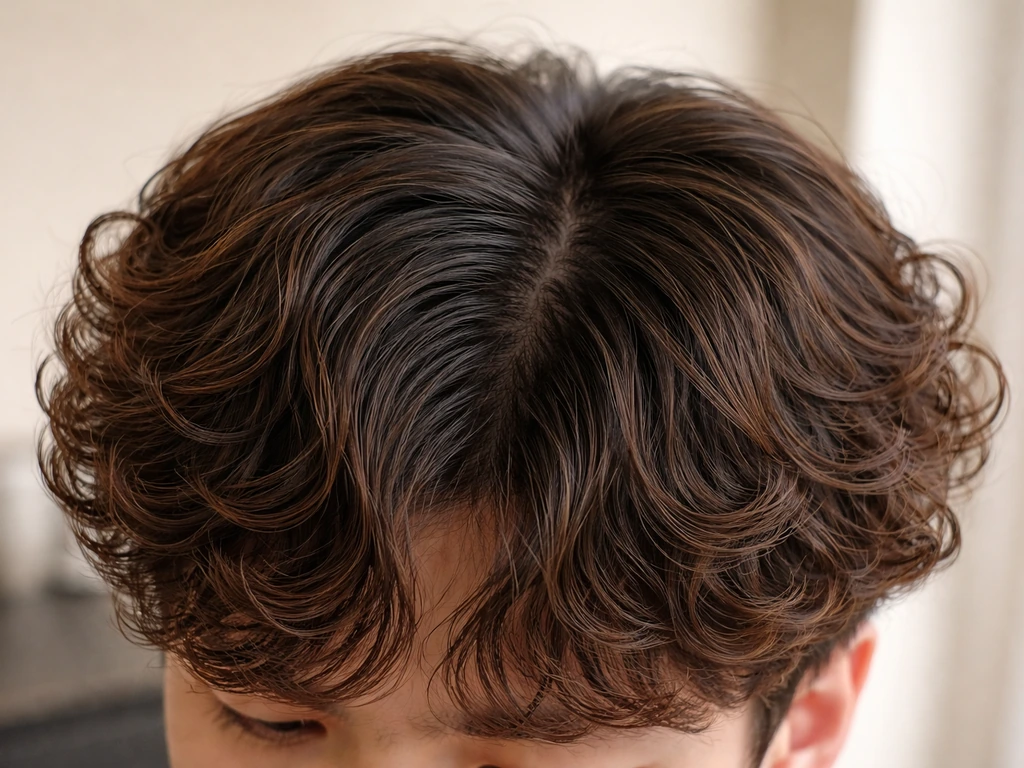
When you got your perm, the stylist applied a reducing solution, usually ammonium thioglycolate, that broke the disulfide bonds inside each hair strand. Those bonds are what give hair its natural shape. Once broken, the hair was wrapped around rods, and then a neutralizer (typically dilute hydrogen peroxide) was applied to reform those bonds in the new curved position. The result is permanent on the hair that was treated. The word 'permanent' here just means the curl won't wash out; it stays until that hair grows away from your scalp and gets cut off.
New hair growing from your scalp has never been through that chemical process, so it comes in with your natural texture. If your natural hair is straight or only slightly wavy, you'll gradually see a visible line between the curlier mid-lengths and ends and the flatter, softer roots. That contrast is the grow-out. It's not damage, it's just chemistry, and understanding that makes the whole process a lot less frustrating.
How long the perm lasts and when the awkward stage kicks in
Most perms last 3 to 6 months before the curl noticeably loosens, though the permed portion technically keeps its curl until it's cut away.
Hair grows roughly half an inch per month on average, so by month 2 you'll have about an inch of new root growth. By month 6, you're looking at 3 inches of new texture. For most guys with shorter to medium hair, that's a big chunk of your total length. The awkward phase, where your roots look one way and your ends look completely different, tends to peak somewhere between months 3 and 6.
After month 8 or 9, the permed hair is mostly at the ends, and by month 10 to 12, a lot of it has been managed away through trims.
| Month | What's happening | What it looks like |
|---|---|---|
| 1–2 | Curl is still fresh; first ~1 inch of new growth appearing | Roots may look softer or flatter; ends still defined |
| 3–4 | New growth is clearly visible; curl at ends may loosen | Obvious two-texture look; some frizz at the root line |
| 5–6 | Midshaft transition zone; bulk increases | Poofy, uneven, ends curlier than roots |
| 7–9 | Permed hair mostly at ends; roots dominate silhouette | Ends look curlier or older; roots are flat or wavy |
| 10–12 | Majority of perm has been trimmed or grown fully out | Close to your natural texture throughout |
Washing and conditioning during the grow-out
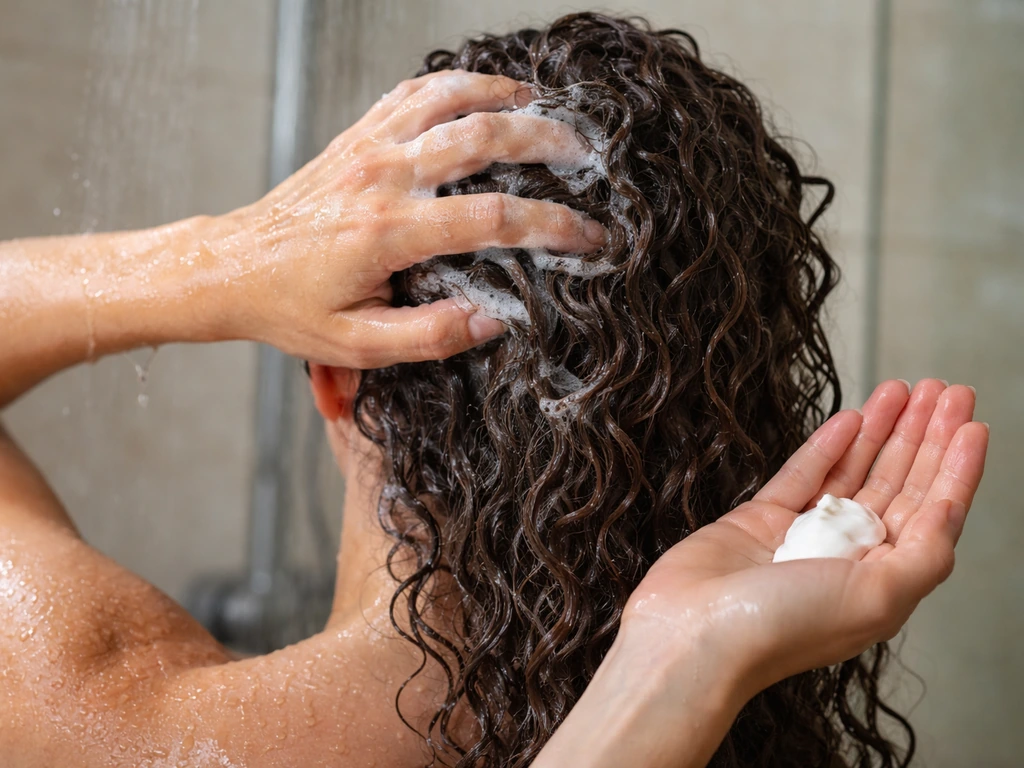
Right after a perm, the rule is to wait at least 48 to 72 hours before your first wash. The curl needs that time to fully set. After that initial window, you're in grow-out mode, and the goal of your wash routine shifts: you're not maintaining a fresh perm anymore, you're managing two textures and protecting the health of both. Focus on a gentle, curl-friendly routine so you can grow out a perm without extra dryness or breakage.
Wash 1 to 2 times per week using a sulfate-free, moisturizing shampoo. Sulfates strip natural oils aggressively, and permed hair is already more porous and vulnerable to dryness. Every wash should be followed by conditioner, and at least once a week, that should be a deeper conditioning treatment or a dedicated moisture mask. On non-wash days, a lightweight leave-in conditioner or curl cream applied to damp hair keeps the permed section from drying out and cracking.
Water temperature matters more than most guys think. Hot water opens the hair cuticle and makes it harder to retain moisture, which is already a problem for chemically processed hair. Wash with lukewarm water, and finish with a cool rinse to close the cuticle and reduce frizz. When drying, skip the regular terrycloth towel scrubbing. A microfiber towel or a clean cotton T-shirt, used with a gentle scrunching motion, cuts drying time without roughing up the cuticle. If you use heat to dry, a diffuser on low heat is the move, it enhances curl definition at the ends while being gentle enough not to snap the transition zone where the two textures meet.
Styling at each awkward stage
Months 1–2: The curl is still doing most of the work
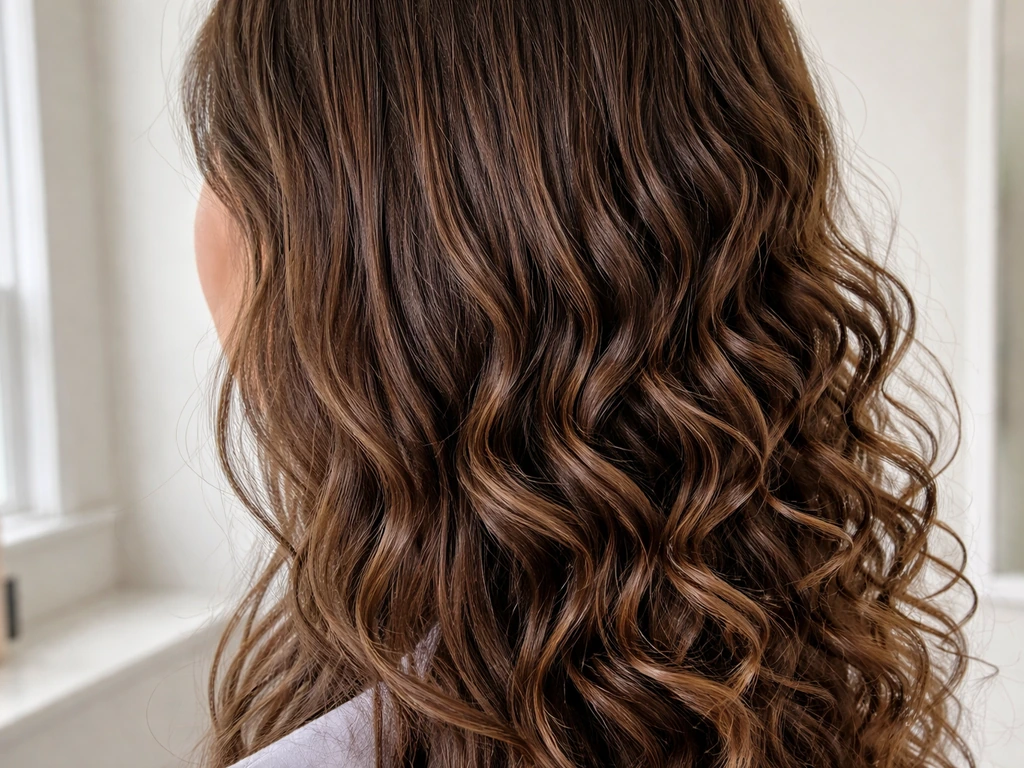
In the first couple of months, the perm is still relatively fresh and the new growth is short enough that it mostly blends in. Apply a curl cream or light mousse to damp hair and let it air dry or diffuse. This is the easiest stage. The main thing to avoid is heat styling, especially in the first two weeks, since high heat can loosen the curl bond in freshly permed hair before it's fully stabilized.
Months 3–5: The two-texture zone
This is where things get genuinely awkward. Your roots are growing in flatter, and the curl starts about an inch or two from the scalp. The contrast can make hair look puffy at the roots and curly at the ends with no graceful middle ground. The fix is styling products that add definition to the roots while calming the ends. A light styling gel or curl-enhancing mousse applied root to tip while hair is wet helps unify the look. Scrunching upward while diffusing encourages the roots to pick up some wave and blend better with the ends. A wide-tooth comb or fingers-only detangling while conditioner is in the hair helps reduce breakage at the fragile transition zone.
Months 6–9: Managing bulk, cowlicks, and poof
By now, you've got real length and real bulk. The permed section is sitting at the mid-lengths or ends, and your natural texture is running the show at the top. If you have cowlicks, this is when they're most visible because the new growth isn't long enough to be weighed down yet. A small amount of a medium-hold pomade or styling cream applied to the root area while hair is slightly damp helps redirect cowlicks and tame the poof without flattening everything. Avoid heavy products on the curl ends, they'll make the ends look greasy while the roots still look unruly.
Months 9–12: Almost there
At this point, most of the visible perm is at or near the ends, and your overall texture is starting to feel more like your own. This stage is actually fairly manageable because the root texture is long enough to have some natural movement. Keep the conditioning routine consistent, focus light product on the ends only, and enjoy the fact that the weirdest stages are mostly behind you.
Trimming vs going no-cut: what actually makes sense
You don't have to cut anything to grow out a perm. The permed hair will naturally move toward your ends as new growth comes in, and eventually you can trim just the treated section without sacrificing much length. That said, strategic trimming can make the grow-out a lot less painful to live through.
A light trim every 10 to 12 weeks, just enough to remove the most damaged, frizziest ends, keeps the hair looking intentional without eating into your progress. If you have an undercut or layers, talk to your barber or stylist about gradually blending the length rather than doing a full reshape. The goal is shape maintenance, not length removal. If the transition zone is creating a hard line that's difficult to style, a small amount of texturizing, light point-cutting into the ends, can soften the contrast without shortening anything dramatically.
The one scenario where a more significant trim makes sense is if the permed ends are severely damaged (splitting, matting, or snapping easily). In that case, removing the most compromised inch or two actually speeds up the overall grow-out because you're no longer fighting constant breakage.
Keeping the damage and dryness under control
Chemically processed hair needs both protein and moisture, and the balance between the two matters. Protein helps rebuild the structural integrity of strands that had their bonds chemically altered. Moisture keeps those strands flexible and prevents breakage. The problem is that too much protein without enough moisture makes hair brittle and snappy, and too much moisture without protein can make hair feel mushy and limp, both of which get worse with permed hair.
A practical rule: do a light protein treatment (like a protein-based deep conditioner or a product that contains hydrolyzed keratin or silk proteins) once a month, and follow it up immediately with a moisture-based deep condition. In between, stick to moisture-focused products. If your hair starts to feel gummy or stretchy when wet without springing back, it needs protein. If it feels stiff, brittle, or snaps at the mid-shaft with almost no stretch, ease off the protein and go heavy on moisture for a few weeks.
- Signs you need more moisture: hair feels rough or dry to the touch, frizz is constant, curls look shrunken or dull
- Signs you need more protein: hair feels limp or mushy, curl won't hold shape, hair stretches way too far before snapping
- Signs of protein overload: hair feels stiff or straw-like, breaks easily with almost no stretch, feels rough even when conditioned
- Signs of moisture overload: hair is flat, elastic but limp, takes forever to dry and doesn't hold any style
One more thing worth saying: protein overload takes time to correct, sometimes weeks. If you've overdone it with protein treatments and your hair feels like dry grass, stop all protein products immediately and focus on moisture-only deep conditioning for at least 3 to 4 weeks before reassessing.
Common grow-out complications and how to handle them
Frizz that won't quit
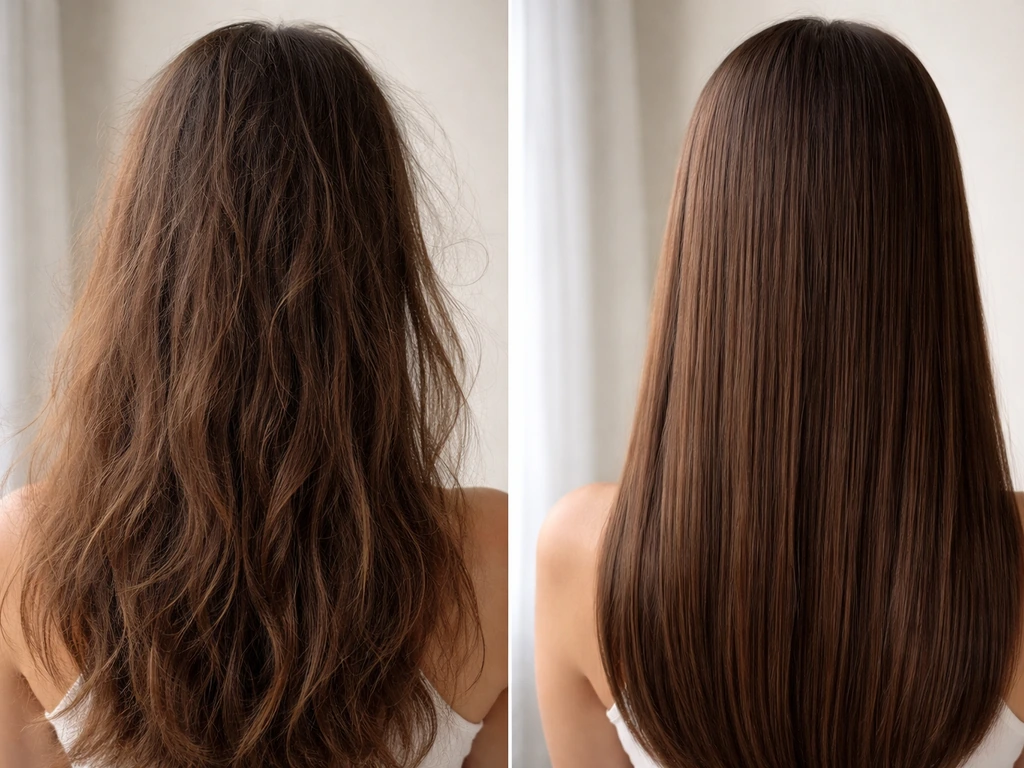
Frizz in permed or transitioning hair usually comes from one of two places: dryness (the hair is grabbing moisture from the air because it's dehydrated) or humidity (the hair cuticle swells from external moisture). For dryness-based frizz, the answer is more moisture in your routine and a light anti-frizz serum or oil applied to damp hair before it dries. For humidity-based frizz, a gel or anti-humidity cream applied on top of your styling routine acts as a barrier between the hair and the air. Either way, avoid touching your hair while it dries, that alone causes a huge amount of frizz.
Poof and volume you didn't ask for
The transition zone between your natural roots and permed ends is where most of the bulk lives, and it can make hair look like it's growing outward instead of downward. The practical fix is styling product applied from root to tip while hair is still wet, then diffusing or air drying without disturbing it. A light hold gel pressed into the roots while the hair is dripping wet gives the most control. Once dry, you can break the cast (run fingers through gently) to soften without losing the shape.
Matting and tangling
When two different textures are growing on the same strand, they can tangle around each other more easily, especially if the hair is dry. Detangle only when hair is wet and loaded with conditioner, working from the ends upward with a wide-tooth comb or your fingers. Never yank through dry knots. Adding a leave-in conditioner to damp hair before bed and loosely bunching (not tying tightly) hair at night can dramatically reduce morning matting.
Curls not matching up or looking patchy
If your perm was applied unevenly, or if some areas processed differently than others, you may notice patches where the curl is tighter, looser, or just plain different from the rest. Styling products won't fix this, it's a structural issue from the initial service. The honest answer is that time and trimming are the main solutions. You can minimize the visual difference by using a diffuser (it encourages curl formation in the flatter areas) and by keeping product application consistent throughout. For guys who had a curl perm and some areas went straight-ish, a curl-defining cream helps the curlier zones look intentional while the flatter zones catch up during grow-out.
Roots looking flat while ends are still curly
This is just the grow-out doing its thing. The contrast is most visible when hair is dry and unstyled. The best workaround is styling hair while it's completely wet, applying product evenly root to tip, and letting it dry without touching. If the flat root area is really bothering you, a light texturizing spray applied to dry roots and then finger-scrunched can add just enough movement to reduce the contrast without rewetting everything.
Should you re-perm, relax, or just let it grow?
If you loved the perm look and want to maintain it, the general recommendation is to wait at least 6 to 8 weeks between services to let enough new growth come in and avoid overlapping chemicals on already-processed hair. Some professionals suggest waiting closer to 2 to 3 months to give your hair time to recover structurally. Perming again too soon stacks chemical exposure on damaged hair, which increases breakage risk significantly. When you do go back, a good stylist will apply the new solution only to the new growth, not the already-curled ends.
If you're thinking about going the other direction, using a relaxer or a straightening treatment to smooth out the curled ends and blend everything back to straight, that's an option, but it involves putting another chemical service on already-processed hair. The same waiting period applies, and you'll want to do a thorough moisture and protein treatment in the weeks before to build up the hair's resilience. This path is similar in some ways to growing out relaxed hair, where you're also managing two distinct textures on the same strand as you wait for the treated portion to grow out or be trimmed away. If you are specifically trying to grow out relaxed hair to natural, the same two-texture transition rules apply, so focus on moisture, protein balance, and styling that blends roots and ends growing out relaxed hair.
If you're done with chemical services entirely and want to get back to your natural texture, the cleanest path is time and patience. Keep trimming the permed ends at a slow pace every couple of months, focus on health and moisture, and by the end of year one, most guys with short to medium hair are largely grown out.
There's no chemical shortcut that removes a perm from hair that's already been processed, the perm is literally baked into the molecular structure of those strands. Growing out a perm works as the primary reset because the service permanently alters chemical bonds in the treated hair, so with careful tending and healthy hair the new curl pattern can last until it grows out and gets trimmed away [Growing it out is the reset. ](https://www. hairfinder.
com/hair4/permfallout. htm). Growing it out is the reset.
Whatever direction you choose, the framework is the same: protect the health of your hair first, manage the two-texture transition with consistent product and styling habits, and trim at a pace that works for your goals. There's no wrong answer as long as you're not rushing into another chemical service before your hair has recovered. Your perm grow-out doesn't have to look messy or feel like you're losing control, it just takes a clear plan and a little patience at each stage. If you have black hair and you’re wondering how to grow out a perm without the transition looking patchy or frizzy, follow the same two-texture plan and adjust your products for moisture and definition how to grow out a perm in black hair.
FAQ
Can I brush my hair while it is growing out a perm?
Brush only when hair is wet and conditioned (use a wide-tooth comb or fingers). Dry brushing through the transition zone can cause breakage where the root texture and permed ends tangle differently.
What should I do if my roots look wavy but the ends look stringy or undefined?
Likely the ends are drying out or over-product buildup is weighting them. Use a lighter leave-in on the ends, apply gel or mousse on damp hair, then diffuse low heat and break the cast only after fully dry.
Is it okay to use dry shampoo or hair spray during the grow-out?
Use sparingly. Dry shampoo can leave a residue that makes the perm portion look dull or crunchier, and many hair sprays dry the ends further. If you use them, keep application to the root area and rehydrate with conditioner during your next wash.
How can I sleep without waking up with knots in the transition zone?
Detangle in the shower with conditioner, then apply a small amount of leave-in to damp hair and loosely bunch it. Use a microfiber towel, or a satin pillowcase if you have one, because friction worsens frizz and tangling.
Should I trim the perm portion at month 2 or wait?
Usually wait until you have enough visibility of what is truly damaged or excessively frizzy, many guys do a light trim around 10 to 12 weeks. Early snipping can remove still-healthy curl, so focus on health first unless you see snapping or severe matting.
What if the curl line is uneven, like one side looks curlier than the other?
Uneven processing or cowlick patterns can show up during grow-out, styling cannot permanently fix it. Try consistent product application root to tip and use a diffuser to encourage curl in the flatter areas, then consider targeted blended trims with your barber if it stays obvious.
How do I know whether to add protein or more moisture?
Do a quick wet-feel check. If hair feels stretchy like it might tear without bouncing back, add protein (light, not repeated daily). If it feels stiff, brittle, or snaps easily, switch to moisture-only deep conditioning for a few weeks.
Can I swim or use hot tubs while growing out a perm?
Yes, but protect first. Wet hair before swimming, apply a leave-in conditioner, then rinse immediately after. Chlorine can dry permed hair quickly, and lingering chemicals can make the transition zone feel rough.
Is there a way to reduce frizz without washing more often?
Yes. Apply your styling product to soaking-wet hair, avoid touching while it dries, and use a light anti-frizz serum or oil only on damp hair after your leave-in. For humidity days, prioritize a gel that dries down as a barrier.
When can I get another perm, and what should the stylist do to avoid overlapping chemicals?
Wait at least 6 to 8 weeks (some prefer 2 to 3 months) so you are not stacking chemicals on already-processed ends. Ask the stylist to apply fresh solution only to new growth, then neutralize and style to match your current curl pattern.
Will a haircut style help the transition look smoother?
Yes. Layers or an undercut can make cowlicks more noticeable, so ask for shape maintenance and gradual blending. A stylist can preserve length while softening where the permed ends sit, which often makes the grow-out look more intentional.
If I want to stop the perm and return to natural texture faster, what is the safest approach?
The safest route is time and slow trims. There is no true shortcut that removes the chemistry from permed strands, even if you straighten. If you choose additional chemical services, do it only after a thorough moisture and protein reset, and plan for a longer transition.