
The short haircuts that are easiest to grow out are ones with soft, blended lines, minimal hard edges, and a shape that transitions naturally into the next length. Specifically: pixie cuts with layered tops, classic bobs, tapered buzz cuts, and soft short layers all grow out more predictably than styles with harsh undercuts, blunt perimeters, or heavily disconnected sections. The difference matters a lot when you are standing in front of the mirror four months from now trying to figure out what happened to your hair.
Short Haircuts That Are Easy to Grow Out: Guide

Marcus Vickers
10 Apr 2026
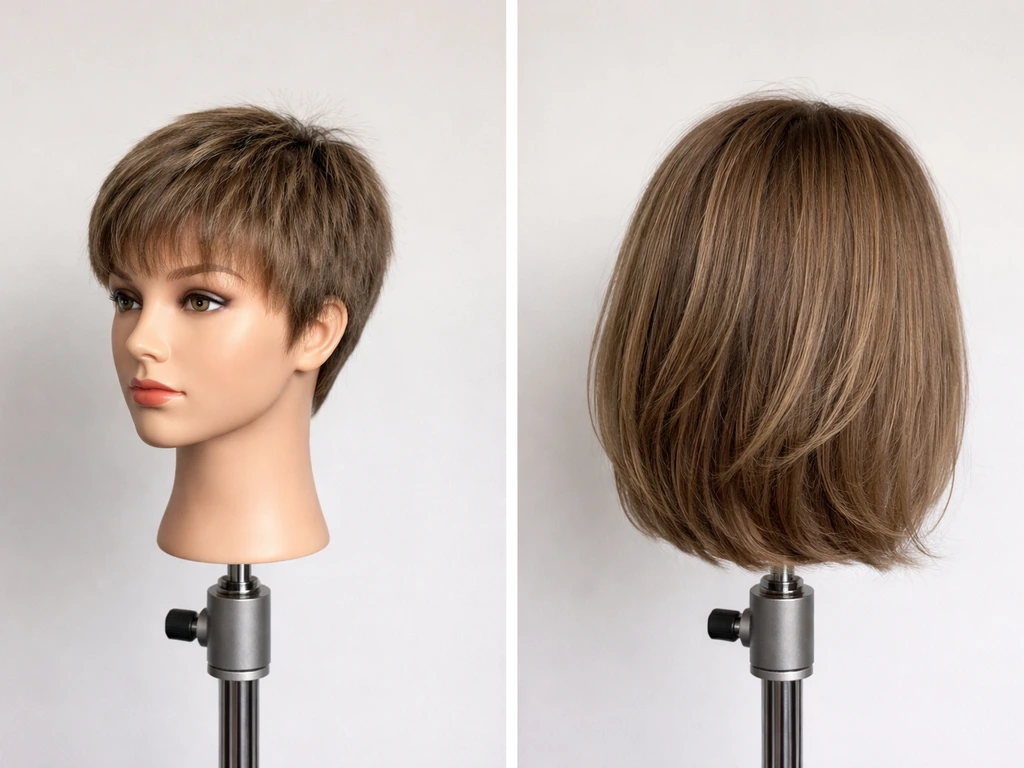
Best short haircut types for an easy grow-out
Not all short haircuts age the same way as they grow. Some stay wearable for months through every stage; others hit an awkward wall fast. Here is what actually works.
Pixie cuts with layered or tapered tops
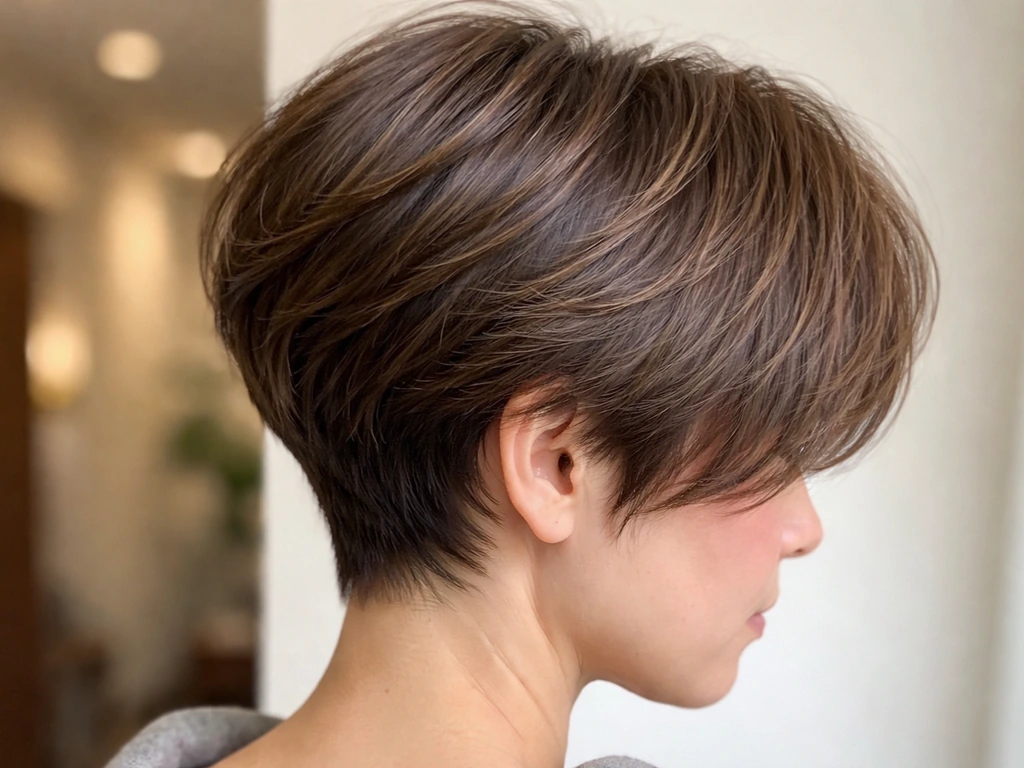
A pixie with soft layers on top and a tapered (not shaved) neckline is one of the most forgiving cuts to grow out. The layers on top mean you are not waiting for one blunt chunk to catch up with the rest. The taper at the neckline grows in gradually rather than leaving a hard line that screams 'I stopped getting haircuts.' The next natural stop on the grow-out journey from a pixie is a short bob, which gives you a real intermediate destination to aim for rather than just enduring chaos.
Classic and graduated bobs
A classic bob, especially a graduated or A-line version, grows out into a longer bob and then into a lob with very little drama. The graduation means the back stays manageable as length builds. Blunt bobs are trickier because the perfectly even line becomes uneven quickly and looks like neglect rather than intention. If you already have a blunt bob and want to grow it out, ask your stylist to add some graduation at your next visit rather than taking more length off.
Buzz cuts with a taper
A buzz cut that uses a taper or fade rather than a uniform-length clip all over grows out much more evenly. The sides and back transition smoothly through each length stage instead of all arriving at the same awkward puffiness at once. Starting with a tapered buzz is genuinely one of the best haircuts to grow out hair because the structure does the work for you in the early months.
Short shags and textured layers
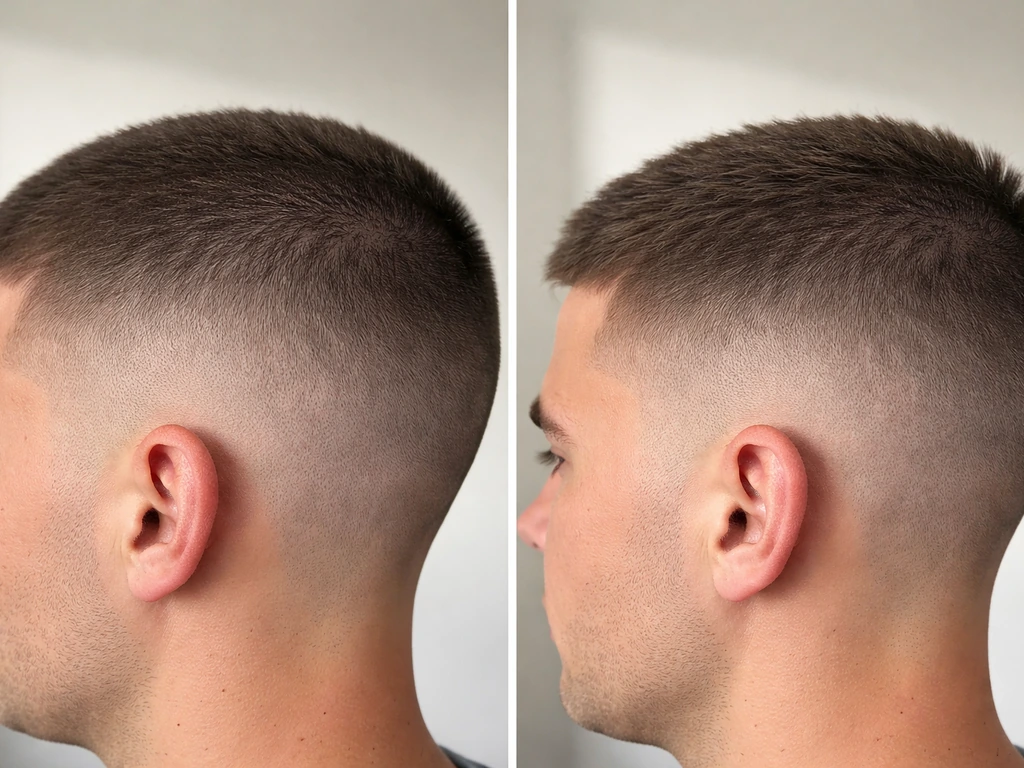
Short shags with choppy or piece-y layers grow out into longer shags, which means you essentially move through wearable style after wearable style. The texture hides the awkward in-between lengths better than any smooth, polished cut can. This is especially useful for wavy and curly hair, where the movement of the layers reads as intentional styling even when you have done almost nothing.
Cuts that make the grow-out harder
Hard undercuts, heavily disconnected sections, and very blunt one-length cuts all create grow-out problems. The undercut in particular creates a visible shelf as the shaved section grows in, and blending that back into the rest of the hair takes active management and multiple salon visits. Bangs also add a complication: they hit an awkward stage around eyebrow-to-nose length that can last several months before they are long enough to sweep, clip, or blend properly.
How to pick the right cut for your texture and lifestyle
The easiest grow-out cut for someone with fine straight hair is not the same as the easiest one for someone with thick coily hair. Texture and thickness change how visible every awkward stage is and how much daily effort each stage demands.
| Hair Type | Best Grow-Out Cut | Main Challenge | Daily Effort |
|---|---|---|---|
| Fine / Straight | Graduated bob, soft pixie | Limpness at in-between lengths | Low to medium (needs volume products) |
| Wavy | Textured pixie or short shag | Frizz during awkward phase | Low (waves hide transitions well) |
| Curly | Soft-layered pixie or curl-friendly bob | Shrinkage makes length harder to gauge | Medium (needs moisture and definition) |
| Coily / 4C | Tapered cut with soft blending | Uneven growth patterns per section | Medium to high (needs consistent moisture) |
| Thick / Any | Graduated or layered bob, tapered buzz | Bulk buildup during mid-stage | Medium (may need thinning at trims) |
Face shape matters less than most people think during a grow-out, but it does affect which styling choices will feel most flattering at each stage. Oval and round faces tend to have more flexibility. If you have a square or heart-shaped face, keeping some side-swept movement during the awkward phases (rather than pulling everything back tight) usually reads better. The bigger question is maintenance: how often will you realistically get to a salon, and how much time will you spend styling each morning? Be honest with yourself here. A style that requires weekly barbershop visits to stay intentional is a problem if you actually go every six weeks.
Before any cut, the most useful thing you can do is have a real conversation with your stylist about the grow-out plan specifically. Ask something like: 'How does this grow out over the next eight to ten weeks, and what should I ask for at my next appointment?' A good stylist will be able to tell you exactly where the tricky patches will be. If they seem caught off guard by the question, that is useful information too.
What to expect at each grow-out stage
Every grow-out has roughly the same arc, but what it looks like depends heavily on where you are starting. Here is an honest stage-by-stage breakdown for the most common short cuts.
Growing out a pixie
Months one and two are usually fine. The cut still looks like a pixie, just slightly less crisp. Month two through four is where it gets hard: the crown can flatten while the neckline thickens, and the sides start to get a slight wing shape near the ears. This is the stage where most people panic and cut it all off again.
The key is to know this is coming and have a plan for it. Keeping the neckline tidy (a quick cleanup, not a full cut) while leaving the top completely alone is the right move here. By months five through eight, most people reach a soft short bob, which is a genuinely wearable style rather than an awkward middle ground.
Growing out a buzz cut

A buzz cut at a number two guard is about a quarter inch of hair. At average growth rates (roughly half an inch per month), you are looking at two to three inches of length in about four to six months, which puts you solidly into a short but workable range. The weird stage for buzz cuts is usually around one to two inches, when the hair is long enough to look unintentional but too short to style. This is when product becomes your best friend: a light pomade or cream applied to damp hair can make that length look deliberate.
Growing out a bob
Growing a bob into a lob (long bob) is probably the gentlest of all grow-outs. The main issue is the back: if your bob was cut with any kind of stacking or graduation, the back will lag behind the front as it grows, creating a slight mullet effect around months two through four. A single trim to blend the back with the front length, rather than cutting the front shorter, usually solves this cleanly.
Growing out bangs
Bangs are their own separate grow-out challenge. Straight-across fringe can be blended into the rest of the cut in roughly eight to ten weeks if they started close to the eyebrow. But getting to a truly blendable, face-framing length that sweeps naturally takes closer to six to nine months for most people. Curly and wavy bangs can behave differently: instead of growing straight down, they may grow in a loop or curve, which affects how they can be styled at each stage. The general progression is awkward (nose-bridge to lip length), then transition (can be swept or pinned), then fully blended. Having a plan for each of those three stages makes the whole thing much less frustrating.
Growing out an undercut
This is the hardest grow-out, full stop. The shaved section grows in at a different texture than the hair above it, and the weight line above the shaved area creates a visible shelf effect. The only real solutions are: keep getting it blended at the barber every four to six weeks, use the longer hair above to cover it as it fills in, or commit to a longer taper that gradually transitions the shaved section back to natural growth. There is no quick fix here, but the right approach to a men's haircut when you are trying to grow it out involves regular blending appointments specifically to manage this transition.
Styling strategies for the awkward in-between lengths
The awkward phase is not actually unstyled, it is just understyled. The right product and technique makes a significant difference in whether those transitional lengths look intentional or not.
- Side parts and sweeping: At almost every awkward length, moving the part to one side and sweeping hair across the forehead or face adds visual structure and covers uneven growth near the temples.
- Tucking behind the ears: Once the sides reach ear length, tucking them back immediately reads as a deliberate style choice and buys weeks of wearability.
- Clips and accessories: Claw clips, bobby pins, and mini barrettes are not just for long hair. They can pin back awkward bangs, secure a growing-out undercut section, or add intention to a length that looks like nothing in particular.
- Texture products: A small amount of texturizing cream, salt spray, or light pomade on damp hair before air-drying adds definition that makes short-to-medium lengths look styled rather than just grown-out.
- Volume at the root: Fine hair loses structure fast at the awkward phase. A volumizing mousse at the roots before blow-drying keeps the shape from collapsing.
- Headbands: A thin elastic or fabric headband can push growing bangs back cleanly without pinning and holds better than clips on slippery straight hair.
One thing that genuinely helps: learn what your hair does naturally at each length and work with it rather than against it. If your hair has a natural wave at three inches, leaning into that wave with a curl cream will always look better than trying to blow it straight every morning. The goal is intentional, not perfect.
Realistic timeline: how long each stage actually takes
Hair grows at roughly half an inch (about 1. A hair growth cycle article reports an average scalp hair growth rate of about 1, 1.25 cm per 28 days, with differences across populations Hair grows at roughly half an inch (about 1.25 cm) per month on average. 25 cm) per month on average, though the realistic range is anywhere from 0.5 cm to about 1.7 cm per month depending on genetics, age, health, and hormones. That range means one person could reach a wearable chin-length bob from a short pixie in eight months while another person takes fourteen months. There is no cheat code for this, but you can plan realistically around the average.
| Starting Point | Target Length | Average Timeline | Fast-Growth Timeline | Slow-Growth Timeline |
|---|---|---|---|---|
| Buzz cut (#2 guard, ~0.25 in) | Short styled length (2–3 in) | 4–6 months | 3–4 months | 6–9 months |
| Short pixie (~1–2 in) | Short bob (~4–5 in) | 6–9 months | 4–6 months | 9–14 months |
| Short bob (~4–5 in) | Lob / chin-length (8–10 in) | 6–10 months | 5–7 months | 10–15 months |
| Blunt bangs (above eyebrow) | Fully blendable / chin length | 6–9 months | 5–6 months | 9–12 months |
| Undercut section (shaved) | Blended in with surrounding hair | 6–12 months | 5–8 months | 10–18 months |
If you want to understand the growth rate question in more detail, including how to think about strategic trims that do not set your progress back, the guide on how to trim hair to grow it out is worth reading before your next salon visit. The short version: trimming small amounts from the ends to remove splits and keep shape does not meaningfully slow overall length progress, and it does keep the hair looking intentional at every stage.
Davines also notes that trimming does not promote extra growth, but regular trims can help keep length more retainable by removing dead or damaged parts like split ends and reducing breakage trimming small amounts from the ends to remove splits and keep shape does not meaningfully slow overall length progress.
Common grow-out mistakes (and how to avoid them)
Most people do not fail at growing out their hair because of the hair itself. They fail because of a handful of avoidable mistakes that either stall progress visually or actually set back length.
Keeping harsh lines too long
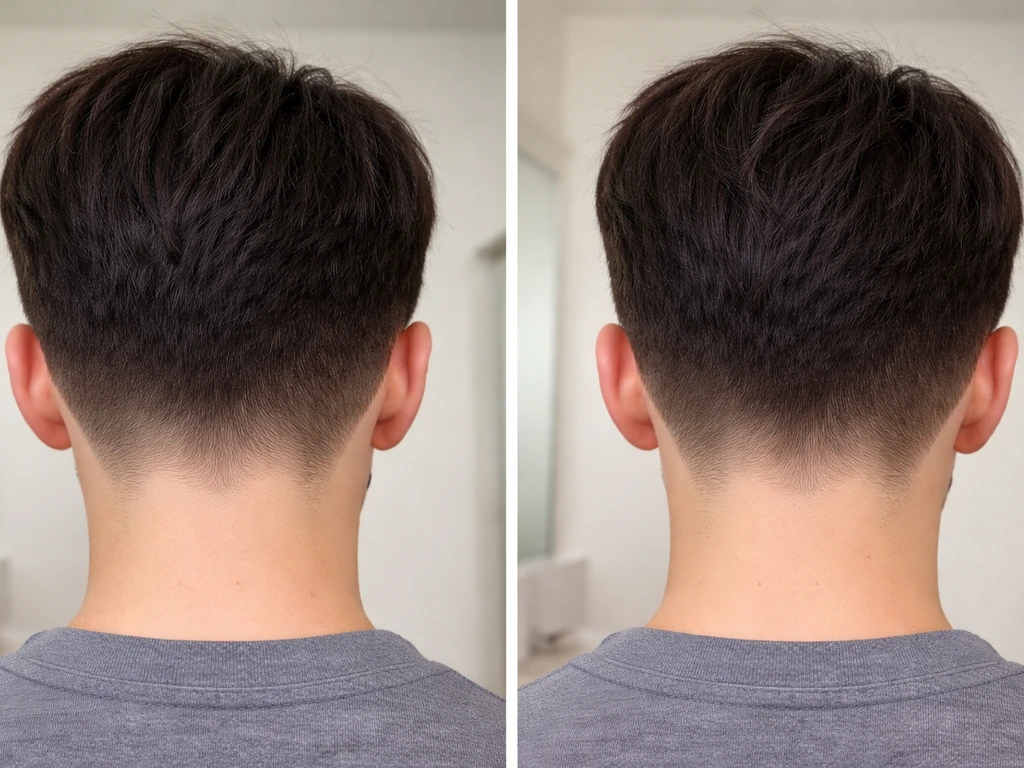
If you have a sharp line at the neckline, a hard fade, or a blunt perimeter, leaving it completely untouched while the rest of the hair grows creates increasingly chaotic proportions. You do not need to cut length off the top to fix this. A simple cleanup of the neckline every four to six weeks, using a taper rather than a hard line, keeps things looking intentional without removing growth. Ask specifically for 'a soft taper, not a hard line' so the barber or stylist knows you are growing, not maintaining the original cut.
Skipping strategic trims entirely
Avoiding the salon completely to 'protect length' often backfires. Splits travel up the hair shaft and make the ends look thinner and more ragged, which reads as neglect at every length. A small dusting trim every eight to twelve weeks (removing a quarter inch or less) keeps the shape clean without eating into your timeline. The proper technique matters here: understanding how to cut hair to grow it out correctly means knowing the difference between shape-maintaining trims and cuts that actually reduce length.
Ignoring bulk buildup
Thick hair in particular can develop a lot of bulk at the sides and back during the grow-out, creating a triangular or mushroom shape. This is fixable with interior thinning (removing weight from inside the hair rather than the perimeter) at your trim appointments. If you do not address bulk, it makes the awkward phase look much worse than it needs to, and you end up cutting more off just to feel like the shape is under control. Curly hair needs especially careful blending during this process: aggressive thinning on curly or coily hair can create uneven patches that are hard to recover from.
Not dealing with cowlicks early
Cowlicks that were invisible in a very short cut become increasingly visible and disruptive as length builds. They need to be worked with, not against. Blow-drying in the natural direction of the cowlick while applying a stronger-hold product (pomade, gel, or wax) trains the hair over time and holds it in place through most of the day. Fighting a cowlick with a brush in the opposite direction just creates a bump that relaxes back by noon. Know where yours are and plan your part and styling direction around them from day one.
Unplanned color and regrowth
If your short cut involved color, bleaching, or a vivid shade, growing it out adds a second layer of visual complexity. Unplanned regrowth contrast can make the grow-out look messier than it actually is. If you are growing out colored hair, either commit to a root-blending treatment every few months (balayage or a shadow root technique) or let the stylist plan a fade that transitions from your current color toward your natural color intentionally. 'Just letting it go' without a plan tends to result in a two-tone look that feels stuck halfway between styles rather than progressing toward one.
Not knowing what to say at the salon
Vague instructions get vague results. When you sit down with your stylist or barber, be specific: say you are growing it out and ask them to maintain the shape without removing length. Use measurements if you can ('I want no more than a quarter inch off the ends'). Ask for a taper at the neckline rather than a line.
And push for a stage-by-stage plan: 'What should I ask for at my next appointment in six weeks? ' A stylist who cannot answer that question has not thought about your grow-out as a process. For people specifically navigating texture-related challenges, looking at guidance tailored to specific hair types, like the best haircut to grow out hair for Black men, can give much more relevant advice than generic tips.
A few extra things worth knowing
Some people swear by timing their trims strategically. If you are curious whether scheduling cuts around lunar cycles or specific days actually does anything for growth speed, the research on the best days to cut hair to grow is worth a look for context. The honest answer is that the timing of trims matters far less than the technique and consistency of the trims themselves.
The grow-out process is not linear and it is not always comfortable, but it is completely manageable with a realistic plan. The people who get through it successfully are not the ones with the fastest-growing hair. They are the ones who knew what to expect at each stage, had a few styling tricks ready, and did not panic and cut it all off at month three. With the right starting cut, the right trim strategy, and a stylist who understands the goal, you can stay confident and intentional through every single inch of growth.
FAQ
How often should I book salon appointments if I want short haircuts that are easy to grow out?
For most grow-outs, plan a blend or “shape cleanup” every 4 to 6 weeks, and only dust ends every 8 to 12 weeks if you are not actively seeing split-travel at the very tips. If you have a neckline shelf, a taper is easiest to maintain with shorter, more frequent appointments rather than waiting for the next big cut.
What should I tell my stylist if I am trying to grow out a blunt short bob or pixie that is already too severe?
Ask for targeted graduation that removes only the heavy perimeter, not the overall length. A useful script is, “Keep the same length, soften the back and sides with graduation, and taper the neckline so it blends as it grows.” If they only offer “take more length off,” that is usually the wrong direction for a grow-out plan.
Can I use at-home trims to help my grow-out without ruining the shape?
It helps most when you only dust micro-amounts (a quarter inch or less) to remove obvious splits, and you avoid changing the outline (especially the neckline and fringe line). If your hair is currently transitioning awkwardly around months two to four, at-home trimming often makes the problem more visible unless it matches your current taper and layering.
My cowlicks are worse during the awkward phase, what is the easiest fix?
Start by styling in the cowlick’s natural direction, then add a stronger-hold product to “lock” the part after blow-drying. The key is to choose one consistent part and direction for a few weeks, because repeatedly switching how you part the hair can keep the bump returning even with product.
If my hair looks flat at the crown during grow-out, should I get more layers or just change styling?
Try styling first by lifting at the roots (blow-dry upward or to the side your crown naturally supports) and using a lightweight volumizing cream or mousse. If flatness keeps happening after 2 to 3 weeks of consistent styling, then ask for subtle internal texture near the crown rather than adding extra length cuts that can widen the silhouette.
How do I handle bangs if I want them to blend, but I do not want to style them every day?
Ask for a grow-out-friendly fringe cut that transitions into the rest of the haircut rather than staying straight across. During the awkward nose-bridge to lip stage, keep them slightly off the face (pinned or swept to the side) instead of forcing them straight, and plan that true “blend and forget” usually takes closer to 6 to 9 months for most people.
I dyed my hair, will the color regrowth ruin my grow-out?
It can, especially with high-contrast roots after bleaching. The easiest option is to do a root-blending plan (like shadow root or balayage) every few months so regrowth looks intentional, or ask your stylist to fade the color gradually into your natural tone rather than leaving a sharp line that becomes more obvious as length builds.
Is there a product strategy that makes under-styled grow-out lengths look intentional?
Yes, shift from “no product” to “intentional texture.” Lightweight cream or pomade helps shape tapered sections, while a curl cream or gel helps waves and curls read like styling instead of uneven growth. Aim for placement (roots for lift, mid-lengths for shape) rather than heavy all-over coating that can highlight blunt edges.
What is the easiest short haircut to grow out if I have thick hair with lots of bulk?
Ask specifically for interior thinning at the sides and back so the perimeter does not puff into a triangular or mushroom shape. Exterior thinning (taking bulk from the ends) can create frizz and unevenness, especially with curly or coily hair, so the goal is to reduce weight inside while preserving the outline.
If my barber or stylist is unsure about my grow-out goal, is that a red flag?
It is worth reassessing if they cannot explain the next 6 to 10 weeks of changes or what they will do at the next appointment. A good sign is when they can point out which area will get awkward first (neckline, crown, back lag, or fringe) and name the specific request that will prevent it from turning into a shelf or blunt line.