
The best day to cut your hair while growing it out is the day that fits your actual life: a day when you have a few minutes of post-cut styling time, when your hair is clean or freshly washed, and when you can stick to asking for exactly what you need (usually very little). There is no magic calendar date, lunar phase, or astrological window that changes how fast your follicles work. Growth happens at the root, not the ends, so the timing question is really about scheduling smart, infrequent trims that prevent breakage without costing you length. That is the whole answer. The rest of this guide is about how to actually do it.
Best Days to Cut Hair to Grow: Practical Trim Schedule

Marcus Vickers
2 Apr 2026
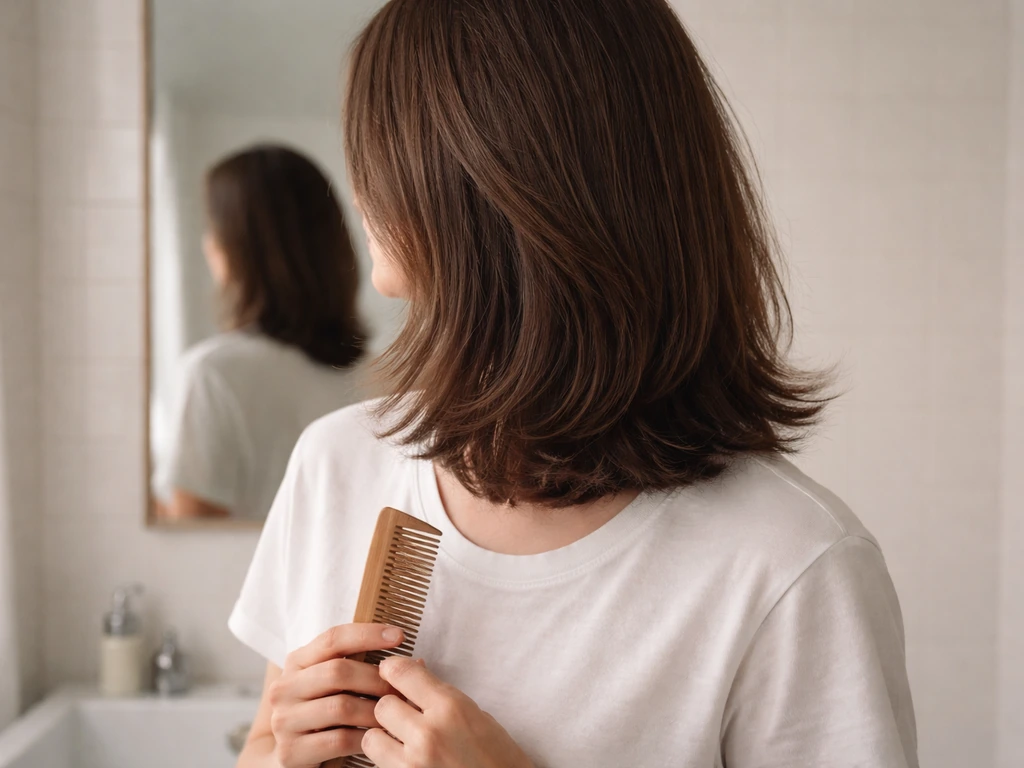
Why cutting doesn't stop growth (but still matters)
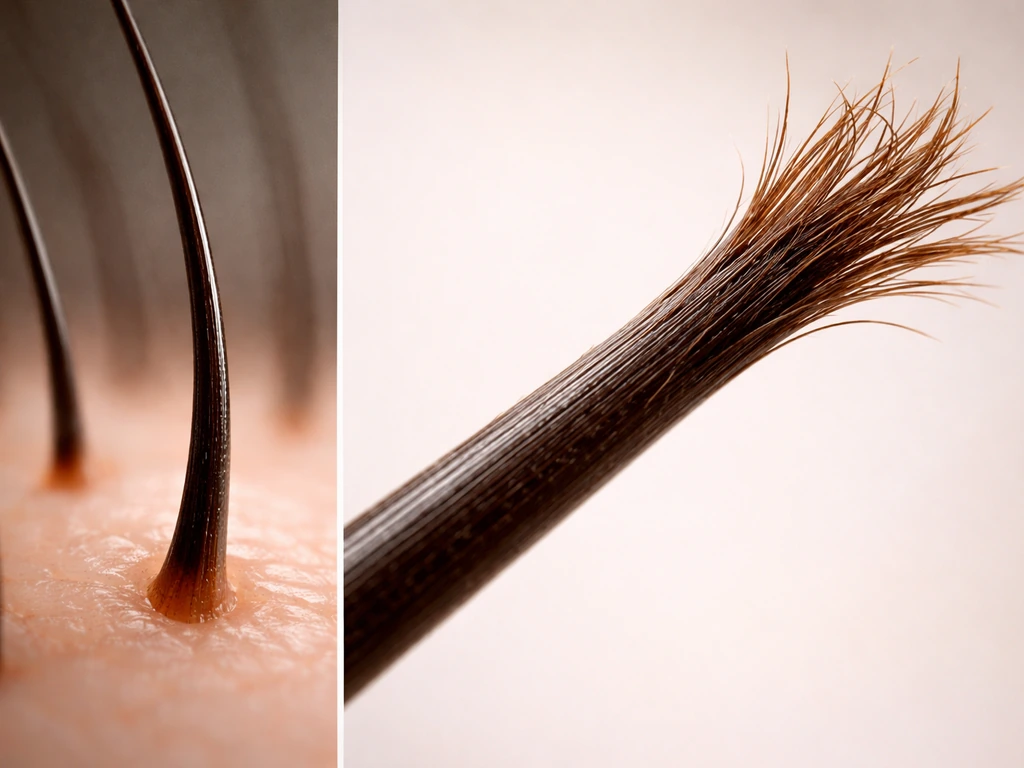
Your hair grows from the follicle, not the tip. The shaft you can see and cut is already dead tissue. Trimming it does absolutely nothing to the follicle's anagen phase (the active growth cycle), which is what determines how fast new hair is produced. Scientific American explains that clipping the hair shaft above the skin does not affect growth rate because the follicle cycles through anagen (growth), catagen (degeneration), and telogen (rest) Trimming it does absolutely nothing to the follicle's anagen phase (the active growth cycle). At any given moment, the vast majority of your scalp follicles are in anagen and will keep producing regardless of what your stylist does to the ends. That is the science, and it is settled.
So why trim at all while growing? Because split ends are real and they travel. A split that starts at the tip can work its way up the shaft, turning a half-inch problem into a two-inch one. When that happens, you end up cutting more at your next appointment than you would have if you had dealt with it sooner. Trimming does not make hair grow faster, but it prevents the kind of breakage that steals the length you have already grown. That distinction is everything when you are in month four of a pixie grow-out and every centimeter counts.
The real meaning of 'best day' for a trim
Forget the moon calendar. The best day to schedule your trim is built around three practical factors: where you are in your wash cycle, how much time you have afterward, and whether it is a low-stress week where you will actually follow through on aftercare. Each of those things has a real, measurable effect on your results.
Book your appointment one or two days after a wash day, not on the same day you just deep-conditioned. Freshly moisturized hair that has had a day to settle sits more naturally, which means your stylist can see the actual shape of your ends rather than hair that is puffed up or weighed down from product. If you have textured or coily hair, this is especially relevant because your stylist needs to see your true curl pattern to cut accurately.
Also think about your week. If you are going into a hectic few days with no time for styling, you will walk out with a fresh cut and immediately put it in a ponytail with no protective product, which undoes a lot of the work. Schedule trims when you have two or three days of slightly lower-pressure mornings so you can actually style and protect the cut while it settles.
Best time of day and what to do right after
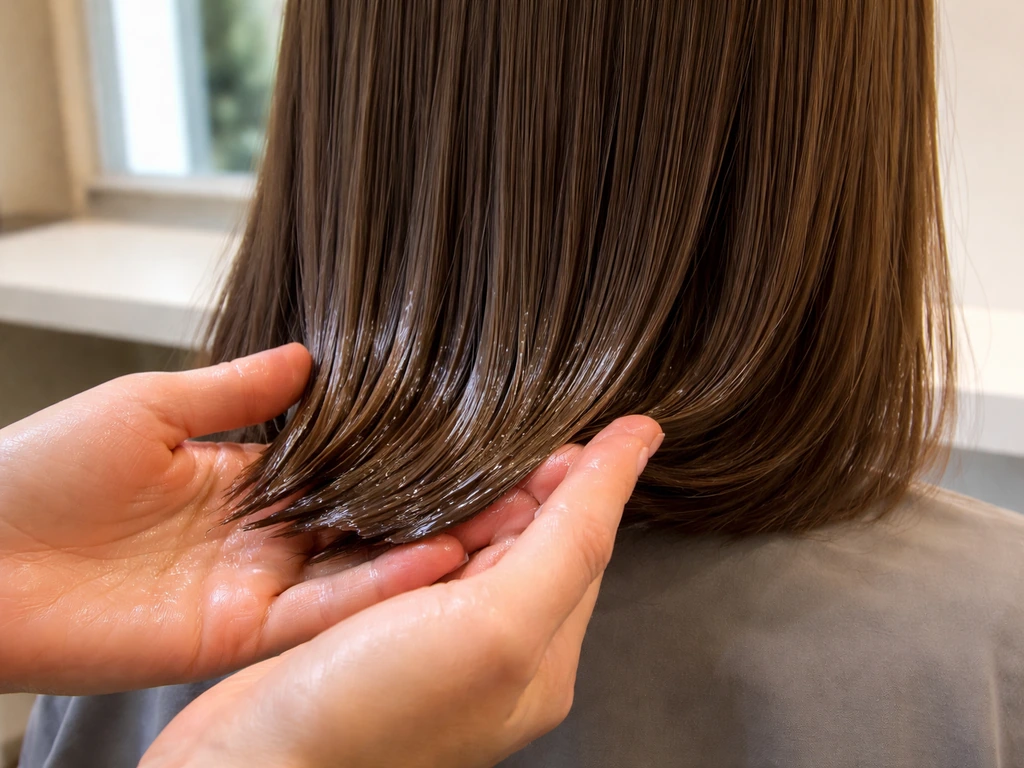
Morning appointments tend to work better than end-of-day slots, mostly for practical reasons. Stylists are fresh, there is less rush, and you have the rest of the day to style your hair before bed. Evening appointments after a long day mean you are more likely to go straight to sleep on a freshly cut style without properly moisturizing or protecting it, which matters a lot if you are growing out color-treated or chemically processed hair.
Right after a cut, apply a lightweight leave-in conditioner or hair oil to the ends before you leave the salon if your stylist has not already done so. This is not just feel-good product layering. The freshly cut tips are clean and slightly exposed, and sealing them with a light oil immediately reduces the chance of micro-splits forming in the first few days. If you color or relax your hair, this step is non-negotiable. Avoid heat tools for at least 24 to 48 hours after a trim if you can, and sleep on a satin or silk pillowcase to reduce friction on new ends.
When to trim based on your growth stage
Not every grow-out stage needs the same approach. Here is a straightforward breakdown by where you are right now.
Pixie and buzz cut grow-out
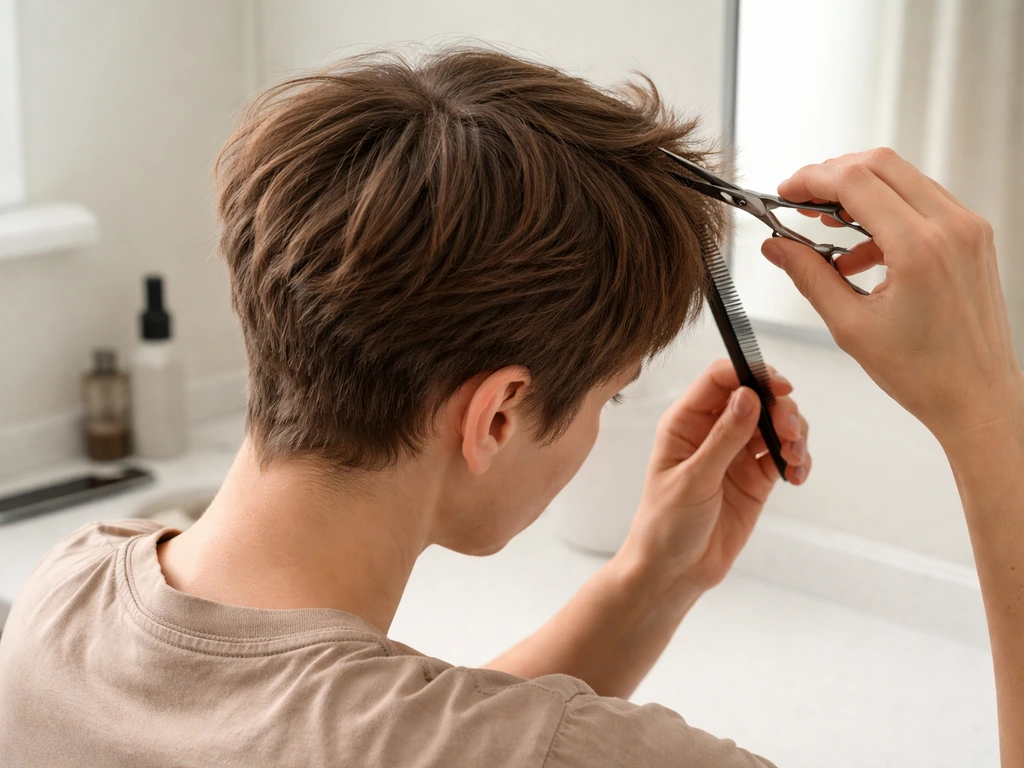
In the first three to four months, resist the urge to go back to the salon for shape-ups. The awkward phase is real but it is temporary, and every trip in for a "cleanup" can reset your timeline. Short haircuts that are easy to grow out can help you choose a starting shape that minimizes this awkward window significantly. Once you hit the four-month mark, a single micro-trim (removing just the very tips, under half an inch) can help you manage bulk and uneven sections without losing meaningful length.
Bob grow-out
A bob grow-out is largely about managing bulk and uneven layers as the back catches up to the front. Trims here should focus on removing weight from the interior rather than the perimeter length. Ask your stylist specifically to point-cut or texturize the ends rather than doing a blunt trim across the bottom, which can slow the visual appearance of progress. Every eight to ten weeks is a reasonable window for this stage.
Undercut grow-out
Growing out an undercut is one of the longer and more commitment-heavy processes. The shaved or closely cropped underlayer has to visually blend with the longer top sections, which takes patience and strategic cutting rather than avoidance of all trims. If you need guidance on what to actually ask for in the chair, how to cut hair to grow it out is a useful reference for framing those salon conversations correctly.
Bang grow-out
Bangs are the trickiest section to grow out because they hit every awkward length milestone in fast succession. A light dusting every six to eight weeks keeps them from splitting while they work their way toward your brow, then your cheekbones, then your chin. Do not try to grow bangs out cold turkey without any maintenance. Slightly uneven, split, or poking-out bangs are the number one reason people end up cutting them back.
How often to cut: micro-trims vs. standard trims
This is probably the most practically useful thing to nail down. Here is a quick comparison of both approaches so you can figure out which fits your current situation.
| Trim Type | How Much Is Removed | How Often | Best For | Watch Out For |
|---|---|---|---|---|
| Micro-trim (dusting) | 1/8 to 1/4 inch | Every 6–8 weeks | Active grow-out, pixie/buzz stage, healthy ends | Stylists who go heavier than you asked |
| Standard trim | 1/2 to 1 inch | Every 10–12 weeks | Bob grow-out, layers that need reshaping, removing visible damage | Cutting too much if you are vague about your goal |
| Shape/blend trim | Varies by section | Every 8–10 weeks | Undercut or heavily layered grow-out | Losing length on the top while blending the sides |
If you are actively growing, micro-trims are almost always the right call. The key is being specific: say "dust the ends only, I want to keep as much length as possible" and hold up your fingers to show literally how little you mean. Many stylists default to a half inch because that is what most clients need, but when you are growing out a pixie or buzz, even a quarter inch matters. How to trim hair to grow it out goes deeper on exactly how to communicate this at your appointment and what techniques to request.
Styling and transition strategies right after a cut
A fresh cut while growing out can feel discouraging even when it is the right move. Here is how to bridge the gap so you do not talk yourself into cutting it all off again.
- Use a light hold gel or mousse on the ends to define shape without adding weight that drags the hair down.
- Hair accessories (headbands, clips, bobby pins) are not just functional: they are a legitimate styling strategy during awkward-length phases, especially for pixie and bob grow-outs around months two through five.
- If your layers feel choppy post-trim, a round brush blowout can blend them visually without cutting anything else.
- For men growing out a longer style, the transition from a tapered cut to a longer one gets easier once you have chosen a style that suits the in-between phase. Men's haircut options when trying to grow it out lays out some of the most wearable shapes for this window.
- Avoid going back for a second trim within three weeks of your last one just because you hate the shape. Give it at least a month for your hair to settle and for you to adjust to the new length.
It also helps to go into your next appointment with a clear goal shape in mind. Knowing where you are heading prevents reactive cutting. If you need ideas, looking at the best haircuts to grow out hair can help you identify a destination style that works with your texture and face shape rather than against it.
Special cases: color, damage, natural texture, and regrowth
Color-treated hair
Color-treated hair, especially hair that has been bleached or highlighted, is more porous and more prone to splitting than virgin hair. If you are growing out color while also trying to retain length, trim every eight weeks rather than ten or twelve. The slightly more frequent micro-trim schedule prevents the splits that bleached ends are especially prone to, and it saves you from a bigger emergency cut later. Try to schedule your trim and your color service as separate appointments: combining them in one long session increases heat and chemical exposure on already-stressed ends.
Damaged or over-processed hair
If your hair is visibly damaged (mushy when wet, snapping mid-shaft, extremely tangled after washing), you may need a one-time larger trim to get above the damage line before switching to a micro-trim maintenance schedule. This feels like a setback, but holding onto damaged length is a false economy. It breaks off anyway, just in a less controlled way. Once you are above the damage, protective styling, protein treatments, and consistent moisture will let your healthy new growth actually stay on your head.
Natural, curly, and coily textures
Curly and coily hair types have a higher surface area of cuticle exposed at the ends, which makes them more prone to dryness and splitting. Dermatology guidance for these textures specifically recommends trimming every two to four months rather than stretching to six months or longer. This is not about cutting more, it is about cutting more consistently on a shorter cycle. Always trim curly hair in its natural, dry, and stretched state so your stylist can see where the actual ends fall rather than cutting into curl definition. Growing out hair as a Black male covers specific strategies for managing this process, including how to navigate the awkward stages with natural texture.
Natural regrowth after color or chemical services
Growing out a relaxer, a keratin treatment, or a dye job creates a line of demarcation where two different textures or porosities meet. This junction is the most fragile point on the shaft and is where breakage most often starts. Keep this zone moisturized aggressively, minimize heat, and ask your stylist to gradually trim back toward the demarcation line over several appointments rather than chopping all at once.
Tracking your progress and knowing when to adjust
The best way to know if your trimming schedule is working is to track it. Take a photo on the same day as each trim, from the same angle, in natural light. Month-to-month comparison photos are genuinely motivating when you are deep in a grow-out and cannot see progress day to day. Mark your trim dates in your calendar along with how much was removed and how the ends looked at that appointment.
Here is what to watch for as signals that your schedule needs adjusting:
- More tangling than usual during detangling: a sign of increased split ends that need attention sooner than your next scheduled trim.
- Visible breakage on your pillow, in the shower, or in your brush that exceeds your normal baseline: may indicate damage or dryness that requires both a trim and a change in your moisture routine.
- No visible length gain in two to three months despite consistent care: reassess whether your trims are actually micro-trims or whether they have been creeping up in size.
- Uneven sections or a noticeably lopsided shape: schedule a shape-only trim to blend without losing overall length.
- Ends that look transparent, thin, or stringy: these are past the point of conditioning and need to come off.
Adjust your trim interval up or down by two weeks based on what you observe, not by a fixed rule. If your hair is responding well and ends look clean, stretch the interval. If you are seeing more breakage or splits earlier than expected, move your appointment up. Your hair will tell you what it needs; you just have to pay attention to the signals rather than following a generic schedule blindly.
The single most important thing you can do right now is decide what your actual goal shape is and get clear on how much length you are willing to trade for a cleaner, healthier foundation to grow from. Once you know that, everything else, the trim type, the frequency, the aftercare, falls into place around it.
FAQ
If trimming doesn’t make hair grow faster, does it matter what day I cut my hair?
No. The speed of new hair growth is controlled at the follicle, so the “best day” is about timing your trim so you can protect the ends afterward. If you can’t schedule a low-stress day, choose the soonest day you can still do proper moisturizing and friction control (leave-in or oil at the ends, satin or silk at night).
What should I do if my hair feels great but I’m still getting split ends on the tips?
If your ends are already splitting or your hair tangles easily, don’t stretch the schedule just because you’re trying to “keep length.” A good rule of thumb is to re-book based on end condition, not on the calendar, and ask for a dusting that targets only the damaged tips (show the stylist a quarter-inch or less with your fingers).
Should I trim my hair wet, dry, or after a specific kind of wash?
It can, especially for hair that tangles easily or for people who need to see true curl or wave patterns. The safest approach is to ask your stylist to cut either on freshly washed hair when you can keep it in its natural or stretched state, or on hair that is washed and allowed to settle for a day after deep conditioning. Avoid having it cut right after you use heavy smoothing products that change the shape of the ends.
How can I prevent a stylist from cutting off more than I asked for?
Be explicit about the cutoff amount and technique. Instead of “just a trim,” say something like “dust only, I want to keep length” and ask for point cutting or texturizing if you have bulk issues. Also ask the stylist to show you where they believe the split line begins before they proceed.
Is it ever okay to skip a scheduled trim while growing out hair?
Yes, you still should have a plan even if you skip trims. If you skip for too long, splits can travel up the shaft, and you may need a larger one-time correction to get above the damaged section before returning to micro-trims. If you are forced to wait, focus on protective styling and keep heat low until your appointment.
What’s the minimum aftercare I should do if I’m busy right after my haircut?
After a trim, your goal is “protect the new ends,” not “change everything.” If you can’t do a full routine the same day, at least apply a lightweight leave-in or hair oil to the ends before bed, and use a satin or silk pillowcase. Save heat styling for later in the week if possible.
Can I schedule my trim on the same day as dye or bleaching?
For color-treated or chemically processed hair, avoid combining a long heat and chemical session with a fresh cutting day. If you must coordinate both, ask the salon whether they can do color first (or separate it by time) and then schedule the micro-trim on a different day so you are not stressing already weakened ends during one appointment.
How do I know whether I need a bigger first trim versus sticking to micro-trims?
If your hair is visibly damaged (mushy when wet, snapping mid-shaft, extremely tangled), it often needs a one-time “damage above the line” trim before you can successfully maintain with micro-trims. The decision is based on whether you can finger-detangle and whether the ends are still splitting aggressively, so ask your stylist for an assessment at the chair.
What’s the best way to tell if my trim schedule is actually working?
Track it with more than just calendar dates. Compare photos taken in consistent natural light from the same angle, then also note whether your hair feels smoother, detangles faster, or splits sooner than expected. Those changes help you decide if you should move the next appointment up or stretch it.
How much should I adjust my trim timing if I’m not seeing progress?
Small schedule changes matter more than perfect intervals. If you notice new splits or more breakage earlier than expected, move the appointment up by about two weeks. If the ends stay clean and your hair looks stable longer, stretch the interval slightly rather than rigidly following a preset cycle.
What’s the practical strategy for trimming bangs so they don’t derail my grow-out?
Yes. For bangs, the issue is usually uneven growth and the way they split as they hit different lengths. Ask for a light dusting every six to eight weeks (or sooner if they start poking out or fraying), and set a goal for how the fringe will transition through brow level to cheekbone and chin.
If my hair is fine and breaks easily, what should I do right after a trim?
If you have very fine hair or you are trying to grow out a short cut, build in protection for “early breakage days.” Hair tends to be most fragile right after cutting, so use gentle detangling, avoid tight styles for a few days, and keep friction low (hat, scarf, and pillowcase material choices matter).