
The best haircut to grow out your hair is the one that removes damage, reduces the awkward silhouette at your current length, and gives your stylist a clear shape to work with at every future visit. That sounds simple, but the real answer depends on where you're starting from and where you're trying to end up. Whether you're growing out a pixie, a buzz cut, a bob, bangs, an undercut, or just a bad haircut that took too much off, the approach is different every time. This guide covers all of it, including what to ask for at the salon, how to style through the rough patches, and how to trim without losing progress.
Best Haircuts to Grow Out Hair: Mens and Womens Guide

Marcus Vickers
5 Apr 2026
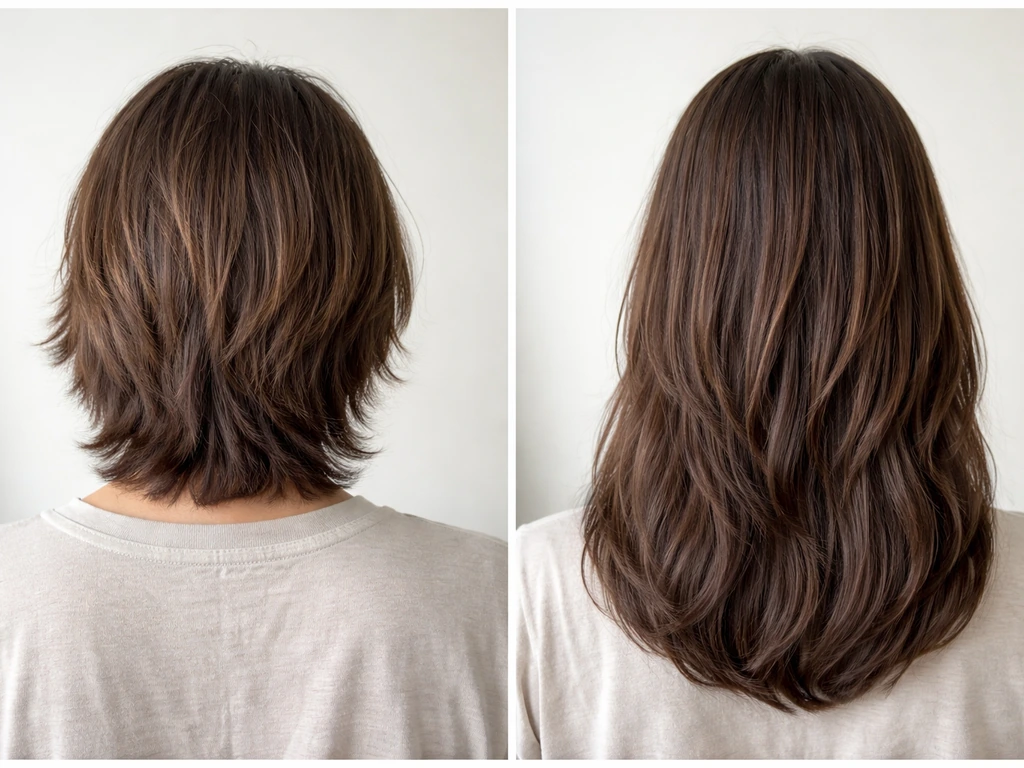
How to pick a grow-out haircut for your current length and goals
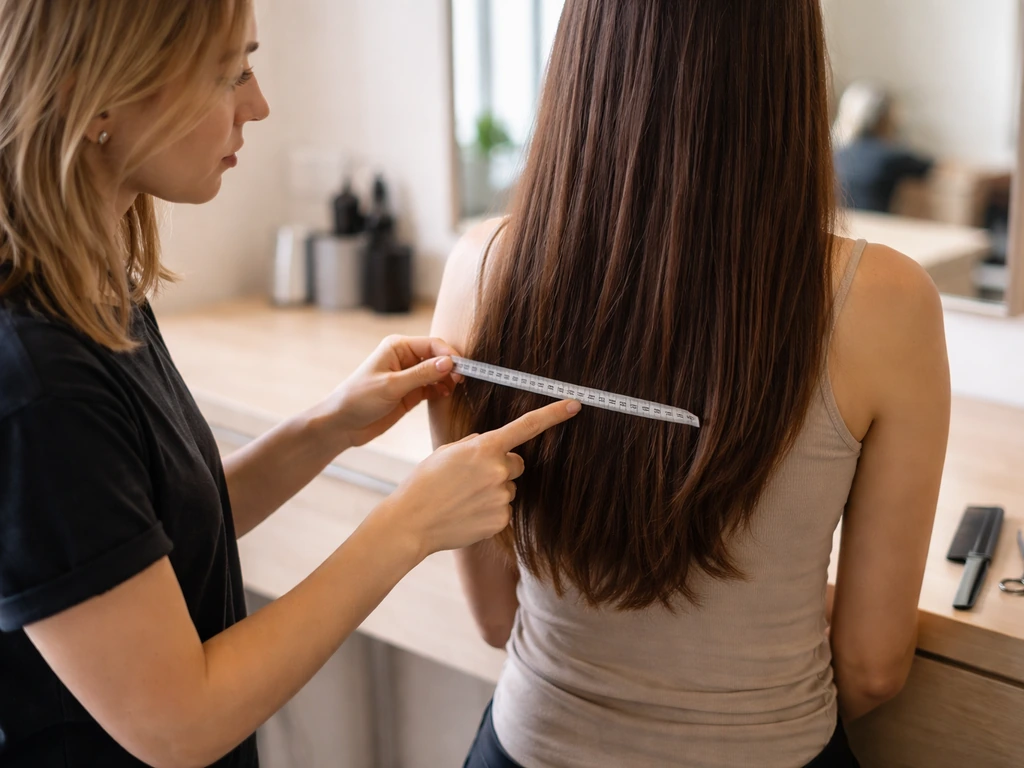
Before you book anything, you need to answer two questions: what length are you starting from, and what do you actually want to end up with? Those two data points drive every haircut decision from here on out. A person growing from a pixie to a lob needs a completely different plan than someone growing a lob to mid-back length, even though both are technically "growing it out."
The general rule is to get a cut that works with your current length rather than against it. That means removing split ends, adding shape so your hair looks intentional, and thinking about how each trim moves you closer to your goal without just hacking off progress. how to cut hair to grow it out properly is its own skill, and the key is taking off as little length as possible while cleaning up the texture so every inch you grow actually stays on your head.
Here's a quick way to match your starting point to your grow-out strategy:
| Starting Length | Best Grow-Out Cut | Priority |
|---|---|---|
| Buzz/very short pixie | Tapered sides, longer top; avoid extreme fades | Balance top-to-side ratio as sides grow |
| Longer pixie/short crop | Soft layers, wispy ends, face-framing pieces | Avoid boxy or blunt edges |
| Bob (chin to shoulder) | Long layers, inward-turning ends, curtain fringe if needed | Prevent the flicky outward flip at the ends |
| Lob/above shoulder | Long layers starting at collarbone, light point-cutting | Add movement so growth looks intentional |
| Bangs of any kind | Blend into long layers or curtain style; wispy ends | Help bangs disappear into the rest of the cut |
| Undercut | Textured top, low-to-mid fade; reduce disconnect | Grow sides before worrying about top length |
Best haircuts for growing out hair (women): bangs, bob length, layers, long-hair transitions
If you're growing out bangs, brace yourself: hair grows about half an inch per month, which means it takes roughly four to six months for bangs to clear the awkward stage where they're too long to style as bangs and too short to blend into the rest of your hair. The fastest way through that phase is to ask your stylist for long, wispy layers that start around the chin or collarbone, depending on your current length. Those layers help your bangs disappear into the cut instead of sticking out as a separate, very obvious section. Curtain bangs are especially forgiving here because the center part naturally guides them to either side as they grow.
For a grown-out bob, the biggest enemy is that outward flip that happens when your ends hit the jaw or collarbone. A hairstylist tip that actually works: when styling, turn the ends inward rather than letting them flip out. That one move makes a grown-out bob look polished instead of shapeless. Ask your stylist to keep the shape clean with a small trim every six to eight weeks, and resist the urge to go shorter just because you're frustrated with the flip.
If you're growing from a bob toward mid-back or longer, the transition haircut you want is a long shag or a soft layered cut. This adds movement and removes the boxy, blunt-ended look that makes mid-length hair look accidental. Layers should start at the collarbone or below so you're not losing length, just adding texture. Ask for point-cutting on the ends rather than a blunt cut, which gives the hair movement and makes growth look intentional. This is also the stage where short haircuts that are easy to grow out pay off retroactively: if your original cut was designed with growth in mind, these transitions are smoother.
For growing out longer hair that's already past the shoulder, the strategy shifts to maintenance. You're not fighting an awkward silhouette anymore, you're fighting damage and unevenness. A dusting trim (removing just the damaged ends, sometimes less than a quarter inch) every eight to ten weeks keeps the ends healthy without sacrificing length. Long layers help the hair move and reduce the "one heavy block" look that thick, longer hair can develop.
Best haircuts for growing out hair (men): clean sides, undercuts, textured tops, avoiding shrinkage
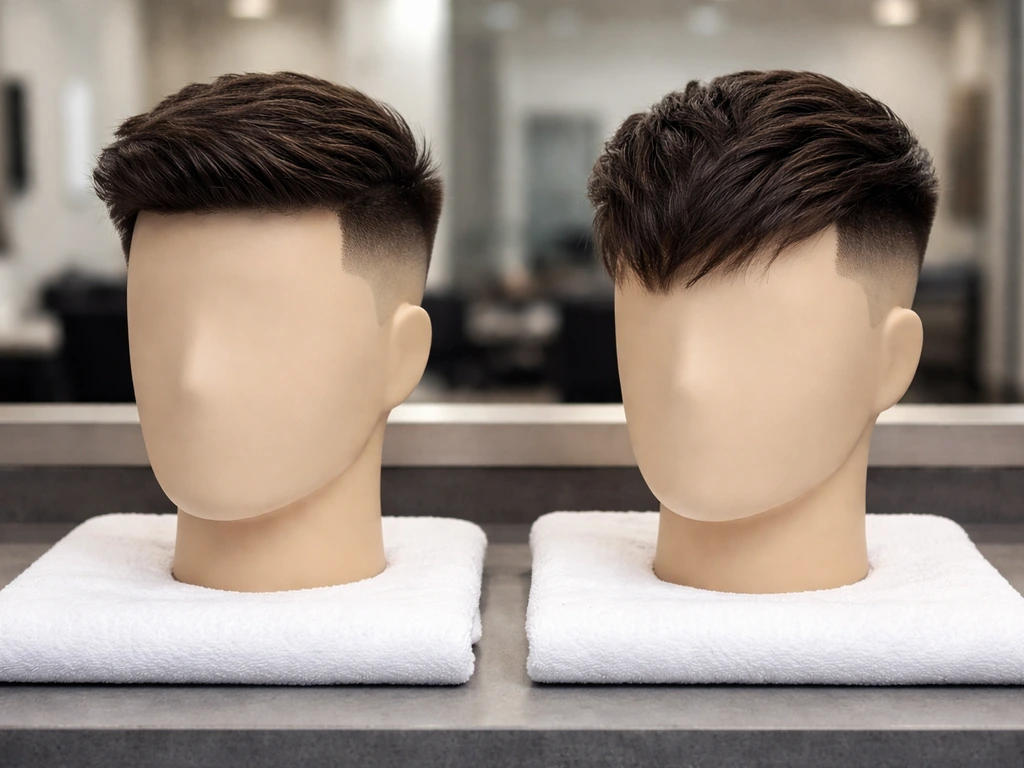
Growing out men's hair has its own set of complications, and most of them come down to the sides. The number one mistake is keeping the sides too short while the top grows, which creates a mushroom silhouette that nobody wants. The fix is a low-to-mid fade rather than a high fade or undercut, so as the sides grow, the transition looks cleaner and more gradual. High fades grow out with a very visible disconnection line that becomes harder to manage the longer you go between visits.
If you're currently rocking an undercut, choosing a shorter, more textured top can actually reduce how long it takes for the sides to visually blend into the top. That seems counterintuitive when you're trying to grow, but a messy textured style on top draws less attention to the length difference at the sides. The disconnection look is what makes undercut grow-out feel the most awkward, and texture helps disguise it. men's haircut when trying to grow it out is a topic worth diving into specifically because the side-to-top ratio changes the whole experience.
For men with curly, coily, or wavy hair, shrinkage is a real factor that changes how you plan your grow-out. Textured hair can shrink significantly from wet to dry, sometimes by an inch or more, which means you may feel like you're not making progress even when you are. Cuts should account for this: ask your barber to cut dry when possible so the finished shape reflects how you'll actually wear it. Cutting too short on the sides creates the mushroom effect fast on curly hair. best haircut to grow out hair black male is a particularly relevant resource here, since coily hair shrinkage adds a whole extra layer of planning to the grow-out process.
The general grow-out sequence for men looks like this:
- Start with a low-to-mid fade or taper rather than a high fade or hard undercut
- Let the top grow freely while keeping the sides trimmed every four to six weeks (not cut shorter, just cleaned up)
- Add texture product to the top to manage the awkward in-between stage where it's too long to spike but too short to lay flat
- Once the top hits two to three inches, ask for a soft layer or texture cut to give it shape
- As sides catch up, transition from a fade to a taper to an all-around trim
Styling strategies during the awkward grow-out stages
The awkward stage is real and it's unavoidable, but it doesn't have to look messy. For women, the most effective heatless options are braids, twist-outs, low buns, and half-up styles that keep the midlength pieces out of your face while they grow. A half-up style also hides the gap between grown-out bangs and the rest of your hair better than almost anything else.
For frizz control and reducing drying time, switching to a microfiber towel makes a real difference. Conventional terrycloth towels rough up the cuticle and cause frizz, while a microfiber towel absorbs water more gently and reduces drying time. Following up with a leave-in conditioner while hair is still damp locks in moisture and makes the hair much easier to manage through the grow-out. This matters especially when your hair is at that midlength where it does whatever it wants.
For products, a light anti-frizz hairspray that's brushable and buildable is one of the most practical tools in the grow-out toolkit. You want something that gives control without locking you into a stiff style, because you'll be experimenting with different looks as your length changes. Humidity resistance is a bonus since flyaways are more common when your hair is between lengths and hasn't settled into a predictable texture yet.
For men, a matte clay or texturizing paste is your best friend during grow-out. It gives definition without making the hair look heavy, and it helps the top look styled at every length from one inch to four inches. Avoid gel during grow-out because it hardens and emphasizes every awkward piece rather than softening them.
Managing common obstacles: split ends, flyaways, cowlicks, blending layers, trimming schedules
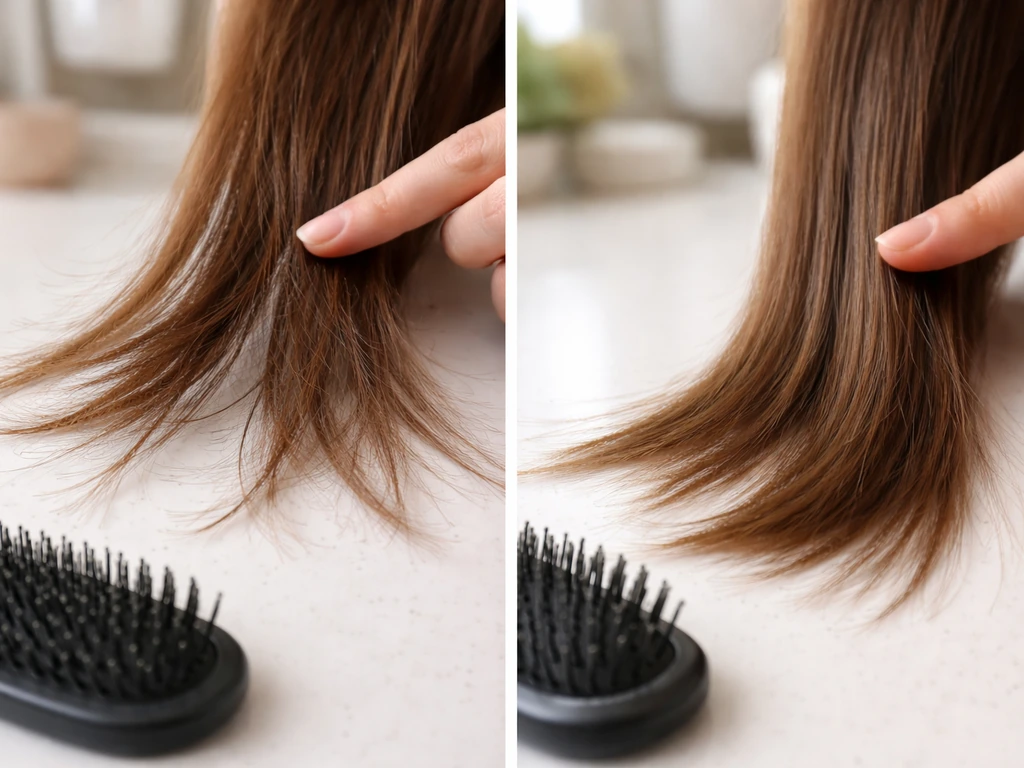
Split ends are the enemy of a successful grow-out. They don't just look bad, they travel up the hair shaft and cause breakage higher up, which means you lose length you already earned. The consistent advice from stylists is to trim every six to eight weeks, and this is worth taking seriously. Some sources extend that to every six to twelve weeks depending on your hair health and how much you heat-style. The trim doesn't make your hair grow faster, but it removes split ends before they cause real damage. how to trim hair to grow it out walks through how to minimize the length you take off while still addressing the ends effectively.
Flyaways and cowlicks become more noticeable during grow-out because your hair doesn't have enough length or weight to cooperate yet. The most effective fix for cowlicks is training them with a blow dryer while the hair is damp: direct the airflow against the direction the cowlick naturally grows, then hold it in place with a cool shot until it sets. This won't permanently change the growth pattern, but it buys you a good day. For flyaways, a tiny amount of light-hold cream or a toothbrush-style flyaway wand brushed over the surface of dry hair works better than adding more product.
Blending layers as they grow out is one of the trickier parts of the process. If you had short layers cut in a long time ago, you'll eventually hit a stage where the shorter layers are at a different length than the longer ones, and the hair looks choppy. The solution is either to let a stylist reshape the layers into a more uniform length, or to lean into the choppiness with a textured style that makes it look intentional. Tiny reshape visits every six to ten weeks are a smart way to manage this without losing overall length. And if you're wondering about timing, checking out best days to cut hair to grow might help you build a consistent trim schedule around your own growth patterns.
Special cases: colored hair, natural regrowth, and undercuts or bangs that need extra planning
Growing out colored hair is a whole separate conversation because you're managing two things at once: the length transition and the color line. Permanent root color typically shows visible regrowth every four to six weeks, which means you'll either be doing frequent touch-ups or you'll be living with a root band. Balayage and blending techniques are much more forgiving here because they soften the line between your natural root and the colored length, so you can stretch appointments without looking obviously grown-out. Professional blending is meaningfully more effective than at-home root touch-ups, which tend to look flat and can create an even harder line.
Between appointments, temporary root cover products (sprays, powders, or makeup-style concealers) are a practical bridge. They don't match perfectly, but they reduce the contrast enough to feel confident while you're in the middle of the grow-out. If your goal is to eventually return to your natural color, a skilled colorist can use lowlights and glazes to gradually transition you rather than going cold turkey, which tends to look jarring at the grow-out line.
Natural regrowth on curly or coily hair has its own set of challenges, especially if you're growing out a relaxer or transitioning to your natural texture. The line between processed and natural hair is fragile and prone to breakage right at the point of demarcation. Deep conditioning every one to two weeks, gentle detangling, and protective styles all help reduce the stress on that vulnerable zone. Some people choose the big chop to remove the processed ends all at once; others prefer to transition gradually over twelve to eighteen months. Either path works, but the gradual route requires more intentional styling at every stage.
For undercut grow-out specifically, plan for a longer timeline than you'd expect. The undercut sections (typically the nape and sides) need to grow significantly before they can blend into the top without looking disconnected. Keeping the top at a length that works with the current side length, rather than growing the top aggressively while the sides lag behind, is the most effective approach. This is one area where patience and a good relationship with your barber make all the difference. Regular small adjustments, reshaping the overall silhouette every six to eight weeks, keep the grow-out looking managed rather than abandoned.
The grow-out process isn't always linear and it's not always pretty. But every awkward stage has a styling solution, every split end has a fix, and every length has a cut that makes it look intentional. The key is staying consistent with your trim schedule, being honest with your stylist about your goal, and resisting the urge to chop it all off when you hit the frustrating middle weeks. You're closer than you think. Hair sheds because the hair growth cycle repeatedly moves through anagen (growth), catagen (transition), and telogen (resting).
FAQ
How do I tell my stylist what haircut to get if I’m aiming to grow out but I’m not sure of the final length yet?
Bring a clear reference of the style you want at your goal length (photos help), then also ask for a “grow-out bridge.” A grow-out bridge means keeping the current shape intentional while removing damage and preventing flips, so your next few appointments stay easy even if your target length changes.
What should I do if my hair won’t behave at the awkward stage, even with the right cut?
Use a temporary “silhouette manager” before you book the next trim, like a style strategy that controls where the volume sits (half-up for women, side-swept or textured top for men). If your issue is consistent cowlicks or ends lifting, ask for a minor reshaping at the next visit rather than cutting more length.
Is it ever better to avoid trims completely while growing out hair?
Usually no, because split ends worsen and can travel up the shaft, making the hair look thinner and uneven as it grows. If you want the least possible loss, ask for a dusting focused on damaged ends only, and stretch trims to 8 to 12 weeks only if your hair is staying healthy and you use low heat.
How much length should I expect to lose during grow-out trims?
A typical dusting is often under a quarter inch, but the exact amount depends on how many split ends you have and whether your cut is being reshaped (like correcting a choppy layer or easing a bob line). If you want to minimize loss, request “remove damage only, no shape change beyond what’s needed for blending.”
If I have a one-length haircut, do layers help or hurt when I’m growing it out?
Layers usually help once you hit the shoulder or above stage, because they prevent a blunt, heavy block look and make movement more natural. If your hair is already layered, avoid adding more layers during grow-out unless your stylist is specifically targeting blend problems caused by uneven growth or older short layers.
Should I cut hair dry or wet when I’m growing it out?
If you have curly, coily, or very wavy hair, cutting dry when possible helps the stylist match the shape to how you actually wear it, reducing the risk of sides ending up too short (mushroom effect). If your hair is straight or you mostly wear it straight, cutting with how it naturally falls can still be more accurate than guessing at shrinkage.
How often should I reshape layers so I don’t end up with a choppy look?
Aim for small “reshape” visits every 6 to 10 weeks if you have older short layers or noticeable unevenness between layers. If the choppiness is subtle, you can switch to a textured styling approach for a few weeks, then reassess before you add more length loss.
What’s the best way to grow out bangs if mine curl upward or don’t lie flat?
Ask for layers that start at the chin or collarbone level based on your starting length, and request blending that reduces the separation line between bangs and the rest of your hair. For styling, use a blow-dry set (or a heatless equivalent) that trains direction while the bangs are still short enough to redirect easily.
My bob flips outward when it dries. Can I fix it without cutting more?
Yes, start with technique, not length. Style with the ends directed inward, and use light anti-frizz control so the ends don’t lift. If the flip remains after consistent technique, tell your stylist you want the ends cleaned and reshaped slightly at the next scheduled trim rather than shortening the entire cut.
For men with fades, how do I prevent the “disconnected” grow-out stage?
Choose a low-to-mid fade concept and ask for a gradual transition that can stay looking cohesive as it grows. If you already have a higher fade, book earlier for a small adjustment once the line starts appearing, because waiting too long makes the disconnection harder to blend without taking more from the sides.
Is there a grow-out product routine I should follow for everyone, or does it depend on hair type?
The basics are still different by hair texture: for most people, use moisture (leave-in while damp) plus light control to reduce frizz and flyaways. If your hair is thick or wavy, prioritize anti-frizz over heavy styling, and choose products that feel flexible, not crunchy, so the hair can move as it grows.
Can I grow out hair while wearing heat every day?
It’s possible, but the risk of damage and split ends increases, meaning you may need more frequent dusting trims. If you heat-style often, keep the trim cadence closer to 6 to 8 weeks and use heat protection and lower temperatures so the ends stay viable for the full grow-out timeline.
How should I approach growing out colored hair if I don’t want visible regrowth bands?
Use blending methods as your baseline plan, then consider temporary root cover between salon visits to reduce contrast while you wait. If you want to return to your natural shade, ask about gradual transition options like lowlights or glazes rather than trying to “correct” the line with frequent at-home root touch-ups.
What’s the safest way to grow out a relaxer or transition to natural texture?
Treat the demarcation line as fragile, focus on deep conditioning and gentle detangling, and reduce manipulation with protective styles. Many people transition gradually over a year or more to avoid breakage, but if you want the fastest fresh start, a big chop can reduce the ongoing stress at the processed-natural boundary.
If I’m growing out an undercut, when should I stop focusing on the sides and start focusing on blending the top?
Don’t rush the top forward until the sides have grown enough to match it visually. Your priority is keeping the top at a length that works with the current side length, then reshaping the silhouette every 6 to 8 weeks once the disconnect starts becoming less drastic.