
Growing your side hair out is one of the most tested-patience parts of any hair journey. Whether you're coming from a shaved undercut, a close-cropped pixie, a bob with super-short sides, or even just an aggressive trim that took too much off, the sides always seem to lag behind the rest. The good news: there's a clear path forward, and it starts with understanding exactly what you're working with.
How to Grow Your Side Hair Step by Step Timeline

Marcus Vickers
15 Apr 2026
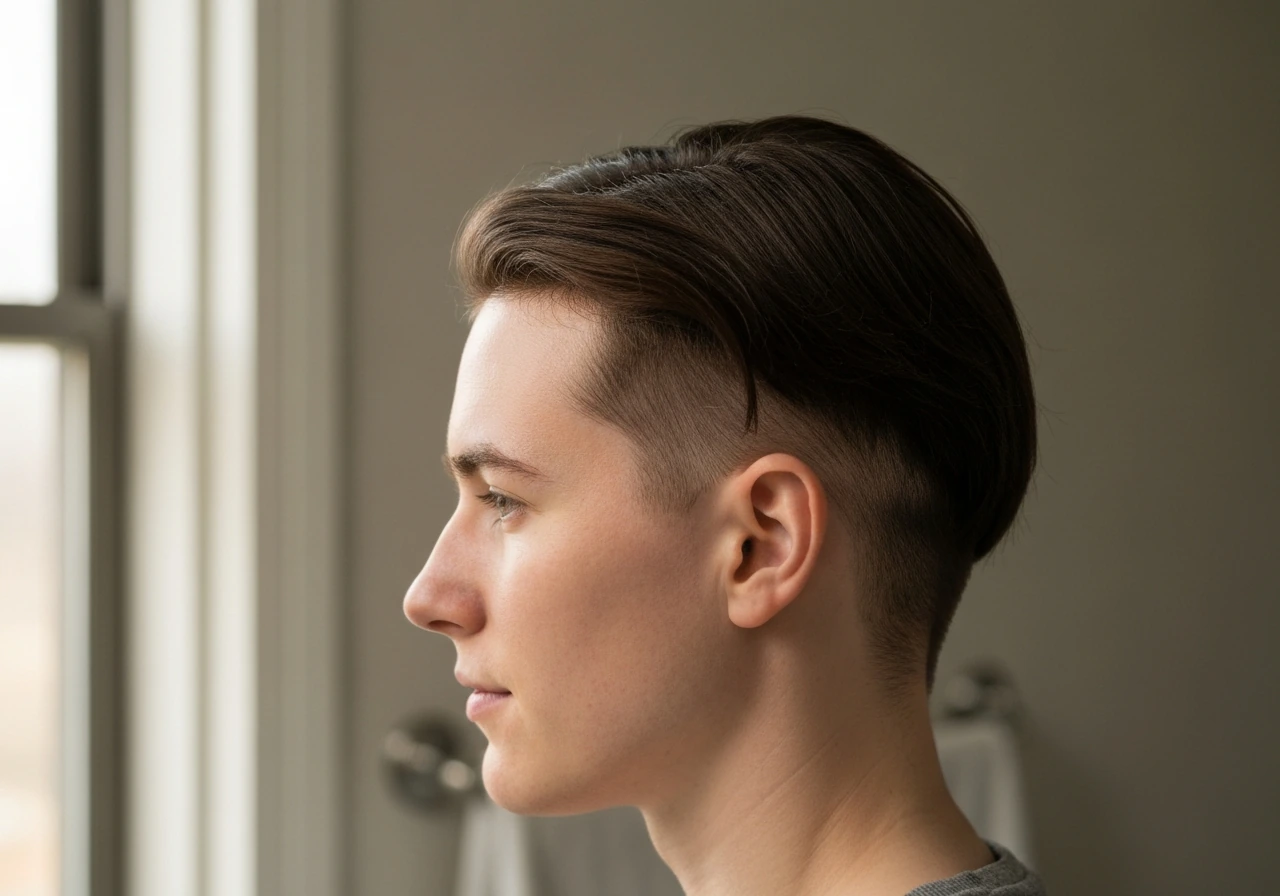
Side hair vs side hairline: what's actually growing
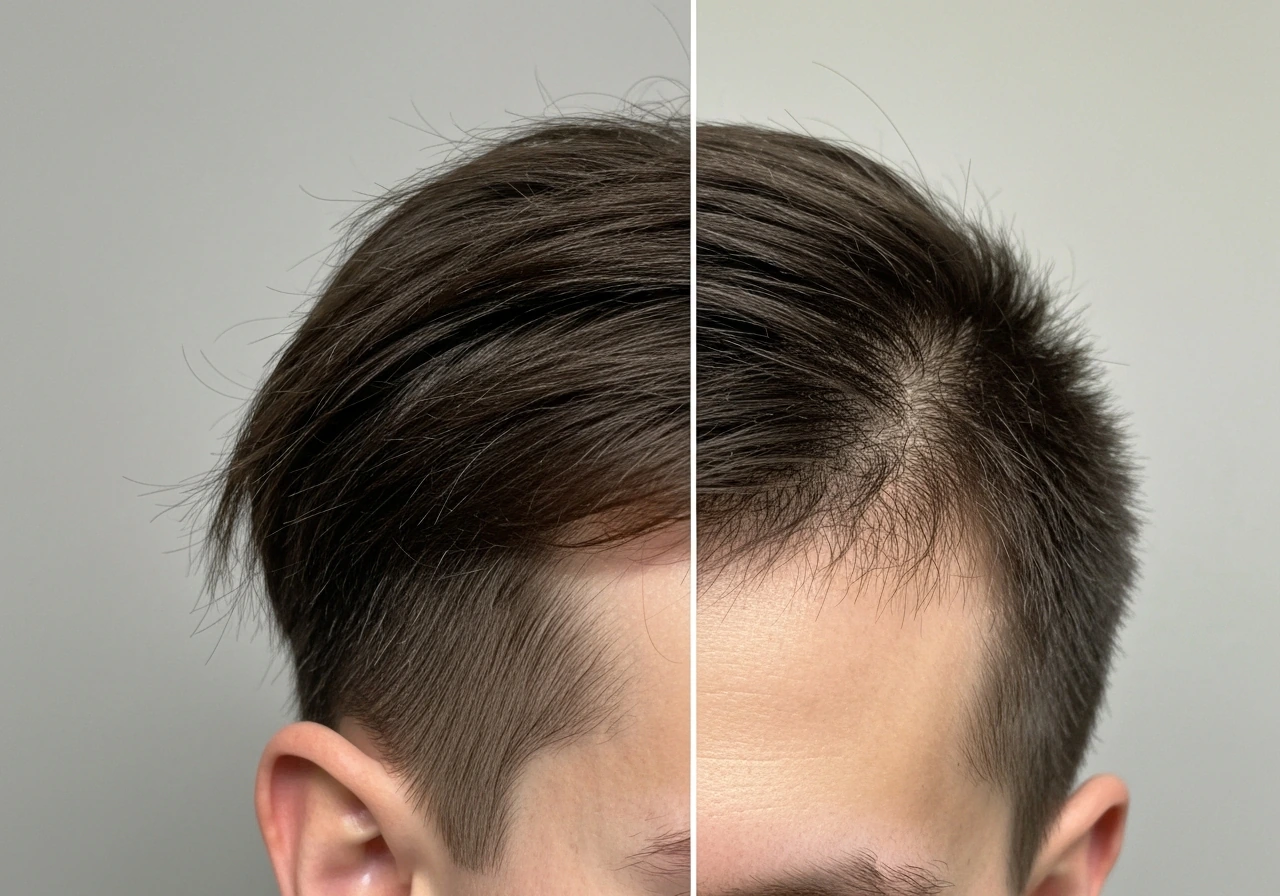
Before you build a routine, it helps to know which zone you're trying to grow. 'Side hair' generally refers to the hair that sits above and around your ears, roughly from your temples back to behind your ear. The 'side hairline,' on the other hand, is the actual edge where hair meets skin on the sides of your face, including the corners where your hairline curves from forehead to temple. These two zones behave a little differently and can require slightly different approaches.
The corners of the hairline (sometimes called the temples or the 'recession points') tend to be the last areas to fill in and the first areas to recede. If those corners feel stubbornly thin or slow, that's completely normal. Growing the corners of the hairline takes extra patience because hair there is often in a shorter natural growth cycle than hair at the crown. The main side length, by contrast, usually responds faster once you dial in your routine.
Figuring out where you are right now
Your starting point matters a lot. The action you take in week two of growth is different from what you do at month five. Start by looking at your sides in two mirrors so you can see the actual length and direction. Ask yourself: Are the sides shaved or clipped close (under half an inch)? Are they at that puffy in-between length where they're too long to lie flat but too short to tuck behind the ear? Or are they at a length where they could almost blend into the rest of your hair if styled well? Each phase calls for a different strategy.
It's also worth thinking about what cut you're growing out from. Someone growing out shaved sides faces a very different early phase than someone managing a bob where the sides just need a couple more inches. Growing out shaved sides involves that early stubbly phase where the hair is too short to style at all, while growing out a slightly shorter side from a longer cut gives you more to work with from day one. Knowing your starting cut helps you set a realistic timeline.
Building a routine that actually supports side growth
Hair grows on average about 1 cm per month, which works out to roughly 0.35 mm per day. There's natural variation: some people clock in closer to 0.6 cm a month, others push toward 1.5 cm under ideal conditions. You can't dramatically change your genetics, but you can absolutely remove the obstacles that slow growth down. That's where a consistent routine earns its keep.
Scalp health first
Hair grows from follicles embedded in your scalp, so a healthy scalp is non-negotiable. Wash your sides and scalp regularly enough that oil, product buildup, and dead skin don't clog follicles. If you're dealing with flakiness or an itchy, irritated scalp, that's a real problem worth solving. Scalp seborrheic dermatitis (dandruff) should be addressed by shampooing blank" rel="noopener noreferrer">at least twice a week, since less frequent washing lets the fungus that drives dandruff (Malassezia) multiply. blank" rel="noopener noreferrer">Anti-dandruff shampoos containing zinc pyrithione, selenium sulfide, salicylic acid, or ketoconazole are your go-to options. If over-the-counter formulas aren't cutting it, a dermatologist can prescribe something stronger, such as a ketoconazole shampoo used a few times weekly at first, then tapered to a maintenance frequency once things calm down.
Scalp massage is low-effort and genuinely useful. A few minutes of firm fingertip massage during shampooing increases blood flow to the follicles in your side zones. Make it part of your wash routine rather than an extra step.
Nutrition that supports the growth cycle
Hair cycles through anagen (active growth), catagen (transition), telogen (resting), and exogen (shedding) phases. The anagen phase is the one you want to maximize, and it's heavily influenced by what your body has to work with. Iron is one of the biggest nutritional culprits in slow or stalled growth. If you're low, shedding increases and new growth slows. A simple blood test (CBC, ferritin, serum iron) can confirm your levels. Vitamin D is another one worth checking; deficiency is defined as a serum 25-hydroxyvitamin D level below 20 ng/mL, and it's more common than most people expect. Zinc deficiency can also impact follicle health and slow regrowth, particularly around the temples and sides.
Before stacking supplements, though, get bloodwork done. The American Academy of Dermatology is clear that biotin deficiency is actually rare, and supplementing when you're not deficient often just produces expensive urine. If your dermatologist finds a deficiency, address it specifically. Otherwise, focus on eating enough protein (hair is mostly keratin, which is a protein), getting adequate sleep, and managing chronic stress, all of which directly affect how many follicles stay in the growth phase at any given time.
Protecting the hair you already have
Growing side hair isn't just about pushing new growth; it's about not losing what's already there. Breakage at the sides is extremely common, especially if you're heat-styling, using a lot of product, or sleeping on a rough cotton pillowcase. Switching to a satin pillowcase reduces the friction that causes frizz and breakage overnight, which adds up significantly over weeks and months of growth. On Reddit, users in r/BeautyGear discuss whether satin or silk pillowcases meaningfully reduce frizz and breakage, and whether the difference is noticeable compared with other routine factors. Keep heat styling on the sides minimal, and when you do use heat, apply a heat protectant specifically to those shorter sections since they're more vulnerable than longer hair.
Styling through the awkward phases
The in-between phase is the real test. Your sides are long enough to look messy but too short to do much with. This is where most people either give up and cut back, or push through with smarter styling. The goal right now isn't to look finished; it's to look intentional while the sides catch up.
Training the direction early
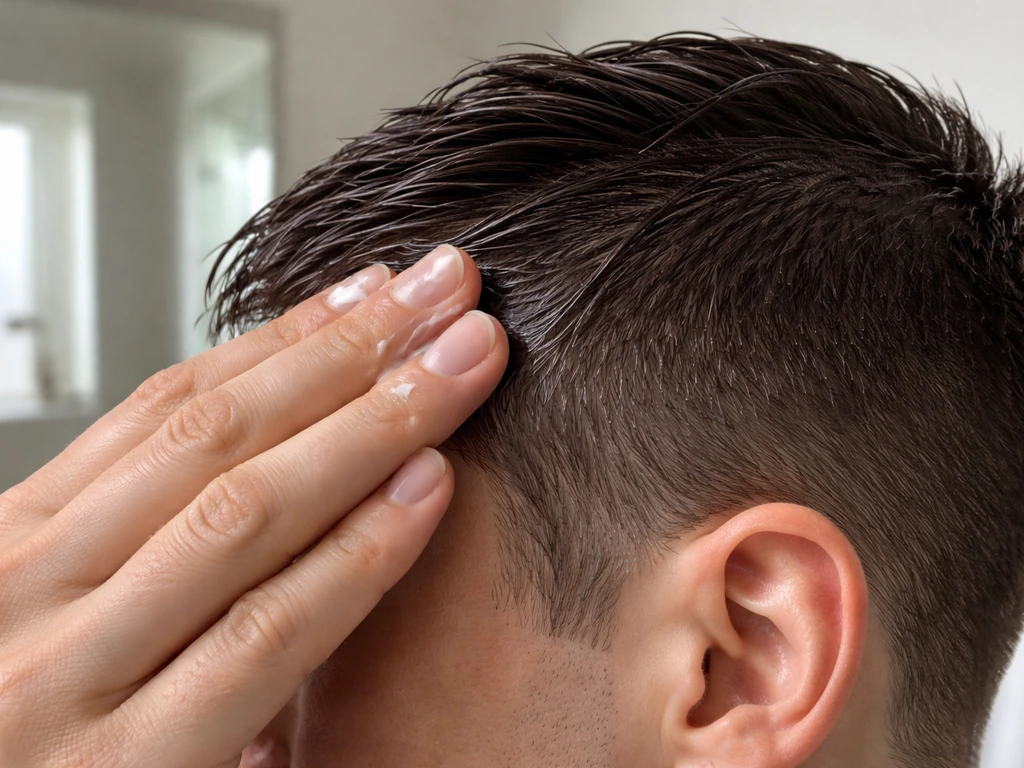
Side hair has a strong tendency to grow outward before it's long enough to fall downward. The earlier you train the direction, the easier it gets. After washing, use a lightweight product (a small amount of pomade, styling cream, or even a little gel) and comb or brush the sides in the direction you want them to grow. Hold them flat with a headband or hair clips for 10 to 20 minutes while you finish your morning routine. Do this consistently and the hair genuinely does begin to cooperate. If you're working on growing out your sides from any kind of short phase, this directional training step is probably the single most underrated thing you can do.
Styling by length stage
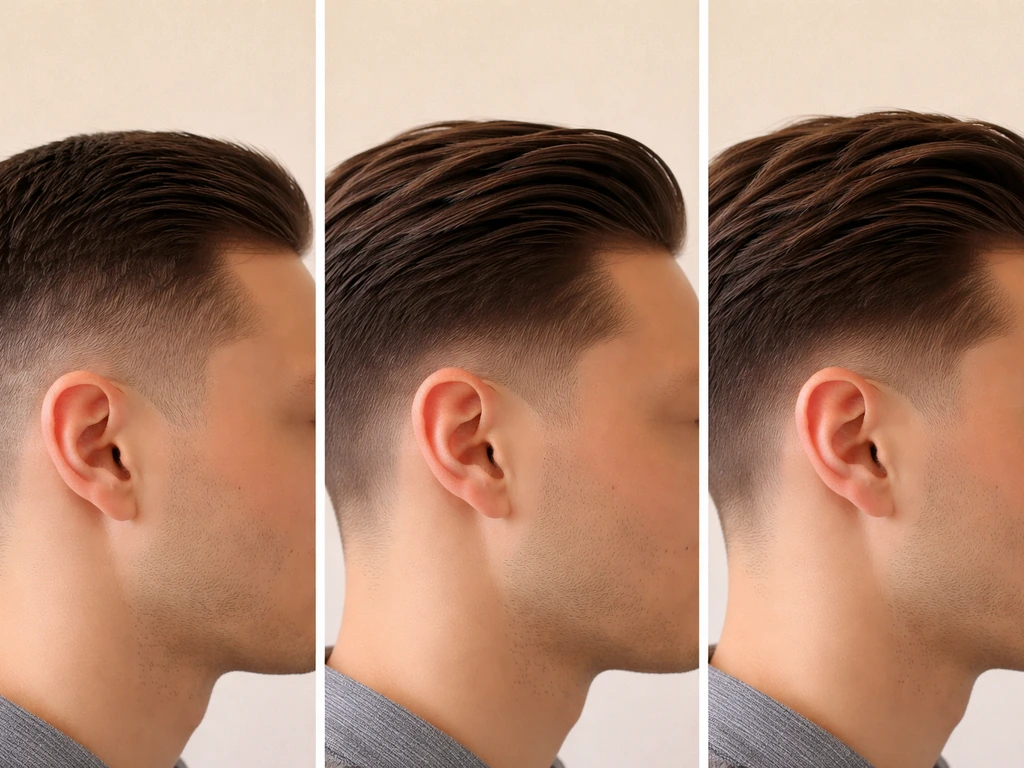
- Under 1 inch: Keep it simple. A light pomade or wax pushed flat and slightly back is your best move. Don't fight the direction it's naturally trying to grow.
- 1 to 2 inches: This is the puffiest, most frustrating stage. A medium-hold styling cream applied to damp hair, then dried with a brush pushing the sides flat, tames most of the bulk. A light hairspray lock-in helps this last.
- 2 to 3 inches: You now have enough length to tuck behind the ear or blend into surrounding hair. Bobby pins and mini clips become useful for keeping things in place without looking styled.
- 3 inches and beyond: The sides are usually long enough to layer, blend, or style alongside the rest of your hair. This is where you can start thinking about a shape-maintenance trim.
Common problems and how to handle them
Cowlicks and stubborn directions
Cowlicks at the sides are annoying but workable. The key is to work with moisture: style the hair when it's slightly damp, direct it away from the cowlick's natural swirl, and use a firm-hold product to hold the direction. A blow dryer on low heat pointed at the cowlick while you hold the hair in your desired direction is the most effective method. Weight from length eventually helps the hair fall more naturally, so cowlicks usually get less dramatic as the hair grows past 2 to 3 inches.
Uneven sides
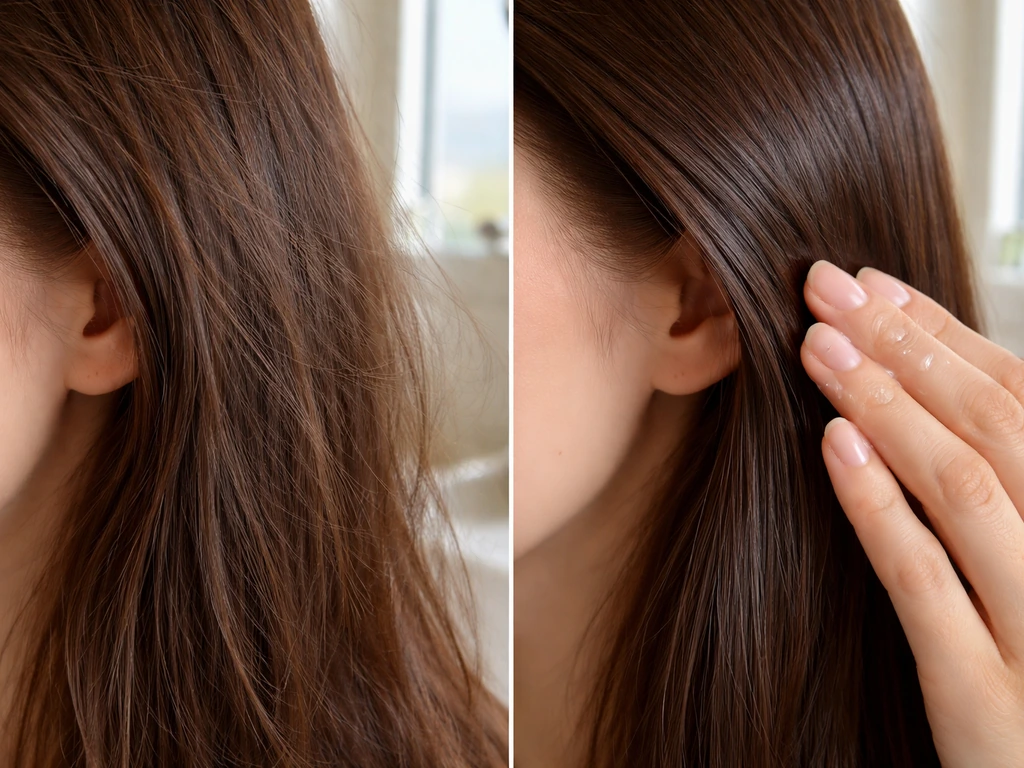
One side almost always grows faster than the other. It's not your imagination. This is partly because most people sleep on a dominant side, which causes more friction and slightly more breakage on that side. It can also be because hair follicles on one side happen to be in different growth phases. If one side is noticeably behind, don't trim the faster side to match; that just resets your progress. Instead, focusing on how to grow the sides of your hair evenly means prioritizing protection on the slower side: sleep on the other side when you can, be gentler with heat on the shorter side, and let time do its thing.
Breakage around the sides and face
Short hair around the sides and face is especially prone to breakage because it gets rubbed by glasses, headphones, hats, and pillowcases constantly. If you're noticing snapping or short broken pieces rather than clean shed hairs, that's breakage rather than natural shedding. (Normal shedding is about 100 hairs per day with a visible root bulb; broken strands have a rough, frayed end and no bulb.) Broken hair around the face responds well to a simple combination: reduce friction, add a light leave-in conditioner to those short sections, and avoid any elastic bands or tight accessories that contact the side hairline.
Frizz on the sides
Side frizz is mostly a moisture and friction issue. Short side hair doesn't have enough weight to stay smooth on its own. A small amount of a smoothing serum or lightweight oil (a couple of drops, not a handful) applied to the sides after styling helps seal the cuticle. Anti-humidity sprays can give you a few extra hours of control on high-moisture days. The satin pillowcase mentioned earlier also significantly reduces the overnight frizz that makes morning styling twice as hard.
Trimming for shape without killing your progress
This is where people get confused. You do not need to avoid all trims while growing your sides. What you need to avoid is trimming the sides themselves. A shape-maintenance trim means asking your stylist to clean up the back, the neckline, and the top if it's getting heavy or splitting, while leaving the sides completely alone (or barely dusting the ends if they're visibly damaged). Be specific with your stylist: 'I'm growing out the sides, please don't touch them' is a completely reasonable instruction.
The exception is if your sides are growing unevenly to the point of looking visibly lopsided from the front. In that case, a very minimal tidying trim on just the faster side (not a shortening, just a shape cleanup) can help the overall look stay wearable without significantly setting back the slower side. Think of it as managing the shape, not resetting the length.
What the timeline actually looks like
Here's what you can realistically expect, based on average growth of about 1 cm per month. Everyone's a little different, but these landmarks hold up pretty consistently.
| Timeframe | Approximate Side Length Gained | What to Expect |
|---|---|---|
| Weeks 1–4 | ~0.5–1 cm | Barely visible change; hair may feel stubbly or slightly puffy at the ends |
| Months 2–3 | ~2–3 cm total | The awkward puff stage peaks; directional training and product are essential |
| Months 4–6 | ~4–6 cm total | Sides start blending; enough length to tuck behind the ear or style alongside top |
| Months 7–12 | ~7–12 cm total | Significant coverage; side hairline corners may still be slightly behind |
| 12+ months | ~12+ cm total | Most people have reached a fully blended, longer side length by this point |
Setbacks are normal and worth expecting. A bout of high stress, illness, a nutritional dip, or even a change in seasons can push more follicles into the telogen (resting) phase temporarily, which is called telogen effluvium. You might notice more shedding for six to twelve weeks before new growth kicks back in. If shedding jumps significantly and doesn't resolve, that's worth a visit to a dermatologist to rule out any underlying cause.
If you started from a completely shaved head and are now working on full regrowth on all sides, the overall journey is similar but the early phases feel longer. The guide on growing out a shaved head maps out those early weeks in more detail and is worth reading alongside this one if that's your starting point.
What 'good progress' actually looks like week to week
Progress on the sides is slow enough that you won't notice it day to day. Take a photo of your sides every two weeks in the same lighting and from the same angle. Compare month to month, not week to week. 'Good progress' doesn't mean the sides look great right now; it means the length is consistently increasing, breakage isn't reversing your gains, and the shape is staying manageable with styling. That's a win, even if it doesn't feel dramatic yet.
For most people, the hardest stretch is months two through four, when the sides are long enough to be messy but not long enough to style cleanly. Push through that window with consistent scalp care, protective habits, and directional styling, and the other side of it is genuinely satisfying. The sides will catch up. They always do.
FAQ
How long should I wait before I see the sides start to catch up?
If you’re growing at an average rate, you should see measurable change by about 4 to 6 weeks, but the “noticeable catch-up” usually happens closer to months 4 to 6. Track by consistent photos (same angle, same lighting) and judge by length increase and reduced breakage, not how polished the sides look week to week.
What’s the difference between shedding and breakage on the sides, and how can I tell at home?
Shedding strands usually have a small white bulb at one end, and the hair length looks whole. Breakage shows short, frayed pieces with no root bulb, often from styling heat, rough towel drying, friction from glasses or headphones, or tight accessories. If you’re seeing more short fragments than full-length shed hairs, focus on friction and conditioning immediately.
Should I use minoxidil to grow side hair faster?
You may be able to, but it’s not a guaranteed solution for side hair specifically and it works best when there’s true thinning or androgenetic pattern loss rather than simple “lagging length.” If you’re considering it, talk to a clinician first, especially if you’re using other scalp treatments (like anti-dandruff shampoos) or have scalp irritation, since minoxidil can worsen redness in sensitive areas.
Can I use anti-dandruff shampoo every day, or will it slow growth?
Daily use usually isn’t necessary and can be irritating for some people, which can lead to more inflammation and dryness. For seborrheic dermatitis, the article approach is usually twice weekly, then adjust based on response. If your scalp feels tight, itchy, or overly dry after use, reduce frequency and consider alternating with a gentle non-medicated shampoo.
What if my side hairline corners (temples) are thin and not filling in?
That area often responds slower and may follow a different natural cycle, but you can still improve outcomes by combining directional styling with gentle scalp care and consistent breakage control. Avoid frequent cutting in that exact zone, and if thinning is new or rapidly worsening, get evaluated to rule out underlying causes like traction from hairstyles or medication related shedding.
Is it okay to blow-dry my sides daily while growing them out?
Yes, but keep heat low and use it strategically. Daily high heat is a common reason side sections break before they gain length. Use a heat protectant, dry the sides in the direction you want them to fall, and pause blow-drying on days your hair feels rough or tangly, which can indicate dryness damage.
My sides stick out even when they’re trained, what should I do next?
Cowlicks can take longer to settle, especially before the hair reaches enough length to “weigh down.” Style on slightly damp hair, use a firm-hold product, and hold the direction for 10 to 20 minutes. If they still won’t cooperate, try a slightly heavier styling product on those sides (not more product overall) and make sure you’re not accidentally drying them back into the swirl.
Do I need to change my routine if one side is consistently shorter?
Yes, treat it as a protection problem rather than a trimming problem. Prioritize the slower side with less heat exposure, more friction control (satin pillowcase, gentler detangling), and if you can, sleep on the other side. Avoid trimming the faster side to match, because even a small reset can delay overall progress.
How often can I trim while growing out the sides without undoing progress?
You typically can do shape maintenance every 6 to 10 weeks, as long as the stylist cleans up the back, neckline, and top while leaving the side length alone. If the sides are unevenly lopsided, a minimal tidy on only the faster side can help the look stay wearable, but request no shortening of the slower side.
What should I do during a shedding flare or telogen effluvium period?
Expect that shedding may increase for 6 to 12 weeks after a trigger like illness, stress, or a nutritional dip, then ease. Don’t panic-cut the sides during the flare. Keep scalp care consistent, be gentle with washing and detangling, and if shedding is severe or doesn’t improve after the typical window, book a dermatologist visit to check for underlying drivers.