
Growing out shaved sides is completely doable, but it takes patience and a plan. The honest answer is that it takes roughly 6 to 12 months to go from a fully shaved side to hair that blends naturally with your top length, depending on how short the sides were cut and how fast your hair grows. The awkward phases are real, but they are manageable if you know what to expect at each stage and have a few styling tricks up your sleeve.
How to Grow Out Shaved Sides: Step-by-Step Timeline

Marcus Vickers
11 Apr 2026
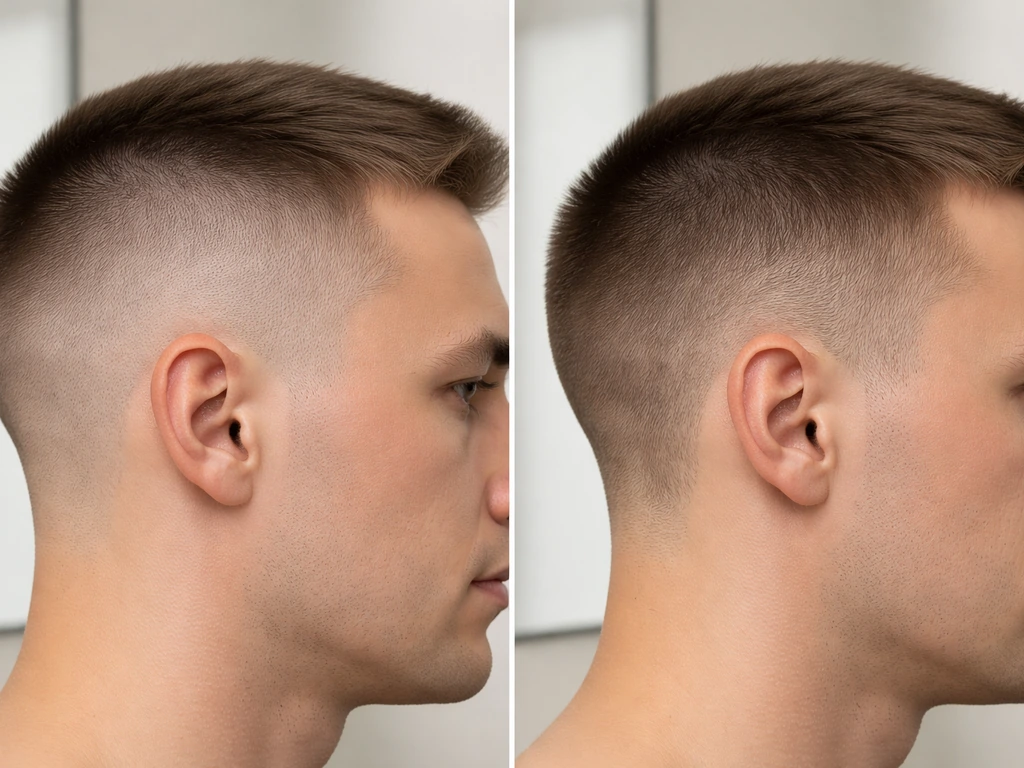
What 'shaved sides' actually means and how the growth works
When most people say they have shaved sides, they mean an undercut, disconnected fade, or side shave where the hair above the ear and/or temples was clipped very close or completely shaved down to skin. The contrast between the short sides and the longer top is intentional when you have the style, but that same contrast is what makes growing it out feel so awkward.
Here is the core biology you need to understand: scalp hair grows about 0.5 inches (roughly 1.25 cm) per month on average, according to the American Academy of Dermatology. That works out to around 6 inches per year. Some people grow closer to 0.6 cm per month, others push 1.5 cm, but 1 cm per month is a solid planning number. The sides of the head do not grow meaningfully faster or slower than the top, so the gap between the two lengths does not close on its own. You either trim the top down to meet the sides, or you wait for the sides to grow up to meet the top.
It is also worth knowing that hair goes through a growth cycle: an active growth phase (anagen), a transitional phase, and a blank" rel="noopener noreferrer">resting phase (telogen) that lasts around three months before the hair sheds and new growth begins. This is why regrowth can sometimes look uneven or patchy in the first few weeks. Some follicles are simply between cycles. It normalizes. If you are researching how to grow out a shaved head alongside growing out sides, the same timeline and biology applies.
Stage-by-stage plan: what to do each month
Days 0–30: Stubble and shadow
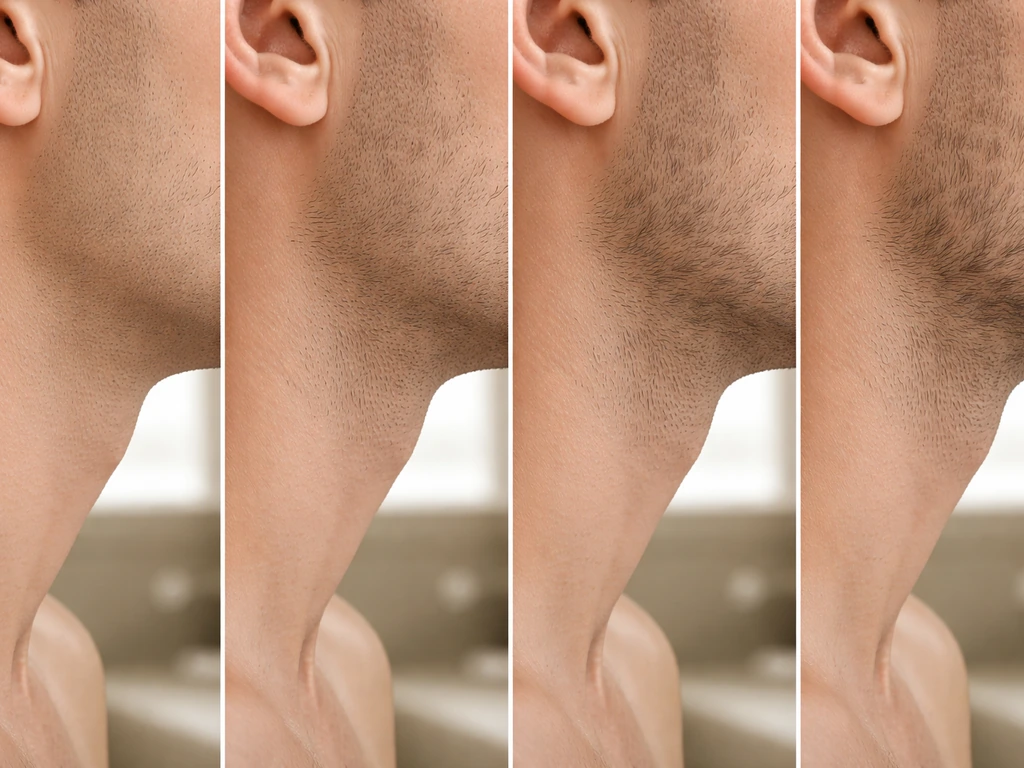
In the first month, you are dealing with stubble. The sides will go from skin-level to a rough, sometimes itchy, fuzzy shadow. By day 30, you might have around 1 cm of growth on the sides. This phase looks intentional on some people and rough on others, depending on your hair color and skin tone contrast. Dark hair on fair skin shows the most obvious stubble line. Your job this month is simple: do nothing except keep the scalp clean and let it grow. Do not reshape, do not fade, do not touch it.
Months 1–3: The prickly, uneven stage
This is when it starts to feel weird. By month two, the sides are probably 1.5 to 2 cm, which is long enough to look disheveled but too short to lie flat or be styled. If you had a strong disconnection between the top and sides, this gap is now visually obvious. Hair at this length often sticks out or looks patchy near the hairline. For people who had an undercut where the top hair covers the short sides when worn down, this stage is actually manageable: wear the top hair flat and down and nobody can tell.
If the sides are visible, use a side part or a comb-over technique to maximize coverage. A deep side part on one side can train longer top hair to sweep over and visually widen the top section. This is also when a lot of people panic and go back to shaving. Don't. This is the hardest stretch, but it passes.
Months 3–6: The helmet or mushroom phase
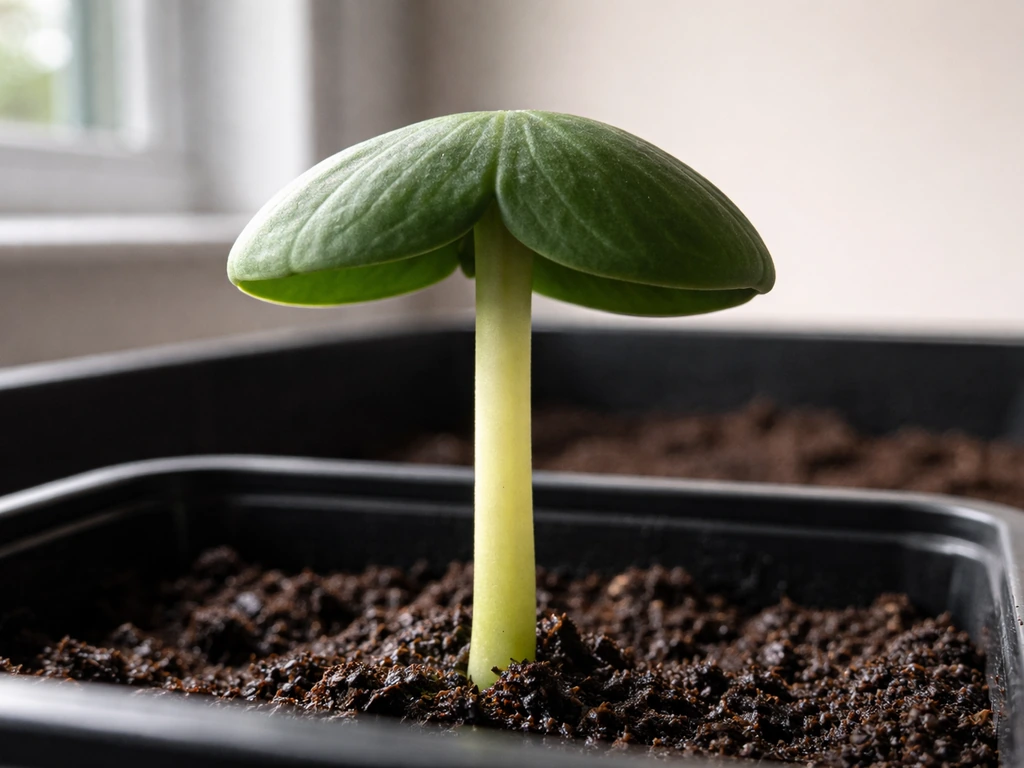
By month three, the sides are roughly 3 to 4 cm, which is where the infamous mushroom or helmet silhouette happens. The top is significantly longer than the sides, so the whole shape can look rounded and poofy. This is genuinely the most awkward-looking stage, but it is also the one where you have the most styling options. You can slick the top back, pull everything into a low ponytail or half-up style, or use light pomade to push the sides back so they look textured rather than puffy. Do not give up here.
This is also the phase where a small trim to the top can make a significant visual difference. If the top is extremely long compared to the sides, bringing it down 1 to 2 inches can make the whole head look more proportional without setting back your overall length goal. Talk to your stylist specifically about this: you want shape and proportion, not a full cut.
Six months and beyond: blending becomes possible
At six months, the sides are typically 6 to 7 cm, which is long enough to blend into a gradual fade or be layered into the top. This is the point where a skilled stylist can actually start doing something constructive. You can request a soft fade or a graduated cut that transitions the side length into the top, giving you a natural-looking style rather than a visible line. From here, it becomes a normal growing-out process rather than an emergency management situation. By nine to twelve months, most people have enough length on the sides to style freely.
Female-specific things that matter
Women and femme-presenting people growing out shaved sides face some specific challenges that are worth naming directly. How to grow out your sides can look different depending on your natural hair texture, your part placement, and whether you have cowlicks near the shaved area.
Cowlicks near the temples and above the ears are common and become very visible when hair in that zone is regrowing from short lengths. The hair grows in the wrong direction relative to the rest of the head and tends to stick out or swirl awkwardly. Blow-drying with a round brush while the hair is damp, directing the hair in the direction you want it to go, helps train it as it grows. A small amount of pomade or edge control applied to the cowlick area and smoothed flat also works well for day-to-day styling.
Hair texture makes a meaningful difference. Fine, straight hair lies flat more easily during the early stages, which is a styling advantage, but also shows the disconnection between lengths more clearly. Wavy and curly hair tends to blend more naturally as it grows because the texture disguises the length gap, but it also shrinks up significantly due to curl pattern, meaning the sides may look shorter than they actually are. If you have curly or coily hair, add about 30 to 40 percent to your visual estimate of how long the sides are, because once stretched, there is more length than it looks.
Part placement is one of the most powerful tools for women during this transition. Moving your part away from the shorter side maximizes the coverage of longer top hair over the growing area. If your shaved section is on the left, a deep right-side part gives the top hair more material to sweep over. Even a small part shift of an inch can make a noticeable difference in how much of the growing side is visible.
If you are dealing with fragile regrowth around the face, perhaps from a shaved section that extended close to the hairline, check out advice on how to grow out broken hair around face, since the same gentle handling principles apply to any short, delicate regrowth near the perimeter.
How to style each awkward stage so it looks intentional
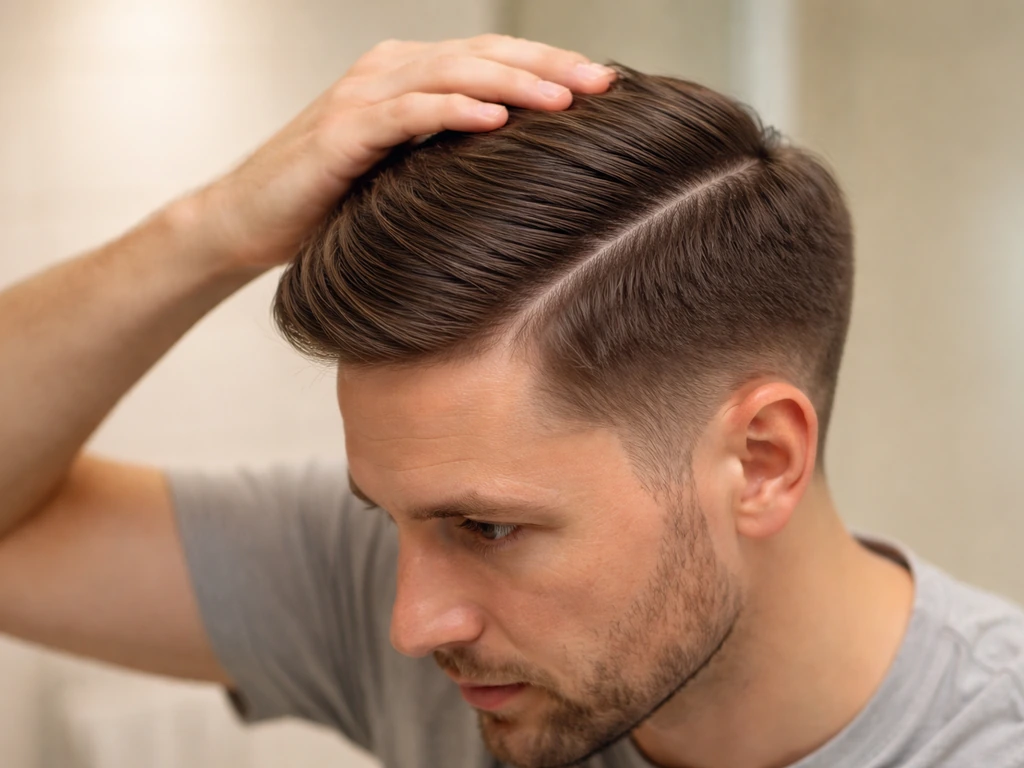
When the top is long and the sides are very short (months 1–3)
Your best friend here is a side part combined with weight on top. Wear the top hair flat and directed over the shorter sides. A small amount of lightweight pomade or texturizing cream gives you control without the stiff look. Bobby pins and small clips can secure longer top sections over the short sides when you need them to stay put. Headbands also work well at this stage, especially for women: a thin headband worn slightly back from the hairline draws attention upward and away from the side transition.
Updos and half-up styles are practical and stylish during this phase. Pulling the top and crown into a loose bun or half-up knot keeps the length visible while the sides do their thing underneath. Braids along the top of the head can also help direct hair coverage toward the sides.
The mushroom phase (months 3–5)
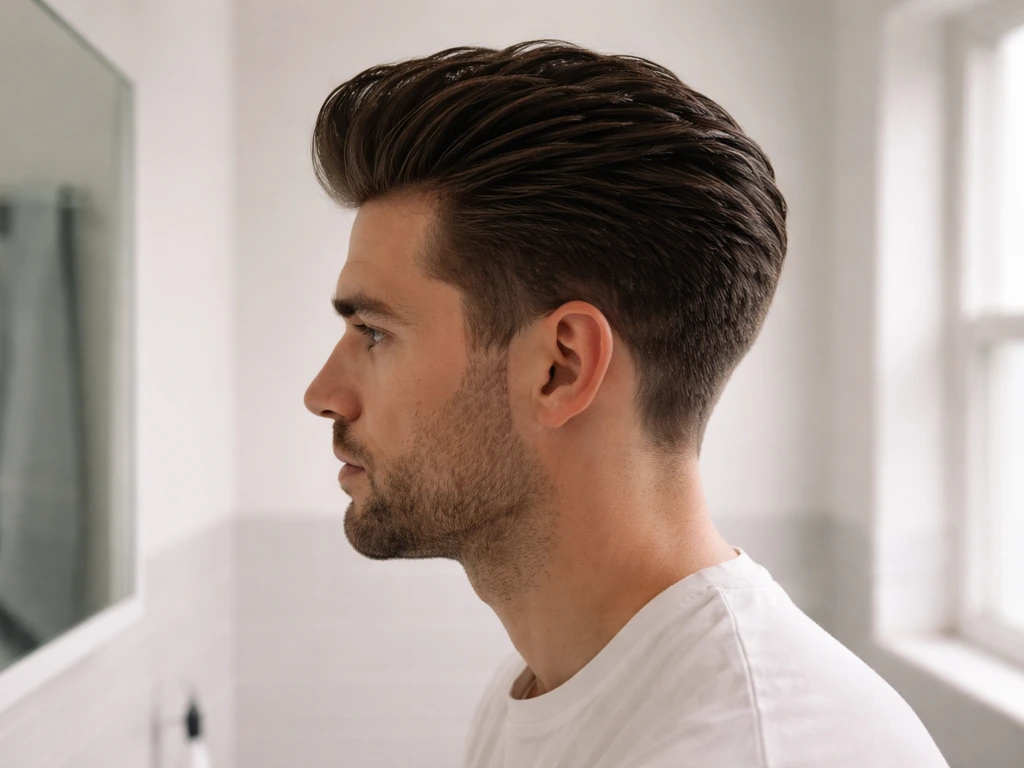
At this stage, you want to reduce visual volume on the top and add some shape. Slicking the top back with a medium-hold gel or cream makes the silhouette look intentional rather than round. Ponytails become accessible and actually look great here because they contain the top while the sides grow. If you have bangs, sweeping them to one side rather than wearing them straight across can break up the helmet shape.
When blending starts to be possible (months 5–6+)
Once you have 4 or more centimeters on the sides, you can start blending with styling products and brush direction. A boar bristle brush or a vent brush used on damp hair can push side hair back and down, making it lie flat and look closer to the top length. This is also when you can ask a stylist for a soft taper: a gentle fade that graduates from shorter at the nape to longer at the top without creating a harsh line.
When to trim and how to blend without setting yourself back
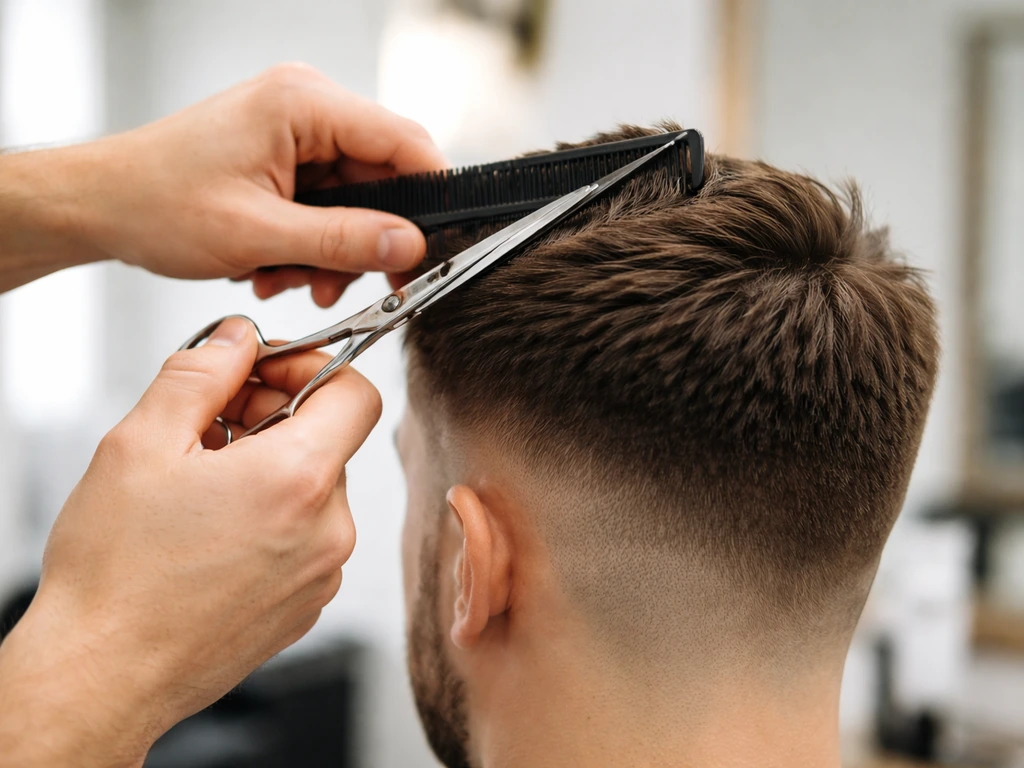
One of the most common mistakes is avoiding all trims entirely and letting the top grow unchecked while the sides catch up. This can work, but it often leads to split ends, uneven length, and a shape that looks neglected rather than intentionally grown out. A better approach is strategic, minimal trimming.
Trim the top only when two things are true: the ends are damaged or splitting, or the length gap between the top and sides is so extreme that no styling trick can hide it. In those cases, taking off a small amount (half an inch to an inch) from the top keeps the hair healthy and the proportions more balanced without meaningfully slowing down your progress.
Bangs are a special case. If your style included bangs and you are growing them out alongside the sides, letting them grow while the sides are also growing can create a chaotic, in-between look. A light trim on the bangs to keep them at a clean, manageable length, not shorter than before, just tidied up, keeps the whole look more intentional. You can also sweep bangs to the side and pin them as a style choice rather than trimming at all.
When it comes to blending the sides into the top using scissors, this is not a DIY job for most people. A stylist using point-cutting or texturizing scissors can soften the line between the shorter sides and the longer top without removing significant length. Ask for 'blending' or 'graduation' rather than a fade if you want to preserve as much length as possible on both sections. If you are curious about how to grow the sides of hair in a way that coordinates with top length, that resource goes deeper on the blending approach.
Hair care habits that actually support faster, even regrowth
You cannot double your hair's growth rate with a product, no matter what any bottle claims. But you absolutely can slow it down with poor scalp health, excessive heat damage, or aggressive handling. Here is what genuinely helps during this transition period. Using a heat protectant spray is one way to reduce heat damage when you style with hot tools.
- Scalp health first: a clean, well-nourished scalp supports healthy follicle function. Washing 2 to 3 times per week with a gentle, sulfate-free shampoo prevents buildup without stripping moisture. Massaging the scalp gently while shampooing increases circulation to the follicles.
- Condition every wash, especially on the top and any longer sections. The sides are regrowing from scratch and do not need conditioning yet at stubble length, but the top hair benefits greatly from hydration to prevent breakage.
- Minimize heat styling during the transition period. Frequent use of high-heat tools on already-stressed hair can cause breakage that makes lengths look uneven. When you do use heat, always use a heat protectant and keep the temperature below 375°F (190°C).
- Avoid tight elastics on the regrowth areas. Pulling short side hair into ponytails or clips with strong tension can cause traction stress on fragile new growth. Use soft scrunchies or spiral hair ties instead.
- Protein and hydration balance: if your hair feels mushy or overly stretchy when wet, it may need a protein treatment. If it feels brittle and rough, it needs more moisture. Both imbalances cause breakage that disrupts even regrowth.
- Biotin and other supplements are often marketed for hair growth, but deficiency-based hair loss is the main scenario where supplements make a measurable difference. Focus on a balanced diet with enough protein, iron, and healthy fats before spending on supplements.
What to do if your regrowth is patchy or uneven
Some patchiness in the first 6 to 8 weeks is completely normal and tied to the hair growth cycle. Because different follicles are at different phases of their cycle when you shave, they do not all start producing visible hair at the same time. If you still see significant bare patches after two months, that warrants a conversation with a dermatologist, especially if you had never had uneven regrowth before.
Stress, nutritional deficiencies, and scalp conditions like seborrheic dermatitis can all cause uneven or delayed regrowth. Treating the underlying cause is the only real fix. In the meantime, styling to cover the patchiest areas with surrounding longer hair is your best day-to-day option.
Men specifically sometimes notice sparse regrowth at the corners of the hairline near the temple, which is a common concern. If you are dealing with that alongside growing the sides, advice on how to grow corners of hairline men covers that specific zone in more detail.
A quick comparison: trimming the top down vs. waiting for sides to grow up
The two main strategies for closing the length gap are not mutually exclusive, but it helps to know what each one actually involves.
| Strategy | Timeline to blend | Main advantage | Main drawback | Best for |
|---|---|---|---|---|
| Trim top down to meet sides | 2–4 months | Fastest visual blending | Loses top length you may want to keep | People who want a short, uniform cut sooner |
| Wait for sides to grow up | 6–12 months | Keeps top length intact | Longer awkward phase to manage | People committed to overall longer hair |
| Hybrid: small top trims + let sides grow | 4–8 months | Balanced proportions throughout | Requires regular stylist visits | Most people growing out an undercut or side shave |
The hybrid approach is what most people end up doing, and it is the most forgiving. You take a small amount off the top every couple of months to keep the shape clean and the ends healthy, while the sides steadily grow toward that length. It keeps you looking put-together throughout the process rather than swinging between extremes.
Keeping your side growth on track long-term
For a deeper look at maintaining momentum through the whole side-growth journey, how to grow your side hair covers the longer-term maintenance side of things, including what to do once the initial awkward phase is behind you and you are just trying to keep the growth even and healthy.
The core message here is that growing out shaved sides is a timeline, not a crisis. You will have roughly two genuinely hard months, a few months of manageable styling, and then a point where things start to look intentional again. Knowing that in advance takes most of the panic out of it. Commit to the process, use the styling tricks for your current stage, keep the hair healthy, and you will get there.
FAQ
Why does my shaved side regrow patchy or uneven, even when I do not change anything?
In most cases, you will not see true “evenness” until new growth has cycled and the shorter regrowing hairs catch up, which often takes about 6 to 12 weeks. If patchiness is still obvious after 2 months, look for triggers like a scabbed or irritated hairline, product buildup, or dandruff, and consider a dermatologist visit (especially if you also have itching, redness, or scaling).
How should I wash and care for my scalp while I’m growing out shaved sides?
You can wash as usual, but avoid heavy scrubbing on the regrowing areas. Use lukewarm water, gentle shampoo, and condition the top so it has weight. For itchy or flaky regrowth, treat the scalp first (for example, with an anti-dandruff routine) because inflammation can slow or distort how hairs start to lay down.
Is it okay to blow-dry or use heat while growing out the shaved sides?
If your sides were shaved to skin or you have very short stubble near the hairline, heat can make things look worse by drying the hair and exaggerating cowlicks. Keep blow-drying low heat, only dry until damp-to-dry, and finish by directing hair consistently. Overusing flat irons or very hot tools can lead to frizz and a fuzzier transition line.
Can hair growth oils or supplements really speed up regrowth on the sides?
Not usually. Hair growth rate is mostly genetic and not something you can speed up with supplements or oils. What you can do is reduce breakage by keeping the top conditioned and avoiding rough detangling, since damaged ends can make the sides-to-top gap look bigger than it is.
How often should I trim the top while my sides are growing out?
Do not wait for the sides to catch up if the top is getting long enough to look uneven. A good rule is to do minimal top trims only when ends are splitting or when the length gap becomes impossible to disguise. For most people that means small adjustments every few months, not frequent full cuts.
When can I ask a barber for a fade or taper so my sides blend better?
Yes, but start once there is enough length to actually blend without creating a blunt edge. Ask for a “soft taper” or “graduation” when the side length is around the stage where it can transition (often several months in, not weeks). A harsh fade too early can lock in a new, more obvious line you then have to grow out.
Should I change my hair part while growing out shaved sides, and how fast?
Switch your part gradually if needed, but commit to a direction long enough for hair to fall that way, typically several weeks. For coverage, a deeper part on the side opposite the shorter regrowth helps the top hair drape over it. If you change the part daily, the hair may never settle into a consistent pattern.
What’s the best way to deal with cowlicks around the temples while regrowing?
Cowlick training works best when you control both direction and timing. Blow-dry damp hair in the direction you want it to go, then keep it in place with a light product for the first few weeks of regrowth. If you need to, use small clips bobby pins at the cowlick area until the hair is long enough to hold its own shape.
How do I estimate side length correctly if I have curly or coily hair?
If you have curly or coily hair, base the plan on stretched length, not shrinkage. A helpful decision aid is to estimate the side length when stretched (or when blow-dried gently stretched) and add roughly 30 to 40 percent to what you see. This prevents you from trimming the top too aggressively based on appearance.
What should I do if my hair near the face is breaking or feels tender during regrowth?
Gentle handling matters more when regrowth is fragile. Avoid tight hats, aggressive brushing, or pulling the hairline area every day. If you have irritation or broken hairs near the face, focus on keeping the perimeter moisturized, using a lighter styling hold, and consider targeted advice if you notice ongoing breakage.
Are headbands, clips, or updos okay during the awkward regrowth months?
Yes, but use this as a short-term cover, not a permanent fix. Headbands, clips, and half-up styles can hide the transition and reduce the urge to shave, but do not use them so tightly that they cause traction or scalp irritation. Rotate placements to avoid constant pressure on the same regrowing spots.
What are the most common mistakes that make growing out shaved sides look worse?
The biggest mistake is “feature creep,” where you keep letting the top grow without ever adjusting it, then end up with damaged ends plus an extreme shape that styling cannot fix. If you notice splitting ends or a permanently awkward silhouette, do a small top tidy rather than pushing through months of unmanageable contrast.
When should I stop trying to style it and get medical help for regrowth problems?
A dermatologist conversation is especially worth it if regrowth is significantly delayed (beyond about 2 months), if you develop redness or scaling, or if you have a history of patchy regrowth. Stress and nutrient issues can contribute, but persistent symptoms near the shaved area should be assessed rather than covered indefinitely.