
Growing out a shaved head takes patience more than anything else. Scalp hair grows at roughly 1 cm per month (about 0.3 mm per day), so you're looking at around 3 months to get past the obvious buzz-cut stage, 6 months for something you can actually style, and closer to a year or two before you hit genuinely long hair. That's the honest timeline, and everything else in this guide is about making those months feel manageable instead of frustrating.
How to Grow Out a Shaved Head: Timeline and Step-by-Step Plan

Marcus Vickers
24 Apr 2026
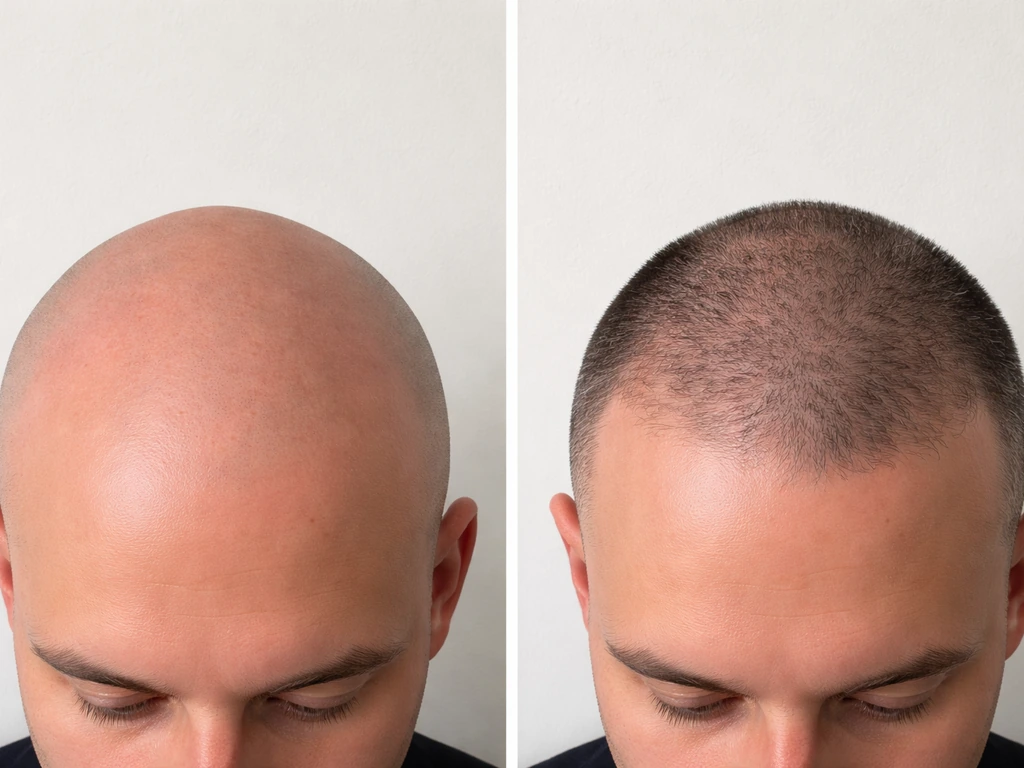
What to realistically expect: the full regrowth timeline
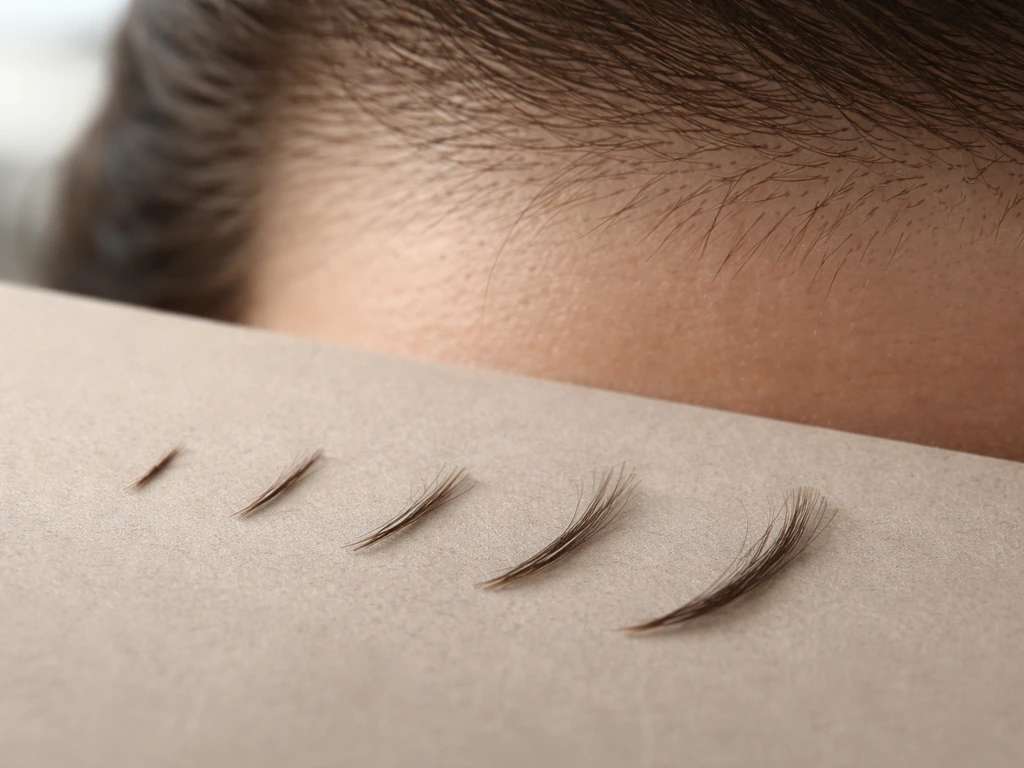
The 1 cm per month figure is a dermatology-backed average, but your actual pace can vary based on genetics, age, nutrition, and scalp health. Some people see slightly faster growth, others slower. What doesn't vary: shaving does not change how thick, dark, or fast your hair grows. That myth persists because freshly shaved hair feels stubbly and coarser as it comes in, and early regrowth looks darker because it hasn't been lightened by sun or pollution exposure yet. It's the same hair you always had.
| Timeframe | Approximate Length | What It Looks Like |
|---|---|---|
| Week 1-2 | 2-4 mm | Stubble, visible shadow, slightly itchy scalp |
| Month 1 | ~1 cm | Short buzz cut, feels more like velvet than stubble |
| Month 2-3 | 2-3 cm | Short all-over crop, can start shaping with clippers |
| Month 4-6 | 4-6 cm | Awkward phase begins: uneven growth, crown cowlicks, sides growing at different rates |
| Month 6-9 | 6-9 cm | Enough length for real styling: parts, texture products, soft layering |
| Month 12+ | 10-12 cm+ | Short-to-medium length, approaching a proper style with density and movement |
| Year 2+ | 20+ cm | Shoulder-approaching length; full styling options available |
Shedding during this process is normal. Losing 50 to 150 hairs a day is within the typical range, so don't panic if you're seeing some hair on your pillow or in the shower drain. That's your hair cycling through its natural phases, not a sign something is going wrong with your regrowth.
The first week after shaving: what to do right now
The days immediately after a shave are about scalp recovery, not growth. Your skin just went through something, whether that was a razor or clippers close to the skin, and it needs a little care before you think about anything else.
- Apply a soothing, fragrance-free moisturizer or aftershave balm right after shaving to calm irritation. Avoid anything with strong alcohol or heavy fragrance, which can sting and inflame freshly shaved skin.
- Use a cool, damp washcloth on the scalp for a few minutes after shaving. This reduces inflammation and lowers your risk of razor bumps.
- Rinse gently with warm (not hot) water if you used shaving cream or gel, then follow with the cool compress.
- Watch for ingrown hairs in the first week or two. If a hair grows back into the skin rather than out, resist picking at it. If it becomes painful or infected, that's a reason to see a dermatologist.
- Skip harsh scrubs or exfoliants for at least the first week. The scalp is sensitive and doesn't need aggressive treatment right now.
- Start moisturizing the scalp daily with a light, fragrance-free emollient. A healthy scalp environment is the foundation for healthy regrowth.
If you shaved your head due to hair loss or a scalp condition and you're experiencing persistent irritation, redness, or bumps, a dermatologist can help. Sometimes stopping shaving entirely for one to six months is the best way to let the skin settle before continuing any regrowth plan.
Stage-by-stage growth plan: from stubble to real length
Stage 1: Stubble (weeks 1-4)
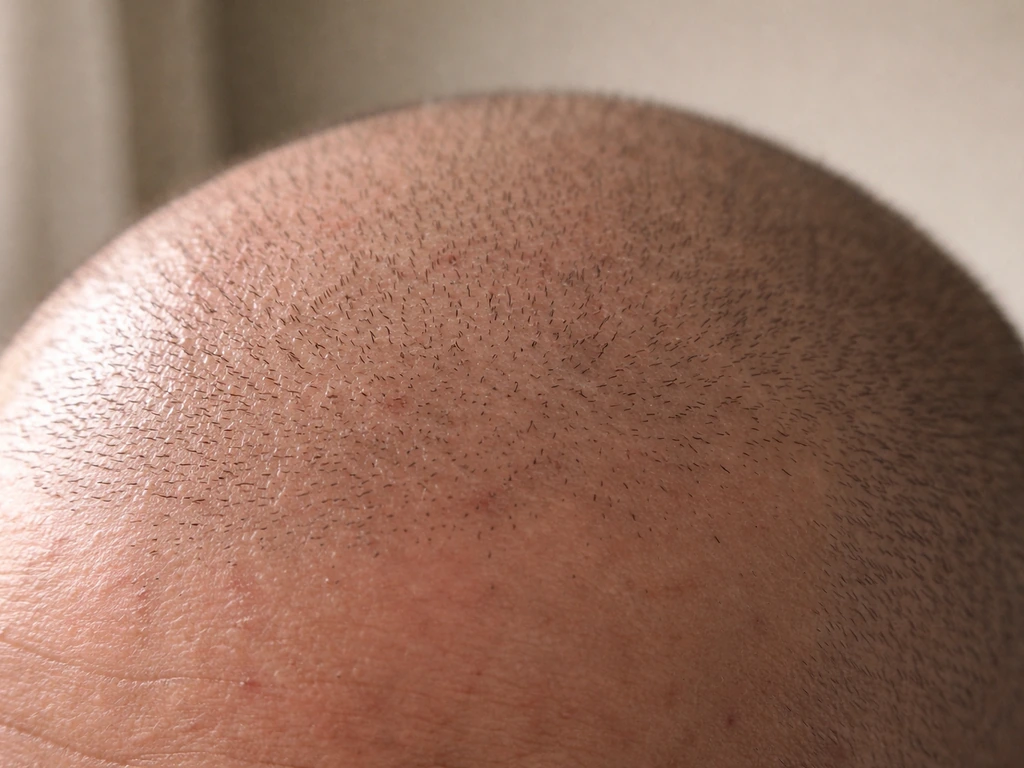
This is the prickliest, itchiest phase, and there's not much you can do stylistically yet. Your main job here is scalp care and patience. Keep the scalp clean and moisturized, manage any irritation, and resist the urge to grab the razor again just because it feels uncomfortable. The itch peaks around week 2 and usually settles as the hair gets longer and clears the skin surface.
Stage 2: Short buzz (months 1-3)
By month 1 you have enough hair to see your natural growth pattern, and by month 2 or 3 you can start shaping with clippers if you want. This is actually a great time to even out any patchiness or uneven growth by doing a light all-over buzz at a consistent guard length. You're not cutting growth back significantly, just tidying the outline so it looks intentional rather than neglected. A barber or stylist can help here, especially if you're unsure about your natural growth patterns.
Stage 3: The awkward middle (months 3-6)
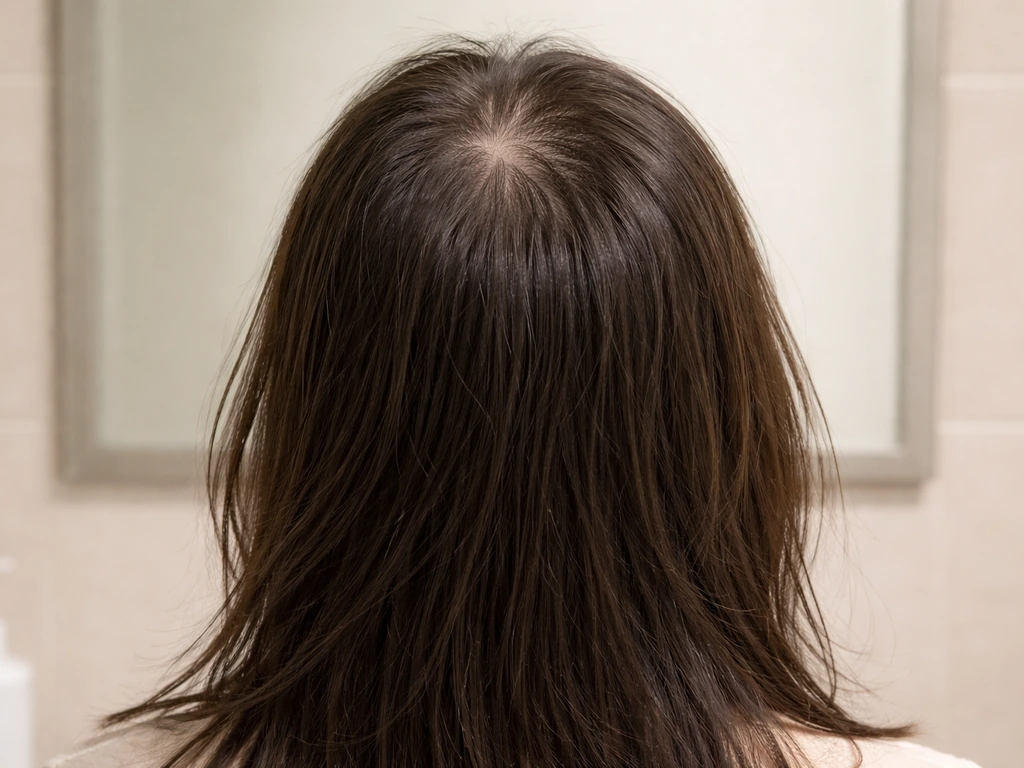
This is the stage most people give up in, and it's the one that requires the most deliberate strategy. Hair on the crown, sides, and back rarely grows at the same rate. If you want a more specific plan for the sides, follow this guide on how to grow out shaved sides. For more detail on shaping and trimming, see our guide on how to grow out shaved sides.
If you are aiming for longer side hair, consistent trims and a side-focused styling routine will help you get past the awkward stages faster how to grow your side hair. A consistent, side-focused trim during the awkward middle phase is one of the most reliable ways how to grow sides of hair. If you want targeted advice for how to grow the sides while keeping the top in shape, you can build a side-focused trim and styling plan around your awkward middle stage how to grow sides of hair.
You'll likely notice the back and sides getting fluffy or curling out before the top has enough length to lay down. The goal here is to not shave it all off again, but to manage the shape with targeted trims. A tapered or faded side can make the top's awkward length look much more intentional. A tapered or faded side can also be a helpful approach when you're figuring out how to grow your side hair through the awkward middle. Think of it as sculpture: you're removing from the areas that are outpacing the rest, not cutting back your overall progress.
Stage 4: Getting somewhere (months 6-12)
By six months you have real styling options. This is when a good haircut actually matters, because a stylist can add texture, layers, and shape that make the growing-out process look purposeful. At this stage you're no longer just waiting, you're actively working with the hair you have. A soft crop, a messy textured look, or a side part with a little product can all work well here depending on your hair type and face shape.
Stage 5: Established length (12+ months)
Past the one-year mark, you're in genuinely longer territory and the full range of hairstyles opens up. The growing-out process is largely behind you at this point, though if you're aiming for shoulder length or longer, you're still in it for another year or more. Regular trims every 8 to 12 weeks help keep the ends healthy and the shape looking good even as overall length continues to build.
How to style through every awkward phase
The single most important styling tool during regrowth is a good relationship with a barber or stylist who understands what you're doing. Tell them upfront: you're growing it out, not cutting it short. That changes everything about how they approach a trim.
- Months 1-3: Keep the outline clean with a light clipper tidy-up around the ears and neckline. This makes short hair look maintained, not messy.
- Months 3-5: Ask for a taper or fade on the sides to reduce the 'mushroom' effect when the top is still short but the sides are puffing out. This is the most useful single trim you can get during early regrowth.
- Months 4-6: A light texturizing cut on top (not a length reduction) can reduce the helmet-head look and add movement. Avoid blunt cuts that emphasize the awkward length.
- Months 6-9: A side part, some light pomade or clay, and a soft layered cut start to become genuinely viable options. Experiment with texture products here.
- Months 9-12: If you have waves or curl, this is when they start showing up properly. A curl cream or light gel can help define them rather than fighting against them.
- 12+ months: Regular trims every 8-12 weeks maintain the shape and health of longer hair. At this point you're styling, not surviving.
If you're also dealing with specific challenges like growing out shaved sides while the top is longer, or managing an undercut that's growing in unevenly, those situations have their own blend-and-taper strategies worth looking into separately, since the growth patterns on the sides often differ from the top.
Men vs women: does the approach actually differ?
Biologically, hair growth rate is essentially the same across genders. The practical differences come down to social expectations, styling conventions, and the target lengths people are typically working toward.
For men
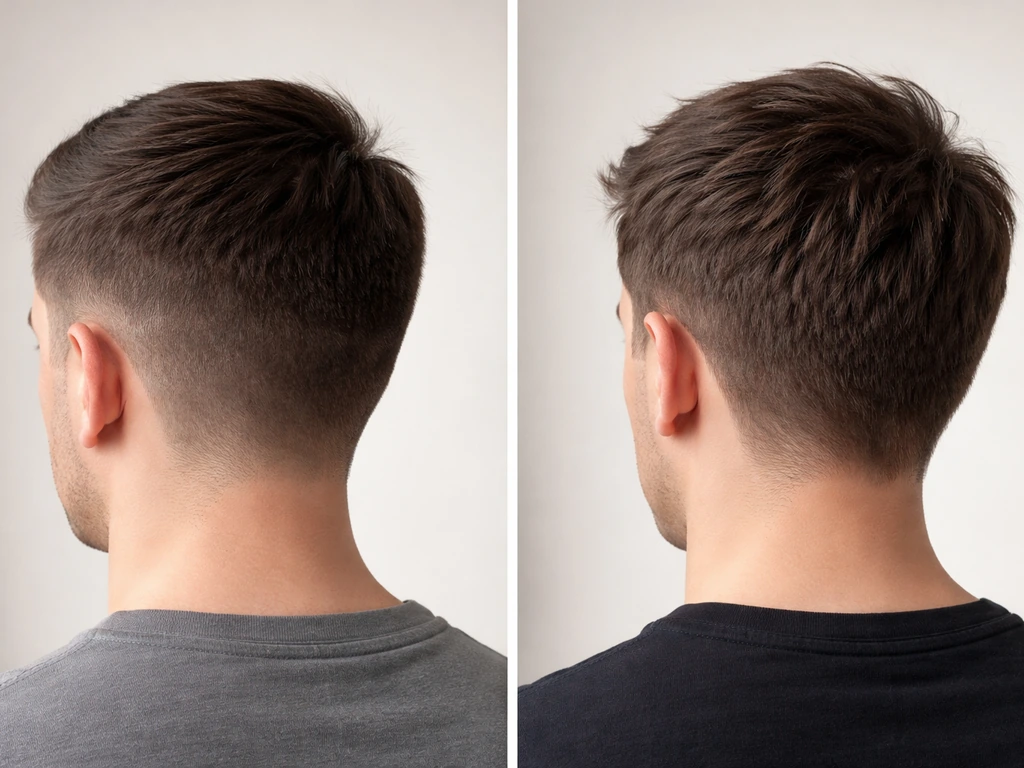
Men growing out a shaved head often find the 3-to-6-month window the most frustrating because there's a social expectation that hair is either short and intentional or long and intentional, with little grace given for in-between. The best strategy here is to lean into structured, maintained short styles using clipper work: a skin fade or low taper on the sides with a little length on top keeps the overall look intentional rather than neglected. Men also tend to deal more with receding hairlines or uneven density at the temples, which can affect how regrowth looks in the early months. If this is a concern, working with the density you have rather than against it (shorter overall with a defined shape) works better than trying to cover it.
For women
Women growing out a shaved head often face a longer journey to their target length, which means more stages to manage. The good news is that the styling options at each stage tend to be wider: headbands, clips, and accessories become genuinely useful around months 3 to 6, and a strong stylist can shape a pixie-adjacent cut from a growing buzz that looks completely intentional.
The trickiest stage for many women is months 4 to 8, when the hair is too short to pull back but too long to sit flat. Products that add texture and grip (sea salt sprays, light pomades) help enormously here by giving the hair something to do rather than just sticking out. Side parting can also start creating shape as early as month 4 or 5 if you have enough length to work with on top.
What actually speeds up growth (and what doesn't)
This is where a lot of people get misled, so let's be direct. You cannot meaningfully change the rate your hair grows. The 1 cm per month figure is driven by your biology, not by a supplement or treatment. What you can do is make sure nothing is slowing it down, and that the hair growing in stays healthy enough to reach length without breaking off.
Myths to skip
- Biotin supplements: Unless you have a diagnosed deficiency (which is genuinely rare), biotin is unlikely to do anything for your growth rate. The AAD is clear on this. Save your money.
- Hair growth shampoos and scalp serums marketed as 'accelerators': No shampoo changes the pace of your anagen (growth) phase. They may help with scalp health, which is worth something, but they won't make your hair grow faster.
- Frequent trims 'make hair grow faster': Trims keep the ends healthy and prevent split ends from traveling up the shaft, but they have zero effect on growth rate. Growth happens at the root, not the ends.
- Castor oil, rice water, onion juice: Popular online, but the evidence for any of these meaningfully accelerating growth in people without deficiencies is very weak.
What actually helps
- Minoxidil (if hair loss is a factor): This is a real, FDA-recognized treatment for hair loss, not a growth accelerator for healthy hair. For men, topical 2% or 5% minoxidil applied once or twice daily to the scalp is the standard approach. It takes 6 to 12 months to see results and works best for androgenetic alopecia specifically. It's not a shortcut for regrowing a healthy shaved head, but if hair loss contributed to your shave, it's worth discussing with a doctor.
- Nutrition (if you're deficient): Deficiencies in vitamin D, iron, and zinc are genuinely linked to hair growth disruption. If you're eating poorly or have a known deficiency, correcting it supports healthy growth. But if you're already getting adequate nutrition, adding more doesn't accelerate anything.
- Scalp health: A clean, healthy scalp is the best environment for growth. Washing regularly, keeping the scalp free from buildup, and staying on top of any inflammation or irritation removes barriers to normal growth.
- Reducing breakage: Hair that breaks off near the root never reaches length. Gentle handling, avoiding heat damage, and keeping hair moisturized means the growth you do have actually accumulates.
The care routine that actually supports regrowth
A simple, consistent routine does more for regrowth than any single product. Here's what to build into your regular schedule.
Washing and conditioning
Wash your scalp regularly, frequency depends on your hair type and how oily your scalp runs, but the goal is a clean scalp free of product buildup, sweat, and excess oil. Most people do well washing every 2 to 4 days. Use a gentle, sulfate-free shampoo during the early months when the scalp is still adjusting. Once you have length (around months 4 to 6 and beyond), start conditioning the ends to keep them pliable and prevent breakage. During very early regrowth (months 1 to 2), focus the conditioner on the scalp itself if it feels dry.
Scalp care
The scalp is skin, and it responds well to the same things your face skin does: moisture, gentle cleansing, and protection from irritation. During the first few weeks of regrowth, apply a fragrance-free moisturizer or light scalp oil daily. As your hair grows in, a scalp massage (2 to 3 minutes while shampooing) helps with circulation and keeps the scalp from becoming flaky or tight. If you're experiencing persistent dryness, flaking, or irritation beyond the first few weeks, a dandruff shampoo with zinc pyrithione or ketoconazole can help, but see a dermatologist if it doesn't improve.
Preventing breakage
Once your hair is past 3 to 4 cm, breakage becomes a real concern because that's when the hair is long enough to get tangled, bent, or damaged. Use a wide-tooth comb rather than a brush during early length stages. Avoid tight elastics that can snap hair at the hairline. If the broken hair is around your face, focus on gentle detangling and targeted trims so it grows out without continuing to snap broken hair around your face.
If you use heat tools, apply a heat protectant first and keep temperatures below 180°C (350°F). Sleep on a satin or silk pillowcase, which reduces friction and mechanical breakage compared to cotton. These aren't fussy luxuries, they're the practical things that let the growth you're putting in actually show up as length.
Sun protection
During the first few months when you have very little hair coverage, your scalp is exposed to UV radiation in a way it probably hasn't been before. Wear a hat outdoors or apply a scalp sunscreen (yes, these exist and they're worth it) to protect the scalp skin and avoid any sunburn-related inflammation that can disrupt the follicle environment.
Staying the course when it gets frustrating
Almost everyone hits a wall somewhere between months 3 and 6 where the temptation to just shave it all off again is very real. The hair looks awkward, it doesn't sit right, and nothing you do seems to make it look intentional. That's the phase. It's not a sign something is wrong.
A r/tressless discussion also notes that the common shedding benchmark of up to 50, 100 hairs per day may not apply uniformly, especially when people confuse slow-progressing hair loss with normal shedding When “50 Hairs a Day” Doesn’t Apply. It's just the middle of the process, and the only way through it is through it.
The strategies in this guide (strategic trims, the right products for each stage, a good stylist who understands your goal) exist specifically to make that middle phase shorter and less painful. Hang in there. The shape comes, it just takes time.
FAQ
Can I speed up growth beyond the 1 cm per month average?
You cannot meaningfully change the biological growth rate, but you can reduce breakage so more of the regrown hair stays long. Focus on scalp comfort, avoid frequent razor use, use a wide-tooth comb once there is enough length to tangle, and schedule small trims to prevent split ends from traveling up the hair shaft.
Is it safe to shave or use clippers again while it is growing out?
It is usually better to avoid starting over, because shaving resets the visible “awkward” stage and can further irritate already sensitive skin. If you must neaten the look, choose a consistent, very short all-over guard and keep it even rather than shaving only the worst areas.
Why does my regrowth look patchy or uneven at first?
Uneven density and different growth speeds between top, crown, sides, and back create patchiness during months 2 to 5. The fix is visual, not biological, use a tapered or faded side shape and keep trims consistent so faster-growing areas do not overpower the slower ones.
What should I do if my scalp itch is intense or lasts past the early weeks?
Mild itch that peaks around week 2 is typical, but persistent burning, oozing, spreading redness, or bumps that do not improve should be checked by a dermatologist. If you were shaving over hair loss or scalp conditions, skin inflammation can linger and may need targeted treatment.
Should I use hair oil or scalp oil every day, and which kind?
Light, fragrance-free moisturizers or scalp oils can help if your scalp feels tight or dry, daily is fine in the early months if it does not make you oily or cause buildup. If you notice more flaking or acne-like bumps, reduce frequency and switch to a lighter option.
Can I wash my hair normally, or will frequent washing affect regrowth?
Washing does not change how fast hair grows, it changes scalp cleanliness and comfort. Use a gentle, sulfate-free shampoo early on, most people wash every 2 to 4 days, and if you use any products, rinse thoroughly to prevent residue on the scalp.
When is the right time to start conditioning, and where should conditioner go?
In very early regrowth, keep conditioner mostly on the scalp if it feels dry, then shift to the ends once you have meaningful length (roughly months 4 to 6). Conditioning the scalp when hair is still very short can increase slickness, so adjust based on how your scalp responds.
How often should I trim during the grow-out phase?
For most people, 8 to 12 weeks is a practical rhythm once you have enough length for ends to form. Earlier trims can help with shape if you have fluffy or curling areas, but keep them small and consistent so you do not cut progress back unintentionally.
What hairstyles work best for months 3 to 6 when the hair is awkward?
Use styles that create structure without needing long length, such as a clean side part, messy texture with grip products, or accessories like clips and headbands for women. If hair sticks out or flips up, switching to a side-focused fade or taper on the sides makes the top look more intentional.
Will my hair look darker at first, then change color later?
Yes, early regrowth can look darker because it has not been lightened by sun exposure and environmental wear, so it may appear more stark against your skin. Over time, exposure and natural variation can make the color look different, but it is still the same hair type.
Can I use heat styling during regrowth?
You can, but it increases breakage risk once the hair is long enough to bend and tangle. Use a heat protectant, keep temperatures moderate (below 180°C / 350°F), and minimize straightening or curling until the hair has enough length to handle tension without snapping.
How do I prevent breakage and tangles once my hair gets past a few centimeters?
Use a wide-tooth comb, detangle gently starting from the ends, and avoid tight elastics that stress the hairline. Satin or silk pillowcases reduce friction overnight, and small, regular trims remove damaged ends before they split further.
When should I see a dermatologist during the grow-out process?
Seek help if you have persistent redness, worsening bumps, scalp pain, heavy flaking that does not improve, or signs of infection. Also consider evaluation if hair loss is the reason you shaved, because regrowth plan and scalp treatment may need to be coordinated.