
Broken hair around the face grows back, but you have to stop the damage first. The fix is a two-part plan: eliminate whatever caused the snapping, and then give those short pieces the gentlest possible environment to catch up with the rest of your hair. Hair grows roughly half an inch (about 1.25 cm) per month, so a piece that snapped off an inch from the root will need around two months just to reach the surface, and another six to twelve months to blend in properly with longer styles. That sounds slow, but with the right routine you'll notice visible improvement within four to six weeks.
How to Grow Out Broken Hair Around Face: Step-by-Step

Marcus Vickers
24 May 2026
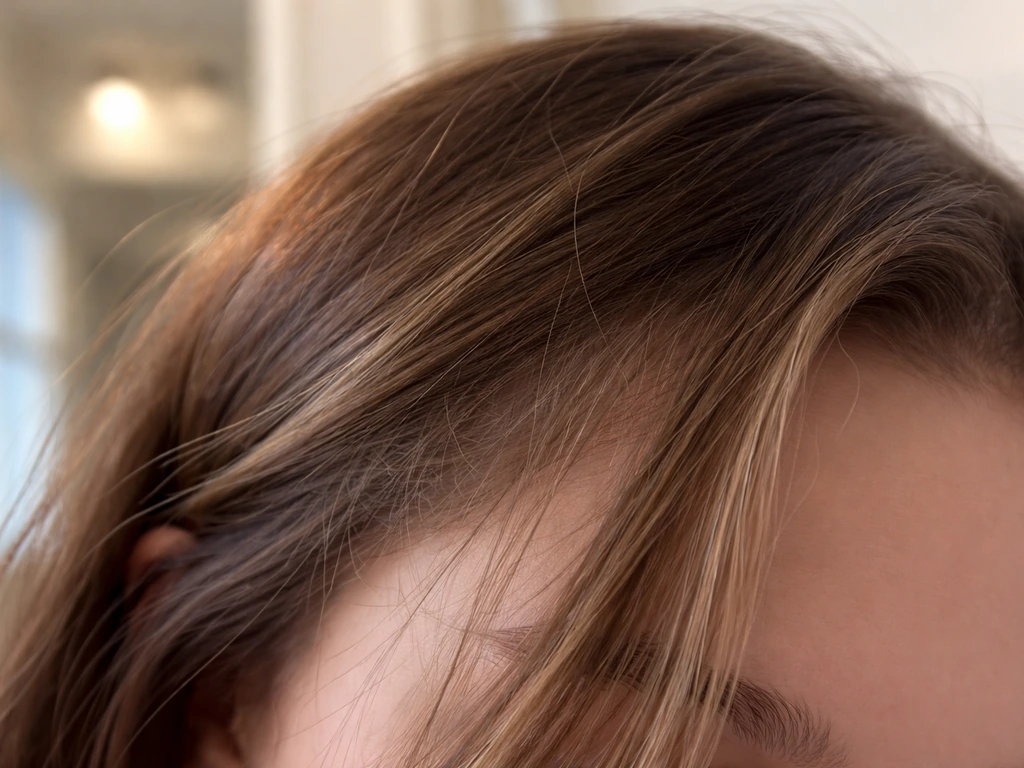
Is it actually breakage, or just short hair?
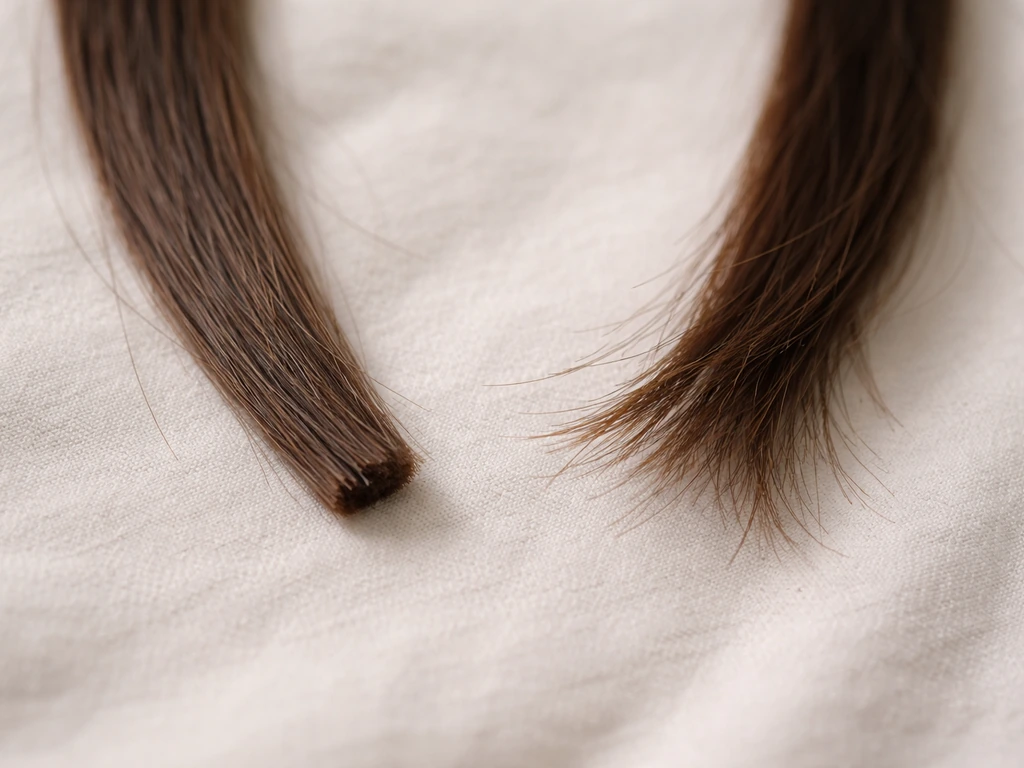
Before you treat it, you need to know what you're dealing with. The clearest way to tell: pull a few of the short pieces gently and look at the ends. Broken hair usually has a rough, jagged, or split tip rather than the tapered point you see on hair that grew in naturally short. Breakage also tends to cluster in stress zones, specifically your temples, the front hairline, the corners of your hairline, and right where a ponytail elastic or clip usually sits. If the corners of your hairline are breaking from traction, the fix usually starts with easing tight styles and adding gentler protection. True new growth shows up as an even fringe along the entire marginal hairline, whereas breakage is patchy and uneven, sometimes appearing in just one spot where you always pin your hair the same way.
Another useful check: if you've been wearing tight styles regularly and you notice not just short hairs but also redness, small pimple-like bumps, or scalp tenderness around the hairline, that's a sign of traction stress rather than simple styling breakage. That distinction matters because it changes how you treat it. Pure mechanical or chemical breakage is a hair-shaft issue; traction stress is a follicle issue that needs a faster response.
Why face-framing hair breaks in the first place
The hair around your face gets hit harder than the rest of your head for a few reasons. It's thinner and often finer, it's the first area touched by blow dryers and flat irons, it catches friction from glasses frames, face masks, and pillowcases, and it's almost always the section pulled tightest when you put your hair up. Here are the most common culprits:
- Heat damage: running a flat iron or curling wand over the same face-framing pieces every morning removes moisture from the hair shaft and makes it brittle. Over time, the hair literally snaps mid-strand.
- Chemical processing: bleach and relaxers weaken the internal bonds of the hair fiber. Highlighted or bleached pieces near the face, which often get touched up most frequently, are especially vulnerable.
- Tight hairstyles: ponytails, tight braids, buns, and extensions create tension that stretches and eventually snaps the shorter, more fragile hairs at the temples and hairline. Wet-hair ponytails are worse because wet hair is significantly more fragile and stretches further before breaking.
- Aggressive brushing and towel drying: rubbing wet hair with a cotton towel creates friction that roughens the cuticle and triggers breakage. Over-brushing, especially through tangles, does the same.
- Repeated use of clips, headbands, and elastics in the same spot: a tight headband worn daily will snap the fine hairs along the hairline where the elastic edge sits.
- Friction at night: cotton pillowcases create enough friction during sleep to break fine face-framing strands, especially if you're a restless sleeper.
Colored or bleached hair tends to show the most dramatic breakage because the chemical process compromises the hair's ability to retain moisture and elasticity. If your broken pieces are also porous and frizzy, that's almost always a chemical damage story. If they're mostly smooth but snapped, heat or traction is the more likely cause.
Stop the breakage fast: what to change today
This is the most important step and it has to happen before anything else. Growing out broken hair while continuing the habits that caused the breakage is like trying to fill a bucket with a hole in it. Here's what to change immediately:
- Drop the tight styles. Switch to low-tension options: loose braids, soft scrunchies instead of elastics, or leaving hair down. If you wear your hair up every day, vary where you position the tie so it's not pulling the same spot repeatedly.
- Lower your heat tool temperature or take a break entirely. If you can't skip heat, use a proper heat protectant spray on every section before any tool touches the hair, and stay below 350°F (175°C) on fragile or chemically processed pieces.
- Pause bleach or chemical relaxer appointments for at least two to three months while you stabilize the breakage. If highlights are non-negotiable, ask your colorist to avoid the broken sections or use a bond-building treatment like OLAPLEX alongside the color service.
- Stop putting hair into styles while it's wet. Wet hair is the most fragile state your hair is in, and a tight ponytail on wet hair creates stretch-and-snap damage far faster than on dry hair.
- Switch to a sulfate-free, moisturizing shampoo if you're not already using one. Sulfates strip moisture, and damaged hair needs every bit of hydration it can keep.
Products and treatments that actually help regrowth

Once you've removed the causes, you give the remaining hair the best possible environment to stay intact and grow. These are the product categories worth prioritizing for broken face-framing hair specifically:
Bond repair treatments
If your breakage is from bleach, color, or heat, a bond-repair treatment is worth adding to your weekly routine. Products like OLAPLEX No. 3 (applied to mid-lengths and ends before shampooing, left on for at least three minutes) or similar bond-building formulas help reinforce the internal structure of weakened strands, reducing the risk of further snapping. Use these weekly or bi-weekly on the broken pieces specifically.
Deep conditioner or protein-moisture mask
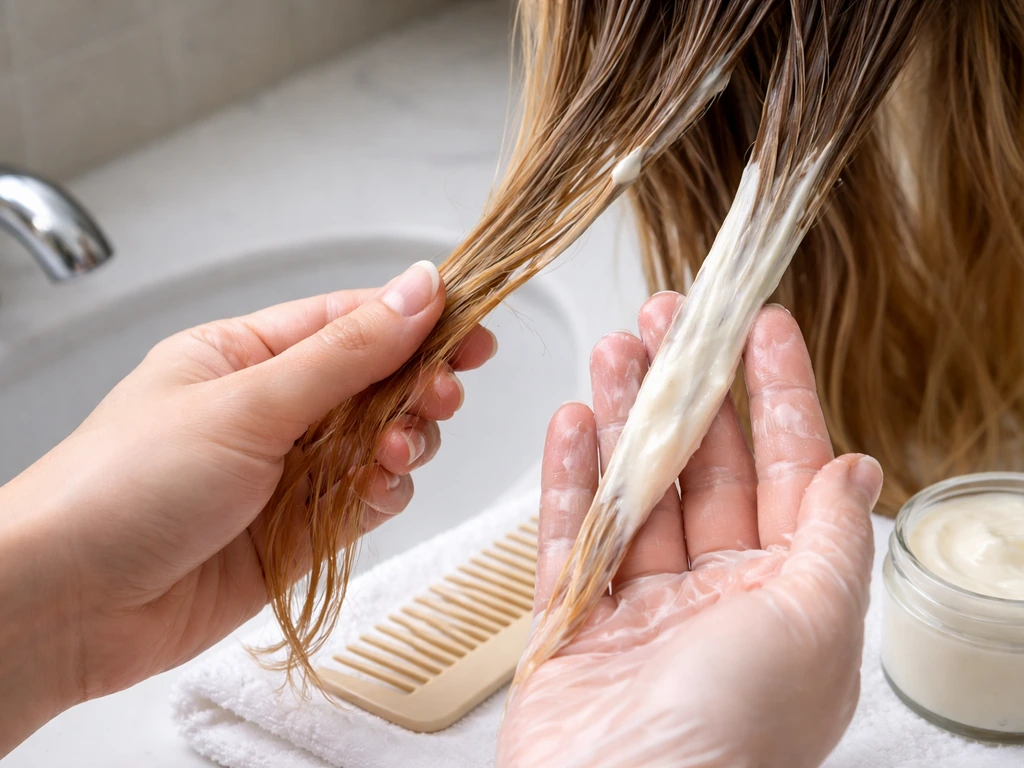
Apply a deep conditioning mask to the face-framing sections once a week. If your hair feels mushy and stretchy when wet, it needs protein. If it feels dry and snaps without stretching at all, it needs moisture. Most broken hair around the face needs both, so rotate a protein treatment one week and a rich moisture mask the next.
Leave-in conditioner and lightweight serum
A leave-in conditioner applied to damp hair before styling provides a daily protective barrier. For straighter hair types, a lightweight spray leave-in works well without weighing things down. For wavy, curly, or coily hair, a cream-based leave-in gives more slip and helps with definition. Follow up with a small amount of a smoothing serum or hair oil (argan, jojoba, or camellia) on the face-framing pieces to seal the cuticle and reduce the frizz that often comes with breakage.
Heat protectant (non-negotiable if you're using tools)
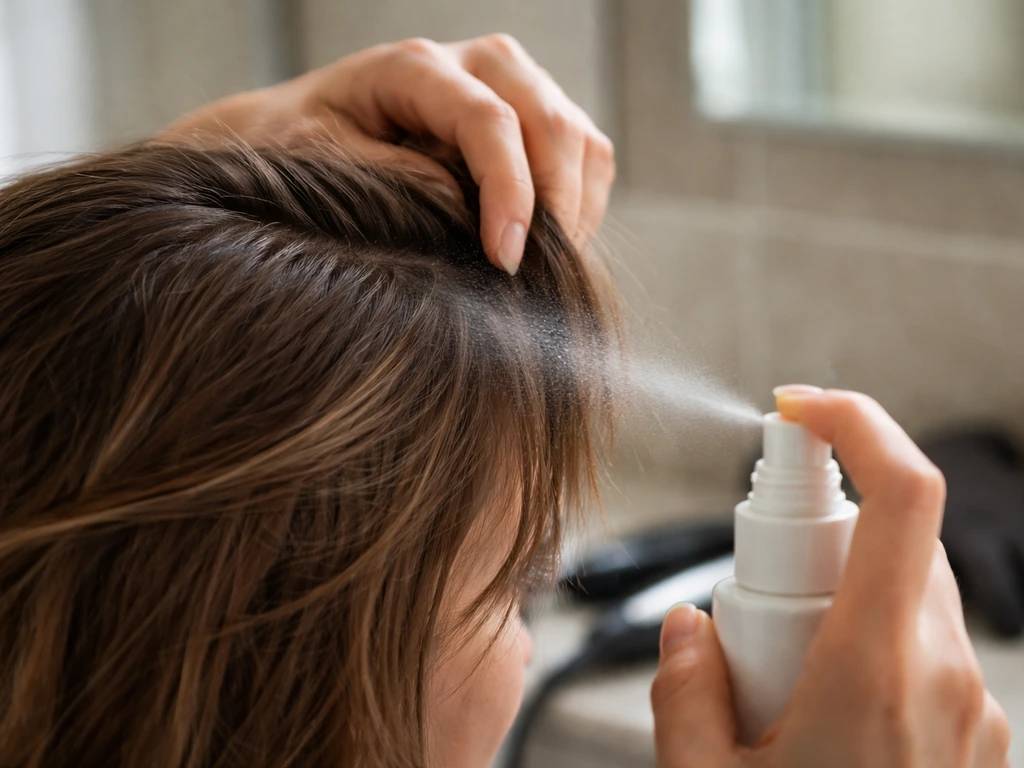
If you're not ready to give up heat styling entirely, a thermal protectant spray is essential, not optional. Apply it specifically to the shorter broken sections before any heat touches them, since those pieces have less cuticle protection than your healthier hair.
Detangling, brushing, and sleeping without causing more damage
The mechanics of how you handle your hair day-to-day makes a significant difference. Broken hair around the face is more fragile than the rest, so it needs gentler handling than your normal hair routine.
Detangling
Always detangle starting from the ends and working upward toward the root. Use a wide-tooth comb rather than a paddle brush on wet or damp hair. For curly and coily types, finger-detangle first with a slip product before introducing a comb. The face-framing pieces often have the most knots because they catch wind, sunglasses arms, and collars, so spend extra time on those sections rather than pulling through the tangles.
Towel drying
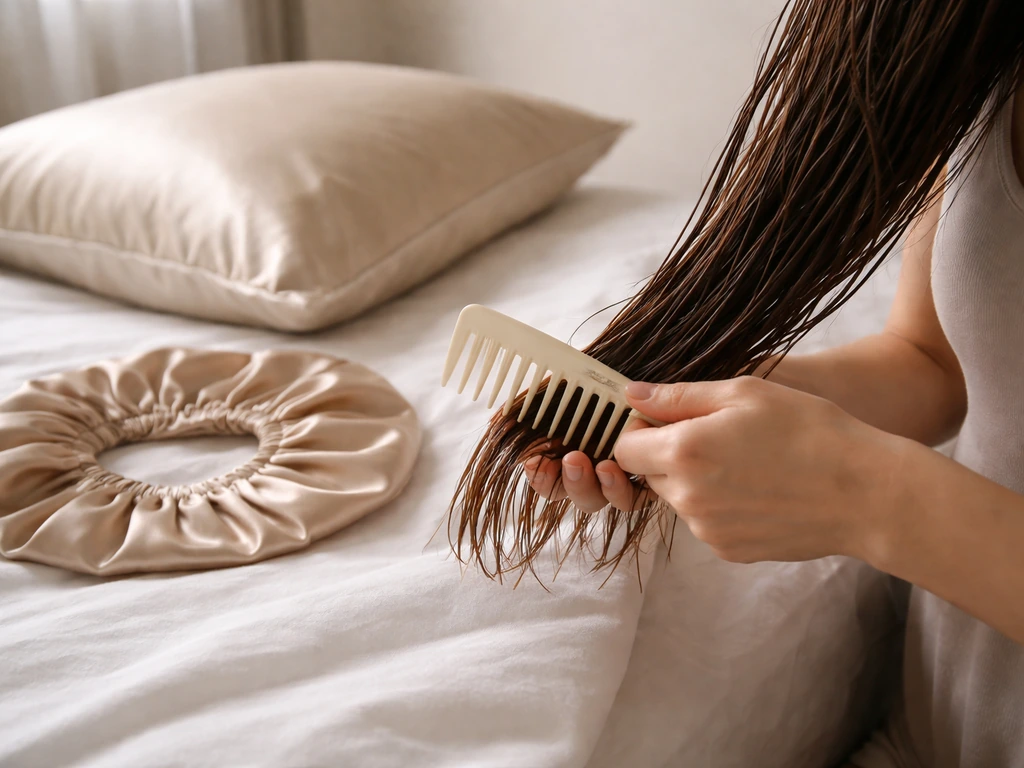
Stop rubbing your hair with a cotton towel after washing. Instead, gently squeeze and press the water out, then either wrap your hair in a microfiber towel or an old cotton t-shirt. Microfiber absorbs water faster and creates significantly less friction against the hair shaft than a standard terry-cloth towel, which is especially important for those shorter broken pieces that have less protection.
Sleeping
Switching to a silk or satin pillowcase is one of the easiest changes you can make with a real, measurable payoff. The smooth surface reduces friction against the hair shaft through the night, which translates directly to less breakage and frizz for the fine hairs around your face. If a pillowcase feels like too much, a silk bonnet or scarf accomplishes the same thing, and it's especially useful for curly and coily hair types where overnight friction does the most damage.
A realistic timeline for growing it out
Here's the honest version of what to expect. Hair grows about half an inch (1.25 cm) per month on average, though some people clock in closer to a quarter inch and others get closer to three-quarters. The following timeline assumes you've stopped the habits causing breakage and are following a gentle, consistent routine.
| Phase | Timeframe | What's happening | What it looks like |
|---|---|---|---|
| Stabilization | Weeks 1-4 | Breakage slows, no new snapping, hair starts retaining more moisture | Shorter pieces still very noticeable; may look frizzy or unruly |
| Early regrowth | Months 1-3 | Broken pieces growing out slowly, roughly 0.5-1.5 inches of new length | Pieces start to have more consistent length; still stick out or curl differently than the rest |
| Awkward middle stage | Months 3-6 | Enough length to lay somewhat flat but not enough to tuck behind ear or blend smoothly | This is the most frustrating phase; styling tricks matter most here |
| Blending phase | Months 6-12 | Length approaching chin or longer; pieces can blend with face-framing layers | With the right cut and styling, breakage becomes nearly invisible |
| Full integration | 12+ months | Broken sections have grown back to match surrounding hair length | Back to a consistent hairline and face-framing look |
If your broken pieces snapped close to the root, those first three months will be the hardest. The hairs will be short enough to stick straight out or curl in ways your longer hair doesn't, and no amount of product will make them lie perfectly flat. That's normal, not a sign that it's not working. Bangs growers, pixie and bob growers, and people growing out shaved sides all go through a version of this same awkward middle phase, just in different spots. If you’re specifically trying to grow out a shaved head, the same patience and gentler routine apply, but you’ll want to tailor your scalp care and styling as the new length comes in people growing out shaved sides. For more specific guidance on training and blending those shorter side pieces, see our step-by-step tips on how to grow your side hair. People growing out shaved sides can expect a similar awkward phase, too, especially if the pieces are shorter near the root. This same approach also works when you focus specifically on how to grow the sides of your hair back to blend with the rest how to grow sides of hair.
One important note: getting a small trim on split ends every six to eight weeks does not set back your progress as much as letting split ends travel up the shaft. A clean, blunt micro-trim of just the tips keeps the ends intact so the length you have doesn't continue to break off. Ask your stylist specifically not to take any length from the short broken sections, just to dust the frayed tips. After the awkward phase, these same gentle habits make it much easier to grow out your sides too.
How to style it during the awkward stages
Managing the visual chaos of broken face-framing hair is mostly about working with it rather than fighting it. Here are strategies that actually help at different growth stages, organized by how much length you're working with.
When pieces are very short (under 2 inches)
- Use a small amount of pomade, wax, or strong-hold gel to slick the short pieces flat against the face or sweep them to one side. This works especially well for temple breakage.
- Bobby pins and mini claw clips can hold very short pieces back or pin them into a small swirl against the scalp. They look intentional rather than like damage control.
- For straight and wavy hair, a little edge control gel or serum helps press the shortest pieces flat to the hairline.
- For curly and coily hair, define the short pieces with a curl cream and let them form a ringlet cluster rather than trying to flatten them, which often just creates frizz.
When pieces reach 2-4 inches
- Curtain bangs or side-swept styling can incorporate broken pieces near the front into a deliberate fringe that looks styled, not accidental.
- A loose half-up style pulls the top layer back and tucks the problem pieces into a soft bun or ponytail, keeping them out of sight while they grow.
- Headbands (worn loosely, not tightly) can push pieces back, but rotate the position daily to avoid new breakage at a new spot.
- Braiding or twisting the face-framing sections back into a French braid or Dutch braid tucks shorter pieces into the larger braid structure while they're too short to blend otherwise.
When pieces are 4 inches and longer
- A face-framing layer cut from your stylist can blend the growing pieces into the rest of your haircut so the difference in length looks intentional.
- Blow-drying with a round brush gives more control over the direction and shape of longer broken pieces, helping them blend into surrounding hair.
- Texturizing spray or dry shampoo can reduce the contrast between the texture of broken pieces and the rest of your hair, especially if yours are frizzy and the surrounding hair is smooth.
Hair type adjustments
Straight hair tends to make broken pieces most visible because there's nowhere to hide the length discrepancy. Curly and coily hair is more forgiving because different curl lengths naturally coexist, but the broken pieces may curl tighter than the rest (since shorter curly hair forms a smaller curl pattern), so defining them separately helps. Wavy hair falls in between: the broken pieces may wave in a different direction or look frizzier, and a light curl cream plus diffusing can help unify the texture across all lengths.
When to get professional help or rethink your approach
Most breakage around the face responds well to a gentler routine and time. But there are specific signs that tell you it's time to loop in a professional rather than waiting it out on your own.
See a dermatologist (not just a stylist) if you notice: scalp redness, inflammation, or persistent small bumps around the hairline, a visible recession of the hairline itself rather than just short broken hairs at the same density, an actual reduction in how many hairs you have in the front and temple area, or if the breakage keeps happening even after you've stopped all the potential causes for two or more months. These are signs of early traction alopecia, which is reversible if caught early but can progress toward permanent scarring alopecia if ignored. StatPearls notes that persistent traction alopecia can progress toward scarring alopecia early traction alopecia can progress toward permanent scarring alopecia if ignored. The earlier it's treated, the better the outcome.
Traction alopecia specifically tends to show up with what's called a fringe sign: a band of retained hair along the very front edge of the hairline, while the hair just behind it thins out. DermNet NZ notes that early traction alopecia shows up with a fringe sign, a band of retained hair along the very front edge of the hairline. If that pattern sounds familiar, that's a clinical sign that goes beyond cosmetic breakage and warrants a proper assessment.
You should also see a doctor if you're experiencing shedding throughout your whole head (not just face-framing breakage), sudden or significant hair loss, or if broken pieces are accompanied by itching, flaking, or pain at the scalp. These can point to nutritional deficiencies, thyroid issues, or scalp conditions that no amount of leave-in conditioner will fix.
For styling or color concerns specifically, a consultation with a stylist who specializes in hair restoration or damage repair is worth the investment. They can assess whether a strategic cut would help blend the regrowth faster, advise whether your current color schedule is sustainable, or recommend a bond-building salon treatment to accelerate recovery for chemically damaged hair.
The bottom line is this: broken face-framing hair is one of the more manageable hair growth challenges out there. It responds quickly to gentler handling, improves visibly within the first month, and grows back predictably once the damage source is removed. The awkward stages are real and they're frustrating, but they're temporary. Your job right now is to protect what's there, give the new growth the best possible conditions, and find styling tricks that make the transition look intentional while you wait.
FAQ
Should I get a haircut while growing out broken hair around my face, or will it make it worse?
Yes, but only if it’s used strategically. Avoid cutting the short face-framing broken pieces shorter, instead ask for a micro-trim of only the visibly frayed ends on the longer surrounding hairs, so the breakage doesn’t keep traveling up the shaft. If you cut too much from the already-snapped area, you create a bigger length gap that takes longer to blend.
How do I know whether my broken hair needs protein or more moisture?
Bleached or color-treated hair that’s still breaking usually needs more than conditioner. If your pieces feel dry, hard, and snap without stretching, prioritize moisture masks and skip protein for that cycle. If they feel mushy or stretch like taffy when wet, use a protein or bond-building treatment and reduce heavy moisture that week, since too much moisture can worsen weakness.
How often should I wash my hair while growing out face-framing breakage?
Not necessarily, and over-washing is a common mistake. If you’re wearing leave-ins and using masks weekly, many people do best shampooing about 2 to 4 times per week for fine face-framing hair, using a gentle cleanser at the scalp and letting products concentrate on the lengths. More frequent washing can increase friction and make already-weakened ends snap sooner.
Where exactly should I apply leave-in conditioner and hair oil on broken face-framing hair?
Use a leave-in on damp hair, but apply it lightly to avoid product buildup that can make hair feel rough. Focus on the shorter broken sections first, then gently smooth the surface with your hands. If your hair gets weighed down or looks stringy, switch to a spray leave-in and use only a pea-sized amount of serum or oil.
Can dry shampoo make traction or breakage worse around my hairline?
Dry shampoo can help at the scalp, but it should not replace washing when your hairline area is stressed or oily. If you notice more flakes, itch, or pimples near the marginal hairline, stop dry shampoo for a couple of weeks and switch to gentle cleansing, because residue can worsen scalp irritation that mimics traction inflammation.
My regrowth looks worse at the start, is that normal?
Totally normal. The first few months often look “messier” because new growth is short and cannot lie perfectly, especially if pieces snapped close to the root. A useful tactic is to keep the rest of the hair styled in a way that supports the new fringe, like soft side parting or light face-framing tucking, instead of trying to flatten the regrowth with heavy heat.
What protective hairstyles are safest while growing out broken hair around the face?
If you have traction signs (hairline redness, bumps, or thinning behind a retained fringe), protective styles should be loose and temporary, not tight and daily. Avoid elastic bands, tight ponytails, and pulling clips at the corners of your hairline, use smooth bands that do not clamp, and vary placement daily. If you must pin, place pins through the longer sections, not the snapped short pieces.
How long should I wait before I consider that the problem is not just breakage?
Yes. If you keep seeing new snapping, the breakage is often still being triggered. Re-check heat frequency, towel friction, sleep friction, and any consistent pulling points like glasses rubbing or mask loops. If you’ve changed those for 2 or more months and still get new short broken hairs appearing in the same marginal zone, it’s time to get an assessment.
Can I use a flat iron or blow dryer while growing out face-framing breakage?
You can, and it can reduce the look of uneven lengths, but keep it protective. Low-heat blow-drying with a diffuser or cool setting is usually safer than repeated straightening. If you use a flat iron, apply thermal protectant and avoid daily direct passes over the same short pieces, since they are more exposed and heat-sensitive.
What signs mean this could be traction alopecia instead of simple broken hair?
Yes, and it’s a big indicator. If there’s a widening bald gap, visible thinning that reduces the number of hairs at the front and temples, or recession of the hairline (not just shorter stubs), schedule a dermatologist visit. Early traction alopecia can be reversible, but persistent inflammation can progress toward scarring changes.
Is it ever a good idea to use extensions or hairpieces to fill the face-framing gap?
It depends on the pattern of damage. If it’s purely cosmetic breakage, you typically don’t need extensions to bridge the gap. If you have thinning or a sparse front hairline, extensions can increase pulling and worsen traction, so only consider them with a professional who assesses tension and recommends a low-tension method.
How can I tell if my routine is actually working during regrowth?
A simple “progress check” is to take photos in the same lighting and styling setup every 2 to 3 weeks, then track whether the edge fringe becomes more even. Also do a tactile check during detangling, you should feel fewer short, jagged pieces over time and less shedding from the face-framing zone. If photos and feel both stay unchanged after 6 to 8 weeks of careful routines, reassess the cause.