
Growing out highlights on brown hair is very doable, but it takes a little patience and a loose plan. The basic strategy is this: let your natural brown regrowth come in, use blending techniques (either at home or at the salon) to soften the line between old highlights and new growth, protect your highlighted ends so they don't go brassy or dry, and make strategic trim decisions so the whole thing looks intentional rather than neglected. Most people need anywhere from six months to over a year to fully transition back depending on how long their hair is and how light the highlights are, but the awkward phase is way shorter than people expect once you know how to manage it. If you want a smoother result, focus on how to grow out balayage with soft blending, smart styling, and a consistent care routine for the highlighted lengths.
How to Grow Out Highlights on Brown Hair: Step-by-Step

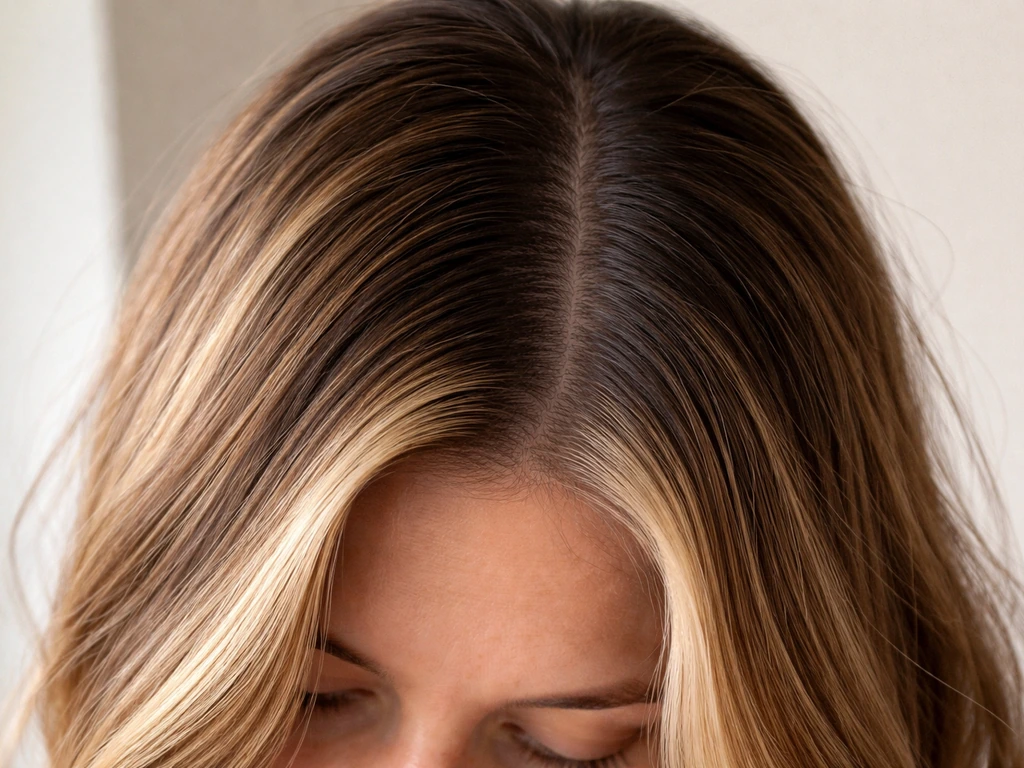
Diagnose your highlight situation first
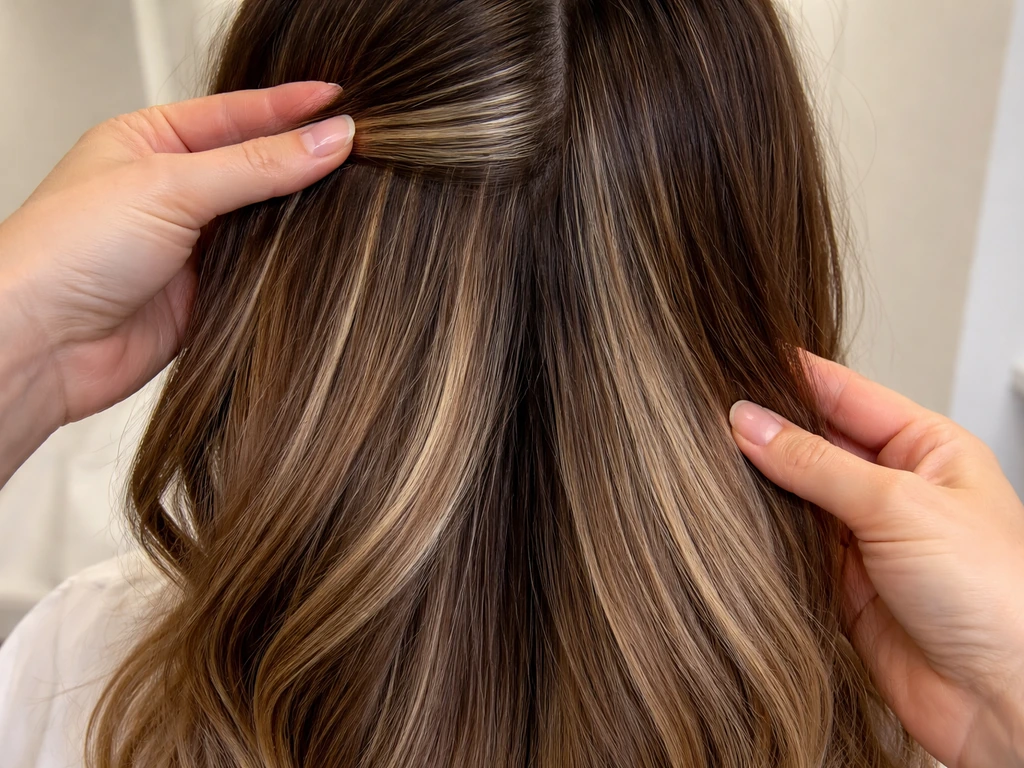
Before you do anything, get honest about what you're actually working with, because 'highlights on brown hair' covers a huge range of situations that each grow out differently. A fine balayage with soft, sun-kissed pieces is going to be almost effortless to grow out. Traditional foils placed close to the roots every six to eight weeks, especially if they're lifting to a bright blonde, are going to create a much more obvious line of demarcation as your roots come in. Here are the key things to identify.
- Highlight placement: Are they foiled from the root, or does the color start mid-shaft or lower (like balayage or ombre)? Root-start foils show new growth much faster.
- Highlight density: Chunky, thick highlights create higher contrast at the root than fine baby highlights, which tend to blend more softly.
- Lift level: How blonde did your highlights go? A very pale platinum or ice blonde will contrast sharply against brown regrowth. A warm honey or golden highlight will be less jarring.
- Tone: Was your color toned to ash, beige, or cool blonde? Those tones fade to yellow or orange over time, which looks even harsher against brown roots.
- Your natural base: Dark brown vs. medium brown vs. light brown all produce different levels of contrast at the root line.
Once you've diagnosed your situation, you'll know whether you're dealing with an easy, low-contrast grow-out or one that needs active blending help. If your highlights are balayage or foilyage-style (where the color begins a couple of inches below the root), you actually already have a built-in soft transition. Allure describes foilyage as having a soft gradience like balayage, which creates a more subtle transition as roots begin to grow out foilyage-style placement. If they're traditional foils starting right at the scalp, plan on using one of the blending strategies below within the first two to three months.
What the grow-out actually looks like at each stage
Hair grows at roughly half an inch per month on average, though it can range from about 0.5 to 1.7 cm depending on the person, your health, and genetics. That's your benchmark. Here's what to expect at each stage for someone with a medium-length to long starting point.
Months 1 to 3 (about half an inch to 1.5 inches of regrowth)
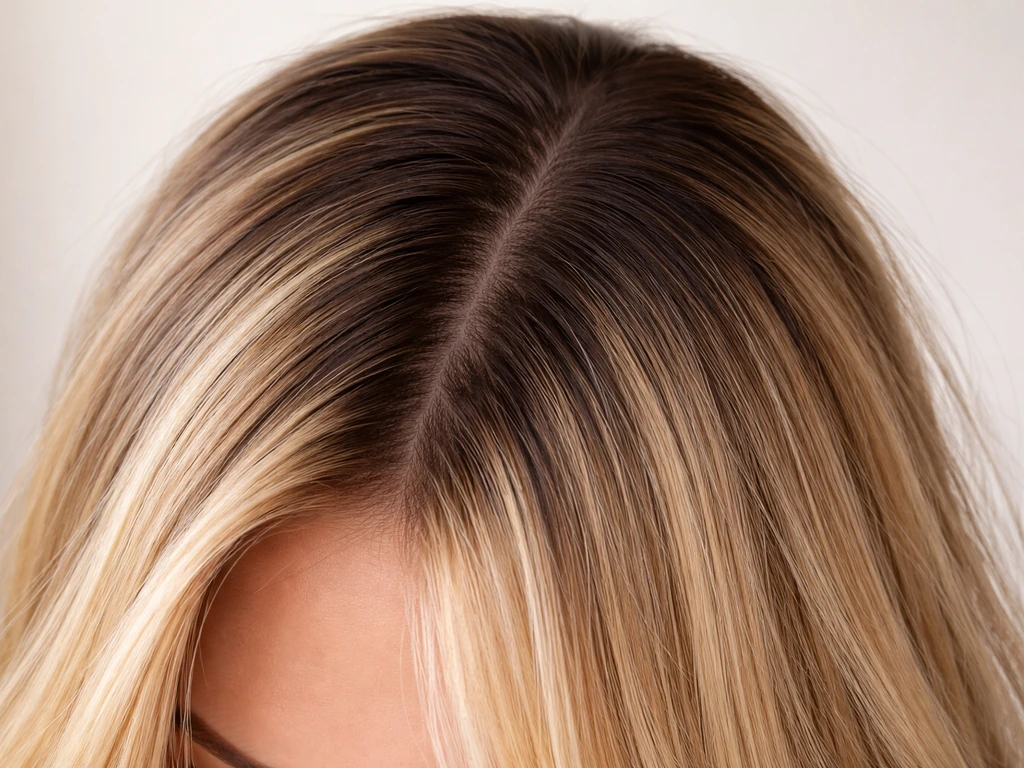
This is the stage most people dread, and honestly it's the trickiest. You'll have a visible root band of your natural brown color against the highlighted lengths. How obvious this looks depends entirely on your contrast level. Fine, soft highlights may still look great here. Heavy foils with significant lift will show a clear demarcation. The good news: a half-inch to inch of roots is totally manageable with the right styling. Middle parts and loose waves are your best friends right now. Switching from a harsh middle part to a soft side part can redistribute where that root shadow falls and make the whole thing look more intentional.
Months 3 to 6 (roughly 1.5 to 3 inches of regrowth)
For most people at chin or bob length, you're now approaching the midpoint of the grow-out. If your hair is already shoulder-length or longer, this phase is where the highlighted section starts shifting toward your mid-lengths and ends rather than sitting right at the crown. The contrast line is now farther from your face, which actually looks better on most people. Layers and face-framing cuts help a lot here. You also have enough new growth that a shadow root or root gloss treatment can blend the transition line from harsh to gradient in a single salon visit.
Months 6 to 12 and beyond
By six months you've got three inches or more of natural brown coming in. At shoulder length or longer, the highlighted section is now concentrated in your lower half or ends. At this point many people realize the grow-out actually looks like intentional ombre or balayage, especially if the ends have been maintained well. If you're growing out from a short cut or bob, you may be close to or past the finish line by now. The final stage is simply keeping the ends from getting too fried or brassy while you wait for enough length to trim them off entirely.
| Timeline | Regrowth amount | What it looks like | Main challenge |
|---|---|---|---|
| Month 1-2 | 0.5–1 inch | Visible root band | Obvious demarcation line |
| Month 3-4 | 1.5–2 inches | Root band becoming shadow | Contrast still noticeable |
| Month 5-6 | 2.5–3 inches | Natural brown dominant at crown | Ends starting to fade/brass |
| Month 7-12 | 3.5–6 inches | Highlights at mid-lengths/ends only | Dry or brassy ends; deciding when to trim |
Blending the grow-out line with parts, layers, and styling
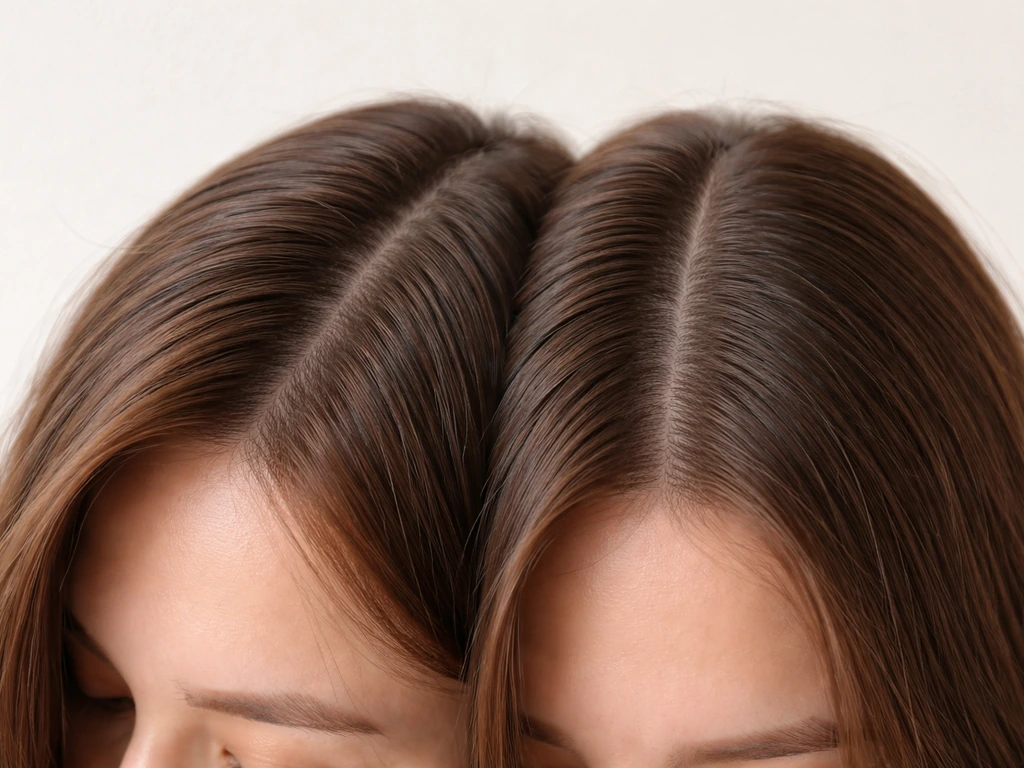
You don't have to just wait passively. Styling choices make a real difference in how noticeable the root line is at every stage.
Part changes
Your part is where the root line is most visible. Switching from a center part to a side part, or moving your part slightly from where it normally sits, distributes the visible root shadow differently and breaks up the hard line. A loose, zigzag-style part is even better because it creates an irregular edge that looks more natural than a ruler-straight line against growing roots.
Texture and waves
Straight, flat hair shows the contrast line at its harshest. Loose waves, soft curls, or even a simple diffuse-and-scrunch routine create movement that visually blends the root shadow into the highlighted lengths. You don't need a lot of heat for this: braiding slightly damp hair overnight or twisting sections creates soft waves without any tool use.
Face-framing layers
Asking your stylist for a few soft layers around the face is one of the best investments during a grow-out. Layers break up the horizontal demarcation line by adding vertical movement. They also make the overall style look more current and intentional rather than like hair that's simply being neglected. This isn't about cutting length off, just adding some internal shape.
Updos and ponytails
A loose bun or low ponytail can work in your favor: the sections nearest your face and part are usually the most highlighted, and pulling hair back shows your natural roots at the crown, which actually reads as intentional shadow root these days. A very high tight ponytail, though, puts the demarcation line on full display, so keep updos loose and low during heavy grow-out months.
Salon options vs DIY: what actually helps
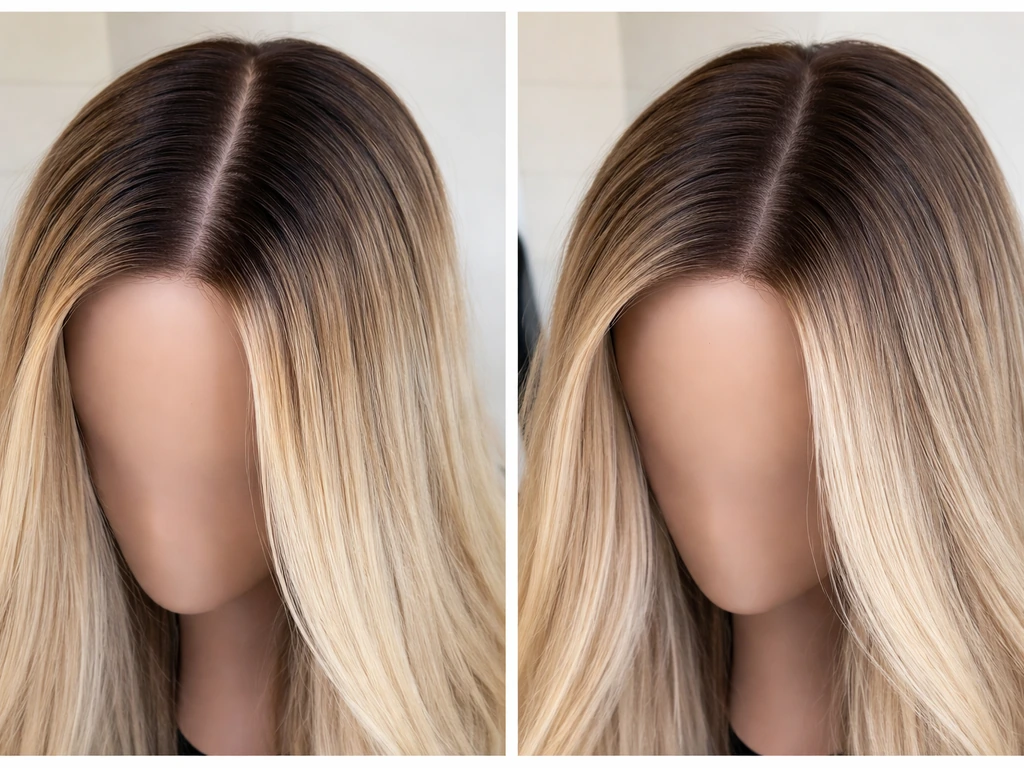
You have real options here, and not all of them require a full salon appointment. The right choice depends on how stark your contrast is and how much of the highlighted color you want to keep.
Shadow root or root shadowing (salon)
This is probably the single most effective professional technique for people growing out traditional foil highlights. A colorist applies a slightly darker, warm brown tone right at the root and feathers it down an inch or two to create a gradient. It mimics the look of natural regrowth but softer, so instead of a hard line you get a gentle melt from your natural color into the highlighted lengths. It's designed specifically to reduce visible demarcation and buy you months of comfortable grow-out time between appointments.
Gloss or toner (salon or at-home)
A toning gloss applied over your highlighted lengths can do two things at once: neutralize brassiness and add a warm or cool tone that moves the highlighted color closer to your natural brown. This narrows the visible contrast gap without lifting or lightening anything. Many salons offer a standalone gloss service between color appointments for a lower cost than a full refresh. At home, a demi-permanent color applied just to the lengths can accomplish something similar, but go cautiously: you want to add depth or neutralize, not darken so much that you create a new problem.
Root touch-up (use with caution during grow-out)
A root touch-up typically means re-lightening or re-highlighting the roots to match the existing highlighted color. If your goal is to grow the highlights out entirely, doing a root touch-up works against you, and you'll be back in the same cycle. However, if you're not ready to commit to the full grow-out yet, one partial refresh using foilyage or soft balayage placement (keeping the lightener away from the roots and using a feathered technique) can extend your comfortable grow-out window and make the eventual transition much softer. That's a valid choice, especially if the contrast is so stark right now that you can't stand looking at it.
DIY root coverage products
Temporary root sprays and powders in your natural brown shade can buy you a few extra weeks between any salon visits by visually filling in the root band. These wash out, they don't affect your actual color, and they're surprisingly convincing, especially for a few weeks between appointments or for an event. Just make sure you choose a shade that matches your actual natural brown rather than the highlighted color.
Your care routine during the grow-out matters a lot
Highlighted hair is chemically processed hair, which means the highlighted sections are more porous and more prone to dryness, fading, and brassiness than your natural growth. The care routine you use during the grow-out directly affects how good the highlighted lengths look as you wait for them to grow down and eventually be trimmed off.
Shampoo and conditioner
Use a color-safe, sulfate-free shampoo on your highlighted lengths to slow fade. Sulfates strip color faster, and your highlighted sections are already more vulnerable. Washing less frequently (two to three times per week rather than daily) also dramatically extends how long the highlighted lengths stay looking their best. When you do shampoo, focus the product at the scalp and let it rinse through the lengths rather than scrubbing all the way down.
Purple shampoo for brassiness
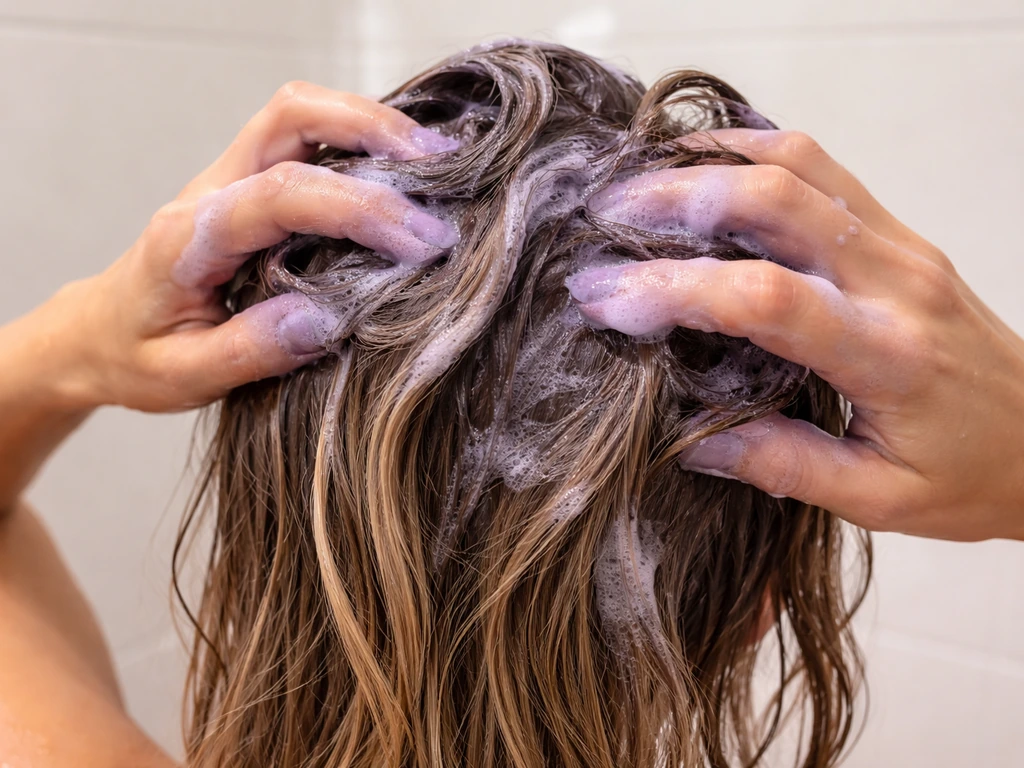
If your highlights were toned to ash, beige, or cool blonde and they're fading to yellow or orange, a violet-pigmented purple shampoo neutralizes those warm tones. The key is not using it every wash. A good starting point if you wash twice a week is to use the purple shampoo about once a week. If you wash more frequently, using it every second or third wash works better for most people. Using it too often on brown hair can leave a slightly grey or purple cast on the non-highlighted sections, which you don't want.
Deep conditioning and protein treatments
Highlighted lengths need regular moisture. A weekly deep conditioning mask applied from mid-lengths to ends keeps the highlighted sections from going brittle, which is what makes them look dull and fried rather than healthy. If your hair feels mushy or stretchy when wet, you may need a protein treatment rather than just moisture, as over-conditioned highlighted hair can lose elasticity.
Heat protection
Every time you use heat on already-lightened hair without protection, you accelerate damage and brassiness in the highlighted sections. Apply a heat protectant before any hot tool use and lower your tool temperature where you can. The highlighted ends are the most fragile part of your hair during a grow-out, and keeping them healthy is what buys you the option to grow out longer before you have to cut.
Trims, haircuts, and when to cut vs wait
This is one of the most debated parts of any grow-out, and the honest answer is: it depends on your goal. If you're trying to retain as much length as possible, you can get away with baby trims of just one to two millimeters every six to eight weeks, which keeps split ends from traveling up the shaft without sacrificing real length. If the highlighted ends are damaged, brassy beyond repair, or creating a very obvious two-tone effect that bothers you, a more substantial trim (half an inch to an inch) can actually speed up the transition by removing the most contrast-heavy sections.
For people at shorter lengths like a chin-length bob, you'll reach the full grow-out faster simply because there's less highlighted length to wait out. A trim every six to eight weeks that takes off a small amount while letting the overall length grow out is a smart approach. For longer hair, the highlighted ends may hang around for a year or more, and maintaining those ends well becomes the primary job. The decision point is simple: if your highlighted ends are healthy and the overall look is working for you, keep them and use a care routine to preserve them. If they're dry, splitting, or creating a harsh contrast you hate, cut them progressively as your natural length grows in.
One more thing: layers can be your friend here even if you're not cutting overall length. A stylist can remove a lot of the most obvious highlighted ends through internal layering without shortening the overall silhouette much at all.
Troubleshooting the most common grow-out problems
Harsh contrast between roots and highlights
This is the most common complaint, and it almost always means the highlights were placed very close to the scalp with significant lift. The fastest fix is a professional shadow root, which feathers a darker tone down from the root to close the gap between your natural brown and the lightened lengths. If you want to handle it yourself, a demi-permanent brown gloss applied to the roots and an inch or so below can soften the line, but be careful not to overlap onto already-highlighted sections or you'll end up with uneven results.
Uneven highlight placement
Some highlights are chunkier or placed differently on one side than the other, which can make the grow-out look lopsided. Waves and texture disguise this far better than straight styles. If it's genuinely bothering you, a gloss or toning treatment applied evenly over everything can visually unify the highlighted sections, making the unevenness less obvious while you wait for the color to grow out.
Stubborn brass tones in the highlighted sections
This is extremely common with blonde highlights on brown hair, especially as toner fades. The highlighted sections oxidize and shift toward orange or yellow. Purple shampoo used consistently (about once a week for most people) handles mild brassiness well. For more persistent orange tones, a blue-tinted shampoo or conditioner is more effective than purple since blue cancels orange while purple cancels yellow. If neither works well enough, a toning gloss at the salon is the most reliable reset, and a good colorist can apply it just to the highlighted sections without touching the natural growth.
Highlights that look patchy or faded unevenly
Uneven fading usually means the highlighted sections have different porosity levels, which is common if highlights were done multiple times at different appointments. Sections that are more processed fade faster. A gloss treatment applied over all highlighted lengths helps even this out. Going forward, a weekly deep conditioning mask also slows uneven fading by filling in the porosity gaps in the more processed sections.
The grow-out is taking too long to be bearable
If you're genuinely miserable with how your hair looks and you're not at a stage where a trim solves it, it might be worth one strategic salon visit to either do a shadow root or shift the highlighted sections to a soft balayage placement that grows out more gracefully. This isn't giving up on the grow-out, it's just making the process more liveable. Growing out highlights, especially from heavy foils, is legitimately one of the harder hair transitions. If you’re trying to figure out how to grow out highlights fast, focus on blending tools like shadow roots, glossing, and a strong routine to reduce brassiness.
If you're wondering how to grow out grey hair with highlights, the same contrast and blending principles apply, but you'll want to be extra consistent with toning and conditioning Growing out highlights. If you're managing highlights that are more like a full blonde situation, the journey toward natural brown is similar in principle to growing out blonde highlights in general, but the contrast against brown hair makes every stage more visible.
If you want a more detailed game plan, focus on how to grow out blonde highlights with blending, tonal help, and smart styling through each stage. The good news is that a single well-executed shadow root or toning service can make the next six months dramatically more comfortable. If you want the fastest way to grow out highlights, focus on blending techniques and strategic salon help so the transition looks softer sooner.
FAQ
How do I tell whether I should do a shadow root versus a gloss first?
If the problem is the visible root band as new brown regrowth comes in, start with a shadow root. If the issue is mostly that the highlights look brassy or uneven in tone while the roots are still not the main contrast point, a toning gloss usually helps faster. When both are obvious, many stylists prefer shadow root first, then a gloss later once the melt has settled so the toner is applied to the right levels.
Can I grow highlights out without getting any color services at all?
Yes, but you need a stronger at-home strategy. Stick to sulfate-free washing, limit heat, and use a purple shampoo schedule that matches how quickly your highlights fade to yellow or orange. Expect the root line to look more defined for longer if your highlights were foiled close to the scalp, so styling (side or zigzag part, loose waves) becomes more important in the first 2 to 3 months.
What’s the safest way to use purple shampoo on brown hair with highlights?
Dilute it by mixing with regular conditioner if you notice any cast, then focus application on the highlighted lengths only. Use it about once a week if you wash twice weekly, adjust to every second or third wash if you wash more often, and stop if your non-highlighted sections start turning greyish. Keep contact time short, around 1 to 3 minutes, and rinse very thoroughly.
Should I oil my hair before washing to help during the grow-out?
Use light oils only on the mid-lengths and ends, and avoid the scalp. Oils can help reduce tangling and dryness, but heavy oiling or leaving oils on too long can make toner look patchy and can weigh hair down, making the root line appear more obvious. If you do an oil treatment, shampoo well and consider doing it 1 day before your normal wash.
How often should I deep condition, and how do I know if I need protein instead?
A weekly deep conditioning mask is a good baseline for highlighted ends. If hair feels mushy or overly stretchy when wet, that’s a sign to add protein (a strengthening mask or bond-building treatment) and reduce heavy moisture for a couple of weeks. If hair feels dry and rough but not stretchy, stick with moisture and focus on the ends only.
Do I need to stop heat entirely while growing out highlights?
Not necessarily, but treat heat like an “only with protection” situation. Always apply heat protectant, keep temperatures as low as possible for your hair type, and prioritize low-heat methods like air-drying with twists or braids. If you straighten, try to limit frequency because repeated smoothing highlights fade faster and can emphasize the two-tone line.
What’s the best haircut approach if I want to keep as much length as possible?
Ask for internal layering or micro-trims rather than a full perimeter cut. Internal layering can remove some of the most contrast-heavy ends through shape while preserving the overall silhouette. For length retention, opt for tiny trims every 6 to 8 weeks (about 1 to 2 millimeters) unless your ends are clearly damaged and splitting.
Will frequent toning darken my highlights too much?
It can, depending on the product and how often it’s used. Demi-permanent toners and frequent glossing can add depth that makes highlights look less bright, which may be fine if your goal is a smoother gradient back to brown. To avoid over-darkening, use targeted toning only on highlighted sections and check results by looking in natural light before repeating the same shade.
My highlights are fading unevenly on one side, can I fix that at home?
You can improve the visual mismatch with an even toning routine, but start with diagnosis. Uneven fading often comes from different porosity or past processing, so use treatments only on the lighter, more porous sections first, then decide if an all-over gloss is needed. If the color difference is large or patchy, a stylist can apply toner with controlled placement to unify it more reliably.
When does a grow-out usually stop looking awkward, and what should I do if it never does?
For many people, the harshest phase is during the first visible root band, but it becomes less noticeable once the contrast line shifts farther from your face and you have enough regrowth to blend it through layers and shadow-root technique. If you still hate the look around the 6-month mark, book a single targeted appointment, either for a shadow root refresh or a soft re-placement toward balayage so the transition is easier to live with.