
Growing out blonde highlights naturally means letting your real root color come back in while protecting your highlighted lengths long enough that the contrast softens on its own timeline. It does not mean going cold turkey on all hair care and hoping for the best. And it definitely does not mean you have to cut everything short and start over. What it actually means, in practice, is managing a slow blend over roughly 12 to 18 months, using smart care, strategic trims, and a few low-commitment color tools when the grow-out gets awkward. That is the real answer, and everything below is how you get there.
How to Grow Out Blonde Highlights Naturally Step by Step

Marcus Vickers
18 Apr 2026
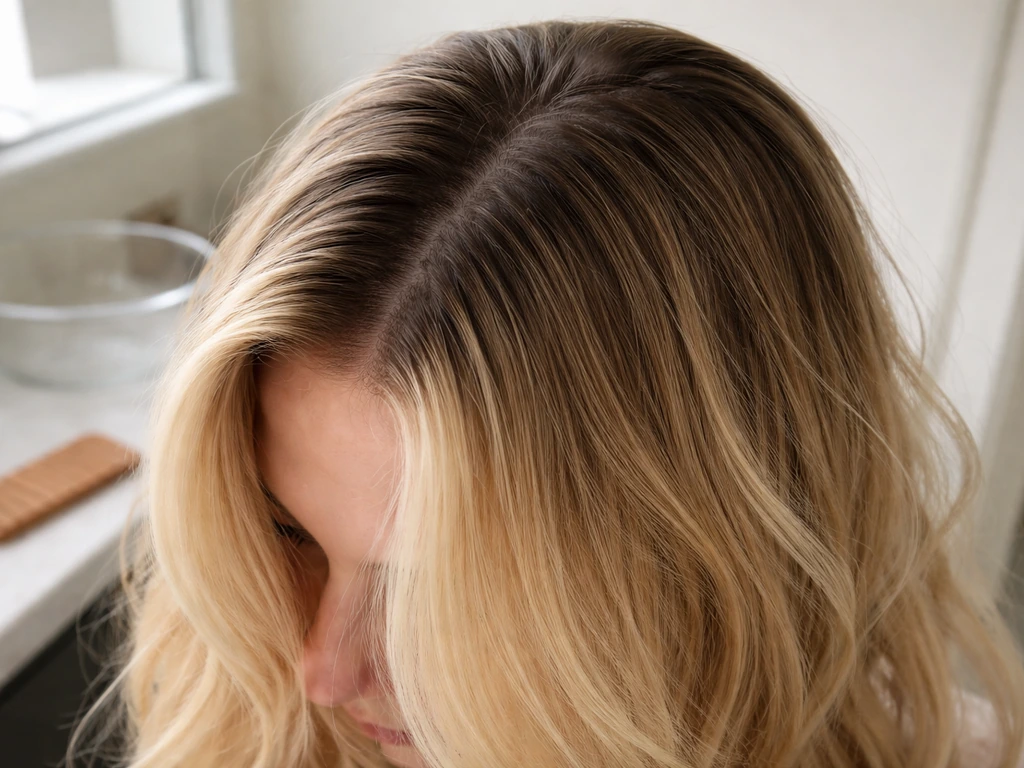
What growing out blonde highlights naturally actually means
Before you commit to this process, it helps to be clear about what you are aiming for, because "growing out highlights naturally" means different things to different people. For most readers, it means one of three things: stopping regular highlight appointments and letting regrowth fill in, transitioning toward a single, more natural-looking base color, or gradually shifting from heavy bleached highlights to a softer, lower-maintenance version like a lived-in balayage that needs less upkeep. All three are valid, and this guide covers all of them.
The realistic expectation is this: your roots will grow about half an inch per month. That means after three months you will have about 1.5 inches of your natural color at the root. After six months, roughly 3 inches. After a year, 6 inches. For short hair, that can feel like a lot of progress. For longer hair, you might be looking at a good 18 months or more before the highlighted ends have grown past your shoulders and can be trimmed off entirely. Neither timeline is wrong. The goal is just to make every stage in between feel wearable rather than like a mistake.
Stage-by-stage: what to expect as your roots grow in
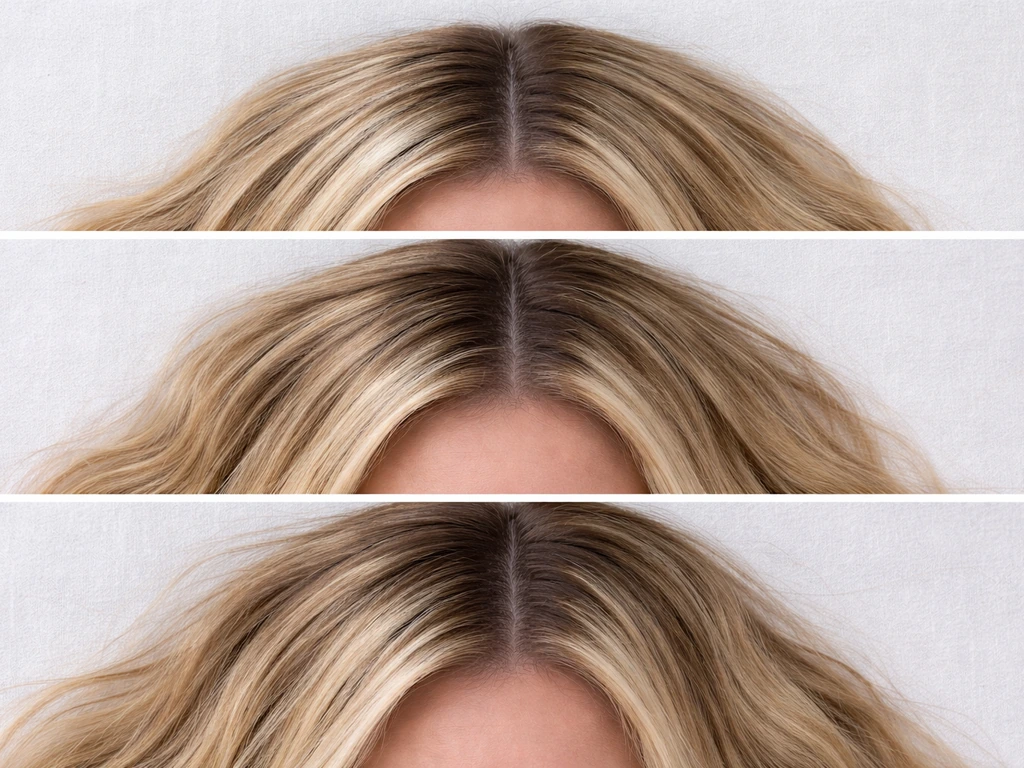
Knowing what your hair will look like at each stage makes the whole process far less stressful. Here is an honest breakdown of what to expect month by month.
Months 1 to 2: the early stage
This is where most people feel the urge to book an appointment immediately. You will see roughly half an inch to one inch of your natural color at the roots, and the contrast can feel jarring, especially if your highlights were very light or close to the scalp. The good news is that this stage is short. The bad news is that it is the hardest to style around. This is the moment to start protecting your hair and setting up good habits, not the moment to panic and re-bleach.
Months 3 to 4: the awkward middle
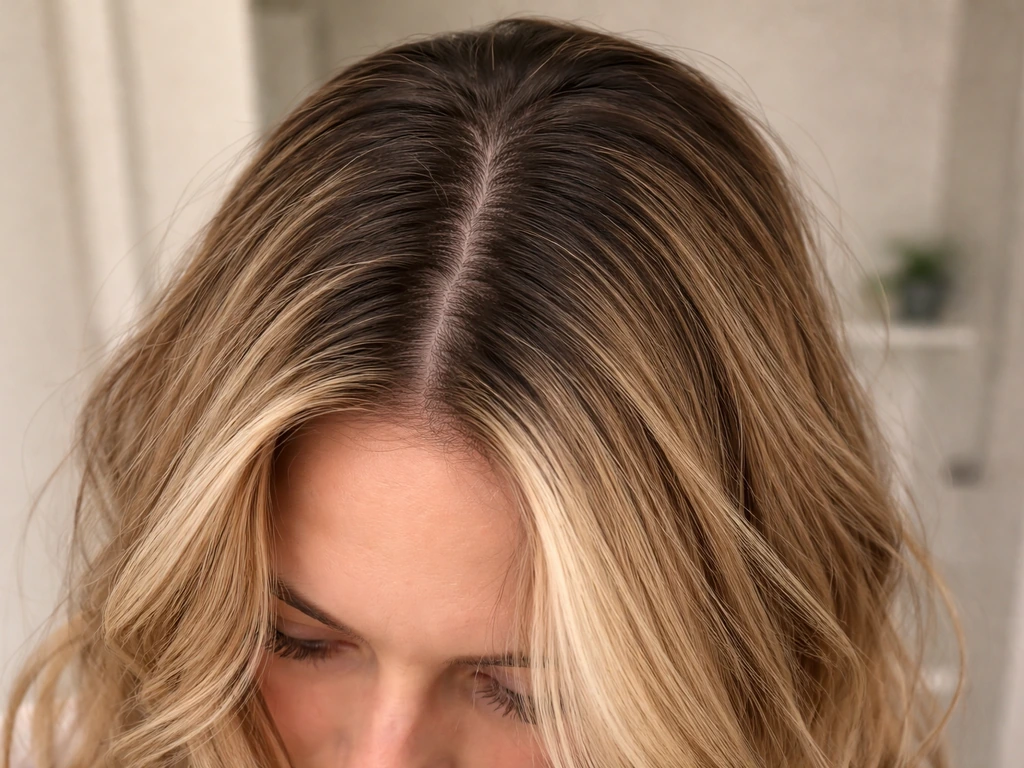
You now have 1.5 to 2 inches of regrowth, and this is genuinely the most challenging phase to get through. The line between your natural color and your highlights can look very defined, which stylists sometimes call a "line of demarcation." If your natural hair is significantly darker than your highlights, this contrast will be obvious. If your highlights were a softer, more blended technique like balayage, it will be less harsh. This is the stage where blending strategies matter most, and where a single salon visit for a toner or gloss can buy you weeks of comfort.
Months 5 to 8: settling into the grow-out
By now you have around 2.5 to 4 inches of natural color. The contrast is still there, but it starts to feel less like a mistake and more like a style choice, especially if you have been doing strategic trims. Many people find that at this stage, with the right cut and some toning, their hair actually starts to look intentional. Lighter roots are not a thing here, but your natural color is establishing itself as the dominant shade, and that shifts the visual balance.
Months 9 to 12 and beyond: the home stretch
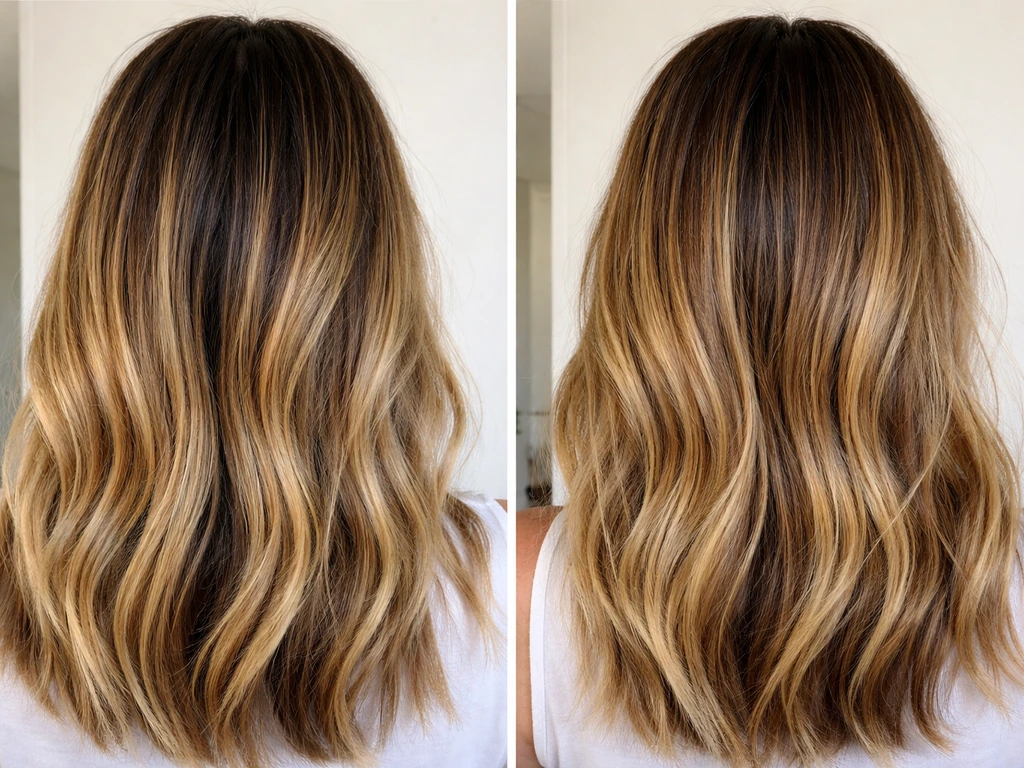
If your hair is medium length or shorter, you may be close to fully grown out by now. For longer hair, the highlighted ends are still present but growing farther from the root, which softens the overall contrast considerably. Many people feel comfortable enough at this stage to drop to very occasional trims without any color intervention at all. The hair starts to look like a natural ombre or sun-kissed effect, which is a perfectly acceptable stopping point if you like it.
Daily care that actually protects your hair during the grow-out
Highlighted hair is structurally more porous than unprocessed hair, and that does not change just because you stopped booking appointments. Your lengths are still chemically lightened, which means they lose moisture faster, they are more vulnerable to heat damage, and they will pick up brassiness more quickly than your new roots. The gap between your natural roots and your highlighted ends will be most visible when the ends are dry, faded, or damaged. Good daily care directly affects how blended the grow-out looks.
Washing and conditioning
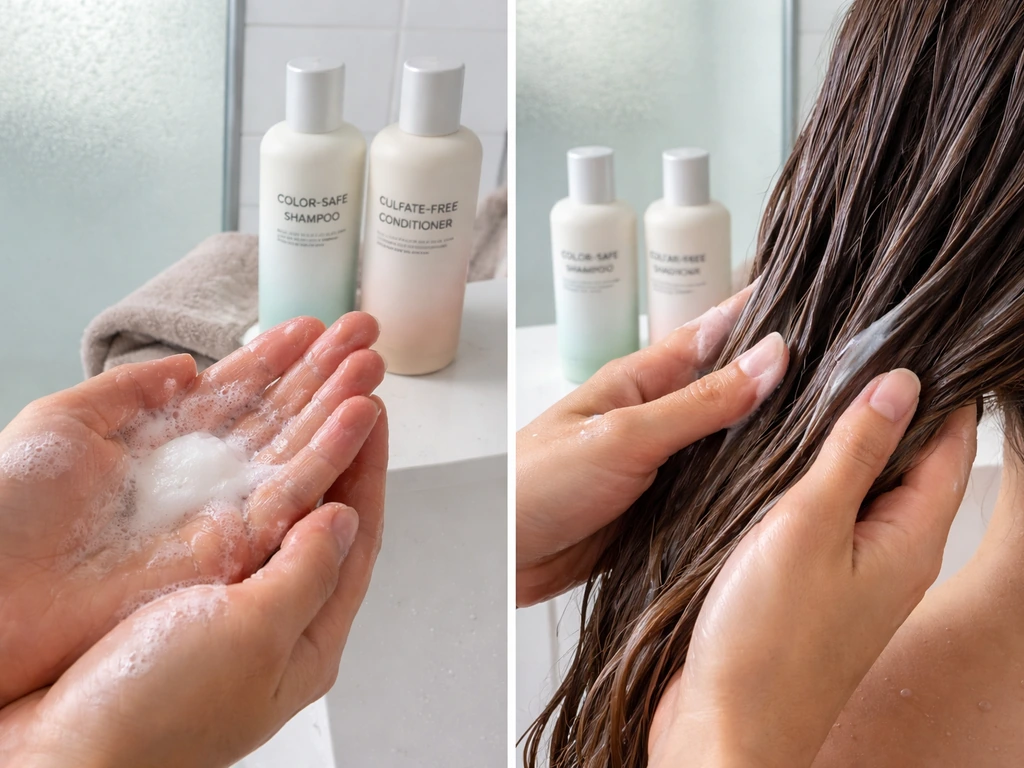
Wash your hair two to three times per week at most, if your hair type allows it. Frequent washing strips the moisture that highlighted hair desperately needs and speeds up toner fade. When you do wash, use a sulfate-free shampoo specifically formulated for color-treated or bleached hair. eSalon explains that sulfates can strip or damage hair and contribute to dryness, which is why sulfate-free shampoos are recommended for maintaining color-treated hair use a sulfate-free shampoo specifically formulated for color-treated or bleached hair. These are gentler on the hair shaft and help your toner last longer. Follow every wash with a moisturizing conditioner focused on the mid-lengths and ends, not the scalp.
Weekly masks and deep conditioning
A deep conditioning mask once a week is not optional during a highlight grow-out, it is the single most impactful thing you can do for how your ends look and feel. Look for masks with ingredients like keratin, olaplex-type bond builders, or rich humectants like shea butter and hyaluronic acid. Apply from the mid-shaft down, leave it on for at least 10 to 15 minutes, and rinse with cool water to seal the cuticle. Soft, hydrated ends blend far better visually with your incoming roots than dry, frizzy ones.
Heat and UV protection
If you use heat tools, use a quality heat protectant every single time, and try to drop your styling temperature to 350 degrees Fahrenheit or below for highlighted lengths. High heat accelerates brassiness and causes more breakage in already-lightened hair. Sun exposure is another one people underestimate: UV rays bleach and fade toner faster, and they can make your highlighted ends look even more uneven relative to your roots. A UV-protective hair mist or serum in warmer months is worth the small investment. If you swim in pools or the ocean, rinse your hair first with fresh water to limit chlorine and salt absorption, both of which strip toner and increase brassiness.
Getting through the awkward phase without cutting it all off
The awkward phase is real, and it is the reason most people abandon the grow-out plan. The good news is that there are concrete strategies that make it genuinely manageable without resetting your length.
Strategic trims (not a full cut)
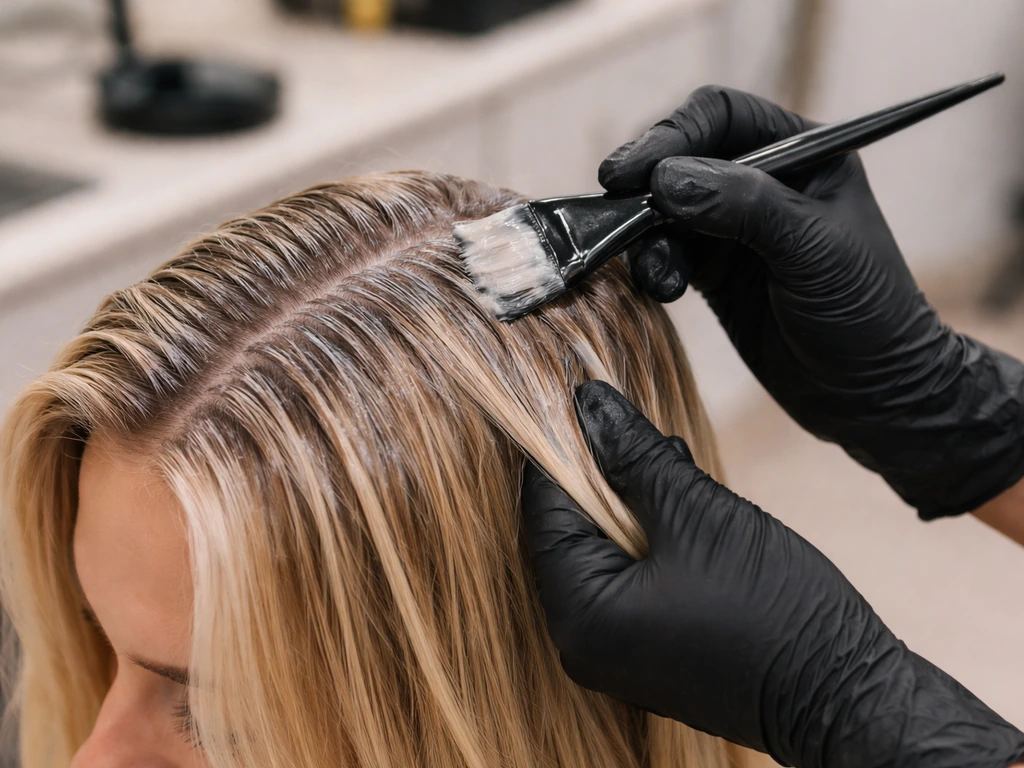
A trim every 8 to 10 weeks removes roughly a quarter to half an inch of the oldest, most faded highlighted ends. This keeps the length intact while slowly shifting the ratio of natural hair to highlighted hair in your favor. Over a year, regular trims take off 1.5 to 3 inches of the lightest ends, which meaningfully reduces contrast without sacrificing length. Ask your stylist specifically to trim for health and to preserve length, not to "refresh" the style by cutting significantly.
Styling to minimize contrast
During the early and middle awkward stages, certain styles genuinely minimize the visible line between your roots and highlights. Loose waves and curls blend the root-to-length transition better than stick-straight styles, which make every line of demarcation more obvious. Half-up styles, braids, and textured updos all work well because they break up the visual boundary. If you have bangs, they can cover some of the root contrast at the front of your hairline while everything else grows. Layers, if you already have them, help because the varied lengths naturally scatter the contrast line.
Glosses and toners to bridge the gap
A salon gloss or toner is one of the most useful tools during a grow-out because it does not add lightness, it just adjusts tone across your whole head to create a more unified look. Professional demi-permanent toners like the Paul Mitchell The Demi line are specifically designed to fade gradually over 4 to 6 weeks rather than leaving a hard line as they grow out. At-home toning treatments are also available but fade faster, typically in 1 to 2 weeks, versus a professional application that holds for 3 to 4 weeks or more. A gloss every 6 to 8 weeks costs significantly less than a full highlight appointment and can get you through several awkward months without any additional lightening.
Root and contrast options: what to ask for and what to try at home
You do not have to choose between "do nothing" and "full highlights." There is a wide middle ground of low-commitment options that help manage root contrast during the grow-out without undoing your progress.
| Option | What it does | Commitment level | Best for |
|---|---|---|---|
| Salon gloss or toner | Blends tone across roots and ends, reduces brassiness | Low: fades in 4-6 weeks, no permanent change | Most grow-out stages |
| Shadow root | Salon technique that softens the root line by darkening roots slightly to blend | Low-medium: semi-permanent, grows out naturally | Strong root/highlight contrast |
| Lowlights | Adds darker strands through highlighted sections to create more depth and blend | Medium: lasts until cut out or re-done | Very light, heavily bleached highlights |
| Root smudge (at salon) | A blended application of color at the root that feathers into the highlights | Low-medium: softens demarcation line naturally | Defined line of demarcation |
| At-home purple or blue shampoo | Neutralizes brassiness in blonde/highlighted hair | Very low: used in place of regular shampoo 1-2x per week | Maintaining tone between salon visits |
| At-home toning gloss | Deposits tone for 1-2 weeks of blend | Very low: washes out gradually | Quick fix for an event or awkward week |
If you visit a salon during the grow-out, the most useful thing you can ask for is a "shadow root with a gloss" or a "root smudge." Both techniques work with your natural regrowth rather than against it, and neither requires additional lightening. They essentially meet your roots halfway, blurring the demarcation line so the grow-out reads as intentional rather than neglected. Growing out highlights on darker natural hair, like brown or black, involves its own set of decisions around blending that are worth exploring in more depth separately. Growing out highlights on darker natural hair, like brown or black, involves its own set of decisions around blending that are worth exploring in more depth separately. Follow this guide on how to grow out highlights on brown hair for step-by-step options that match your tone.
Encouraging a more naturally blonde look while you wait
If your goal is not just to grow out your highlights but to actually encourage a lighter, more natural-looking base color over time, there are a few gentle approaches that work without re-lightening your hair chemically.
Lemon juice is the most widely discussed natural lightener, but it comes with real caveats: it can be drying, and it only produces very subtle results on naturally medium-to-light hair. It works best if you dilute it with water, apply it before spending time in the sun, and follow up with a deep conditioner immediately after. It will not replicate highlights, but it can add a slight sun-kissed warmth to naturally lighter hair over time.
Chamomile tea rinses are gentler still and work best on naturally lighter hair. Brew a strong pot of chamomile tea, let it cool, and use it as a final rinse after washing. Over several weeks, chamomile can gently brighten naturally blonde or light brown hair, giving it a more luminous, sun-lit quality. Again, results are subtle and gradual, not dramatic, which is exactly the point during a low-damage grow-out.
Honey masks are another popular option because honey contains trace amounts of hydrogen peroxide and has conditioning properties. A mask of raw honey mixed with a small amount of olive oil, applied for 30 to 60 minutes before washing, can over several applications add very slight lightness while deeply conditioning the hair. These natural approaches are genuinely mild, and they work best as complements to good hair care rather than standalone lightening strategies.
The honest truth is that none of these natural methods will match the lightening power of bleach. But during a grow-out, you are not trying to go lighter, you are trying to maintain a soft, luminous quality in your existing hair while your roots catch up. For that goal, these gentler approaches are very well suited.
Common mistakes and how to fix them
Even with the best intentions, grow-outs go sideways sometimes. Here are the most common problems and what to actually do about them.
Brassiness taking over
Brassiness in highlighted hair happens when the warm underlying pigments in your hair shaft are exposed by fading toner or continued oxidation. The fix is consistent toning. Use a purple or blue shampoo one to two times per week in place of your regular shampoo, leave it on for 2 to 5 minutes, and follow with conditioner. This alone will significantly extend the life of a cool, natural-looking blonde between salon visits. If brassiness is severe, a professional toner application will reset things in one appointment without any lightening needed.
The uneven fade problem
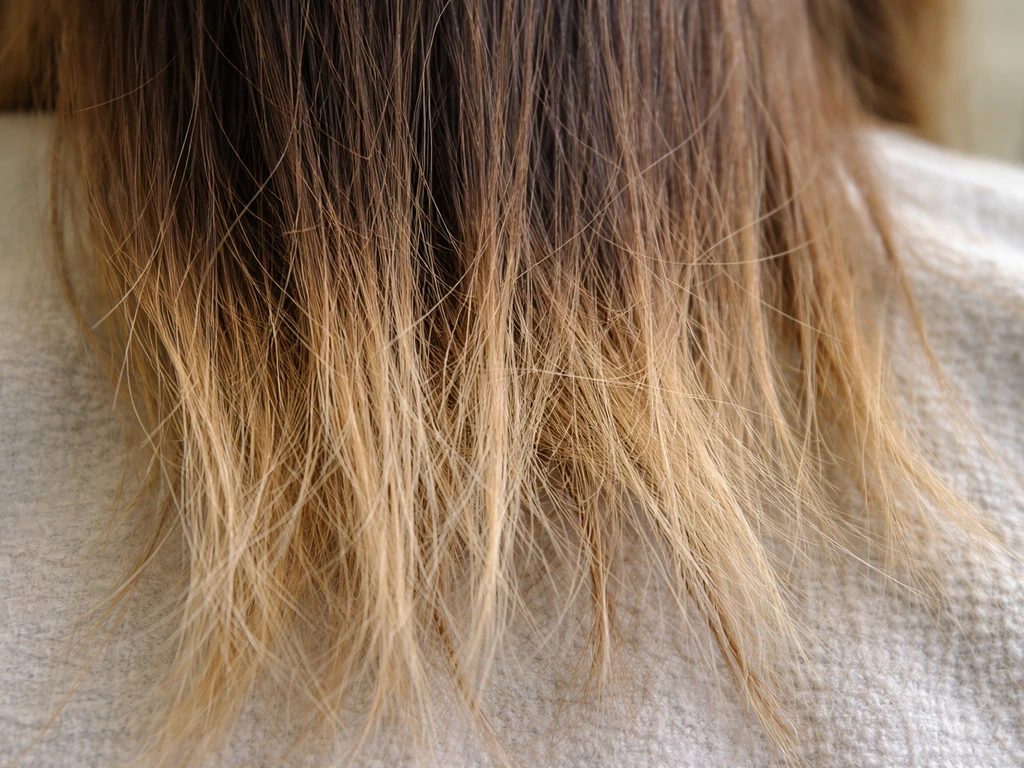
Toner and gloss do not always fade evenly, especially when some parts of your hair are more porous than others, which is very common with highlighted ends. Sun exposure, hard water, and pool chlorine all speed up uneven tone loss, leaving some sections looking warmer or more washed-out than others. The best prevention is consistent UV protection and minimizing exposure to pool water. If uneven fading has already happened, a professional gloss application on the whole head will re-unify the tone and buy you more time.
Breakage at the line of demarcation
This is a real risk when highlighted hair meets virgin hair in the same strand. The highlighted portion is more fragile, and the point where the two textures meet can be a weak spot, especially with heat styling or aggressive brushing. If you are seeing breakage, pull back on heat tools, switch to a wide-tooth comb for detangling, use a bond-building treatment in your routine, and consider asking a stylist whether a small trim to remove the weakest ends makes sense. You do not have to cut to a dramatic new length, just remove what is actively breaking.
Rushing and re-lightening too soon
This is the most common mistake. The awkward phase feels uncomfortable, so people book a full highlight appointment and restart the whole cycle. If you are growing out for a reason (less maintenance, damage reduction, a color change), re-lightening before your hair has had enough time to recover just sets the clock back. Give yourself at least 4 to 6 months of consistent care and blending strategies before reassessing whether more color work is actually needed. Many people find that by the 6-month mark, they are far more comfortable with the grow-out than they expected to be.
Your grow-out action plan, starting today
You do not need to overhaul everything at once. Here is a practical checklist of next steps organized by what to do immediately and what to revisit over the coming months.
Do this week
- Switch to a sulfate-free, color-safe shampoo and a moisturizing conditioner if you have not already.
- Buy a deep conditioning mask or a bond-building treatment and use it this week.
- Pick up a purple or blue shampoo for toning, and plan to use it once or twice a week.
- Check your heat tools and set a temperature limit of 350 degrees Fahrenheit or below for your highlighted ends.
- Take a photo of your hair today. You will want a baseline to compare progress honestly over the coming months.
Book within the next month
- Schedule a single salon appointment for a gloss or toner, and ask specifically about a shadow root or root smudge if your contrast is already strong.
- Ask your stylist to trim for health only, keeping as much length as possible, to remove any dry or breaking ends.
- Tell your stylist you are growing out your highlights and ask what blend technique they recommend given your specific root-to-highlight contrast.
Reassess at the 3-month and 6-month mark
- At 3 months: compare your photo to now. Is the contrast manageable with styling? Is brassiness under control? Do you need another toner appointment or a trim?
- At 6 months: decide whether you want to keep growing out fully, add a few strategic lowlights to help blend, or stay at a softer, lower-maintenance version of your current color.
- At 12 months: most people with medium to long hair will have enough natural regrowth to feel genuinely settled in the grow-out. This is a good time to reassess your end goal and whether a final trim to remove the last of your heaviest highlights makes sense.
Growing out blonde highlights is a slow process, but it is a manageable one. The people who get through it successfully are not the ones with the most patience, they are the ones who have a clear plan, take care of their hair consistently, and use low-commitment tools like toners and glosses to stay comfortable during the in-between stages. If you want to keep the overall look blended while you grow out balayage, stick to gentle toning and smart trim timing to avoid harsh contrast low-commitment tools like toners and glosses. You do not have to love every phase of the grow-out. If you are wondering how to grow out highlighted hair step by step, focus on your roots, your trims, and your toning schedule. You just have to get through it without undoing your progress, and now you have everything you need to do exactly that. If you are also dealing with grey coming in, the same grow-out timeline applies, but you may need smarter blending and toning choices for the new undertone how to grow out grey hair with highlights.
FAQ
Can I grow out blonde highlights naturally if I stop all salon visits completely?
Usually yes. If you have mostly blonde highlights that fade into a lighter base, stopping appointments and maintaining care can still work, but the exact blend depends on how dark your natural roots are and whether the highlights are concentrated near the scalp. If your natural hair is much darker (for example level 4 or lower), plan on using at least one gloss or toner pass during the demarcation stage so the contrast softens sooner.
What should I ask for when I get a toner or gloss during the grow-out?
Aim for a gloss or toner that matches your current root tone and the warmth level of your highlighted ends. If your ends are turning orange, ask for a cooler, more neutralizing shade. If they look too ashy or gray, request a warmer toner direction rather than continuing to add “cool” products.
Is it safe to do balayage or additional coloring while growing out highlights?
Yes, but only if you keep it gentle and strategic. A root smudge or shadow root helps camouflage regrowth, and a demi gloss adjusts tone without adding lightness. Avoid requests for “more lift” or bleach-based correction during the grow-out, because that can create new high-contrast bands and increase breakage risk.
How often should I use purple shampoo while growing out blonde highlights?
If you want to minimize warmth, prioritize a purple or blue shampoo on highlighted lengths only, and do it 1 to 2 times per week. Leave it on for 2 to 5 minutes, then condition well. Going too often can make blonde look dull or slightly gray, especially on porous ends.
Why does my hair tone look different every time I wash it?
Your ends can look darker or lighter than expected during the middle months because toner fades unevenly and the hair is more porous. Don’t judge the final result from a single wash, especially if you wash in hard water, spend time in sun, or use hot tools that speed up fading. Reassess tone after you have UV protection and a consistent wash routine for a couple of weeks.
Will using a lot of conditioner and still brushing daily cause damage at the demarcation line?
No, and that is a common mistake. Brushing hard against knots increases breakage right at the new growth and old highlight junction. Use a wide-tooth comb on wet hair with slip (conditioner or detangling spray), start at the ends, then work upward slowly.
What should I do if I swim often while growing out my highlights?
If you swim, rinse immediately with fresh water and wear a swim cap when possible. Chlorine and salt not only fade toner faster, they can make highlighted ends feel rough and look uneven. After swimming, use a moisturizing conditioner right away and consider a mask once that week if your hair feels dry.
What hairstyle changes help the grow-out look natural between trims?
Texture matters a lot. If you already have loose waves or curls, embrace them because they break up the straight line of contrast. If your hair is straight, you can still reduce the “line” by adding lift at the roots, using soft bends at the mid-lengths, and avoiding ultra-sleek styles that highlight the boundary when hair is dry.
Can I reduce how often I get trims during the grow-out?
It depends on the type of finish you want. After the first 3 to 6 months, you may be able to shift from frequent trims to just one every 10 to 16 weeks if your ends are not breaking. If ends feel rough, tangle easily, or show fraying, keep trim timing closer to every 8 to 10 weeks to prevent that damage from traveling upward.
What routine should I use if my highlighted ends are getting thinner or more brittle?
Yes, if you choose bond-building products and use them consistently on the lengths. Look for treatments that target breakage and dryness, then follow with your moisturizing mask schedule. Also reduce heat and use lower temperatures on highlighted lengths, because bond builders work best when you stop stacking new damage.
Do lemon juice, honey masks, or chamomile really help during a grow-out, or will they make the contrast worse?
Natural lighteners like lemon, honey, and chamomile usually create subtle, uneven warmth, not a true replacement for highlights. During grow-out, they can sometimes make the ends warmer than your roots, which increases the contrast you are trying to reduce. If you use them, treat them as a small assist to existing blonde, and keep your main tone control (masking, UV protection, toner schedule) as the priority.
I have darker roots. Does growing out blonde highlights change what I should do for blending?
Darker natural roots are more forgiving visually if you manage warmth and keep ends hydrated, but the initial demarcation can still be stark. Ask for shadow root or root smudge blending, and consider using toning earlier in the process so the roots and ends land closer in level and warmth as they grow out.