
Growing out highlighted hair is completely doable, and it doesn't have to look messy for months on end. The short answer: you have three realistic strategies (let it grow naturally, use trims to control the transition, or use color services to blur the line), and which one is right for you depends on how your highlights were done, how fast your hair grows, and how much maintenance you're willing to do. The rest of this guide walks through every stage so you know exactly what to expect and what to do about it.
How to Grow Out Highlighted Hair Step by Step Guide

Marcus Vickers
6 Apr 2026
What growing out highlights actually looks like (and how long it takes)
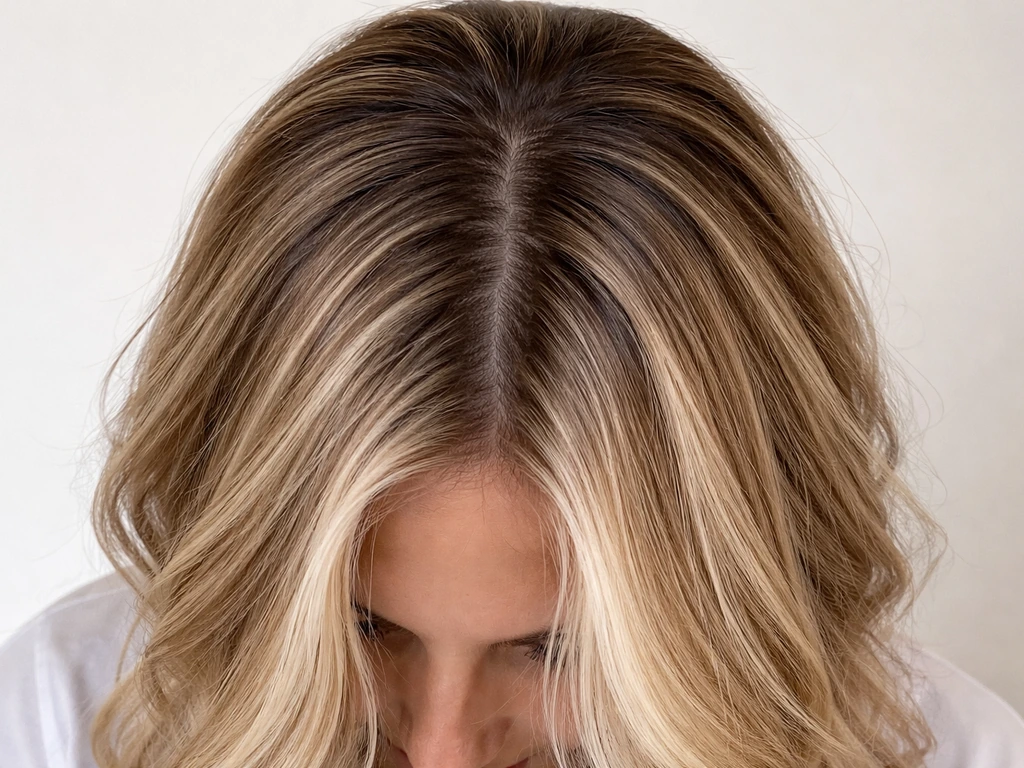
Hair grows roughly half an inch per month. That means after four weeks, you have about a half inch of new root showing at the scalp. After three months, you're looking at around an inch and a half of natural regrowth sitting below your highlights. At six months, that gap is pushing three inches. This is the math that drives your whole timeline, and it's worth internalizing early.
What makes highlighted regrowth different from, say, a single-process color is the contrast band. Where your natural hair ends and the highlighted section begins, there's often a visible line of demarcation. How obvious that line is depends almost entirely on how the highlights were applied. Foil highlights placed right at the root zone will show a crisp, noticeable band fairly quickly, sometimes within four weeks or at just a half inch of growth. Softer, lower-placement techniques tend to be more forgiving: balayage typically grows out more gracefully because the color was never applied flush against the scalp to begin with.
The visual milestones most people hit look something like this. At weeks one through four, the line starts appearing at the root. By weeks eight to twelve, that band is fully established and most obvious, especially in direct light. Past the two-month mark, the grow-out actually tends to look a little less harsh because the contrast softens naturally as the highlighted section moves further from the scalp. By month six, you have a real choice: trim the highlights off entirely if your hair is short, or keep working the blend.
One thing worth knowing: the placement of where the lightness starts on your strand makes a big difference. If your highlights were lifted starting very close to the scalp, that line becomes visible almost immediately. If there was a small gap left intentionally between root and foil (sometimes called a "base break"), you'll have a little more breathing room before the demarcation becomes obvious.
Pick your strategy before you do anything else
Before you start buying products or booking appointments, you need to decide on a general approach. There are three real options, and they're not mutually exclusive. You can also shift strategies as your hair grows.
Option 1: Let it grow, do nothing to the color
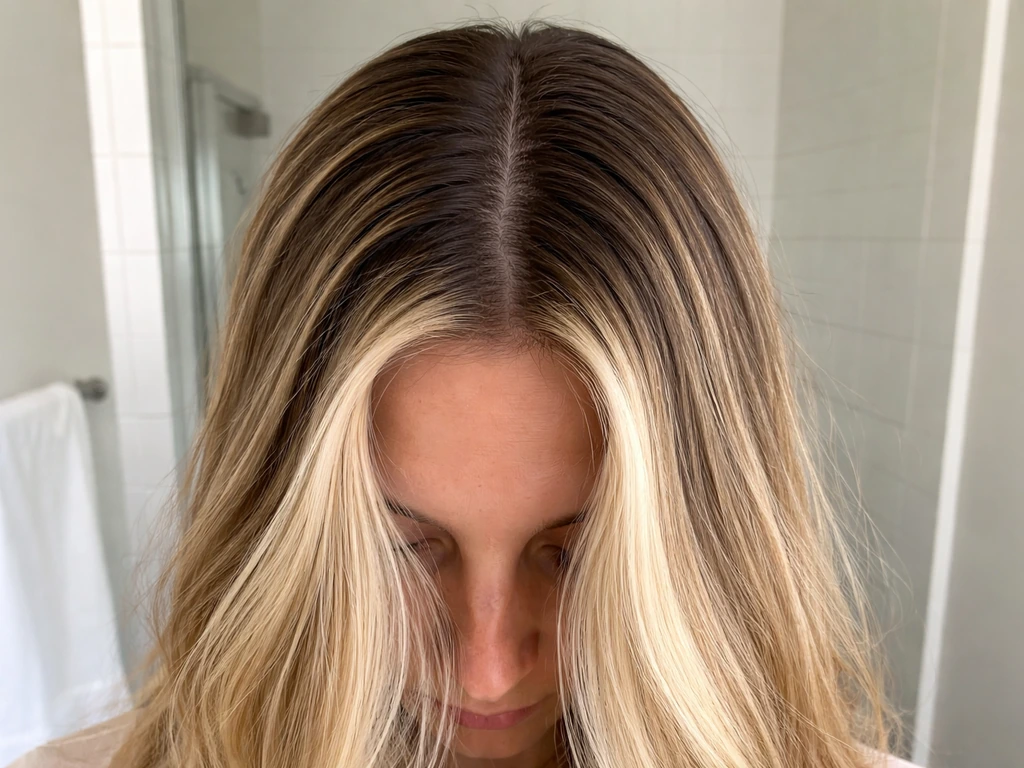
This is the lowest-cost, lowest-commitment path. You stop all color services, keep your hair healthy, and let the highlighted sections grow down until you can trim them off or until the overall contrast softens enough that you stop caring. This works best if your highlights were soft or balayage-style, if your natural color is lighter (less contrast), or if you're genuinely willing to sit through the awkward middle stage. It takes patience, but it's the only path that gets you fully back to your natural color without further chemical processing. If you're specifically trying to grow out blonde highlights, be realistic: the higher the lift, the longer the awkward phase.
Option 2: Use trims to manage the transition zone
If your hair is already at a length where the highlighted ends are within trimming reach, regular cuts can move the finish line much faster. Every half inch you trim off the bottom is half a month's worth of contrast removed. This is especially useful for people with shorter styles or anyone growing out highlights on a bob or layers. It doesn't erase the grow-out period, but it makes it feel more controlled.
Option 3: Use color services to blur the line
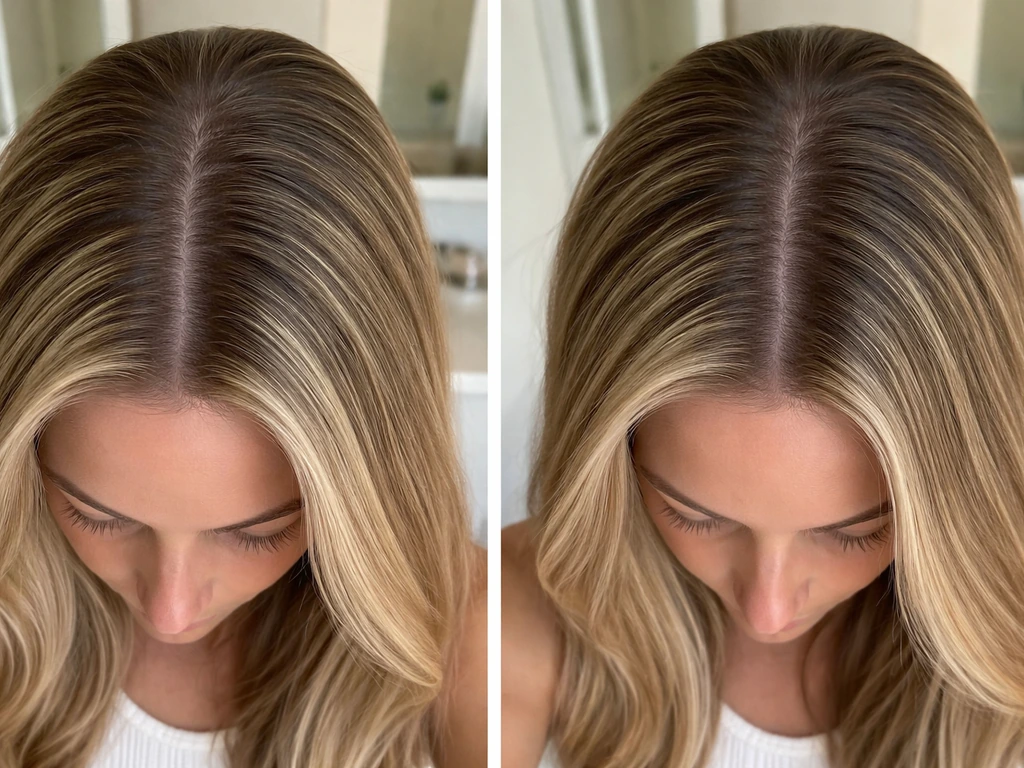
This is the "graceful grow-out" approach most stylists recommend. You're not adding more highlights or re-lightening; you're using techniques like root shadow, root smudge, or a gloss to soften the contrast between your natural regrowth and the highlighted sections. This doesn't stop the grow-out, it just makes it look intentional rather than neglected. If you're wondering about the difference: a root smudge deposits color very close to your natural hue just at the roots to create a seamless transition, while a shadow root actually extends a darker tone further down the hair for a more pronounced gradient effect. For people in the middle of a long grow-out, a shadow root can buy you eight to twelve weeks without a visible demarcation line, which is a significant amount of time.
Taking care of highlighted hair while it grows
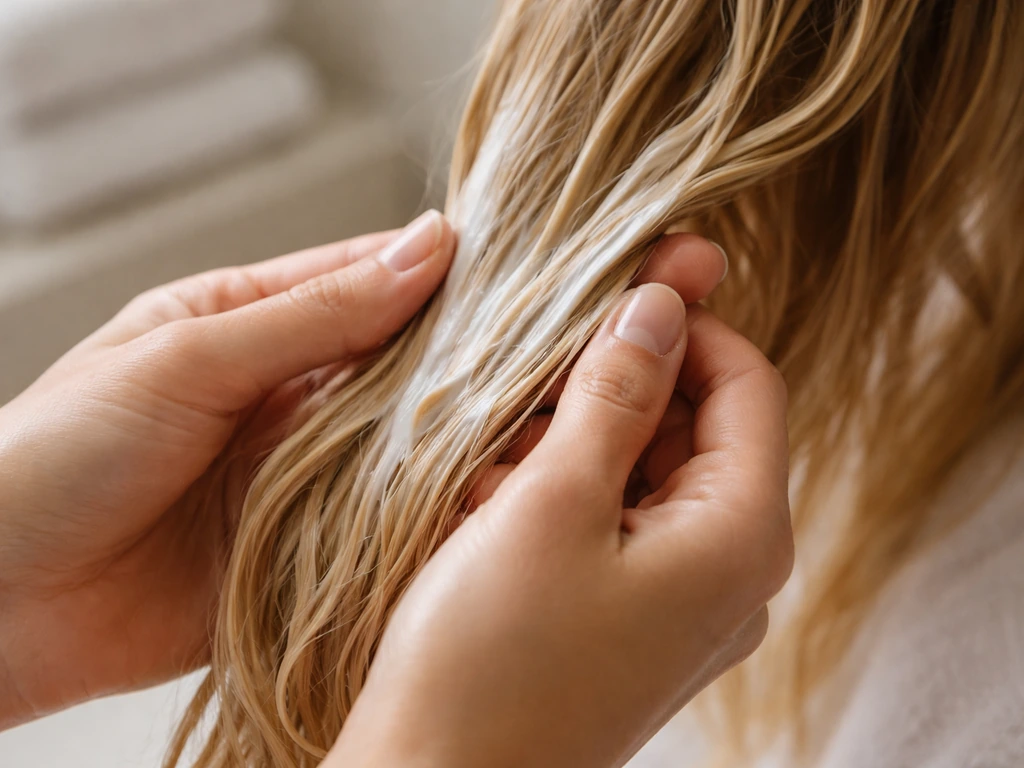
Highlighted hair is chemically processed hair. The sections that were lightened have a more open cuticle and are more prone to dryness, breakage, and porosity issues. During the grow-out period, that existing highlighted length needs real maintenance or it'll look increasingly ragged as it moves away from the scalp, which makes the whole grow-out look worse than it needs to.
Hydration is the first priority. Highlighted strands lose moisture more easily than untreated hair, so a good moisturizing conditioner every wash and a deep conditioning mask once a week makes a measurable difference. Keep in mind that bond-building treatments like OLAPLEX No.3 are specifically for bond repair, not hydration. The product itself is explicit about this: it's not a protein treatment or a hydrating mask. You need both bond care and moisture, not just one or the other.
For bond support between washes, a leave-in treatment applied one to two times per week (depending on how dry or damaged your highlighted ends feel) is a solid habit to build. Some leave-in bond creams claim to reduce breakage significantly, which matters when your highlighted ends need to survive several more months on your head. Use heat protectant every single time you blow-dry or style with heat tools, without exception.
On washing frequency: if you can stretch to every other day or every two days, do it. Over-washing strips the highlighted sections faster and accelerates color fading. When you do wash, use a color-safe or sulfate-free shampoo. Detangle gently from ends to roots, especially when wet, because highlighted hair is more fragile when saturated.
Styling tricks that actually hide the regrowth line
You don't have to look like you're "growing something out" the whole time. These are the styling moves that genuinely camouflage the contrast while your hair does its thing.
- Change your part. A center part makes the regrowth line look symmetrical and intentional; a deep side part hides one side and draws the eye to volume instead. Switching parts every few days also reduces breakage at the part line.
- Add waves or texture. Straight hair shows the demarcation line most clearly because the contrast band runs in a clean horizontal stripe. Waves, curls, or a loose blowout with a round brush break that line up visually. This is one of the most effective camouflage moves at every stage of grow-out.
- Use braids and half-up styles. Pulling the root area back into a braid, bun, or half-updo shifts attention away from where the natural color meets the highlights. This is especially useful at weeks four through ten, when the line is most obvious.
- Work with your layers, not against them. If you have layered hair, the different lengths naturally break up the color contrast so it reads as dimension instead of grow-out. Ask your stylist to cut layers in a way that keeps this going.
- If you have bangs: bangs grow out separately from the rest of your highlights and the two timelines can clash. If your bangs were highlighted too, the root line there is very visible and very central. You have two choices: keep trimming the bangs so the highlighted portion stays short and blends more easily, or start growing them out entirely and use hair clips and side sweeps to manage them during the awkward phase.
When to trim, how much, and what to do about bangs and layers
Trimming during a grow-out feels counterproductive but it's often the thing that makes the whole process look better. The goal isn't to cut off length you're trying to gain, it's to remove the most damaged, over-processed ends before they start splitting up the shaft and making your hair look ratty. A DermoBrain medical-style guide notes that trimming every 4 to 8 weeks helps remove damaged portions before splits travel further up the hair shaft remove the most damaged, over-processed ends before they start splitting up the shaft.
A quarter-inch trim every eight to ten weeks is usually enough to keep ends healthy without sacrificing meaningful length. If you're trying to grow out highlights faster by focusing on hair health, keeping ends clean actually helps because you're not constantly dealing with breakage that sets the effective length back anyway.
For those with layers: layers complicate grow-out because different sections of hair are at different stages of the highlight-to-natural transition simultaneously. The shortest layers near the face tend to show the contrast most prominently. You can either ask your stylist to blend those layers down gradually so the highlighted portion doesn't look patchy, or embrace the variation as dimension (which actually works well with texture-based styling).
If you had highlighted hair in a shorter cut and you're now growing it out, the contrast band will travel down faster relative to your total hair length. Someone growing out highlighted hair from a highlights-on-brown-hair situation with a longer starting length has more room to work with than someone starting from a bob. Be honest about your actual length and pace your strategy accordingly.
Handling brassiness, banding, fading, and tone problems
These are the color problems that come up most often during a highlight grow-out, and they each need a slightly different fix.
Brassiness in the highlighted sections
Lightened hair oxidizes over time and pulls warm, which means blonde or lightened highlights often go brassy or yellow between three and six months after the initial service, even if they were toned. At home, a purple or blue toning shampoo used once or twice a week helps neutralize warmth. In salon, a gloss or toner treatment is more effective and longer-lasting. Be aware that at-home color glosses tend to last around ten days, so they're a maintenance tool, not a permanent fix. For a longer hold on cool tones, book a professional gloss.
Banding and visible lines
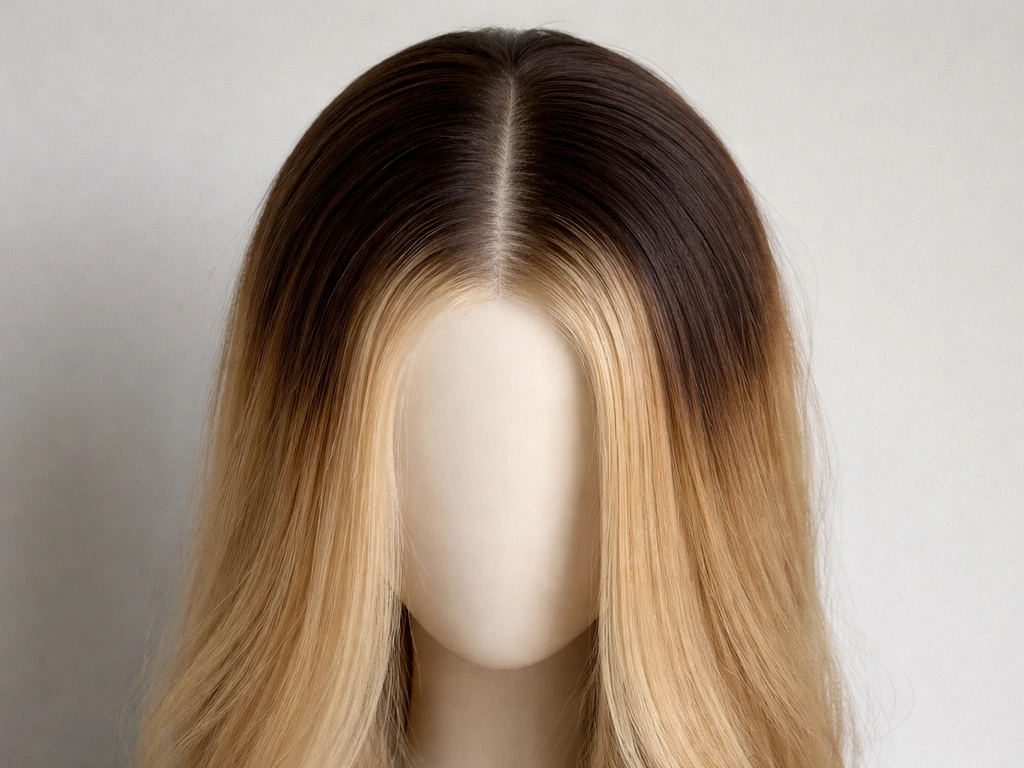
Color banding is when you can see a noticeable ring of color circling your head, different from both the root regrowth and the highlighted ends. It often happens when different zones of hair respond differently to toning, or when the gap between root color and highlight color is more than about two levels within a single toning application. If you have a single clean line that's clearly demarcated, the fix is usually to re-lighten just that band. If you have multiple bands at different heights along the shaft, that's a color correction job and needs professional attention. Do not try to fix multiple banding issues at home with a box color.
Uneven fading
Different sections of highlighted hair fade at different rates depending on how porous they are, how often you wash, and how much sun exposure they get. This uneven fading can make your grow-out look patchier than the actual regrowth warrants. A gloss applied across the whole length, matched to a mid-tone between your natural root and your highlighted ends, can even out the overall appearance and buy you several more weeks before a salon visit feels necessary.
Advanced options: root shadow, balayage refresh, and full re-tone
If you've hit the point where basic maintenance isn't cutting it and you want a more lasting solution without committing to re-highlighting everything, these are the three main services worth knowing about.
| Service | What it does | Best for | How long it lasts |
|---|---|---|---|
| Root smudge | Deposits color close to natural root hue for a seamless blend | Early grow-out, subtle contrast, all hair types | 4–6 weeks before touch-up needed |
| Shadow root | Darkens first 1–2 cm of regrowth and blends downward into a gradient | Obvious demarcation, longer grow-outs, higher contrast | 8–12 weeks demarcation-free |
| Balayage refresh | Re-lightens or re-tones existing balayage to restore brightness and blend | Faded balayage, foil-to-balayage transitions after 8–10 weeks outgrowth | 8–12 weeks post-service |
| Full re-tone / gloss | Deposits a semi-permanent tone across all sections to unify color | Uneven fading, brassiness, patchy mid-lengths | Up to 10 days (at-home) or 4–6 weeks (in-salon) |
A shadow root is the highest-impact option for people who are deep into a grow-out and want to reset. It deliberately darkens the first centimeter or two of new growth and feathers it down into the highlighted sections, turning the contrast into an intentional gradient. Done well, it can take you through another two to three months without the grow-out looking obvious. If you're dealing specifically with transitioning away from foil highlights toward a softer look, growing out balayage provides a useful comparison because the technique shift itself changes what your maintenance calendar looks like.
For the foil-to-balayage transition specifically, the timing matters. You need at least eight to ten weeks of outgrowth before a stylist can do a proper balayage service on previously foiled hair. Trying to rush that transition before there's enough natural root to work with produces patchy results. If you're managing a greying root alongside highlighted ends, the approach shifts again: growing out grey hair with highlights involves its own set of blending considerations that are worth reading through separately.
Your actual schedule: what to do this week and what to book next
Here's how to turn all of this into a concrete plan based on where you are right now.
- This week: Assess the contrast. Stand in good light and look at how obvious the demarcation line is. If it's already a crisp, clear band at the root, you're in the "act now" category. If it's soft or subtle, you have more runway before you need to make any color decisions.
- This week: Start the care routine. Get a sulfate-free shampoo, a moisturizing conditioner, and either a bond treatment or a bond-building leave-in. Apply the leave-in one to two times a week. Use heat protectant every time you style.
- Week two to four: Experiment with styling camouflage. Try changing your part, adding waves, and practicing a half-up style. See which approach works best for your hair texture and length before you rely on it.
- At four to six weeks: If you have foil highlights with a noticeable root line, this is the earliest window for a root smudge or shadow root appointment. If you're doing fine visually, you can wait.
- At eight to twelve weeks: This is the key decision window. You'll have enough outgrowth to either do a balayage refresh (if transitioning to softer color), trim the ends meaningfully, or commit to the natural grow-out with a gloss treatment to unify tone. Book your stylist consultation now.
- Every eight to ten weeks: Schedule a quarter-inch trim to keep ends healthy. This is separate from any color appointments and doesn't have to happen at the same time.
- Ongoing: Use a purple or blue toning shampoo once a week to keep brassiness under control. Reassess the shadow root or gloss every eight to twelve weeks depending on how the grow-out is progressing.
The honest truth about growing out highlighted hair is that there's no version that requires zero effort. But there's also no version that has to look bad. The people who struggle most are the ones who do nothing to the color and also do nothing to manage the styling, then feel stuck when the line gets obvious. Pick a lane, commit to a basic care routine, and make one styling change this week. The rest follows naturally.
If you have specific questions about your starting point, the most common variations are covered in more depth elsewhere. If you're working with brown hair as your base, the contrast dynamics are different enough to warrant a closer look at how highlights grow out on brown hair specifically, where the line between natural and lightened tends to be sharper and the blending options are slightly different.
FAQ
My demarcation line is obvious after only a few weeks, what does that mean and what should I do?
If you just had highlights and the line looks very crisp, it usually comes from high placement or a foil/root application that started close to the scalp. Ask your stylist about “base break” or a softer root start, because once that contrast is formed, you can’t fully erase it with shampoo alone. For the fastest visual improvement without re-lightening everything, schedule a root shadow or gloss (timing depends on how recently you colored, but it’s usually after the initial toner has settled).
Can I cover my highlighted grow-out with at-home dye to skip the awkward phase?
Yes, but the timing matters. If your highlights were done on an already colored base, or you’ve had toner recently, using box dye can create uneven or muddy tones and make future correction harder. Also, if you have more than one “band” level (not just one clean line), home dye can worsen the patchy look by depositing color unevenly on different porous zones. If you want to change tone, consider a professional gloss instead of trying to cover everything at once.
How often should I trim highlighted hair while trying to grow it out, and will trims slow me down?
The goal is to keep the highlighted ends from turning into fragile, frayed “effective short hair,” not to cut off new growth. Many people do best with a small trim (around a quarter inch) every 8 to 10 weeks, but if your ends are splitting or feel rough in the highlighted areas, you may need slightly more frequent micro-trims until the damage is under control. If you’re trying to maximize length retention, ask for a “dusting” focused on the most processed ends, not a blunt cut.
Does heat styling make highlight grow-out worse, and what should I change?
If you use heat, treat highlighted strands as more fragile and plan for higher protection. Use a heat protectant every time, and try lowering your heat setting and reducing how often you use high-heat tools. One practical approach is to alternate styles (for example, air-dry part of the week and reserve blow-drying or hot tools for specific days) so the highlighted length gets fewer heat exposures during the months where it’s already porous and prone to breakage.
If my highlights are getting brassy, should I tone more often or focus on repair?
Not exactly. Toning helps with color warmth, but it does not repair cuticle damage or replace moisture. If your hair feels stretchy, rough, or tangles more easily, you likely need more conditioning and bond support, not just more toning. Use toning sparingly (often once or twice a week max) and pair it with a deep conditioner and a leave-in bond-support product so the strands stay smoother as the colored band moves down.
What washing routine actually helps reduce fading and breakage during highlight grow-out?
Color-safe and sulfate-free shampoos help slow fading, but the bigger lever is washing frequency and how you handle wet hair. Use lukewarm water (hot water accelerates fading), apply shampoo mainly to the scalp, and keep conditioner on from mid-length to ends. When wet, detangle with a wide-tooth comb and be gentle, because highlighted hair is more breakage-prone when saturated.
I want to switch from foil highlights to balayage, how long should I wait before booking?
If you’re transitioning from foil highlights to a softer look, you generally can’t do a “proper” balayage smoothing service until there’s enough regrowth to work with. The usual constraint is not how long you’ve been growing, but whether you have about 8 to 10 weeks of outgrowth visible. Rushing earlier often leads to patchiness because there isn’t enough natural root to feather into, so patience is the key to getting a clean transition.
My face-framing layers look uneven while growing out highlights, what’s the best fix?
Layers make the contrast show differently, not just more of it. The shortest layers near the face will reach the demarcation sooner, so they can look patchier first. A helpful strategy is to ask for blended face-framing so the highlighted portion tapers more naturally, or to intentionally style those shorter layers with texture (waves, curls, or a volumizing product) so variation reads as dimension rather than an error.
Is a shadow root worth it, and how do I know what results to expect?
A shadow root can be a strong option when you want a reset without re-highlighting the whole head. It works by darkening new growth (often the first centimeter or two) and feathering into the lighter sections, which effectively buys time before the line becomes obvious again. If you’re considering it, show your stylist a photo in daylight of your current demarcation, so they can match the shade depth and avoid making the root look too heavy.