
Yes, balayage generally grows out better than almost any other color service. The technique is specifically designed to start away from the root, which means you won't wake up one day and suddenly see a hard line of regrowth staring back at you. That said, "grows out well" isn't guaranteed for everyone. How it actually looks during the grow-out depends on how high the color was placed, how much contrast there is between your natural color and the lightened pieces, and whether the toner is still doing its job. Here's everything you need to know to set realistic expectations and manage the process without losing your mind.
Does Balayage Grow Out Well? Timeline, Tips, and Fixes

Marcus Vickers
16 Apr 2026
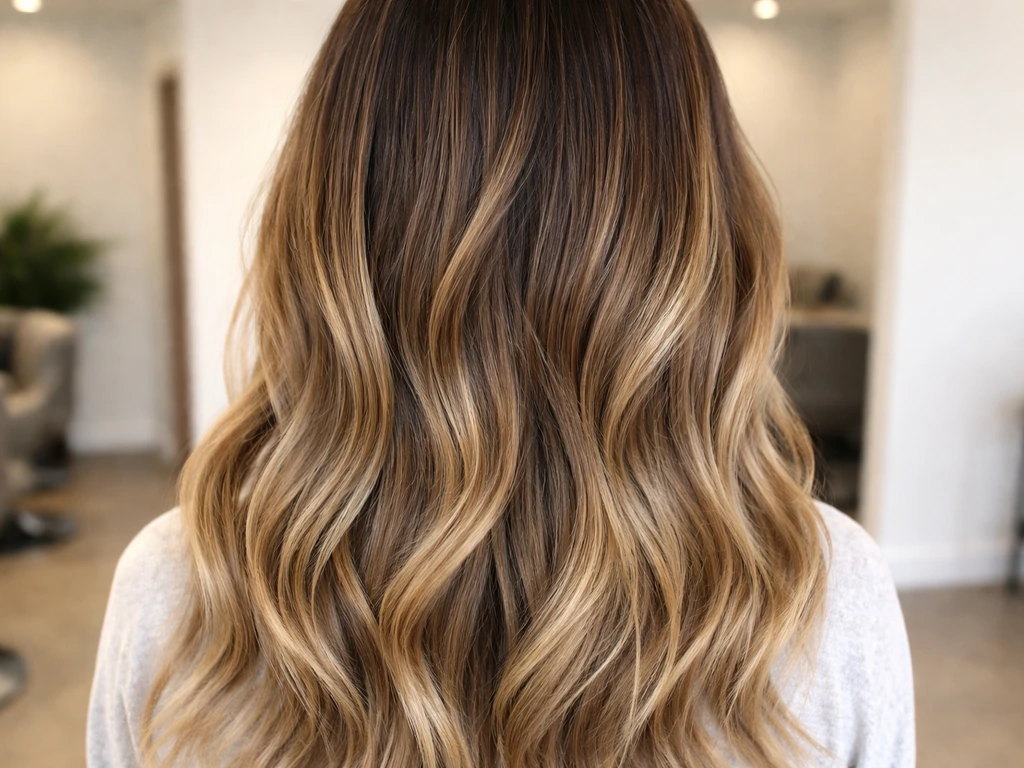
How long balayage takes to grow out (timeline by hair growth rate)
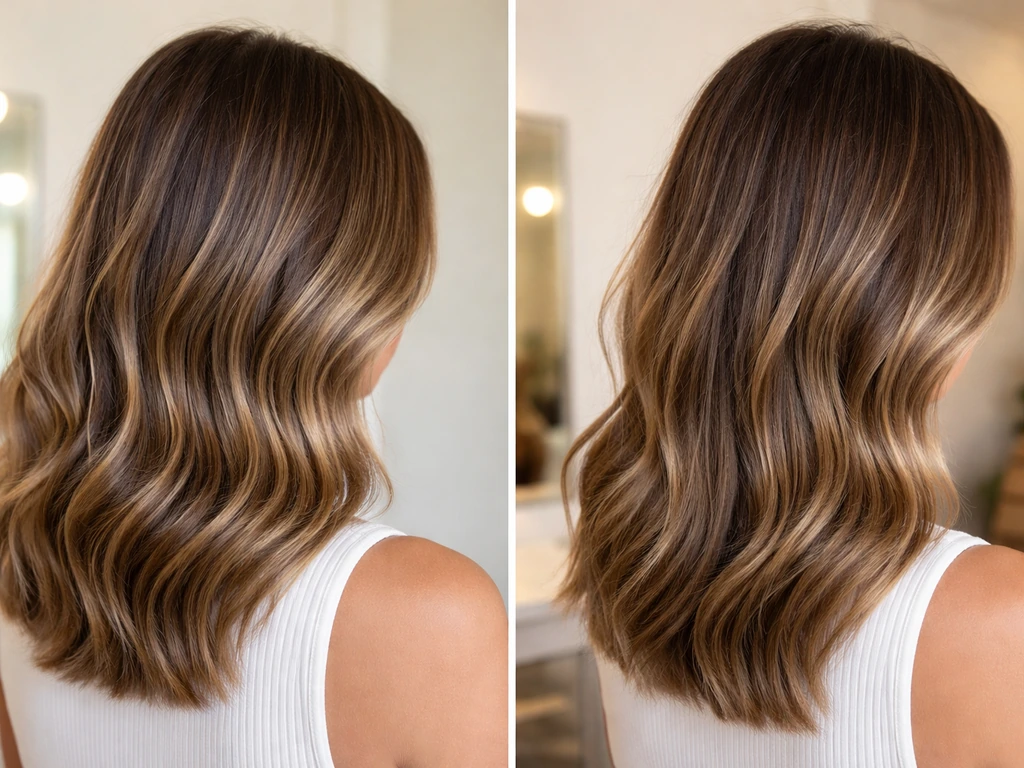
Hair grows roughly 1 cm per month on average, though the real range is wider than most people expect. Research shows individual growth rates can fall anywhere between about 0.6 cm and 3.36 cm per month, which explains why two people can sit in the same stylist's chair, get the same balayage, and have very different experiences six months later. If you're a slower grower (closer to 0.5–0.8 cm per month), the lightened sections near your roots will take much longer to shift visually. If you're a faster grower, you'll notice more change every few weeks.
Here's a rough timeline of what to expect at common checkpoints, assuming average growth of about 1 cm per month:
| Time After Balayage | Approx. New Growth | What You'll Notice |
|---|---|---|
| 4–6 weeks | 0.5–1.5 cm | Toner starts fading; slight warmth returning; color still looks intentional |
| 2–3 months | 2–3 cm | Natural roots more visible; transition zone starts to show; still blended if placement was soft |
| 4–6 months | 4–6 cm | Root-to-light contrast becomes obvious; "grow-out" phase in full swing; brassiness likely without toner |
| 9–12 months | 9–12 cm | Balayage may only remain on ends; hair has moved significantly; color looks sun-kissed or washed out depending on care |
| 12–18 months | 12–18+ cm | Most people have grown past or near the original lightened sections; time to reassess color strategy |
Wella notes that balayage can last anywhere from about three months to a year before it truly needs a refresh, which aligns with these windows. The wide range comes down to how much contrast was in your original look and how well you've maintained the tone in between.
What the grow-out actually looks like (fade, contrast, and placement)
The visual experience of growing out balayage comes down to three things: how the color fades, how much contrast exists between your natural root and the lightened sections, and where the balayage was originally placed on your hair.
Fading happens in two ways simultaneously. The toner (the cooler, ashier, or more polished tone layered over the lightened pieces) fades first, usually within 4–6 weeks. This is the part that turns warm, brassy, or golden faster than you'd like. The actual lightened hair underneath doesn't "fade" in the same way, but it can look dull or yellowed without toner refreshed on top. So the grow-out often looks worse because of toner loss, not actual color change.
Contrast is the bigger factor. If your balayage was a subtle lift two or three levels above your natural color, you're going to have a very forgiving grow-out. There's no dramatic line to reveal itself. But if you went from dark brown roots to bright platinum or heavily lightened pieces, the transition zone between your natural color and the balayage will become increasingly obvious as weeks pass. This is where people start describing their hair as "patchy" or "two-toned."
Placement matters enormously. Balayage is typically applied starting several centimeters away from the root, which is intentional. It means the color was never right at the scalp to begin with, so as new growth comes in, there's no sudden color shift at the hairline the way there would be with an all-over dye job. What you get instead is a gradual deepening at the roots, which most people find looks natural rather than neglected. If your colorist brought the balayage higher up toward the root to create more coverage, you'll see regrowth sooner and more noticeably.
Balayage vs. highlights vs. all-over dye: how the grow-out compares
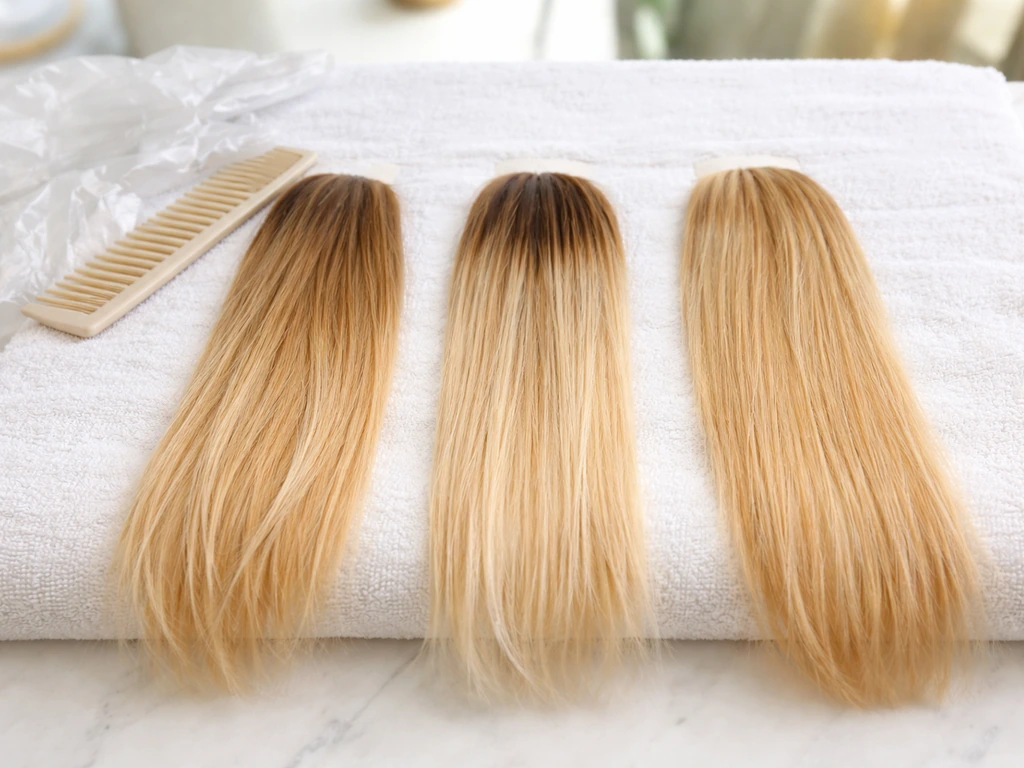
If you're deciding whether to go with balayage knowing you'll eventually want to grow it out, this comparison matters. The three most common services behave very differently once your roots come in.
| Color Service | Regrowth Line? | Typical Touch-Up Window | Grow-Out Forgiving? |
|---|---|---|---|
| Balayage | Soft or none (starts away from root) | 3–12 months for color; 4–6 weeks for toner | Yes, especially with low contrast |
| Traditional foil highlights | Defined line (color starts close to root) | Every 6–8 weeks | Less so; banding becomes visible |
| All-over single-process dye | Hard regrowth line begins immediately | Every 4–6 weeks | No; requires consistent maintenance |
Foil highlights placed close to the root show a more defined regrowth line, and most stylists suggest returning every 6–8 weeks to stay on top of it. Some clients even go back every few weeks if the highlights were brought up very high. Balayage, by contrast, is designed to skip that harsh root line entirely. If you want to understand the full picture before deciding, checking out a detailed guide on how to grow out highlighted hair will show you how the experience differs depending on which technique you started with.
All-over single-process dye is the least forgiving of the three. The moment your natural color grows in, the contrast between dyed ends and natural roots is stark and linear. There's no "soft start" the way balayage is designed to have. This is actually one of the main reasons people switch from all-over color to balayage in the first place, wanting something they can grow out without constant salon visits.
Balayage wins for grow-out ease in most situations, but it's not perfect. High-contrast balayage (dark roots to very light ends) can start to look patchy or two-toned around the 3–4 month mark without any toner maintenance. Knowing this in advance means you can plan for it rather than panic when it happens.
Managing the awkward stages as your balayage grows out
There are a few distinct phases most people move through, and each one has a different challenge. Here's how to handle each one practically.
Weeks 4–8: Toner fade and brassiness

This is usually the first complaint. The hair hasn't grown much yet, but the cool, polished tone from your salon visit has worn off and warmth is creeping back in. The lightened pieces look yellowy or orange-tinged, and the hair feels less intentional. This is a toner problem, not a regrowth problem, and it's very fixable without a full salon visit. A toning gloss at home or a purple/blue shampoo used once or twice a week can buy you several more weeks before you need professional attention.
Months 2–4: The transition zone appears
This is where grow-out gets genuinely awkward for a lot of people, especially those with higher contrast balayage. You can clearly see where your natural root ends and the lightened section begins. In a Grown out Balayage/shadow root Reddit thread, users discuss how this transition can read as a harsh line when lighter color is placed too close to the root, rather than true balayage placement blank" rel="noopener noreferrer">see where your natural root ends and the lightened section begins. The gap might look like a shadow or a slightly muddied area. Styling is your best friend here. Waves and texture break up that transition line dramatically. Straight, flat hair will show it more. If you're working through this stage and want a detailed roadmap, a focused guide on how to grow out balayage covers stage-by-stage strategies that go beyond just waiting it out.
Months 4–8: The full two-tone stretch
By now your roots are genuinely visible and the balayage has shifted down the length of your hair. If you had a subtle look to begin with, this might actually look fine, almost intentional. But if you started with strong contrast, you're in the thick of the awkward phase. Updo styles, braids, and half-up styles all do a good job of keeping the roots less prominent. Dry shampoo can add texture and break up any flatness that makes the two-tone effect more obvious. The good news is that this phase passes.
Months 9–18: Ends-only color and reassessment time
By this point the balayage has moved toward the ends of your hair, and how it looks depends entirely on how much length you have. On longer hair it can still read as a sun-kissed effect. On shorter hair it might just look faded or outdated. This is a natural decision point: do you maintain and transition, or do you start fresh?
How to make the grow-out look better (toning, glosses, trims, and more)
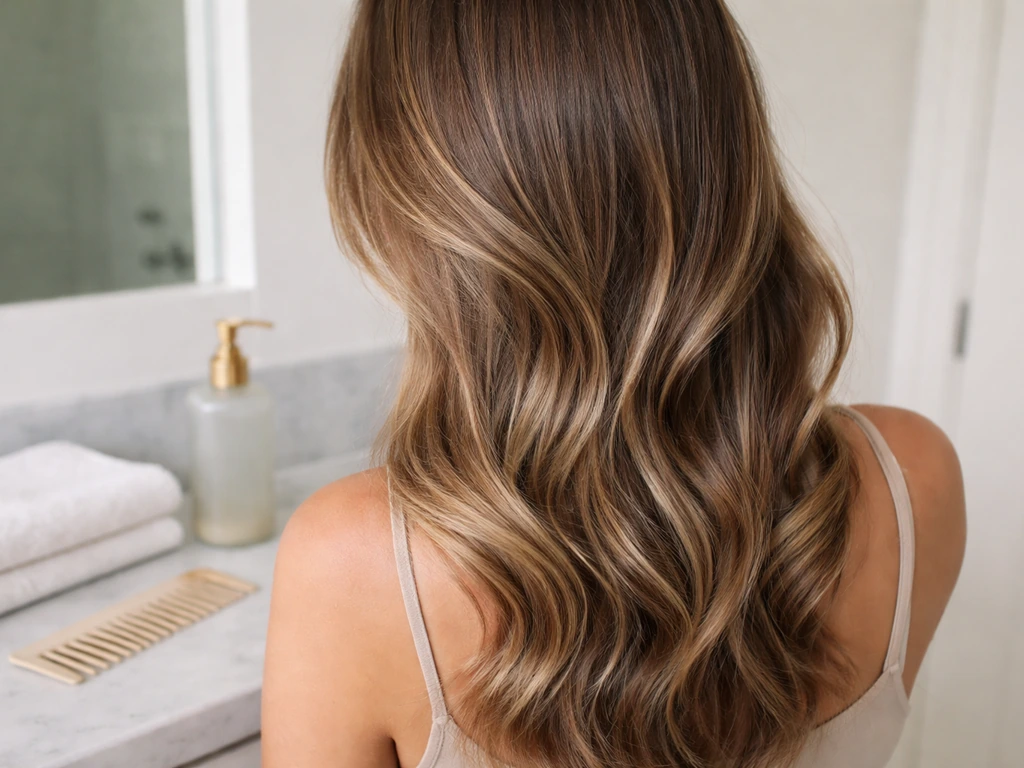
There are real, practical things you can do at each stage to keep the grow-out looking intentional instead of neglected. These aren't just "use a purple shampoo" platitudes. These are specific tools with specific timing.
- Toner refreshes every 4–6 weeks: Whether done in a salon or with a demi-permanent gloss at home, toner is the single most effective way to keep your balayage looking fresh between visits. Violet and blue-based toners neutralize the brassiness that kicks in as the original toner fades. Products like Redken Shades EQ last up to 28 shampoos, which translates to roughly 4–6 weeks of results depending on how often you wash.
- At-home gloss treatments: A clear or tinted gloss can be used every 4–6 weeks to add shine and slightly refresh tone without lifting or depositing too much. This is an easy between-appointment habit that makes a real visual difference.
- Color-depositing or toning masks: Weekly use of a color-maintaining mask (especially blonde or violet-toned formulas) can slow the pace of warmth creeping back in and keep your mid-lengths and ends looking intentional.
- Shadow root or root smudge: If the contrast at the root is really bothering you, a shadow root technique blends your natural color into the balayage transition zone, making the grow-out almost unrecognizable as regrowth. It's a salon service but a relatively simple one, and it buys you months of comfort.
- Strategic trims: Trimming the ends every 8–10 weeks removes the oldest, most faded, and potentially most damaged parts of the balayage. It keeps the color looking fresher because you're cutting off the dullest parts. This is especially useful if you're not planning a full color refresh anytime soon.
- Texture and waves: This isn't a chemical fix, but styling your hair in waves, curls, or braids visually disrupts the root-to-end contrast in a way that flat, smooth hair does not. It's one of the most underrated tools in the grow-out toolkit.
If you're specifically growing out a lighter shade and want to speed up the process, there's genuinely useful information in a guide on how to grow out highlights fast, including what actually accelerates the visible transition and what just feels like it should help but doesn't.
For those dealing specifically with warm or brassy blonde balayage growing into cooler or darker roots, the challenge of maintaining tone during grow-out has its own nuances. A guide focused on how to grow out blonde highlights addresses those specific tonal challenges in more depth.
When it's time to consider a color correction or change the plan
Most of the time, balayage grow-out can be managed with toner and styling. But there are situations where the visual result is genuinely not working and a correction or strategy change is worth considering.
The clearest sign you need more than a toner refresh is a visible banding effect: a distinct, horizontal line between your natural root color and the lightened sections that doesn't soften with styling. This typically happens when balayage was applied too high or with too much contrast, or when previous color layers have left uneven patches. A shadow root or root smudge can address mild banding, but if the contrast is dramatic, a colorist may need to do a more thorough blend using a demi-permanent color to break up the hard line. If you've been growing out brown or darker hair with highlights and are hitting this wall, reading about how to grow out highlights on brown hair will give you color-specific options that are worth discussing with your stylist.
Another reason to reassess is a shift in your hair goals altogether. Maybe you started balayage intending to stay blonde, but now you want to return to your natural color or go darker. In this case, a color correction means filling the lightened hair back in gradually, using demi-permanent color to rebuild depth without a harsh result. This is a multi-step process and almost always needs professional help. Going from heavily lightened balayage back to a natural brunette shade in one session usually ends in uneven, greenish, or muddy results. A knowledgeable guide on growing out highlighted hair addresses this transition in detail.
There's also a grey-specific scenario worth flagging. If your natural regrowth includes grey or silver strands, growing out balayage gets more layered (literally and visually). The grey sections interact differently with toner than pigmented hair does, and the transition can get complicated fast. A dedicated resource on how to grow out grey hair with highlights handles this scenario specifically, including what works and what to avoid.
The honest bottom line: balayage is one of the most forgiving color services to grow out, but "forgiving" doesn't mean maintenance-free. Toner every 4–6 weeks, the occasional strategic trim, and a willingness to adjust the plan if banding appears will get most people through the grow-out looking intentional the whole way. You don't have to cut it all off, and you don't have to keep refreshing the balayage forever. You just need a plan that fits where you actually are in the process right now.
FAQ
Does balayage always grow out smoothly, or can it still look bad as it regrows?
If your balayage was placed closer to the scalp (or lifted high for more coverage), the grow-out will show sooner and can start looking patchy earlier, even if the service is still technically “balayage.” Ask your stylist how many centimeters from the root they started the lightening and whether the blend zone was built in, that detail predicts your regrowth timeline more than the technique name alone.
My balayage looks warm, does that mean it is growing out poorly?
Balayage can lose tone even when there is little visible regrowth yet, so the first “messy” look is often from fading toner, not faster growth. If your roots are not noticeably darker or longer but your blonde looks warmer or dull, focus on toning (gloss or purple/blue wash schedule) before assuming the highlight itself is failing.
What should I ask for during my next balayage to make the grow-out easier?
If you want to minimize the awkward transition, choose placement with a longer shadow root and a softer blend, meaning the lightest pieces are concentrated farther down the hair. The more gradual the transition, the longer you can typically go between refreshes before you start seeing a distinct line with styling.
How can I tell if my grow-out needs toner only versus a color correction?
Styling can hide the transition, but it cannot fix true banding, meaning a horizontal stripe that stays visible from different angles. If the line looks the same even when hair is moved, pinned, or flipped, plan for a blend using demi-permanent color or a root smudge approach rather than relying only on waves or products.
How often should I tone at home during balayage grow-out?
You usually do not need to tone every time you wash, and over-toning can leave hair looking uneven or slightly dull. A practical approach is to start with a purple or blue shampoo once or twice weekly (or a toning gloss every few weeks), then adjust based on how quickly your hair warms.
Will trimming make my balayage grow out faster or just make it look better?
A trim helps, but it is not the same as “speeding up” balayage. Trimming mainly removes the most faded ends so the overall look stays cleaner, while the regrowth pace still controls when the root transition becomes obvious. If you are trying to avoid cutting length, consider micro-trims to remove only the roughest, most porous ends.
Can I go darker in one appointment while growing out balayage?
If you are aiming to return to your natural color or go darker, the safest transition is typically to build depth gradually with demi-permanent shadowing and repeat as needed, rather than trying to cover everything in one session. One-session “go brunette” on heavily lightened hair can turn muddy or pull green because the undertone of the blonde varies along the length.
What changes when I have grey regrowth while growing out balayage?
Yes, grey regrowth changes the look because toner behaves differently on grey or silver strands than on pigmented hair, and the blend can look patchier if toner is not customized. If you have grey coming in, bring up this specific concern and ask for a plan that addresses how the grey will interact with the remaining blonde, not just how the blonde is toned.
What are common product mistakes that make balayage grow-out look worse?
The bigger risk is choosing products that fight what your hair needs during grow-out, like using heavy conditioners or regular sulfates that accelerate brass buildup without adding any deposit. For grow-out, prioritize gentle cleansing and consistent toning, and be mindful that heat styling can make uneven warmth look more obvious by drying certain areas faster.
How do I plan my salon refresh schedule if my hair grows at an unusual rate?
Color fading can look different depending on your natural growth speed, but you can still plan around averages by tracking two things: when warmth shows up (toner timeline) and when the root area becomes visibly darker or longer (regrowth timeline). If warmth appears early, book toning sooner; if the root line appears sooner than expected, you likely had higher placement and should discuss a shadow root strategy next.