
You can't make your hair grow faster than roughly half an inch per month, but you can make the grow-out look intentional almost immediately by blending the highlight line with the right color strategy, and you can protect every inch of new growth so nothing snaps off before it gets long enough to matter. When you plan your timeline and salon visits around that, you will get a smoother, more natural grow-out as the highlights move down how to grow out highlighted hair. That combination, smarter blending plus breakage prevention, is what actually speeds things up in practice.
How to Grow Out Highlights Fast: Timeline and Tips

Marcus Vickers
20 May 2026
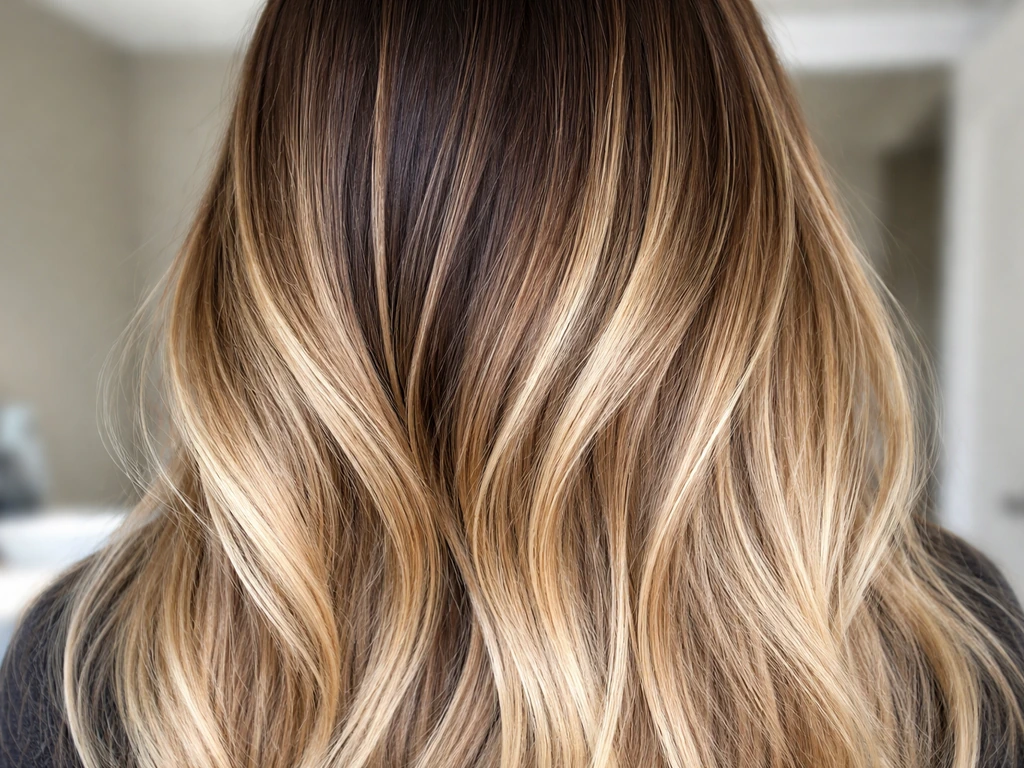
What 'growing out highlights fast' actually means

Before making a plan, it helps to be honest about the numbers. Scalp hair grows about 0.5 inches (roughly 1.25 cm) per month on average, which works out to around 6 inches per year. Some people land closer to 0.5 cm per month, others push toward 1.7 cm, but the middle of that range is what most people experience. Nothing you eat, apply, or do at the salon changes that rate in any dramatic way. What you can control is how much of that growth you keep (breakage steals length) and how visible the highlight line looks while you wait.
So there are really two timelines running at once. The first is biological: your roots will show within 2 to 4 weeks, and the highlighted sections move toward your ends at that half-inch-per-month pace. The second is visual: with the right color work, the contrast between your natural root and the highlighted length can be softened dramatically within a single salon visit, buying you 8 to 12 weeks before anything looks out of place. The goal is to manage both timelines simultaneously.
Planning your grow-out: trims, sections, and the cut-vs-wait decision
The most common mistake people make when growing out highlights is avoiding the salon entirely to preserve length. That backfires. Split ends travel up the hair shaft, and once a strand starts splitting, it breaks faster and higher, costing you more length than a small trim would have. The useful rule is: trim just enough to remove damage, not enough to reset your progress.
For most people growing out highlighted hair, a trim every 10 to 12 weeks is a reasonable cadence. You are not going in for a cut, you are going in for a dusting, which means asking your stylist to take off only what is visibly split or frayed, sometimes as little as a quarter inch. If your ends are actually healthy (possible if your highlights were done conservatively or your hair is naturally resilient), you can stretch to 12 weeks comfortably.
When to wait versus when to cut comes down to a simple check: are the highlighted ends already blended or faded toward a softer tone, or are they still sharply contrasting against your natural color? If the contrast is dramatic and your ends are fragile, a trim plus a blending color service makes more sense than waiting. If the ends are in decent condition and the color transition already looks soft (common with balayage), patience is your best tool. If you have balayage, the soft transition often makes growing it out a lot less stressful because the color blends naturally.
One useful framing: think of your hair in sections by color zone. You have your natural root, the transition zone where root meets highlight, and the highlighted length. Your goal each month is to let the natural zone grow, keep the transition zone blended, and slowly trim the highlighted zone from the bottom as length allows. You are not cutting off the highlights all at once unless your hair is already short enough that a big chop makes sense.
Blending the highlight line so the grow-out looks invisible
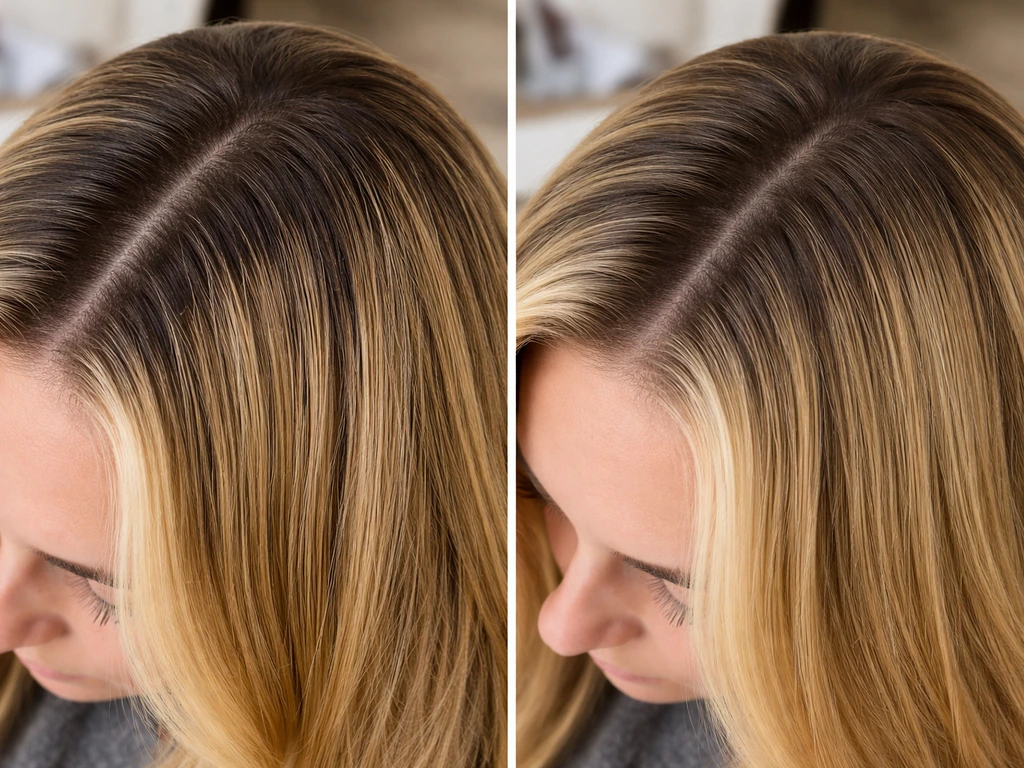
This is where you can make the biggest visual difference, fast. A sharp demarcation line between your natural root and highlighted length is the thing that makes a grow-out look messy. Blurring that line is entirely possible with a few targeted techniques.
Root smudge and shadow root
A root smudge (also called a root melt or shadow root) uses a demi-permanent color or toner applied just at the root area and blended a few centimeters down into the highlighted length. The result is a gradient that makes the line between natural color and highlights look intentional rather than grown out. Done well, it can buy you 8 to 12 weeks before you need to revisit it. Because demi-permanent color fades gradually over roughly 24 to 28 washes rather than growing out with a hard line, the effect softens naturally rather than suddenly looking wrong.
Toning and gloss treatments
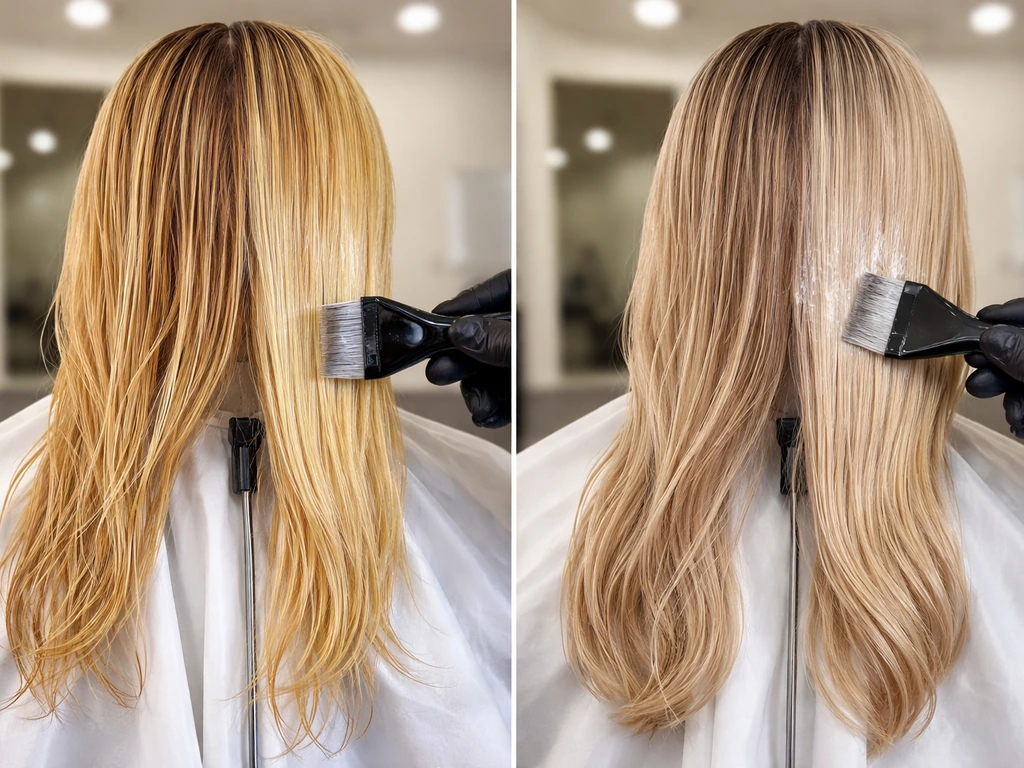
If your highlights are blonde or heavily lightened, they are likely pulling brassy or yellow over time, which actually makes the contrast with your natural root look worse. A professional toner or gloss treatment deposits cool or neutral pigment over the highlighted sections, evening out the tone across the whole length and making root-to-end variation look far less dramatic. A salon gloss typically lasts 4 to 6 weeks, sometimes up to 8 weeks with good care. At-home glosses run closer to 2 to 4 weeks. Both are worth doing between visits. If you are wondering how to grow out blonde highlights, a consistent toning and gloss plan helps keep the highlight line soft while your roots grow in.
The distinction between a gloss and a glaze matters here: a gloss penetrates slightly and lasts longer; a glaze sits on the surface and washes out faster, sometimes in a week or two. For a longer grow-out strategy, a proper gloss is the better investment.
Root-matching color
In some cases, particularly with chunky foil highlights or very high-contrast color, the most effective move is asking your colorist to apply a demi-permanent shade that matches or closely mimics your natural root tone through the mid-lengths. This is different from a root smudge because it targets the highlighted sections themselves, bringing them closer to your natural color rather than just blending the root line. It works especially well for people growing out blonde highlights on brown hair, where the contrast is stark.
Keeping your hair healthy enough to actually gain length
Highlighted hair is almost always higher porosity than uncolored hair. blank" rel="noopener noreferrer">Bleach pushes hair toward higher porosity, and later-applied color may fade rapidly or turn uneven due to uneven absorption. Hair porosity guides explain that blank" rel="noopener noreferrer">high-porosity hair cuticles are open, so hair color can take in more quickly/strongly but fades faster on overly porous hair. Bleach chemistry opens the cuticle to lift pigment, and that raised, disrupted cuticle layer absorbs moisture quickly but loses it just as fast. The practical result: highlighted hair dries out faster, tangles more, and snaps more easily under the same conditions that uncolored hair handles fine. If you are serious about growing out fast, treating the porosity issue is non-negotiable.
Moisture and protein balance
High-porosity highlighted hair needs both moisture and protein, but in the right balance. Too much protein makes hair stiff and brittle; too much moisture without protein leaves it mushy and prone to snapping. A realistic weekly routine looks like: one or two washes with a sulfate-free, slightly acidic shampoo (look for a pH between 4.5 and 6.5, which helps lay the cuticle flat), a moisturizing conditioner every wash, and a protein-containing deep treatment every two to four weeks. Bond-building treatments like those using bis-aminopropyl diglycol dimaleate (the active in Olaplex) can help restore disulfide bonds that bleach and heat have broken. They are worth using even after the color phase is done.
Heat and chemical use
Every time you use high heat or apply a chemical service to already-highlighted hair, you are compounding the porosity and damage. During the grow-out period, the goal is to reduce both. Drop your heat tool temperature to 300 to 350 degrees Fahrenheit for lightened sections (highlighted hair does not need the same heat to style that coarser, uncolored hair does), always use a heat protectant, and space out any additional color services as far apart as your blending schedule allows. Avoid overlapping bleach on already-lightened lengths.
Detangling and day-to-day handling
Rough detangling causes more breakage than most people realize, especially on porous, highlighted mid-lengths and ends. Always detangle starting from the ends and working up, using a wide-tooth comb or a flexible paddle brush on damp (not soaking wet) hair with a leave-in conditioner or detangling spray in it. Sleeping on a silk or satin pillowcase reduces friction breakage overnight, and loosely braiding hair before bed prevents it from tangling into a knotted mess that requires aggressive morning combing.
Styling through the awkward stages
Even with great blending strategies, there are stages in the grow-out where the hair just looks transitional. That is normal and worth planning for rather than fighting. The goal is to wear your hair confidently at every stage, not to hide in a ponytail until it is long enough to style normally.
Covering and minimizing contrast
Root sprays and colored dry shampoos in your natural hair color can temporarily blur the root line between appointments, especially useful in the 4 to 8 week window when roots are visible but you are not due for a toning service yet. Hair accessories like wide headbands, scarves, and clips can strategically cover the grow-out line at the crown. Parting your hair differently, particularly switching from a center part to a side part or a deep side part, shifts where the contrast falls and can make roots look much less prominent.
Blending layers and managing uneven lengths
As highlights grow down, they can create uneven-looking layers, especially if the original highlights were done on layered hair or on bangs. Texturizing the ends slightly (a point-cut trim, not a blunt line) actually helps here because it creates movement that draws the eye away from the color transition. Waves and loose curls are your best friend during the mid-growth phase: they blend length and color variation naturally, making the gradient look deliberate. Braids and twist styles work similarly well and protect hair simultaneously.
Protective styles
Low-manipulation styles (loose buns, braids, braid-outs, twists, and half-up styles) reduce daily handling and friction, which cuts breakage and lets you retain more of the length you are growing. The highlighted sections are the most fragile parts of your hair, so styles that tuck those ends away or minimize daily stress on them are especially useful in the first 6 to 12 months of the grow-out.
What to expect based on where you are starting from
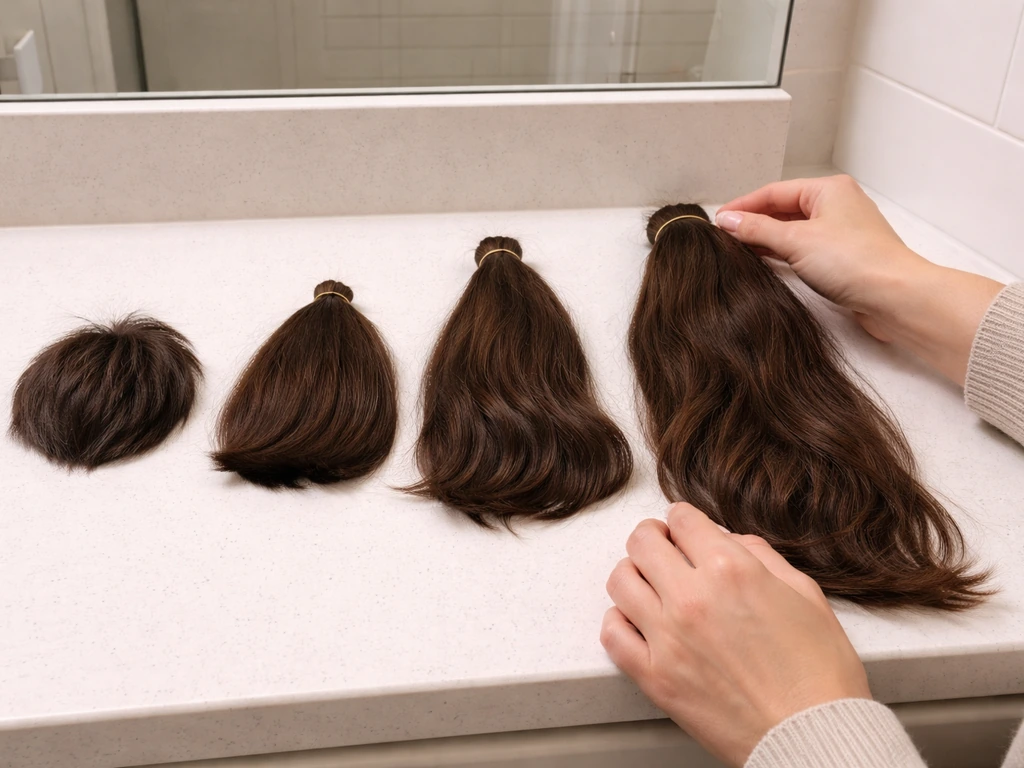
The grow-out experience varies a lot depending on your current hair length and style. Here is a realistic stage-by-stage picture of what you are working with.
| Starting Point | Approx. Time to Fully Grow Out Highlights | Key Challenge | Best Strategy |
|---|---|---|---|
| Pixie / buzz cut (under 2 inches) | 12–18 months to reach shoulder length | Highlighted tips are very close to the scalp; contrast is right at the root | Trim highlighted ends quickly as you gain length; lean into textured, tousled styling |
| Bob (chin to jaw length) | 8–14 months to reach collarbone | Line between root and highlight is mid-shaft and very visible | Root smudge early, then gradual trims every 10–12 weeks |
| Lob (collarbone length) | 6–10 months to reach shoulder-blade length | Highlights may start mid-length or at ends; contrast is manageable | Toning/gloss every 4–6 weeks, protective styles |
| Long hair (mid-back and beyond) | 4–8 months to push highlights to ends only | Waiting is mostly the strategy; breakage on fragile ends is the main risk | Deep conditioning, bond treatments, trim only split ends |
| Bangs | 6–12 months to fully blend into layers | Highlighted bangs sit directly at the face frame where contrast is obvious | Root smudge the bang area; consider growing bangs into face-framing layers |
| Undercut regrowth | 12–24 months for full regrowth depending on undercut depth | Two different growth lengths merging; color adds another layer of contrast | Keep top hair healthy and long, use layering to absorb the merge |
If you are growing out blonde highlights specifically, the contrast with darker roots tends to be the sharpest, and the blending strategies matter most. Growing out highlights on brown hair or grey hair with highlights each have their own nuances around tone-matching. Balayage generally grows out more gracefully than traditional foil highlights because the color placement is softer to begin with, so if you are heading back for any color service during your grow-out, softer placement techniques will serve you better than traditional foils.
Your ongoing maintenance schedule
A consistent schedule is what keeps the grow-out looking managed rather than neglected. Here is a practical cadence to work from, adjustable based on your hair's specific needs.
| Timeframe | What to Do | Notes |
|---|---|---|
| Every 2–4 weeks | At-home gloss or toning shampoo | Use a purple or blue shampoo if highlights are blonde/brassy; swap for a color-depositing gloss for deeper tones |
| Every 4–6 weeks | Professional gloss or toner (if budget allows) | Keeps highlighted sections fresh-looking and minimizes contrast with natural root |
| Every 6–8 weeks | Root smudge or shadow root touch-up (if using) | Demi-permanent color fades over 24–28 washes, so timing aligns naturally |
| Every 8–12 weeks | Bond treatment or protein deep condition | Adjust frequency based on how dry or elastic hair feels; more often if breakage is occurring |
| Every 10–12 weeks | Trim (dusting only) | Remove split ends without sacrificing length; communicate clearly that you are growing out |
| Every 3–6 months | Reassess color strategy with colorist | As highlighted sections move lower, you may switch from root smudge to root-matching or simply wait and trim |
As the highlighted sections move further down your lengths over time, your maintenance needs will shift. In the early months, the blending work is most important. By month 6 to 9 (for medium-length hair), you are mostly managing the ends and keeping them healthy. By the time the highlights are concentrated in the bottom few inches, strategic trimming becomes the dominant tool and color services can be spaced out or stopped entirely. That last phase is actually the easiest, even if it feels like the longest stretch.
The honest reality is that growing out highlights is a 6 to 18 month project depending on where you started. But with a root smudge in the first few weeks, a consistent toning schedule, and a real focus on keeping breakage low, the vast majority of that time your hair can look deliberate and healthy, not abandoned. You are not waiting it out, you are managing it through.
FAQ
How fast can I realistically grow out highlights, and what’s the quickest visual improvement I can get?
Hair growth is typically around half an inch per month, so the speed limit is mostly biological. The fastest “looks better” milestone is usually within 1 salon visit, using a root smudge or targeted root-to-mid blending to soften the highlight line before it becomes obviously grown out.
Will cutting my highlights off faster make the grow-out look better overall?
Sometimes, but only if the damage is already severe. If your ends are fragile or splitting, a small dusting helps prevent higher breakage, but a big removal often sacrifices more length than you need. The best decision aid is to compare how blended the transition already is versus how split the ends feel.
What should I do if my roots are showing but I’m not ready for another toning appointment?
Use a temporary root blurring tool in your natural shade between services, like a root spray or colored dry shampoo. This is especially useful in the first 4 to 8 weeks when the line is visible but you do not want to redo toner yet.
How do I avoid banding or uneven color when my highlights start moving down?
When your highlights are porous and prone to pulling warm tones, ask for toning or glossing that evens pigment across the highlighted lengths rather than just at the root line. If your hair looks patchy, that usually means pigment isn’t distributing evenly, not that your hair isn’t growing.
How often should I get a trim during highlight grow-out if I’m trying to keep as much length as possible?
A dusting every 10 to 12 weeks is a common sweet spot, but base it on what’s actually happening at the ends. Ask your stylist to remove only visibly split or frayed areas, if possible as little as a quarter inch, so you are preserving length without letting split ends travel.
Can I use heat styling and still grow out highlights quickly?
Yes, but you need to reduce compounding damage. Keep heat lower (about 300 to 350°F for lightened sections), use a proper heat protectant every time, and avoid stacking chemical services close together so the cuticle has time to recover.
What’s the best detangling approach to reduce breakage on highlighted hair?
Detangle from the ends upward on damp hair with a leave-in or detangling spray in it, and use a wide-tooth comb or flexible paddle brush. Also avoid “aggressive morning rescue” combing on already-knotted hair, since that’s when porous highlights snap more easily.
My highlights look brassy as they grow out. Should I stop blending and wait?
Usually you should not wait if the brass is making the contrast harsher. A professional toner or gloss can deposit cool or neutral pigment and keep the highlight line visually softer while your roots grow in.
Gloss, glaze, or root smudge, which one should I ask for during grow-out?
If the main problem is the root-to-highlight boundary, ask about a root melt or demi-permanent root smudge. If the highlighted mid-lengths and ends are uneven or warm, a gloss or toner is the better request. Also clarify longevity, since glosses generally last longer than glazes.
Do balayage and foil highlights grow out differently, and does that change my plan?
Yes, balayage often transitions more gently, so it can buy you more time between major blending steps. With higher contrast foil work, you may need more frequent softening at the transition zone to prevent a stark line from becoming obvious.
How do I manage the “transitional” months when the color looks awkward?
Plan styling strategies that reduce visual emphasis on the grow-out line. Parting changes (like switching to a deep side part), low-manipulation styles that tuck ends away, and waves or loose curls that blend tone variation can make the awkward stage look intentional.
What sleep and styling habits matter most if my highlighted ends keep breaking?
Use a satin or silk pillowcase to reduce friction and consider loosely braiding or twisting hair before bed to prevent tangles that require hard detangling in the morning. These steps often protect the most fragile highlighted lengths even when your salon routine is on track.
Is there a way to tell whether I should trim now or wait until the next appointment?
Yes. If ends feel rough, look visibly split, or the contrast remains sharp and fragile, trimming plus blending makes sense now. If ends feel decent and the transition is already soft, stretching to the next dusting can be reasonable.
How long does highlight grow-out usually take, and what should I expect week to week?
Most people see meaningful progress over about 6 to 18 months, depending on starting length and how fragile the ends are. Expect visible root movement in the first few weeks, then a longer mid-phase where you’re mainly managing transition and breakage, and finally a slower-to-change last phase when highlights are concentrated at the bottom.