
Yes, you can absolutely grow out balayage, and compared to traditional foil highlights, it's one of the more forgiving color techniques to transition away from. Because balayage lightener is feathered upward from the mid-lengths and ends rather than applied in foils from the root, there's no hard regrowth line at the scalp. As your natural hair grows in, the contrast builds gradually rather than all at once, which gives you a lot more flexibility in how you manage the process.
How to Grow Out Balayage: Timelines, Styling, and Color Care

Marcus Vickers
3 May 2026
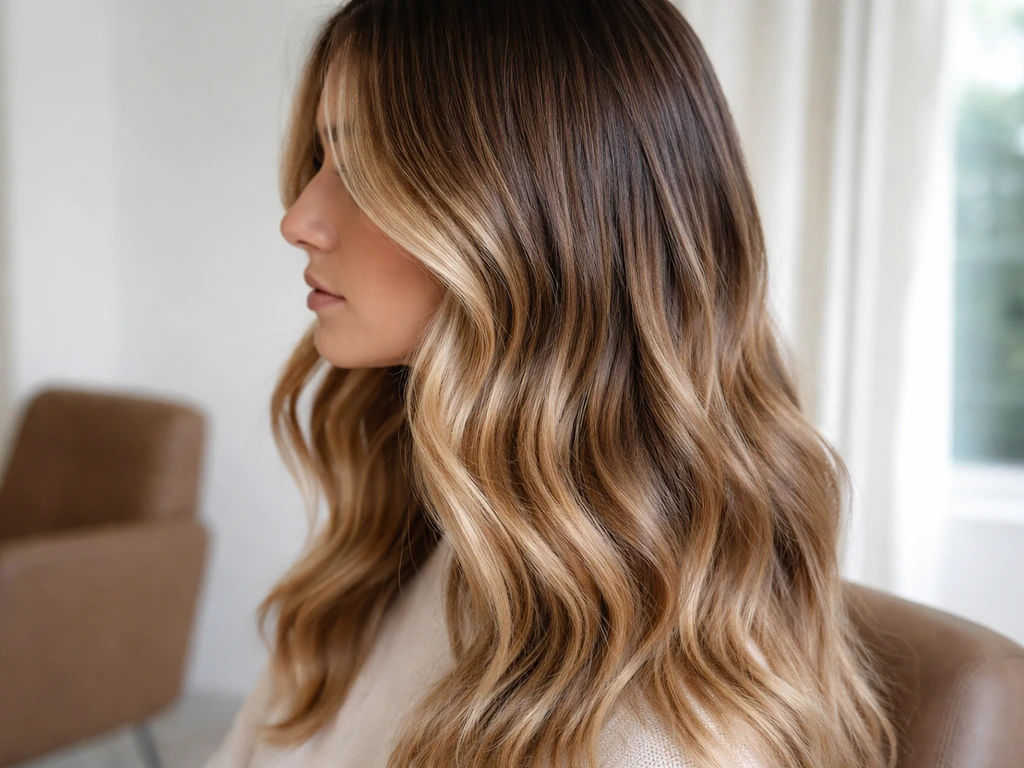
Can you grow out balayage (and what to actually expect)
The honest answer is that growing out balayage is manageable, but it does go through stages that can feel awkward if you're not prepared for them. In the first few months, you'll barely notice the grow-out because the feathered blend at the top of the color means there's no obvious line of demarcation. That's one of the biggest reasons people choose balayage in the first place. As months pass, the lighter pieces drift further from your scalp and the contrast between your natural root color and the lightened lengths becomes more visible. If you want a closer match to the end goal, you may also find it helpful to read about how to grow out highlights on brown hair, since the contrast behavior and styling choices overlap during the early stages grow-out. If your natural color is significantly darker than your balayage, this contrast phase is the trickiest part to style confidently. But here's the good news: it's very workable, and most people can navigate it without going back to the salon more than once or twice during the whole grow-out.
What affects how obvious the grow-out looks comes down to a few things: how much lift was used in the original balayage (heavy platinum pieces will contrast more than a soft caramel), how dark your natural color is, where on your head the color was placed, and how fast your hair grows. Coarser or denser hair sometimes shows the contrast a bit more starkly, while finer hair tends to blend a bit softer as it transitions.
Growing timelines: how long does balayage actually take to grow out
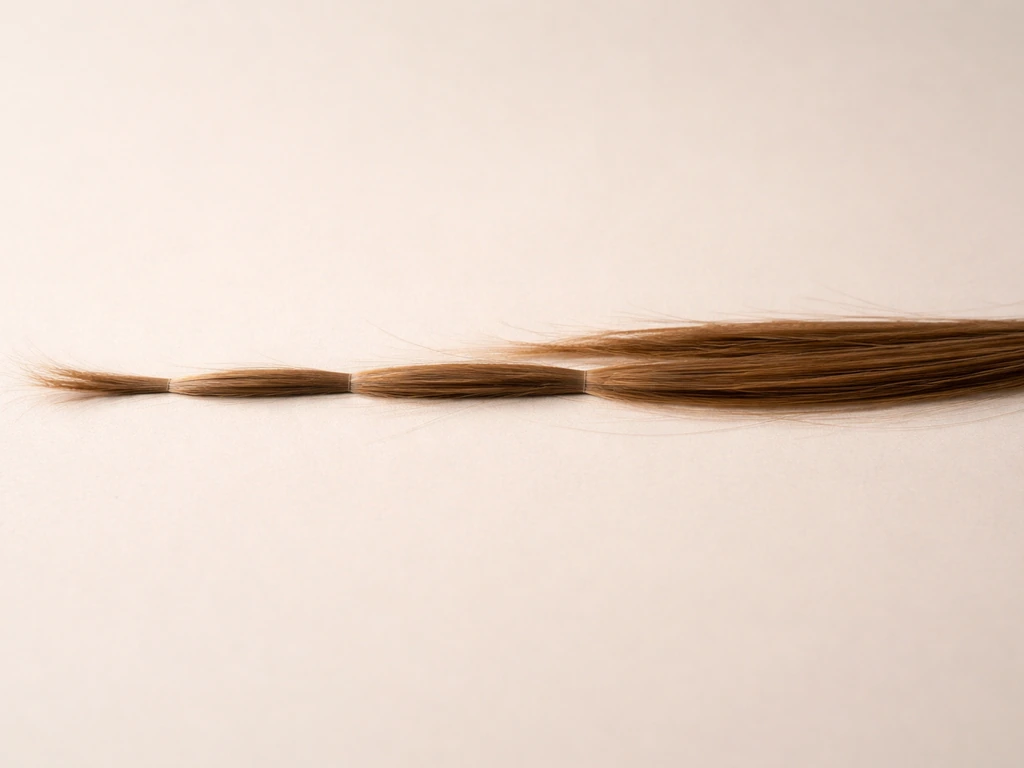
blank" rel="noopener noreferrer">Hair grows roughly half an inch per month on average, which works out to about 6 inches a year. That number is a starting point, not a guarantee. Some people clock closer to a centimeter a month, and individual growth rate can vary depending on health, nutrition, and genetics. MedlinePlus notes that blank" rel="noopener noreferrer">healthy hair typically grows about half an inch in roughly a month. What this means practically is that after 6 to 8 weeks, you'll typically have about an inch of natural color at the scalp before the lightened sections begin. At that point the grow-out is just starting to become noticeable, especially if your natural color is on the darker side.
| Stage | Approximate Timeframe | What You'll See | Main Challenge |
|---|---|---|---|
| Fresh balayage | Weeks 1–6 | Soft, blended color with no visible roots | None, enjoy it |
| Early grow-out | Months 2–3 | About 1 inch of natural color at roots, soft contrast | Minimal, still blended |
| Mid grow-out | Months 4–7 | 2–3 inches of root growth, noticeable contrast between root and lightened lengths | Styling around the contrast zone |
| Late grow-out | Months 8–12 | 4–6 inches of regrowth, lighter pieces concentrated at ends | Deciding whether to trim off color or blend it further |
| Mostly grown out | 12–18+ months | Natural color dominates, balayage mostly at ends or gone | Managing uneven texture or porosity at ends |
If your balayage was placed starting at the mid-shaft (common for shorter applications), the timeline compresses. If it started closer to the root or was a heavy full-head application, expect the contrast phase to last longer. Either way, patience is the most underrated tool here.
Haircut choices that actually help (without sacrificing length)
If you're trying to grow out balayage while also keeping as much length as possible, the goal is to do the minimum necessary to keep the ends healthy without cutting off the length you've been growing. Here's how to think about it:
Micro-trims every 10–12 weeks
Taking off just a quarter inch to half an inch every couple of months removes split ends and keeps the texture consistent without noticeably shortening the overall length. This is especially important if your balayaged ends are porous or feel dry, because damaged ends will make the grow-out look scrappier than it needs to.
Layers to soften the line
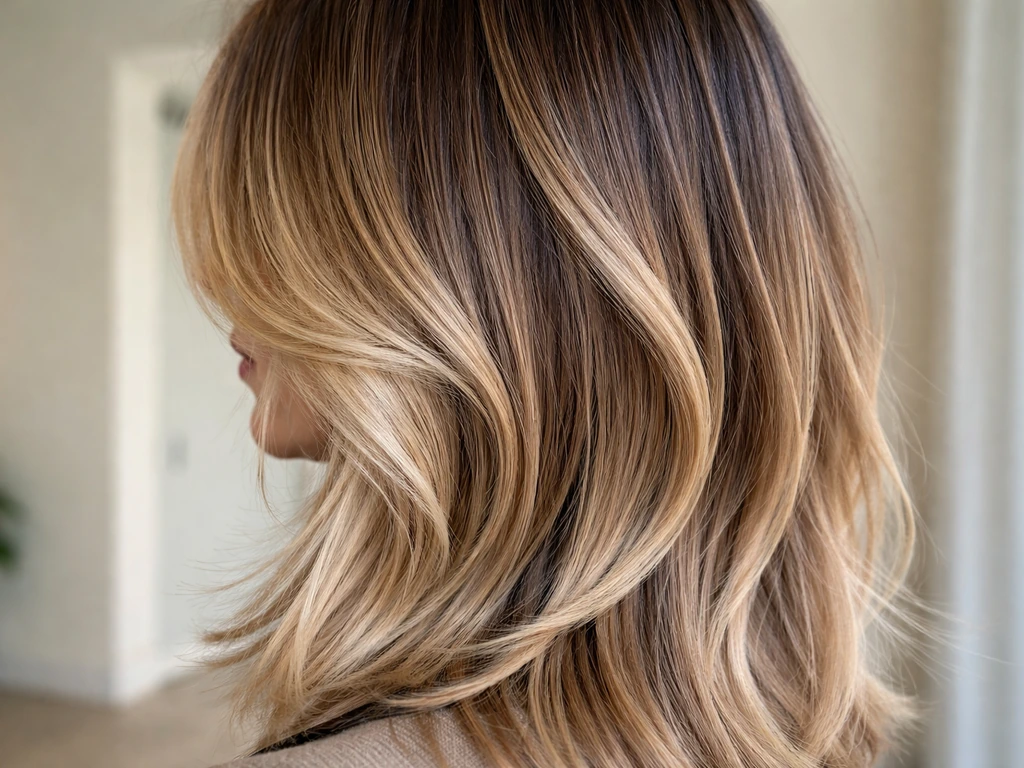
Adding or refreshing soft layers during the grow-out is one of the most effective tricks available. Layers break up the visual demarcation zone (the area where natural root color meets the lightened lengths) by introducing movement and dimension throughout the hair rather than letting it sit as a flat two-tone band. Ask your stylist for face-framing layers or soft interior layers rather than heavy graduation, which can look choppy during a color transition.
What to avoid
- Blunt, one-length cuts that emphasize the contrast zone by making the color line sit at a hard horizontal
- Heavily texturized or razor-cut ends if your balayaged hair is already porous, as it increases dryness
- Dramatic trims to 'start fresh' unless you genuinely want to go short, since this removes months of growth without solving the root-to-end contrast
Managing color during the grow-out (tone, brassiness, and how much upkeep you actually need)

One of the most common frustrations during a balayage grow-out is watching the lighter pieces shift warm or brassy, especially as they fade and your hair is exposed to water, heat, and sunlight over months. You have a spectrum of options here, from doing absolutely nothing to light toning maintenance, and the right choice depends on how bothered you are by warmth.
Let it fade naturally (the easiest path)
If your balayage was on the warmer side to begin with (honey, caramel, or bronze tones), natural fading may actually work in your favor. Warm tones tend to look more sun-kissed as they soften, and the grow-out blends more harmoniously with darker roots. If this describes your situation, a good purple or blue shampoo used every couple of weeks can keep the tone from going too orange without requiring salon visits.
Glosses and glazes for tone maintenance
A gloss (a demi-permanent color service) or a glaze (a shine-boosting toner) can refresh the tone of your lighter pieces without touching the roots. These typically last about 4 to 6 weeks before fading, and when used between appointments they can extend the life of your balayage tone by 2 to 4 weeks. At-home options like color-depositing masks (Wella's Color Fresh Mask is a commonly recommended one) work in about 10 minutes and let you adjust tone between salon visits without commitment or damage. Just match the shade carefully to your existing tone, and apply only to the lightened sections, not the root area, to avoid muddy results.
Dealing with a visible band or line
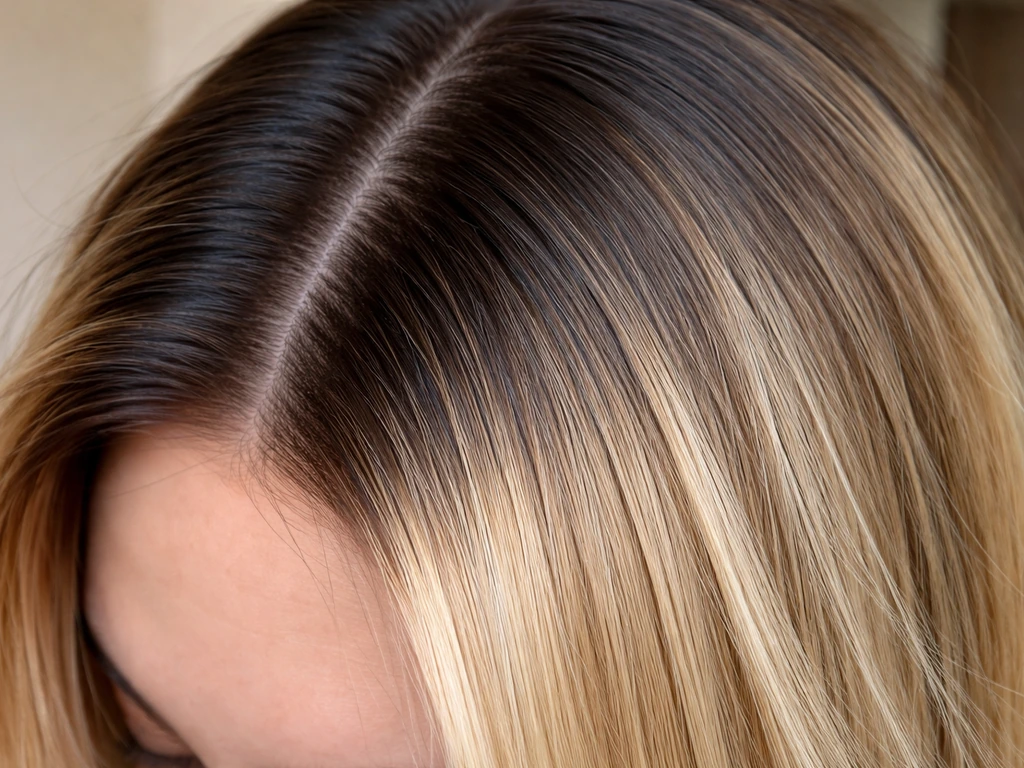
If a distinct two-tone band forms between your roots and your lightened lengths, that's called banding, and it's the grow-out stage most people want to fix first. A root smudge or root shadow (a demi-permanent color applied directly at the root line and feathered down) is the most effective way to soften this. It blends the natural root color into the lightened sections so the transition looks intentional rather than grown-out. This is a salon service worth doing once during a long grow-out if the contrast is driving you crazy. Trying to correct true banding at home with box color or toner is risky and can create more unevenness, so this is one to leave to a professional.
Color-safe care that makes a real difference
- Switch to a sulfate-free shampoo to slow tone fading in the lightened sections
- Use a purple or blue shampoo once every 1–2 washes if brassiness is an issue, but no more or it can over-tone to grey or violet
- Deep condition weekly, especially on the mid-lengths and ends, which are more porous from the lightening process
- Rinse with cool water when possible to help close the cuticle and extend color life
Styling through the awkward stages (specific tips for each phase)
The hardest part of growing out balayage isn't the color itself, it's the 4-to-8-month window where the contrast is at its most obvious and nothing seems to style the way you want. Here's how to work with it rather than against it.
Months 2–4: embrace the contrast
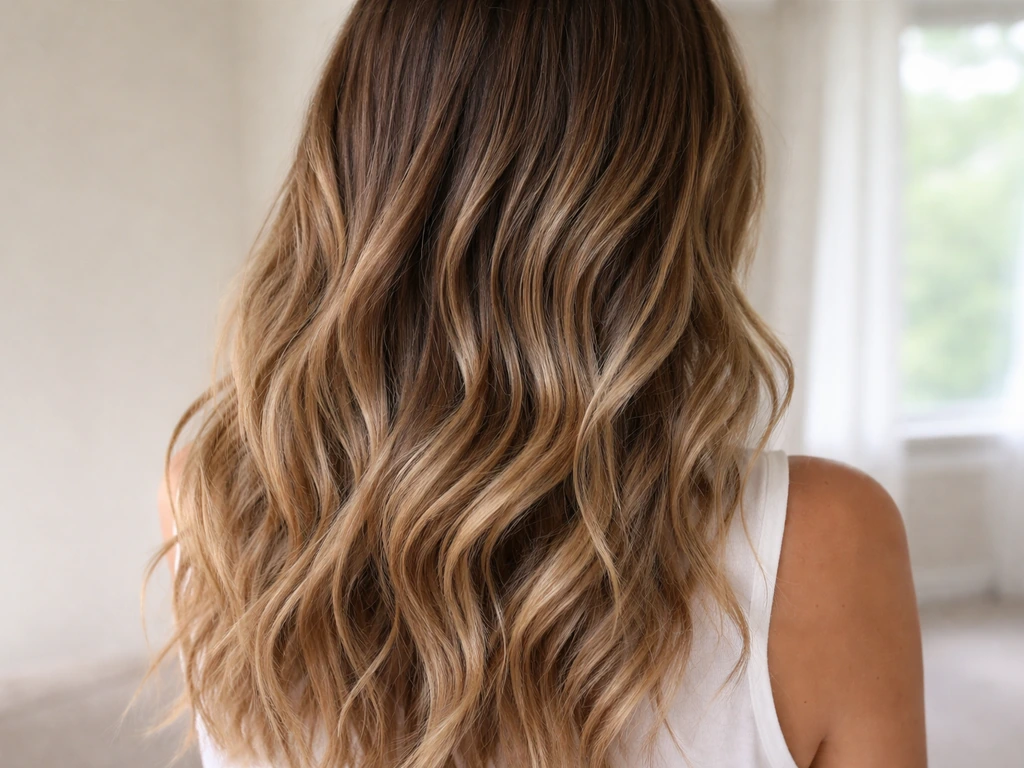
At this stage the grow-out actually looks quite intentional if you style with texture. Loose waves and beachy texture are your best friends because they scatter the contrast zone across the hair instead of letting it sit as a flat line. A texturizing spray or salt spray applied to damp hair and scrunched before air-drying does most of the work here. Braids and half-up styles also move the eye away from the root area.
Months 5–8: working with the contrast band
This is the most genuinely awkward phase. The band between your natural root color and the lighter lengths is at its widest and most visible. Loose, low buns and tucked styles that keep the transition zone hidden are a practical daily go-to. When you wear your hair down, waves continue to be the best camouflage. Avoid sleek blowouts or super-straight styles during this period as they put the two-tone contrast on full display. If the contrast really bothers you, this is the moment to consider a single root smudge appointment at the salon.
Months 9–14: nearing the finish line
By this point the lighter pieces are sitting mostly at the ends, and if your hair is medium or longer length, you may be able to trim them off entirely with a relatively minor cut. Alternatively, you can keep going and let the ends fade further with natural washing and sun exposure. Hair at this stage benefits from regular deep conditioning because the ends have had the longest exposure to heat, lightener, and time. Styling is easier now because the natural root color dominates and the lighter ends read as sun-kissed dimension rather than obvious color.
When to go back to a stylist vs. keep growing on your own
You don't need a stylist for every stage of this process, but there are specific moments where a single appointment makes a significant difference to how confident you feel during the grow-out.
| Situation | What to do |
|---|---|
| Soft grow-out with minimal contrast (warm balayage on a warm natural base) | Go solo. Gloss at home, trim every 10–12 weeks, style with texture. |
| Strong contrast band forming between root and lightened lengths | One salon appointment for a root smudge or root shadow to soften the line. |
| Brassiness becoming orange or yellow in the lighter pieces | Try at-home purple shampoo and a color-depositing mask first. If that doesn't fix it, a toning gloss at the salon will. |
| Uneven grow-out (some sections lighter or patchier than others) | See a stylist. Correcting uneven grow-out with selective lowlights or babylights is much safer in-salon than at home. |
| Ends are very damaged or porous from the original lightening | A trim to remove the worst of the damage, plus a bonding treatment at the salon, will make the remaining grow-out much more manageable. |
| You're ready to go fully natural and remove all the color | Depending on how long you've grown it, a stylist can use lowlights to blend remaining lightened pieces, or a final trim can take off the last of the color at ends. |
The overall principle is this: one strategically timed salon visit during a 12-to-18-month grow-out, usually around the 4-to-6-month mark when contrast is at its peak, can carry you comfortably through the rest of the process on your own. If you want to grow out highlights fast, the same principles apply: focus on gentle blending, protect your ends, and get strategic salon help only when the contrast gets hardest grow out highlights fast in your 12-to-18-month timeline. You don't need to be in the salon chair every 6 to 8 weeks the way traditional foil highlights often require.
Balayage vs. traditional highlights: does the grow-out really differ
It genuinely does. Traditional foil highlights applied from the root create a hard line of demarcation as they grow out, which is why most stylists recommend retouching every 6 to 8 weeks. Balayage, with its feathered placement starting at the mid-shaft, naturally blends into the scalp area, so the grow-out is much softer by design. If you're comparing your situation to someone growing out foil highlights, expect your process to be more forgiving and require fewer touch-ups. If you’re specifically trying to grow out blonde highlights, the same contrast rules apply, just adjust your plan based on how intense your lift was and where the lightest pieces start foil highlights. The sibling challenge of growing out highlighted hair more generally, or managing blonde highlights specifically as they grow, follows similar logic but is typically more maintenance-intensive if the placement started closer to the root.
A simple plan to start today
- Assess where you are in the grow-out. Is the contrast just starting, at its peak, or mostly at the ends?
- Switch to a sulfate-free shampoo and start using a purple or blue shampoo if any brassiness is showing.
- Book a micro-trim if your ends are dry or split, and ask about adding soft layers to break up the contrast zone.
- If you're in the peak contrast phase (months 4–8), consider a single root smudge appointment at the salon.
- Use a color-depositing mask every 1–2 weeks to maintain tone without a full salon visit.
- Style with texture (waves, braids, buns) to keep the transition looking intentional rather than neglected.
- Set a realistic timeline: expect 12 to 18 months to be mostly or fully grown out, depending on your starting length and how much you trim.
FAQ
What should I do if my balayage grow-out suddenly looks “banded” or like a harsh stripe?
If your scalp feels dark and the color change starts suddenly, it usually means the original placement or lift was higher than expected. Ask your stylist for a root smudge or root shadow at the line where the contrast starts, and request a soft, demi-permanent deposit that feathers downward rather than a heavy line-setting application.
How do I keep my balayage from getting brassy while I’m growing it out?
Treat the lighter lengths as color-treated hair, even when the roots are natural. Use a sulfate-free shampoo, wash with lukewarm water, and apply a leave-in conditioner or heat protectant every time you use hot tools, because heat speeds fading and makes warmth show up earlier.
Can I use color-depositing masks or toner during the early grow-out stage, or should I wait?
Yes, but match your goal to the stage. If you are still in the awkward mid-stage, prioritize layers and texture over glossing, then consider a toner only after your hair is mostly at the same length band you want to unify. Multiple toners too early can cause unevenness when different strands fade at different rates.
What’s the safest way to apply at-home toning products so I don’t muddy my roots?
Avoid applying any color-depositing product to the root area unless you intend to change it. Apply only to the already-lightened sections (mid-lengths and ends), and do a strand test first because depositing formulas can turn very light hair gray or very porous hair patchy.
My balayage ends look uneven and a bit darker now, should I lighten again?
If you had darker, more saturated balayage, you might be tempted to “lift it back” to blonde, but that can cause more damage at the ends and create a wider contrast gap later. A safer approach is usually toning and moisture first, then reassess with a stylist after a few months of gentle care.
How often should I trim while growing out balayage without losing my length goal?
If you’re aiming to keep as much length as possible, you can still trim selectively. Focus on snipping only the most split or dry ends (often a quarter inch to half an inch), and keep the perimeter shape so the blend area stays connected while you wait for the roots to catch up.
Does the grow-out timeline change depending on where the balayage started on my hair?
If your balayage is placed at mid-shaft versus closer to the root, the “peak awkward” window moves. As a quick rule, higher placement shortens the peak stage, while lighter pieces that start nearer the crown keep the contrast zone visible longer, so schedule your one strategic salon appointment accordingly (often around the mid-point of your grow-out plan).
What hairstyles work best specifically when the contrast is most visible at the front?
Braids, half-up styles, and loose waves help most when they physically separate the transition zone from direct front-facing viewing. For extra coverage, keep the part slightly off-center and try a shorter front layer framing angle so your eyes are drawn to the shape rather than the color boundary.
Why does straightening make my balayage grow-out look worse, and what’s a better alternative?
Try to avoid heavy straightening during the peak contrast phase, because sleek styles reveal the two-tone line. Instead, use heat styling sparingly, opt for soft bends, and let your texture product create a consistent ripple so the blend looks intentional even as it grows.
What if my ends are very porous, and tone won’t hold evenly?
If your hair is extremely porous (often from higher lift), toning can fade fast and sometimes collect unevenly. In that case, ask for a conditioning gloss or a toner that includes conditioning, and keep a lighter, more frequent at-home mask routine rather than one intense treatment.
When is the best time to get a root smudge during my balayage grow-out?
A single root smudge can help, but only when it targets the right height. If your “line” moves after a wash, wait until it stabilizes, then ask the stylist to feather the deposit to match your natural undertone so it doesn’t look like new regrowth.