
Growing messy long hair is less about achieving a precise style and more about letting your hair develop texture, volume, and natural movement while keeping it healthy enough to actually get there. The process takes roughly 18 to 36 months depending on your starting length, but you can start creating that tousled, lived-in look at almost every stage along the way with the right products and a low-manipulation routine.
How to Grow Messy Long Hair: Timeline and Routine

Marcus Vickers
27 May 2026

What 'messy long hair' actually looks like

The messy long hair look is not unkempt or neglected. It is tousled, piecey, and lived-in, with visible strand definition and volume that sits mostly at the roots and mid-lengths rather than being slicked smooth from root to tip. Think of someone who stepped out of the ocean or slept in a good way. There is a slight undone quality to it, but the hair itself looks healthy and full.
In terms of length, most people picture this look starting around collarbone length (roughly 12 to 14 inches from the scalp) and extending down to chest or mid-back. That range is where natural movement and weight really start working together to create the layered, fell-apart-perfectly quality that makes messy hair look intentional rather than just un-styled.
Texture matters more than anything else here. Wavy, loosely curly, or even straight hair with some natural variation can pull this look off. People growing out wavy hair may find they are closer to this aesthetic already, since natural wave pattern adds the separation and volume that straight hair sometimes needs a product boost to create. If you are starting with very fine, straight hair, expect to lean more heavily on product and technique to build that piecey quality.
Start here: assess what you are working with
Before you commit to a growth plan, take five minutes to honestly assess your hair type, current length, and damage level. These three factors will shape every decision you make from washing frequency to which products to buy.
Figure out your hair's porosity and texture
Porosity tells you how well your hair absorbs and retains moisture, which directly affects which conditioners and leave-ins will actually work for you. The simplest test is the spray test: spritz a small section of clean, dry hair with water and watch what happens. If the water beads up and sits on the surface for 10 or more seconds, you likely have low porosity hair. If it absorbs almost immediately and the strand looks wet within a second or two, you have high porosity hair. High porosity hair is more common in color-treated or heat-damaged hair and needs heavier moisture support. Low porosity hair can get weighed down easily and does better with lightweight, water-based products.
Check for damage before you commit to a growth plan
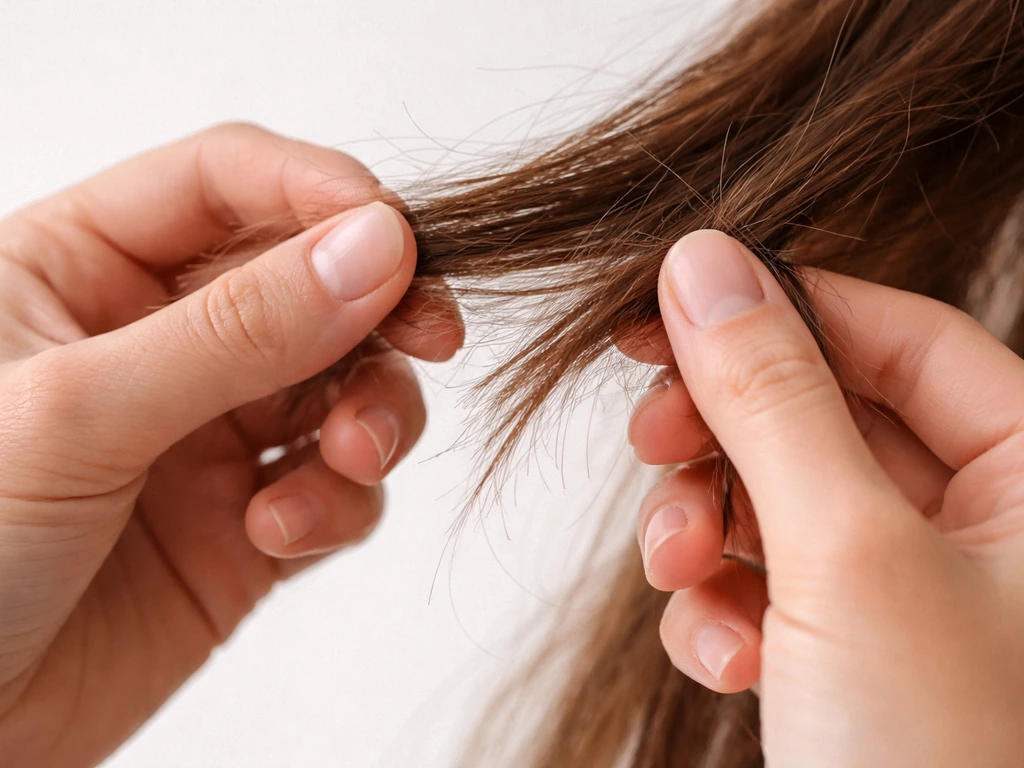
Run your fingers through the ends of your hair. If they feel rough, tangle easily, or break when you pull gently, you have damage that will work against you during the growth process. Split ends travel upward over time, meaning damaged hair can break faster than it grows. If you have more than an inch or two of significant damage, consider a clean trim before you start growing seriously. You will lose a little length now but gain a lot more later.
If you are also dealing with a scalp that feels oily, flaky, or itchy, do not ignore it. Mayo Clinic notes that an oily, scaly, and itchy scalp presentation is consistent with seborrheic dermatitis, which is commonly referred to as dandruff and can cause scalp flaking and oily areas blank" rel="noopener noreferrer">oily, flaky, or itchy scalp. An irritated or unhealthy scalp slows growth and makes some products intolerable. Symptoms like excess oil combined with flaking or scaly patches can sometimes point to blank" rel="noopener noreferrer">seborrheic dermatitis, a common and manageable condition tied to yeast overgrowth on the scalp. If that sounds like you, it is worth checking with a dermatologist before loading up on heavy oils or scalp treatments that could make it worse.
Build a routine that actually grows your hair
Hair grows roughly half an inch per month on average, so what you do consistently over months matters far more than any single product or treatment. The goal of your routine is to protect what you are growing, feed the scalp, and minimize the breakage that would otherwise cancel out your gains.
Washing: less is usually more
If you are currently washing every day, try pulling back to every other day or three times a week. Daily washing strips natural oils that coat the hair shaft and provide some protection against breakage. For most people, 2 to 3 washes per week is the sweet spot. If your scalp tends to run oily, dry shampoo at the roots between washes can help you extend wash days without buildup reaching the lengths.
Conditioning: where to focus and what to skip
Condition from mid-length to ends every single wash. This is non-negotiable during a growth phase. Skip the roots entirely with conditioner unless your hair is extremely dry, because adding too much moisture at the scalp can contribute to buildup and weigh down new growth. Once or twice a month, swap your regular rinse-out conditioner for a deep conditioning mask and leave it on for 15 to 20 minutes under a shower cap. This is especially important if you have color-treated or heat-damaged hair.
Scalp care: the part most people skip
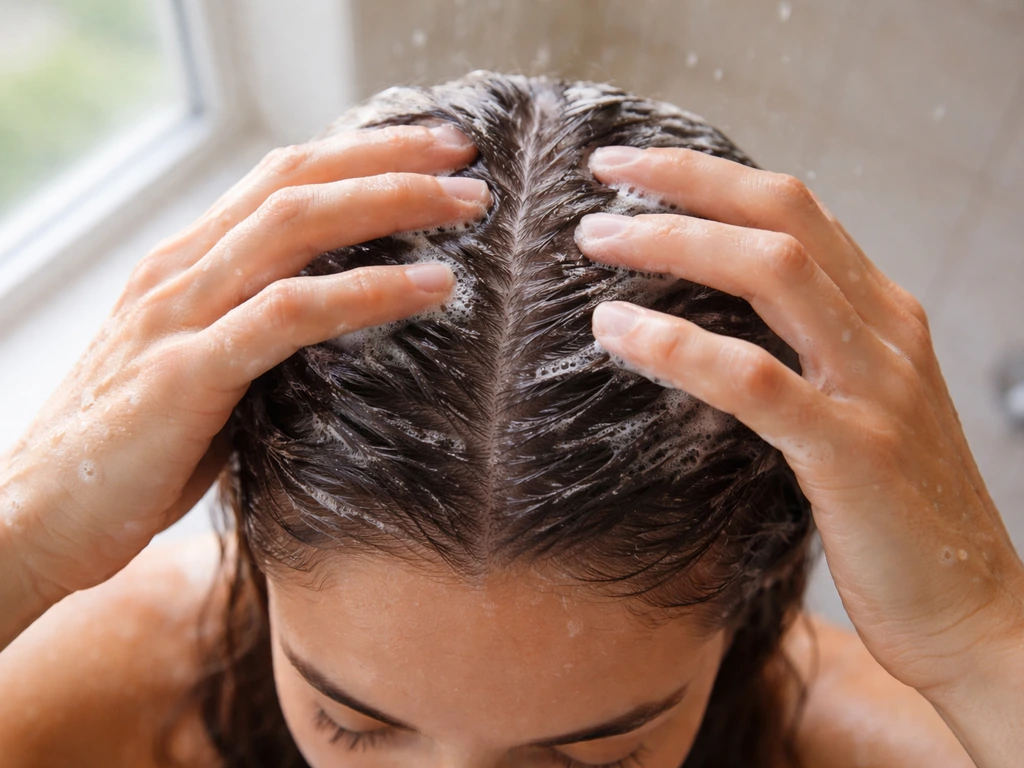
Scalp health drives growth more than any supplement or serum you can buy. A light scalp massage for 3 to 5 minutes while shampooing increases blood flow to the follicles and removes buildup that can clog them. You do not need a special tool, just your fingertips with gentle pressure. If you use a lot of texture spray or dry shampoo (and you will during this growth phase), add a clarifying shampoo once every two to three weeks to fully reset the scalp and prevent residue from dulling your hair or irritating your skin.
Detangling: the single biggest breakage prevention habit
Always detangle from the ends upward, not from the root down. Starting at the root and dragging a brush through knots is one of the fastest ways to cause breakage and setback. Use a wide-tooth comb or a soft paddle brush on damp, conditioned hair (not soaking wet), and work in sections if your hair is thick or prone to tangling. Budget an extra three minutes here and you will notice significantly less shed and breakage over the following weeks.
How to style messy texture at every awkward length
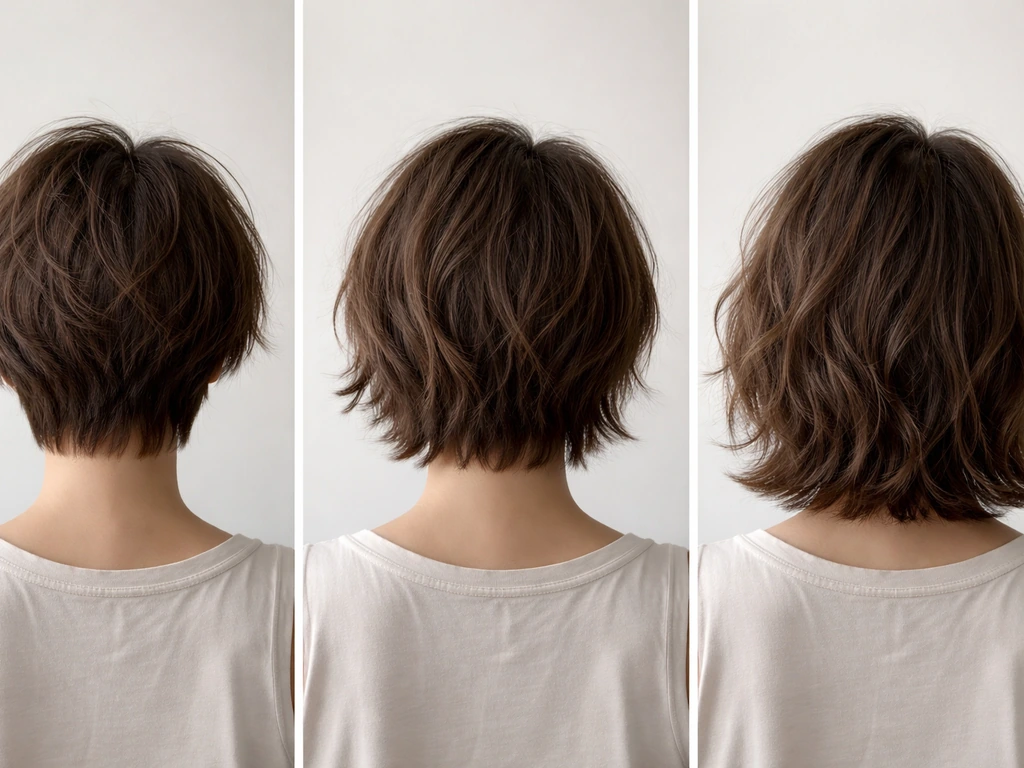
The hardest part of growing messy long hair is the middle stage, roughly chin to shoulder length, where hair is too long to look styled short and not long enough to fall with natural movement. Here is how to handle each phase without looking like you are stuck between cuts.
Short to chin length (under 4 inches)
At this stage, messy texture is actually your easiest option because short hair holds product well. A small amount of matte clay or fiber paste worked through the lengths and ends gives you piecey separation without stiffness. Finger-style rather than comb through for a more natural, undone result. If you are growing out a pixie or buzz cut, this is the stage where uneven growth between the top and sides starts to feel annoying. Resist the urge to even it all out with a full cut. A light tidy-up on the sides only, keeping the top length intact, is enough to keep things looking intentional.
Chin to shoulder length (4 to 8 inches)
This is the awkward zone for most people. Hair is too heavy to style short but not long enough to tuck behind the ear or pull back convincingly. Sea salt spray is your best friend here. Apply it to damp hair, scrunch upward, and let it air dry or use a diffuser on low heat.
The salt formula adds grip and separation that makes hair look purposefully textured rather than just grown out. If you have naturally wavy hair, this length is actually where your texture starts working for you rather than against you. If your waves are already forming, you can use the same low-manipulation routine and texture-focused styling to learn how to grow hair out from waves without losing definition.
Shoulder to collarbone (8 to 12 inches)
Here is where the messy look becomes genuinely achievable without a lot of effort. Hair has enough weight to move naturally and enough length to show texture. At this stage, try applying a light curl cream or texture mousse to damp hair, rough-drying with your fingers for 60 to 90 seconds, then leaving it alone to finish air drying. The less you touch it while it dries, the better the natural texture comes through.
A few face-framing pieces pulled forward and loosely separated with your fingers can create that piecey quality that defines the messy long hair aesthetic. If you specifically have wavy hair and want more defined waves while you grow them out, you can apply a light curl cream or texture mousse and scrunch on damp hair.
Collarbone and beyond (12 plus inches)

Once you hit collarbone length and longer, the look mostly manages itself with the right product base. Your job now is maintenance and refinement rather than fighting the length. Lightly layered ends at this stage add the movement and volume that prevent the hair from looking flat or boxy. A tousled braid overnight or beach waves with a 1-inch wand give you texture that lasts several days and gets better with each day, exactly the lived-in quality the messy look is built on. If you want to learn how to grow waves naturally as your hair lengthens, focus on the routine and styling steps that encourage that texture over time beach waves.
Products and tools that actually build the look
You do not need a full shelf of products. A focused selection of three to five items will handle every stage of this growth process.
| Product type | Best for | Hold/finish | When to use |
|---|---|---|---|
| Sea salt spray | Adding texture, pieciness, and wave | Light, matte | Damp hair at chin to collarbone lengths and beyond |
| Matte clay or paste | Separation and definition on short to mid lengths | Medium, matte | Short to chin length, fingered through dry or damp ends |
| Texture mousse or foam | Volume and wave without stiffness | Light to medium | Shoulder to collarbone lengths, applied to damp hair |
| Deep conditioning mask | Moisture and breakage protection | None (rinse out) | Once or twice a month throughout all growth stages |
| Clarifying shampoo | Removing product buildup from scalp and lengths | None | Every 2 to 3 weeks, especially if using texture products regularly |
| Leave-in conditioner (lightweight) | Daily moisture protection and detangling | None to very light | Damp hair before styling, especially on high-porosity hair |
On heat tools: you do not need them to achieve messy texture, and using them less often is genuinely better for a growth goal. If you do use heat, a 1-inch curling wand or flat iron on low-to-medium heat (below 375°F for most hair types) with a heat protectant spray before styling is the safest approach. Diffusing on low heat is a better everyday option than a round brush blow-dry because it encourages natural movement instead of smoothing it out.
Avoid anything labeled as a smoothing spray, gloss serum, or shine oil when you are going for the messy look. These products are designed to eliminate the texture you are trying to build. Save them for formal occasions and stick to matte, piecey finishes for your everyday style.
Realistic timeline: what happens when
Hair grows roughly half an inch per month on average, which works out to about 6 inches per year. That said, individual growth rates vary, and how much length you actually retain depends heavily on breakage. Here is an honest stage-by-stage breakdown of what to expect.
| Timeframe | Approx. length gained | What you will notice | Biggest challenge |
|---|---|---|---|
| Months 1 to 3 | 1 to 1.5 inches | Slight softening of a short cut; new growth visible at parts and edges | Uneven growth between sections; urge to cut |
| Months 3 to 6 | 2 to 3 inches total | Chin-length range approaching; texture products start making a real difference | Awkward length that does not style neatly short or long |
| Months 6 to 12 | 4 to 6 inches total | Shoulder-length range; natural movement and wave become visible | Weight flattening natural texture; managing layers growing out |
| Months 12 to 18 | 6 to 9 inches total | Collarbone length; messy look becomes genuinely easy to achieve | Ends getting dry or splitting; need for strategic trims |
| Months 18 to 30 | 9 to 15 inches total | Chest to mid-back; full messy long hair range | Maintaining shape without losing length; color regrowth if applicable |
The lived-in messy aesthetic starts to look truly intentional around the shoulder-to-collarbone stage for most people, which is roughly 8 to 14 months of growth from a pixie or buzz cut, and as few as 4 to 6 months from a short bob. Getting to the full chest-length version of the look takes most people 18 to 30 months total depending on their starting point and how much length they lose to damage or necessary trims.
One thing worth knowing: hair sheds naturally every day, somewhere between 50 and 200 hairs depending on the individual. Seeing hair in your brush or on the shower floor is not a sign your growth plan is failing. It only becomes a concern if daily loss dramatically increases over several weeks or if you notice visible thinning. If that happens, check with a doctor before assuming a product issue.
Once you are there: keeping the messy long look
Reaching your length goal does not mean you stop paying attention. The messy long hair look actually requires regular, light maintenance to stay looking deliberate rather than just neglected.
Trims: less than you think, more often than you want
Once you are at your target length, a trim of about a quarter to half an inch every 10 to 12 weeks is enough to remove split ends before they travel upward and cause breakage. You do not need dramatic cuts. If your stylist routinely takes off an inch or more when you ask for a trim, be specific: say 'dust the ends only' and confirm the length before they start. The goal is to maintain shape, not reset it.
Layering strategy for movement and shape
Light face-framing layers and soft, long layers through the body of the hair are what make long hair look messy in a good way rather than flat or one-dimensional. Ask for long layers that start below the chin, not a lot of short layers that create a triangular shape when the hair dries naturally. Curtain bangs or face-framing pieces that fall to cheekbone or jaw length add the piecey front texture that defines the look without committing to a full fringe.
Color and dyed hair: what changes
If you have color-treated hair, especially bleached or lightened sections, your maintenance routine needs to be more moisture-focused. Color-treated hair has higher porosity, meaning it loses moisture faster and needs more frequent deep conditioning (weekly rather than monthly). Use a color-safe, sulfate-free shampoo as your regular wash and reserve the clarifying shampoo for once a month instead of every two to three weeks, since sulfate-based clarifiers can fade color quickly. If you are growing out a color entirely, the natural regrowth line can actually add to the messy, layered look when it is managed well. Ask your stylist about blending techniques like babylights or toning that soften the line of demarcation without requiring a full recolor.
Your next steps starting today
You do not have to wait to start. Here is what to do this week to set yourself up for success.
- Do a quick porosity check with the spray test so you know which conditioner weight to buy.
- Assess your ends honestly and trim only if there is visible damage that will cause breakage.
- Reduce wash frequency to 2 to 3 times per week if you are currently washing daily.
- Pick up a sea salt spray or matte texture paste depending on your current length, and practice the scrunching or finger-styling technique on your next wash day.
- Add a 15-minute deep conditioning mask to your next wash.
- Book a very light trim with a specific instruction to keep length and just dust the ends, so you start the growth phase with clean, healthy ends.
Growing messy long hair is genuinely one of the more forgiving hair goals you can set because the style rewards natural texture and imperfect movement rather than punishing it. If you are aiming for 360 waves, a consistent wave routine and the right brushing and styling habits are key alongside healthy hair growth how to grow 360 waves.
The awkward phases are real, but with the right products and a low-manipulation routine, most of them are shorter and more manageable than people expect. Stay patient with the timeline and lean into the texture you already have. If you want a plan specifically for how to grow out wavy hair, focus on enhancing your natural wave pattern while protecting against breakage in each awkward length.
FAQ
If I want messy long hair, should I avoid trims completely?
Yes, but do it strategically. If you need a trim, aim for removing only the visibly split or damaged ends (dusting), and avoid taking off a big length unless breakage is severe. This helps you keep the lived-in texture you are building while preventing splits from traveling upward.
How often can I use dry shampoo without ruining the messy look?
A “messy” look can still be clean. If your scalp gets oily fast, use your normal wash schedule and add dry shampoo only at the roots between washes, then still cleanse the scalp fully during your next wash. If lengths feel coated or heavy, reduce any leave-ins you apply near the crown.
What should I do if my hair is straight and fine, and the messy style looks flat?
Don’t assume you need to wait for perfect texture. If your hair is straight and fine, choose lightweight products (water-based leave-in or a light curl cream) and focus on technique, scrunching on damp hair and letting it air dry with minimal touching. For straight hair, sea salt can help but use sparingly because it can dry and increase tangling.
How can I tell normal shedding from a problem while growing out my hair?
If your hair is shedding more than usual, first check for triggers like recent bleaching, a heat spike, new medications, stress, illness, or harsh clarifying too often. Persistent shedding plus noticeable thinning, scalp pain, or patchy loss warrants medical input before changing the routine further.
How do I keep messy long hair from turning into a frizzy mess overnight?
Yes. You can keep the messy look even with a neat appearance by using volume at the roots and only soft separation in the mid-lengths. Try a loose braid or low bun at night for controlled texture, then release in the morning and fluff with fingers, avoiding combing through the ends.
Which styling products should I avoid if my “messy” hair looks greasy instead of textured?
If you still want the lived-in vibe, stick to matte, flexible hold for shape and movement. If you use a curl cream, apply a small amount to mid-lengths to ends, then scrunch and leave it alone to dry. Avoid heavy oils on the scalp because they can reduce separation and make the texture look greasy rather than piecey.
Is clarifying shampoo necessary, and how do I know if I’m doing it too much?
Clarifying too often can backfire, especially if your hair is color-treated or high porosity. If you use a lot of dry shampoo or texture spray, clarifying every two to three weeks is reasonable for many people, but if your hair feels dry, increase the conditioning afterward and consider stretching clarifying to once a month.
My ends tangle constantly while I’m growing. What’s the best detangling method to prevent breakage?
If tangling is getting worse, your detangling step is likely off in one of two ways: detangling on too dry hair, or tugging upward without enough slip. Detangle on damp, conditioned hair using sections, and make sure your conditioner is providing enough slip before you start working through knots.
How should I ask for a cut so it supports the messy long hair look?
Not always. If your hair is already reasonably healthy, longer layers can help movement, but overly short or choppy layers can make the hair look uneven and “stringy” during the awkward stage. Ask for long layers that start below the chin, and confirm how the cut will look when it air dries, since the messy look depends on natural fall.
Can I grow messy long hair without heat tools, and what if I still want to style sometimes?
Generally, yes. Heat-free styling helps preserve strand integrity, which matters for length retention. If you do use heat, keep sessions infrequent, use a heat protectant, and avoid using high heat to create smoothness, instead aim for gentle wave or volume and then stop touching the hair while it cools.
Does growing messy long hair take less time if I have wavy hair?
In many cases, yes, but adjust expectations based on your texture. Wavy hair can reach the messy look earlier because the wave pattern creates natural separation, but you may still need to reduce product heaviness at the roots and avoid over-brushing when damp so you don’t disrupt wave formation.