
Growing waves means training your hair into a repeating, directional wave pattern through consistent brushing, moisture, and compression. It is not about waiting for your hair to become naturally wavy on its own. The technique most people are asking about when they search this is 360 waves, where the wave pattern appears to rotate all the way around the head. You create that pattern by brushing short hair in specific directions, sealing it with a durag or wave cap, keeping it moisturized, and repeating that cycle until the pattern locks in. If your goal is specifically how to grow wavy caps, focus on daily brushing, regular moisture, and nightly compression so your wave pattern stays locked in. It takes weeks, not days, and the honest answer is that consistency matters more than any single product you buy.
How to Grow Waves: Beginner Routine for Wave Hair Growth

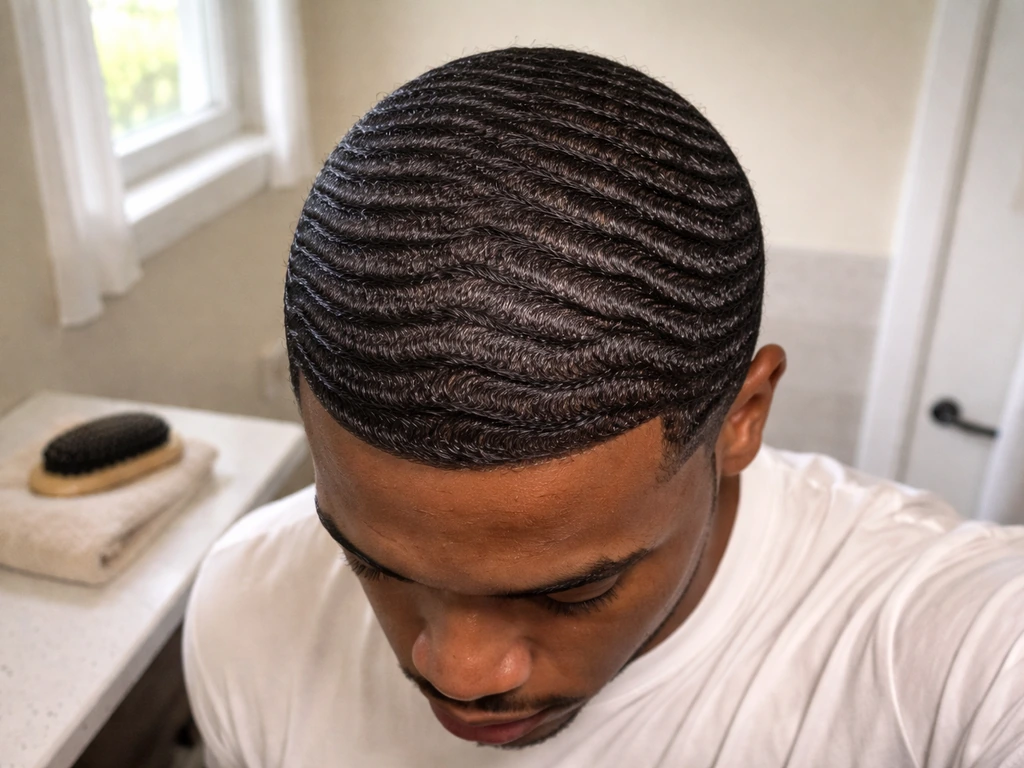
What 'growing waves' actually means
There are two different things people mean when they say they want to grow waves. The first is wave pattern training, which is what this guide covers: using a brush, moisture, and compression to force short hair into a spinning, connected wave pattern that sits close to the scalp. The second is growing out naturally wavy hair to show off its texture at longer lengths. If you are aiming to grow out wavy hair for longer length and natural texture, you will want a different routine than 360 wave training growing out naturally wavy hair. Those are completely different goals with different routines. If you have naturally wavy or curly hair and you want to grow it long while keeping the wave pattern visible, that is a separate journey. Similarly, if you are growing out 360 waves back to longer natural hair, that transition involves its own set of challenges.
For 360 wave training specifically, the pattern you are building is not just a slight bend in the hair. There are distinct stages: early ripples where you can see the foundations of a pattern forming, and then deeper, connected waves where the lines actually spin and link up around your head. Beginners often get discouraged because they hit the ripple stage and expect it to look finished. It is not. The connected, spinning look takes more time and more consistency before it becomes visible.
Hair type, length, and when to start
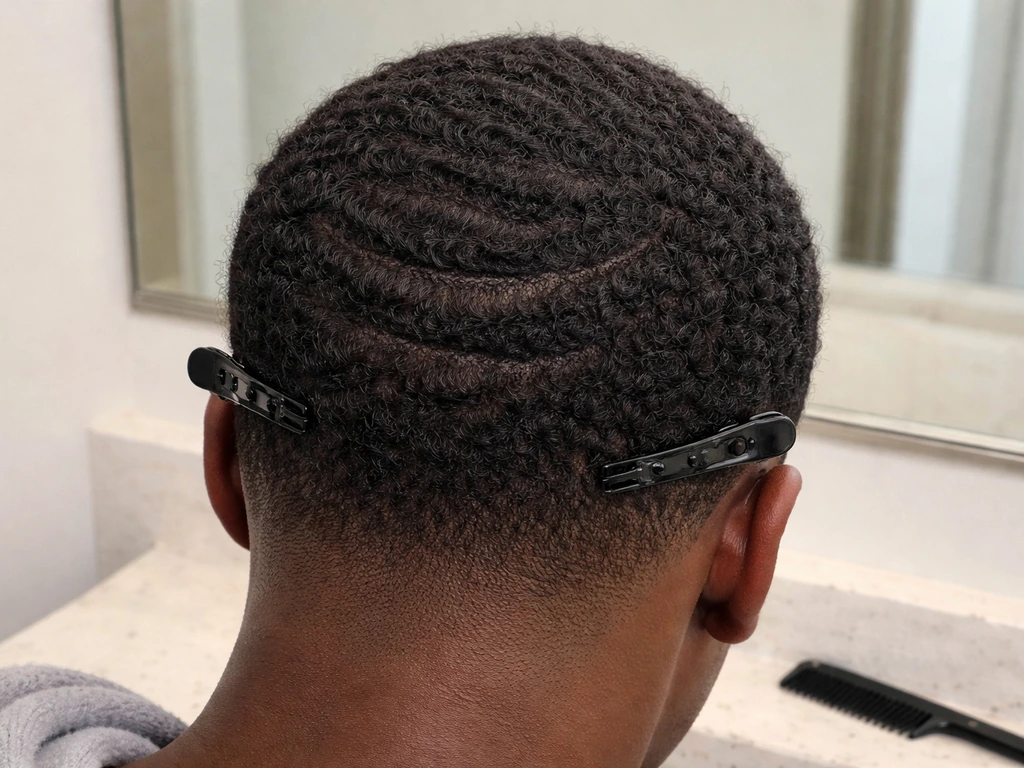
Wave training works best on hair that has natural coil or curl in it, because the wave pattern is essentially the S-shape of your natural coil being laid flat and directed. That said, it works across a wide range of textures. The main difference is timing. If you have looser, straighter hair, you may see early ripples in around four to six weeks. If your hair is coarser, say in the 4B or 4C range, it can take eight to ten weeks or more to see the same level of connection. Neither is better or worse, just different timelines for the same result.
Length matters a lot. Your hair needs to be long enough for the individual strands to form a visible S-shape when brushed down, but not so long that the weight pulls the pattern out of shape before it sets. A low cut, roughly a 1.5 to 2 guard on a clipper, is often recommended as a starting point because you can see the pattern forming quickly and the hair is short enough to respond to brushing. If your hair is too short, there is simply not enough coil to create the wave shape. If your hair has previously been shaped into another style, like an undercut, a shaped neckline, or a fade with hard lines, those areas may resist the wave pattern at first because the hair there was trained differently. Starting from a clean, even low cut is the most reliable way to begin.
Your daily and weekly wave routine
This is the part that actually builds waves. Everything else, the products, the brush choice, the durag, all of it supports this core routine. Skip sessions and the pattern softens. Stay consistent and it locks in. Here is what the routine looks like broken into daily and weekly habits.
Washing (weekly)

Wash your hair about once or twice a week. Washing more frequently than that strips the natural oils your scalp produces, and those oils are actually part of what helps the pattern settle and stay laid down. When you do wash, use a wave-specific or moisturizing shampoo and continue to brush through your hair gently while you rinse. After towel drying, pat and stroke the towel in the direction of your wave pattern rather than scrubbing randomly. Then either put your durag on while your hair dries or keep brushing until the hair is fully dry before duraging. Both approaches work; the key is that the hair sets in the correct direction as it dries, not in a random position.
Brushing (daily)
Brush every single day, ideally multiple times. Morning, after any moisture application, and before you put your durag on at night. The brushing is what physically trains the hair into the wave direction. You brush the crown of your head forward, then the sides back and down, following the spinning pattern you are trying to create. Start from the crown and work outward in sections. Use firm, consistent strokes without grinding the brush into your scalp. If your scalp feels raw, you are pressing too hard. If you barely feel it, you are not pressing enough.
Moisturizing (daily)
Apply a light leave-in or brushing oil daily, or at minimum every time you brush. The moisture keeps your hair pliable enough to be directed by the brush instead of fighting it. Dry hair is stiff and snaps back into whatever position it wants rather than holding the direction you brush it into. The American Academy of Dermatology recommends moisturizing when skin dryness is a problem and emphasizes gentle care and applying moisturizer when dry Dry hair is stiff and snaps back into whatever position it wants rather than holding the direction you brush it into.. Do not over-saturate your hair though. A few drops of oil or a light spritz of leave-in conditioner is enough. Soak it and you will disrupt the pattern rather than support it.
Compression and protection (nightly)
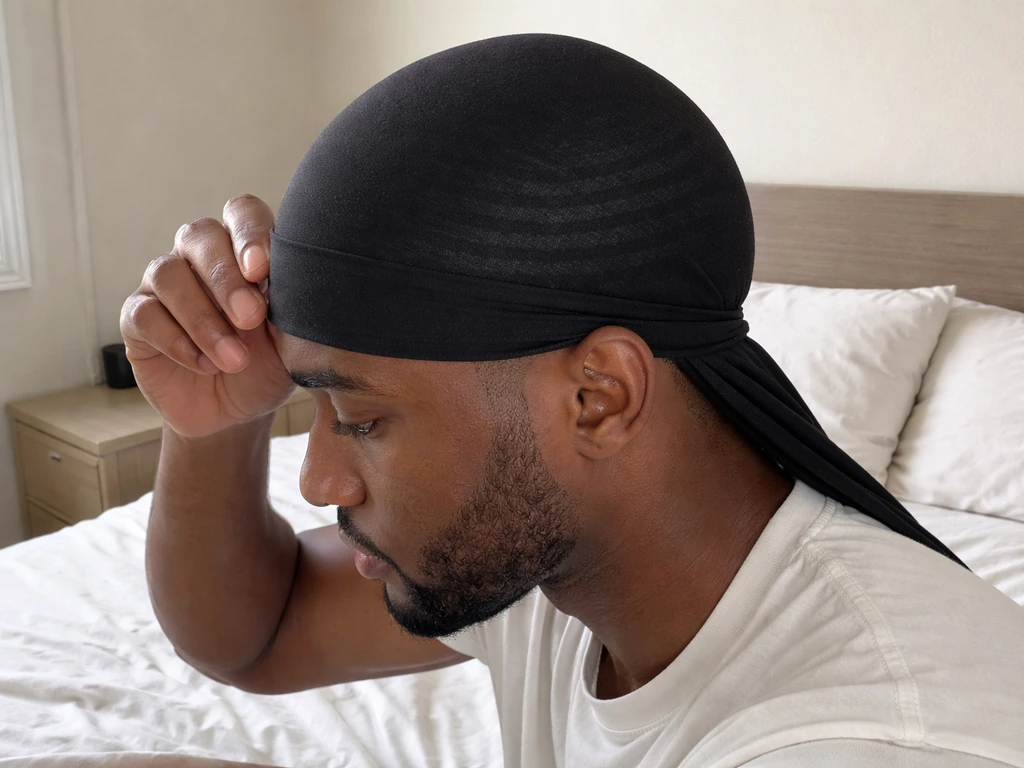
Put on a durag or wave cap every night before sleep. This is non-negotiable if you are serious about building a pattern. blank" rel="noopener noreferrer">The compression presses the brushed-in direction into the hair while you sleep, so you wake up with the pattern intact rather than having eight hours of tossing around undo your brushing session. A waves (including 360 waves) hairstyle is achieved with frequent brushing and compression, plus wearing a silky durag or wave cap to help preserve moisture and provide hold silky durag or wave cap help preserve moisture and provide compression/hold). A satin or silk durag is better for moisture retention than a cotton one. Tie it snugly but not so tight it leaves marks or causes discomfort. Wearing the durag for a couple of hours after washing and brushing is also worth doing, not just overnight.
Products and tools that actually help
You do not need a cabinet full of products to grow waves. You need the right brush, something to moisturize the hair during brushing, something to hold the pattern in place, and a durag. Here is what to look for in each category.
| Tool/Product | What It Does | What to Look For |
|---|---|---|
| Wave brush | Trains hair into directional pattern with each stroke | Soft brush for sensitive scalp or early stages; medium brush for regular training; hard brush for coarser hair with established pattern |
| Brushing oil | Keeps hair pliable and reduces friction during brushing sessions | Lightweight, non-greasy formula like WaveBuilder Brushing Oil; a few drops is enough per session |
| Moisturizing leave-in | Prevents dryness that makes hair resist direction and frizz up | Water-based formula, applied daily or before brushing; avoid heavy creams that weigh the hair down too much |
| Pomade or wave gel | Lays hair down and holds the pattern after brushing | Murray's Pomade or a water-soluble wave gel; work it into the hair and brush through it in the wave direction |
| Durag or wave cap | Compresses the pattern and protects it during sleep and post-wash drying | Satin or silk material for moisture retention; avoid rough cotton if possible |
One thing worth mentioning on brush hardness: start with a softer or medium brush if your scalp is sensitive or your hair is on the finer side. A hard brush on an underprepared scalp just causes irritation and patchy brushing, which leads to uneven wave formation. Work up to a harder brush as your scalp adjusts and your wave pattern gets more established.
Managing the awkward in-between stages
If you are growing out from a previous cut, whether that is a tight fade, a shaped neckline, an undercut, or even a style with layers and hard lines, there will be an awkward period. If you are trying to grow hair out from waves, remember that the uneven in-between stage needs patience and consistent brushing and compression to keep the pattern visible as it grows. Different sections of your head will be at different lengths, which means the wave pattern will look uneven for a while. The crown might start forming connections before the sides, or the back might lag behind. This is normal and it is not a sign that something is wrong.
The wolfing method is the most effective strategy for the in-between stage. Wolfing means intentionally skipping your regular haircut and letting the hair grow longer than you normally would, specifically so the hair has enough length and coil to deepen the wave pattern before you cut it back down. The structured approach is to increase your wolfing period gradually: start by waiting a couple of extra weeks between cuts, then push to four weeks, then eventually to around twelve weeks as your pattern gets stronger. Each time you cut, you trim just enough to clean up the shape without cutting the wave depth you have built.
When you do go in for a haircut during wave training, wash your hair first, then wear your durag or wave cap for at least a couple of hours before the appointment. This helps the pattern stay compressed and defined going into the cut, so your barber can see where the waves are sitting and avoid cutting against them. Be specific with your barber about what you are doing. Most barbers who work with wave training will understand a request to keep the length even and follow the wave pattern rather than cutting against it.
If you have colored hair or hair that has been chemically treated, the texture may behave slightly differently. Bleached or highlighted hair tends to be more porous and dries out faster, which means you will need to moisturize more consistently and may find the wave pattern takes longer to hold. Previously relaxed hair or hair transitioning back to natural texture will also have mixed curl patterns at different points along the strand, which can make the wave training feel inconsistent for a few months until the new growth takes over.
What to expect month by month
- Weeks 1 to 2: Early brushing breaks in your hair's habits. You might see slight rippling or flattening in the direction you are brushing, but no real wave pattern yet. This is the foundation stage.
- Weeks 3 to 4: If you are consistent, you will likely see ripples forming, especially at the crown. The pattern is not connected yet but it is visible. For looser hair textures, some beginners see early connections here.
- Weeks 5 to 8: The wave lines start connecting. This is when you will start to see the spinning pattern emerge if your routine has been solid. Coarser hair textures are often still in the ripple-to-connection transition during this window.
- Weeks 8 to 12 and beyond: With wolfing and consistent brushing, the pattern deepens and widens. The waves look fuller and spin more completely around the head. This is where coarser textures typically reach what is called the elite connection stage.
Fixing common beginner problems
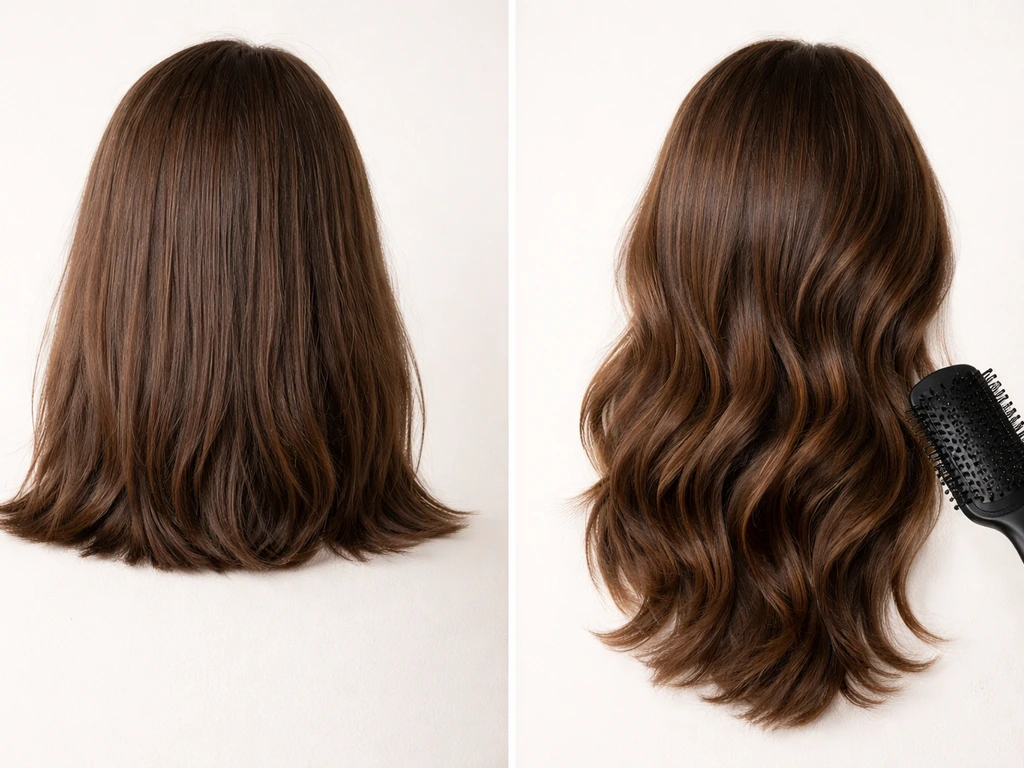
Waves won't form at all
The most common reason is that the hair is either too short to show an S-shape, or the routine is not consistent enough for the pattern to build. If you are brushing daily and using moisture but still seeing nothing after three or four weeks, check your brush hardness (too soft on coarse hair does very little) and check how often you are actually putting the durag on. Skipping the compression step is the most common silent saboteur. If you had a previous style that trained your hair in a different direction, you may need to start from a fresh low cut to reset the pattern.
Frizz and texture fighting you
Frizz usually means your hair is too dry, or you are washing too frequently and stripping the oils that help the hair lay down. Cut back to once or twice a week washing if you are doing it more often. Add a light moisturizing oil or leave-in to your daily brushing session and see if that changes things within a week. If your hair is naturally high-porosity (common with bleached or color-treated hair), you may need to seal with a small amount of oil after your leave-in to keep moisture from escaping.
Dry or itchy scalp
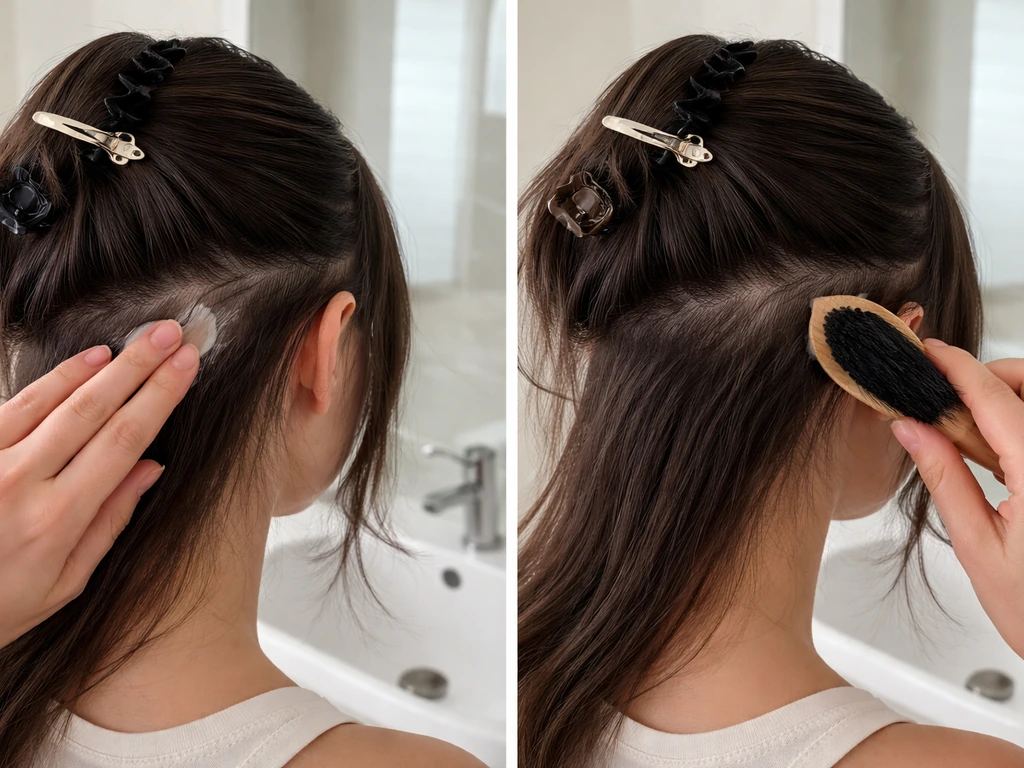
Heavy pomades can build up on the scalp over time and cause irritation or blocked follicles, especially if you are applying them daily without washing them out properly. Stick to lightweight oils or water-soluble pomades and make sure your once or twice weekly wash is actually cleaning the scalp, not just rinsing the surface of your hair. A scalp massage during washing helps lift buildup and improves circulation, which also helps with healthy hair growth during the wolfing period.
Patchy waves or uneven pattern
Patchiness is almost always a combination of uneven brushing and section-specific dryness. If one part of your head, say the back or one side, is lagging behind the rest, focus extra brushing attention on that area during each session and make sure it is getting the same moisture treatment as the rest of your head. According to wave training guidance, connection improvements in problem areas can happen in around eight weeks when you specifically target those sections. Do not cut that area shorter thinking it will help. Cutting back wave depth in one spot just sets that section back further.
Pattern softening or disappearing
This happens when you get inconsistent with the routine for a stretch of days or weeks. A pattern that took months to build can soften noticeably if you skip brushing and compression for even a week or two. If this happens to you, do not panic and do not restart from scratch. Go back to your full routine, add a wolfing period to rebuild depth, and you will see the pattern return faster than it took to build the first time because your hair already has a memory of the direction.
Your next steps right now
If you are starting from zero today, here is the most direct path forward: get a clean, even low cut at a 1.5 or 2 guard, pick up a medium wave brush and a lightweight brushing oil or leave-in, and get a satin durag. Start brushing morning and night, apply a little moisture before each session, and put the durag on every time you sleep. Wash once a week with a moisturizing shampoo and keep the wash motion going in your wave direction. Do this every day for four weeks before you judge whether it is working. Most beginners give up right before the pattern starts visibly connecting. Follow the steps in this routine and you will have a clear plan for how to grow 360 waves over the next few weeks.
If you are already mid-growth with a longer length, wolfing is your strategy. Keep growing, keep brushing, and resist the urge to cut back down because the pattern looks messy right now. The messy stage is not failure, it is just the in-between before the waves deepen. If you are in the messy, in-between phase of longer hair growth, stick with the same brushing direction and compression habits so your texture can settle into a clearer wave pattern how to grow messy long hair. Stay consistent with your durag every night, keep the moisture up, and give yourself the full timeline your hair type needs before you reassess.
FAQ
What should I do if I do not see waves after a month of training?
If you do not see an obvious S-shape after 4 weeks, first confirm your hair is long enough to form visible wave lines, and that you are duraging every night. Then adjust one variable at a time: use a lighter brush hardness if your scalp is getting irritated, or a slightly firmer brush only if your scalp can tolerate it and you are not brushing with enough direction. Skipping compression is the fastest way to stall progress.
Can I skip brushing on some days and still grow waves?
Yes, but only if you keep it directionally consistent. If you change brushing direction, you can “reprogram” the pattern and create patchy areas. The simplest approach is to keep the same brushing directions you use for 360 waves, even on days you feel lazy, then still put on a durag for sleep.
Is it necessary to use a satin or silk durag, or can I use cotton?
You should not switch between cloth types randomly. Satin or silk durags reduce friction and help maintain moisture, which supports wave definition. If you must use cotton, expect more frizz and less “locked-in” look, so you will need a bit more daily moisture.
Should I brush when my hair is dry or when it is slightly damp?
For most beginners, gentle brushing while hair is damp or slightly moisturized works better than dry-only brushing. If your hair is wet enough to soak through the durag, you can disrupt the hold, so aim for lightly moisturized, not dripping. Let hair finish drying in the directed position before going to sleep, then durag.
How much leave-in or oil should I use without buildup?
Do not. Heavy greasiness or frequent product reapplication can build up at the scalp and make brushing feel harder while also increasing irritation. Stick to a small amount of leave-in or oil, apply during brushing sessions, and make sure your once or twice weekly wash actually cleans the scalp, not just the ends.
My scalp feels irritated when I brush, what should I change?
If your scalp is raw, burning, or you see redness that lasts, your pressure is too high or the brush is too aggressive for now. Switch to a softer or medium brush, reduce the number of intense strokes, and keep sessions consistent but gentler. If irritation persists, pause and focus on washing and moisturizing before resuming wave training.
Does scalp massage on wash days help waves grow faster?
It helps, but do not treat it like a replacement for brushing and duraging. Massage can support scalp health during washes, yet the wave pattern still forms from directing hair and compressing it. During wash days, brush lightly through the hair in the wave direction as you rinse, then durag while it sets.
When should I use wolfing, and when should I adjust my routine instead?
A longer wolfing period can help if the pattern looks shallow or disconnected, but it is not automatic. You still need tight daily brushing direction and nighttime compression, and you should only trim to clean up shape, not to cut into wave depth. If a specific area keeps lagging, target extra brushing and matching moisture for that section instead of cutting it shorter.
How does dyed or bleached hair change wave training?
Color-treated or bleached hair often dries faster and can feel less consistent because the hair becomes more porous. The practical change is to moisturize more regularly and use a lighter amount of oil, then seal lightly so the moisture stays. Expect slightly longer timelines to lock in connections, and be patient before judging progress.
I had a fade or undercut before, how do I start wave training properly?
If you are transitioning from another style like a fade, undercut, or shaped neckline, you usually need a reset. The most reliable fix is starting from a clean, even low cut so all sections begin at similar length and direction. Until it evens out, accept that the crown may connect earlier than the sides, then keep the routine stable.
Why do my waves look like they loosen overnight?
Locking in happens when the pattern stays in place during sleep. If the durag shifts overnight, you lose compression, which can soften waves. Make sure it is tied snugly enough to stay put without leaving painful marks, and consider wearing it for a couple of hours after washing to set the direction while hair is still settling.
How can I tell if my routine is actually working, not just the way my hair looks today?
Do not measure success by one “good day” photo. Instead, evaluate after consistent weeks, and check for repeatable connection in the same areas. If one section is always frizzy or lagging, increase brushing focus to that section and confirm it gets the same moisture and durag coverage as the rest.