
Growing your hair out from waves means you're keeping a wave pattern alive while also adding length, and that tension between the two is exactly what makes this process tricky. Whether you're coming from a tight 360-wave cut, an undercut with a waved top, or just a cropped style where you trained waves into your natural texture, the goal is the same: don't lose the pattern while you push for more length. If your goal is how to grow messy long hair, the same gentle handling, breakage prevention, and lightweight styling routine can keep your length looking full instead of stringy. You can absolutely do both, but it takes a slightly different routine than just 'letting it grow.'
How to Grow Hair Waves Out: A Step-by-Step Guide

Marcus Vickers
20 May 2026
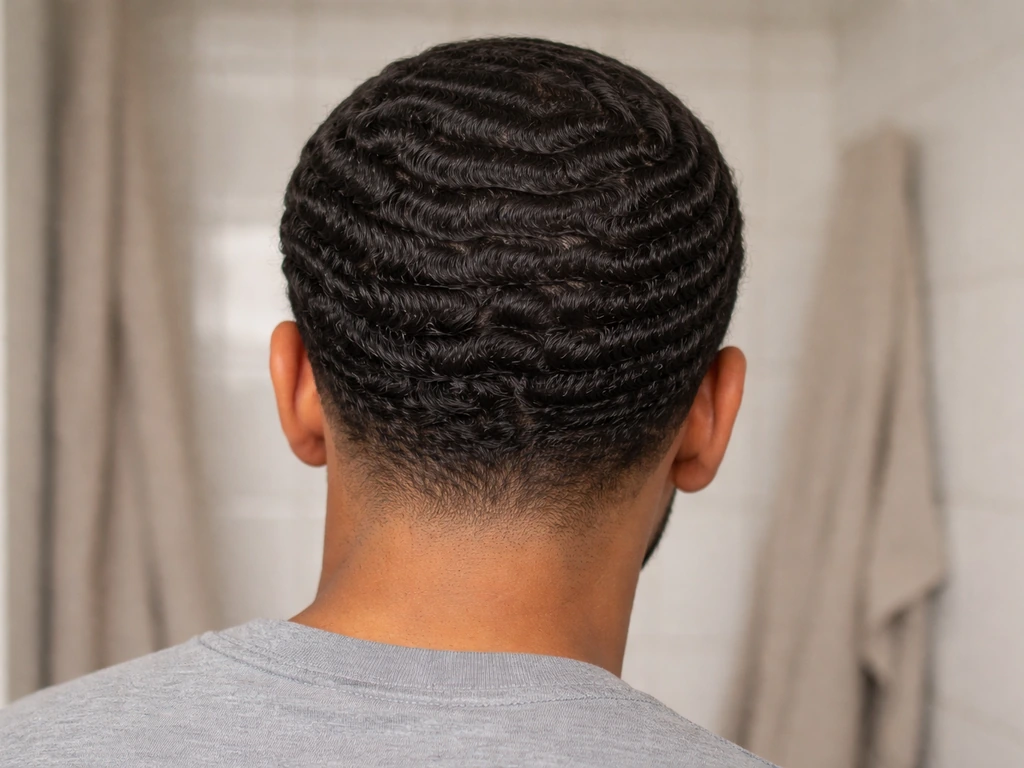
What 'growing hair out from waves' actually means
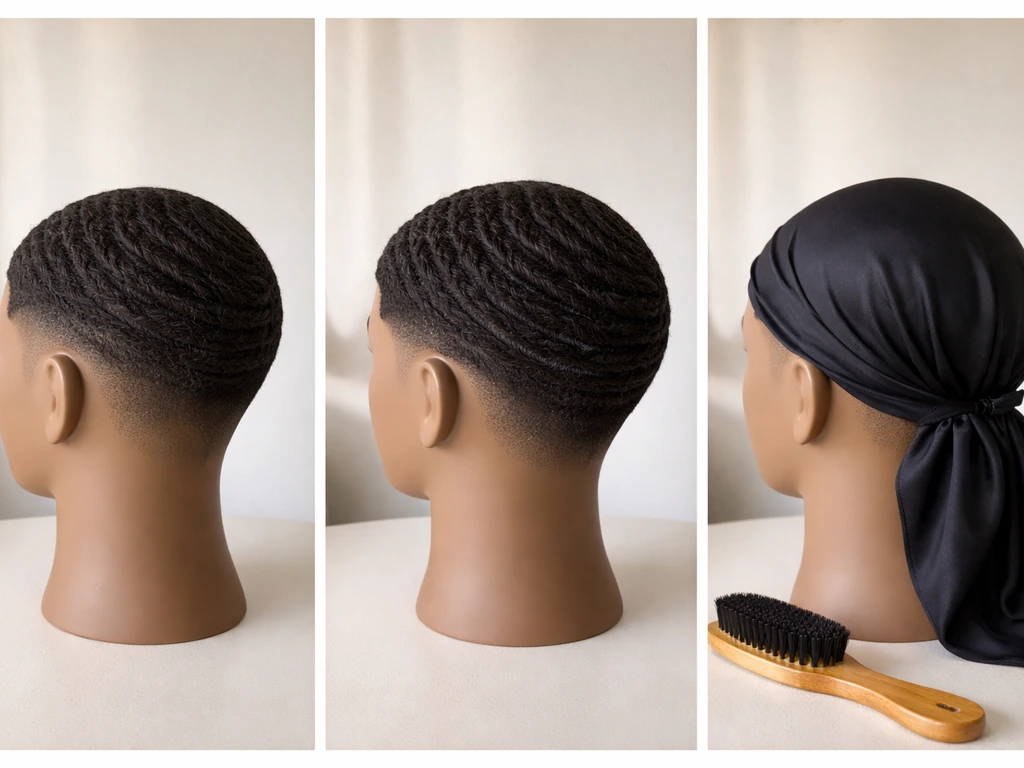
It helps to separate this into three different things that often get lumped together. First, there's the cut: waves as a style (think 360 waves) are built on short, cropped hair, usually cut close on the sides and top, then trained with brushing and a durag or wave cap to flatten the natural curl into a ripple pattern. Second, there's the length: if you're growing out, you're adding inches, which changes how gravity, product, and styling affect the pattern. Third, there's the wave pattern itself: your actual hair texture, whether naturally wavy (Type 2A through 2C), or a trained wave in curlier or coarser hair.
These three things interact constantly during a grow-out. The cut changes as hair lengthens and layers grow in unevenly. The weight of longer hair can pull waves flatter or, if your hair is naturally wavy, actually encourage the pattern to show more. Knowing which situation you're in tells you how to approach the routine. Someone growing out a 360-wave crop has a different challenge than someone with naturally Type 2B hair who just wants longer waves. Both are valid, and this guide covers both.
The fastest way to grow length without wrecking your wave pattern
Hair grows at roughly half an inch per month on average, so about six inches a year. Some people hit the higher end of that range naturally, but no product or supplement meaningfully overrides your biology. That said, the biggest thing that slows down visible growth isn't how fast hair grows from the scalp, it's how much breaks off at the ends. Breakage is your real enemy during a wave grow-out, and it hits harder when you're also brushing and training frequently.
The single most protective habit you can build is handling your hair gently when it's wet. blank" rel="noopener noreferrer">Wet hair stretches and breaks much more easily than dry hair, so any rough manipulation, aggressive brushing, rubbing with a bath towel, or yanking through tangles, causes more damage when hair is soaking. Use a microfiber towel or a soft cotton T-shirt to blot moisture out instead of rubbing, and save any serious detangling for when you have conditioner in the hair (more on that below). If you want a smoother wave grow-out, pair gentle wet-hair handling with a consistent brushing and tie-down routine. Wave training brushing should wait until hair is mostly dry or damp, not dripping wet.
Sleep protection is another big one. Friction from a cotton pillowcase works against you every single night, it lifts the cuticle, causes frizz, and contributes to breakage over time. Switching to a satin or silk pillowcase, or sleeping with a durag or wave cap on, reduces that friction dramatically. For wave training specifically, wearing a durag overnight locks your pattern in while you sleep. If you're naturally wavy and trying to encourage definition rather than training a flat pattern, a silk bonnet or satin cap does the same protective job.
A wave-friendly wash and condition routine

How you wash and condition during a grow-out matters more than most people realize, because getting this wrong is the fastest way to lose definition. Here's a routine that works whether you're maintaining trained waves or growing out a naturally wavy texture.
- Wash with a sulfate-free or gentle shampoo no more than 2–3 times per week. Over-washing strips moisture, which dries the hair out and makes it harder to hold any wave pattern.
- Apply conditioner generously from mid-length to ends. This is your detangling window — use a wide-tooth comb or your fingers to work through any knots while the conditioner is in, before rinsing.
- Rinse in cool or lukewarm water. Hot water raises the cuticle and contributes to frizz.
- Blot hair dry with a microfiber towel — do not rub. Pat and squeeze gently to remove excess water.
- Apply any styling products (see next section) while hair is still damp, not soaking wet and not fully dry.
- Air dry when possible, or use a diffuser on a low heat setting. Avoid high heat regularly — it weakens the hair shaft over time and kills wave definition.
- Sleep with a durag, wave cap, or satin bonnet to protect the pattern overnight.
For product selection, keep it lightweight. Heavy creams and thick butters feel nourishing but can flatten waves and make hair look greasy, especially at the roots. A lightweight leave-in conditioner or a curl-enhancing cream applied from the mid-shaft down is enough for most wave types. If your hair is finer or on the Type 2A end, even less product does more, focus on a light hold gel or mousse rather than anything creamy. Apply products by pressing or smoothing them between your palms and working them into sections rather than scrunching, which can disrupt a flatter wave pattern.
Styling and wave training at awkward in-between lengths
The awkward phase, usually somewhere between one and four inches on top, is when wave training or wave maintenance gets the hardest. Hair is long enough to lose its trained shape but too short to fall into a natural pattern on its own. This is where consistency in your brushing and setting routine makes or breaks the grow-out.
For trained waves (360-wave style grow-out)
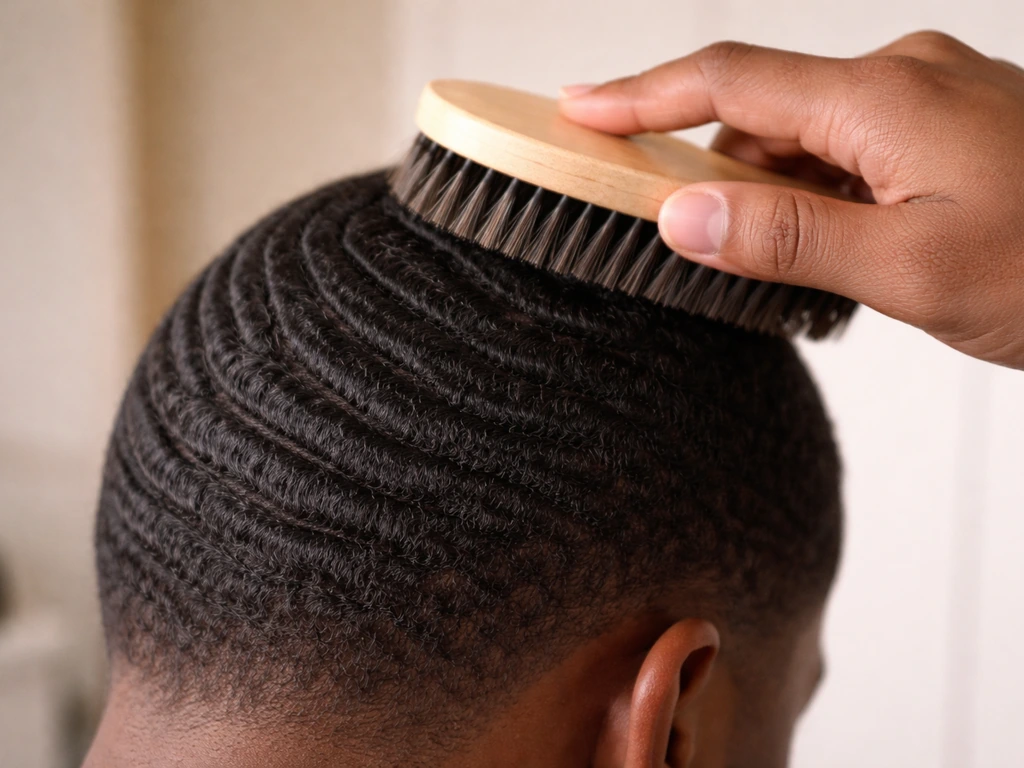
Keep brushing in the direction of your wave pattern, crown outward and down, using a medium or soft wave brush. Brush in sections, starting from the crown and working outward in the direction your waves radiate. Do this on dry or barely damp hair, not soaking wet, to minimize breakage. Apply a light wave butter or pomade before brushing for grip and hold. After brushing, put your durag or wave cap on and leave it for at least 30 minutes. The longer you tie down, the stronger the pattern sets. Most people tie down overnight during active grow-out phases for the best results.
As length increases, the top of your hair will feel less cooperative and may start to lift or frizz at the ends. This is normal, the ends are older, drier hair that hasn't been as close to the scalp-trained base. Keep those ends moisturized and consider wearing your durag during workouts too, since sweat and movement can disrupt the pattern just like sleep does.
For naturally wavy hair (Type 2A, 2B, 2C grow-out)
Naturally wavy hair behaves differently at different lengths. Type 2A waves tend to be gentler S-shapes that start mid-length and can look nearly straight near the roots, especially when hair is short. As you grow out, those roots may stay straighter for a while before the wave pattern shows up lower on the shaft. Type 2B and 2C waves are more defined and start closer to the roots, but they can still look flat or undefined if products are too heavy or if humidity is working against you.
The key styling move for naturally wavy hair in the grow-out phase is working with the texture rather than fighting it. Don't brush dry hair, this breaks up the wave clumps and turns everything into a frizzy mess. Instead, detangle only in the shower with conditioner, then use a wide-tooth comb or your fingers. When hair is damp, scrunch in a lightweight hold product from the bottom up, then leave it alone to dry. Disturbing it while drying is one of the top reasons waves don't form properly.
Managing the transition at each growth stage
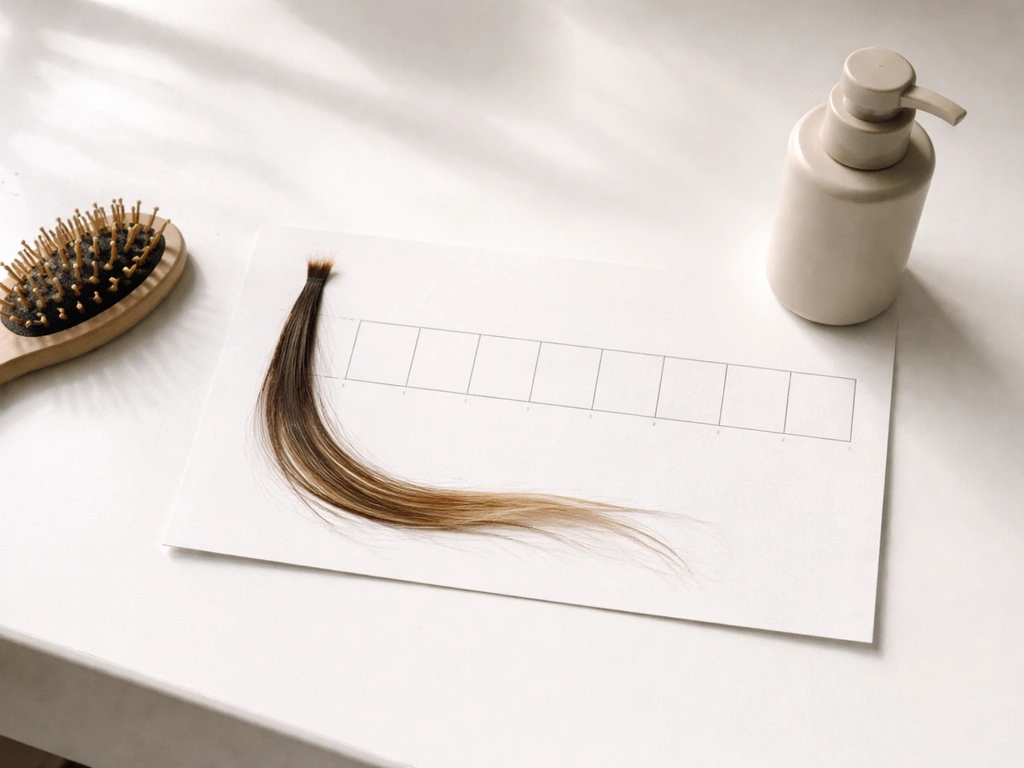
Here's a realistic breakdown of what to expect and what to do at each stage. These are rough timelines based on average half-inch monthly growth, so adjust based on your actual pace.
| Stage | Approx. Length on Top | What's Happening | What to Do |
|---|---|---|---|
| Months 1–2 | 0.5–1 inch | Still close to the wave-trained or natural base; pattern holds fairly easily | Maintain brushing/durag routine; focus on moisture and minimal breakage |
| Months 3–4 | 1.5–2 inches | Awkward phase begins; ends start to lift, pattern can look inconsistent | Stay consistent with tying down; use light product on ends; trim only if split ends appear |
| Months 5–6 | 2.5–3 inches | Hair has weight now; trained waves may look looser, natural waves may get more defined | Adjust hold product strength; consider a shape-up trim at the sides to keep the style looking intentional |
| Months 7–9 | 3.5–4.5 inches | Longer length creates real tension between pattern and gravity; some layering starts to show | Taper the sides if needed; for natural waves, start plopping or using a diffuser to encourage pattern |
| Month 10+ | 5+ inches | Now in true long-hair territory; waves may evolve into a looser or more defined pattern | Shift to a wavy or curly long-hair routine; focus on layers and shape to support the pattern |
If you're growing out an undercut, the sides will grow in patchier and at a different rate than the top, which can look uneven for months 2 through 5. The best move here is a regular shape-up at the barber every 4–6 weeks to keep the transition line clean while the bulk of the hair grows in on top. Don't ask for length taken off the top, just a clean-up of the outline and sides. This keeps the grow-out looking deliberate rather than neglected.
If you have bangs growing out at the same time, those will hit an especially awkward length around months 2–4 where they're too long to sit flat but too short to style back. A little pomade or styling cream pressed into the bang area and swept slightly to the side keeps them looking managed rather than chaotic. This is also a good stage to use a wide headband or durag styling to keep them trained in one direction while they grow.
How to trim without losing your wave pattern
Trimming during a grow-out feels counterintuitive, but split ends are not just a cosmetic problem. Once a hair shaft splits, that split travels up the strand if you leave it alone, causing you to lose more length in the long run than a small trim would have. The general guidance is a light trim every 6–8 weeks, sometimes called a 'baby trim', where you're just removing the damaged tips, not shaping the overall length.
For wave grow-outs specifically, tell your barber or stylist exactly what you're doing. Ask them to maintain the wave direction when cutting, not just cut across the top evenly. A good barber working with a wave grow-out will trim following the natural curve of the wave pattern rather than against it. If you're doing this yourself with scissors, work in the direction of your waves and take off only what's visibly damaged, usually the last quarter inch or so on the ends.
For naturally wavy hair, a 'dusting' trim (where the scissors skim the ends in tiny cuts rather than taking off a full length) is ideal during grow-out. This removes splits without sacrificing visible length. Avoid blunt cuts straight across during a wave grow-out, they can make wavy ends look heavier and less defined. Slightly layered cuts or point cuts at the ends actually support the wave pattern better by removing weight and letting the S-shape form more freely.
Troubleshooting the most common wave grow-out problems
Dryness and breakage
This is the most common issue and it compounds over time. If your ends are constantly dry and snapping off, you're either over-washing, using products with too much alcohol, brushing too hard when wet, or all three. Start with the wash routine fix: cut back to 2–3 washes per week, add a deep conditioning treatment once a week (a thick conditioner left on for 15–20 minutes under a plastic cap works fine), and protect hair at night with a satin surface. Check your products for drying alcohols in the first few ingredients.
Frizz
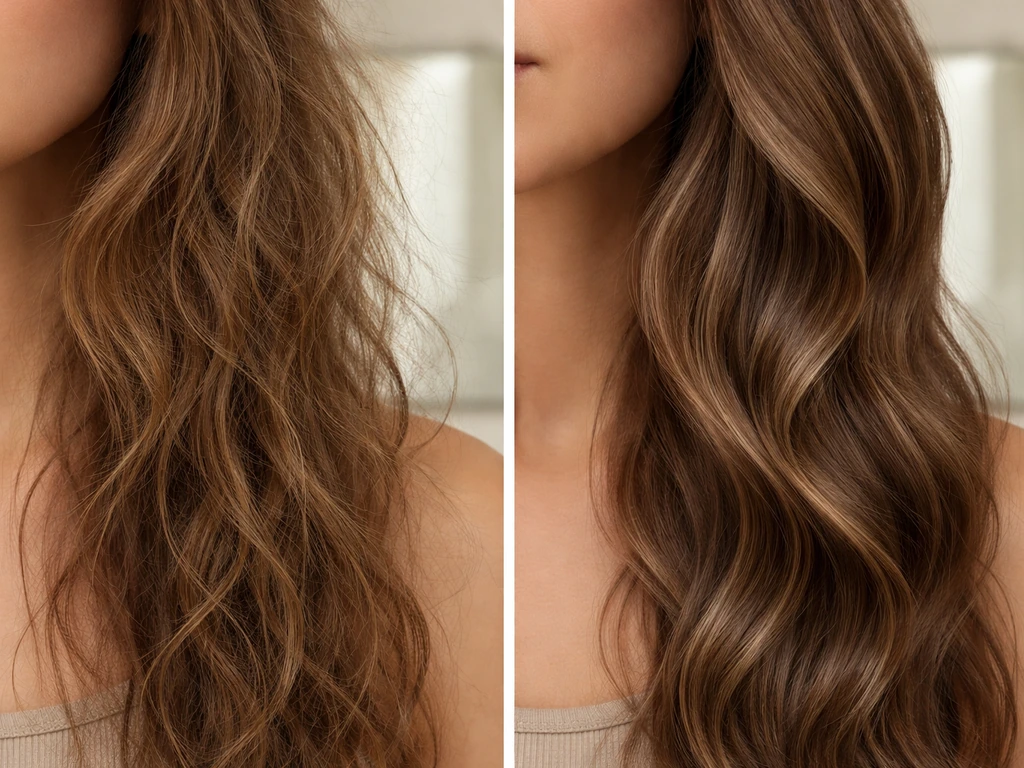
Frizz during a grow-out usually has one of three causes: humidity pulling moisture into a porous, damaged cuticle; brushing dry hair that has any natural wave or curl; or not enough moisture in the hair to begin with. The fix depends on which one is happening. For humidity frizz, a light gel or anti-humidity spray applied to damp hair creates a barrier before you go outside. For brushing-caused frizz, stop brushing dry hair entirely if you have natural waves, switch to finger detangling or comb-only in the shower. For dryness-driven frizz, add moisture back with a leave-in conditioner and a sealant (a light oil like jojoba or argan on top).
Inconsistent wave formation
If your waves are showing up on one side or in patches but not others, the culprit is almost always inconsistent brushing direction or product distribution. For trained waves, brush every section with equal time and pressure, it's easy to favor one side without realizing it. For natural waves, inconsistent formation usually means some sections are getting too much product (which weighs them flat) while others aren't getting enough. Apply product in smaller sections, making sure every part of the hair gets an even, light coat.
Shrinkage making it look like you're not growing
Wavy and curly hair always looks shorter than it actually is because the wave or curl takes up length. This is especially visible on naturally wavy hair as you grow from short to medium length, you might be gaining half an inch a month but the visible length barely seems to change. The growth is real; the wave is just compressing it. If you need a progress check, stretch a section of dry hair gently downward and measure from root to tip. That's your actual length. Don't let shrinkage discourage you into cutting shorter again.
Hair that won't lay into waves
If you're trying to maintain or rebuild trained waves and they keep lifting or losing definition, the most common fix is more consistent tie-down time. One 30-minute session isn't enough during an active grow-out, wearing a durag overnight, consistently, for several weeks is usually what's needed to re-establish the pattern as hair gets longer. Also check whether your product is too heavy: if the waves look flat or greasy rather than crisp, switch to a lighter pomade or skip it entirely and rely on brushing plus tie-down time alone.
Your action plan starting today
You don't need to overhaul everything at once. Start with the three highest-impact changes: protect hair at night (durag, wave cap, or satin surface), stop handling wet hair roughly (microfiber towel, detangle only in the shower with conditioner), and commit to a consistent brushing or styling routine three to five times a week. Those three shifts alone will make a visible difference within the first month.
From there, dial in your washing schedule and products based on what your hair actually needs, if it's dry, add moisture; if it's flat, go lighter. Schedule a shape-up trim every 6–8 weeks and tell your barber exactly what you're doing so they shape with your wave pattern, not against it. Track your length every 4 weeks by measuring a stretched strand so you can see real progress even when shrinkage makes it feel like nothing is happening.
The grow-out is a slow process no matter what, but it's very manageable once you stop fighting the awkward phases and start working with them. If you're also interested in building waves from scratch on longer hair, or maintaining a wavy pattern at longer lengths once you get there, those are different but related challenges worth understanding as your length increases.
If you want the step-by-step approach, this article on how to grow 360 waves covers brushing, tie-down timing, and how to protect your pattern as length increases. If you want a more specific plan for training waves as your length increases, you’ll need a wave-building routine too building waves from scratch on longer hair.
If you’re wondering how to grow waves on longer hair, the best approach is still to protect breakage, keep styling consistent, and choose lightweight products building waves from scratch.
FAQ
How long should I wear a durag or wave cap while growing hair out from waves?
If you are using a wave cap or durag to protect trained waves, keep it on for pattern-setting sessions, then loosen or remove it during the day if you notice scalp soreness, headaches, or tingling. Tight, all-day compression can increase breakage from friction at the edges and cause irritation that makes you handle your hair more. A common compromise is overnight for sleep protection and shorter daily tie-downs (about 30 minutes) during active grow-out, especially after brushing.
Can I brush my hair while it is fully wet to help my waves form faster?
Do not start brushing long, soaking-wet hair to “train” the pattern. Instead, brush only when hair is barely damp or mostly dry, then set with a durag or wave cap. If your wave grow-out routine requires detangling in the shower, use conditioner first and detangle with fingers or a wide-tooth comb, then let hair settle before any brushing.
Why do my waves look worse in the early grow-out stage (about 1 to 4 inches) and how do I correct it?
The biggest reason waves look “off” during the awkward 1 to 4 inch stage is that hair is switching between states (too short to fall into your natural wave and too long to stay trained). The practical fix is shorter, more frequent brushing sessions and more reliable tie-down time after each styling event. If a single day resets your pattern, reduce brushing intensity, use lighter product, and consistently wear the durag during sleep.
Can I use the same products for trained waves and for naturally wavy hair when I’m growing out waves?
Yes, but you need to match the product to your wave goal. For trained waves, use a light hold gel or mousse and apply from mid-shaft to ends, then brush in the wave direction and tie down. For naturally wavy hair, heavier creams can encourage frizz or stretch the curl clumps, so prefer lightweight styling and scrunch only when hair is damp, then avoid touching as it dries.
What should I check first if my waves are losing definition even though I’m tying down?
If you are losing wave pattern while still keeping some length, check three things: uneven tie-down time between sides, too much product (especially near roots), and brushing that changes direction mid-session. A quick diagnostic is to section your hair, apply product lightly to each section, brush with consistent crown-outward direction, and then tie down long enough that the pattern feels “set” when you remove the cap.
How can I track real hair growth when my waves make my hair look shorter?
Measure progress on a stretched strand rather than relying on visual length, because wave and curl compression can hide growth for weeks. Use the same method every time: wet or dampen lightly, gently stretch a small section from root to tip, then compare at the same interval (for example every 4 weeks). This prevents the common mistake of cutting back too soon due to shrinkage.
Should I trim during a wave grow-out, or should I wait until it gets really bad?
For split ends, timing matters. If you notice frequent fraying or snagging at the ends, do a small “dusting” or baby trim sooner, rather than waiting for a fixed schedule, because split damage travels upward. If your ends are mostly intact but the style looks bulky, focus on moisture and lighter product first, then consider a trim at your next 6 to 8 week check-in.
Will blow-drying help or hurt when I’m trying to grow waves out?
Yes, but avoid drying from rubbing. Swap to blotting with a microfiber towel or T-shirt, then let hair air-set or diffuse on low heat if you must. Heat can worsen dryness and create frizz that breaks wave clumps, so keep heat sessions short and always apply a lightweight leave-in before drying.
How do I protect my waves when I’m sweating a lot at the gym?
If you work out, treat sweat as a pattern disruptor. Protect your hair during training by using a durag, wave cap, or breathable satin-lined option, then rinse sweat out promptly and reapply a light leave-in or small amount of lightweight product. Do not sleep with sweat-dried hair on the scalp, since it increases dryness and encourages tangles.
Why do my waves come in patches or only show clearly on one side?
If you have patchy waves, confirm that each patch is getting the same styling attention and product amount. Common causes include brushing only one direction for certain sections, forgetting to brush the crown-to-outside path consistently, or applying thicker product on one side. Fix it by sectioning hair, using smaller product amounts per section, and brushing each section for the same number of strokes before tie-down.
What if my scalp gets buildup or flakes during a long wave grow-out?
If your scalp gets flaky or irritated, it often leads to more touching and more product buildup, both of which disrupt wave formation. Use a gentle clarifying approach for buildup removal when needed, keep leave-in and gels lightweight, and avoid heavy oils at the roots. When in doubt, focus moisturizers on mid-shaft to ends and keep the scalp routine separate from wave styling.
How should I detangle my hair while growing waves out, especially in the awkward length?
The safest approach is to comb or detangle in the shower with conditioner, then only brush for wave training when hair is barely damp or mostly dry. If you detangle aggressively on dry hair, you can break wave clumps and create frizz that makes waves look longer but thinner. Use fingers or a wide-tooth comb first, then set the pattern with gentle brushing and a tie-down.