
Classic length hair sits roughly at your waist or just below it, and getting there from most starting points takes somewhere between 2 and 5 years depending on where you're starting from and how fast your hair grows. The realistic average is about blank" rel="noopener noreferrer">half an inch per month, so plan on 18–36 months of active, consistent care from a shoulder-length bob, and longer from a pixie or buzz cut. That sounds like a lot, but the people who actually make it there do three things: they protect the length they already have, they get comfortable styling through the awkward phases, and they stop treating hair growth as something that just happens and start treating it as something they actively manage. If you want to properly grow out your hair, treat retention as the whole game and build a routine that limits breakage while keeping your ends healthy.
How to Grow Classic Length Hair Step by Step

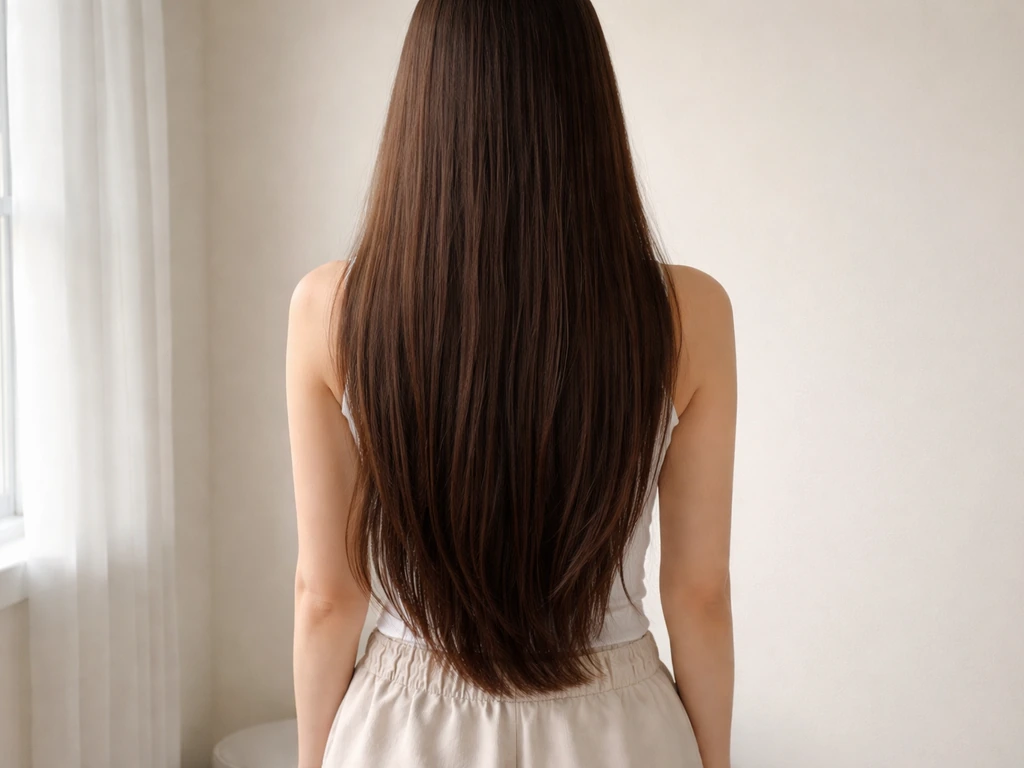
What 'classic length' actually means for where you're starting
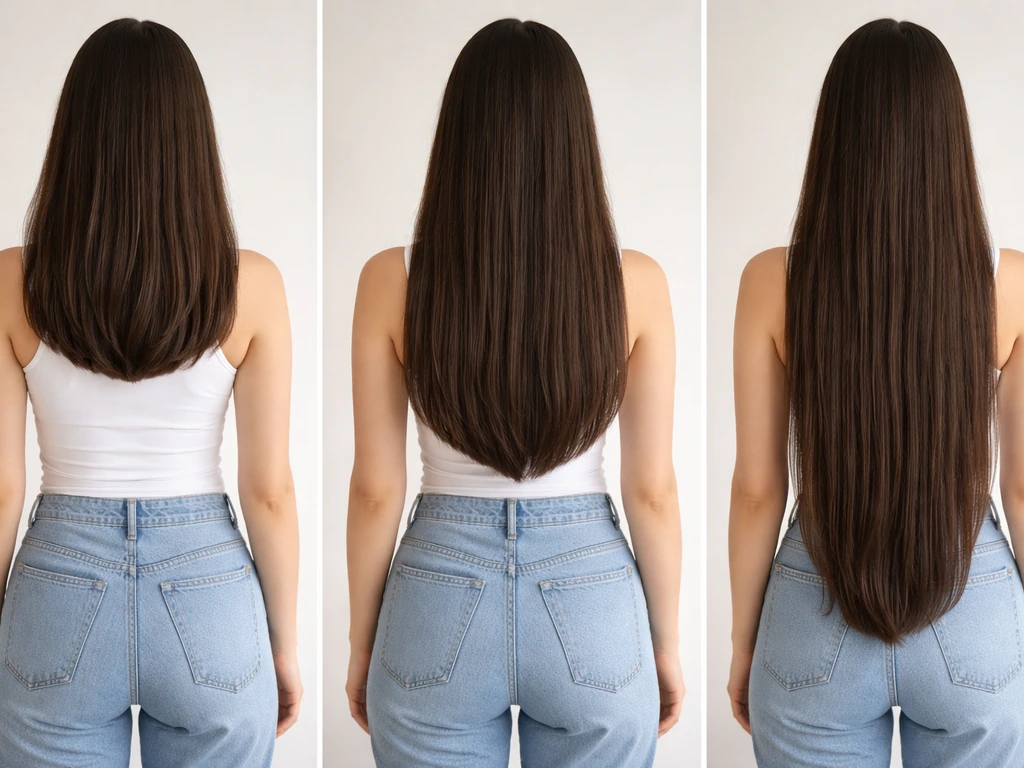
Classic length is a specific hair length milestone: it falls at or just below the waist, roughly at the top of the hips when you're standing straight. It's longer than what most people picture when they say 'long hair' (which is usually mid-back or bra-strap length). So before you map out your plan, anchor your goal: classic length is past bra strap, past mid-back, past hip-length in some definitions. The World Trichology Society and many long-hair communities place it at the top of the glutes or waist, depending on torso length. Because everyone's body is proportioned differently, classic length can look different on two people at the exact same measured length.
Your starting point changes everything about your plan. Here's a rough map of where you are versus how far you're going:
| Starting Length | Approx. Distance to Classic Length | Rough Time Estimate |
|---|---|---|
| Buzz cut / shaved | 15–20+ inches (38–50+ cm) | 4–6+ years |
| Pixie cut (1–3 inches) | 13–18 inches (33–46 cm) | 3–5 years |
| Chin-length bob | 9–13 inches (23–33 cm) | 2–3.5 years |
| Shoulder length (collarbone) | 6–10 inches (15–25 cm) | 18–30 months |
| Armpit length (APL) | 4–6 inches (10–15 cm) | 12–18 months |
| Mid-back / bra strap | 2–4 inches (5–10 cm) | 6–12 months |
Also assess your hair's current health before you start. Bleached, color-processed, heat-damaged, or heavily layered hair has compromised ends that will split faster and break off before they reach your goal. Getting a clean starting trim, even if it stings a little, means you're growing from a strong base instead of chasing your own damage up the hair shaft for the next two years.
Realistic timelines and what actually affects your growth rate
Hair grows at roughly 0.5 to 1.7 centimeters per month, with the commonly cited average landing around 0. Average human scalp hair growth is commonly cited as about 0.5, 1.7 centimeters per month (about 0.2, 0.7 inches) commonly cited average landing around 0. 5 inches (1.25 cm) per month, or about 6 inches (15 cm) per year. That figure is your planning baseline, but your actual rate depends on genetics, age, health, and hormones more than any product or supplement you buy. Nobody grows out of the range their genetics set, but plenty of people grow slower than their genetic potential because of breakage, poor scalp health, or nutritional gaps.
Retention is the word that matters. You might be growing 6 inches a year, but if 3 inches are snapping off at the ends, you're only retaining 3 inches of net length. This is why people feel like their hair is 'stuck' at a certain length for months. Growth doesn't stop. Breakage just catches up to it. The entire goal of a good growth routine is maximizing retention, not magically speeding up follicle activity.
A few things can temporarily disrupt your growth timeline. Telogen effluvium (stress-triggered or postpartum shedding) typically runs its course in 3–6 months, and Johns Hopkins notes postpartum hair loss usually resolves within 6–12 months after birth. If you're seeing sudden, diffuse shedding rather than breakage, it's likely telogen effluvium, which is temporary and self-limiting. Shedding 50–100 hairs a day is normal. If you're seeing short, snapped pieces with no root bulb, that's breakage and a different problem to solve.
Key milestones to expect
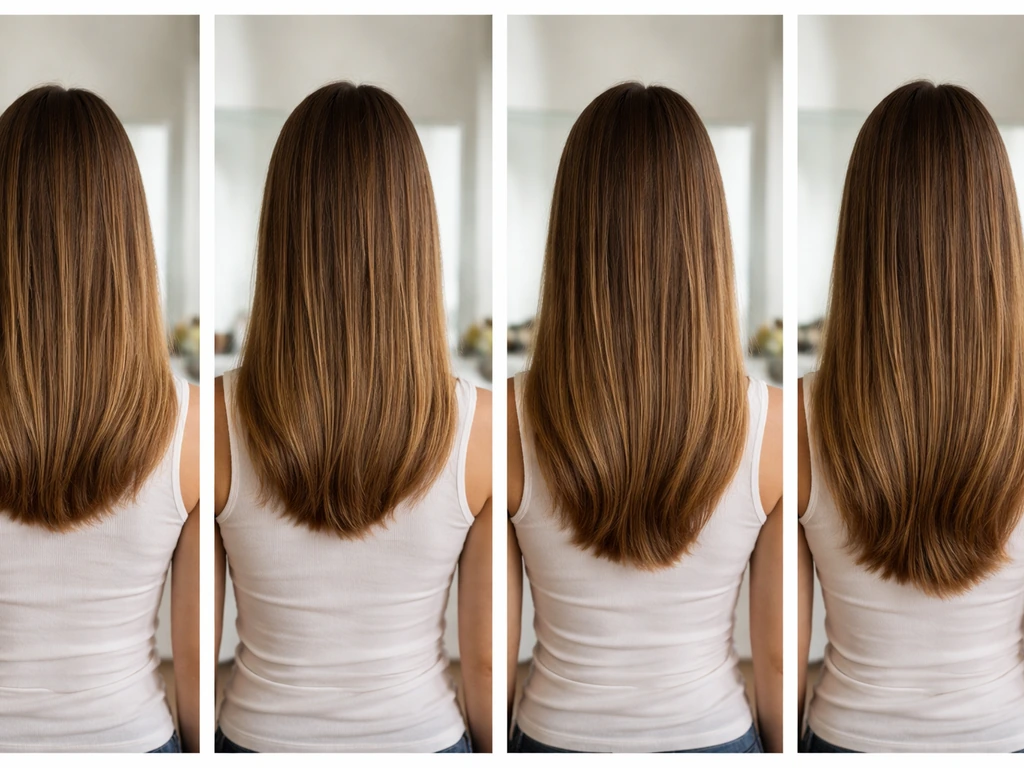
- 4–8 weeks: You'll notice about half an inch of new growth. Hair may feel thicker at the roots but no visible length change at the mirror. Stick with the routine.
- 3 months: About 1.5 inches of growth. If you started at a bob or pixie, this is when awkward phases begin (think chin-length scruff or collar-grazing ends that won't cooperate).
- 6 months: Around 3 inches. Shoulder-starters may be reaching collarbone or armpit length. This is usually the first big visible milestone.
- 9–12 months: Around 4.5–6 inches of net growth assuming good retention. You'll have moved through at least one or two full awkward phases.
- 18–24 months: Most people starting at shoulder length will be approaching bra strap or mid-back. The end goal is in sight.
- 2–4 years: Classic length territory for most starting points, with consistent care.
The core growth routine: washing, conditioning, and moisture
The basics of a growth routine aren't complicated, but they need to be consistent. Wash frequency is the first thing to calibrate. Over-washing strips the scalp's natural oils, which protect both the scalp and the lengths. Most people growing long hair do best washing 2–3 times a week, though fine or oily hair may need more frequent cleansing and thick, coily, or low-porosity hair often does fine with once a week or even less. There's no universal rule here. If your scalp feels irritated, itchy, or flaky, your washing frequency or product choice needs adjusting.
Conditioning is non-negotiable at classic-length goals. The longer your hair gets, the farther your scalp's natural oils have to travel to reach the ends. They don't make it. That's why long hair ends feel dry and brittle without help. Use a rinse-out conditioner every wash, focusing on the mid-lengths and ends, not the scalp. Add a deep conditioning treatment once a week or every two weeks, especially if your hair is colored, bleached, heat-styled, or naturally coarse. Leave-in conditioner or a lightweight hair oil applied to damp hair before drying gives another layer of moisture protection that pays off as hair gets longer.
Detangling is where a lot of people cause accidental breakage. Wet hair is significantly more elastic and fragile than dry hair, so always detangle gently. Use a wide-tooth comb rather than a brush on wet hair, start from the ends and work upward toward the roots, and let a conditioner or detangling spray do the slip work so you're not forcing the comb through knots. The American Academy of Dermatology specifically recommends a wide-tooth comb over a brush for wet hair for exactly this reason. Rough handling when hair is wet is one of the most common ways length gets snapped off before it has a chance to grow.
How to prevent breakage at every step
Breakage is the single biggest enemy of classic length goals. It happens at the ends (from dryness and split ends), at mid-shaft (from heat damage or over-processing), and at the hairline (from friction). Tackling all three areas is what separates people who grow long hair from people who stay stuck at the same length for years.
Heat styling
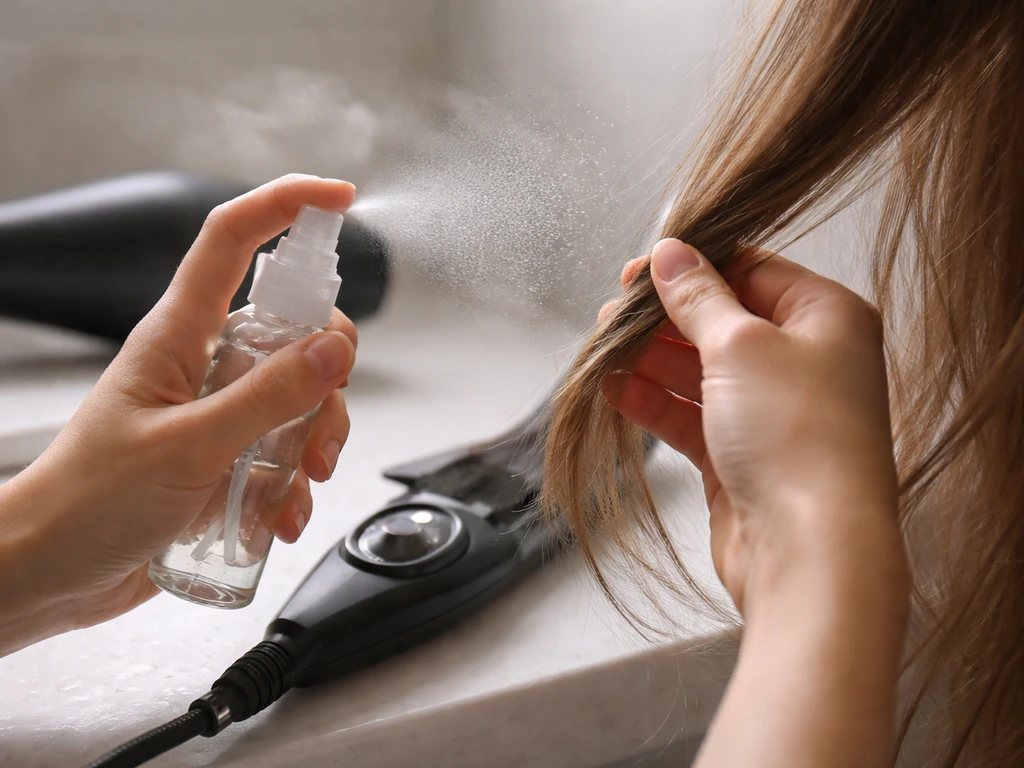
If you're using heat tools, use a heat protectant every single time without exception, and keep settings on low or medium rather than the highest temperature. The AAD recommends exactly this. High heat doesn't style faster. It just damages more. If you can air-dry most of the week and reserve heat for specific occasions, your retention will improve noticeably within a couple of months.
Friction damage
Towel rubbing is rougher on hair than most people realize. Blotting hair dry or wrapping it gently with a microfiber towel or a soft cotton T-shirt (rather than a rough terry towel) significantly reduces breakage from drying alone. The AAD recommends the T-shirt or gentle wrap method. Cotton pillowcases also create friction during sleep. A silk or satin pillowcase, or sleeping with hair in a loose protective style, cuts down on the overnight breakage that happens imperceptibly but adds up over months.
Split ends
Split ends only have one real fix: cutting them off. Serums and treatments can temporarily seal and smooth a split, making it feel better, but the structural damage is done. The keratin in the hair shaft is dead tissue and can't actually repair itself. If you leave a split end long enough, it travels further up the hair shaft and you lose more length when you eventually cut it than if you'd trimmed sooner. Small, strategic trims every 8–12 weeks (trimming 0.25–0.5 inches rather than 1–2 inches) remove just the damage without sacrificing significant growth.
Protein and oil balance
Hair needs both protein and moisture in balance. Hair that feels mushy, stretchy when wet, or that breaks from very little tension is usually protein-deficient. Hair that feels stiff, brittle, or snaps easily when dry is often over-proteinated or needs moisture. A simple protein treatment once a month is a good starting point for most hair types growing toward classic length. Follow every protein treatment with a moisturizing deep conditioner, and pay attention to how your hair responds over the following week.
Lifestyle basics
Nutrition matters more than any product. Low iron, low ferritin, and zinc deficiency are well-documented contributors to excessive shedding and slower growth. If you're eating a reasonably varied diet with enough protein (hair is essentially made of protein), you're covering the basics. If you've had a period of very restrictive eating, illness, or extreme stress, expect your hair to reflect that 2–3 months later because of the telogen phase delay. A biotin supplement won't overcome a poor diet, but making sure you're not deficient in key nutrients removes a real barrier to growth.
Styling through the awkward phases: stage by stage
The awkward phases are the reason most people give up and cut their hair again. The fix isn't to push through with bad hair days. It's to know what styling tools and strategies match each stage so your hair looks intentional even when the lengths are cooperating with nothing.
Pixie and short cuts growing out (0–6 months)
The first few months of growing out a pixie or buzz cut are often the hardest emotionally because there's not much you can do with it yet. Hair wax or pomade can give shape and texture to short growth. A side-swept style or short textured layers make early growth look deliberate rather than neglected. If you have an undercut growing in, the back and sides will likely lag behind the top, and that line of demarcation can be one of the trickiest things to manage. Keeping the sides trimmed very slightly while the top grows down gives a cleaner look and avoids the classic 'mushroom' shape. Be patient here. Three to four months in, you'll have enough length to use small bobby pins or clips creatively, and things start to feel more manageable.
Chin to shoulder length (6–14 months from short)
This is the phase most people find hardest to style. Hair isn't long enough to fully pull back, but it's not short enough to be a defined cut. Textured waves (air-dried or diffused with a light curl cream) make this length look intentional. Half-up styles with a claw clip or small bun on top keep the length off the face while the rest grows. Headbands and bandanas carry this phase well. If you have bangs growing out, this is when they're either flopping in your eyes or at that in-between stage near the cheekbones. Bobby pins, small braids, or tucking them behind the ear are your options. Keeping bangs trimmed just above the eyes while they grow out (rather than going cold turkey) makes the transition much smoother.
Shoulder to armpit length (months 12–24)
Once hair hits shoulder length and is on its way to armpit length (APL), styling becomes noticeably easier. You can do a proper ponytail, a full bun, braids, and most protective styles. The temptation at this stage is to style with heat more often because the options are finally there. Resist that impulse, or at least be disciplined about heat protectant. The ends you have now are the oldest, most vulnerable part of your hair. Protective styles like loose braids, low ponytails, and buns not only look good but also keep the ends tucked away from friction and manipulation.
Armpit to mid-back to classic length (months 18+)
From APL onward, the challenge shifts from styling to maintenance. Hair at this length is exposed to more friction (from clothing, bags, and chair backs), more tangling, and more mechanical stress simply because of its weight. Wearing hair up more often, using silk-lined hair ties without metal clasps, and doing weekly oiling on the ends become important habits rather than optional ones. Protective styles that tuck the ends away (buns, braids, loose twists) are your best tool for the long haul. At mid-back and approaching classic length, overnight oiling or a weekly moisture mask on the ends prevents the brittleness that causes so many people to stall just before they hit their goal.
Adjustments for dyed, bleached, and naturally coarse, thick, or curly hair
Not all hair is starting from the same place, and a one-size routine doesn't work here. The adjustments below matter.
Bleached and color-treated hair
Bleaching is the most damaging chemical process hair goes through, and growing bleached ends to classic length is genuinely harder than growing out virgin hair. Bleached hair has a lifted, more porous cuticle that loses moisture faster and breaks more easily. If you're growing out bleached hair, you'll need more frequent deep conditioning (weekly rather than biweekly), a bond-building treatment like olaplex or similar in your regular routine, and you'll need to be more conservative with heat. You also need to accept that the bleached ends may need to be trimmed off in stages before you reach classic length. Growing new, virgin hair from the root while strategically trimming away the most damaged bleached ends is often the only realistic path. If you're growing out Japanese hair straightening or a relaxer, similar logic applies.
Naturally coarse, thick, or curly hair
Coarse and curly hair tends to be naturally drier because the spiral or coil shape makes it harder for scalp oils to travel down the shaft. This means moisture is an even bigger priority. The LOC or LCO method (layering liquid, oil, and cream in your preferred order) works well for retaining moisture in coily and curly textures. If your hair gets poofy, the same retention-first approach helps you keep more of your length by controlling friction, moisture loss, and tangles as it grows retaining moisture. Protective styles are a core tool here, not just a nice option. Styles that keep ends tucked away from manipulation and friction are especially valuable for growing coily hair to classic length. Detangling should always happen on wet, conditioned hair, never dry, and always starting at the ends. If you're growing out frizzy or poofy hair, managing moisture and minimizing friction-based frizz becomes central to your routine, separate from the growth issue itself.
Fine hair
Fine hair breaks more easily than coarser hair and can look limp and stringy at longer lengths. The key adjustments for fine hair growing to classic length are: avoid heavy products that weigh it down (light oils and leave-ins over thick creams), be especially gentle with detangling since fine hair has less structural resistance, and consider going without heavy ponytail holders that leave creases and stress points. If you're growing out fine hair specifically, the challenge is that longer fine hair requires even more careful handling than shorter fine hair. If you want a smoother path when growing out fine hair, focus on gentle detangling and lightweight moisture so your ends keep what they grow fine hair growing to classic length.
Once you reach classic length: what maintenance actually looks like
Reaching classic length doesn't mean the work is done. It means the routine shifts slightly. Your oldest hair is now at or past your waist, which means it's anywhere from 3 to 6+ years old. That hair needs more attention, not less. Weekly or biweekly deep conditioning, end oiling, and protective overnight styles become the non-negotiables of the maintenance phase.
Trims at classic length can be spaced further apart (every 12–16 weeks rather than every 8) if you're protective with your styling and not using a lot of heat. Watch your ends: split ends at this length can travel up the shaft faster than at shorter lengths simply because the hair is older. A small dusting trim (removing less than a quarter inch) every couple of months keeps the ends from splitting further up.
The styling habits that got you here should continue. Silk pillowcases or bonnets for sleep, gentle hair ties, minimal heat, and keeping hair in protective styles when you're active or outdoors all protect the length you worked years to grow. Classic length hair is not low-maintenance hair, but it's absolutely manageable when you've already built the habits during the growth process. If you've done that, the transition from 'growing' to 'maintaining' will feel natural rather than like starting over.
One last thing worth saying: the journey to classic length looks different depending on your hair type, texture, starting health, and even your body's own biology. What works beautifully for someone with naturally thick Asian hair may need adjusting for someone growing out fine hair, bleached ends, or navigating telogen effluvium after a stressful year. Your hair, your pace, your routine. Use this guide as a framework and pay attention to what your specific hair is telling you along the way.
FAQ
How can I tell if I’m actually retaining length, not just growing?
Use “net growth” as your checkpoint: measure from a fixed point (like the same spot on a strand near the front) every 8 to 12 weeks, then compare to how much breakage you see at the ends. If your length markers do not move but you keep getting shorter snapped pieces, you are losing more than you are retaining, and you need to adjust handling (detangling, heat, friction) rather than waiting for faster growth.
Do trims slow down how fast I reach classic length?
Yes, but only in a conservative way. If you have visible splits, a small dusting (about 0.25 to 0.5 inch) every 8 to 12 weeks prevents splits from traveling up the shaft and costing more later. If you cut straight at classic length, you can shorten your timeline, but occasional micro-trims usually protect it.
Can hair masks or serums fix split ends so I don’t need to trim?
Stop targeting the ends with random “repair” products when the hair is splitting. Once a split forms, the structural damage cannot truly reconnect, so focus instead on stopping the cause (dryness, heat, friction) and trimming the split out. Use conditioners and gentle leave-ins for softness and detangling slip, not as a substitute for trimming.
How do I know whether I’m dealing with shedding (telogen effluvium) or breakage?
If you notice short shedding with no root bulb, or you see lots of snapped hairs at the length you’re trying to grow, that points to breakage, not shedding. Telogen effluvium usually shows more diffuse shedding from the scalp and improves on its own over months. A quick check is to compare hair ends: shed hairs often end blunt, snapped hairs look jagged or uneven.
What should my day-to-day detangling routine look like as my hair gets longer?
A routine can stay simple, but you should match it to your hair’s tangling pattern. If knots form easily, prioritize slip at wash day (conditioner on every wash, gentle detangling while wet). If tangles persist between washes, you may need a detangling spray or lighter leave-in before you put hair up, especially at shoulder length and above.
What protective styles actually help, and which ones can cause breakage?
Protective styles work best when they reduce manipulation of the ends. Avoid styles that pull tightly at the hairline or keep the ends constantly trapped against rough fabric. Also rotate where tension sits (for example, different bun/clip positions across days) to prevent localized stress and breakage.
How often should I wash if I’m trying to grow classic length hair?
Not necessarily. If your scalp gets irritated, flaky, or itchy, you may be over-cleansing or using a product that doesn’t suit your scalp. Try adjusting one variable at a time: change wash frequency (for example from 2 to 3 times a week), then switch to gentler products if symptoms persist. Comfort comes first, because scalp inflammation can indirectly hurt retention.
How do I balance protein and moisture if I’m not sure which one my hair needs?
If your hair feels mushy or very stretchy when wet, you may benefit from a protein step, but if it becomes stiff and brittle, you likely need more moisture and less frequent protein. The practical rule is to do protein only as needed, then follow immediately with a deep moisturizing conditioner, and assess how your hair behaves over the next week before repeating.
Will lowering my heat settings actually make a difference for long hair growth?
If heat is involved, treat it like a non-negotiable safety protocol: use heat protectant every time, keep temperature at the minimum that achieves your look, and limit repeated passes over the same section. If you air-dry most days, you can reserve styling heat for specific occasions, which reduces cumulative damage to the oldest strands.
What’s the biggest difference between towel drying, and how much does it matter?
Yes, but the benefit is biggest for reducing friction damage once hair is longer. Switch from terry towels to a gentle blot or microfiber wrap, and consider a silk or satin pillowcase or bonnet if you wake up with tangles. These changes do not speed growth, but they reduce breakage that quietly steals length.
What’s the best strategy for reaching classic length if my ends are bleached?
If you’re growing out bleached ends, the realistic approach is staged trimming. Expect that you will gradually remove the most damaged portion as classic length gets closer, rather than trying to keep everything intact. Pair that with bond-building care and more frequent deep conditioning, because porous ends are prone to faster splitting.
Once I reach classic length, what maintenance changes should I make?
Your target timeline and maintenance change, because classic length hair is older and more fragile. Plan to keep deep conditioning weekly or biweekly, protect the ends at night, and use protective styles more often. Trims can be spaced farther apart than during the earlier growth phase, but you still need to watch for splits traveling upward.