
Growing out frizzy hair is absolutely doable, but it requires a routine that works with your hair's texture and porosity rather than against it. The core strategy is this: keep your hair moisturized, minimize mechanical damage, dry it gently, and use the right products for your specific texture at each growth stage. Frizz during a grow-out is rarely random. Once you understand what is actually causing it, you can fix it.
How to Grow Out Frizzy Hair: Step-by-Step Guide

Marcus Vickers
1 Jun 2026

Why frizz happens while hair is growing out
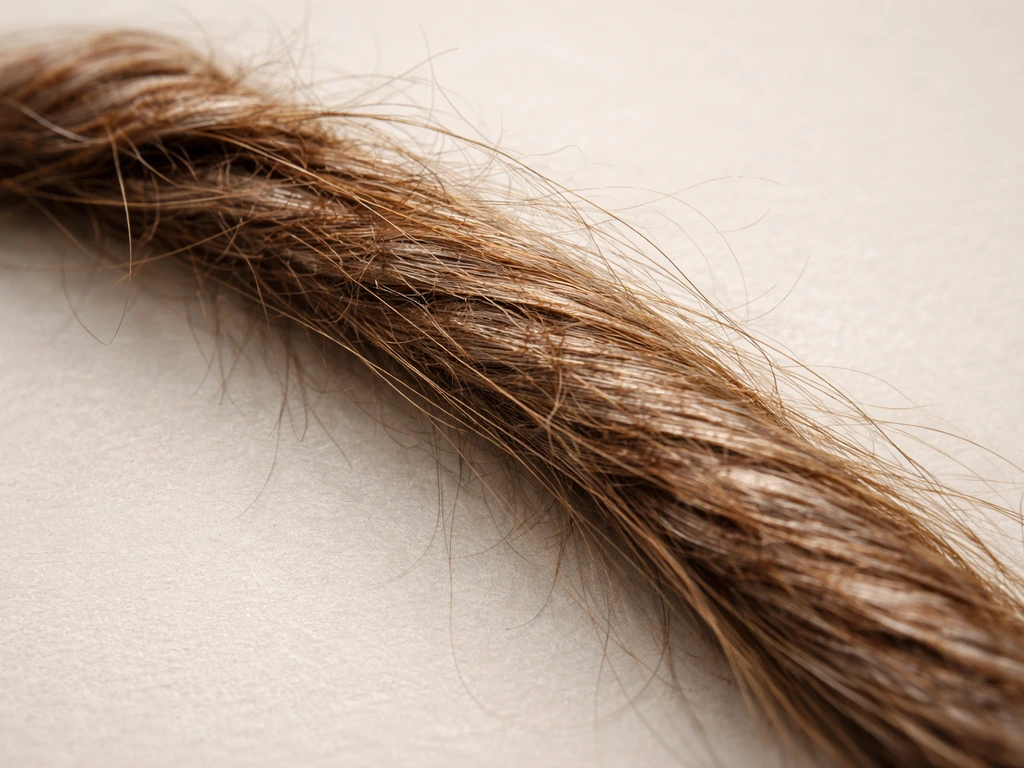
Frizz is almost always a cuticle problem. When your hair's outer cuticle layer is lifted, rough, or damaged, strands can't lie flat and smooth. During a grow-out, several things pile on top of each other to make this worse. You have new, untreated roots alongside previously processed or cut lengths. Those two sections have different porosity levels, different moisture needs, and sometimes different natural textures entirely. The result? They behave differently and frizz in different ways.
High-porosity hair absorbs moisture quickly but struggles to hold onto it, which is why it tends to frizz and feel dry. Damage from heat styling, chemical treatments, or color raises the cuticle even further, which compounds the problem. Low-porosity hair has its own challenge: water and products sit on the surface rather than penetrating, which can create buildup that makes strands look puffy and undefined. Humidity triggers frizz by letting extra moisture swell the cuticle from the outside in.
And during a grow-out, uneven layers and lengths create spots where hair puffs outward rather than falling with the rest. Breakage from detangling or over-manipulation turns short broken strands into flyaways. All of this is manageable once you know which cause applies to you.
The foundation routine: wash, condition, detangle, and seal
How often to wash
Over-washing is one of the most common mistakes during a grow-out. Washing too frequently strips your scalp and hair of natural oils, which dries out the cuticle and amplifies frizz. For straight hair, every two to three days is usually fine. For wavy hair, every three to four days. For curly and coily textures, once or twice a week is often enough, and some people do well with a co-wash (conditioner-only wash) between shampoo days to refresh without stripping. If you're dealing with hygral fatigue, which shows up as frizz combined with a kind of mushy brittleness after wetting, you may actually need to dial back moisture rather than add more. Stabilizing your wash routine is the starting point.
Choosing the right shampoo and conditioner

Use a sulfate-free shampoo if your hair is color-treated, chemically processed, or naturally dry. Sulfates cleanse aggressively and can strip the moisture barrier you're working hard to rebuild. A moisturizing or hydrating shampoo supports the cuticle rather than roughing it up further. For conditioner, a silicone-containing formula can help lock out humidity and keep the cuticle smoother through the day. Apply conditioner from mid-shaft to ends, where your hair is oldest and most porous. If your roots are fine or oily, skip conditioner there. Let it sit for at least two to three minutes before rinsing.
Detangling the right way
Never brush dry frizzy hair. This is one of the clearest pieces of guidance from dermatologists: brushing dry hair causes breakage, and that breakage creates flyaways that make frizz worse over the following weeks. Always detangle when hair is wet, damp, or saturated with conditioner. Use a wide-tooth comb and start from the ends, working upward in sections. Don't tug or yank. If you hit a knot, hold the strand above the knot to reduce tension at the root while you work through it. Gentle detangling protects the length you're trying to keep.
Leave-ins and sealants
A leave-in conditioner applied after washing is one of the most effective single steps for managing frizz during grow-out. It stays in until your next wash, provides ongoing moisture, and reduces static and flyaways. Apply it to damp hair, distribute evenly, and follow with a serum or light oil to seal the cuticle. If you use a leave-in, wash it out with shampoo after about a week and reapply fresh. Leaving product in indefinitely leads to buildup, especially for low-porosity hair, which can make hair look dull and puffy rather than smooth.
Best drying methods to reduce frizz
How you dry your hair has an enormous impact on frizz, especially during a grow-out when strands are at mixed lengths and your cuticle may already be compromised.
| Method | Best for | Frizz risk | Key tip |
|---|---|---|---|
| Regular cotton towel | Quick drying only | High: causes friction and cuticle lift | Avoid rubbing; blot only if using |
| Microfiber towel or T-shirt | All hair types | Low: less friction than cotton | Squeeze and wrap; don't rub |
| Plopping (for curls/waves) | Wavy, curly, coily | Very low: preserves curl pattern | Use an old T-shirt or microfiber cloth |
| Air drying | Most hair types | Low to medium depending on texture | Apply leave-in first; avoid touching while drying |
| Diffusing | Curly, wavy, coily | Low: disperses airflow gently | Use low heat and low speed settings |
| Blow drying (direct nozzle) | Straight, fine | Medium to high without heat protectant | Always use a heat protectant; keep nozzle moving |
A standard cotton towel rubbed roughly through your hair is one of the fastest ways to spike frizz. The friction lifts the cuticle and disturbs whatever pattern your hair was starting to form. A microfiber towel or a clean cotton T-shirt creates far less friction. For curly and wavy textures, plopping (wrapping hair in a microfiber cloth or T-shirt immediately after washing) helps hold the curl pattern while it sets and dries, without disturbing it with heat or touch.
Air drying is great for reducing heat damage, but it is not always the best choice for everyone. For thick, coarse, or dense hair, prolonged wet time can lead to hygral fatigue and actually worsen frizz. If you notice your hair feels mushy, elastic, or weirdly frizzy after air drying, try diffusing instead. A diffuser attachment on your blow dryer spreads the airflow over a wider area, which dries the hair without blasting it directly and destroying the curl or wave pattern. Use it on low heat and low speed, and scrunch gently upward.
Styling strategies by hair type and texture
Straight hair
Straight hair that frizzes during grow-out is usually dealing with damage, dryness, or humidity. If you are growing out Japanese hair straightening, use the same frizz-control basics but focus extra on sealing the cuticle and minimizing heat so your natural texture can return smoothly grow out Japanese hair straightening. Prioritize a smoothing serum or light hair oil applied to damp hair before drying.
If you blow dry, use a round brush and point the nozzle downward along the hair shaft to smooth the cuticle. Avoid high heat settings. A lightweight anti-frizz spray or finishing serum applied at the end (not the roots) can help tame flyaways without weighing the hair down. In humid climates, a silicone-based serum works particularly well as a barrier.
Wavy hair
Wavy hair during grow-out often suffers from lack of definition more than true frizz. The waves want to form but can't because the hair is being dried or touched in a way that disrupts them. Apply a light curl cream or mousse to soaking wet hair, scrunch upward, and then either plop or diffuse. Don't touch your hair while it's drying or you'll break up the wave pattern. Once it's fully dry, you can scrunch out any crunch from the product. Wavy hair is particularly sensitive to overwashing, which strips the natural oils that help waves clump together.
Curly hair
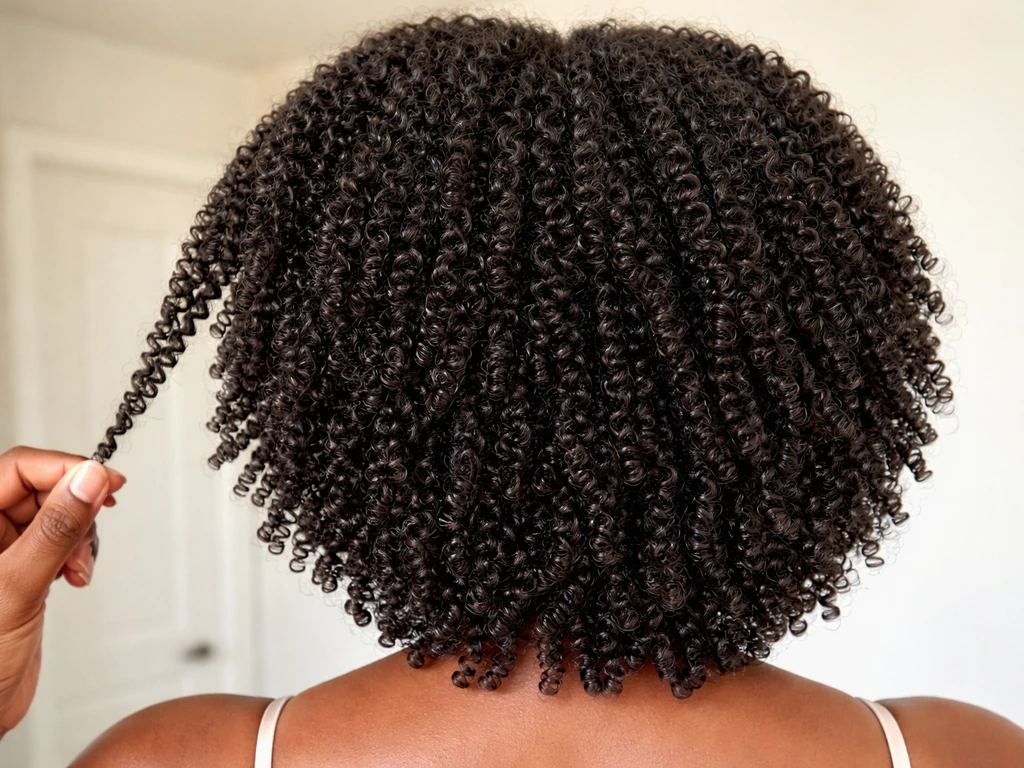
Curly hair has a naturally raised cuticle structure, so it is more prone to frizz at baseline. During a grow-out, especially if you've been transitioning from chemical relaxing or heat-straightening, you'll have two distinct textures on the same strand. The new growth is curly; the previously processed length is not. Be gentle at this boundary. Use a rich leave-in conditioner, a curl cream, and seal with a light oil. Diffuse or air dry with a microfiber cloth. Avoid combing curly hair once it has started to dry. Deep conditioning once a week makes a significant difference.
Coily hair
Coily textures shrink significantly as they dry, which means length can feel deceptive during grow-out. Frizz in coily hair often signals dryness more than anything else. The LOC or LCO method (liquid, oil, cream or liquid, cream, oil applied in layers) helps retain moisture between washes. Protective styles like twists, braids, or buns can reduce daily manipulation and let the hair grow with minimal frizz-causing friction. Co-washing two to three times a week with a full shampoo once a week or every two weeks is a common and effective rhythm for coily types.
Growing-out timeline: what changes at each length stage
Hair grows roughly half an inch per month on average, so a grow-out from a short cut to shoulder length typically takes two to three years. If you want to grow your hair to classic length, focus on a gentle routine and consistency at each growth stage so you protect the cuticle while the months add up how to grow classic length hair. Knowing what to expect at each stage helps you plan and stay patient.
- Months 1 to 3 (very short to short): This is the flyaway peak stage. Short strands stick up rather than falling with gravity, and frizz looks its worst because there is no weight to pull hair down. Keep moisture levels high, use a light pomade or styling cream to tame the top, and resist the urge to chop it all off again. For buzz cuts or very short pixies, this phase is mostly about scalp health and letting strands establish direction.
- Months 3 to 6 (ear to chin): Shape becomes a major issue here. The hair is long enough to frizz in volume but not long enough to weigh itself down. Layers from your old cut may start poking out at odd angles. Strategic trims (not length cuts) can shape the silhouette without resetting the clock. This is when many people give up; don't.
- Months 6 to 12 (chin to collarbone): Weight starts working in your favor. Longer strands pull down on frizzy sections above them, and the hair begins to behave more predictably. You can use a diffuser or light heat tools more effectively now. Layers should start blending if you've had a shaping trim or two.
- Months 12 to 18 and beyond (collarbone to shoulder and longer): Frizz becomes much easier to control at this length because styling options open up. You can braid, bun, or ponytail hair away from humidity. Deep conditioning becomes your most powerful maintenance tool. Color-treated sections may need trimming as they reach the ends.
Transitions and trouble spots: bangs, layers, undercuts, and uneven regrowth
Growing out bangs
Grown-out bangs are one of the most frustrating frizz triggers because they sit right at eye level and have a mind of their own. While they're in the in-between stage, a smoothing serum or finishing cream applied with your fingers can calm frizz and give them direction. A light-hold hairspray locks them in place without stiffness. Once bangs reach brow level, you can push them to one side, pin them with a clip, or incorporate them into a side part. Blow drying them with a round brush while they're damp sets the direction and reduces frizz significantly.
Growing out a pixie or buzz cut
The geometry problem is real here. As a pixie grows, the sides and back often grow faster than the top, creating an uneven silhouette that makes frizz look even more chaotic. A stylist can shape the sides and back shorter while leaving the top to grow, which keeps proportions manageable.
Allure also suggests a grow-out strategy where the stylist cuts the back short while letting the top grow to manage proportions have the stylist cut the back short while letting the top grow to manage proportions. Using a heat protectant when you do use any heat tool is non-negotiable at this stage, since short strands are more vulnerable to heat damage.
Pomades, light waxes, or styling creams are your best friends for defining and controlling very short frizzy hair.
Growing out a bob or undercut
Bob grow-outs hit an awkward bulk phase between chin and collarbone where the bluntness of the old cut turns into a puff. Trims every four to six weeks help reduce that bulk and keep frizz from looking unruly while the hair catches up in length. Undercut grow-outs have the opposite problem: you've got short sections underneath trying to catch up to longer sections on top. Those short sections underneath will stick out and create frizz and volume bumps. Keeping everything moisturized and using a flexible-hold styling product helps press them down while they grow.
Uneven layers and color regrowth
Old layers grow out at different rates and stick out at different angles, which creates internal frizz (sections that puff outward from within the style). This is where a single shaping trim from a skilled stylist can make a dramatic difference. It doesn't remove length, it just removes the architecture that's creating the problem. For color-treated hair, the regrowth line creates two different porosity zones on the same strand. The virgin roots have a tighter cuticle; the colored or bleached length has a more open one. Use a bond-strengthening treatment like Olaplex or a similar protein treatment to help the processed section behave more like the new growth.
What to avoid and when to get professional help
What not to do
- Don't over-wash: washing daily strips the natural oils that protect and smooth the cuticle
- Don't brush dry hair: this is a direct path to breakage and more flyaways
- Don't skip conditioner: even if your scalp feels oily, your mid-lengths and ends need it
- Don't use too-high heat without protection: high heat causes structural changes in the hair shaft that make frizz permanent and progressive
- Don't rely solely on products labeled 'anti-frizz': many of these are temporary coatings that mask the problem without fixing it, and some create buildup over time
- Don't pile on more and more product to fix frizz: buildup eventually makes things worse, especially for low-porosity hair
- Don't skip heat protectant when you do use heat tools: a single hot pass without protection on a vulnerable strand can cause lasting damage
- Don't try to power through with the same routine if it is clearly not working: your hair's needs change as length and texture change
When frizz is a sign of a bigger problem
Sometimes frizz during a grow-out is signaling real damage, not just a routine gap. If your hair feels gummy or stretchy when wet, it is over-moisturized or structurally compromised and needs protein treatment, not more conditioner. If it snaps off easily when you comb it, breakage is outpacing growth, which means you need to reduce mechanical and heat stress immediately.
If your scalp is itchy, flaky, or irritated alongside frizzy regrowth, that is a scalp health issue, not a styling issue, and warrants a visit to a board-certified dermatologist. If you've had multiple chemical services close together (bleach, relaxer, perm) and the frizz is severe and constant regardless of products, you may need a professional assessment of what the hair can actually handle before continuing the grow-out without a targeted repair plan.
Trimming without restarting the cycle
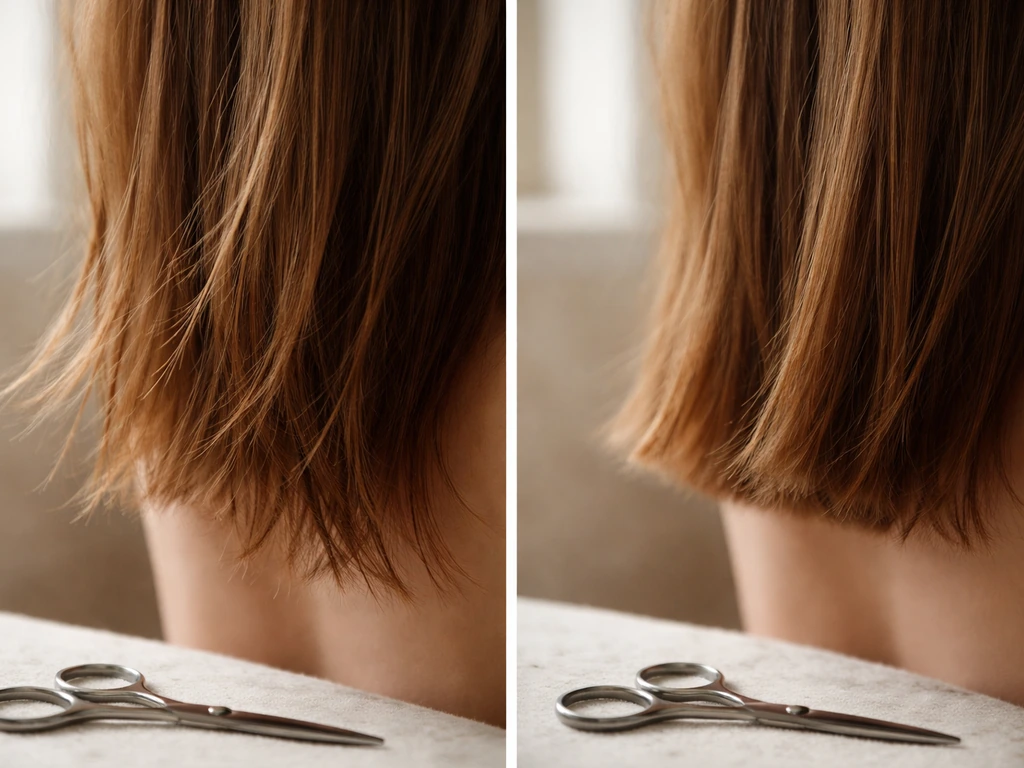
A trim does not have to mean losing your progress. A shaping cut of a quarter to half an inch every two to three months removes split ends (which travel upward and create even more frizz if left unchecked) and reshapes the silhouette without touching the length you've earned. Being specific with your stylist matters here. Say 'I want a dusting of split ends only, no length removed' or 'I want the shape cleaned up but no more than a quarter inch off.' Most stylists will respect that. If yours routinely cuts more than you asked for, find a different stylist.
Growing out frizzy hair takes time and a consistent routine, but you can make every stage look and feel better than you expect. If you're working through a specific texture challenge, the approach for fine hair differs meaningfully from coarse hair, and naturally poofy textures need their own strategies that go beyond general frizz advice.
If you are wondering how to grow out poofy hair, the best results come from routines tailored to moisture needs and how your cuticle responds to humidity naturally poofy textures. If you’re also trying to figure out how to grow out Asian hair, focus on tailoring moisture and product choice to your texture and porosity so frizz stays under control texture challenge.
If you have fine hair, you'll want to focus on lightweight moisture, gentle detangling, and styling that won't weigh the strands down as they grow out how to grow out fine hair. The through-line for all of it: protect the cuticle, minimize damage, and let growth happen at its own pace.
FAQ
How much leave-in conditioner should I use when I’m growing out frizzy hair?
Use a light layer first on damp hair, then reassess after it dries. If your hair turns puffy or dull, reduce the amount or switch to a thinner leave-in, because over-adding product during a grow-out often imitates “dryness” and increases frizz by creating surface buildup (especially with low-porosity hair).
What does it mean if my hair feels frizzy but also gummy or stretchy when wet, and what should I do?
Stop trying to “feel” dryness by touch and check how your hair behaves when wet. If it feels gummy or stretches when wet, that points to structural weakening or too much softness, not a lack of conditioner, so protein-based treatments (or bond-building) are usually the next step, not more moisture.
Can I use heat tools while growing out frizzy hair, and how do I avoid making it worse?
Plan heat for “rare and controlled,” not daily. If you must blow-dry or use hot tools, use heat protectant every time, keep the dryer on low heat and low-to-medium speed, and only smooth in sections. Repeated high-heat sessions keep lifting the cuticle, which makes frizz worse even if your washing and drying routine is perfect.
Is it okay to detangle my hair between washes if it gets frizzy?
Yes, but with rules: apply detangling products to wet or very damp hair, finger-detangle first, and only detangle once per wash day to reduce repeated tugging. If you re-wet later, add a splash of water plus a small amount of leave-in to reactivate slip, rather than dry brushing or combing to “refresh.”
How do I know if my frizz is from product buildup rather than cuticle damage?
Clogging typically shows up as limpness, buildup, or sudden frizz that does not improve with more conditioner. If this happens, do a targeted cleanse (a clarifying shampoo used sparingly, not weekly) followed by a deep conditioner, then resume your usual routine. Low-porosity hair often needs less product and occasional reset cleanses.
Why is my hair frizzier immediately after I wash it, even though I’m using the right products?
If frizz spikes right after washing and stays high for days, your rinse or layering might be the issue. Make sure conditioner is rinsed fully, and avoid stacking heavy oils on top of thick creams. For sealing, use a very small amount of serum or oil only on the outer layer (mid-shaft to ends) so it smooths without making hair feel coated.
What if my hair suddenly becomes more frizzy during a grow-out, even though I didn’t change anything?
Treat postpartum, new medications, or seasonal shifts as possible triggers. Hormonal or environmental changes can increase dryness, shedding, or humidity sensitivity, so you may need to adjust wash frequency and styling hold (for example, slightly fewer wash days or a stronger humidity barrier) for a short period while your routine stabilizes.
Do protective styles help with frizz during a grow-out, and how can I avoid causing more frizz?
If you’re wearing protective styles, keep them tension-balanced. Too-tight styles increase breakage at the hairline and creates frizz from short, damaged hairs. Aim for gentle tension, avoid friction at edges, and remove styles on schedule so the cuticle can stay smooth as new growth appears.
How often should I trim, and what exactly should I tell my stylist so I don’t lose length?
A “dusting” trim is best when frizz is driven by split ends traveling upward. Ask for split-end removal or a micro-trim (about a quarter inch or less) and show photos of your preferred silhouette. If your stylist insists on removing more length, request a different approach, because large trims undo the grow-out timeline.
Can my hair’s porosity change while I’m growing it out, and how do I adjust my routine accordingly?
Porosity can change over time with color, heat, bleach, and even different hair sections growing out. Reassess every few months by observing how your hair responds to water and product hold. If water sits on top and products stay heavy, you likely need lighter layers; if water soaks fast and hair dries quickly, you’ll usually need better moisture retention and a tighter humidity barrier.