
Growing out your hair properly means doing three things at once: keeping the hair you already have healthy enough not to break off, supporting the scalp so new growth comes in strong, and managing the inevitable awkward phases so you don't quit and grab the scissors. It is not magic and it is not fast, but it is absolutely manageable with the right routine. Here is exactly how to do it.
How to Properly Grow Out Your Hair: Step by Step

Marcus Vickers
11 Apr 2026
What 'proper growth' actually looks like and how long it takes
The baseline number you need is about 1 centimeter per month, or roughly half an inch. That is the average for most people, though research shows the actual range can run anywhere from 0.6 cm to about 3.36 cm per month depending on genetics, health, age, and hair type. In plain terms: if you had a pixie cut and want shoulder-length hair (typically 12 to 14 inches of growth from a pixie), you are looking at roughly two to three years. If you went from shoulder-length to a short bob and want your length back, expect 12 to 18 months minimum.
It helps to understand why growth can look uneven or stall. Your hair goes through three stages: anagen (active growth, lasting two to six years), catagen (a brief two-week transition), and telogen (a resting phase of about two to four months, after which the strand sheds and a new one replaces it). Not every strand is in the same stage at the same time, which is why some sections of your hair seem to grow faster than others. That patchiness is totally normal. Seeing some shedding does not mean your hair is falling out permanently; it usually just means those strands finished their telogen phase and new ones are already coming in.
A realistic month-by-month expectation looks something like this:
| Month | Approximate Growth | What You Will Notice |
|---|---|---|
| 1 | ~1 cm (0.4 in) | Buzzed areas soften; pixie starts losing its shape |
| 3 | ~3 cm (1.2 in) | Nape and sides look shaggy; bangs may reach brow |
| 6 | ~6 cm (2.4 in) | Pixie transitions to a short layered cut; bob gains length |
| 12 | ~12 cm (4.7 in) | Significant length; chin to jaw on most people from a pixie |
| 18–24 | ~18–24 cm (7–9 in) | Shoulder-length from a pixie; collarbone from a short bob |
| 24–36+ | ~24–36 cm (9–14 in) | Longer styles become achievable from very short starting points |
Those numbers assume you are not losing significant length to breakage. That is where most people go wrong, and it is the next thing to fix.
Stop breakage before anything else
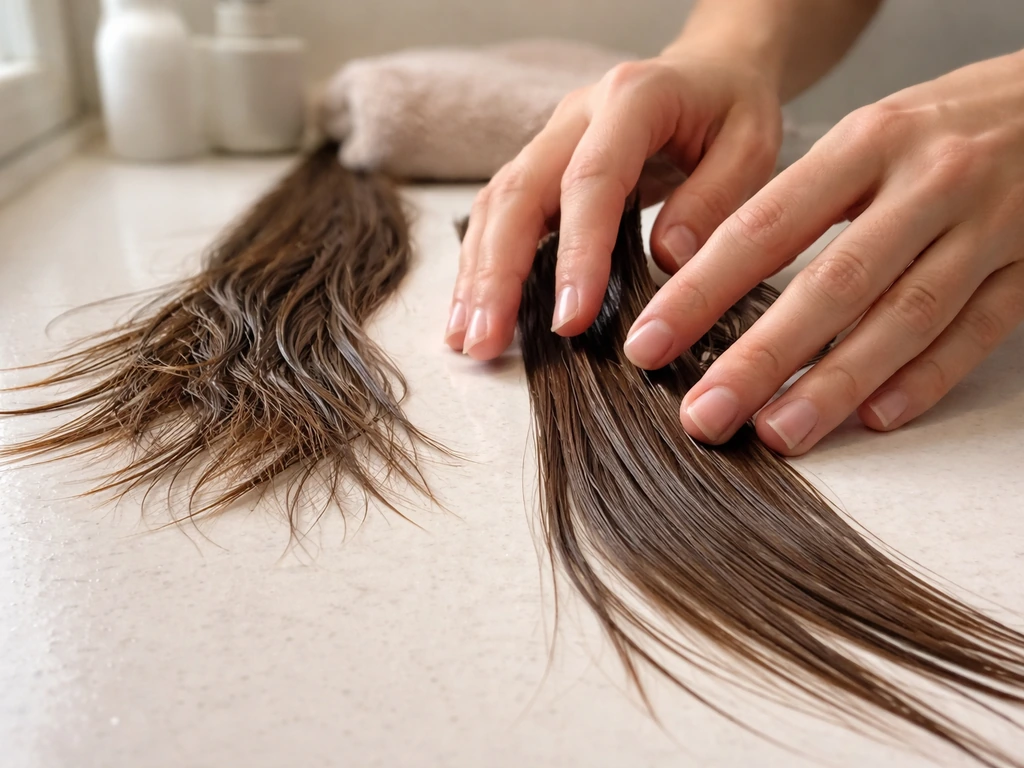
Breakage is the silent enemy of a grow-out. Your hair grows about a centimeter a month, but if the ends are snapping off at the same rate, you are essentially on a treadmill. The outer layer of the hair shaft (the cuticle, including a protective lipid layer called 18-MEA) is what keeps the fiber intact, and it gets stripped by grooming trauma, chemical processing, heat, and even sun exposure. Once that layer is compromised, you get cracking, split ends, and eventually breakage.
Your shampoo and conditioner routine matters more than most people think. Shampoo primarily at the scalp, not by raking product down the length of your hair. Condition the ends, not the roots, because the ends are the oldest and most fragile part of the fiber. Conditioner does not permanently repair the cuticle; it coats it temporarily to reduce friction until the next wash. That is fine, and it is still worth doing consistently.
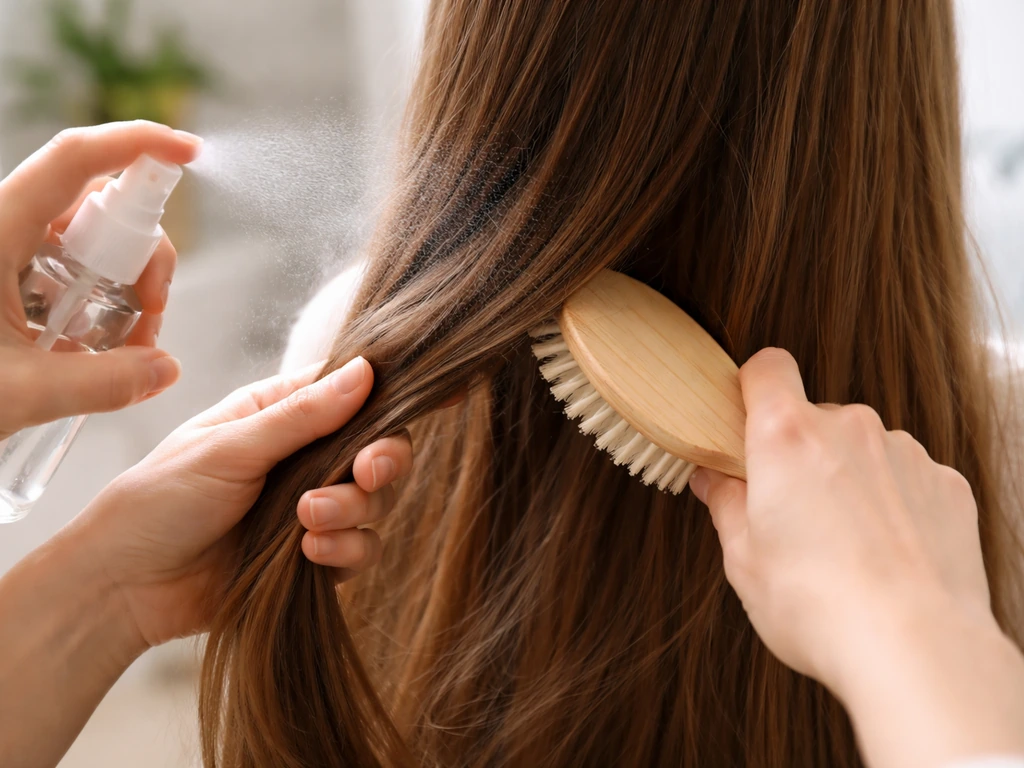
Detangling is a major breakage culprit. Dragging a brush root-to-tip can literally split the shaft. Instead, always start detangling from the ends and work your way up to the roots in sections. Use a wide-tooth comb or a brush designed for wet hair, and never yank through a knot. Research has even linked prolonged mechanical stress from certain detangling tools to acquired hair shaft damage, so this is not an overblown concern. Be gentle, every single time.
Hydration is the other piece. Dry hair is brittle hair. Drink enough water (yes, it matters), but also keep hair externally moisturized with leave-in conditioners or lightweight oils on the ends between wash days. If you have frizzy hair that resists moisture, pay extra attention here because frizz-prone strands tend to be more porous and lose hydration faster, making them more vulnerable to breakage.
The care routine that actually supports growth
Think of this as a weekly maintenance system, not a one-time fix. Your scalp is where growth actually happens, so it needs attention too.
Scalp care
Keep the scalp clean but not stripped. Washing two to three times a week works for most hair types. Massaging the scalp for a few minutes when you shampoo increases blood circulation to the follicles, which supports healthy growth. If you have buildup from styling products, a clarifying shampoo once a month is useful, but do not overdo it since clarifying formulas can be drying.
Masks and protein treatments
A deep conditioning mask once a week is one of the best habits you can build. For chemically processed or heat-damaged hair, a protein treatment once a month can also help reinforce the hair structure and reduce breakage. The key is balance: too much protein without enough moisture makes hair stiff and prone to snapping. Rotate between moisture-focused masks and protein treatments based on how your hair feels. If it feels gummy and stretchy when wet, it needs protein. If it feels dry and snapping, it needs moisture.
Oils and serums
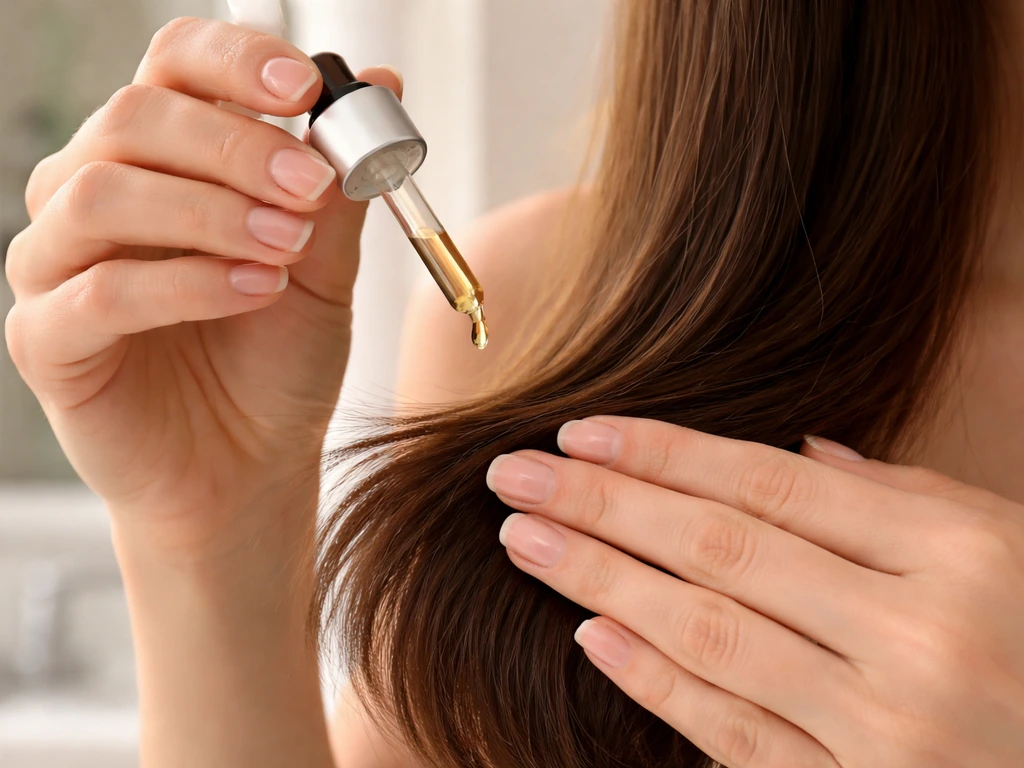
A light oil or serum on the ends after styling helps lock in moisture and smooth the cuticle, reducing friction and frizz. Argan, jojoba, and marula are popular options that do not feel heavy. Apply to damp hair for best absorption. This is also a good moment to add a leave-in that provides frizz protection, especially if you are air-drying.
Limiting heat and chemicals
Heat tools (flat irons, curling wands, blow dryers on high heat) and chemical processing (color, bleach, permanent straightening) damage the cuticle. This is well-documented. If you are serious about growing your hair out, cut back on heat styling as much as possible, always use a heat protectant when you do use heat tools, and limit the number of passes with a flat iron. One or two passes, not five. For chemical services, space them out as much as your lifestyle allows. If you recently had Japanese hair straightening and are now growing it out, be especially careful in the months when the treated hair and natural regrowth are overlapping, since that transition zone is structurally fragile.
Sleep care
Cotton pillowcases create friction while you sleep, which leads to tangles and breakage overnight. A silk or satin pillowcase is genuinely worth the switch. Alternatively, loosely braid your hair or wrap it in a silk scarf before bed. This is especially important as your hair gets longer and the ends become older and more fragile.
How to trim while growing out (yes, you still need to)
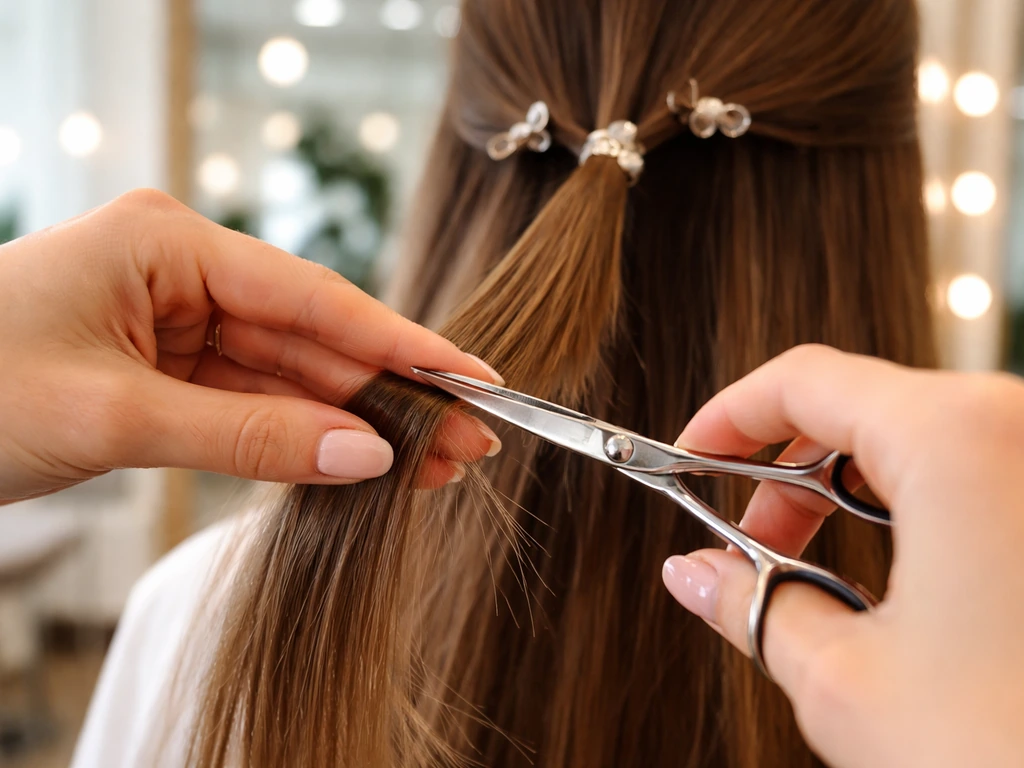
This is the part nobody wants to hear but everybody needs to know: you cannot repair a split end. Once the shaft has split, the only way to stop it from traveling further up the strand (which causes more length loss) is to cut it off. Products can temporarily coat the split and make it look smoother, but the split is still there and will continue to travel. If you skip trims entirely, you will end up losing more length to splits and breakage than you would have from a small regular trim.
The strategy here is micro-trims: removing just 0.5 to 1 cm (about a quarter inch) every 10 to 12 weeks. This is enough to keep the ends clean and prevent splits from spreading, without sacrificing real length. You are not trimming to maintain a style; you are trimming to protect the length you have worked for. If your ends look transparent, stringy, or start to tangle more than usual, that is a sign splits are present and a trim is overdue.
Tell your stylist specifically: 'I am growing my hair out, please remove only split ends and shape the perimeter, no more than half a centimeter.' If they are not listening, find someone who will. A good stylist during a grow-out is a partner, not someone who trims because they think it looks better.
Getting through the awkward phases by starting point
Where you are starting from changes what you will deal with and when. Here is what to expect from the most common starting points.
From a pixie or buzz cut
The first three months are the hardest. The back and sides grow faster than the top (often), so you get an uneven, mushroom-like shape. Around months two to four, the nape gets shaggy and the sides can start to flip out or puff. This is normal and unavoidable. Strategic trims can keep the sides from getting too wide while the top catches up. By months six to nine, you have enough to start working with layers. The trick is to keep trimming the perimeter neatly without taking length off the top.
From a buzz cut specifically
A buzz cut grow-out has an even shorter starting line, which means the uneven phase hits even earlier. Months one through three are basically about waiting and keeping the scalp healthy. Months four through six you start having enough to style with product. Lightweight pomades and clays can add texture and keep the hair from looking unkempt during this phase. If you have coarse or poofy hair that expands as it grows, the sides and back will require more frequent shaping trims to manage volume while the top grows out.
From a bob
The bob grow-out is actually one of the more forgiving starting points because you already have a defined shape. The main challenge is the flip-out phase, where the ends start to curl outward as the hair hits the jaw line. This usually happens around months two to five. A good deep conditioning routine reduces this because dry ends flip more. You can also lean into it with a diffuser or round brush blowout to get a uniform wave instead of a random curl. By month six to eight from a chin-length bob, you should have enough to work into a genuine shoulder-length or lob.
From bangs
Growing out bangs is its own specific project. The awkward stage is about months two through five, when they are too long to be bangs but too short to tuck behind the ear. Side-parting them to blend with the rest of the hair is the classic move, and it works. Bobby pins, small clips, and headbands are your best tools during this phase. A French tuck (pinning them back loosely) looks intentional rather than unkempt. If you are also dealing with longer layers underneath, be patient: the bang length will eventually merge with the rest of your layers, usually around month six to eight.
Styling tactics to actually look good while you grow
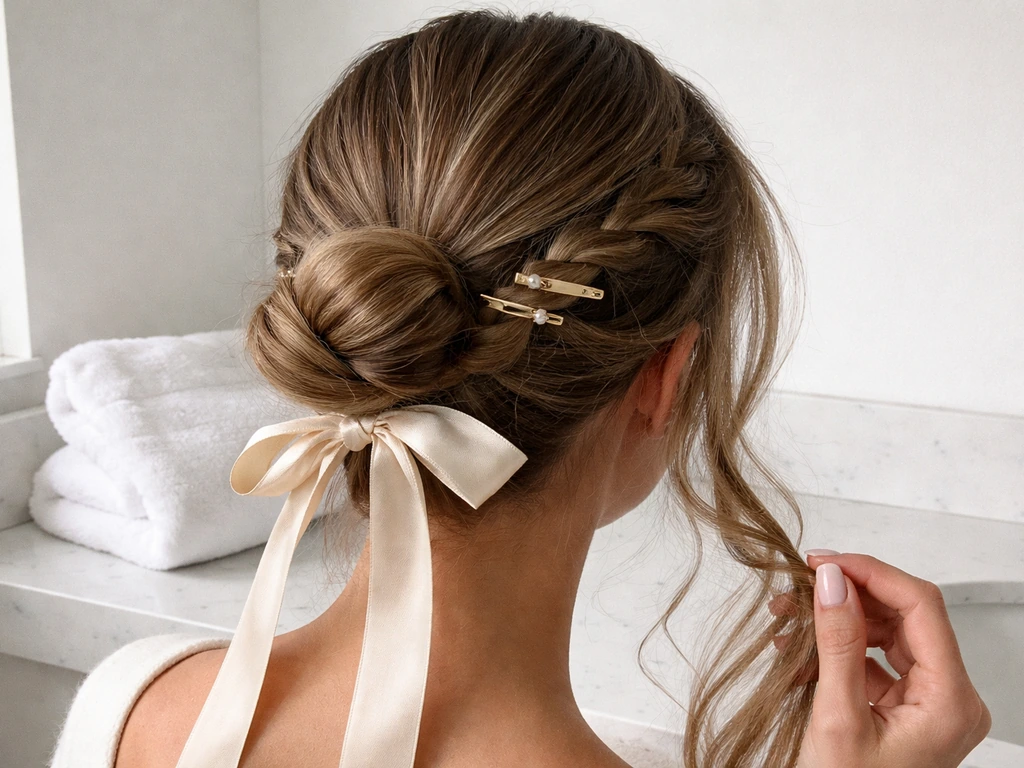
The goal is to look intentional, not transitional. Here is what actually helps at each stage.
Use layers strategically
Layers can be your best friend during a grow-out because they reduce bulk, add movement, and make in-between lengths look purposeful. Ask your stylist for long layers that blend the perimeter without removing bulk from the top. Avoid heavy blunt cuts during a grow-out because they create a visible line that emphasizes the transition. If you have very fine hair, ask about the specific challenges of growing out fine hair, since layers need to be handled carefully to avoid making thin hair look even thinner.
Managing undercuts
An undercut grow-out is one of the trickier transitions because the shaved or closely clipped section grows in at a different rate and texture than the longer hair above it. You will have a visible demarcation line for several months. Strategies that help: keep the longer top section styled down over the undercut, use texturizing products to blend the two sections, or let the undercut grow in gradually with regular shaping trims on just that section. The key is patience, because the undercut section typically needs 12 to 18 months to fully integrate with the rest of the hair.
Protective and transitional styles
Protective styles reduce mechanical stress on your hair by keeping ends tucked away and limiting daily manipulation. For longer growth stages, low buns, loose braids, and twist-outs are all good options. For shorter growth stages (three to six months out from a pixie or buzz), headbands, clips, and bandanas can make short-ish hair look styled rather than grown-out. If you have Asian hair texture, which tends to be straight and fine, styling options during the awkward phase may be different than for curlier or coarser textures, so it is worth understanding what works for your specific strand type.
Accessories are not cheating
Clips, headbands, scarves, and pins are legitimate styling tools during a grow-out. A wide headband turns an awkward in-between length into something that looks intentional. Bobby pins used to pin back sections that are not yet long enough to blend can look polished rather than improvised. Use them without shame.
Colored hair and natural regrowth: the extra layer of complexity
Growing out color-treated or chemically processed hair adds a significant challenge because you are managing two different textures and two different damage levels at once. The new growth is structurally intact; the treated length is compromised. That is a recipe for uneven porosity, uneven moisture retention, and breakage at the line where the two sections meet.
Bond-building and peptide-based treatments (you may have seen brands like Olaplex or K18 mentioned) are marketed specifically for this situation. The idea is that chemical services (especially bleach and color) break bonds in the hair shaft, and these treatments help reinforce or rebuild that structure to reduce breakage. They can genuinely help, especially if your color-treated lengths are damaged. They are not a cure, but they are a useful addition to a repair-focused routine.
If you are growing out highlights, balayage, or a single-process color, be aware that roots longer than about 3 cm (around an inch, or roughly eight weeks of regrowth) can behave differently during processing because hair closer to the scalp processes faster than older, more porous lengths. If you are maintaining color while growing out, mention this to your colorist so they can adjust timing and application.
For regrowth that is a different texture than the treated length (common when transitioning from chemically straightened hair to natural texture), the demarcation line is the most fragile point in the entire strand. Deep conditioning that line weekly is not optional. Handle those sections with extreme care during detangling. If you are aiming for a very long final length, like classic length hair that reaches the hips or beyond, this phase of the grow-out requires extra patience because the sheer length of treated hair that needs to grow out is significant.
One more thing on natural regrowth density: some people notice their natural regrowth comes in thinner or with a slightly different curl or wave pattern than what they had before. This is often related to the hair cycle resetting rather than permanent change, but it can make the grow-out look uneven. Stay consistent with your scalp care routine and give it time before drawing conclusions.
Your realistic maintenance plan from here
Here is a simple weekly and monthly routine you can start today, regardless of where you are in the grow-out process:
- Wash two to three times a week with a sulfate-free or gentle shampoo focused at the scalp. Condition the ends every wash.
- Apply a leave-in or lightweight oil to damp ends after every wash to lock in moisture.
- Deep condition with a moisture mask once a week. Add a protein treatment once a month if your hair is chemically processed or heat damaged.
- Detangle gently from ends to roots, always, on wet or dry hair. Use a wide-tooth comb or a brush designed for wet hair.
- Limit heat styling to two or fewer times per week, always with a heat protectant applied first.
- Switch to a silk or satin pillowcase, or wrap hair loosely before bed.
- Trim every 10 to 12 weeks, removing no more than half a centimeter, focusing only on split ends and the perimeter shape.
- Track your growth monthly with a photo or measurement so you can see real progress even when it feels slow.
If you are dealing with a specific texture challenge during your grow-out, do not treat your hair like a generic case. Growing out hair that is naturally thick and voluminous is a different experience than growing out fine or straight hair, and what works for one person can make another person's grow-out harder. Understanding your hair's actual needs is how you make this process work for you specifically, not just in theory.
The timeline is long, but the routine is genuinely manageable. Start the habits today, protect the length you are gaining each month, and trust that the awkward phases are temporary. They all are.
FAQ
How do I know if my hair is growing but I’m not keeping length?
Track your progress at the same spot every 4 weeks (for example, measure from a fixed reference point like behind the ear to the same end point). If the measured growth is happening but the ends look thinner, more stringy, or tangly sooner, the issue is usually breakage, not slow growth.
Is it better to wash less often or more often while growing out my hair?
Most people do best with 2 to 3 washes per week, but the deciding factor is how quickly your scalp gets buildup and how dry your ends get. If your scalp feels oily by day 2 and your hair feels coated, consider adjusting shampoo frequency or adding a clarifier only monthly, rather than skipping wash entirely.
Can I detangle in the shower, and what’s the safest way?
Yes, detangling with plenty of conditioner (or slip from a conditioner) is often gentler because the hair is coated. Detangle in sections, start at the ends, and use finger detangling first if knots are stubborn, then switch to a wide-tooth comb.
What should I do if I stop getting growth at the same length for a couple months?
First check for breakage, especially at the ends (frizz, split look, faster tangling). If breakage looks controlled, consider scalp factors, like increased product buildup, a diet/iron issue, or a hormonal change, and give it 8 to 12 weeks before assuming it is permanent.
Do I need a trim even if I’m trying not to cut my hair at all?
You do not have to trim constantly, but you do need micro-trims if splits are present. A small 0.5 to 1 cm trim every 10 to 12 weeks protects length more than “no trims,” because split ends travel upward and create more loss.
How do I ask my stylist for the right haircut during a grow-out?
Bring a clear instruction: remove only split ends, shape the perimeter, and keep the top’s length unchanged (for example, “no more than half a centimeter off the outside”). If your stylist wants to thin the top heavily, ask how it will affect density and whether it is necessary for a grow-out plan.
Should I use protein and moisture in any specific order?
Use the “feel” method from your routine: if hair feels gummy and stretchy when wet, prioritize protein, then follow with a moisture-focused mask soon after. If hair feels dry, stiff, or snaps easily, prioritize moisture and skip additional protein for a cycle to avoid compounding dryness.
Are bond-building treatments worth it for everyone growing out hair color?
They are most helpful when your colored or bleached lengths are visibly damaged (rough feel, high tangling, significant breakage). If your color-treated hair feels relatively smooth and stable, you may not need frequent treatments, and overdoing repair products can crowd out moisture-focused care.
How often should I moisturize or oil my ends between washes?
Apply a light leave-in and/or a small amount of oil on damp ends between washes if you notice dryness or friction, but avoid heavy buildup at the roots. If your hair gets weighed down quickly, use smaller amounts and only on the lower third rather than mid-length.
What’s the best way to protect my hair at night as it gets longer?
Switch to satin or silk as a default, then adjust coverage as length increases. For longer hair, loosely braid or loosely twist before bed so the ends do not whip around in one spot, and avoid tight ties that can create tension breakage.
Can I use heat tools during a grow-out?
Yes, but limit both frequency and intensity. Use heat protectant every time, choose the lowest setting that works for your hair type, and keep passes to one or two. If your hair is chemically processed, consider reducing heat further and relying more on air-dry styling.
How do I blend new growth when my texture changes from chemically treated hair?
Treat the demarcation line as the most fragile zone: detangle gently with slip, deep condition that area on schedule, and avoid aggressive styling there. Try protective styling for transition months so the treated ends are not repeatedly stretched or rubbed against friction sources.
What should I do about the awkward stage where one part grows faster (sides vs top)?
Use styling to “hide the rate difference” rather than trying to force an even cut early. Long layers or strategic perimeter shaping can keep the silhouette balanced, and headbands, clips, or part changes help you look intentional while the top catches up.
Why do my bangs look weird even when I’m trimming the ends?
Bang growth issues are often about blending and direction, not just length. Side-parting, French tucking, and small clips can make the transition look deliberate until the bangs merge with surrounding layers, usually several months into the grow-out.
Can diet or supplements affect how I grow out my hair?
If you have sudden shedding, thinning, or fatigue symptoms, nutrition and medical factors (like iron or thyroid issues) can influence hair cycling. However, supplements are not a substitute for reducing breakage, so start by fixing friction and end care, then consider labs if changes are significant and persistent over time.