
Fine hair grows at roughly the same rate as any other hair type, about half an inch per month, but it almost always looks like it's standing still. The real problem isn't growth, it's retention. Fine strands have a thinner diameter, a more fragile cuticle layer, and less structural resistance to everyday friction, heat, and tension, which means they snap before they ever get long enough to notice. Fix the breakage, and the length you're already growing starts to actually show up.
How to Grow Out Fine Hair: Step-by-Step Length Retention

Marcus Vickers
23 Apr 2026

How fine hair actually grows (and why it seems stuck)
Every strand on your head follows the same basic cycle: anagen (active growth), catagen (transition), and telogen (resting/shedding). Fine hair spends the same amount of time in anagen as thicker hair, so the growth engine is working. What changes is how well each strand survives the journey from root to a length you can see and feel. If your hair is poofy, frizzy, or just won’t hold shape as you grow, pairing breakage control with a routine for poofy styles can help you keep the length you gain. The hair fiber itself is made up of protein structures protected by the cuticle, a layered outer shell. When that cuticle is intact, the strand is flexible and strong. When it's damaged, whether from heat, chemical processing, rough handling, or chronic dryness, the strand becomes brittle and snaps somewhere along its length, often before it even clears your collar.
Fine hair has fewer cuticle layers than coarser hair, which means it gets compromised faster and recovers more slowly. That's why two people with the same growth rate can have dramatically different results: one has thick, healthy strands that retain every millimeter of growth, the other has fine strands that keep breaking at the same length, creating the illusion that the hair has stopped growing entirely. Once you understand that you're fighting breakage, not a broken growth cycle, the whole strategy changes.
What to realistically expect from the timeline
Scalp hair grows at around 0.35 mm per day, which works out to roughly 1 cm (just under half an inch) per month. Over a year, that's about 5 to 6 inches if you retain most of it. For fine hair with any existing damage, the realistic number is closer to 3 to 4 inches of visible length gained per year until you've worked through the compromised ends. Here's a rough stage-by-stage picture of what to expect when growing out from a short cut:
| Growth Phase | Approximate Timeline | What It Looks Like | Common Fine Hair Problem |
|---|---|---|---|
| Pixie to ear-length | Months 1–3 | Crown fluffs out, sides start to soften | Flat on top, fluffy at sides, no shape |
| Ear-length to chin | Months 3–6 | A bob starts forming, layers become uneven | See-through ends, hair clings to face |
| Chin to shoulder | Months 6–12 | A longer bob or lob phase | Weight causes flatness, ends look wispy |
| Shoulder to armpit | Months 12–18 | Reaches collarbone and beyond | Breakage at most-processed points, unevenness |
| Armpit and beyond | 18+ months | Longer layers start to settle | Density loss at ends if breakage goes unchecked |
These timelines assume consistent care. If your hair is colored, heat-styled regularly, or coming off years of damage, add a few extra months. The goal isn't to rush the clock, it's to make sure the hair you're growing is actually strong enough to stay on your head. If you're also growing out specific textures or treatments, the experience shifts a bit, whether that's navigating naturally frizzy or poofy growth patterns or working through the demarcation line left by Japanese straightening. If you are growing out Japanese hair straightening, keep your routine extra gentle around the regrowth so the new strands do not break and stall your progress.
Build a daily routine that stops breakage in its tracks
The biggest wins in growing out fine hair come not from any single product but from removing the habits that are constantly snapping strands. Think of your routine as a damage-reduction protocol first and a growth-support protocol second. These are the non-negotiables:
- Sleep on a satin or silk pillowcase. Cotton creates friction that shreds the cuticle every time your head moves. This is one of the highest-ROI changes you can make.
- Loosen your hair ties. Elastics with metal seams, ponytails worn in the same spot every day, and tight buns create mechanical stress that snaps fine hair at the break point. Switch to seamless, fabric-covered ties and rotate where you place them.
- Stop touching your hair constantly. Finger-combing throughout the day sounds harmless but adds up to a lot of abrasion on fragile strands.
- Handle wet hair with extreme care. Fine hair is at peak vulnerability when wet; stretching, rough towel-drying, or aggressive brushing when saturated causes significant breakage.
- Protect ends when sleeping during growth phases. A loose braid or a soft scrunchie low on the neck reduces friction on the ends, which are the oldest and most fragile part of the strand.
Scalp care, nutrition, and supplements: what actually moves the needle
Your scalp is the soil. If it's congested, inflamed, or dry, the follicle environment is compromised and hair comes in weaker. For fine hair, scalp buildup is a real issue because lightweight products and dry shampoo residue accumulate fast. A gentle scalp massage with your fingertips for 3 to 5 minutes a few times a week increases blood circulation to follicles and helps distribute natural oils. You don't need an oil-heavy product to do this, fingertip pressure alone is enough for most people with fine hair (adding heavy oils tends to weigh fine hair flat and clog follicles over time).
On the nutrition side, hair is made of keratin protein, so a consistently low-protein diet genuinely can slow growth and weaken strands. The micronutrients with the clearest links to hair health are iron, zinc, biotin, and vitamins D and B12. Most people eating a reasonably balanced diet aren't deficient, but if you're vegetarian, vegan, postpartum, or have been under prolonged stress, a blood panel is worth running before spending money on supplements. Biotin is heavily marketed, but research only really supports it if you have an underlying deficiency. Taking extra biotin when your levels are fine won't make hair grow faster. If you do supplement, look for a well-formulated multivitamin covering iron, zinc, and D rather than a single-ingredient biotin pill.
Chronic stress and hormonal shifts (thyroid changes, postpartum, perimenopause) are among the most common and overlooked causes of increased shedding and slower apparent growth. If your hair seems to be growing in thinner or shedding more than before, that's worth a conversation with a doctor, not just a new shampoo.
How to wash, detangle, dry, and style fine hair without wrecking it
Washing and conditioning
Wash frequency is personal, but for fine hair, overwashing strips natural oils that protect the cuticle, while underwashing leads to scalp buildup that stresses follicles. A review on hair cosmetics in PMC also recommends gentle hair care actions like gentle shampooing, gentle towel drying, and gentle brushing or combing to reduce damage and breakage risk. Most people with fine hair do best with every-other-day or every-2-days washing. Use a sulfate-free or low-sulfate shampoo applied primarily to the scalp, not dragged through the lengths. Conditioner is non-negotiable for fine hair, but placement matters: keep it from roots to about mid-length, focusing on the ends. Heavy, protein-dense conditioners can weigh fine hair down, so look for lightweight, moisture-based formulas. Rinse with the coolest water you can tolerate, this flattens the cuticle and reduces frizz and breakage.
Detangling
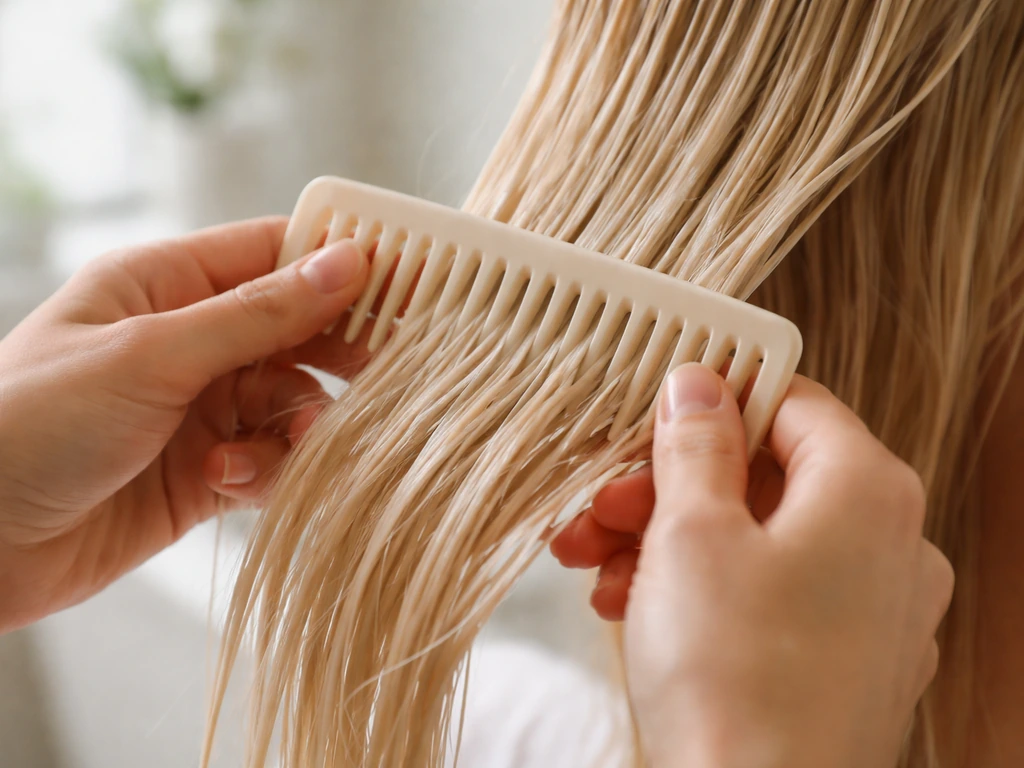
Always detangle before washing, not after. Apply conditioner or a detangling spray, use a wide-tooth comb or wet brush, and start from the ends working upward toward the root. Never drag a brush from root to tip through wet fine hair. This single habit change prevents more breakage than most products will.
Drying
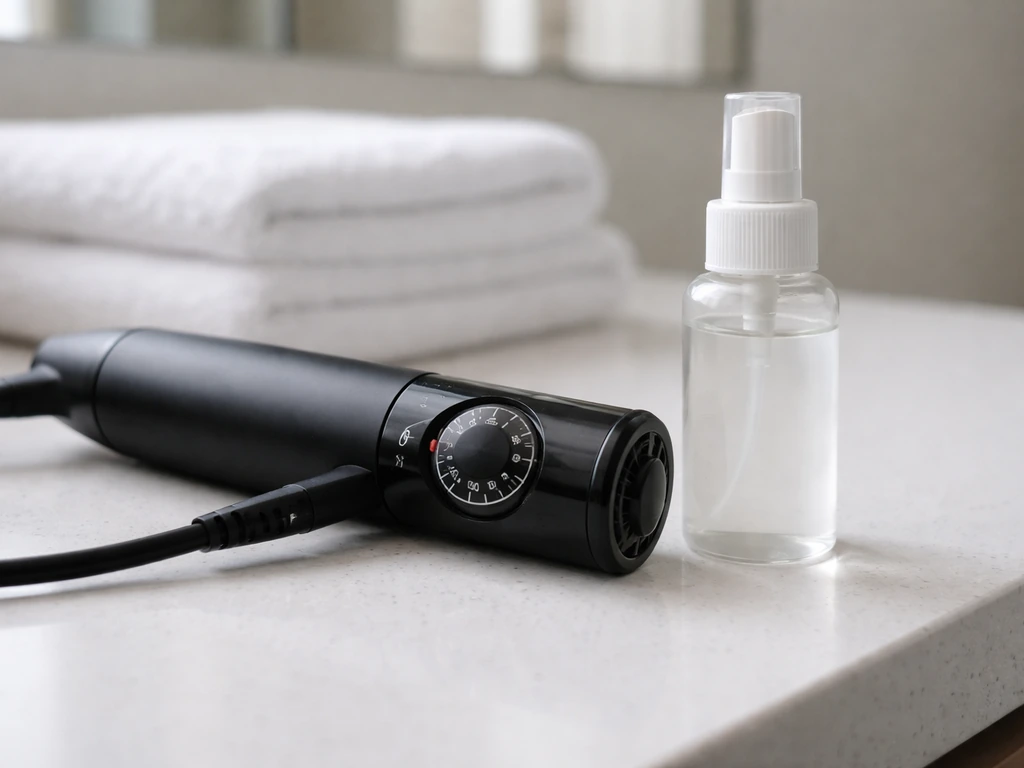
Squeeze water out gently with a microfiber towel or a soft cotton T-shirt. Rubbing is out. Air drying is gentler than heat but leaving fine hair wet for hours isn't ideal either, it stays in a swollen state that's vulnerable to breakage. A low-heat blow dry with a nozzle attachment, using a round brush with light tension, is a reasonable compromise. Apply a heat protectant before any heat, always, even on low settings.
Heat and chemical styling
Fine hair can absolutely handle heat tools, but temperature and frequency matter. Cap your flat iron or curling iron at 300 to 350°F (roughly 150 to 175°C) for fine hair. Higher than that and you're cooking the cuticle. If you're also coloring your hair, the combination of chemical processing plus regular high-heat styling is the most common reason fine hair never seems to get longer. Either drop the heat frequency, lower the temperature, or invest seriously in bond-building treatments (like Olaplex or K18 used as directed) to offset the chemical damage.
The trimming question: do you really need to cut while growing?
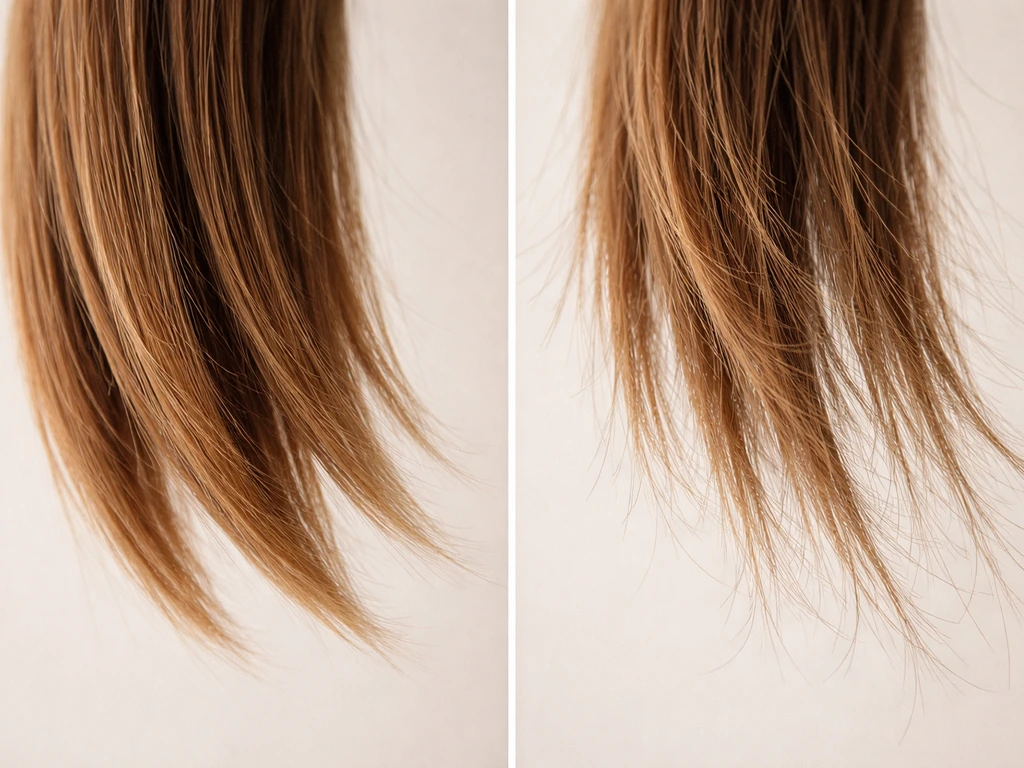
This is where a lot of people get derailed. They want length, so they skip trims entirely. Then splits travel up the shaft, breakage increases, and the ends look so thin and see-through that they eventually cut off more than they would have if they'd trimmed small amounts along the way. For fine hair, the better strategy is light trims (half an inch or less) every 10 to 14 weeks, or whenever split ends become visible. You're not cutting to stimulate growth, hair doesn't know its ends were trimmed. You're cutting to prevent the kind of damage that travels upward and causes you to lose more length later.
If you're growing out a specific cut like a pixie or bob, ask your stylist for a 'dusting' (removing just the visible splits without taking off any real length) rather than a standard trim. Shape cuts, where length is preserved but the silhouette is tidied, are worth doing every 2 to 3 months during the awkward phase so you're not white-knuckling through a style that's visually frustrating.
Styling through the awkward phases without starting over
This is the phase that makes most people quit. The hair is long enough to be in the way but not long enough to do anything with, and fine hair makes every awkward phase look worse because it goes flat, clings, or sticks out in random directions. Here's how to handle each major stage:
Growing out a pixie
The hardest part of growing out a pixie with fine hair is the crown and sides growing at different rates. Volumizing mousse or a root-lifting spray applied at the roots before blow drying gives the crown lift so the whole head doesn't collapse flat. Side-swept styling with a little texture paste can disguise the awkward side-growth phase. Headbands and soft clips buy you weeks of wearable style while the top catches up. Resist the urge to cut the top shorter to match the sides, you'll just reset the whole process.
Growing out a bob or lob
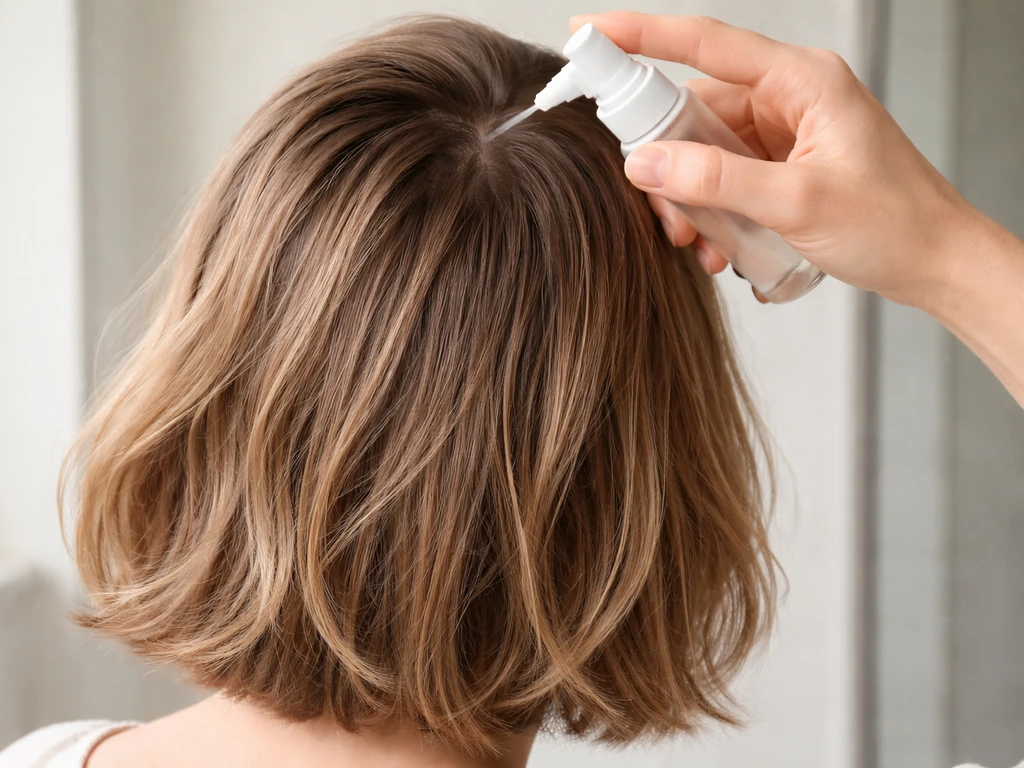
Fine hair at the bob-to-lob stage goes very flat and see-through at the ends. A bit of body wave texture, either a light perm (yes, modern perms are gentler and done correctly on fine hair they add exactly the volume and bend you need) or a regular soft curl with a 1-inch barrel, makes this phase dramatically easier. Sea salt spray on towel-dried hair before diffusing gives texture without weight. If your bob had heavy layers, let them grow through rather than re-cutting them shorter.
Growing out bangs
Growing out bangs on fine hair is frustrating because they hang limp and separate easily. While they're at nose-to-mouth length, sweep them to the side and use a small amount of a light wax or paste to keep them in place. Once they hit chin length, they can be incorporated into the rest of the hair with side part styling or pinned back. Avoid heavy dry shampoo on the bang area, it clumps fine hair fast.
Managing undercuts and layers growing in
Undercuts and disconnected layers growing back in are one of the trickier situations for fine hair because the shorter underlayer creates visible bulk inconsistency as it grows. Braids, half-up styles, and low buns are your allies here: they blend the shorter layers into the longer hair visually. If the contrast becomes very obvious, a stylist can soften the transition with face-framing pieces or blended layers without removing length from the top.
When something's not right: breakage, shedding, and knowing when to get help
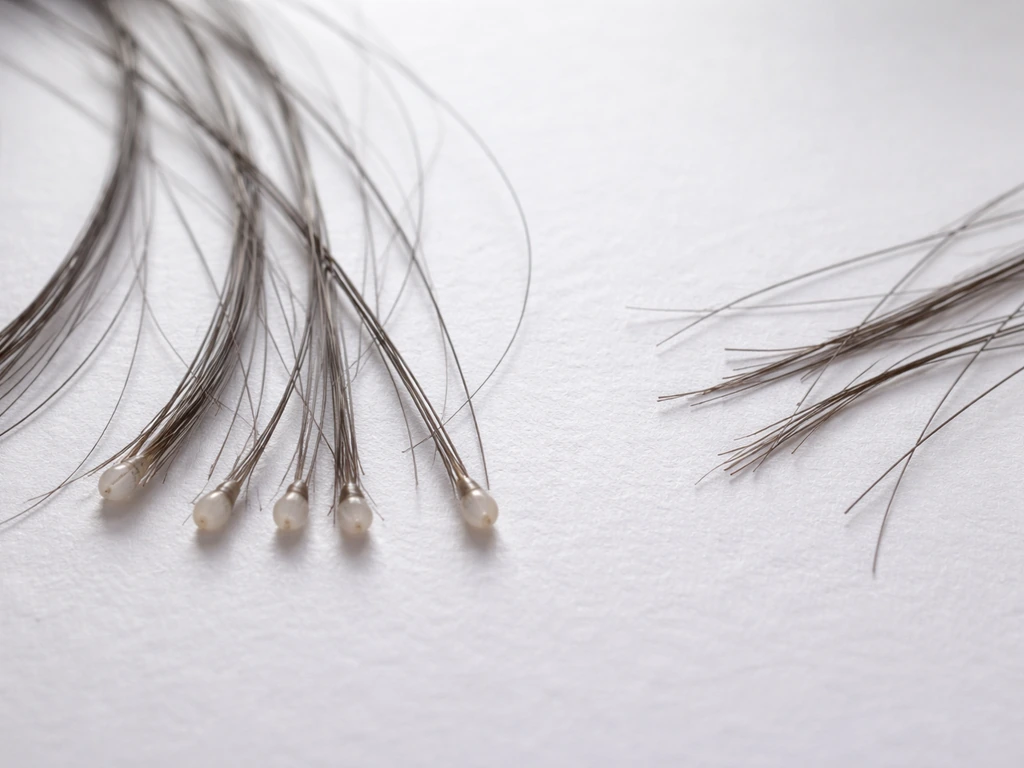
Not every hair problem is a routine problem. Here's how to tell the difference between normal shedding and something worth investigating:
- Normal shedding is 50 to 100 hairs a day, and shed hairs have a small white bulb at the root end. If you see significantly more than this consistently, or notice diffuse thinning at the part or temples, see a doctor or dermatologist.
- Breakage hairs are shorter, have no bulb, and often feel rough or snapped. This is a routine and product problem, usually fixable by removing heat damage, switching to gentler handling, and adding moisture back into the hair.
- If your hair has broken off at a consistent length (say, always snapping at collar length), this often points to a specific damage source like a recurring style that stresses that point, a collar or backpack strap creating friction, or the exact point where chemical damage is most concentrated.
- If you've recently gone through illness, significant stress, rapid weight loss, postpartum changes, or a medication change and you're noticing sudden increased shedding, this is telogen effluvium, a well-documented stress-response shedding phase. It usually self-resolves within 3 to 6 months, but a dermatologist can confirm and rule out other causes.
- If you're losing hair specifically at the hairline or in patches, see a dermatologist promptly. This is outside DIY territory.
Growing out fine hair is <a data-article-id="316E818F-3918-449E-8DCB-FCAF41ACB1DA">genuinely a long game, but it's a winnable one. Growing out your hair properly is all about creating the right conditions so breakage is reduced and length can actually stay how to properly grow out your hair. If you’re wondering how to grow classic length hair, focus on preventing breakage so the visible length you gain actually stays on your head breakage is reduced and length can actually stay. The people who get stuck are almost always fighting breakage without knowing it, or quitting during the awkward phase because they don't have a styling strategy to get through it. Start with the damage-reduction habits this week, build the wash and detangle routine, book a light dusting trim, and give yourself a real 12-week window before drawing conclusions. You're not waiting for your hair to grow. You're building the conditions where the growth you're already making can actually stay.
FAQ
Can I color my hair or use highlights while I’m growing out fine hair without losing progress?
Yes, but only if you protect against cuticle damage and breakage. If you do, choose low heat, limit sessions, and keep the style tension light. For fine hair, a safer rule is to prioritize bond-building care when chemical services are present, and plan a “seam” phase where you avoid aggressive brushing on the first few centimeters of new regrowth.
How can I tell if my fine hair is actually growing or if I’m just breaking it off?
Try measuring progress by tracking the same hair reference point (like the length of the longest front pieces) and use a consistent routine for 8 to 12 weeks. Fine hair often looks uneven because shorter, more fragile ends shed first, so visible progress can lag behind actual growth. If shedding is spiky or suddenly heavier, that’s different from normal cycle shedding and may need a check-in.
What’s the best way to use heat tools while growing out fine hair?
If you use heat, prioritize frequency over intensity, because repeated low-level damage still adds up. Fine hair is also more likely to frizz and catch on friction sources, so add protection at the styling stage (heat protectant, nozzle attachment) and reduce brushing right after heat. If you notice rapid tangling after styling, lower heat and shorten sessions before the ends start splitting.
Do I need protein or can I just use moisture to help fine hair grow out?
You can, but focus on gentle placement and slip. Apply conditioner from mid-length down, detangle with a wide-tooth comb in the shower, and avoid heavy, protein-dense products if your hair feels stiff or brittle. If your hair becomes wiry or snaps more easily after conditioning, dial back protein and switch to moisture-focused formulas.
How often should I wash to avoid breakage and scalp buildup with fine hair?
A good default is every-other-day to every-2-days, but adjust based on scalp behavior. If your scalp gets itchy, oily quickly, or you notice flaking, slightly increase washing and keep products off the roots that tend to build up. If your lengths feel coated or flat even after washing, use less product and rinse more thoroughly, especially at the crown.
Will dry shampoo help me grow out fine hair, or does it make breakage worse?
Yes, but don’t rely on dry shampoo as a substitute for scalp cleansing. If you use it on the bang area or at the crown, incorporate regular wet washes to prevent residue-driven irritation and tangling that can cause additional snapping. When you do use it, brush it out well and avoid piling it near the roots repeatedly without a rinse cycle.
How do I know whether my hair loss is breakage or normal shedding?
Look for shedding versus breakage clues. Breakage often shows short, uneven pieces and frayed ends, while normal shedding tends to be whole hairs with a small bulb at the root. Also consider timing, if shedding increases after stress, illness, pregnancy, stopping hormones, or major diet changes, it may be shedding-related rather than purely damage-related.
What hairstyles actually help fine hair stay intact during the grow-out awkward phase?
During the awkward in-between stages, avoid styles that create constant friction at the same points (tight elastic bands, rough clips, or rough detangling). Use a soft scrunchie, satin-lined clips if they snag less, and keep tension consistent. If you braid, use a looser braid and keep it off the same pressure point every day to reduce localized snapping.
Do trims make fine hair grow faster, or are they just to remove split ends?
Yes, but trims are about preventing split travel, not “training” growth. For many people, a light dusting every 10 to 14 weeks works, or sooner if splits are visible. If your hair is very fragile, ask for micro-trims (small amounts more frequently) so you reduce split migration while keeping overall length.
How do I grow out bangs without them going limp or snapping?
If bangs or short front pieces are snagging and separating, treat them like the most breakable zone. Detangle gently, keep styling products light, and consider smoothing them with a small amount of paste instead of heavy oils that can weigh them down and attract residue. When they reach chin length, blend them with the rest using a side part or pinned set rather than cutting shorter.
Is scalp massage safe for fine hair, and how do I know if I’m doing too much?
If you wash in cooler water, detangle correctly, and dry gently, most fine hair benefits from regular scalp care. However, if scalp massage increases tenderness, flaking, or irritation, reduce frequency and pressure. If you have persistent inflammation, hair thinning, or scaling that doesn’t improve, a clinician check is a smarter next step than adding more “stimulating” products.
Should I take supplements like biotin, iron, or vitamin D to grow out fine hair?
A blood panel can be helpful if you have risk factors (postpartum status, vegetarian or vegan diet, prolonged stress, heavy periods, recent illness) or symptoms like fatigue, dizziness, or sudden shedding. If you supplement without evidence, you may waste money and in some cases overdo nutrients. Biotin is a common marketing trap, it only helps when there’s a deficiency.