
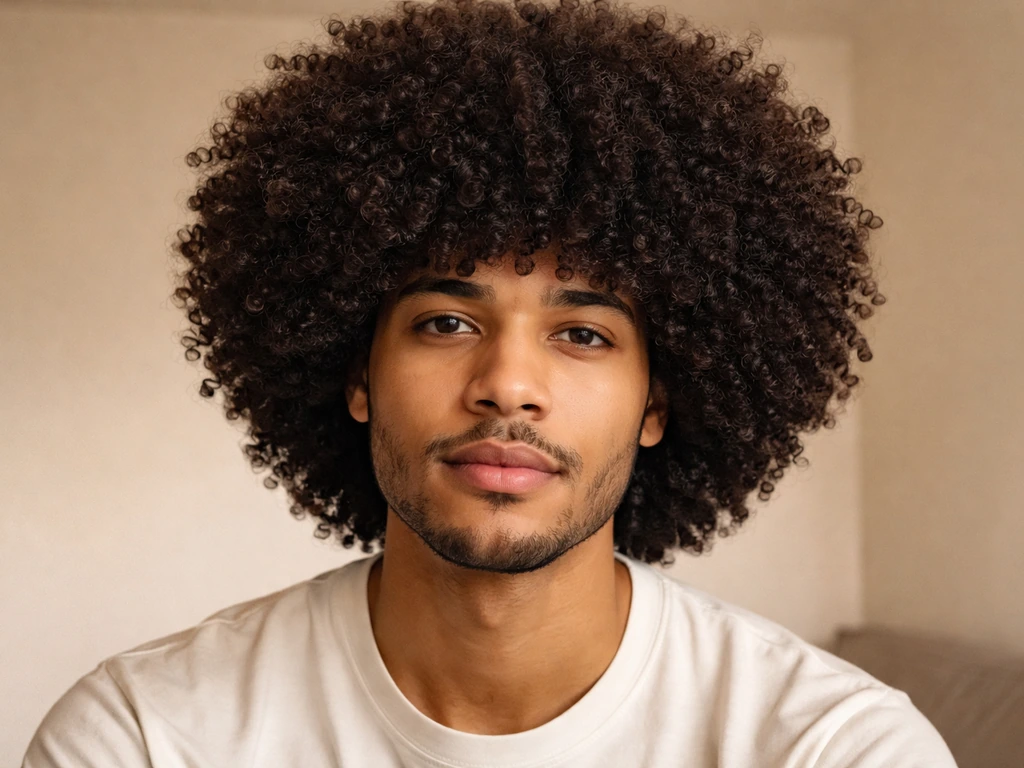
Growing a jewfro comes down to three things: letting your natural curl or wave pattern do its work, keeping your hair healthy enough to hold volume, and resisting the urge to trim too aggressively during the awkward phases. If you start today with the right routine, most people with naturally curly or wavy hair can have a recognizable jewfro shape within four to six months, and a full, rounded cloud by the nine-to-twelve month mark.
How to Grow a Jewfro: Step-by-Step Growth Plan

Marcus Vickers
22 Jun 2026
What a jewfro is (and whether it will work for your hair)
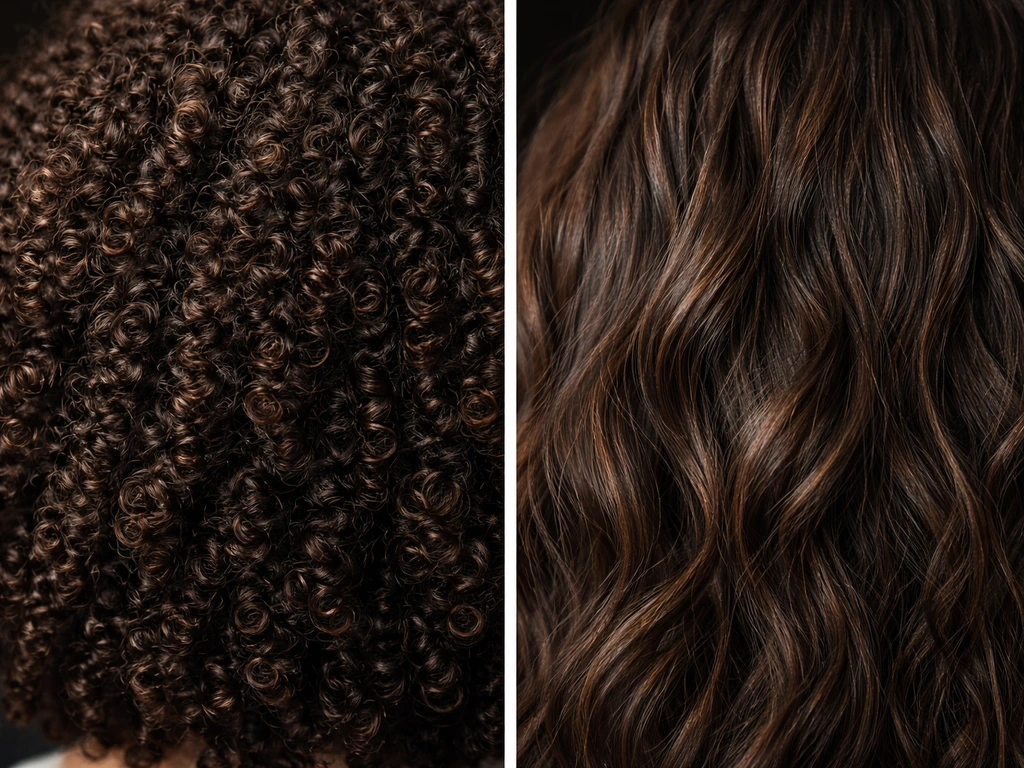
A jewfro is essentially an afro worn by Jewish people with naturally curly, coily, or tightly wavy hair. The word itself is a portmanteau of "Jew" and "afro," and the style follows the same structural principle as any afro: hair is encouraged to grow outward from the scalp, the curl pattern disperses into a rounded shape, and the result is that full, cloud-like puff-ball silhouette. The key visual feature is volume and roundness, not just length.
This style works best on hair with a natural curl or coil pattern. [Afro-textured hair is generally characterized by a tight curl pattern](https://www. skinhealthinfo. org.
uk/wp-content/uploads/2023/07/Caring-for-Afro-textured-hair-PIL-July-2023. pdf), which is why starting with a natural curl or coil pattern helps this style work well. If you have tight coils (sometimes categorized as 4A or 4B texture), your hair will naturally spring outward and hold shape well. Smile Hair Clinic’s guide highlights that one of the most noticeable features of afro hair is its curl pattern, and it discusses how different afro textures (like 4B vs 4C) vary [tight coils (sometimes categorized as 4A or 4B texture)](https://www.
smilehairclinic. com/en/afro-hair-types-and-their-differences/). Looser curls and waves (think 3A to 3C range) can absolutely achieve a jewfro look too, but you may need to work a little harder to maximize volume and definition. Straight hair will not form this shape on its own without significant chemical texturizing, which is a different project entirely.
If your hair has any curl at all, even if it's been suppressed by heat, relaxers, or grow-out from a short cut, you have something to work with.
Before you start: assess your hair and where you're coming from
Your starting point changes your strategy. The most common places people are growing from are a buzz cut or fade, a short crop or pixie, a medium-length layered cut, or a longer cut where the shape just isn't there yet. Each has its own awkward phase, and knowing which one you're navigating helps you plan for it rather than be blindsided.
The other big variable is hair condition. Colored hair, heat-damaged hair, or chemically relaxed hair will behave differently from virgin natural hair. If your ends have been processed, they may not curl the same way your roots do, and you'll deal with a two-texture situation for a while. If you have bleached or heavily dyed hair, porosity is higher, which means your hair absorbs moisture quickly but loses it just as fast. Take stock of this now, because your product choices and trimming strategy will need to account for it.
- Check your natural curl pattern at the roots, especially if you've been using heat or chemical services. This is your truest texture.
- Feel for damage: crunchy, brittle, or snapping ends mean you'll need to prioritize moisture before aggressive growing.
- Note your current length. Hair grows roughly half an inch per month on average, so set realistic expectations based on where you're starting.
- If you're growing from a fade, buzz, or undercut, expect the sides and back to outpace the top initially, which creates a temporary mullet-adjacent phase. Plan for that now.
Month-by-month timeline: what to actually expect
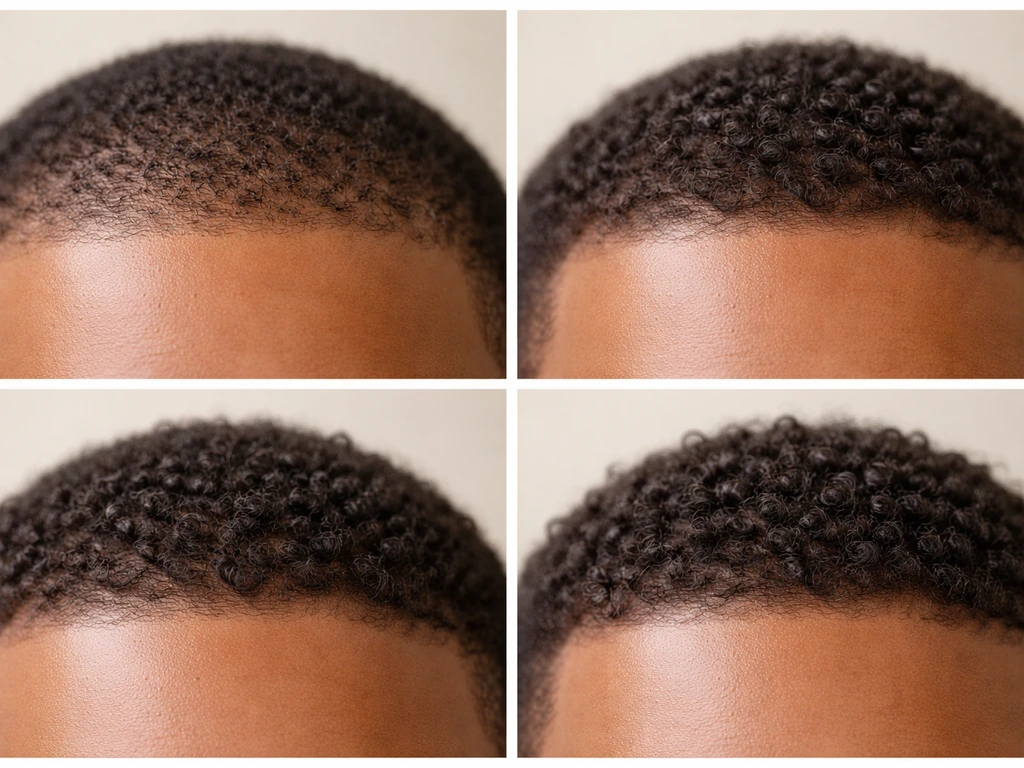
Growth timelines vary by person, but here's an honest breakdown of what most people experience. Use this as a rough map, not a strict schedule.
| Stage | Approx. Length | What's Happening | Main Challenge |
|---|---|---|---|
| Weeks 1–4 | Under 1 inch | Stubble or short growth, curls barely visible | Nothing to style yet; patience is the whole job |
| Months 1–2 | 1–1.5 inches | Curl pattern starts to emerge, especially at roots | Hair looks scruffy and undefined; resist trimming |
| Months 2–3 | 1.5–2 inches | Volume begins, but shape is uneven; sides may puff before top | Awkward mullet phase if growing from a short layered or undercut style |
| Months 3–5 | 2–3 inches | Recognizable jewfro silhouette starts forming | Frizz management and moisture retention become critical |
| Months 5–8 | 3–4.5 inches | Shape rounds out; curl definition is clearer | Dryness, tangling, and potential breakage at ends |
| Months 8–12 | 4–6 inches | Full jewfro shape with volume and roundness | Maintaining shape while continuing to grow |
If you're growing from a longer base, like a bob or medium-length cut, you may hit the recognizable shape faster. If you're starting from a buzz or fade (similar to growing an afro from a fade), you're looking at the longer end of this timeline. If you’re specifically starting with a fade, the next step is to focus on defining your curls as your hair fills in so you can transition into a rounded afro shape growing from a fade. The awkward phase is real and it lasts longer than most people want. The people who actually get there are the ones who commit to a routine and stop expecting to look polished at month two.
Your daily routine for building volume and curl definition
Curl definition and volume come from how you care for your hair daily, not just from letting it grow. A good routine does three things: it keeps your curl pattern intact, it maximizes moisture retention, and it protects your strands from the kind of handling that causes breakage. Here's what that looks like in practice.
Washing
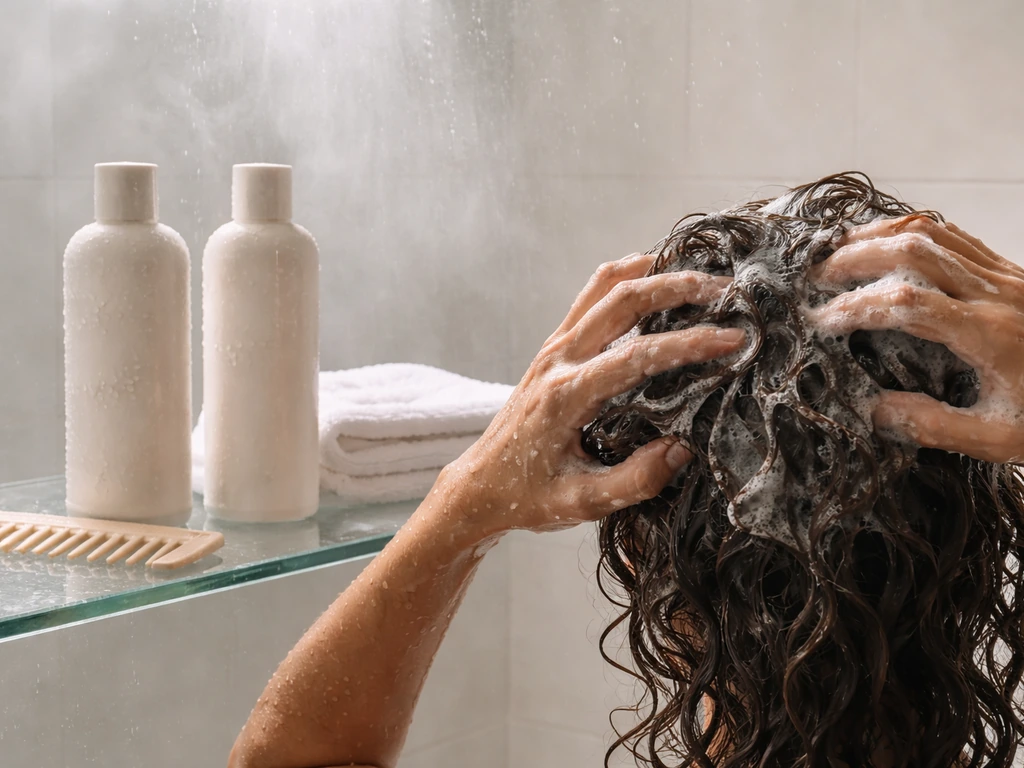
Wash two to three times a week maximum. Daily shampooing strips natural oils that curly hair genuinely needs to stay defined and frizz-free. When you do shampoo, use a sulfate-free formula. On non-wash days, if your scalp gets oily, a scalp-only rinse with water or a diluted co-wash is enough. Always follow shampoo with a conditioner, and once a week, do a deep conditioning treatment and leave it on for at least 20 to 30 minutes. Curly and coily hair is naturally drier than straight hair because the curl pattern makes it harder for scalp oils to travel down the shaft, so deep conditioning is not optional here.
Products to use (and the right order)
The general rule for curly hair products is to layer from thinnest to thickest: leave-in conditioner first, then a curl cream or gel, then seal with a light oil if your hair is very dry. A leave-in conditioner applied to soaking wet or damp hair is the single most impactful product change most people can make. It locks in moisture before it evaporates. A curl cream or cream-gel adds definition and reduces frizz. Oils like jojoba, argan, or grapeseed work well as a sealant on top, but don't use heavy oils as your first layer or they'll block moisture from getting in.
Drying method
How you dry your hair matters as much as what you put in it. Air drying is the least damaging option and lets curl patterns form naturally. If you use a diffuser attachment on a low-heat, low-speed setting, that works well too and speeds up the process. Never rub curly hair dry with a regular terrycloth towel. It roughens the cuticle and creates frizz. Use a microfiber towel or an old cotton t-shirt to gently squeeze out excess water instead. Once hair is dry, resist touching it until it's fully set. Touching it while damp disturbs the curl clumps and creates frizz.
Overnight care

Sleep on a satin or silk pillowcase, or use a satin bonnet or loose pineapple (a high, very loose ponytail at the top of your head). Cotton pillowcases create friction that disrupts curl definition and causes breakage over time. This is a small change that makes a noticeable difference within a few weeks.
How to style through the awkward phases
The awkward phase is different depending on your starting length. Here's how to handle each stage so you actually look intentional rather than unkempt, even when your hair isn't cooperating.
Short phase (under 2 inches)
At this stage, there's genuinely not much you can do style-wise, and that's okay. Focus on defining the curl pattern that's emerging. Apply a small amount of curl cream or gel to damp hair and let it air dry. To get a flat top, you’ll want to keep the sides and back shaped shorter while maintaining a longer, more controlled top section.
Don't brush it or comb it through unless you're detangling from the ends up. A wide-tooth comb used gently on wet, conditioned hair is fine; using a fine-tooth comb or a brush on dry short curls will just puff the hair into a shapeless frizz ball. Keep the hair clean and moisturized, and let the curl pattern establish itself.
Medium phase (2–3.5 inches)
This is the hardest phase visually. The sides and back may be growing faster or slower than the top depending on your starting cut. If you had an undercut or a fade, the sides may look dramatically different from the top.
You have a few options: ask your barber or stylist to do a light shape-up every six to eight weeks that blends the sides without taking off significant length; use a headband or wide elastic to push hair back on bad days; or simply accept that this phase lasts about two months and commit to it. Growing a comb over or flat top style out also goes through a similar uneven phase, so you're not alone here.
If your goal is more of a comb over look, the key is choosing a styling routine that builds direction and hold while your hair keeps growing out. The medium phase is when your curl product game matters most, since definition is the thing that makes medium-length curly hair look styled rather than messy.
Full phase (3.5 inches and beyond)
This is where the jewfro really comes into its own. If you are specifically aiming to learn how to grow a quiff, the same volume and curl-friendly routine principles can help you build a strong shape as your hair transitions through awkward stages. At this length, the curl pattern has enough weight and density to hold a round shape. Pick the hair gently with a wide-tooth afro pick to add height and volume.
Do this when hair is fully dry and start at the ends, working your way toward the roots. Over-picking can disrupt curl clumps and create frizz, so use a light touch. If you want a defined, less voluminous look, apply a stronger-hold gel or cream and scrunch it in. If you want maximum volume, use a light cream and pick.
Both are valid looks.
Trimming strategy: shape without killing your progress
The biggest mistake people make when growing a jewfro is either never trimming at all, or trimming too much every time they see split ends. Both approaches slow you down. Split ends that go untreated travel up the hair shaft and cause breakage higher up, which means you lose more length later. But over-trimming every two months keeps you stuck at the same length indefinitely.
The right approach is to trim only the damaged ends, not a consistent length across the whole head. Every three to four months, go to someone who understands curly hair (this is important, because a stylist who cuts curly hair wet and straight will ruin your shape) and ask for a duster or search-and-destroy trim. A duster removes the very tips of the most damaged strands without touching the healthy ones. A search-and-destroy trim is when the stylist goes through section by section and snips only the split or frayed ends. Either of these approaches protects your length while eliminating damage.
If you're trimming at home, only do so on fully dry, product-free hair so you can see what you're working with. Trim curl by curl with sharp hair scissors (not craft scissors), taking off only a quarter inch at most. The goal is to neaten, not reshape.
What to do if growth stalls or your hair is colored or relaxed
When growth seems to stall
Hair doesn't actually stop growing, but it can break off at the ends as fast as it grows from the root, making it feel like you're stuck. If you've been at the same length for two or more months, breakage is almost certainly the culprit. The fix is to focus on moisture and protein balance. Dry, porous, or over-processed hair breaks because it's brittle. Add a protein treatment once a month (look for products with hydrolyzed keratin or rice water) alongside your weekly deep conditioner. Protein strengthens the strand; moisture keeps it flexible. Too much of either one causes problems, so alternate rather than pile both on at once.
Also check your physical habits. Tight hair ties, sleeping on cotton, scratching your scalp aggressively, and pulling at tangles are all mechanical breakage causes. Eliminate those first before blaming the product routine.
If your hair is colored or previously relaxed
Colored or bleached hair has higher porosity, which means it loses moisture faster and is more prone to breakage. You'll need to deep condition more frequently, possibly twice a week, and use heavier leave-in products than someone with virgin hair. The main challenge if you've had a relaxer (or any chemical straightening) is that your new growth will curl while your older ends remain straighter.
This two-texture situation is the same grow-out challenge as growing out damaged hair from any chemical service. You have two options: do a big chop and start with fully natural hair, or do a gradual transition where you trim the relaxed ends incrementally every few months as new natural growth comes in. The gradual approach takes longer but means you keep more length. The big chop gets you to a uniform texture faster but obviously resets your length.
If you're currently coloring your hair and want to keep doing so while growing a jewfro, switch to gentler options like glosses, tints, or deposit-only color rather than bleach. If you're growing out existing color, this is actually similar to growing out highlights or a fringe in terms of the patience and blending strategy required. If you are specifically trying to grow a fringe out, the same moisture and trimming principles apply, just with extra attention to blending the hairline. Tone the roots every six to eight weeks with a color-depositing conditioner to reduce the contrast while you grow, and invest heavily in moisture.
Your action plan starting today
Here's the exact sequence to start right now and keep momentum through to a full jewfro shape.
- Assess your starting point honestly: current length, curl pattern at the roots, and condition of the ends. Write it down so you can track progress.
- Switch to a sulfate-free shampoo and a moisturizing conditioner this week if you haven't already.
- Buy a microfiber towel or start using an old cotton t-shirt to dry your hair. Stop using terrycloth.
- Get a satin pillowcase or satin bonnet before your next wash day.
- Add a leave-in conditioner to your wash-day routine immediately, applied to soaking wet hair.
- Book a duster or shape-up trim only if your ends are visibly damaged. Otherwise, don't trim yet; just grow.
- Commit to a three-to-four month no-major-trim window and set a calendar reminder to reassess at that point.
- Take a photo today and every four weeks so you can actually see progress, because hair growth is slow enough that you'll lose perspective without documentation.
- If growth stalls at any point, add a monthly protein treatment and audit your physical habits for breakage causes before changing your whole routine.
The jewfro is genuinely one of the more patient styles to grow, but it's also one of the most rewarding because it's working with your natural texture rather than against it. Once you're in the full-phase range, maintaining it is mostly about moisture, occasional picks for volume, and light trims every few months. Getting there is the hard part, and it's almost entirely a consistency game. Stick with the routine, protect your ends, and let your curl pattern do what it's designed to do.
FAQ
How long does it actually take to see a real jewfro shape, not just longer hair?
Most people notice a recognizable rounded silhouette around the 4 to 6 month window, but the “real” jewfro look usually depends on how full your crown area becomes. If your crown grows slower or your sides blend in too quickly, expect another 2 to 4 months for the shape to read clearly in photos and at different angles.
Can I grow a jewfro if my hair is pin-straight but I get some wave or frizz?
If your hair truly has little to no natural curl, you usually cannot get the outward cloud shape without chemical or texturizing changes. If you only get frizz or loose wave when it’s humid, try a curl-friendly routine first, but be prepared that the silhouette may stay more “volume puff” than “afro cloud.”
What if I’m growing from a fade and my sides look awkward even after I try curl products?
In that stage, prioritize curl clumps and consistent moisture over trying to make the sides match the top. Use your gel or cream on fully damp hair, let it fully dry before picking, and consider scheduling a light shape-up every 6 to 8 weeks so the blend stays clean while the top fills out.
Should I comb, brush, or use an afro pick while my jewfro is growing?
Comb and brush only when your hair is wet and conditioned (detangling is the exception). When dry, avoid routine brushing because it breaks curl clumps and creates frizz. Afro picking is fine, but do it lightly after hair is fully dry, starting at the ends and moving upward.
How often should I wash and what should I do if my scalp gets oily?
A safe baseline is 2 to 3 washes per week, sulfate-free shampoo, and conditioner every wash. On between days, do a scalp-only rinse or diluted co-wash, focus product at the roots, and keep the ends protected so they do not dry out from excess washing.
My hair looks frizzy instead of rounded, what’s the most common mistake?
Most frizz issues come from disrupting curls while they are still setting (touching, shaking out, or re-picking too soon). After washing, apply leave-in to damp hair, add your defining product, then let it dry completely before you adjust or pick. Also avoid rubbing with terrycloth towels.
Do I need a protein treatment, and how do I know if I’m overdoing it?
If you feel your hair is snapping, tangling easily, or feels stiff and rough after conditioning, you likely need moisture more than extra protein. A common approach is one protein session about monthly, paired with weekly deep conditioning, then adjust based on softness and elasticity rather than adding protein whenever you see dryness.
What’s the best trimming schedule for growing length without getting stuck?
A practical target is only removing damaged ends, not shaping every time you see split ends. For most people, a professional duster or search-and-destroy trim every 3 to 4 months keeps progress moving while preventing splits from traveling upward.
Can I trim at home safely during the awkward phases?
Yes, but only trim when hair is fully dry and product-free so you can see true length and damage. Use sharp hair scissors, take tiny amounts (about a quarter inch at most), and cut curl by curl. If you are unsure, stick to a professional duster until your baseline growth pattern is clearer.
How should I handle two-texture hair from relaxers or straightening chemicals?
Plan for a gradual transition if you want to keep length. Trim relaxed ends incrementally as new growth comes in, and concentrate on sealing and moisture on older, straighter ends so they do not break while the natural section gains weight and holds the round shape.
I color or bleach my hair, can I still grow a jewfro without ruining my curl pattern?
You can, but treat porosity and breakage as the main variables. Prefer gentler color options like glosses or deposit-only methods, deep condition more often if hair feels dry quickly, and watch for split ends earlier. If breakage is keeping your length flat, adjust protein-moisture balance and reduce mechanical stress.
What should I do if my length feels stuck for two months?
When length stays the same, it’s usually breakage, not slow growth. Do a quick check for snapping, excessive shedding at the ends, and tangles. Then tighten up mechanical protection (looser hair ties, satin/silk sleep setup) and rebalance moisture and protein rather than repeatedly trimming “just in case.”
How do I maintain the jewfro once I finally reach the full shape?
Maintenance usually comes down to moisture, occasional gentle picking for lift, and periodic dusting or trims every few months to keep damage from creeping in. If you notice the roundness flattening, look first at moisture levels and how completely your hair is drying before you pick again.