
Growing a men's fringe from a short cut takes roughly 3 to 6 months depending on how long you want it, and the main job during that time is training the hair to fall forward and flat rather than just letting it grow wild. Hair grows about half an inch per month on average, so a fringe that sits just above the brows needs around 4 to 5 inches of front hair, which puts the realistic finish line somewhere between 4 and 10 months depending on your starting length. The good news: most guys find the fringe starts looking genuinely intentional by the 8 to 10 week mark, even before it reaches its final form.
How to Grow a Fringe Male: Step-by-Step Timeline

Marcus Vickers
19 Jun 2026

Know your starting point and what fringe you're actually aiming for
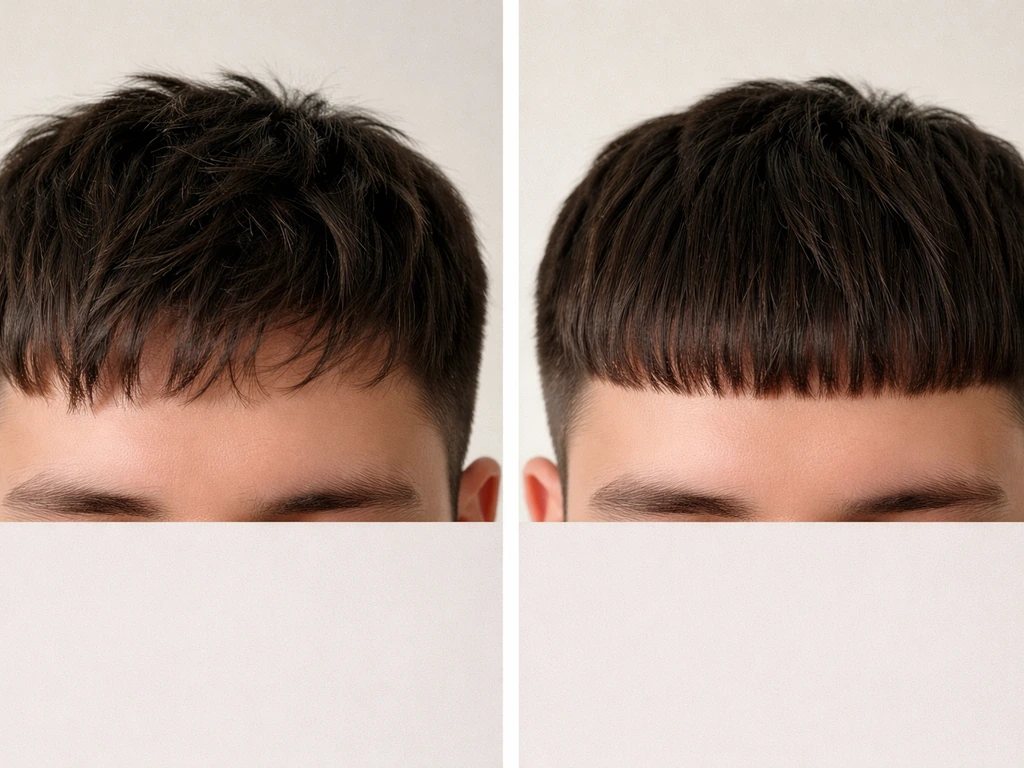
Before you do anything else, get specific about what you want. A men's fringe isn't one thing. A bold straight-across fringe sits just above the brows and reads as a hard, intentional statement. Curtain bangs are longer, center-parted, and sweep outward to each side, softer, more relaxed, and they blend into the rest of the cut much more easily. A side-swept fringe falls diagonally across the forehead and tends to suit guys who want something less blunt. Each of these has a different target length and a different training direction, which affects everything you do during the grow-out.
Your starting point matters just as much. If you've just had a standard short back and sides with cropped front hair, you're probably starting with less than an inch of length at the front. If you're coming from a buzz cut or a fade, add a few extra weeks to every stage below. If you’re starting from a fade, you’ll want to give the front a little extra time and focus on consistent training so it can grow into the afro shape you want. Take a photo of the fringe style you're going for, something on your phone you can reference when you're at the mirror or the barbershop. It sounds basic, but having that visual reference stops you from making impulsive decisions at weeks 4 through 6 when the hair is at its most awkward.
Growth timeline and what happens at each stage
At around half an inch of growth per month, here's a realistic breakdown of what to expect at the front of your head. Individual growth rates vary, some guys hit the faster end of the range (up to about 1.7 cm per month), others sit closer to the lower end, but these windows are a solid guide.
| Stage | Approx. timeframe | What's happening | Your main job |
|---|---|---|---|
| 1: Just starting | Weeks 1–3 | Front hair is short but starting to creep forward; little styling control yet | Start direction training daily; resist trimming |
| 2: Awkward zone | Weeks 4–6 | Too long to sit flat, too short to style properly; cowlicks and flipping are common here | Use blow-dry technique religiously; use a light pomade or cream to hold direction |
| 3: First usable length | Weeks 7–10 | Hair can begin to sit across the forehead; fringe starts looking intentional on good hair days | Begin shaping trims if needed; continue training direction |
| 4: Blending phase | Months 3–5 | Fringe is getting close to the brows or beyond; starts to blend with layers if you have them | Ask your barber to blend rather than cut; introduce face-framing |
| 5: Target fringe | Months 5–10 | Fringe reaches your goal length depending on starting point and style | Maintenance trims every 6–8 weeks; full styling routine locked in |
The weeks 4 through 6 window is genuinely the hardest part. The front hair is usually in the 1 to 1.5 inch range, which is exactly long enough to flip out, stick up, or go sideways, and short enough that you can't pin it down with length and weight. Almost everyone who quits growing their fringe does it during this phase. If you can push through to week 8 or 9, things start to turn a corner. The hair gets heavy enough to cooperate.
Daily and weekly fringe care that actually supports growth
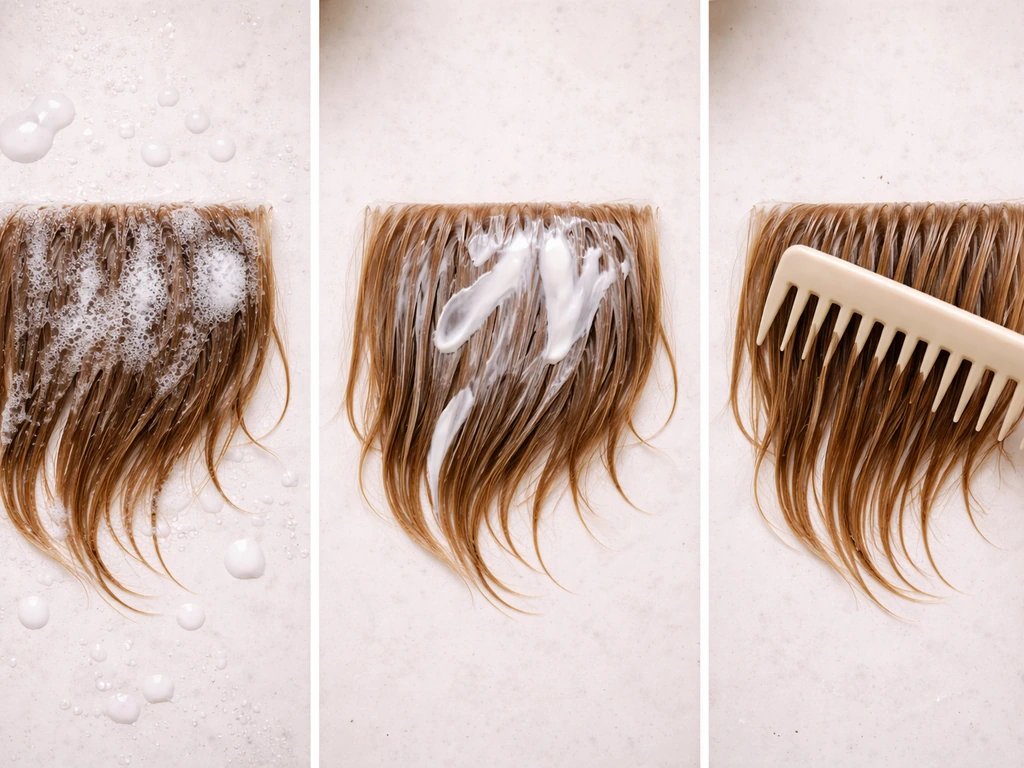
Hair grows from the scalp, so the best thing you can do to support growth is keep the scalp healthy and avoid breaking the strands you already have. Wash the front section (the fringe area) every one to two days if it gets oily, oily skin at the hairline is common in guys and it can clog follicles if left. Use a gentle, sulfate-free shampoo and follow with a lightweight conditioner on the lengths, not the roots.
Detangling is worth taking seriously even at short lengths. Use a wide-tooth comb on damp hair rather than dragging a brush through knots, and always work from the ends upward rather than pulling from the root. This cuts down on breakage, which is important because broken strands are the main reason a fringe looks uneven or thin as it grows. Split ends are irreversible, once the strand splits, the only fix is cutting it off. Prevention through gentle handling and conditioning means fewer setbacks.
- Shampoo the fringe area every 1–2 days if your scalp is oily; every 2–3 days if it's normal to dry
- Apply a lightweight conditioner from mid-length to ends after every wash
- Use a wide-tooth comb on wet hair, never a fine-tooth brush on knots
- Avoid repeated high-heat passes with a blow dryer — one good pass on medium heat beats three lazy ones on high
- Apply a heat protectant spray on damp hair before any blow-drying or tool use
- Do a quick one-minute comb-and-direct session every morning while the hair is damp, even when it's short
Training the fringe direction, blow-drying, combing, and tools
This is where most guys either win or lose the grow-out. Your hair has a natural growth direction, and if you don't actively train the fringe forward from early on, it will grow in whatever direction it wants, usually outward, backward, or into a cowlick disaster. Once you have enough length, focus on training the front to sweep into a consistent comb over so it sits cleanly rather than flipping outward. Training works by repeatedly applying heat and tension in your target direction while the hair is damp and pliable. It takes a few weeks to start noticing results, and it works best if you're consistent.
The basic blow-dry method: after washing, towel-dry gently, apply heat protectant, then use a medium-heat blow dryer with a concentrator nozzle directed downward along the hair shaft. Pull the front hair forward with a flat brush or your fingers while applying heat, then hold it in position for a few seconds as it cools. The cooling phase is when the direction actually sets. For a side-swept fringe, pull everything toward the intended side while drying. For curtain bangs, pull the center outward to each side and dry from the center parting outward.
For cowlick areas specifically, the technique that works best is what some stylists call the back-and-forth or 'X' movement: while blow-drying on low speed, comb the fringe section to one side, then the other, then straight down, each time keeping tension on the comb spine pressed gently against the head. This disrupts the cowlick's natural growth pattern over time. Stylist Kristin Ess's method is essentially the same idea: pull the bangs to one side, hold, dry briefly; pull to the other side, hold, dry briefly; then pull straight down for the final set. Low heat and consistent tension beat high heat and rushing every single time.
Once the fringe is long enough to benefit from it (usually around weeks 8 to 10), a small round brush can add a slight downward curve at the ends, which helps keep the fringe from flipping outward. Once the fringe is long enough to benefit from it (usually around weeks 8 to 10), a small round brush can add a slight downward curve at the ends, which helps keep the fringe from flipping outward, and the same heat-setting mindset also helps when you’re learning how to grow a quiff. If you don't own one, even pressing the fringe flat with the back of a comb while directing heat downward achieves a similar result. The goal at every stage is getting the hair to remember where it's supposed to go.
What to use on your fringe at each stage
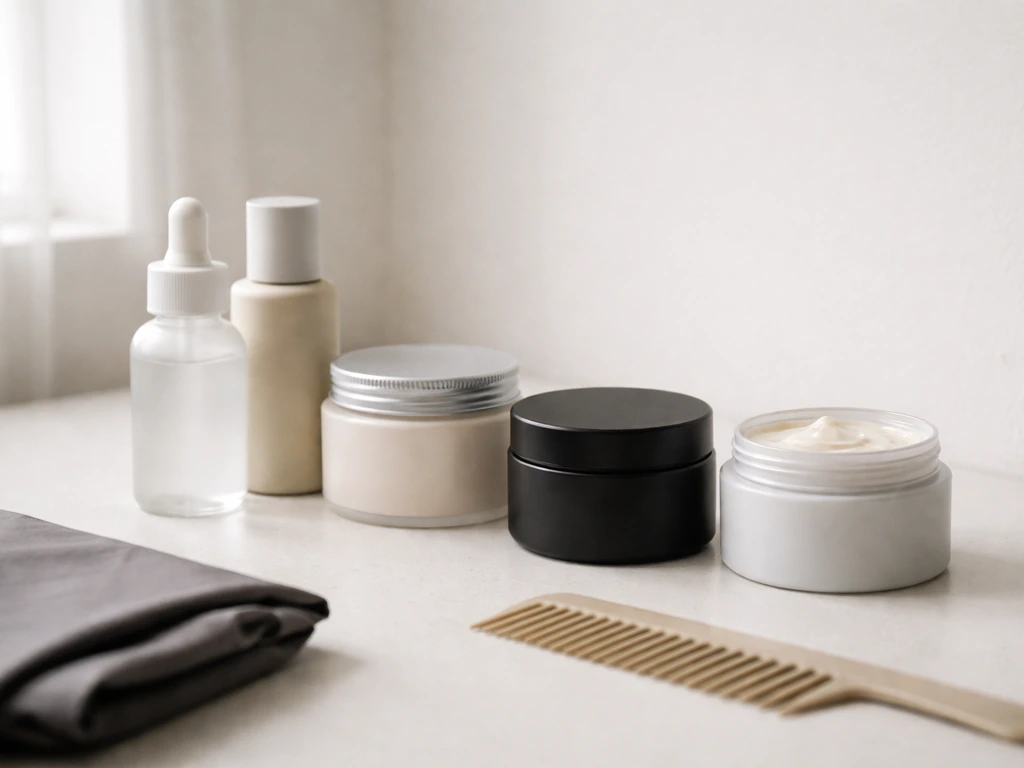
Product choice matters more than most guys think during a grow-out, and the wrong product at the wrong stage causes more problems than it solves. Heavy waxes or thick clays are great for some hairstyles but they weigh down short fringe hair and make the texture look limp and flat, exactly the opposite of what you want when the hair is trying to gain body and direction. Avoid anything labeled 'strong hold' or 'firm' during the early months of a fringe grow-out.
| Growth stage | Recommended product type | What to avoid |
|---|---|---|
| Weeks 1–6 (short, training phase) | Light pomade, styling cream, or a very small amount of salt spray for texture | Heavy waxes, clays, strong-hold gels |
| Weeks 7–12 (gaining length) | Light-hold mousse applied at the root, or a light cream to keep ends smooth | Anything that creates stiffness or separates the fringe into strands |
| Months 3–6 (blending phase) | Styling cream, light pomade, or a texture spray for movement | Heavy oils or thick creams that flatten the fringe |
| Target length (maintenance) | Whatever product suits your final style — can introduce stronger hold now | Overloading — fringe still gets oily faster than the rest of the hair |
Apply product sparingly and always on nearly-dry hair rather than soaking wet hair, products applied too early on wet hair tend to distribute unevenly and can make the fringe look greasy by midday. If the fringe gets pressed flat (hat head is a real problem during grow-outs), a small spritz of water from a spray bottle and a quick comb-through with your fingers can reset it without a full re-wash. Some guys keep a small spray bottle in their bag during the grow-out months for exactly this reason.
Getting through the awkward phases
The fringe flips outward or won't lie flat
This is the most common complaint at weeks 4 through 8 and it happens because the hair is long enough to move but too short to be weighted down. If you want it to look more like a flat top, keep the same training in place and use a flat-setting blow-dry routine won't lie flat. The blow-dry training routine above is your main tool here. On days when it won't cooperate even after blow-drying, a very light, matte-finish styling cream smoothed over the surface of the fringe (not the roots) will tame the flip without looking greasy. Flat clips worn for 10 to 15 minutes after blow-drying can also help set the shape, put them in while the hair is still slightly warm, wait for it to cool completely, then remove. This is a legitimate trick that works.
Cowlicks pushing the fringe the wrong way
Cowlicks don't disappear, but you can train them into cooperation over weeks and months of consistent blow-drying. The low-speed, multi-directional comb technique described earlier is the most practical method at home. A light-hold product applied directly at the cowlick area after drying, pressed in with a finger, not rubbed, helps lock the direction. TheList.com recommends using a light hold product and directing airflow downward with a blow dryer nozzle to help control cowlicks and keep the bangs pattern in place A light-hold product applied directly at the cowlick area after drying. If your cowlick is severe and sits exactly where your fringe needs to go, mention it to your barber early: a small weight adjustment in the cut during your shaping trims can help the surrounding hair counteract the cowlick's pull.
Uneven growth or patchy fringe sections
Not everyone's front hair grows at exactly the same rate, and patchy or uneven fringe is more common than it looks on other people (they're managing it too). A slight side part during the early stages can disguise uneven growth by blending the longer sections into the shorter ones. Avoid overcombing or repeatedly touching the fringe throughout the day, friction causes breakage which makes unevenness worse. If one section is consistently slower than the rest after several months, mention it to your barber: strategic layering can make the whole fringe read as intentional while the slower sections catch up.
The fringe getting in your eyes
This usually hits around the 3 to 5 month mark for most guys, the fringe is long enough to reach the brows and push toward the eyes but not yet long and heavy enough to stay in a styled position all day. A small, invisible clip or textured headband worn casually (it reads as intentional, not desperate) gets you through the workday. Alternatively, a very light slick-back using a comb and a touch of styling cream keeps the fringe swept to one side without looking stiff. This is also the point where many guys get a panic trim that sets them back weeks, don't do it. This phase passes within 4 to 6 weeks.
Trimming and shaping rules that keep you moving forward
The biggest myth in any grow-out is that you should never trim. In reality, strategic trims are what stop a grow-out from looking messy and keep you motivated. The key word is strategic: you're not cutting the fringe back, you're shaping and blending it so the growth looks intentional rather than neglected. There's a real difference between a 'maintenance trim' that removes weeks of progress and a 'blending trim' that makes the fringe sit better without touching the length.
- Before your first trim, wait at least 8 to 10 weeks from your starting point so there's enough length to work with
- Tell your barber specifically: 'I'm growing out a fringe — I want you to blend it into the top, not cut it back'
- Ask for soft layers to be added around the fringe so the grow-out blends with the rest of the haircut rather than sticking out as a separate section
- Trim only the very ends of the fringe if split ends appear — a half-centimeter dusting is enough to clean the line without losing length
- Book trims every 6 to 8 weeks during the grow-out, not to cut the fringe down but to manage the surrounding hair so the fringe looks intentional at every stage
- If the fringe has reached an uneven length with a few noticeably longer pieces, ask your barber to 'point cut' the edge rather than blunt-cutting across — point cutting softens the line and makes grow-out stages look deliberate
The transition from 'I'm growing a fringe' to 'I have a fringe' is gradual, and the gap between those two states is exactly where shaping trims earn their keep. Think of the barber visits during this period as steering rather than cutting, you're adjusting the shape of the journey, not turning back. If you are trying to grow a jewfro instead, the main focus is still patience, but the techniques for shaping and handling the texture are different from a fringe growing a jewfro.
Once you're at or near your target length, the routine simplifies considerably. Blow-dry in your direction, apply your product of choice, and book a proper fringe trim every 4 to 6 weeks to keep the line where you want it. Getting there takes patience in the middle months, but the daily habit of training and shaping makes the whole process faster and far less frustrating than just waiting it out. If you want a full step-by-step walkthrough of the timeline and training, focus on how to grow a fringe out from day one, then adjust based on your start length. If you're also navigating the longer hair at the sides or back growing alongside the fringe, the challenges of blending are similar to what's involved in growing out a comb over or a quiff, the same patience-plus-shaping approach applies across all of them.
FAQ
What if my fringe is too short to train yet?
If you’re starting with stubble (front hair under about 1 inch), you can train, but don’t expect fast direction change. The first real progress usually shows after the hair is long enough to move consistently (around weeks 4 to 6). Until then, focus on gentle combing and damp blow-dry set, not heavy product.
How often should I wash my fringe while it’s growing?
Washing more often is fine as long as your scalp stays comfortable and you don’t rough up the strands. A good rule is wash the fringe area every 1 to 2 days if oily, then keep conditioner on the lengths only. If your hair feels dry or frizzy, switch to slightly less frequent washing rather than piling on extra styling product.
Can I speed up training by blow-drying every day?
Yes, but temperature and frequency matter. You can’t “set” direction permanently with one session, so repeated heat helps only when paired with tension and a cool-down hold. Use low to medium heat with a heat protectant, and avoid daily high heat if your hair is already drying out.
What’s the best way to handle hats during a fringe grow-out?
Don’t rely on a hat to solve flip, it usually just compresses the hair and delays direction change. If you must wear one, keep it loose-fitting, avoid pressing the fringe down hard, and plan a quick water reset plus finger-comb before drying in your target direction.
What happens if I get lazy and stop training my fringe for a few weeks?
If you stop training for a couple of weeks, the hair often grows back to its natural cowlick direction and you’ll have to re-train. Instead of full reset, restart with a consistent damp blow-dry routine and light hold product only at the problem area, then let it run for several sessions before judging.
Does the grow-out routine change for fine vs thick hair?
Hair type changes the “best” approach. Fine hair may need lighter product and quicker heat set because it can fall flat easily, while thicker hair may need slightly more time holding tension and a matte, low-weight product so it doesn’t clump. Either way, the goal is direction, not stiffness.
My fringe is uneven, should I trim it or just wait?
For most people, the most helpful change is adjusting the style on your next shaping trim, not cutting back the fringe length. If one side lags, you can ask for slight blending and repositioning of the shaping to disguise the lag, then keep the daily training consistent to let the faster and slower sections catch up.
How do I handle flakes at the hairline during the grow-out?
If you get dandruff or flakes at the hairline, that can look like product buildup and can also worsen scalp oiliness patterns. Use a gentle, targeted scalp treatment plan (for example, a medicated anti-dandruff shampoo if needed) and still condition only the lengths to keep breakage low.
Can I refresh my fringe during the day without washing it?
Yes, but do it strategically. Lightly misting water to re-soften the fringe, then re-blow-drying or finger-training in the right direction, is usually enough. Avoid soaking, because wet hair holds shape differently and can distribute product unevenly later.
What can I use when my fringe keeps flipping even after blow-drying?
Most guys should avoid strong hold products early because they can weigh the short fringe down and make it look limp, but a micro amount of light matte styling cream can help if the fringe is flipping despite proper blow-dry. Start with a pea-sized amount max, apply to nearly dry hair, and focus only on the outer surface.
How do I train my fringe differently for straight-across vs curtain bangs?
If you’re aiming for a straight-across style, you’ll usually need more consistent downward and forward set as it grows past brow level. For curtain bangs or a side-swept fringe, the training direction should match the parting and sweep angle, otherwise it tends to spring back into a cowlick shape.