
When you grow your hair out, it gets longer at roughly half an inch per month, and almost nothing about that process is linear or pretty. Your hair changes shape, weight, and behavior at every stage. Cowlicks wake up. Layers poke out at odd angles. The sides bulk out before the top catches up. Bangs go through a chin-tuck phase that feels like it lasts forever. And if your hair is colored or chemically processed, you get the added joy of a visible regrowth line. None of this means something is wrong. It just means you're in the middle of a process that has real, predictable stages, and knowing what those stages look like makes it much easier to stay the course.
What Happens When You Grow Your Hair Out: Timeline and Fixes

Marcus Vickers
15 Jun 2026

The real growth timeline, week by week

Hair grows at about 0.35 mm per day, which works out to roughly half an inch (about 1 cm) per month and around 6 inches per year. That rate is consistent for most healthy adults, though it can slow slightly with age, nutritional deficiencies, or hormonal shifts. You cannot significantly speed it up with products, but you can absolutely slow it down with damage and breakage.
Here is what that timeline actually looks like when you're starting from a short cut:
| Time elapsed | Approximate length gained | What you'll notice |
|---|---|---|
| Weeks 1–4 | ~0.5 inch | Fuzz on a buzz cut; pixie starts to soften; bangs just past the brow |
| Weeks 5–8 | ~1 inch | Neckline gets shaggy; sides begin to bulk; pixie loses its shape |
| Weeks 9–12 | ~1.5 inches | Awkward triangle phase on buzz/pixie; bangs hit the eyes |
| Months 4–6 | ~2–3 inches | Bob territory from a pixie; undercut regrowth becomes obvious; layers start behaving differently |
| Months 6–12 | ~3–6 inches | Significant shape shift; collarbone length from a short bob; curl/wave patterns start reasserting themselves |
| Year 1–2 | ~6–12 inches | Shoulder to mid-back depending on starting point and hair health |
One thing worth knowing: you will shed 100 to 200 hairs a day normally. If you notice heavier shedding during a grow-out, especially after stress, illness, a major diet change, or postpartum recovery, that is likely telogen effluvium, a temporary disruption to the growth cycle. It tends to resolve on its own within 6 to 8 months once the trigger is addressed. If you are seeing bald patches or the shedding feels extreme, that is a reason to see a dermatologist, not just a stylist.
How your hair's shape actually changes as it gets longer
Length adds weight, and weight changes everything. When your hair is short, it often sits the way the cut intended. As it grows, the added length pulls sections down, redistributes volume, and suddenly parts that were flat start lifting and parts that were voluminous start drooping. As your length increases, you will also be able to anticipate how your hair will look when you grow it out, including where volume and cowlicks show up how will my hair look if i grow it out. This is not a problem with your hair. It is just physics.
Weight and volume shifts
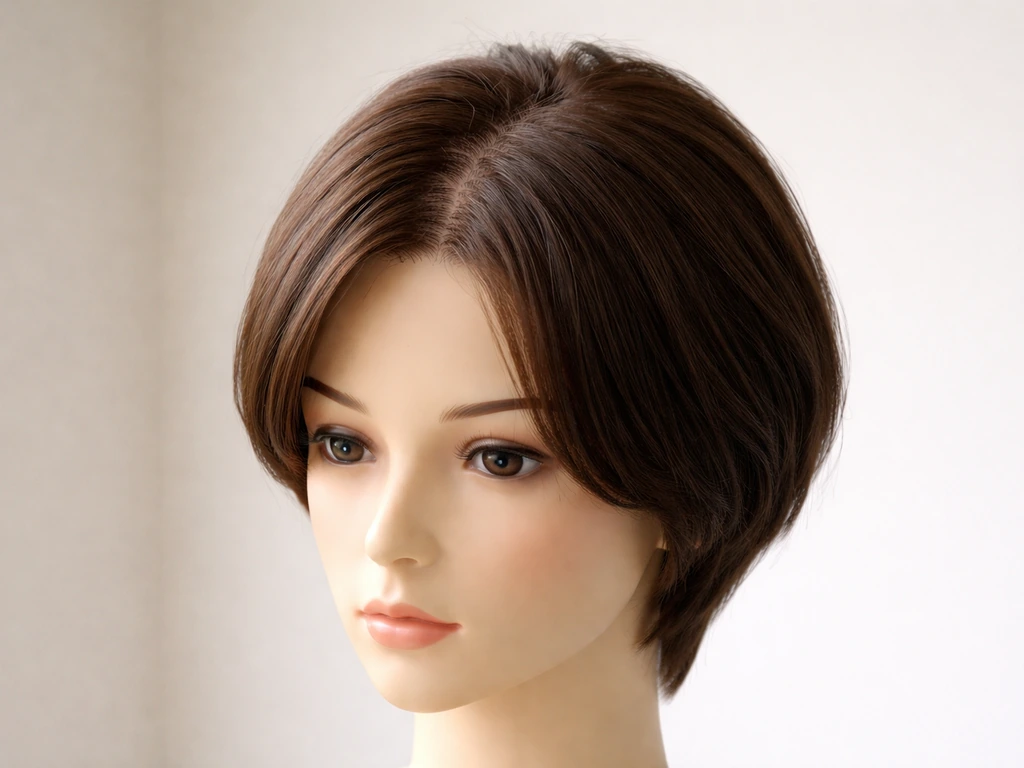
In the first few months of growth, hair at the sides and back tends to gain length and volume faster than it gains any directional control. This creates the classic triangular or mushroom shape most people associate with growing out a pixie or buzz. The sides push outward before they're long enough to fall down. Once hair hits a couple of inches, gravity starts working in your favor and things flatten out naturally.
Cowlicks and growth patterns
Cowlicks do not go away when your hair grows. They actually become more obvious in the awkward middle phase because there is enough length to wave around but not enough weight to stay down. At the crown, neckline, and hairline, cowlicks that were invisible in a short cut will stand straight up at around 1 to 2 inches of length. The fix is usually weight: once hair is long enough to fall past them, they settle. In the meantime, styling products and directional blow-drying help a lot.
Layers, bangs, and how shrinkage plays a role
If you had layers cut in before you started growing, those layers will emerge at different rates and create uneven-looking sections as they grow. This is normal, but it is also a strong argument for getting a shape-up trim every couple of months to blend them together. Bangs behave the same way: they grow at the same rate as the rest of your hair, but because they started shorter, they spend a long time in an in-between zone. Wavy, curly, and coily hair adds another variable: shrinkage. Your dry hair will appear significantly shorter than your wet hair, and where bangs or layers appear to land visually will shift once your hair dries. If you have texture, always judge length on dry hair, not freshly washed.
The awkward phase: common problems and what to actually do about them
The awkward phase is real and it is probably the main reason people give up and cut their hair short again. Here are the most common issues and the practical fixes for each.
Bulk at the sides and back
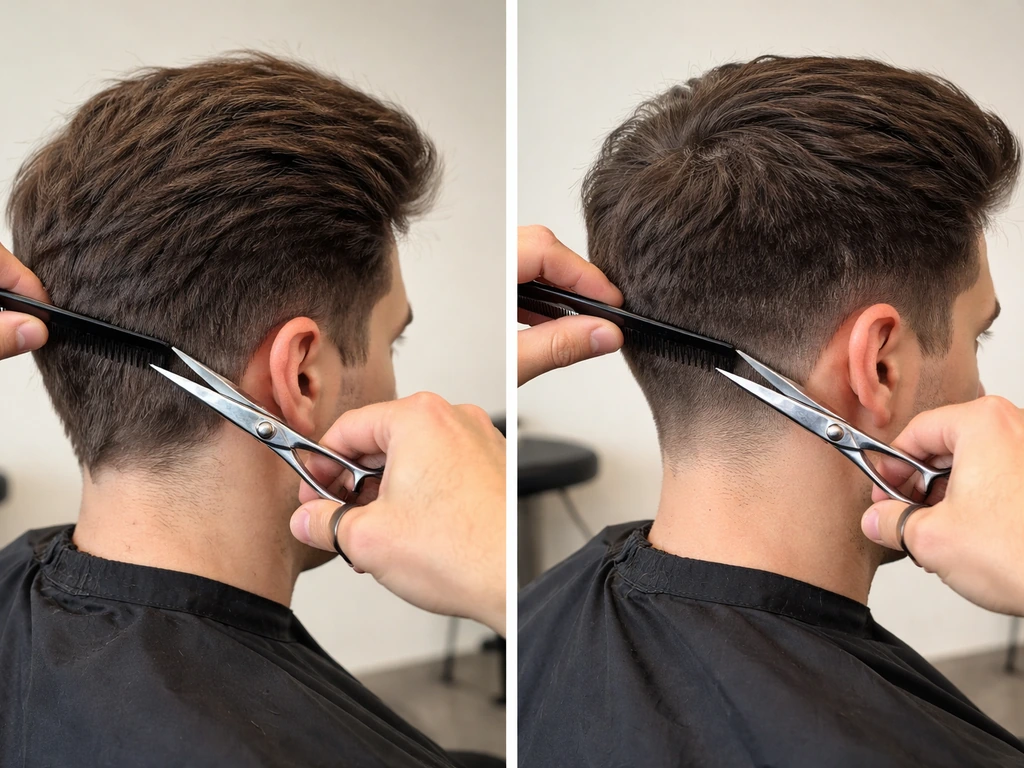
This is the number one complaint from people growing out pixies and buzz cuts. The sides grow out horizontally before there is enough length to weigh them down. A stylist can remove some of that bulk with point-cutting or texturizing without taking off length. Asking for a 'shape-up that removes weight but keeps length' is the right language to use. Do not let anyone talk you into a full cut to 'fix the shape' unless you are genuinely starting over.
Uneven sides and asymmetry
Most people's hair grows slightly faster on one side. If you are several months in and one side is noticeably longer, resist the urge to even it up by cutting the longer side shorter. Instead, use styling to blend them visually and let the shorter side catch up. Part your hair on the side where you want more volume or length to fall, or use clips and pins to tuck back the longer side while the other grows.
Tangles and matting
Once your hair reaches 3 to 4 inches, it starts to tangle in ways short hair never did. Wet hair is especially fragile, and ripping a brush through it will cause breakage that sets your progress back. The American Academy of Dermatology recommends using a wide-tooth comb on wet hair rather than a brush. Start at the ends and work your way up to the roots, not the other way around. Leave-in conditioner or detangling spray applied before combing makes a significant difference.
Split ends and breakage
Split ends travel upward if you leave them alone. A strand that splits at the tip will eventually split further up, removing length you worked months for. Trimming every 6 to 8 weeks, even if it is just a quarter-inch dusting, prevents that upward damage and keeps the ends looking even. This is not the same as losing growth progress. You are removing damaged hair, not healthy hair.
Shedding that looks like thinning
Growing hair out can visually reveal thinning at the part or crown that was hidden when hair was short. Some of this is normal shedding (100 to 200 hairs daily is average). Some of it is stress-related telogen effluvium, which resolves in 6 to 8 months. And some of it is breakage from heat or chemical damage. The easiest way to tell the difference: pull out a shed hair and look at the end. A white bulb means it shed from the root (normal). A frayed or broken end means it snapped mid-shaft (damage). If you are seeing a lot of breakage, that is a routine problem you can fix. If you are seeing large amounts of root shedding or developing noticeably thin areas, see a dermatologist.
Styling strategies by starting point
Where you are starting from changes what the awkward phase looks like and what tools help most. Here is a breakdown by common starting cuts.
Growing out a buzz cut or very short cut
Months 1 through 3 are the hardest. You are going from near-nothing to 1 to 1.5 inches, and that length does not style easily. Hats, headbands, and textured styling paste are your best friends in this window. At around 2 inches, you have enough to create a defined look with a light hold product. Ask your stylist for a fade clean-up at the neckline and around the ears without touching the top. This keeps things looking intentional while the top length grows.
Growing out a pixie cut
Pixies transition through a shaggy, layered phase before they hit proper bob territory. The side pieces are usually the problem. Styling mousse or a light pomade applied to damp hair, then air-dried or diffused, gives you a textured, intentional look that works with the unevenness rather than against it. Bobby pins and small clips are genuinely useful here for tucking side sections back. At the 4 to 6 month mark, a stylist can start adding a little length uniformity so the shape starts to read as a purposeful shag or lob.
Growing out a bob
The bob-to-lob transition is actually one of the less painful grow-outs, but the neck-length stage where hair is too long to tuck behind ears cleanly and too short to put up is frustrating. Half-up styles, claw clips, and low ponytails become your main tools in this window. A single-length bob that grows out will look uneven as internal layers try to grow at the same rate as the perimeter, so a light dusting every 8 weeks helps manage this.
Growing out an undercut
Undercut regrowth is one of the trickiest transitions because the shorter under-layer becomes visible as it grows. If the undercut is at the nape, you will notice a poufy or bubbled look at the back as the under-section pushes the top hair up. Keeping some length removed from the nape (but not buzzed short) during the grow-out helps it blend more smoothly. Deep side parts, buns, and braids that tuck the back under can camouflage the regrowth until it catches up.
Growing out bangs
Bangs go through three distinct stages: too short to push aside, long enough to annoy you but not long enough to pin back, and finally long enough to blend into face-framing layers. The middle stage is the hardest. Applying a small amount of gel to the roots of damp bangs and blow-drying them to one side with a small round brush helps train them out of your face while they grow. Once they hit cheekbone length, a stylist can blend them into the rest of your layers so the grow-out becomes invisible. You do not have to wait until they are fully grown to get them shaped.
How to care for your hair while it's growing
Growing hair out successfully is mostly about not losing ground. The length you grow is only useful if you keep it. Here is how to protect what you have.
Washing and detangling
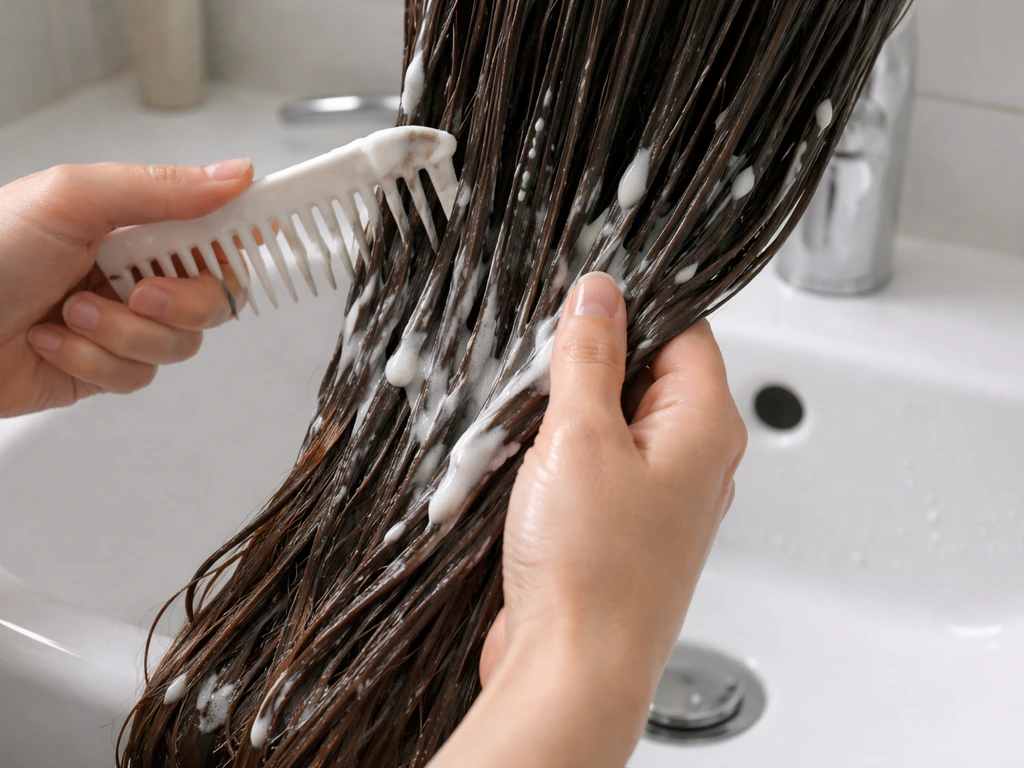
Washing less frequently is genuinely better for most growing hair. Daily washing strips the scalp of oils that protect the strand. Two to three times a week is usually ideal. When you do wash, use a sulfate-free shampoo if your hair is textured, color-treated, or dry. Always follow with conditioner from mid-length to ends, not the scalp. For detangling, use a wide-tooth comb or your fingers on wet, conditioned hair. Work from the ends up. Never brush wet hair aggressively, especially if it is fine or has any chemical processing.
Heat and how often to use it
The AAD recommends using flat irons on dry hair at low to medium heat and no more often than every other day. The same logic applies to blow-drying and curling irons. Every time you apply heat without protection, you are removing moisture and potentially breaking down the hair's protein structure. Use a heat protectant every single time, without exception. If you are in a grow-out phase, aiming for two or three air-dry days per week will make a noticeable difference in your ends over a few months.
Protective styling
Once your hair is long enough to tie back, protective styles become one of your most useful tools. Loose braids, low buns, and twist-outs protect the ends from friction and breakage overnight. Sleeping on a silk or satin pillowcase (or using a satin bonnet) reduces friction significantly compared to cotton. Avoid tight elastics directly on the hair shaft; use fabric-covered bands or spiral coils instead. Tight pulling at the same point day after day causes breakage at the band line, which is exactly where you do not want it.
Scalp and strand health
A healthy scalp produces healthy hair. Keeping it clean but not stripped, and massaging it regularly to promote circulation, supports the growth you are already doing. For the strands themselves, a bond-building treatment like Olaplex No.3 used once or twice a week for healthy hair (or two to three times a week if your hair is compromised) can help maintain integrity during a grow-out, especially if you have any chemical processing in your history.
Managing colored or chemically processed hair during the grow-out
If you are growing out dyed, bleached, or chemically relaxed hair, you are managing two problems at once: the awkward length and the visible line between your natural regrowth and the processed length. This is one of the trickier situations, but it is very manageable with the right strategy.
Root management without constant salon visits
Root shadow or root smudge techniques (a tint-brush application done in vertical sections on damp hair) can blur the regrowth line between salon appointments. This is not the same as a full color service, but it buys you weeks of visual evenness. At-home color glosses, used every 4 to 6 weeks or when hair starts looking dull, add shine and refresh tone without committing to a full re-color. Redken's Acidic Color Gloss is a commonly used option for this. The goal during a color grow-out is to make the transition look intentional rather than neglected.
Protecting chemically processed lengths
Bleached and colored hair is more porous and breaks more easily. During a grow-out, the oldest, most-processed hair is at the ends, which are also the most vulnerable. Use a deep conditioner weekly, a bond-building treatment regularly, and reduce heat use as much as possible. If your ends are noticeably more fragile than your roots, a small trim to remove the weakest portion is better than losing several inches to catastrophic breakage later.
Growing out to your natural color
If you are letting your natural color grow back in, including natural gray or white, the demarcation line is the main visual challenge. Asking your colorist to create a gradient or shadow root that gradually blends toward your natural tone is the most elegant solution. This involves softening the existing color at the roots rather than growing it out cold. Whether to grow out white hair is a separate decision that involves thinking about your natural texture and what you want long-term. The practical reality is that it takes about a year or more to get significant natural length past a short starting cut, so committing early makes the process feel less endless.
Your trim and blending plan: how to grow longer without stalling out
The biggest myth in the grow-out world is that trimming stops growth. It does not. Hair grows from the scalp, not the ends. What trimming does is remove split ends before they travel upward and cause breakage, keeping the length you already have intact. The question is not whether to trim, it is how much and how often.
- Trim every 6 to 8 weeks, but keep it to a quarter-inch dusting unless your ends are significantly damaged. Tell your stylist: 'I am growing it out, please take as little as possible, just clean up the splits.'
- Every 3 to 4 months, book a shape-up appointment specifically to blend layers, remove bulk, and keep the overall silhouette looking intentional. This is different from a trim. It is a styling cut that works with your current length.
- If you are growing out bangs, plan a blend appointment when they reach cheekbone length. Before that, they are too short to merge with the rest of your layers. After that, a stylist can cut them into face-framing layers that grow out seamlessly.
- If you have an undercut, ask your stylist to gradually take the under-section up in length over several appointments rather than keeping it buzzed. This closes the gap between the under-layer and the top.
- If one side is noticeably longer than the other, wait until the shorter side catches up before evening things out. Cutting the longer side shorter just resets the clock.
The mindset shift that helps most people finish a grow-out is treating it as a series of short-term styles rather than one long waiting period. You are not just enduring a pixie until you have long hair. You are wearing a textured shag, then a lob, then a long bob, then shoulder-length layers. Each stage is a real hairstyle if you style it with intention. That shift in perspective is usually the difference between people who make it to their goal length and people who cut it short again at month three.
If you are still deciding whether growing out is right for you, or if you are weighing how a longer length will actually look on you, thinking through what your hair's natural texture and growth pattern will do as it lengthens is worth doing before you start. If you are wondering should you grow your hair out, the first step is understanding the timeline and the awkward stages so you can plan around them. And if your situation involves convincing others or navigating external pressure during the process, that is a real part of the experience too. If you need to convince parents to let you keep growing your hair, focus on realistic timelines and a plan for the awkward phase convincing others. Growing your hair out is a long game, and every decision you make along the way shapes how smooth the process feels.
FAQ
Will my hair keep growing the same rate if I’m growing it out from a damaged cut?
The growth rate from the scalp is usually similar, but damage can make progress look slower because more length gets lost to breakage. If you see lots of frayed ends or mid-shaft snapping, focus on reducing heat, gentle detangling, and a small trim strategy rather than trying to “speed up” growth with products.
What’s the best way to prevent cowlicks from standing up again after I style them?
Once your hair is long enough to fall past the cowlick, the behavior often fixes itself with weight, but during the awkward stage you need consistency. Blow-dry in the direction you want it to sit, then use a light hold product and avoid touching the roots while it cools, since friction and restyling can bring cowlicks back.
How do I tell normal shedding from breakage when I’m growing my hair out?
Shedding hairs typically have a small white bulb at the root end, while breakage usually looks shorter with a rough or frayed end. If most of what you’re noticing is shorter pieces without root bulbs, it’s more likely breakage, which means adjusting your detangling, heat, and chemical protection matters more than worrying about the growth cycle.
Should I stop trimming completely to maximize how much length I gain?
No, trimming usually helps you gain more net length by removing damage before it travels upward. A good rule is to trim lightly every 6 to 8 weeks if you’re prone to split ends, and only do a larger cut if the ends feel noticeably weaker or your ends start tangling more than the rest.
What’s the safest approach to blending layers as they grow out unevenly?
Instead of waiting for the “right moment” and then doing a big cut, ask for incremental blending every couple of months. That keeps short pieces from poking while longer pieces catch up, and it avoids creating a longer-term uneven perimeter where you keep re-layering to fix the same problem.
Can I use oils or heavy conditioners to make my hair look fuller while it’s growing out?
Yes, but use them strategically. Light oils or a small amount of leave-in conditioner on the ends can add slip and reduce tangles, which helps you retain length. Avoid heavy product on the scalp if you notice buildup, because it can make hair look flatter and may worsen breakage from more aggressive brushing.
How often should I detangle during a grow-out to avoid adding breakage?
Aim to detangle only when hair is properly conditioned and wet enough to slide, usually in the shower or right after applying leave-in. If you detangle every day with a dry brush, you’ll increase snapping. Use a wide-tooth comb, start at the ends, and stop if you meet resistance that requires force.
If my bangs are in the “annoying” middle stage, how can I avoid constantly trimming them?
Train them with controlled styling rather than cutting. Try a small amount of gel at the roots with a directed blow-dry to one side, then secure with clips for a set period while they dry or cool. When they reach cheekbone range, schedule a blend so they stop acting like a separate fringe.
Is it normal for one side to look longer for months, or is that a sign something is wrong with my cut?
It’s common, because hair often grows slightly unevenly and cowlicks can bias where volume sits. The mistake is cutting the longer side repeatedly. Use parting changes, clips, or temporary tucks to blend while the shorter side catches up, then reassess once you’re past the early awkward length.
What should I do if I’m growing out bleach or color and the ends keep snapping?
Treat the ends like a separate maintenance project. Reduce heat, detangle only on conditioned wet hair, and consider bond-building treatments consistently as you already color-manage. If the ends are visibly weaker than the rest, a small trim is often the fastest way to stop “progress loss,” because waiting usually just sacrifices more length to breakage.
How long will it realistically take before my hair can be put into a ponytail or bun during a grow-out?
Most people can start experimenting with low styles once length reaches roughly shoulder level, but true ponytail or bun depend on thickness and hair texture. If your growth plan includes protective tying, plan to start with loose styles first, then tighten only after the hair feels strong enough to handle the tension.