
Growing your hair out will look awkward before it looks good, that part is almost unavoidable. But the good news is that every stage is predictable, and once you know what to expect, you can style your way through it instead of giving up and cutting it all off again. The general pattern: early growth looks a bit shapeless and borderline mullet-ish, the middle stage (around chin to shoulder length) is the trickiest for most people, and once you clear that hurdle, longer hair starts to behave and look the way you imagined. If you're wondering grow your hair out meaning for your timeline and expectations, it helps to understand the early, middle, and long stages described here.
How Will My Hair Look If I Grow It Out? Timeline

Marcus Vickers
10 Jun 2026
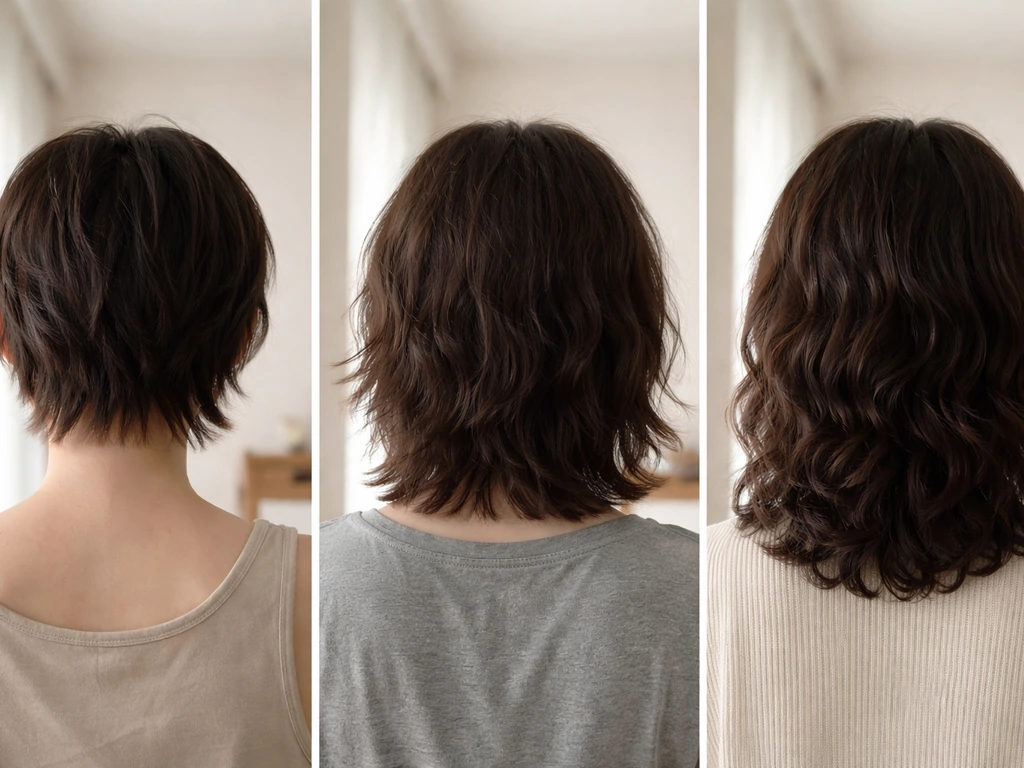
What actually changes as your hair grows
It's not just length. As hair grows out, three things shift that affect how it looks: length, texture behavior, and density. When hair is very short, gravity barely touches it, so it stands up, fans out, or lays flat depending on your natural texture. As it gets longer, weight starts to pull it down, which changes how waves, curls, and even straight hair behave. That's why wavy hair can look almost straight at short lengths and suddenly spring into waves around three to four inches.
Texture also looks different at different stages because the ends you're seeing aren't the same ends you had before. If you've had color, heat damage, or chemical processing, those older sections of hair are at the bottom while fresh, healthier growth is at the root. That contrast can make hair look two-toned or uneven in texture, not because anything is wrong, but because you're literally seeing two different eras of your hair's history at once.
Density is the sneaky one. If you've been wearing a short cut for a while, you might notice your hair looks thinner as it grows, and that's usually not thinning, it's just that longer hair distributes the same number of strands over more surface area. The volume that looked dense at two inches looks flatter at five inches. This is normal and usually self-corrects once you pass the mid-length stage.
The grow-out timeline: what to expect at each stage
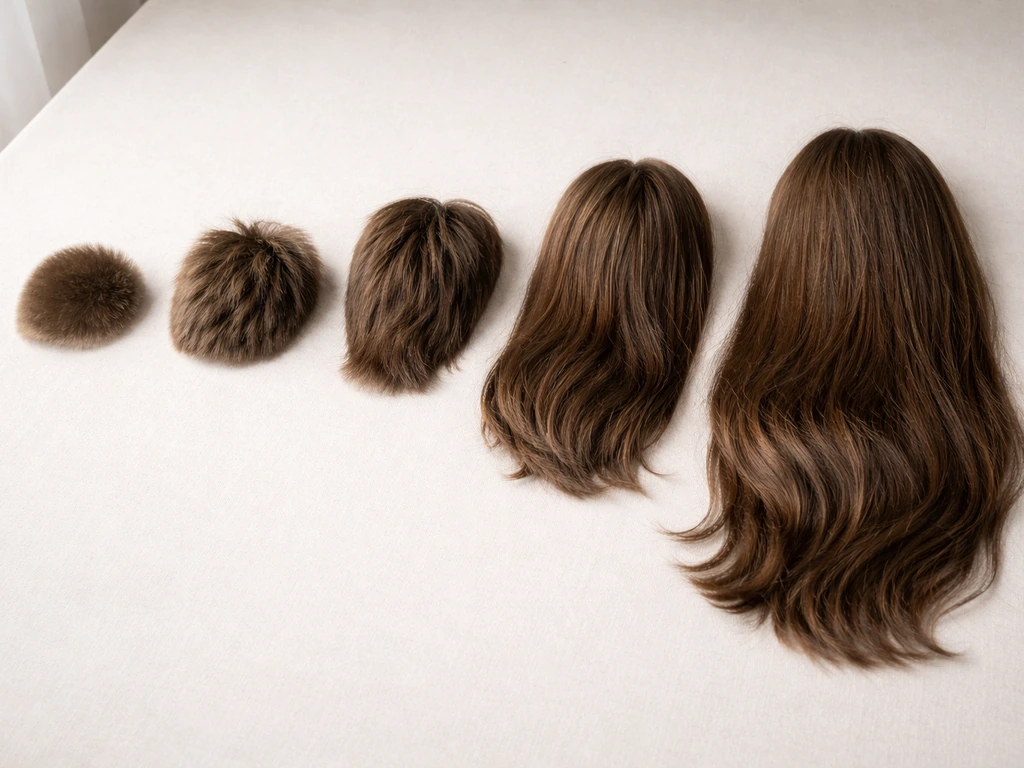
Hair grows roughly 0.5 to 1.7 centimeters per month on average, though some people grow as fast as 3 centimeters per month and others much slower. That means getting from a buzz cut to shoulder length can take anywhere from one to four years depending on your genetics. Here's how to think about the stages:
| Stage | Approximate Length | Rough Timeline From Very Short | What It Usually Looks Like |
|---|---|---|---|
| Early awkward | 0.5–3 inches (1–8 cm) | 1–6 months | Uneven, poofy, or flat in patches; hairline looks fuzzy; no real style yet |
| Transition | 3–5 inches (8–13 cm) | 6–12 months | Starts to cover ears and collar; can flip out or look shapeless; hard to put up but too long to ignore |
| Medium (the real test) | 5–8 inches (13–20 cm) | 12–20 months | Chin to shoulder length; waves and curls activate; layers become visible; buns and ponytails finally work |
| Long | 8+ inches (20+ cm) | 18 months and beyond | Weight helps it lay flatter; more styling options; growth lines and damage become visible at ends |
These timelines are general. If you're growing from a pixie or buzz cut, you're starting at stage one. If you're growing from a bob, you might be jumping into the transition stage already. The most frustrating stretch for almost everyone is that three-to-seven-inch window where the hair is long enough to be in the way but too short to style intentionally.
How to style your hair at each stage so it looks intentional
Early awkward stage (0–3 inches)
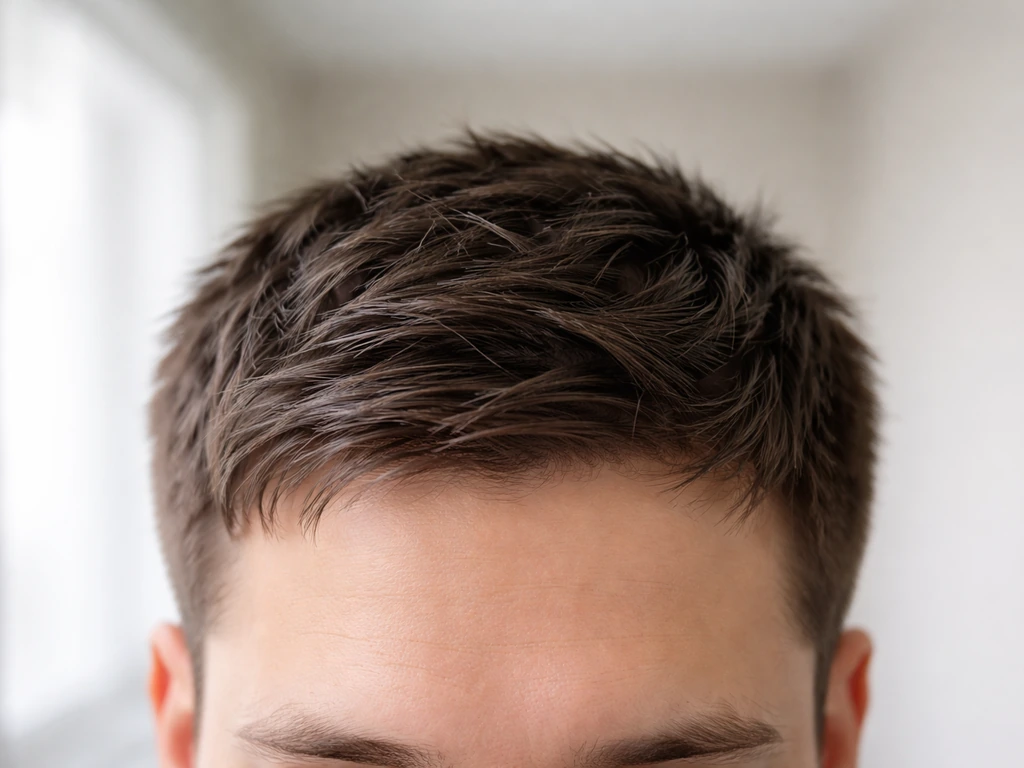
At this stage, your main tools are product and accessories. A light pomade or styling cream can smooth down puffiness and define whatever texture you have without making hair crunchy. If you have bangs growing out, a small clip or headband pushed back slightly can hold them off your face without looking like you're hiding them, which you are, but it reads as intentional. Cowlicks will be at their most visible here, so learning which direction they want to go and working with that (rather than against it) saves a lot of frustration.
Transition stage (3–5 inches)
This is where most people give up, so let's talk about it honestly. Your hair might flip out at the ends, stick out at the sides, or do a half-curl-half-straight thing that looks unfinished. A flat iron or diffuser used on the ends, not the roots, can tame a lot of this. If your hair is long enough to tuck behind your ears, do it. It instantly makes the length look more deliberate. Thin headbands and small claw clips are genuinely useful here, not just because they look good, but because they take the focus off the shape and put it on the accessory.
Medium length (5–8 inches)
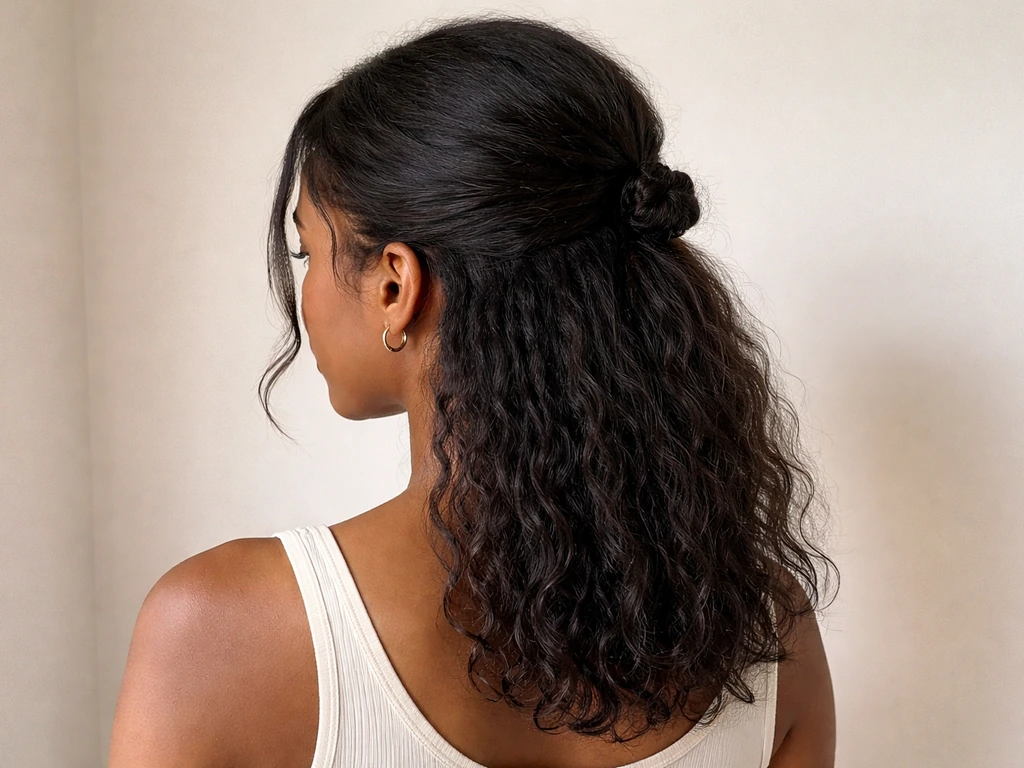
This is when styling options finally open up. Half-up styles, small buns at the crown, low ponytails, braids, and twist-outs all become possible. If you have layers, they'll start to move and add texture rather than looking choppy. Wavy and curly hair benefits from a curl-enhancing cream applied to damp hair and diffused, the length is now enough for waves to form complete patterns instead of frizzy puffs. This is also the stage where covering bangs fully in a ponytail or bun becomes possible for the first time.
Long (8 inches and beyond)
Longer hair has more weight, which means it generally lays flatter and behaves more predictably. The challenge now is that the ends are older and may show damage, color lines, or dryness. Deep conditioning every one to two weeks helps with this. Most styling that works at medium length works here too, just with more hair to manage.
Trims that help without resetting your progress
A lot of people are afraid to trim because they don't want to lose length, and that fear is understandable. But strategic trimming actually helps you reach your goal faster by preventing splits from traveling up the shaft. The key is knowing what to trim and what to leave alone.
- Trim only the ends: a quarter-inch every three to four months removes split ends without meaningfully affecting length progress
- Ask for a 'dusting' instead of a full trim — this removes just the frayed tips with almost no visible length loss
- Shape the sides if they're growing faster than the top or back, which keeps the silhouette looking intentional rather than lopsided
- If bangs are growing out, resist micro-trims — instead, ask a stylist to blend them into the sides so they grow out as part of the overall shape
- Avoid asking for a 'cleanup' without specifying exactly how much to remove — vague instructions often lead to more being cut than you wanted
The goal is to keep the hair healthy at the ends while the roots catch up. You don't need a trim every six weeks when you're growing, every three to four months is usually plenty.
Common problems during grow-out and how to handle them
Cowlicks and hair that won't lay flat
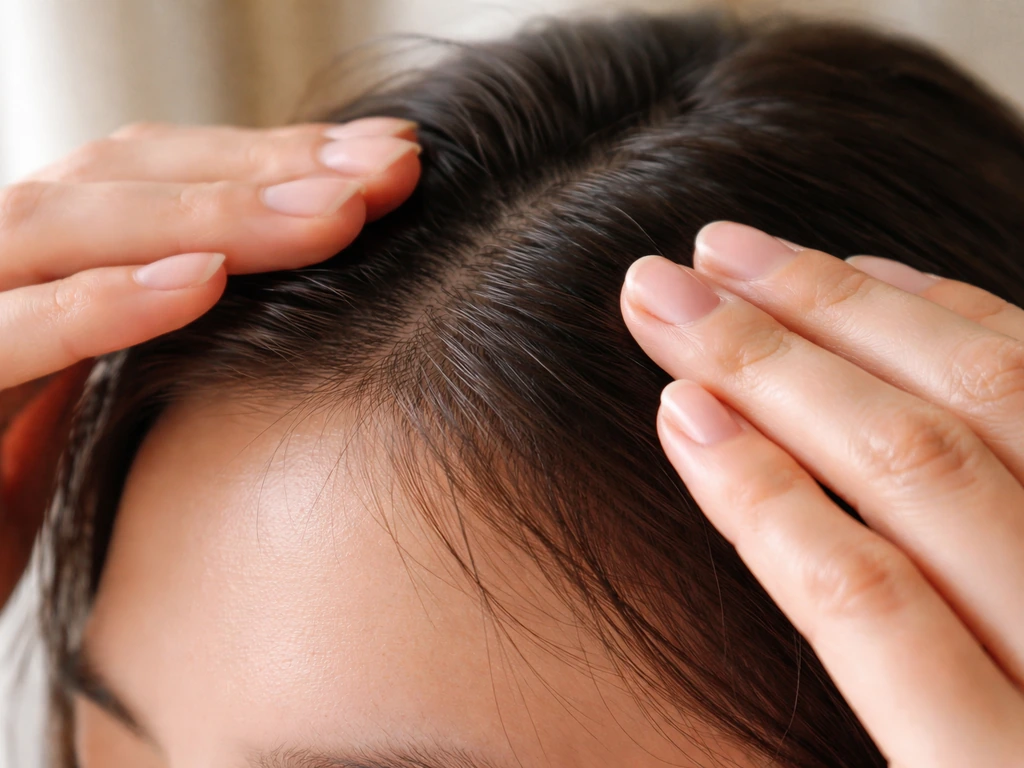
Cowlicks are persistent because they're determined by the direction your follicles grow, that's not changing. What does help: blow-dry in the direction of the cowlick (not against it) while the hair is still damp, then switch direction once it's almost dry. A small amount of pomade or gel applied at the root can reinforce the direction you want. At shorter lengths, this takes patience. By medium length, the weight of the hair usually helps hold things down.
Flyaways and frizz
Flyaways are short hairs that don't have enough length to stay with the rest. A very small amount of hair oil or a spritz of water followed by smoothing down with your palms works in a pinch. A soft-bristle brush or edge brush for finishing is helpful too. For chronic frizz, the issue is usually moisture, not enough of it, or too much humidity getting in. A light serum or cream applied to damp hair before drying traps moisture in and keeps the cuticle smoother.
Uneven growth
Not all parts of your head grow at the same rate, and this can create a lopsided or layered look even when you haven't cut it that way. If one side is consistently faster, a small trim on that side (not the slower side) can balance things out. Uneven growth can also be caused by sleeping on one side, friction from hats or headbands, or breakage rather than actual growth differences. Check whether it's actual new growth or just breakage at the ends, broken ends look the same as slow growth but have different solutions.
Lumpiness and bulk in the middle
This usually happens when shorter layers underneath hit a growth plateau while outer layers keep going, creating a thick horizontal band of hair. Light texturizing or point-cutting (not blunt cutting) at the bulky section, done by a stylist who understands the grow-out goal, can remove bulk without shortening the outer length noticeably.
Increased shedding during the grow-out
Some people notice more shedding two to four months after starting a major change, a new diet, stopping a medication, a stressful event, or even the initial haircut itself if it caused scalp disruption. Telogen effluvium shedding may begin about 2 to 4 months after the triggering event, since follicles spend roughly 2 to 4 months resting before they shed [two to four months after starting a major change](https://www. health. harvard.
edu/atoz/telogen-effluvium-a-to-z). The American Academy of Dermatology notes that many people notice excessive shedding a few months after a stressful event, which is consistent with telogen effluvium AAD hair shedding guidance.
This pattern is called telogen effluvium, and it happens because follicles can enter a resting phase and shed a few months after the original trigger. It usually resolves on its own. But if thinning is significant or ongoing past six months, that's worth a conversation with a dermatologist.
Special cases that need a different approach
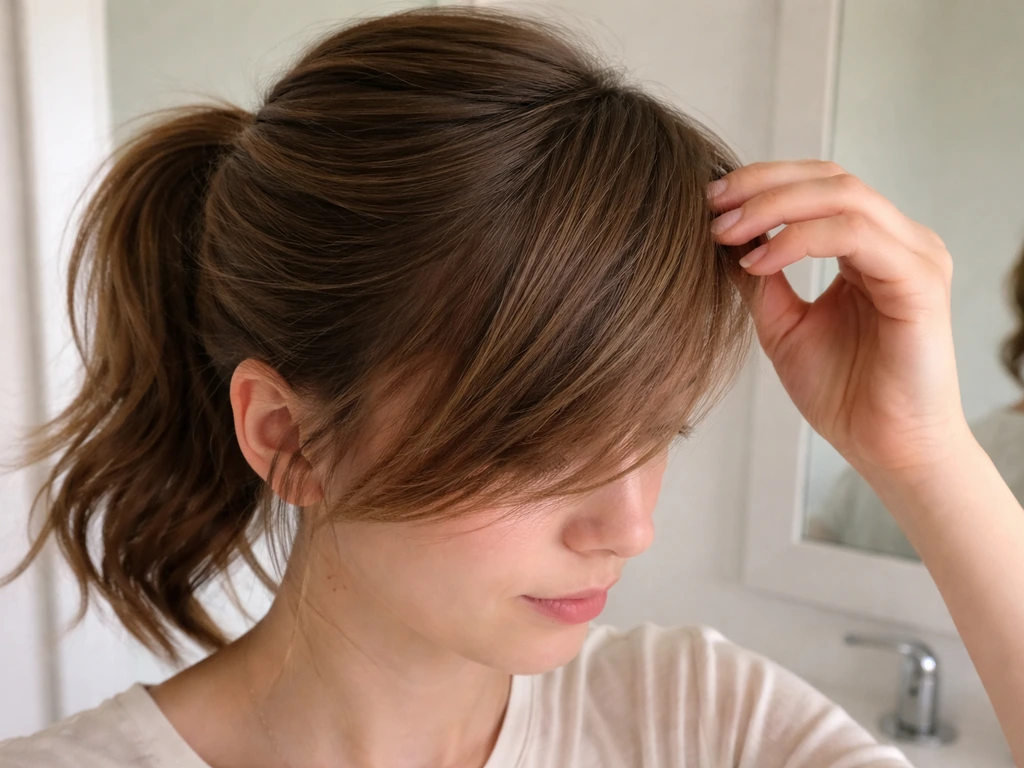
Growing out bangs
Bangs are one of the most frustrating grow-outs because they hit your eyes and nose at exactly the worst lengths. The good news is there's a clear playbook: at first, side-sweep them with a small amount of pomade or a bobby pin. Once they reach your cheekbones, you can start training them to blend with the sides by brushing them in the direction of your part. By the time they hit chin length, they're basically just layers.
Growing out an undercut
Undercuts create a very visible line between shaved or clipped sections and longer top hair. As the undercut grows in, this line drops lower but becomes more noticeable as the short section gets just long enough to poke through the longer hair above it. Keeping the top hair slightly longer and using a side part to cover the line works for a while. At some point, texturizing the grow-out section and letting it blend is the only real solution, there's no shortcut around this one.
Growing out layers
Heavy layers can look great short but create a lumpy, triangular shape during grow-out. If your layers are very short compared to your length, you may go through a phase where your hair looks like a Christmas tree. A stylist can soften the transition by removing some of the bulk at the shortest layer without bringing the outer length up, which keeps progress while improving the silhouette.
Curly and coily hair
Curly and coily hair looks shorter than it actually is because of shrinkage. A three-inch curl might have four to five inches of actual length. This means the awkward stage can feel longer because visible progress is slower, but the hair is still growing. Product application matters more here too: a leave-in conditioner plus a curl cream on soaking wet hair, then diffuse or air dry, gives curls the moisture they need to clump and reduce frizz at every stage. Avoid brushing dry curly hair during grow-out; it creates a frizz triangle that makes everything look wider and shorter.
Colored or bleached hair
If you have color or bleach, growing out means watching a line of natural color creep down from the roots. Some people lean into this with shadow root techniques or balayage that softens the line. Others use a toner at the root to bridge the gap. Bleached hair is also more porous, which means it absorbs moisture unevenly, regular deep conditioning and avoiding additional heat is especially important here, because bleached ends break more easily and can set your length progress back significantly.
When your grow-out won't look the way you expected
There are a few situations where hair genuinely behaves differently than expected, and it's worth being honest about them rather than glossing over it. Genetics play the biggest role in growth rate, texture change with length, and how well your scalp retains density over time. If your hair doesn't seem to grow past a certain length, it's likely hitting the end of its natural growth cycle rather than breaking off, a dermatologist can confirm this.
Heat damage from years of flat ironing or bleaching can permanently alter the hair shaft so that new growth behaves totally differently from existing length. This creates a texture mismatch that styling can only mask, not fix. If this is your situation, the most effective route is a slow transition: keep trimming the damaged ends over time while protecting the new growth from further damage. If you still find yourself wondering should you grow your hair out, this slow approach keeps progress moving without wrecking the look keep trimming the damaged ends over time while protecting the new growth. Some people call this a 'transition haircut' process, similar to what happens when growing out natural texture from relaxed hair.
If you're also navigating a question like whether to grow out white or gray regrowth, or whether growing out is the right call for you at all, those are genuinely separate decisions that depend on more than just how the grow-out process works. The mechanics of growth are the same; the choice of what to do with it is personal. When parents are worried about the awkward phase, point out that it is temporary and that you already know exactly what to expect at each stage while you style it deliberately.
A stylist who specializes in grow-out transitions (not just maintenance cuts) is worth consulting if you're feeling stuck at any stage. They can often solve in one appointment what feels like an unsolvable shape problem. And if you're seeing significant thinning, patchiness, or scalp changes rather than just slow growth, a dermatologist is the right call, not a new shampoo.
What will actually get you through this
The most useful thing you can do right now is decide on a loose length goal and then focus on monthly maintenance rather than obsessing over weekly progress. Take a photo every four to six weeks in the same lighting and from the same angle. The growth will feel invisible day to day, but the monthly comparisons will show you it's actually happening. In the meantime, a handful of go-to styles for your current length, whatever clips, products, or techniques work for you right now, will carry you through the in-between stages without the temptation to cut it all off again.
FAQ
How much length should I realistically see before my hair starts looking “good” instead of awkward?
Most people notice the biggest visual shift once they pass the mid-length window where styling feels limited (often around chin to shoulder). If you want a quick gut-check, track growth every 4 to 6 weeks with the same lighting and angle, because daily changes are tiny even when growth is happening.
Will growing it out make my hair look thinner even if I am not losing density?
Yes, temporarily. Longer lengths distribute the same strands over more surface area, so volume can look reduced. If the hairline or parts are widening or scalp is showing, that is different from normal “distribution,” and you should consider checking for shedding causes.
What if my ends are frizzy or look split, should I stop growing and cut?
You usually do not have to restart from zero. Strategic trims (often every 3 to 4 months) help prevent split ends from traveling upward. The goal is to remove the weakest ends while still letting the roots catch up.
How can I prevent my hair from looking lopsided if one side grows faster?
Balance it by addressing the faster side, not the slower side. If the difference is actually breakage, friction, or sleeping habits, trimming the “faster” side will not fix it, so first check for roughness at the ends and whether one side always gets more wear (pillow, hats, phone strap).
Why do my curls look shorter while growing out, and what should I change?
Curl shrinkage makes hair appear shorter than its true length. To speed up the “it is finally starting to look right” feeling, apply leave-in plus curl cream to soaking wet hair, then diffuse or air dry without brushing dry. Brushing dry creates frizz that makes everything look wider and shorter.
I have cowlicks, will they go away as my hair gets longer?
They often improve but usually do not disappear, because cowlick direction comes from follicle growth patterns. The practical approach is to blow-dry in the cowlick direction while damp, then switch direction only as it nears dry, and use a small amount of gel or pomade at the root to reinforce the lay.
What do I do with the awkward stage when my hair is too long to ignore but too short to style?
Rely on “in-between” styling, like smoothing with a light cream, using clips or a headband to hold bangs off your face, and tucking behind the ears when your length allows. The point is not to create a perfect cut, it is to make the shape look intentional while it catches up.
If I have bangs, at what point can I stop fighting them and start blending them?
A common turning point is cheekbone length, when you can train bangs to blend by brushing them toward your part. By chin length, they typically behave more like regular layers, which makes the grow-out phase less disruptive.
Will heat styling or straightening set back my grow-out timeline?
It can, especially if your hair is already damaged or bleached, because damaged sections dry out and break more easily. If you use heat, protect the ends and focus any smoothing on the ends, not the roots, since the roots need to stay healthy for density and growth.
If I dyed or bleached my hair, how will the grow-out line change, and can I soften it?
You will usually see a natural color creep line moving downward from the roots, and bleached sections often look more porous. To reduce the “line,” some people use shadow-root style maintenance or a root toner to bridge regrowth, but you still need regular deep conditioning to keep the ends from snapping.
Is it normal to shed more after I start growing out my hair?
More shedding can happen a few months after a major trigger like a stressful event, diet change, stopping medication, or even an initial haircut, and that pattern is often telogen effluvium. If shedding is heavy, thinning looks progressive, or it continues past about six months, a dermatologist should evaluate you.
How do I know if my hair is not growing because it is breaking versus hitting a growth ceiling?
Look at the ends. Breakage tends to create shorter, uneven ends and a rough texture, while a true growth plateau usually shows more uniform length that just stops increasing. If your hair consistently will not grow beyond a limit, a dermatologist can help confirm whether it is natural cycle timing.
Do undercuts, short layers, or heavy layers always look bad during grow-out?
They can look harsh, but there are ways to manage it. For undercuts, the short-to-long line can become more visible as the short pieces poke through, so side parts and texturizing the blending section help when it reaches that stage. For heavy or very short layers, you may need a stylist to soften bulk at the shortest layer so you avoid a triangular silhouette.
Should I see a stylist, and what should I ask for if I get stuck?
If you are stuck at the mid-length stage or your shape looks unfixable, ask for a grow-out transition cut, not just a maintenance trim. A good stylist can remove bulk at the right places while minimizing outer length loss, and they should align the plan to your target end length.