
Growing your hair out means intentionally committing to a transition from one length to a longer one, which sounds simple but involves a lot more than just skipping haircuts. It means managing the awkward in-between stages, resisting the urge to chop it off when it gets weird, and actively styling and caring for your hair as it moves through each phase. It is part goal, part patience game, and part practical hair management.
Grow Your Hair Out Meaning: Timeline and Step-by-Step Guide

Marcus Vickers
13 Jun 2026
What 'grow your hair out' actually means (and what it doesn't)
Letting hair grow and growing hair out are two different things. Letting it grow means doing nothing and hoping for the best. Growing it out means you have a destination in mind and you are actively steering the process. It means setting a target length, understanding what your hair will do at each stage, and making choices about cuts, products, and styling that support the transition rather than derail it.
What it does not mean: growing your hair out does not mean never touching scissors again. It does not mean suffering through every bad hair day without any strategy. And it definitely does not mean your hair will magically cooperate. Hair grows roughly half an inch per month on average, so going from a pixie to shoulder length can take two or more years. That is a long time to wing it without a plan.
There is also an emotional side to this that does not get talked about enough. For a lot of people, the decision to grow hair out is tied to identity, a life change, or wanting to try something new. The frustration at month four when your hair is doing absolutely nothing flattering is real, and it is exactly the moment most people bail and cut it short again. Knowing what is coming emotionally is just as useful as knowing what is coming physically.
Set your goal and measure your starting point

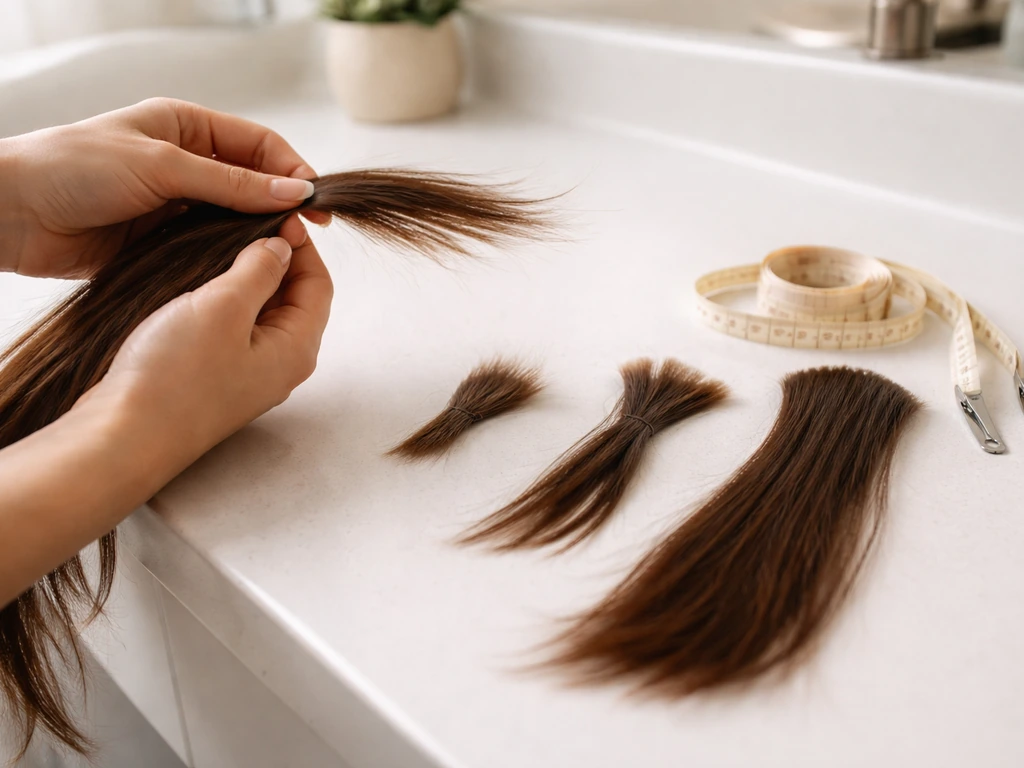
Before you do anything else, get specific. Vague goals like 'I want longer hair' tend to fall apart around month three. Instead, pick a target: chin length, collarbone, bra strap, or mid-back. Then take a photo of where you are right now and measure the length of your hair at the top, sides, and back. These numbers matter because different sections grow at different rates, especially if you have an undercut, a fade, or stacked layers.
Also take stock of your texture and your current cut. Thick, coarse hair behaves very differently during a grow-out than fine, straight hair. Curly hair appears shorter than it actually is due to shrinkage, so your curl pattern will affect how you gauge progress. If your hair is chemically colored, bleached, or heat-damaged, that changes how aggressively you can style and trim during the grow-out. Write all of this down. It sounds overly organized, but having a baseline saves you from guessing and second-guessing yourself later.
| Starting Point | Target Length | Rough Timeline |
|---|---|---|
| Buzz cut / clipper cut | Chin length | 18–24 months |
| Pixie cut | Collarbone length | 24–30 months |
| Short bob | Bra-strap length | 18–24 months |
| Long bob (lob) | Mid-back | 12–18 months |
| Bangs to no bangs | Blended into rest of hair | 9–12 months |
Stage-by-stage timeline from short cuts to longer hair
Hair grows roughly 0.5 to 1.7 cm per month depending on your genetics, health, and age. A common working estimate is about half an inch (roughly 1.25 cm) per month. Wikipedia’s human hair growth overview similarly describes a commonly cited average growth rate of about 1 cm per month, during the anagen growth phase about half an inch (roughly 1.25 cm) per month. Use that number to build your expectations, and build in some buffer because growth can stall under stress, poor nutrition, or hormonal changes.
Months 1–3: The 'nothing is happening' stage

This is the stage where most people feel like their hair is not growing at all. It is. You just cannot see it yet because the proportions of your cut are still dominant. A pixie starts looking shaggy. A buzz cut starts looking like a soft crop. A bob starts losing its shape. Nothing looks intentional yet, and that is normal. The best move here is to resist cutting, keep your hair clean and moisturized, and start experimenting with small styling tools like a little pomade or a soft-hold gel to keep things looking controlled.
Months 4–6: The awkward phase hits hardest
This is the danger zone. Your hair is now long enough to look messy but not long enough to style in any satisfying way. Pixies start forming weird wings around the ears. Former bobs develop uneven bulk. Bangs hit the eyes and nose. This is exactly when most people book a haircut appointment and undo all their progress. The solution is not to push through blindly but to get a shape-up trim that cleans up the outline without removing length. This is different from a full cut. A good stylist can take out bulk and neaten the perimeter while keeping your overall length goals intact.
Months 7–12: Things start coming together
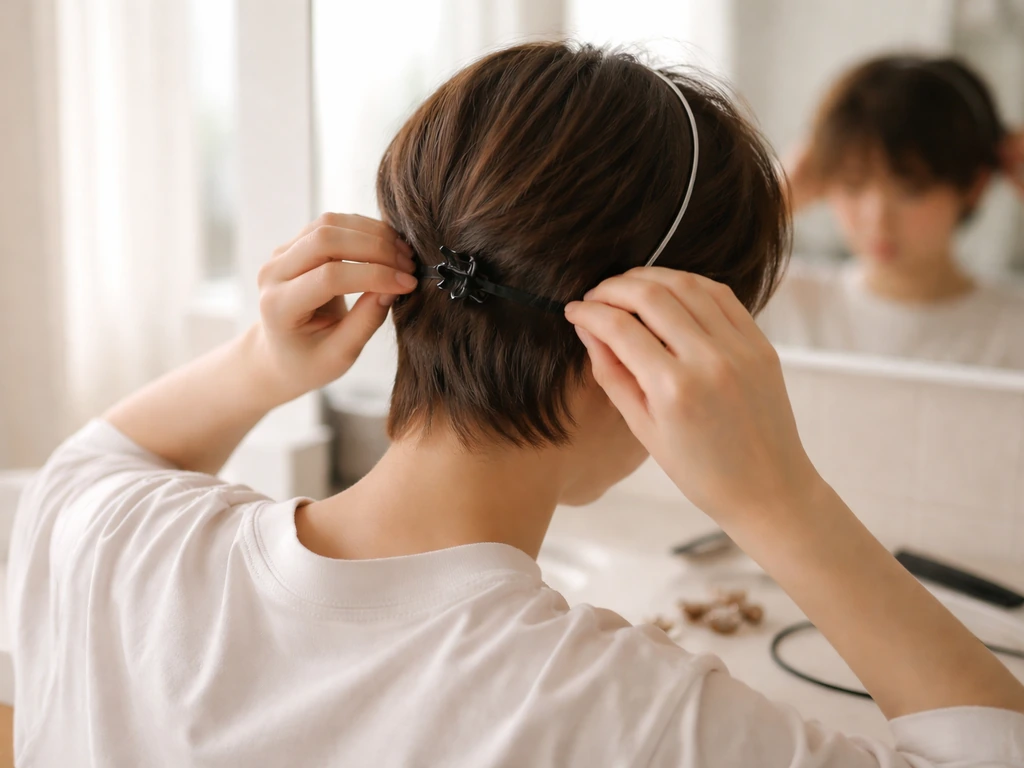
By month seven or eight, most people who started with a short cut have enough length to start using small clips, headbands, or light styling techniques to shape their look. A former pixie might now be a soft shaggy bob. A former short bob might be at collarbone length. Texture becomes more visible, and hair starts to behave more like hair again. This is a good time to check in with your stylist for a trim that adds a bit of shape, like soft layers or a dusting of the ends to prevent split ends from traveling up the shaft.
Year 2 and beyond: Managing long growth
Past the one-year mark, the grow-out becomes less about survival and more about maintenance and refinement. You are likely past most of the awkward stages and can see real progress. Regular trims every 10–12 weeks to remove damage, keep ends healthy, and maintain shape will serve you better than avoiding the salon entirely. The myth that never cutting your hair makes it grow faster is just that, a myth. Trimming does not accelerate growth at the root, but it does prevent breakage that eats your length from the bottom up.
How to style through the awkward phases
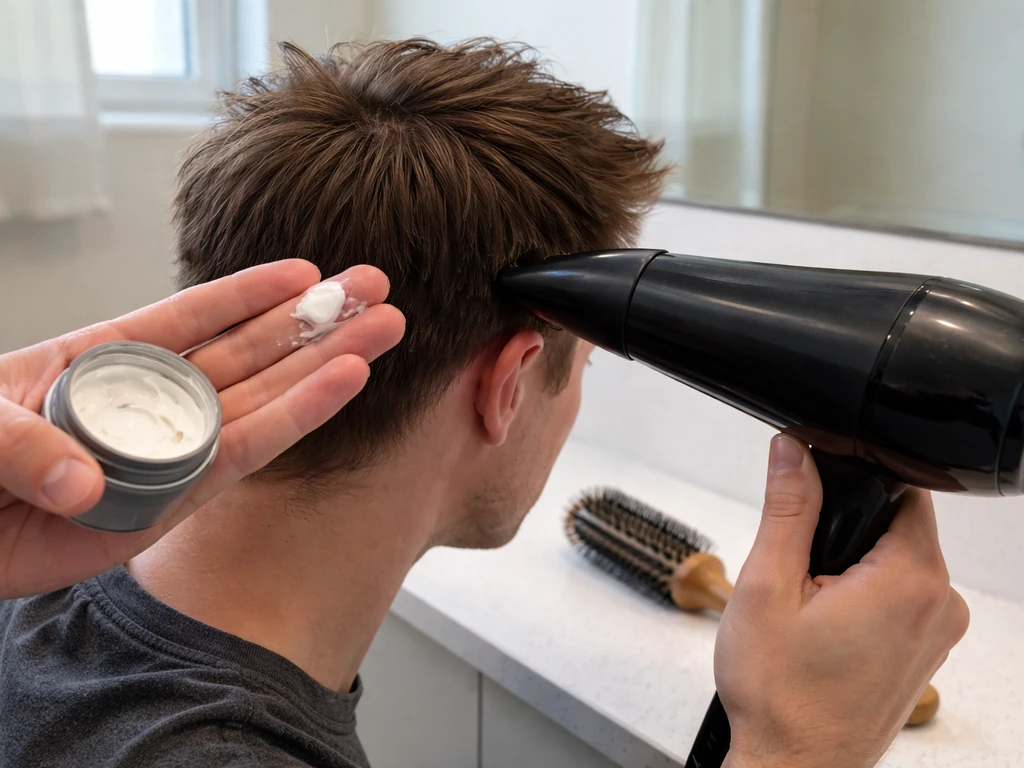
The awkward phase is not a sentence, it is a styling puzzle. Here is how to handle the most common scenarios:
Growing out a pixie cut
The sides and back of a pixie tend to grow faster than the top, which creates an uneven, mullet-like effect. You can manage this by asking your stylist to trim only the sides and nape while leaving the top alone. Texturizing products like a light pomade or sea salt spray help the top look intentionally messy rather than shapeless. Tuck-and-pin styles and small clips become your best tools around months four through eight.
Growing out a bob
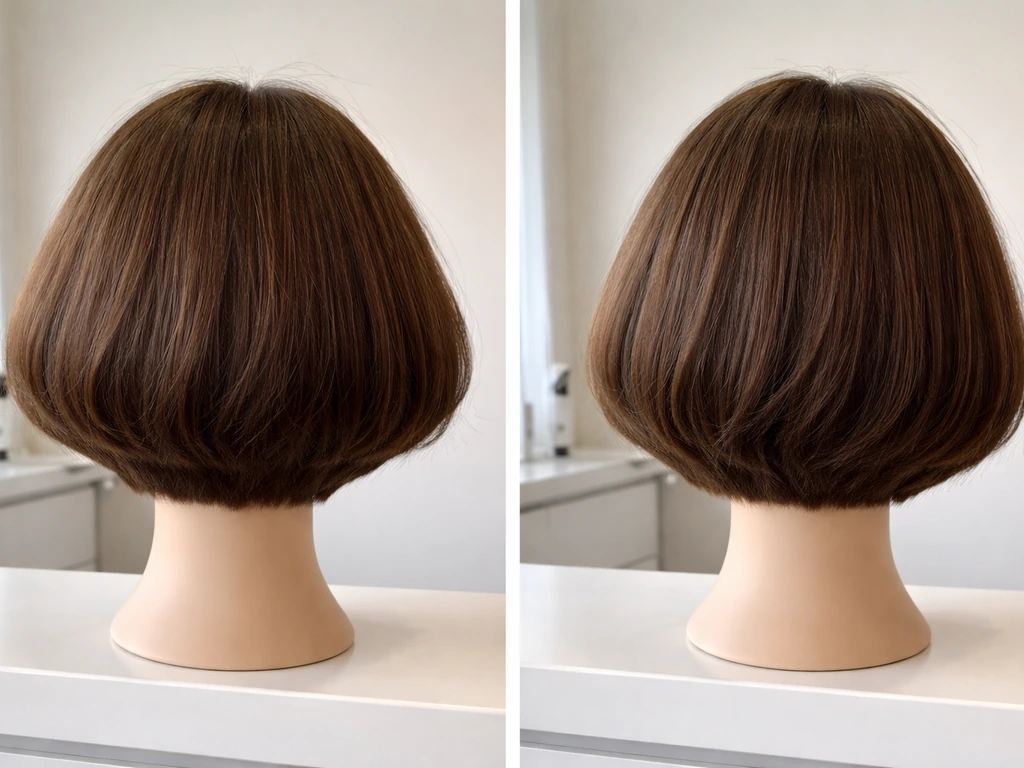
Bobs tend to develop a triangle or mushroom shape as they grow because the ends are blunt and the roots add volume at the top. Soft layers cut into the ends can break up that bulk without sacrificing length. As the bob grows toward the collarbone and beyond, a curtain fringe or face-framing layers can add dimension and make it look styled rather than grown-out.
Growing out bangs
Bangs are arguably the most annoying thing to grow out because they hit your eyes and nose before they are long enough to tuck behind your ears. The fastest way through this stage is to side-sweep them using a small amount of lightweight hold gel or cream, or use a small clip or bobby pin to hold them off the face while they catch up with the rest of your hair. Avoid trimming them if at all possible, because even a small trim resets your progress by weeks.
Growing out layers
If you had heavily layered hair, the shorter layers create a choppy, staggered look as the overall length grows. You have two options: embrace it with waves or curls that make the layers look intentional, or ask your stylist to gradually blend the layers into one length over a few appointments. The blending approach takes longer but results in a more polished grow-out.
Managing undercuts and uneven growth while it catches up
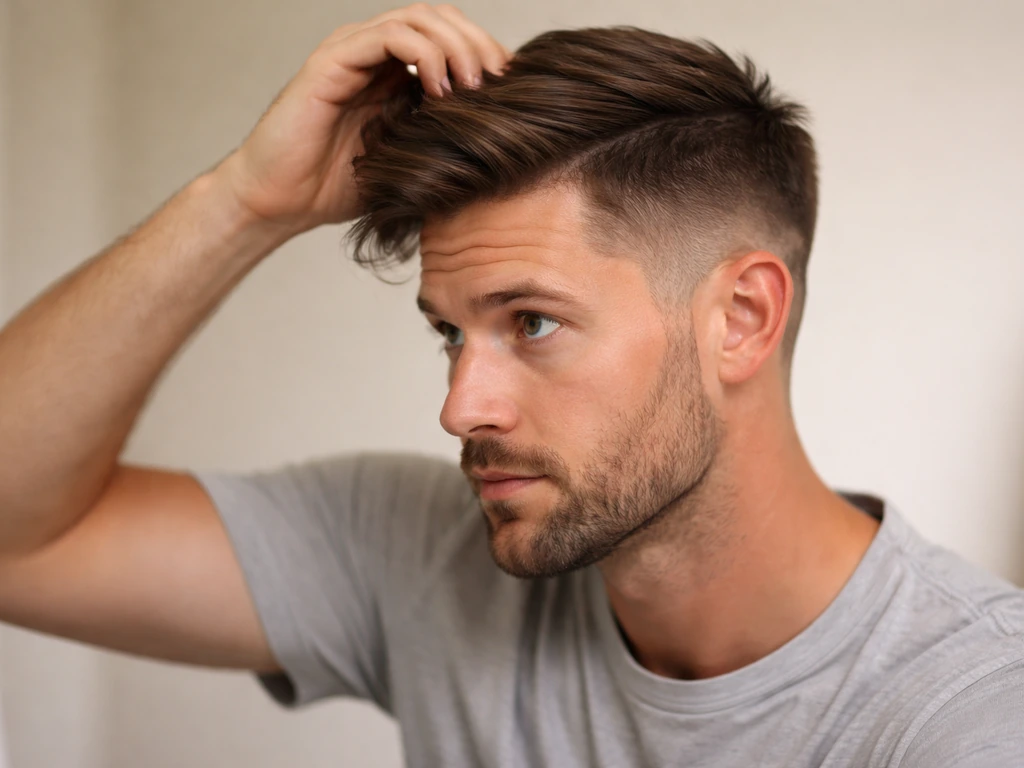
Undercuts are one of the trickiest grow-outs because the shaved or closely clipped sections are starting from nearly zero while the top hair may already be several inches long. The length difference can look dramatic and intentional for a while, but eventually the undercut section reaches a prickly, uncomfortable middle length that sticks out rather than lying flat.
The key strategy here is patience and strategic styling. Keep the top hair long enough to cover or sweep over the undercut sections while they grow. A side-parted style or a loose half-up look can hide the contrast well. As the undercut grows out to about two inches, it usually starts to blend with the surrounding hair if you get a light trim on the top to reduce the height difference. Avoid using heat directly on the shorter sections without a heat protectant, because those shorter hairs are more prone to breakage from repeated styling.
If the undercut is along the nape (a common placement), a low bun or half-up style will cover it until it blends in. If it is on the sides or temples, you can use a product with light hold to slick those sections back and blend them into the top hair as they grow.
Caring for growing hair: the routine that actually works
A lot of people treat their hair more harshly during a grow-out because it is short and 'easy,' but short growing hair needs just as much care as long hair, sometimes more, because you are building a foundation for what comes next. What happens when you grow your hair out is that you need an ongoing routine, not just patience, so the transition stays healthy and manageable. Here is what actually matters:
- Wash only as often as your scalp needs it. Over-washing strips natural oils that keep hair flexible and less prone to breakage. For most people, two to three times a week is plenty.
- Use a moisturizing conditioner every wash, focusing on the ends. Even short hair has ends that dry out and split.
- Detangle gently using a wide-tooth comb or a wet brush, starting from the ends and working up toward the roots. Ripping through from root to tip causes breakage.
- Apply a leave-in conditioner or light hair oil to damp hair, especially if your hair is coarse, curly, or color-treated.
- Limit heat styling to a few times a week maximum, and always use a heat protectant spray before any tool that exceeds 300°F (150°C).
- Trim every 10–12 weeks to remove split ends. Ask for a 'dusting' (removing only the very tips) rather than a full trim if you are protective of your length.
- Sleep on a satin or silk pillowcase, or use a satin-lined bonnet, to reduce friction and breakage overnight.
Nutrition matters too. Hair growth is tied directly to your overall health. Low iron, vitamin D deficiency, and protein deficiency are among the most common reasons hair growth slows or stalls. If your hair feels like it has stopped growing entirely for several months, it is worth talking to a doctor rather than assuming it is just slow.
Special cases: colored hair, natural regrowth, and keeping your confidence up
Growing out colored or bleached hair
If your hair is color-treated, the grow-out involves managing a visible line of demarcation where your natural color meets the dyed portion. How dramatic that line looks depends on how different your natural color is from your dye. For a subtle difference, you may be able to use a gloss or toner to blend the two over time. For a stark contrast (like bleached blonde growing into dark roots), consider asking a colorist about a technique called 'shadow rooting' or a balayage blend that softens the line and makes regrowth look intentional rather than neglected. This approach costs less than full recoloring and extends the time between appointments.
Letting white or gray hair grow in naturally
Growing out white or gray hair has its own unique challenges, especially if you have been coloring it for years. The transition line between your natural silver and the dyed lengths can look dramatic for many months. Toning shampoos and glosses can help reduce brassiness in the dyed sections while the natural color grows in. Confidence here is real, and the decision involves a personal calculation that goes beyond just hair management. Many people find that committing fully to the transition, rather than half-heartedly maintaining color, makes the process feel more empowering.
Staying confident through the process
The single biggest reason people abandon a grow-out is not that their hair looks bad, it is that they have no way to gauge progress and nothing looks intentional. The fix is to take monthly photos from the same angle and lighting. Seeing even a quarter-inch of progress every month is genuinely motivating. Also, investing in even one or two small styling tools (a good round brush, a single clip, a quality product) makes a huge difference in how controlled and intentional your hair looks during every stage.
It also helps to have a realistic picture of the end goal. If you are wondering how your hair will actually look once it is longer, or whether growing it out is the right move for your lifestyle, those are worth thinking through honestly before you commit. If you are growing your hair out as part of a personal choice, it can also help to know how to convince parents to grow hair out without turning it into a battle. The more clarity you have at the start, the easier it is to stay the course when month five feels like it is never going to end.
The bottom line: growing your hair out is not a passive process. It is a series of small, active decisions made every few weeks. Once you treat it that way, the whole experience becomes a lot less frustrating and a lot more interesting.
FAQ
How do I measure progress if my hair is curly or shrinks as it grows?
Track progress by comparing the length of stretched hair (lightly tugged or diffused straight, depending on your routine) instead of only how it “looks.” Take photos at the same distance and style each time (for example, same air-dry method), so shrinkage changes do not confuse the timeline.
What should I do if my hair feels like it stops growing after a few months?
First rule out breakage. If you are losing length through snapping or split ends, growth at the root can still be normal. Look for lots of short pieces or fraying ends, then focus on trimming damaged ends and tightening your damage prevention routine (protein, moisture balance, and heat reduction). If shedding is heavy or slow growth persists for several months, consider checking iron, vitamin D, and protein intake with a clinician.
Is it ever okay to trim during a grow-out, or will it ruin the goal?
Trims do not reset growth at the root, but they can change your silhouette. Use “maintenance trims” strategically (for example, dusting ends or cleaning the perimeter) rather than taking a big uniform haircut. Agree on keeping overall length while removing only the most split or bulky areas.
How often should I see a stylist during the awkward phase?
A common cadence is every 8 to 12 weeks, with more frequent cleanups only if bangs, undercut edges, or major bulk issues are bothering you. If your grow-out is mostly going well, you can schedule fewer interventions and rely more on at-home shaping (clips, side-sweeps, texture products).
What are the best options for growing out bangs that hit my eyes?
Use “hold and off-the-face” techniques instead of trimming: side-sweep with lightweight gel or cream, pin in place, or do a half-up banded style to keep them catching up with the rest of your hair. If you trim at all, keep it minimal and focus on shaping, since even small reductions can push the awkward phase out by weeks.
My sides grow faster than the top, and I look uneven. Do I need to cut the faster areas?
You can manage the imbalance without losing the top by asking for targeted work on the sides and nape only, or by using styling that emphasizes the top (part changes, light texture, tuck-and-pin). If you do trim, keep the outline clean but avoid removing length from the top layer that you are trying to maintain.
How do I handle a grow-out when my hair is heat-styled often?
Reduce heat on the shortest sections first, because they reach the “prickly” mid-length stage and break more easily. If you still style, apply heat protectant, lower the temperature, and avoid repeated passes. Consider swapping to lower-heat tools or non-heat styling during weeks when your undercut or fringe is in the worst phase.
What’s the easiest way to make a color grow-out look intentional?
Plan for the transition line. If the contrast is subtle, gloss or toner can blend tone and reduce harshness. For stronger contrast, ask about techniques that “soften” the roots over time (for example, shadow rooting or a balayage blend) so you are not forced into frequent full-color sessions.
How do I know whether my goal length is realistic for my hair type?
Use your hair growth rate as a planning tool, then add a realistic buffer for breakage. If you want a big jump (like pixie to shoulder length), factor in that you may need maintenance trims and that curly shrinkage can make the timeline feel slower even when growth is normal. If your current routine is high-damage, expect the journey to take longer.
Should I stop washing, or change my routine, when growing hair out?
No, you should not stop. Adjust for length and style needs instead, such as focusing on conditioning at mid-length to ends, using detangling gently to reduce breakage, and choosing products that let the “in-between” stages look controlled. If your hair feels dry or tangly during short-to-medium phases, increase moisture and detangling care before you blame “lack of growth.”