
The most effective way to convince your parents to let you grow your hair out is to show them a concrete plan, not just a wish. Come prepared with a realistic timeline, a clear answer to every objection they're likely to raise, a compromise that keeps your hair looking intentional during the awkward phases, and a proposed trial period with check-in milestones. That combination takes it from "I just want longer hair" to a request they can actually say yes to.
How to Convince Parents to Grow Your Hair Out

Marcus Vickers
27 May 2026

Start by figuring out what's actually bothering them
Before you say a single word to your parents, spend five minutes thinking about what their real objection probably is. Parents who push back on growing hair out are almost never just being randomly controlling. There's usually something specific driving it, and knowing what that is determines everything about how you approach the conversation.
Common reasons parents resist include: worrying about how it will look at school, a job, or a formal event; cost concerns about whether longer hair means more products, more salon visits, or more time; hygiene worries like scalp irritation, dandruff, or product buildup; past bad experiences watching an awkward grow-out go sideways; school or activity dress codes; or simply a preference for the shorter style on you. Some parents have more than one concern layered together. If you try to address the wrong one, the conversation goes nowhere.
Try asking a direct but calm question before you make your case: "What specifically worries you about me growing it out?" Listen to the full answer. Don't interrupt or argue in the moment. That one question can save you an hour of debate because it tells you exactly what you need to address.
Build your case: benefits, realistic expectations, and a timeline
Once you know their objection, you can build a case that actually speaks to it. But before you get into specifics, it helps to give your parents a realistic picture of what growing out hair actually looks like, because a lot of parental resistance comes from imagining the worst-case scenario: a months-long stretch of shapeless, messy hair.
Hair grows roughly half an inch per month on average. If you want the full picture of what happens when you grow your hair out, the timeline depends on your starting length and your goal cut Hair grows roughly half an inch per month. That means if you're starting from a pixie or buzz cut, you're looking at about 12 to 18 months to reach shoulder length. A bob-length start cuts that down to 6 to 10 months depending on your target. A short-to-medium goal (think chin length or a lob) is achievable in 4 to 6 months from most starting points. Present these numbers to your parents. Vague goals feel endless; a concrete timeline feels manageable.
On the benefits side, keep it relevant to them. If their concern is appearance, point out that longer hair gives you more styling flexibility for formal occasions, school photos, and events. If they care about cost, note that growing hair out actually reduces the frequency of haircuts (you go from every 4 to 6 weeks to every 8 to 12 weeks for shape-maintaining trims). If they're thinking about your autonomy and self-expression, appeal to that directly: being able to try a style and see how it suits you is a normal part of figuring out who you are. If you're growing out white hair, the same planning and timeline helps you manage the awkward phases and choose gentle styling that keeps it looking intentional.
Offer a compromise cut to keep things looking intentional
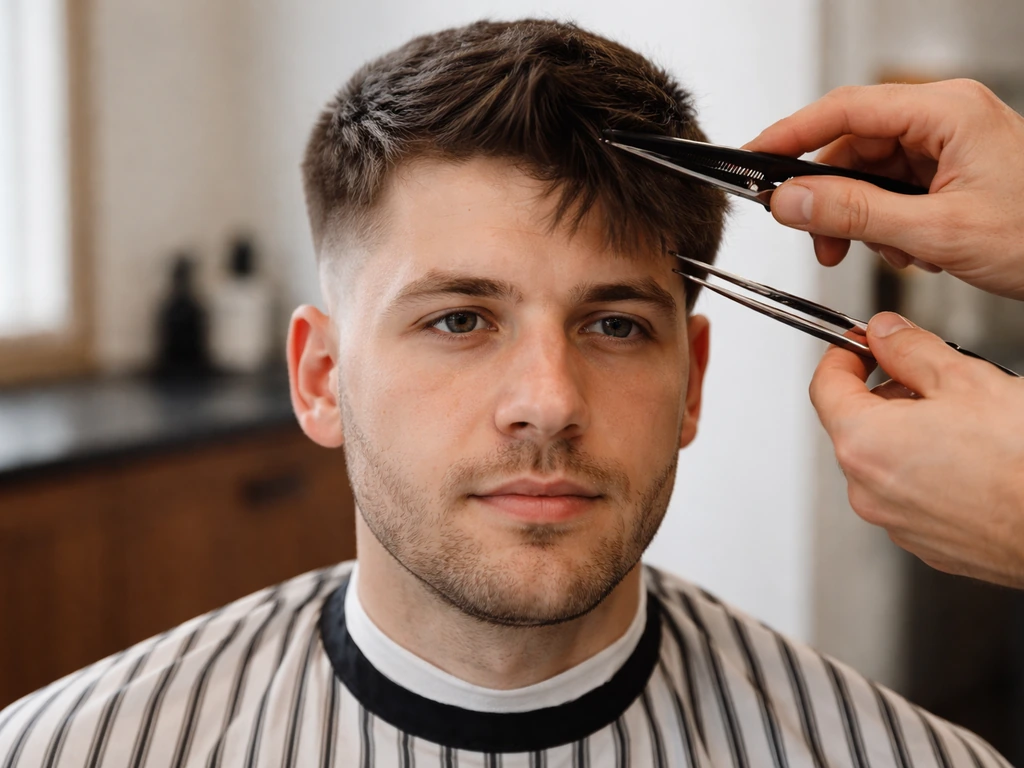
One of the strongest moves you can make is proposing a specific transition haircut rather than just asking to "stop cutting it." Parents often resist because they picture a grow-out as shapeless and unkempt. A planned transition style shows you've thought it through and that you're not just going to walk around looking like you forgot to get a haircut.
Here's what works at different starting lengths: if you're coming from a buzz or very short pixie, a tapered pixie with some length on top is a clean, controlled first step that gives the hair direction without looking overgrown. From a pixie, growing into a textured shag or a mini bob is a natural next stage that looks deliberate. From a bob, a long bob (lob) or a layered cut keeps shape while adding length. If you have bangs, propose keeping them trimmed while the rest grows, which maintains a polished look without resetting your progress.
The key message to communicate to your parents: you're not abandoning styling, you're changing the style you're working toward. Understanding the grow your hair out meaning behind your goal can also help you explain why you want the change in the first place. That framing matters. It turns "growing it out" from a passive, do-nothing decision into an active, intentional one.
Show them you can handle the awkward phase
Every grow-out has an awkward phase. There's no way around it. The most convincing thing you can do is acknowledge this upfront and show your parents you already have a plan for managing it, rather than waiting for them to bring it up as an objection.
For the first few months, the main tools are: a good texturizing product to add definition to unruly length, clips and headbands to manage pieces that are too long to style but too short to pull back, and targeted trims (just the back and sides, not the top) to prevent a mullet-like shape. Around months 3 to 5 from a short start, hair often hits a "triangle" or poofy stage where it's neither short nor long. A trim that removes bulk without removing length, or a light layer, fixes this. Having the name of a style you want at that stage (look up photos in advance) gives you and your parents a shared visual reference instead of vague promises.
It also helps to show your parents you're already doing research on this. Knowing what to expect at each stage is part of what growing out hair successfully actually requires, and going into the conversation informed signals that you're serious about managing it well.
Answer the practical objections directly
Practical objections are the easiest to handle because they have specific, concrete answers. Here's how to address the most common ones:
| Objection | Your specific answer |
|---|---|
| It'll cost more | Trims become less frequent (every 8 to 12 weeks vs. every 4 to 6). I'll also handle more styling at home. It may actually cost less over time. |
| Hygiene / dandruff / itchy scalp | Washing frequency and the right shampoo matter more than length. I'll keep up with regular washing and use a dandruff shampoo weekly if needed. Length doesn't cause scalp issues; neglect does. |
| Product buildup and breakouts | I'll rinse thoroughly and keep products away from my hairline. The American Academy of Dermatology notes that product residue near the face is what causes breakouts, not hair length itself. |
| School or work dress code | I've read the dress code policy. It says [specific detail]. I can tie/pin/style my hair to meet it while growing it out. |
| It'll look messy | I'm proposing a transition style with scheduled trims to keep it looking neat at every stage. I've already looked up styles that work during the grow-out. |
| What if it doesn't suit you? | That's what a trial period is for. Let's try it for 3 months and reassess together. |
On the hygiene point specifically: hair length isn't what causes scalp irritation or dandruff. Washing frequency and product choice are the real factors. Mayo Clinic similarly notes that how often you shampoo or use medicated anti-dandruff products depends on your hair-grooming practices and your symptoms blank" rel="noopener noreferrer">Washing frequency and product choice are the real factors.. If your parents worry about scalp health, reassure them you'll wash regularly, rinse out any styling products thoroughly, and use a medicated or gentle shampoo if needed. Harvard Health also notes that blank" rel="noopener noreferrer">symptoms can worsen with overheated water and with scrubbing the scalp aggressively, so paying attention to those triggers can help narrow down what aggravates the problem. That's an easy, specific commitment to make, and it directly addresses a legitimate concern without compromising your goal.
How to actually have the conversation
Pick a calm moment, not right after a haircut or in the middle of a disagreement about something else. Sit down, not while one of you is leaving or distracted. Start by acknowledging their perspective before you make your case. Something like: "I know you prefer my hair shorter, and I get that you've seen it look better that way. I want to talk about trying something different, and I want to understand what would make you more comfortable with it."
From there, present your plan: the timeline, the transition cut you have in mind, how you'll handle the awkward phases, and what you'll personally take responsibility for (washing, styling, trim appointments). Then ask for a trial period rather than a permanent commitment. "Can we try this for three months? If it's not working or it looks bad, I'll reassess with you." A time-limited ask is much easier to say yes to than an open-ended one.
If they push back, don't escalate. Ask a follow-up question: "What specifically would have to be true for you to feel okay about this?" That keeps the conversation productive and gives you something concrete to work toward. Avoid phrases like "it's my hair" or "you're being unfair" in the moment, even if that's how you feel. Those responses tend to shut down the conversation rather than move it forward.
Phrases that tend to work
- "I've been thinking about this for a while and I have a real plan, not just a whim."
- "Can I show you some photos of what I'm aiming for at each stage?"
- "What would make you more comfortable: scheduled trims, a specific style goal, or checking in at the three-month mark?"
- "I'll take full responsibility for the maintenance. You won't need to manage it."
- "If it starts looking messy or affecting anything at school, I'll get it shaped up right away."
What to avoid saying
- "All my friends are allowed to." (This rarely helps and often backfires.)
- "You just don't understand." (It closes the conversation.)
- "It's not a big deal." (If it weren't a big deal to them, they wouldn't object, so dismissing their concern signals you're not listening.)
- "I'm going to do it anyway." (Only say this if you genuinely intend to accept the consequences, and think carefully before you do.)
Set a trial period with real milestones

A trial period is your strongest closing argument. It removes the feeling of permanence from the decision, which is often what makes parents most anxious. Propose a specific window (three months is usually enough to show meaningful progress without feeling open-ended) and define what success looks like at that check-in.
Before the conversation, write out your milestones so you can share them. Something like: Month 1, I'll have a transition cut in place and a styling routine. Month 2, I'll show you the current look and we'll assess whether it's been maintained. Month 3, we'll check in together and decide whether to continue, adjust the goal, or rethink. This tells your parents you're not just asking for permission and then disappearing; you're inviting them into the process.
If things aren't going well at the check-in, be honest about it and be willing to make real adjustments. Maybe the transition cut needs reshaping. Maybe the styling routine needs tweaking. Staying flexible during the trial period builds trust and makes it far more likely they'll agree to continue. Growing out hair is a process that takes months, so having your parents as allies rather than opponents makes the whole thing easier to stick with.
If they still say no after all of this, ask one final question: "What would change your mind?" If there's a specific condition (a big family event coming up, a dress code concern, a timeline they'd feel better about), you now know exactly what to address or wait out. If there's no clear answer, give it some time and revisit the conversation in a few weeks. Sometimes people need time to sit with an idea before they can say yes to it. Keep showing that you're serious, consistent, and informed, and most parents eventually come around.
FAQ
What should I do if my parents worry about school or dress code rules?
Ask for the exact rule they’re thinking of (for example, length limits, “neat appearance” expectations, or uniform requirements). Then propose a plan that includes compliance steps, like keeping the sides controlled with clips, trimming bangs on schedule, and agreeing on a “pass condition” for check-ins (for example, hair stays out of eyes and looks intentional for photos and assemblies).
How do I handle it if my parents disagree with each other (one says yes, one says no)?
Meet both parents separately first to learn each person’s primary concern. Then present one shared proposal that covers all concerns (timeline, transition cut, hygiene plan, and how you’ll handle the awkward phase). If you need a tie-breaker, suggest a trial check-in with both present so the decision is made collaboratively, not blamed on one parent later.
If my hair texture is curly or wavy, will the timeline the article gives still work?
Growth rate is similar, but “how long it looks” can change because curls shrink as they dry. Use a look-ahead based on wet-to-dry styling, not just straight-length estimates, and pick milestones that match what your parents will see (for example, “hair can be worn down neatly on wash days” rather than “reaches X inches”).
What if my hair is fine or gets oily fast, and my parents worry it will look unclean?
Make a specific washing and styling commitment, like using a lighter product, focusing product only on lengths (not scalp), and rinsing thoroughly. Offer a plan for day-one to day-two wear (for example, refresh with water and a small amount of product, or use a dry shampoo if your scalp tolerates it) so the hair still looks presentable between washes.
What if I want to grow it out but I also have to get a haircut for hygiene or health reasons?
Separate “health trimming” from “shape changes.” You can propose split-end cleanup or targeted back and sides trims on a schedule that keeps the plan moving, while still preventing a mullet-like silhouette. Frame it as maintenance for the grow-out, not going back to the short style.
How do I choose a transition cut if I do not know the exact style names yet?
Bring photos of two styles: one for now (controlled transition) and one for later (goal direction). Tell your stylist you’re doing a grow-out and ask for a cut that keeps shape while allowing length at the right areas (for example, sides controlled, top not growing unevenly). Share those photos with your parents so everyone is referencing the same target look.
What should I do if I start the trial period and it is not going well after two or three weeks?
Don’t wait until the end of the trial to react. Suggest a mid-trial adjustment meeting, and propose one concrete fix (for example, reshaping the transition cut, changing a texturizing product, or changing how often you clip the hair). The key is to show you can troubleshoot quickly and responsibly.
How do I define “success” for the three-month trial so it is fair and clear?
Set measurable outcomes tied to your parents’ concerns, like “hair looks intentional for school photos,” “no scalp irritation after using a new shampoo for two weeks,” and “awkward-phase management is consistent (clips/bands routine, no bulk at the back).” Also agree in advance what “not working” means (for example, it repeatedly fails the appearance standard after adjustments).
Is there a way to reassure my parents about cost without sounding dismissive?
Offer cost clarity: list what you expect to pay for (transition cut, basic products, and trim frequency) and compare it to your current haircut schedule. If money is tight, propose a minimal-change trial first (for example, only one styling product plus clips) before upgrading to more expensive tools or salon services.
What if my parents want me to stop using products entirely while growing it out?
Ask what specifically they object to (ingredients, buildup, cost, or appearance). Then propose a simple, low-buildup routine that reduces scalp contact, like using a small amount of product only on lengths, washing on schedule, and rinsing out thoroughly. If they still say no, adapt the plan by focusing on non-product styling tools (clips, headbands, brushing techniques) during the awkward phase.