
Yes, you probably should grow your hair out, but only if you go in with realistic expectations about the timeline and the awkward middle stretch. If you are wondering about the grow your hair out meaning, it usually comes down to committing to the longer-term payoff of length, versatility, and giving yourself a realistic plan for the awkward middle. Growing your hair out is genuinely worth it for most people, and the main reason people quit halfway through isn't that their hair isn't cooperating. It's that they didn't know what was coming. So before you commit, here's an honest breakdown of whether this is the right move for you right now, what you'll actually experience month to month, and exactly what to do at each stage so you don't end up back in the stylist's chair asking for a pixie cut out of frustration.
Should You Grow Your Hair Out? Decision Guide and Plan


Quick self-check: do you actually want the commitment?
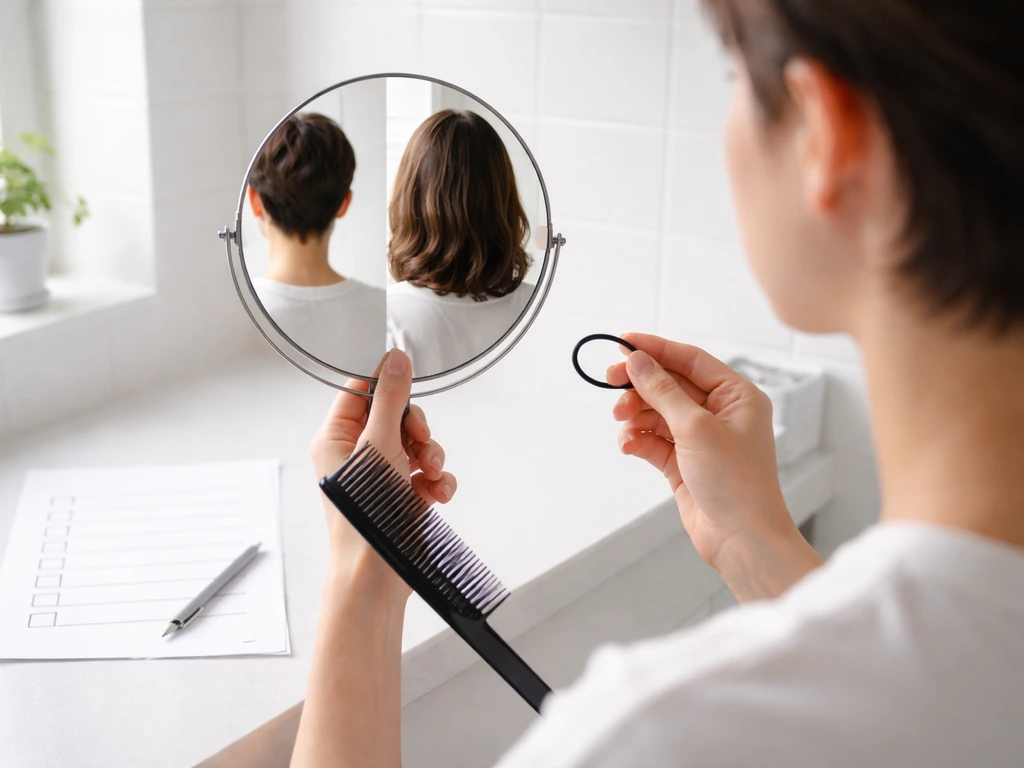
Growing your hair out is a real commitment, and the first question to answer honestly is whether you want longer hair or whether you're just bored with your current cut. Those are different motivations, and they lead to different outcomes. If you're bored, a new style at your current length might solve the problem faster and with a lot less frustration. If you genuinely want more length, for styling versatility, to cover a short-hair mistake, to try braids or waves, or just because you've always wanted to see yourself with longer hair, then growth is the right path.
Here's the honest commitment picture: hair grows at roughly 0.5 to 1.7 centimeters per month, with most people averaging around 1.25 cm (about half an inch) per month, or roughly 6 inches per year. That means growing a pixie into a bob takes somewhere between 6 months and 18 months depending on your starting point and your hair's natural speed. Getting to shoulder length from a pixie? Think 2 to 3 years. If those numbers feel manageable, keep reading. If they feel impossible, it's worth pausing to think about what's driving the decision before you start.
- You have a clear goal (a specific length, style, or look you're working toward)
- You can tolerate at least a few months of hair that doesn't look exactly right
- You're willing to get occasional trims — not to cut length, but to keep things from looking ragged
- You're not in a high-pressure period where you need to look very polished every single day
- You have basic styling tools: a round brush, some pins or clips, and at least one product for texture or hold
If most of those feel true, you're ready to start. If the awkward-stage tolerance feels like the sticking point, keep reading, the styling strategies below will help more than you'd expect.
How to assess your current hair and grow-out feasibility
Before you decide, take a realistic look at your current hair: its texture, condition, and the specific cut you're starting from. These factors shape both how easy the grow-out will feel and how you'll need to manage it along the way.
Hair type and texture
Straight hair tends to show length milestones clearly, which makes growth feel more visible and rewarding. Wavy hair is forgiving during the grow-out, it blends between lengths naturally, which reduces the awkward-phase drama. Curly and coily hair is the most interesting case: because curls can shrink back up to 50% of their actual length as they dry, you may have considerably more growth than you realize. That's actually good news for motivation, but it also means you'll need to measure or stretch your hair to get an accurate sense of your real progress rather than judging by how it looks dry.
Your starting cut
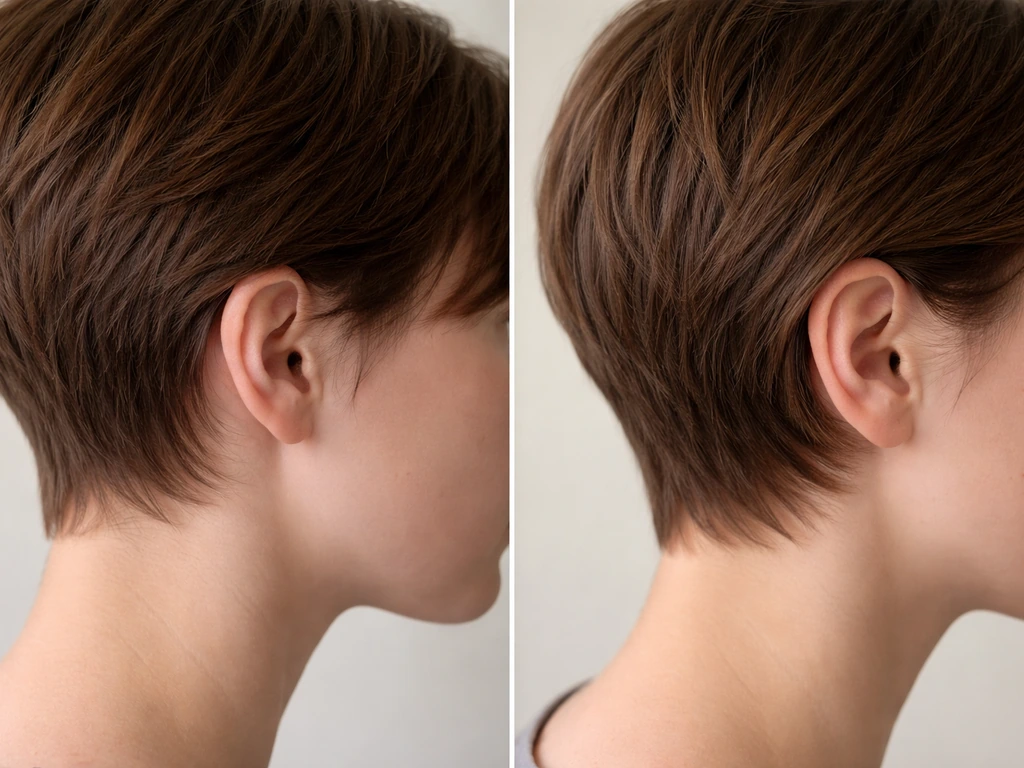
Different starting points come with different challenges. A pixie cut means you'll hit the most difficult collar-length and ear-length phases before you see anything resembling a manageable style. A buzz cut has similar early awkwardness, plus the added variable of growing out multiple lengths at once if it was tapered. A bob or lob is actually one of the easier starting points, you're already past the worst of it. Bangs (especially full fringe bangs) are their own separate grow-out project on top of whatever you're doing with length, and they can take close to a year to fully blend in. And if you have an undercut or disconnected layers, those need specific attention because the shortest sections grow at the same speed as everything else, which can create real imbalance.
Hair condition
If your hair is heavily damaged, bleached, or breaking at the ends, growing it out will feel like a treadmill, you'll gain length at the roots but lose it at the tips. Getting a conditioning treatment and trimming off the worst damage before you start isn't giving up length; it's protecting the length you'll grow. Starting the process with healthy hair makes every subsequent month more productive.
What to expect during each awkward stage
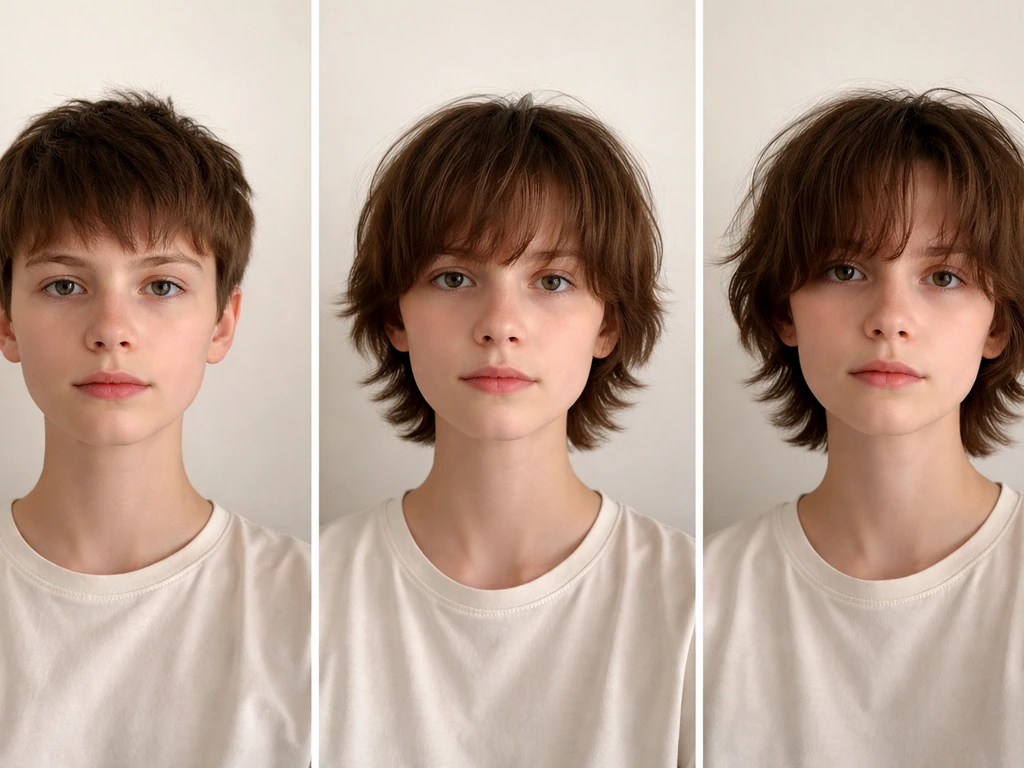
The awkward phase isn't one single moment, it's a series of mini-phases, each with its own specific annoyances. Understanding what's coming at each stage is probably the single most useful thing you can do before starting a grow-out, because it turns frustration into something predictable and temporary.
| Stage | Approximate Timeline | What It Looks Like | Main Challenge |
|---|---|---|---|
| Short (start) | Month 0–2 | Your original cut, just slightly grown | Easy — this is the calm before the storm |
| Collar/ear length | Month 2–5 from pixie/buzz | Hair starts curling around the ears and neck | Looks shapeless; can't be tied back yet |
| In-between | Month 5–10 from pixie/buzz | Past ears but not quite shoulder-length | Most people quit here; hard to style, hard to pin up |
| Collarbone length | Month 10–18 from pixie/buzz | Hair reaches the collarbone | Ends can look thin; layers start to look mismatched |
| Shoulder and beyond | 12–18+ months for bob start; 2–3 years from pixie | Full length becomes manageable | Patience; maintaining health at the ends |
The core insight about the awkward phase is that it's temporary, and there's a stretch in the middle that feels genuinely terrible before it stabilizes into something that looks intentional and good again. The people who get through it are the ones who expected it. Those who don't make it through usually hit month four or five and assume something is wrong with their hair specifically, nothing is. It's just the middle.
Styling strategies for short-to-long transitions
The key mindset shift for styling during a grow-out is to work with the length you have right now rather than fighting it. One practical approach stylists use is to treat your existing perimeter as your guide, the longest sections you already have set the direction, and you blend everything else toward that rather than waiting for the whole head to catch up to one target length.
Growing out a pixie cut
The ear and collar phase is the hardest part of a pixie grow-out. The sides and back grow fast but look shapeless before they reach a blendable length. The fix here is to ask your stylist to trim the back and sides slightly during appointments (not to cut length, but to keep the shape from getting straggly) while leaving the top alone to grow. Once the top is long enough, you can use clips, texture spray, or a side part to manage it while the sides catch up. Bobby pins are underrated here, a few well-placed pins can make collar-length hair look deliberate instead of forgotten.
Growing out a buzz cut
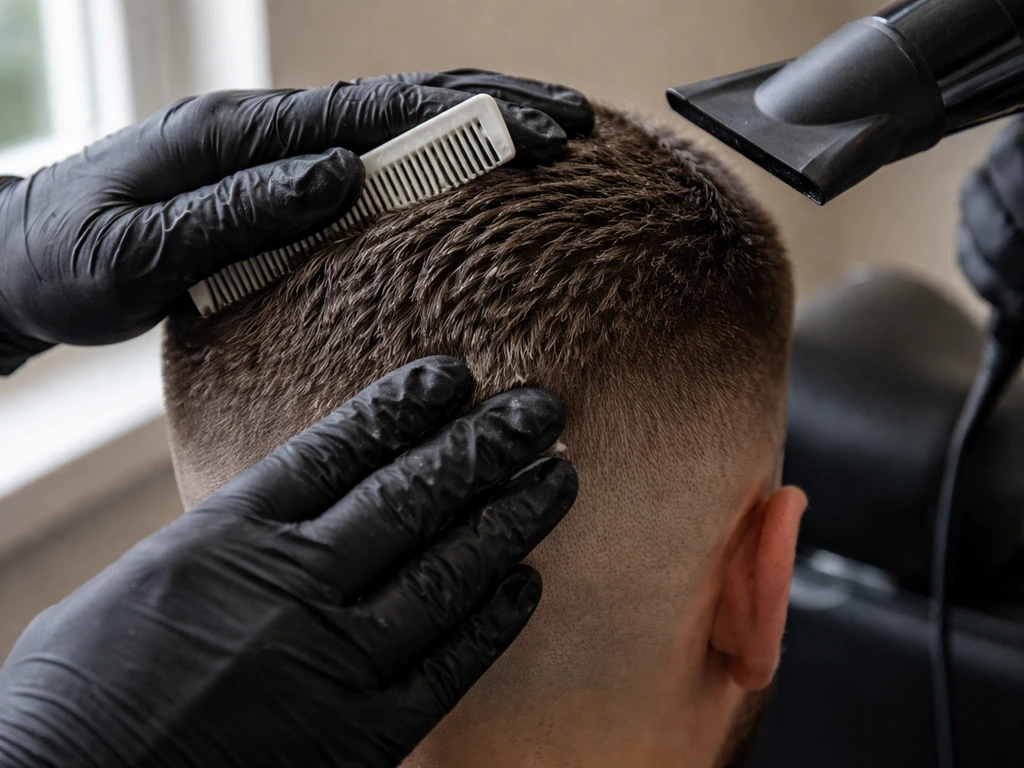
The first couple of months after a buzz cut grow-out look surprisingly fine, like a short, clean crop. Then you hit an in-between zone where it's too long to look neat and too short to style. A soft mousse or curl cream (even on straight hair) can add enough texture at this stage to make it look intentional rather than neglected. Keeping the neckline and sideburns cleaned up by a barber every 4–6 weeks during this phase makes an enormous visual difference without sacrificing any length.
Growing out a bob
A bob grow-out is actually the most forgiving transition because you're starting with a shape that already has perimeter length. The main issue is that bobs are often cut with an internal angle (shorter at the back, longer at the front), so the back needs to catch up to the front before it all blends into a lob shape. During this phase, wear your hair down and focus styling effort on the front sections, which are already longer and look more intentional. Loose waves with a 1-inch curling iron can mask a lot of the uneven length at the back.
Growing out bangs
Bangs are a grow-out within a grow-out, and they deserve their own plan. Full, blunt fringe bangs are the most time-consuming, expect around a year before they're fully blended into the rest of your hair. Curtain bangs are significantly easier because they're already layered and textured, so they naturally soften into face-framing pieces rather than sitting as one awkward blunt edge as they grow. During the in-between stage, your best tools are: a side part (which naturally sweeps the bangs out of your face), face-framing layers that your stylist can add to help the bangs blend, bobby pins or small clips, and a headband for days when nothing cooperates. A technique that actually works for the limp, in-between-length bang: blow-dry them forward first, then sweep them sideways and outward. It prevents the stiff, floppy look that makes awkward bangs so noticeable. Ask your stylist to start blending your bangs into the surrounding cut at your next few appointments instead of trimming them as a separate fringe, that transition makes growth look intentional rather than unfinished.
Managing undercuts, layers, and uneven growth
Undercuts and disconnected layers are the grow-out scenarios that require the most patience and the most strategic trimming. An undercut means you have a section of hair that's significantly shorter than everything around it, and no matter how much growth happens, that section can't just "catch up", it will visibly grow at the same rate as the rest, which means you'll have a noticeable length discrepancy for an extended period. The practical approach is to let the longer sections get trimmed gradually to keep them from getting too far ahead, while leaving the undercut section completely alone. Over time, you're essentially bridging the gap from both directions. This can take 12–24 months for a deep undercut.
For uneven layers, either from a previous cut with heavy graduation or from natural variation in growth rate across the head, the same bridging principle applies. Ask your stylist to work with the longest existing length as the guide and gradually blend shorter sections toward it rather than cutting everything to one uniform length, which would just make you lose overall progress.
During the grow-out of an undercut, hairstyles that add volume and texture at the top can visually minimize the shorter underneath section. Loose waves, low ponytails (where the shorter sections are hidden underneath), and half-up styles are all useful here. The goal is to keep styling attention on the sections that look good while the shorter parts grow in.
Special situations: colored hair and natural regrowth
If you're growing out colored hair, whether that means growing out highlights, a single-process color, or transitioning to your natural gray, the grow-out process has an extra layer of planning around that line of demarcation where your natural root meets the dyed length.
Growing out dyed hair
The cleanest way to grow out a permanent color is to use a technique called grey blending or color blending, where your colorist uses a woven, soft approach to gradually shift the color rather than letting a hard line develop between your natural root and the dyed section. This avoids the stark demarcation that makes grow-outs look unfinished. If you're using semi-permanent color, keep in mind that it typically fades over 4–6 weeks, so the line can soften faster on its own, but it also means you'll need to decide fairly regularly whether to touch up or let it go. Root touch-up products (sprays, powders, or deposit-only glosses) are useful in between appointments for keeping the contrast subtle while you decide on your direction.
Transitioning to natural gray or white
Letting natural gray or white grow in is one of the more specific grow-out decisions people face, and it comes with its own timeline and emotional experience. Transitioning to natural gray or white involves a similar grow-out commitment but with a distinct timeline and visual challenge at the root line. The contrast between your natural gray root and previously dyed hair is the main visual challenge, and the options for managing it include: growing it out cold turkey (which shows the line clearly but is the fastest route), using grey blending at the salon to soften the transition over several appointments, or gradually lightening the dyed sections so they get closer to your natural color before you stop coloring altogether. Once your gray is fully grown in, using a toning shampoo or conditioner formulated for silver hair helps keep it vibrant rather than yellowed. This topic goes deep enough that it deserves its own full read.
Your practical go-forward plan (and how to tell if it's not working)

If you've read this far and you're still thinking yes, here's how to actually start and stick with it.
- Book a starting appointment with your stylist: not to cut length, but to assess your current shape, trim any damage, and make a shared plan for the grow-out with specific check-in appointments every 8–12 weeks.
- Set a realistic milestone, not a vague goal. Instead of "I want long hair," pick a specific target: collarbone length, shoulder length, long enough for a ponytail. That gives you a measurable finish line.
- Track your growth monthly by measuring a specific section of hair (same spot, same time of month). This matters most for curly hair where shrinkage hides your real progress.
- Build your awkward-phase toolkit now: a round brush, a few bobby pins and clips, a flexible-hold gel or texture cream, and a headband or two. Having these on hand before you need them prevents panic trimming.
- Plan for your bangs separately if you have them. They're growing out on a different timeline than your length, so treat them as their own project with their own milestones.
- Schedule regular trims every 10–12 weeks minimum. These are shape appointments, not length-reduction appointments. Make sure your stylist knows the goal upfront.
- Take a photo every 4 weeks from the same angle. On the days when your hair looks terrible, this is what reminds you that you're actually making progress.
Signs it might not be the right time
Growing your hair out genuinely isn't always the right move right now, and there's no shame in that. If your hair is severely damaged and breaking faster than it's growing, the grow-out will stall until you address the underlying damage. If you're in a period of high stress or major life change and already feel like your hair is something you're fighting with rather than enjoying, adding a multi-year project to that might not serve you well. And if after two or three months you're miserable every single day, not just on bad-hair days, but consistently, that's useful information. Shorter hair that you love is better than longer hair that you hate. The goal is hair that works for your life, not a grow-out for its own sake.
But if you've assessed your situation honestly, have a clear goal, and you're willing to work through the middle stretch with some styling strategy and patience, yes, you should grow your hair out. If you're trying to convince parents to grow their hair out, start by aligning on realistic timelines and a plan for the awkward middle stretch grow your hair out. Most people who get through the awkward phase are glad they did.
FAQ
How long should I try growing my hair out before deciding it’s not for me?
Give yourself a minimum “decision checkpoint” of about 3 months. That’s long enough to know whether the awkward middle is temporary for you, or whether your hair feels consistently unmanageable day after day. If you’re miserable in that window, consider switching goals (new short style at your current length) rather than pushing through another year hoping it improves.
Will I lose a lot of length if I get trims while growing out?
You can trim strategically without resetting progress. The goal is to remove damage and keep the perimeter looking clean, not to cut uniformly to a new shorter target. Tell your stylist you want “damage control trims” (especially around the ends) and you are not asking for a shape change, so you keep overall length moving forward.
What should I do if my hair seems to “grow unevenly” across the head?
This is common, especially with natural growth rate differences or previous layering. Use the longest existing section as your anchor and ask for gradual blending toward it. If you see a persistent imbalance after a few months, it usually responds better to targeted bridging trims than to cutting everything to match all at once.
How often should I see a stylist during a grow-out?
A common cadence is every 4 to 6 weeks for maintenance that keeps shape from getting ragged (neckline, sideburns, or minor blending). Your exact frequency depends on the starting cut, for example pixie and buzz phases often need more visual cleanup, while starting from a bob usually needs less intervention.
Can I grow out bleached or dyed hair if it keeps breaking?
If breakage is happening faster than new growth, you need to change the input before you continue expecting length. Focus on stabilizing the ends first (conditioning and damage repair, plus trimming off the worst splits) because otherwise the grow-out becomes a loop of root growth with tip loss.
How do I measure progress if my hair is curly or coily?
Don’t judge by how it looks dry. Measure when it is stretched, or compare length when your hair is wet (before shrinkage) and after consistent styling. That gives you a more accurate sense of true growth, which helps you avoid quitting during the “it looks the same” phase.
Should I stop getting color while growing out highlights or permanent dye?
Not always, but you need a plan for the root line. If you want the cleanest transition, ask about gradual softening (color blending/grey blending) rather than waiting for a hard line to develop. If you do go through root regrowth with semi-permanent color, be ready to decide more frequently because it fades faster, changing how obvious the line will be.
What’s the best way to handle bangs during a longer hair grow-out?
Treat bangs as its own project. Curtain bangs usually blend more easily, while full blunt fringe can take close to a year to fully integrate. For the in-between stage, use styling to move bangs out of the “awkward fall” (side part, blow-dry forward then sweep sideways) and ask your stylist to blend them into the surrounding cut rather than trimming them as a separate fringe.
If I’m growing from an undercut, will it ever look even?
Yes, but you should expect a long bridging period because the shorter section can’t “catch up” faster than the rest. During the grow-out, manage the visual imbalance with low ponytails, half-up styles, and extra texture or volume on top, and keep trimming limited to the longer sections so you don’t remove progress from the area you are trying to let catch up.
What’s a realistic goal if I’m growing from a pixie and want it wearable sooner?
Aim for “wearable and intentional” before “fully grown.” In the early stages, keep the top longer for style options (clips, side part, pins) while allowing sides and back to be lightly maintained for shape. This approach reduces the urge to reset the cut during the hardest collar-length phase.
How do I know if my goal is actually “longer hair” or just “I’m bored”?
Ask yourself what you want to change and why. If you want variety but your length feels fine, a new cut or styling adjustment at your current length can solve boredom faster. If the motivation is specifically to add length for look experiments like braids, waves, or covering past mistakes, then growth is the more aligned choice.