
Yes, you can grow out the sides of your hair, and for most people it's worth doing if you're tired of the current shape or want more length and versatility. The honest part is that there will be an awkward phase, usually somewhere between month two and month four, where the sides are too long to look clean but too short to do much with. If you go in with a realistic plan, that phase is totally manageable.
Should I Grow Out the Sides of My Hair? A Guide

Marcus Vickers
24 Jun 2026

If you don't, you'll probably book a trim out of frustration and end up back where you started. On r/longhair, the trim-frequency debate often comes down to avoiding frustration-based trims and instead trimming only when damage is creating problems or when you have a clear reason to shorten the ends book a trim out of frustration.
Should you grow them out right now? A quick decision checklist
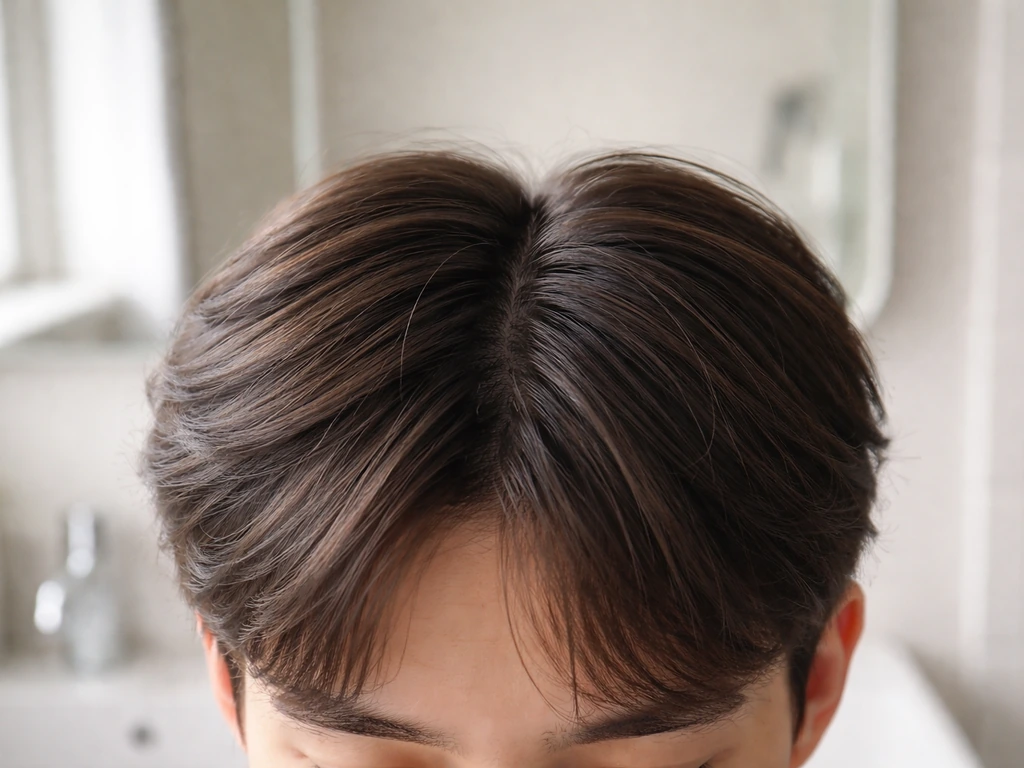
Before you commit, run through these questions honestly. Your answers will tell you whether now is actually the right time to start, or whether a small adjustment first would set you up for a smoother grow-out.
- Are your sides shorter than you want them because of a recent cut, or because of your current style choice? If it's a style choice you're ready to leave behind (like an undercut or fade), grow them out. If a stylist just took too much off, wait a few weeks before deciding.
- Is the rest of your hair significantly longer than your sides? If the difference is more than two to three inches, you'll hit a sharp blending problem. A shape-up trim before you start growing can make the transition far less jarring.
- Do you have uneven growth or a cowlick on one side? If yes, flag this before you start. Uneven sides that aren't managed early tend to look lopsided by month three.
- Is your hair currently damaged, over-processed, or color-treated at the sides? Split and brittle ends will only get more noticeable as length adds weight. A clean trim of the damaged portion first will save you headaches later.
- Do you have the patience for roughly three to six months of active styling? If you go low-maintenance and just stop cutting, the sides will look shapeless. If you're willing to do a small upkeep trim every six to eight weeks, the grow-out will look intentional the whole way through.
- Are you growing the sides to match a longer top, or growing everything together? Knowing your goal length changes your trim schedule and product choices significantly.
If you answered yes to most of the above with confidence, start now. If you hit two or three hesitations, spend a week thinking about the target look you actually want before you stop trimming the sides.
Match your grow-out plan to your current cut
The starting point matters a lot. A buzz cut grow-out looks and feels completely different from growing out a bob or an undercut, and each has its own version of the awkward phase.
Buzz cut
Growing the sides out from a buzz is the most uniform starting point because everything is roughly the same short length. The first two months are actually fine because the overall shape stays proportional. The difficult stretch is around months three to five, when the sides start to puff outward before they're heavy enough to fall down. This is where most people bail. Don't. This is exactly when a taper clean-up at the temples (not a full cut, just a tidy-up at the lower edges) keeps the shape looking deliberate rather than neglected.
Pixie cut
Pixies often have textured, tapered sides that behave unevenly as they grow. You'll likely notice one side lying flatter than the other, especially around the ear. The goal in the first few months is to keep trimming the top and back at a slightly slower rate than the sides so everything catches up in proportion. Resist the urge to layer the sides heavily early on as that can create a triangle shape that's harder to manage at mid-length.
Bob
A bob with shorter sides (an asymmetrical bob or graduated bob) grows out with a shape problem: the shorter side reaches the jaw before the longer side reaches the shoulder, so the shape can look unintentionally uneven. If you're growing an asymmetrical bob, commit to gradually letting both sides grow at their own pace while keeping the overall perimeter trimmed to avoid scraggly ends. If you're growing a symmetrical bob longer, the sides are usually fine and the bigger issue is bulk and bend at the ends.
Undercut
Growing out an undercut is one of the trickier transitions because of the hard line where the shaved or very short section meets the longer top. You can't just stop getting the sides cut, because that line will grow into a visible shelf of two very different lengths.
The key is a gradual taper approach: each visit, ask your stylist to bring the undercut line up slightly while adding length lower down, so you're fading the hard line out rather than leaving it to grow in as a blunt step. This can take six to twelve months depending on how severe the undercut was.
Growing out an undercut deserves its own detailed plan, so if that's your exact situation, it's worth reading up on undercut-specific grow-out strategies in addition to this guide.
Bangs or fringe with short sides
If you're growing out both fringe and short sides at the same time, prioritize the sides first in terms of active maintenance. The fringe grow-out has its own set of styling solutions (sweeping, pinning, clipping) that make the awkward phase easier, whereas the sides don't have as many quick-fix styling tricks. Growing both at once is doable, but accept that you'll need to style deliberately for about four to six months.
What actually happens month by month
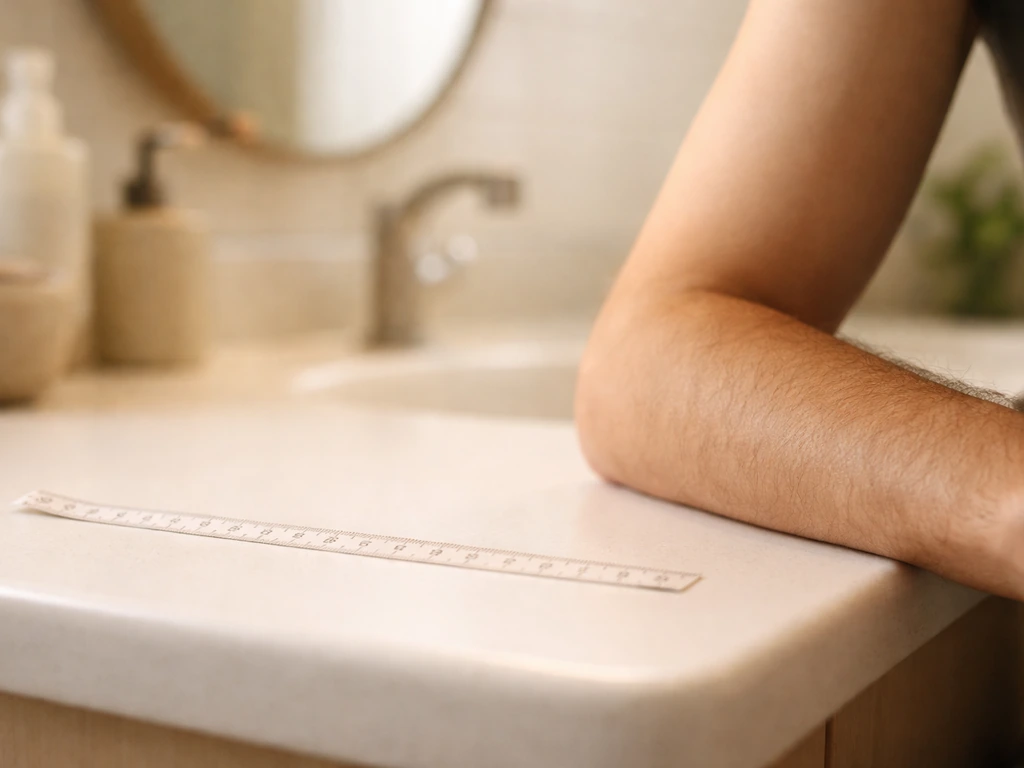
Hair grows about half an inch per month on average, which works out to roughly six inches a year. Some people grow faster (up to about 1.7 cm per month), some slower, depending on genetics, age, and health. Here's what that looks like in practice when you're growing out the sides.
| Timeframe | Approximate side length added | What you'll notice | Main challenge |
|---|---|---|---|
| Month 1 | ~0.5 in (1.25 cm) | Barely visible change; sides look a little fuzzy or soft | Patience; nothing looks different yet |
| Month 2 | ~1 in (2.5 cm) | Sides are covering the tops of ears or reaching collar depending on start length | Starts to look intentionally grown or accidentally forgotten |
| Month 3 | ~1.5 in (3.8 cm) | Volume and puffing, especially with wavy or thick hair | Shape control; sides push outward before falling down |
| Month 4-5 | ~2–2.5 in (5–6 cm) | Enough length to tuck behind ears; curl/wave patterns emerge | Blending top-to-side, cowlicks become more obvious |
| Month 6+ | ~3 in (7.5 cm) | Sides are genuinely long; can style with the rest of the hair | Keeping ends healthy; avoiding the 'helmet' shape |
The hardest window for almost everyone is months two through four. You're not short enough to look sharp and not long enough to style easily. This is the phase that causes most people to give up. Knowing it's coming makes it much easier to push through. If you're aiming for a man bun, keep in mind that the same awkward mid-growth window can affect how quickly you can gather enough length at the back.
How to style the sides during the awkward phase
This is where most grow-out guides fall short. They tell you to be patient but don't tell you what to actually do with your hair on a Tuesday morning when it looks terrible. Here are the approaches that actually work. If you are wondering what other guys recommend, you can also check should i grow my hair out male reddit threads for practical ideas.
Blending the sides with the top
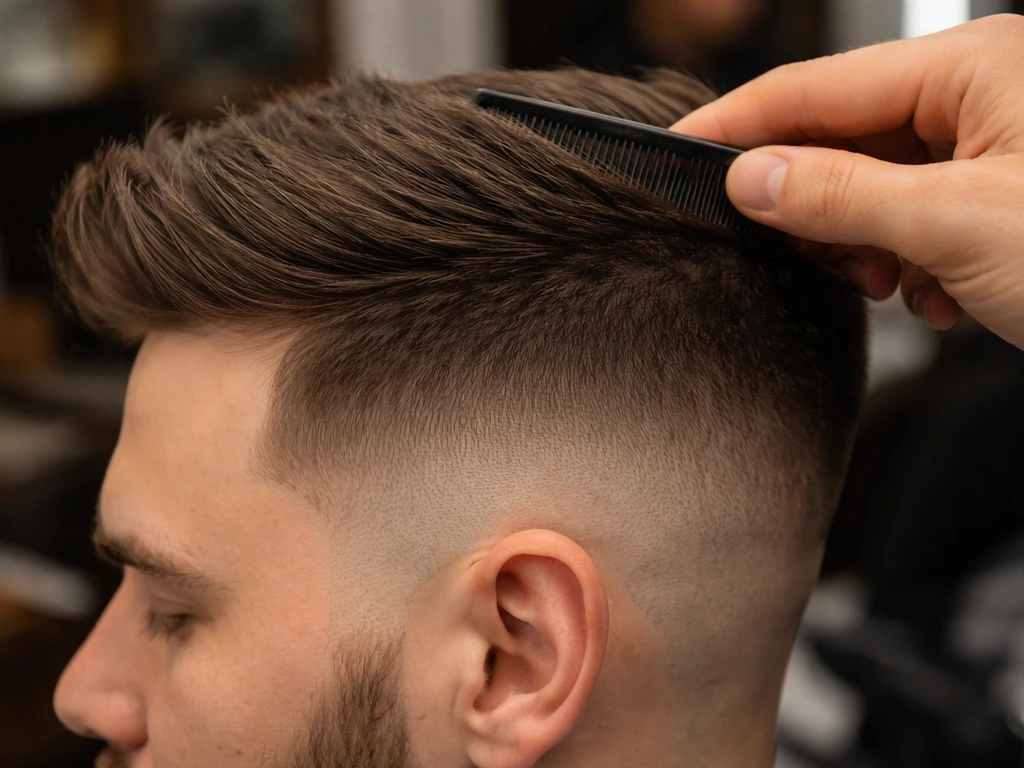
The biggest visual problem during a side grow-out is a harsh line between the shorter sides and whatever's happening on top. The fix isn't to cut the top shorter to match. Instead, ask your stylist to use a [shear-over-comb](https://www. scissorpedia.
com/guides/technique-shear-over-comb/) or point-tapering technique on the sides to graduate the length so the transition looks like a blend rather than a step. Tapering gradually reduces hair thickness from root to tip, which helps create natural-looking, lighter-weight ends use a shear-over-comb or point-tapering technique.
You can also help this at home by applying product from root to mid-shaft on the sides (not just the ends) and brushing or combing the sides upward and slightly forward before letting them fall. This disrupts the visual line.
Controlling volume and puffing
If your sides are puffing outward in that mid-growth stage, the fastest fix is blow-drying them downward with a little tension. Use a medium-hold clay or paste (matte finish, medium-high hold) applied to damp hair, then blow-dry with a flat brush or comb pulling the hair down and slightly back toward the ear. Avoid gel on sides during the grow-out phase as the high-shine finish tends to emphasize unevenness rather than hide it. For thick or coarse hair, a small amount of cream on top of the clay helps with weight and reduces the puff without making the hair look stiff.
Playing with your part
Your parting line has a surprising amount of influence over how balanced your sides look. If one side is growing faster or sitting differently, switching to a center part or a deeper side part can redistribute the volume visually. Trying a new part while growing out also buys you extra weeks of looking intentional before anyone notices you're just letting the sides get longer. Change your part on damp hair, not dry, so the hair trains into the new direction more easily.
Products worth using
- Clay: best for medium-to-thick hair that needs hold without heaviness; matte finish keeps the grow-out looking natural rather than product-heavy
- Paste: works well for most hair types at mid-growth stage; medium hold with a natural low-sheen finish that doesn't draw attention to uneven lengths
- Cream: ideal for thick, coarse, or curly sides that need moisture and weight to lie flat; layer lightly under a clay if you need more hold
- Avoid gel during the grow-out: the high-shine, high-hold formula tends to separate hair into chunks that emphasize asymmetry
Trim rules while you're growing the sides out
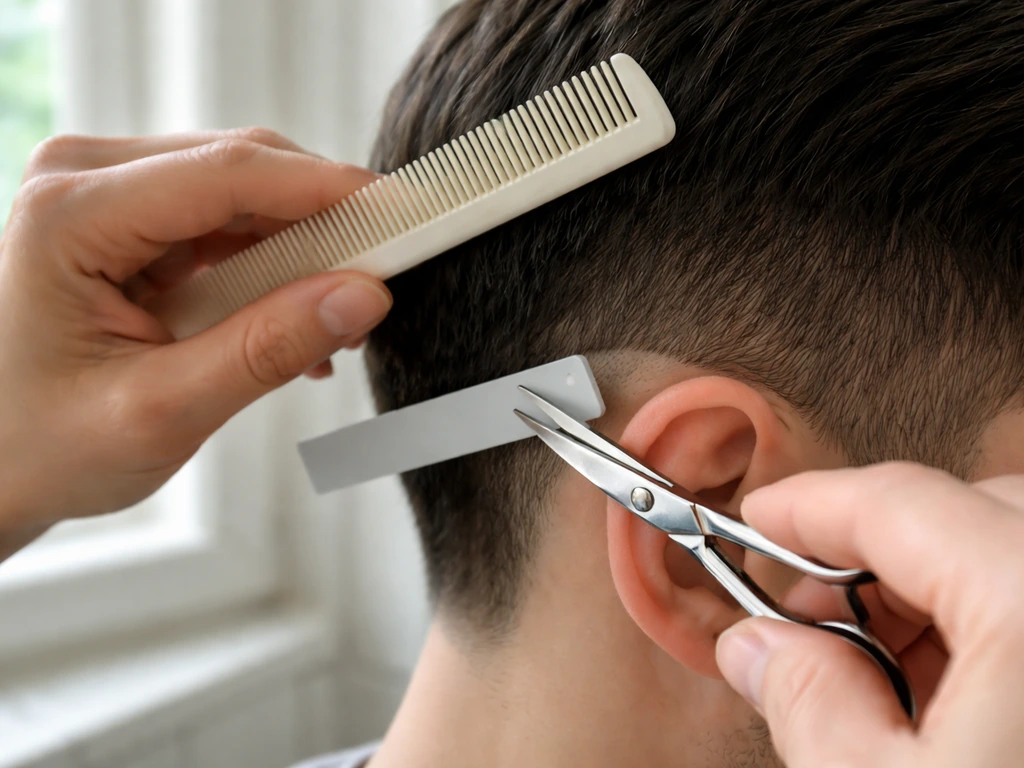
Growing out does not mean zero trims. The goal is strategic trimming, not avoiding scissors entirely. Here's how to approach it without accidentally cutting off the progress you're making.
- Trim the sides every six to eight weeks, but only remove the absolute minimum: split ends, scraggly single hairs that stick out, and any length that's creating a hard visual line. A 'baby trim' of a quarter inch every six to eight weeks keeps ends clean without losing meaningful length.
- Keep the lower perimeter of the sides slightly tidier than the rest. This means asking for the neckline and the area just around the ear to stay clean even as the bulk of the side hair grows. A clean perimeter makes the grow-out look intentional at every stage.
- Slow down the top's growth rate slightly. If your top is growing fast and the sides are lagging, ask your stylist to take a little more off the top at each visit so everything arrives at the target length around the same time.
- Never trim the sides yourself unless you are only cleaning up the hairline or removing a single obvious split end. Eyeballing symmetry in a mirror is notoriously unreliable and one uneven trim sets you back weeks.
- If you're growing out an undercut specifically, taper rather than trim: ask for the disconnected line to be blended upward by about half an inch each visit rather than simply adding length below.
Common problems that come up and how to fix them
One side growing faster or sitting differently
This is incredibly common and almost always comes down to natural growth patterns or a cowlick rather than a real asymmetry in growth speed. Before you assume one side is growing slower, map where your cowlicks are. The side where a cowlick sits will often appear shorter because the hair is growing at an angle rather than downward. The fix: blow-dry that side in the opposite direction from how the cowlick naturally spirals.
Re-wet the section with a spray bottle, apply a little mousse or paste, then use a round brush or comb to direct the hair against the cowlick's natural rotation while blow-drying on medium heat. Finish with a cool blast to set it, and hold the section down for a few seconds. Done consistently, this actually trains the hair to lie flatter over time.
Uneven texture or curl pattern emerging
If your sides were very short or shaved before, you may not remember (or have never known) that your natural texture is wavy or curly at that length. This catches a lot of people off guard around month three when the sides start to curl while the top lies straight, or vice versa. This isn't a problem with your grow-out, it's just your actual hair texture. Lean into it rather than fighting it. Use a cream or a curl-activating product on the sides to encourage a consistent texture, and reconsider whether your target style needs to account for this texture difference.
Color or bleach grow-out at the sides
If your sides were bleached, highlighted, or colored and the natural root is now growing in at a different tone, you've got a layered problem: managing both the color transition and the length transition simultaneously. The most practical approach is to either tone the roots to reduce contrast every eight to ten weeks (without bleaching again, which weakens the hair) or embrace the root shadow and treat it as a gradient. Avoid overlapping bleach onto previously processed side hair as it will increase breakage right when you need that length to be healthy.
Lopsided shape in the mid-growth stage
If your sides genuinely look lopsided by month three or four, don't panic and don't cut everything short again. Book a shape-up with a stylist and ask specifically for the sides to be 'balanced and tapered without removing length.' A good stylist can use point-cutting and thinning shears to remove bulk from the thicker side without making it shorter, so the overall length stays on track while the visual balance is restored.
When to actually go see a stylist (and what to say)
You don't need a stylist visit every few weeks, but there are specific moments where going in makes a real difference versus trying to manage on your own.
- Before you start the grow-out: ask for a 'shape-up that sets me up for growing the sides out.' A stylist can remove any hard lines, pre-taper the sides, and give you a starting shape that will look better through the awkward stage.
- At month two to three: this is when the volume and blending issues start. Ask for 'a taper clean-up at the temples and a baby trim on the ends without taking off length.' Be specific that you are growing the sides out.
- Any time one side looks noticeably different from the other: ask for 'balancing without reducing length.' Use those exact words. Stylists sometimes interpret 'fix this' as permission to cut everything shorter.
- If you're growing out an undercut: tell your stylist your goal is to eliminate the hard line gradually, not all at once, and ask them to blend the undercut line upward by about half an inch this visit.
- If your ends are visibly splitting or breaking by month four or five: this is worth addressing before the damage travels up the shaft. A trim of just a quarter inch prevents much larger cuts later.
The most important thing you can do in any stylist appointment during a grow-out is show a photo of the target length and say clearly: 'I'm growing this out, I don't want to lose length, I just need it to look intentional.' Most stylists will work with that if you're direct. If you leave it vague, you may walk out shorter than you wanted.
Growing out the sides is a commitment of roughly three to six months depending on your starting length and target. If you're wondering should i grow out my hair male, start by checking how long you can tolerate the awkward window and whether your current cut suits the plan. It's not always comfortable. But with the right trim schedule, a couple of good products, and the knowledge that the awkward phase is temporary and manageable, most people who stick with it are genuinely glad they did. The key is having a plan before the bad hair days hit rather than making decisions out of frustration in front of the mirror.
FAQ
How often should I trim the sides while I’m growing them out?
Aim for “trim with intent,” usually every 6 to 10 weeks, but only to manage shape at the temples and keep the transition from the top blended. If your cut is already balanced, you can stretch to closer to 10 to 12 weeks. If you start seeing a sharp shelf line, shorten the interval by about two weeks rather than taking more off in one session.
What should I tell my stylist to avoid accidentally losing side length?
Use a specific script: “I’m growing these out, I don’t want the sides shorter. I want a blend using point-cutting or shear-over-comb, and keep the perimeter length while reducing bulk.” Also ask them to show you the plan with a mirror mid-appointment, so you can stop if they begin reshaping the cut instead of cleaning the transition.
Can I grow out the sides if my hair grows fast or I’m impatient?
Yes, fast growers still hit the same visual problem window, just sooner. The workaround is scheduling smaller, earlier appointments (for example, after 3 to 5 weeks) to prevent puffing from becoming a “bigger than my style can hide” issue. You may also need slightly stronger hold products for the sides during months 2 to 4.
My sides flip outward and look wider than the top, what’s the quickest fix?
Treat it like a styling, not a cutting, problem first. Blow-dry the sides downward with tension using a medium-hold matte clay or paste on damp hair, then comb them slightly forward toward the ear before letting them set. If it persists even right after styling, book a blend appointment focused on tapering the lower edge and reducing side bulk without shortening.
Is it better to stop getting haircuts completely during the grow-out?
No, full stop usually backfires because the transition line becomes more obvious as length increases. The better approach is strategic micro-maintenance: keep the ends from looking scraggly, tidy the temples, and preserve the overall length plan. The fewer trims you do, the more you risk needing a corrective cut later.
How do I handle cowlicks or one side that lies flatter than the other?
Don’t assume you’re growing slower on one side. Map where the cowlick sits by wetting and checking direction, then blow-dry that section against the cowlick’s natural rotation with medium heat. Use mousse or paste and finish with a cool blast while holding the hair in place for a few seconds to train the direction over time.
Should I change my part while growing out the sides?
Often, yes, because the part strongly affects how balanced your sides look. Switch to a center or deeper side part temporarily for a few weeks, but change it on damp hair so it trains more easily. If your hair has a strong curl or wave at this length, avoid changing parts too frequently because it can disrupt the natural fold pattern.
What if my hair is wavy or curly at the sides, will it ruin the grow-out?
It can actually improve the look if you lean into texture. Around mid-growth, sides may curl while the top looks straighter, creating mismatch. Use a cream or curl-activating product on the sides to keep texture consistent, and consider aiming for a style that includes the wave shape instead of forcing everything to hang straight.
What if my sides are colored or bleached and the roots look uneven as they grow?
You’re dealing with both length and tone transitions. The practical choice is either tone the roots periodically every 8 to 10 weeks to reduce contrast (without repeating bleach) or accept a softer root shadow and treat it like a gradient. Be extra cautious not to overlap bleach near the growing sides, since that increases breakage right when you need the length most.
My asymmetrical bob side reaches the jaw sooner. Should I trim the longer side to match?
Try not to equalize by cutting length unless you’re abandoning the original shape plan. Instead, keep the overall perimeter trimmed to prevent scraggly ends, then let both sides continue growing at their own pace while maintaining a consistent perimeter. If it still looks off by months 3 to 4, ask for bulk removal on the thicker side without removing length.
How long will it take before the sides stop looking awkward?
For most people, the hardest window is months 2 to 4, then things gradually look more intentional from month 5 onward. Your timeline can shorten or lengthen depending on starting length and how puff-prone your hair is. If you can’t tolerate that months 2 to 4 period, consider a short adjustment first, like slightly shorter top-to-side blending, before committing to the full grow-out.
Can I gather length for a man bun while growing out the sides?
You can, but the mid-growth window can make it harder to pull enough back length while the sides still stick out. Plan for the awkward stage by focusing on keeping the top/back progressing with slightly less frequent side trims, and use hold products that control the sides so the bun doesn’t highlight the imbalance.